A Gate Agent Shares 3 Passenger Behaviors That Can Quietly Lead to Upgrades
Most travelers believe that getting upgraded is a matter of pure chance – a random cosmic gift handed down by the airline gods on a good day. The reality, according to gate agents, is far more grounded than that. There are real, observable behaviors that gate agents notice, quietly, without saying a word, that can tilt the odds in your favor. The upgrade landscape has shifted considerably in recent years, and understanding how the system works is the first step toward benefiting from it. According to IATA’s 2024 World Air Transport Statistics, international premium class travel – business and first class – grew by 11.8%, outpacing growth in global economy travel. That growth means more eyes on premium cabins, and more decisions being made at the gate about who fills any remaining seats.
1. Being Genuinely Polite – Not Just Performing Niceness
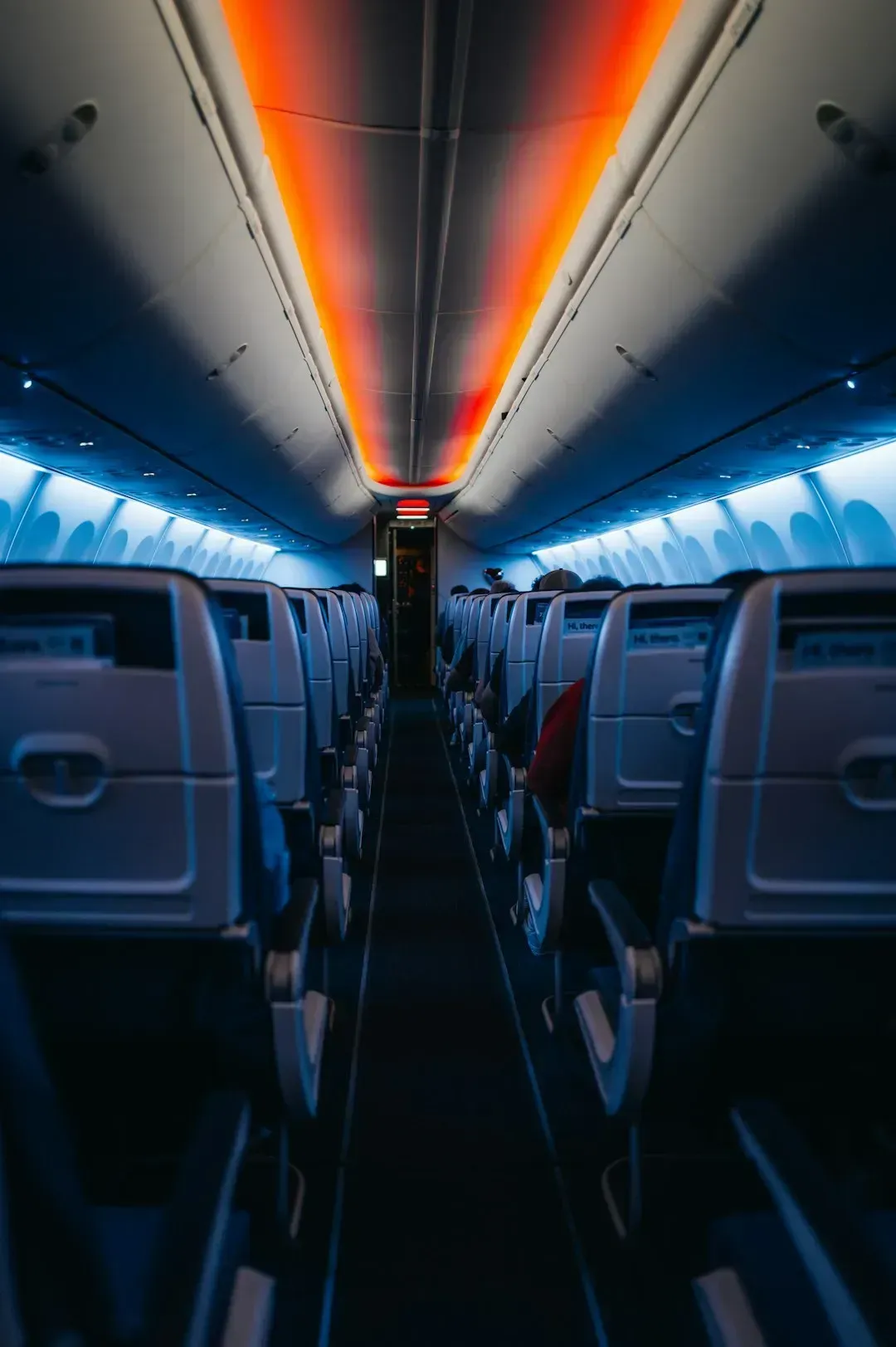
Gate agents can read people within seconds. They deal with hundreds of passengers per shift, and they can tell the difference between someone who is authentically kind and someone who turns on the charm only when they want something. This distinction matters more than most travelers realize. Gate agents simply don’t upgrade the kind of people who look like they are going to sit around and complain and annoy other passengers. It means your upgrade chances are being quietly assessed long before you ever open your mouth to ask.
A friendly smile and pleasant demeanor can genuinely trump certain rules at the gate – just be sure not to ask when the agent is swamped with other tasks. The JD Power 2025 North America Airline Satisfaction Study reinforces why this dynamic exists: positive passenger experiences with airline staff were responsible for a 9-point increase in customer satisfaction in the economy and basic economy segment, underscoring the importance of frontline personnel to the overall passenger experience. Agents are not immune to the energy a passenger brings. Agents can and do make comments on a traveler’s record, and your behavior – past or present – can affect your experience, including your chances of being bumped or selected for perks on future flights.
2. Arriving at the Gate at the Right Time – Not Too Early, Not Too Late
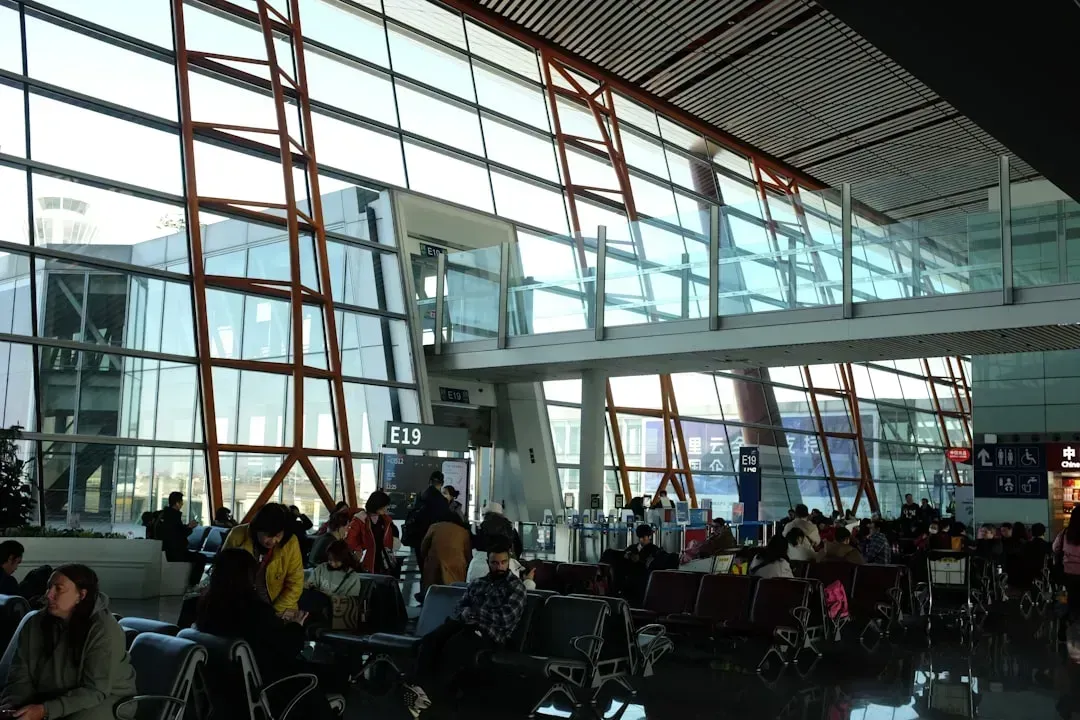
Timing is everything when it comes to upgrades, and most travelers completely get this wrong. Show up three hours early and the gate agent simply won’t be servicing your flight yet. Show up right at boarding, and every decent seat is already gone. If you want to be upgraded, get there around one hour before boarding. This is more strategic than it sounds. Passengers who check in the moment the window opens and reach the gate early tend to make a quiet impression before the rush starts. By the time a flight turns tight, gate agents already know who is calm, prepared, and physically present – which matters when standby moves, oversell fixes, or last-minute premium seats appear.
A traveler with a clean reservation, a working boarding pass, and the correct loyalty number already attached is easier to process when the gate gets busy. Major airlines use status, fare type, time, and other factors to prioritize upgrades, so passengers who wait until boarding to fix account issues may miss the moment when the list is actively moving. The behavior that quietly helps is handling the administrative stuff early, then arriving at the gate with nothing unresolved, because agents under pressure naturally lean toward reservations that can be moved in one step instead of untangled live. As of 2024, many carriers have introduced dynamic pricing for upgrades, allowing passengers to bid or purchase upgrades at check-in or even at the gate. That window is narrow, and being present and ready is how you catch it.
3. Traveling Solo – and Choosing Off-Peak Flights
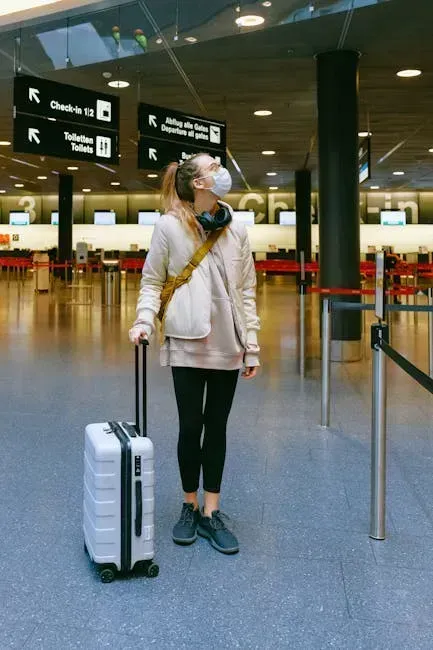
Flying alone is one of the single biggest advantages a passenger can have when it comes to upgrade prospects. It sounds almost unfair, but it makes complete operational sense. The numbers around this are striking. Statistical analysis suggests that solo travelers enjoy a significantly higher likelihood of being moved to first class on late-night flights, reportedly experiencing upgrades 23 times more often than couples. The rationale offered by airline personnel is quite pragmatic: single passengers present a far simpler logistical proposition.
From an operational standpoint, it is far easier to upgrade a single traveler. Gate agents can efficiently fill vacant first-class seats by accommodating individuals, a less complicated task than trying to find two adjacent seats for a pair. Timing your flight strategically compounds this advantage. The timing of an upgrade request also appears to play a role, and upgrades sought during off-peak hours such as late-night or early-morning flights seem to have a higher acceptance rate, likely related to reduced overall passenger demand during these time slots. It helps to know this exists in an environment where upgrades are becoming harder to come by: airlines have overhauled loyalty program benefits, increased elite thresholds, and introduced new perks while tightening restrictions on basic economy fares. American, United, and Delta have all recently overhauled their loyalty programs to reward big spenders, with passengers earning more points and elite status based on how much they spend, not how far they fly. Still, human behavior at the gate matters more than most travelers realize.