If You Have One Of These 20 Names, You Were Likely Born In The 1950s
Ever wonder why certain names just scream a particular decade? Names tell stories about the times we live in, the culture we absorbed, and even what our parents were watching on television. The 1950s was a fascinating era of tradition and change, and nowhere is that more evident than in the baby names parents chose for their kids.
This was the height of the Baby Boom, when American families were growing rapidly and cultural norms felt rock solid. Parents tended to pick names that felt safe, familiar, and deeply rooted in tradition. Yet there were some surprises too. Let’s take a journey through twenty names that defined this remarkable decade.
1. Mary
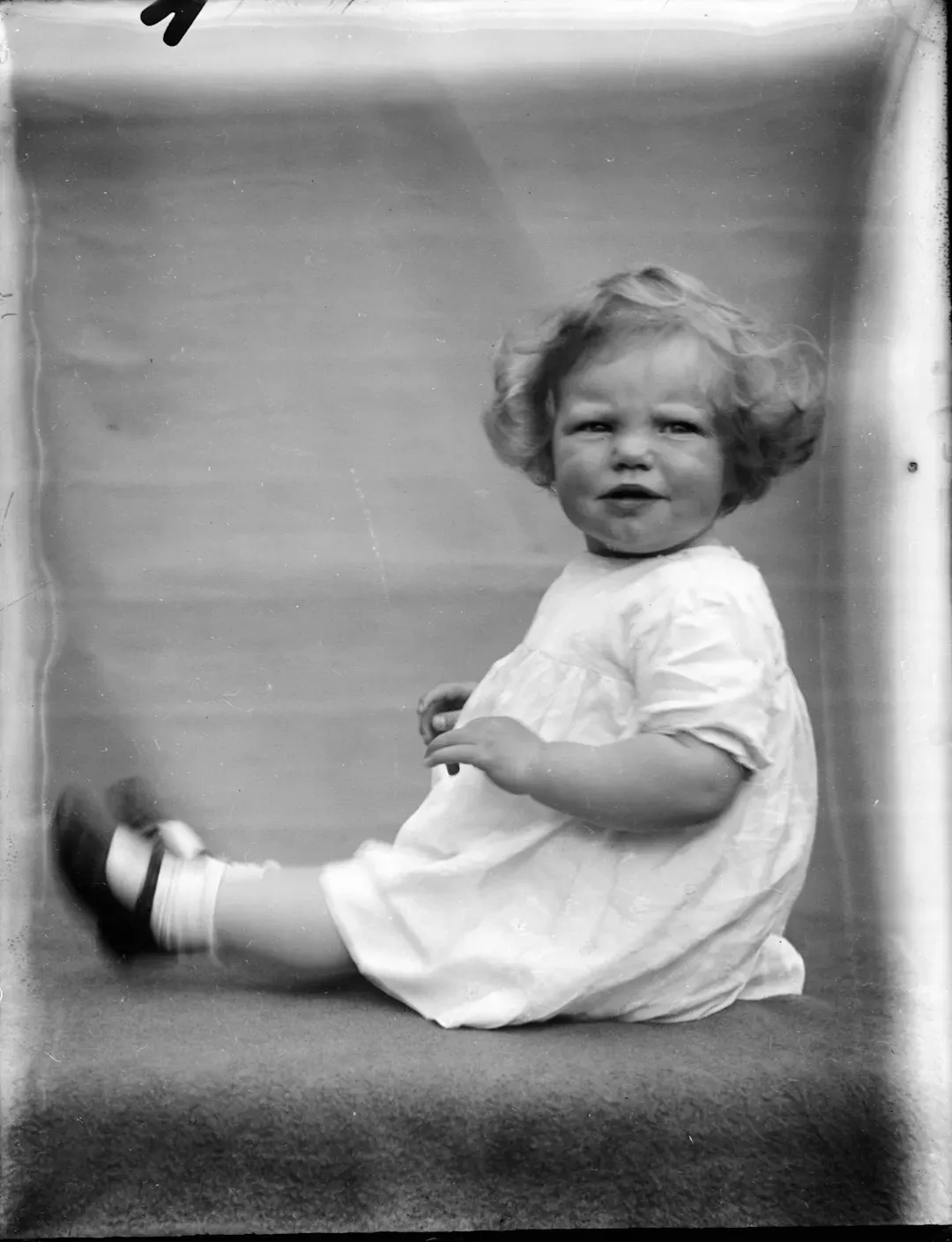
Mary remained the most popular baby name throughout the 1950s, just as it had been for decades before. More than 600,000 girls received the name during the fifties baby boom. This timeless choice carries deep religious significance, honoring the mother of Jesus, which resonated strongly with Christian families across America.
The name Mary held such dominance that many girls went by their middle names to differentiate themselves from all the other Marys in their classroom. Think Mary Ann, Mary Beth, or Mary Grace. Despite its massive popularity back then, Mary has dramatically declined in recent years, though it still holds a certain classic charm that some modern parents are rediscovering.
2. Linda
Linda was a phenomenon all its own during the 1950s. Linda topped the list of girls names in the 1950s, as they had in the 1940s, and it’s hard to overstate just how ubiquitous this name became. Picture this: nearly every classroom, every neighborhood, every Girl Scout troop had at least one Linda.
The name Linda means “pretty” or “beautiful” in Spanish, though many American parents simply loved how it sounded. 564,353 baby girls were named Linda in the U.S. in 1950 alone. Today? You’d be hard pressed to find a baby Linda anywhere, making it one of those names that instantly dates someone to a specific generation.
3. James
James was used an impressive 843,731 times during the 1950s, making it the undisputed champion of boys’ names for the decade. This wasn’t a flash in the pan either. James was the go-to choice for boys from 1940 to 1952.
What’s remarkable about James is its staying power. James was a top 10 baby boy name in the 1950s and was still in the top 20 in 2024. The rebellious icon James Dean only solidified its allure during the decade, adding a layer of cool sophistication to what was already a bulletproof classic. It’s a name that works in every generation, which is probably why it never really goes away.
4. Michael
Here’s where things get interesting. Michael experienced a meteoric rise during the 1950s. Michael became the most popular male name starting in 1954 and remained so for the rest of the decade. This biblical name, historically associated with emperors, kings, and saints, suddenly captured the American imagination.
Michael had been the most popular name for baby boys, almost without interruption, since the early 1950s. The name would go on to dominate for decades after, but its explosive growth really started in the fifties. It’s hard to say exactly why Michael took off so dramatically, though its strong, masculine sound and religious heritage certainly didn’t hurt.
5. Patricia
Patricia had serious staying power throughout the 1950s, consistently ranking in the top five for girls’ names. Patricia was making its way to the top in the period, representing a slightly more sophisticated alternative to some of the other popular names of the era. It felt elegant without being pretentious.
The name Patricia comes from the Latin word for “noble” or “patrician,” lending it an air of refinement. Parents who chose Patricia often nicknamed their daughters Patty, Trish, or Pat. Today, Patricia has fallen significantly in popularity, but during the fifties, it was absolutely everywhere, showing up on birth certificates across the country with remarkable consistency.
6. Robert
Robert was a powerhouse name that battled James for supremacy throughout the decade. Robert returned as the No. 1 name for just one year in 1953, demonstrating its enduring appeal. The name means “bright fame” in Germanic, and it certainly lived up to that meaning.
What’s fascinating about Robert is how it generated so many nicknames: Bob, Bobby, Rob, Robbie. This flexibility made it appealing to parents who wanted options as their child grew. While Robert has declined from its 1950s heights, it remains recognizable and respectable, never falling completely out of fashion like some other names from that era.
7. Barbara
Barbara enjoyed immense popularity, with around 345,724 instances registered in the 1950s. The name means “foreign woman” in Greek, though American parents in the fifties were probably more attracted to its sophisticated sound than its literal meaning. Barbara felt grown up, polished, and professional.
The extraordinary talent of Barbara Streisand, who rose to fame during this time, further solidified the name’s status. Barbaras were often called Barb or Barbie, with the latter nickname getting a massive boost from the iconic doll introduced in 1959. Today, Barbara feels distinctly retro, but back then, it was the height of style.
8. Susan
Susan absolutely exploded in popularity during the 1950s. Susan has steadily fallen down the charts in ranking since the ’50s and managed to remain in the top 1000 until 2020, when it disappeared from the list. That dramatic fall from grace shows just how strongly Susan was tied to its era.
The name Susan, derived from the Hebrew word for “lily,” had a clean, wholesome quality that appealed to postwar parents. It felt modern without being weird, traditional without being stuffy. Every elementary school in America seemed to have multiple Susans, often going by Sue or Susie to avoid confusion during roll call.
9. Deborah and Debra
This is where things get truly fascinating. Two variations of a similar name – Debra and Deborah – are among the top 10 baby girl names of the 1950s. Debra peaked at No. 2 in 1956 but has not cracked the top 1000 baby names since 1998.
America in the 1950s liked the name Debbie, and a huge number of parents named their little girls Debra or Deborah, intending to use the diminutive. The name came on quickly and burned bright, but unlike some classics, it didn’t have lasting power beyond its moment. Today, meeting a baby Deborah would be genuinely surprising, making it one of the most distinctly “fifties” names imaginable.
10. David

David represents another biblical name that surged during the 1950s. Three different boys’ names saw the No. 1 spot during the 1950s, and David was one of them. Its Hebrew meaning, “beloved,” gave it a gentle quality despite its strong sound.
David has managed to remain popular across generations, though not quite as dominant as it once was. The name works internationally, translates well across cultures, and has that perfect combination of familiar yet distinguished. Kids named David in the fifties could be Dave, Davey, or stick with the full name, giving it versatility that parents appreciated.
11. Karen
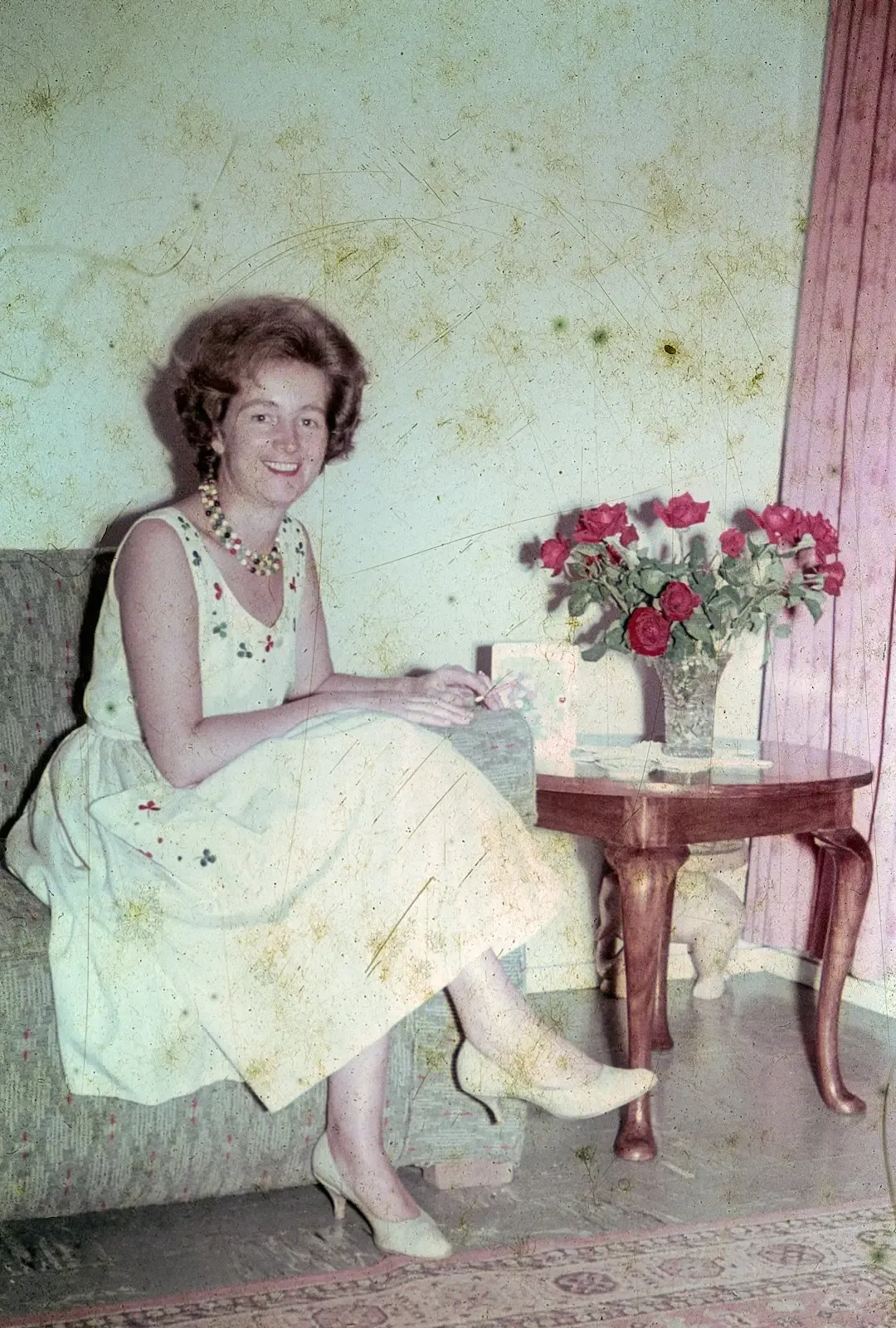
Karen was in the top 10 in the 1950s, making it one of the defining names of the era. Karen felt fresh and modern compared to more traditional choices like Mary or Elizabeth. It had a crisp, efficient sound that matched the optimism of postwar America.
Unfortunately for Karens everywhere, the name has become a slang term for an entitled woman in recent years, and Karen has plummeted in popularity after 2010. This dramatic cultural shift shows how a name can become a victim of circumstances completely beyond anyone’s control. But back in the fifties, Karen was simply a lovely, popular choice without any negative connotations whatsoever.
12. Gary
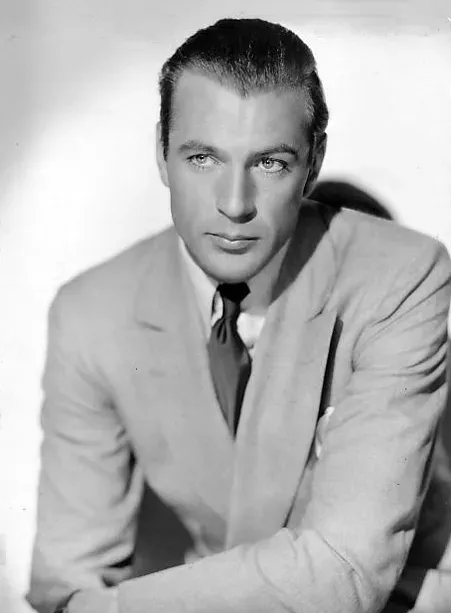
Gary is one of the most interesting name stories of the 1950s. In the 1950s as many as 1.54% of male babies in the United States were named Gary, making it the 12th most popular given name of that decade. The name reached its record popularity (9th place) in 1954, the year after Cooper received his Best Actor Academy Award for his leading role in High Noon.
Gary Cooper’s influence on baby naming can’t be overstated. Before him, Gary was relatively uncommon. After him, it became a staple of 1950s birth certificates. The name has since fallen dramatically, making it a clear generational marker. If you meet a Gary today, chances are excellent he was born in the fifties or early sixties.
13. Nancy
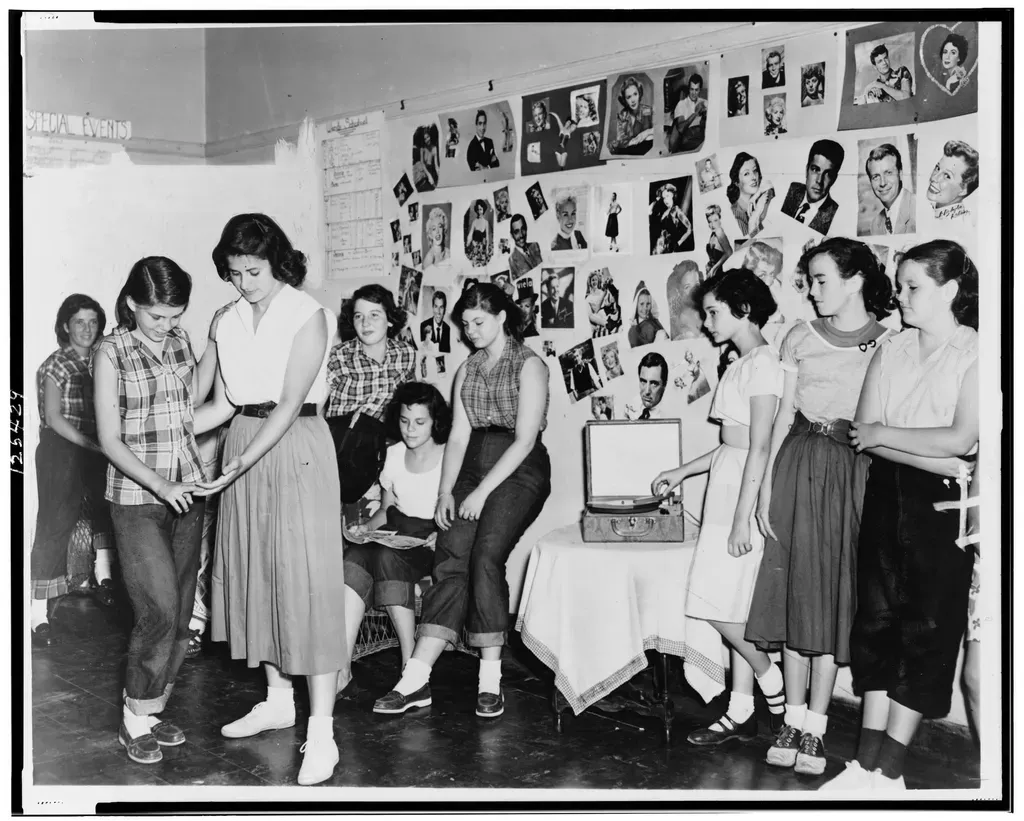
Nancy had a cheerful, approachable quality that made it perfect for the optimistic 1950s. Originally a nickname for Anne or Agnes, Nancy had fully evolved into a standalone name by the time the Baby Boom hit. It felt friendly, unpretentious, and wholly American.
Nancy Drew, the iconic teenage detective, had been popular in books since the 1930s, which may have contributed to the name’s appeal. Parents could picture their little Nancy as smart, capable, and adventurous. The name has fallen considerably since its heyday, but it still carries that wholesome, girl next door charm that defined the era.
14. Richard
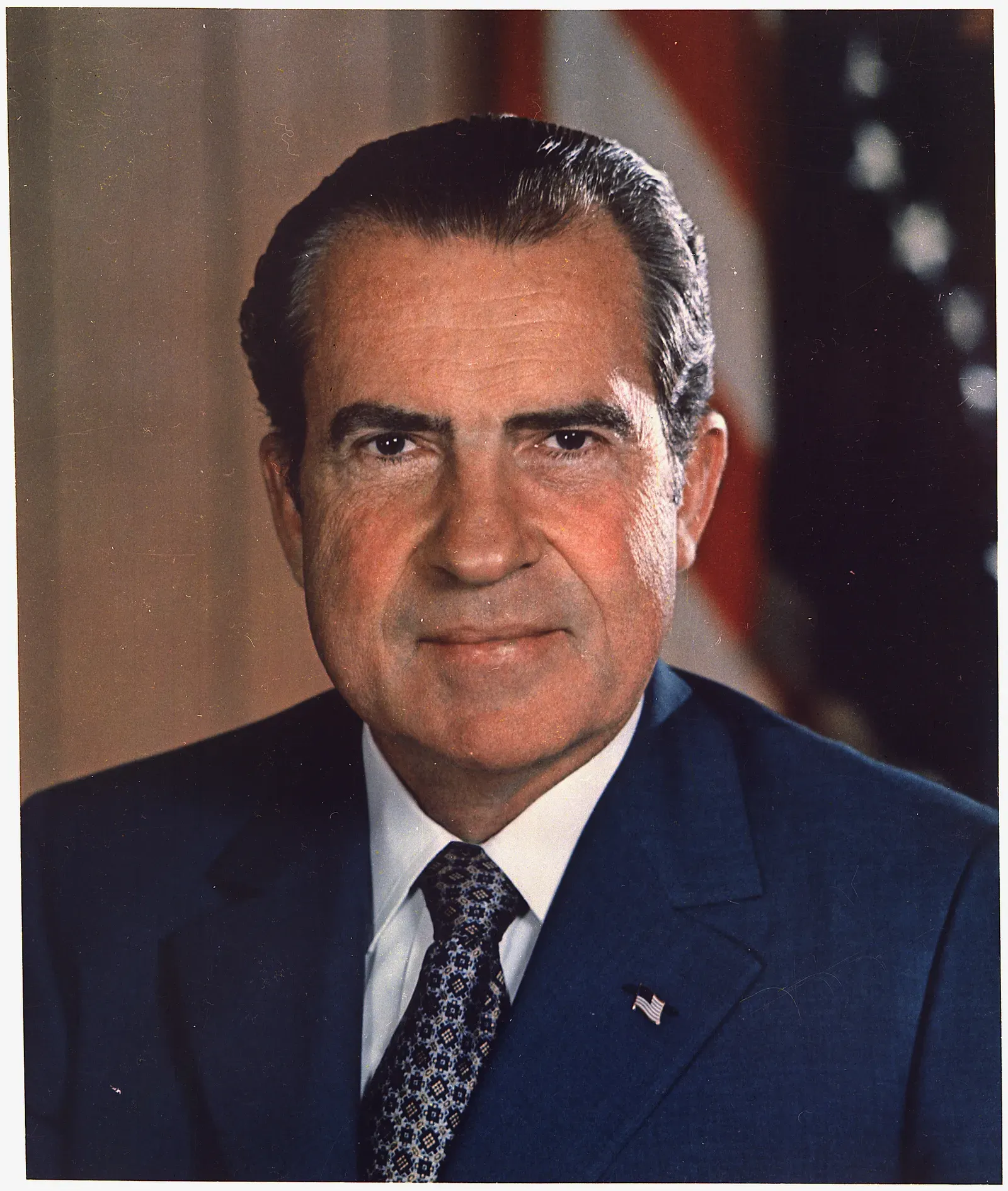
Richard, a name signifying “brave ruler” in Germanic, experienced a surge in parental favor during the 1950s with its regal essence and authoritative charm. Richard Nixon, the 37th President of the United States, further elevated the name’s prominence.
Richard generated numerous nicknames: Dick, Rich, Rick, Ricky. This flexibility meant parents got multiple names in one, allowing the child to reinvent themselves as they grew. Richards of the 1950s often went by Dick without the slightest snicker, though that particular nickname has become less common in recent decades for obvious reasons.
15. Donna

Donna means “lady” in Italian, and it had a sophisticated continental flair that appealed to American parents in the 1950s. The name felt elegant yet accessible, exotic yet familiar. Donna Reed’s television show, which ran from 1958 to 1966, certainly helped cement the name’s association with the ideal American housewife and mother.
Donna was everywhere during the fifties, ranking consistently in the top twenty for girls’ names. Today it’s become quite rare, joining the ranks of names that feel distinctly tied to their era. There’s something about Donna that just screams midcentury America, poodle skirts and all.
16. Kenneth
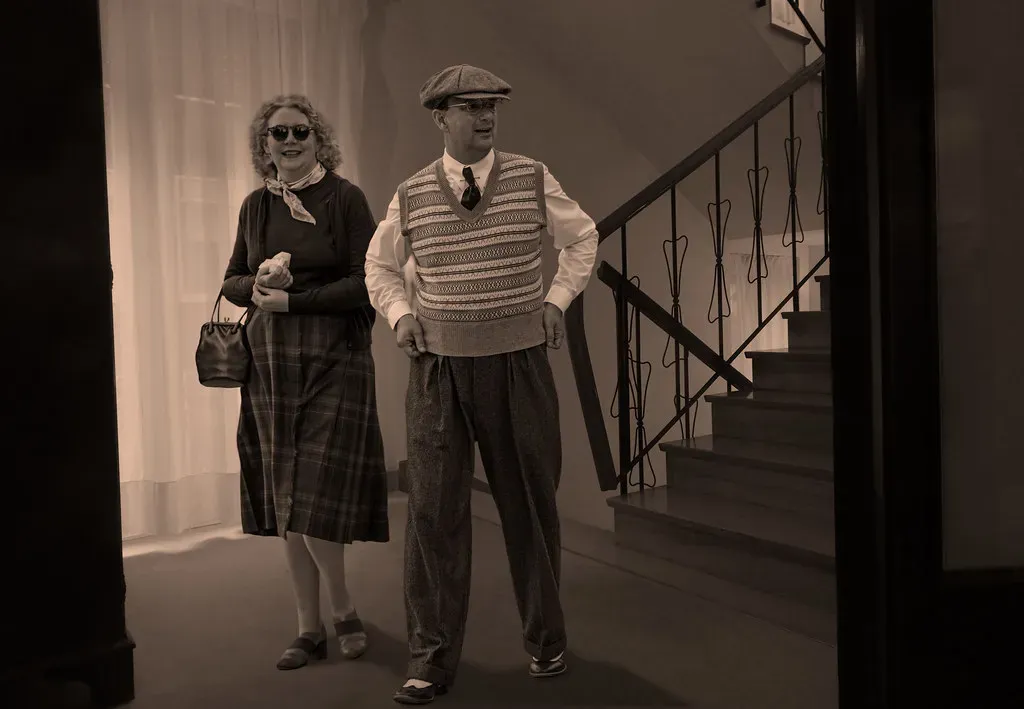
Kenneth has Scottish origins and means “handsome” or “born of fire,” giving it a rugged quality that fifties parents found appealing. The name felt substantial and serious, perfect for parents who wanted their sons to sound responsible and trustworthy. Kenneth could become Ken or Kenny, offering both formal and casual options.
The name maintained steady popularity throughout the decade without ever quite reaching the heights of Michael or James. Still, Kenneth was a solid, dependable choice that would serve a boy well throughout his life. It’s declined significantly since then but hasn’t disappeared entirely, occasionally experiencing minor revivals.
17. Cynthia
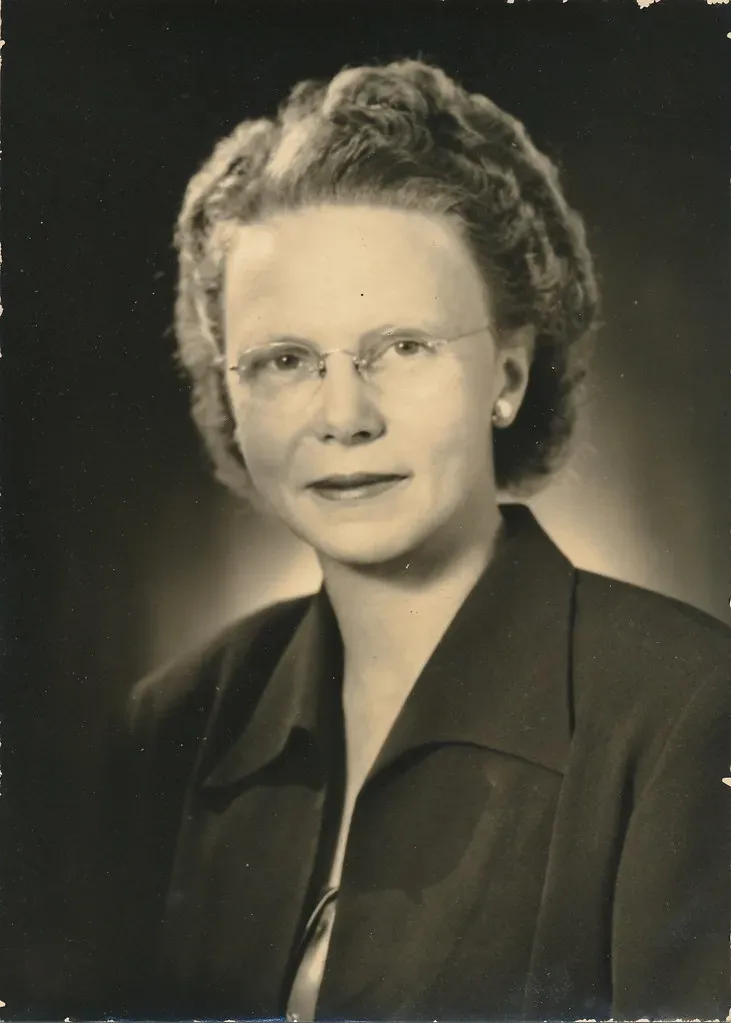
Cynthia had a lyrical, almost poetic quality that set it apart from simpler names like Sue or Ann. The name comes from Greek mythology, being another name for the moon goddess Artemis. That classical heritage gave Cynthia an educated, refined air that parents in the aspirational postwar era found attractive.
Cynthias were often called Cindy, which became incredibly popular in its own right. The name had flexibility and charm, working equally well in a corporate boardroom or at a backyard barbecue. Like many names from the fifties, Cynthia has fallen dramatically but retains a certain vintage appeal that some modern parents are rediscovering.
18. Ronald
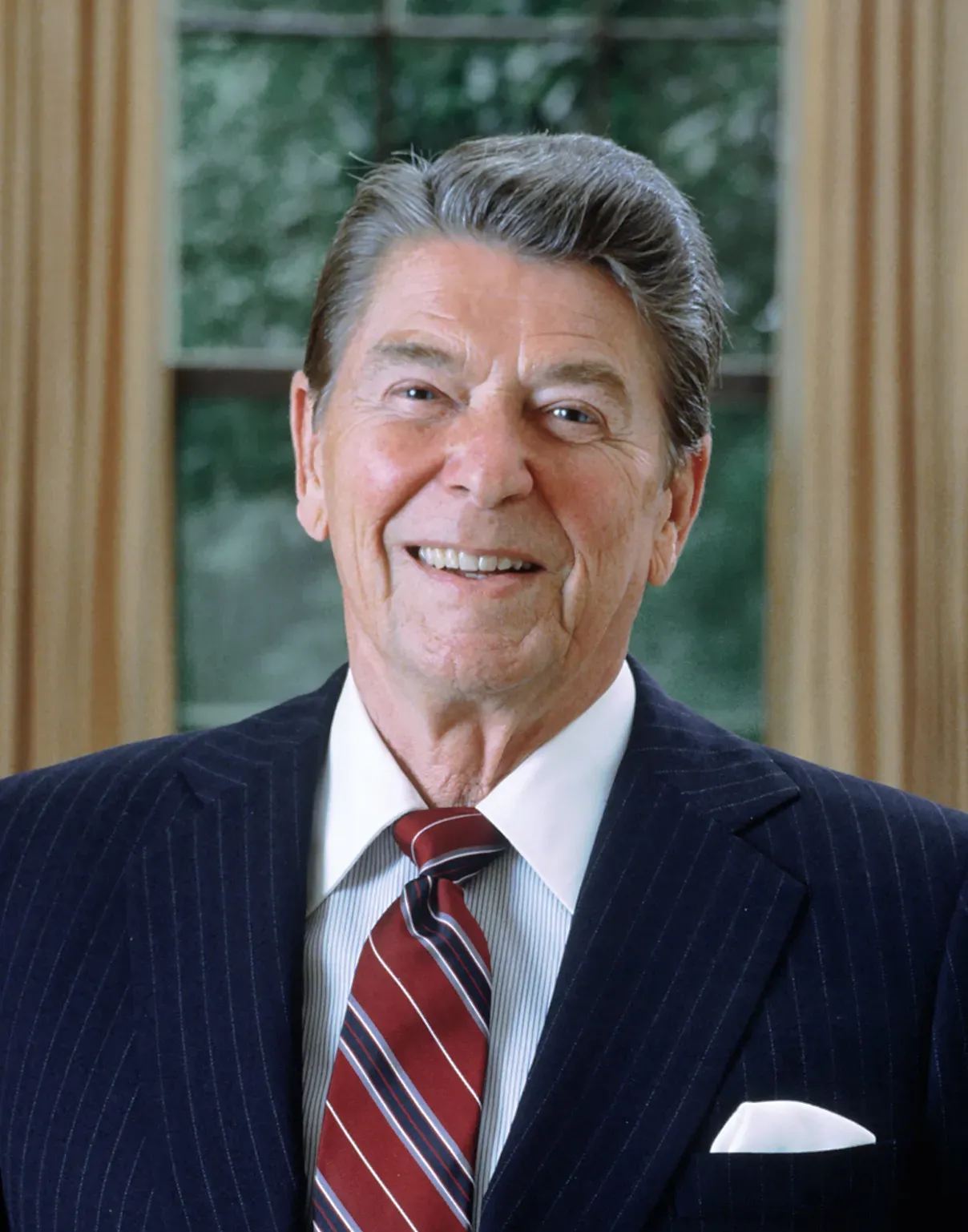
Ronald had gravitas. It felt presidential, authoritative, mature. The name comes from Old Norse, meaning “ruler’s counselor,” which certainly fits its serious tone. Ronald Reagan, though he wouldn’t become president until the 1980s, was already a well-known actor in the fifties, lending the name some Hollywood glamour.
Most Ronalds went by Ron or Ronnie, softening the name’s formality for everyday use. The name was popular enough to be everywhere but not so ubiquitous as to feel boring. Today, Ronald has become quite uncommon, making it another clear marker of 1950s births.
19. Sharon
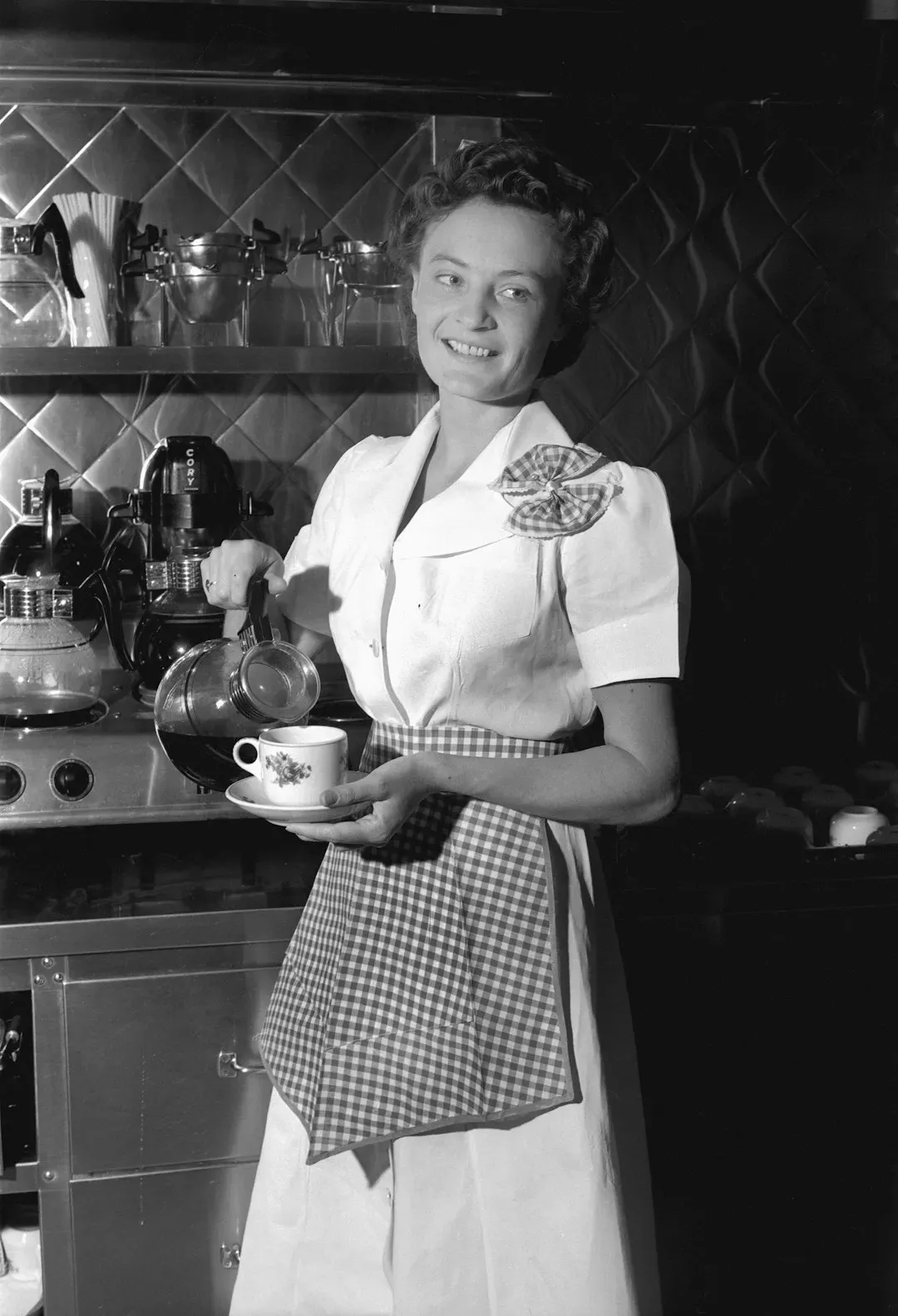
Sharon has Hebrew origins, referring to a fertile plain mentioned in the Bible. The name had a gentle, pastoral quality that appealed to parents seeking something both meaningful and melodious. Sharon felt wholesome and sweet, perfectly suited to the idealized family life promoted in 1950s culture.
The name’s popularity peaked during the fifties and has since declined dramatically. Sharon Stone would later give the name some edge and glamour, but by then it was already firmly established as a Baby Boomer name. If you meet a Sharon today, you can pretty safely guess her approximate age.
20. Mark
Mark, a baby boy name that hit its peak in the 1950s, has fallen in popularity but still remains in the top 300 baby boy names as of 2023. This shows Mark’s relative staying power compared to some other fifties names. It’s short, strong, and easy to spell – qualities that never completely go out of style.
Mark didn’t generate many nicknames, which was part of its appeal. What you saw was what you got: a solid, no-nonsense name that worked for boys and men alike. The biblical apostle Mark gave it religious credibility, while its brevity made it feel modern and streamlined. Mark sits in that interesting space where it’s recognizably from the fifties but hasn’t completely disappeared from use today.