Kitchen Hazards: 3 Modern Cookware Sets That Are Releasing “Forever Chemicals” Into Your Food
The kitchen has always been considered the heart of the home, yet many families unknowingly expose themselves to harmful chemicals while preparing their daily meals. Recent investigations and scientific studies have revealed that certain popular cookware sets continue to release PFAS into food, despite growing awareness about these toxic substances. PFAS (per- and polyfluoroalkyl substances) are a class of more than 14,000 identified synthetic compounds linked to cancer, reproductive harm and hormone disruption. Understanding which cookware types pose the greatest risk has become critical as state governments begin implementing bans and health agencies sound new alarms.
A 2024 analysis by the Environmental Working Group estimated that at least 143 million Americans – nearly half of the U.S. population – have detectable levels of PFAS in their tap water, and cookware represents another significant exposure pathway. The Ecology Center study, “What’s Cooking? PFAS and Other Chemical Hazards in Nonstick Cooking and Baking Pans,” found that 79% of tested nonstick cooking pans and 20% of tested nonstick baking pans were coated with PTFE. The findings paint a troubling picture of just how pervasive these chemicals remain in modern kitchens.
Traditional PTFE-Coated Nonstick Cookware Sets
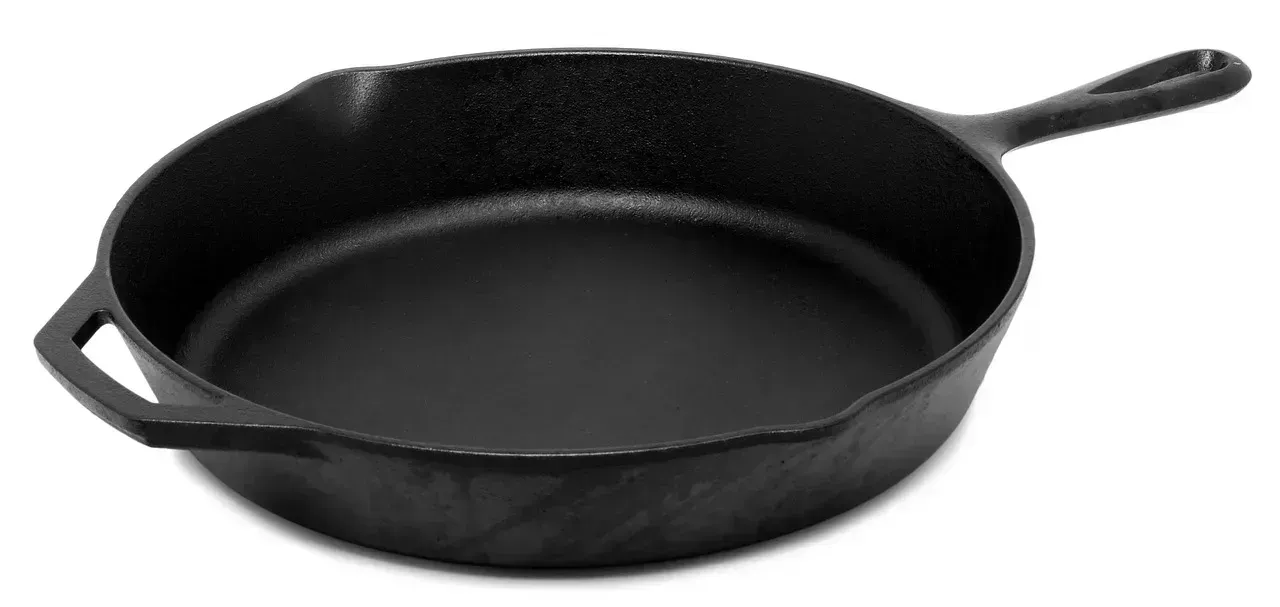
Most nonstick cooking pans and some baking pans are coated with a polymer form of PFAS called PTFE (polytetrafluoroethylene). PTFE, best known by the brand name Teflon™, is typically made using several hazardous PFAS that have polluted drinking water across the globe. These conventional nonstick pans remain wildly popular in American households due to their convenience and low price point. Many consumers believe that if a pan is labeled “PFOA-free,” it contains no harmful chemicals, yet this represents a dangerous misunderstanding of the labeling practices employed by manufacturers.
Research demonstrates the migration problem intensifies with use. In the first use, the concentration of PFSO in an acidic food with salt was 18.30 μg kg−1 and for PFOA 16.55 μg kg−1, and after being used five times, the concentrations found for PFSO and PFOA were 39.55 μg kg−1 and 34.52 μg kg−1, respectively, and after being used ten times 60.33 μg kg−1 and 54.21 μg kg−1, according to peer-reviewed studies on food contact materials. The chemicals leach increasingly into food with repeated heating and exposure. When scratched or worn, PFAS-coated nonstick pans may leach harmful chemicals into food. Damage to the coating can increase the risk of PFAS and other chemicals leaching into food during cooking. Despite these documented risks, traditional Teflon-style cookware continues to dominate retail shelves across the country.
Misleadingly Labeled “PFOA-Free” Cookware Products
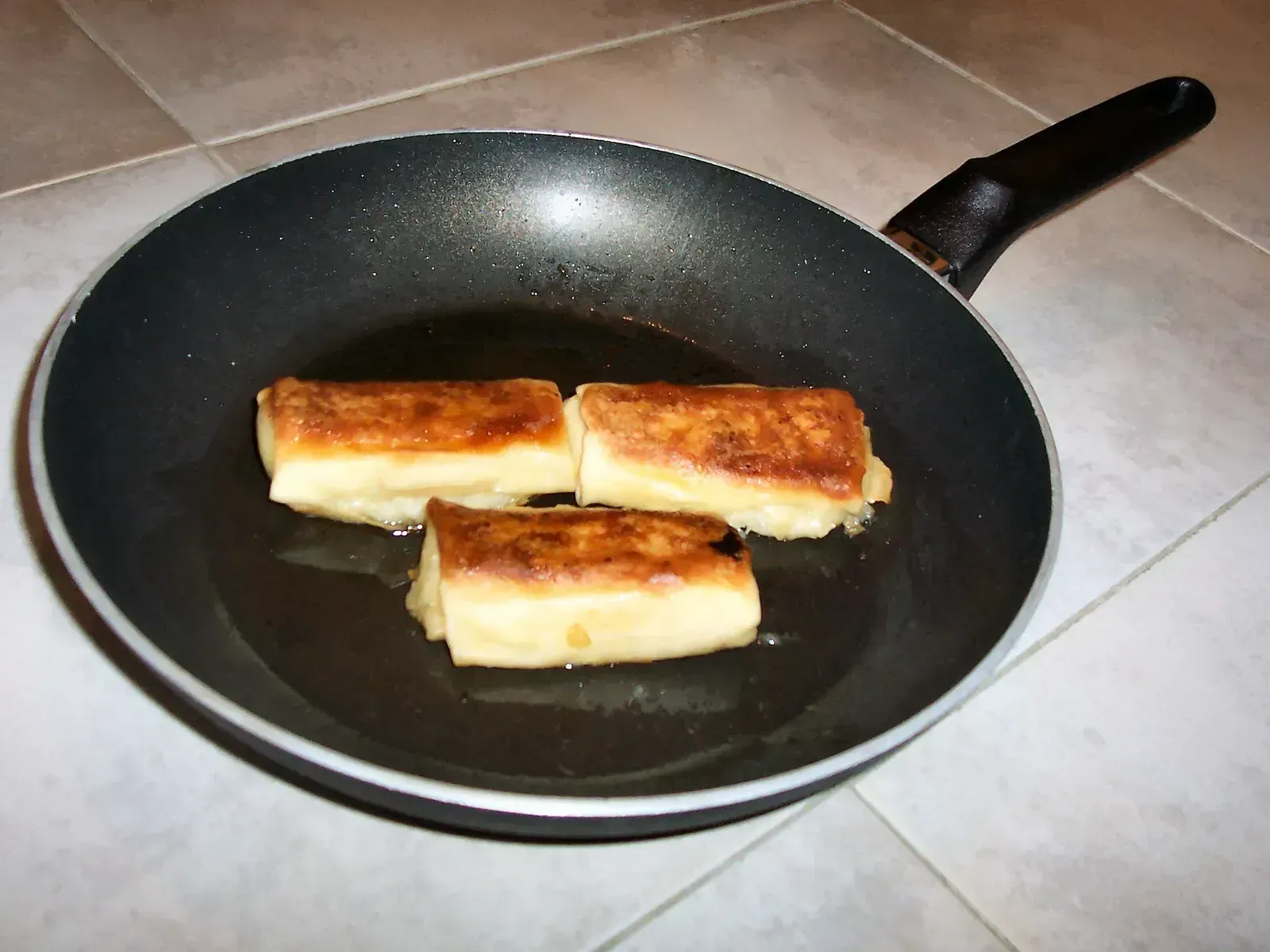
Perhaps the most insidious category involves cookware marketed with deceptive claims that mislead health-conscious consumers. Label claims, such as “PFOA-free” did not mean PFAS-free. In fact, most pans in this study labeled “PFOA-free” were coated with PTFE without disclosing that. Consumer Reports testing revealed the extent of this problem when they analyzed popular brands. Tests found an average of 4 parts per billion (ppb) of PFOA in the coating, even though Swiss Diamond’s package said it was PFOA-free.
The regulatory environment is beginning to catch up with these misleading marketing tactics. A California law that will go into effect in 2023 will ban companies from claiming in online sale listings that a cookware product is free of any one PFAS – like PFOA – if it contains any other PFAS, like PTFE. Those claims had to be removed from packaging by 2024, when a similar Colorado law took effect. Tested pans labeled “PTFE-free” were indeed free of PFAS. This distinction matters enormously for consumers trying to make safer choices. The manufacturers know exactly what they’re doing when they emphasize the absence of one specific chemical while the product remains saturated with related compounds that pose similar or identical health risks.
Budget-Priced Discount Store Nonstick Pans
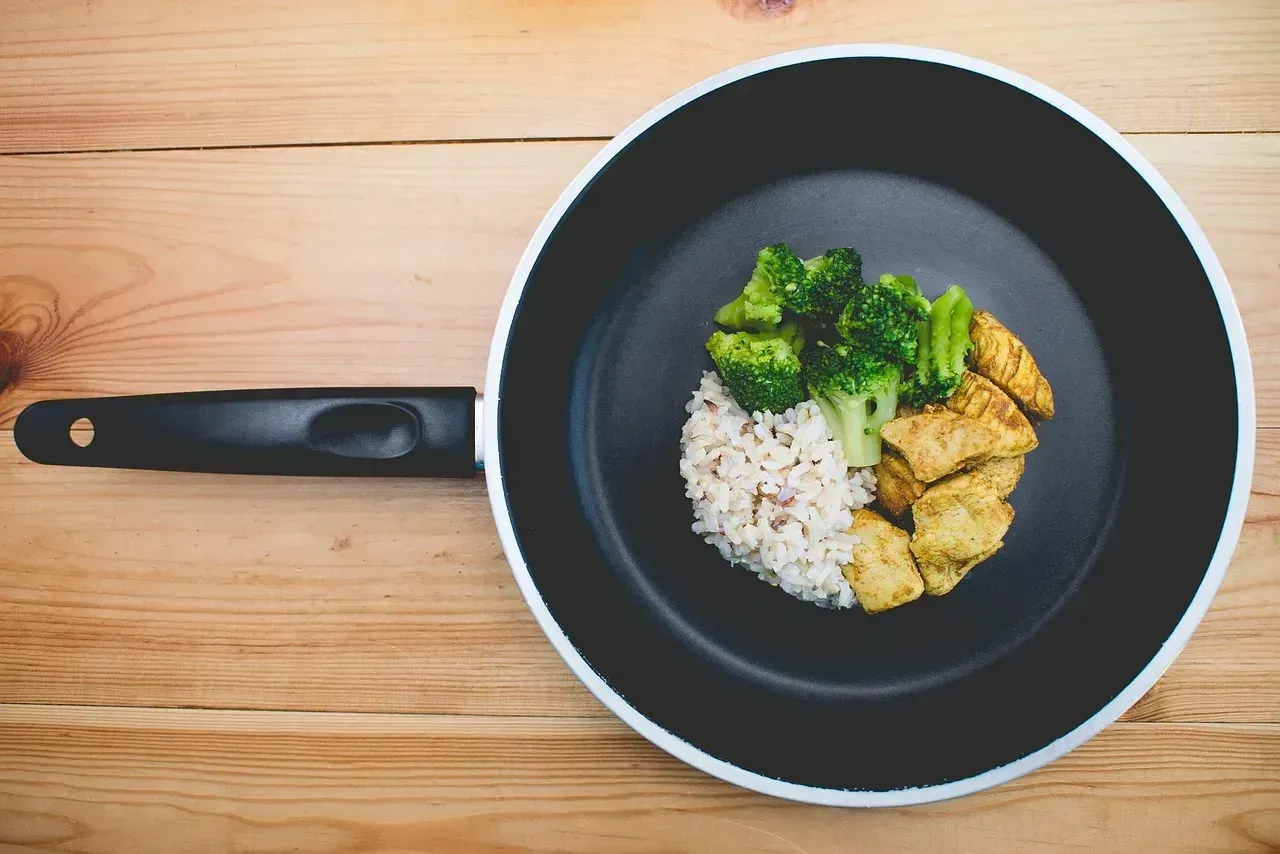
Some of the most concerning findings emerge from testing conducted on inexpensive cookware sold at dollar stores and discount retailers. Researchers tested 14 nonstick cooking pans and 10 nonstick baking pans to identify their coatings, choosing cookware that represented a range of brands and prices. The sample drew from 10 popular retailers, including discount “dollar” stores and top cookware brands as identified by Consumer Reports Magazine. Of the 24 pans tested, two were made in the U.S. and the rest in South or East Asian countries, highlighting global manufacturing chains with minimal oversight. These ultra-affordable options appeal to budget-conscious families and young adults furnishing their first kitchens, yet they often contain the highest concentrations of problematic coatings.
Price-sensitive consumers face a genuine dilemma. At Walmart, a Mainstays 9.5-inch nonstick skillet sells for about $9.96, while an 8-inch GreenPan model with a PFAS-free coating runs $19.96 – a $10 difference, or a little more than double the cost. For families already struggling financially, the safer option represents a significant expense increase. Yet the long-term health costs may prove far greater. A growing body of evidence indicates some PFAS contribute to liver disease, increased cholesterol, impaired response to vaccines, thyroid disease, asthma, lowered fertility, and high blood pressure in pregnant women. Elevated risks of testicular and kidney cancer have been found in highly exposed people. The cheapest pans today could translate into the costliest medical bills tomorrow.
Multiple states have taken action to protect consumers. As of Jan. 1, 2025, Minnesota became the first state to ban the sale of nonstick cookware coated with PFAS. Colorado and Maine began banning PFAS in cookware in January 2026, while Connecticut passed legislation to implement a similar ban starting in January 2028. Health experts recommend switching to proven alternatives. The Ecology Center suggests opting for uncoated pans made from cast iron or stainless steel or, for baking, glass or ceramic. While ceramic-coated options offer a compromise for those wanting nonstick properties without PFAS, tested pans labeled “PTFE-free” were indeed free of PFAS, making label verification essential for protecting your family’s health.