Flight Attendant: This One Outfit Choice Instantly Marks You as a Rookie
Most people spend hours choosing what to pack in their suitcase. Carefully folded outfits for dinners, hikes, and day trips. But what about what you actually wear onto the plane? Honestly, that part almost never gets the same attention – and flight attendants notice immediately.
There is a very particular kind of passenger that cabin crew can spot the moment boarding begins. Not because of the carry-on size, or how many times they ring the call button. It’s the outfit. Specifically, certain choices reveal instantly that someone has not thought through what it truly means to sit in a pressurized metal tube for several hours at 35,000 feet. Let’s dive in.
The Shorts Situation Is Worse Than You Think
Flight attendant Cher, who went viral on TikTok, warns that passengers vomit, change diapers, and track germs everywhere, and that bare skin makes contact with contaminated surfaces far worse. Wearing shorts onto a plane might feel like a relaxed, practical choice, especially if you’re heading somewhere warm. In reality, it’s one of the clearest signals that you haven’t flown much, or haven’t paid attention when you did.
Shorts leave your skin exposed to seat surfaces that may not be properly cleaned between flights, and according to flight attendant advice, this increases your risk of coming into contact with germs, allergens, or even skin infections like ringworm. Think about how many people sat in that exact seat before you. It’s a lot. As flight attendant Tommy Cimato put it in a viral TikTok, “you never know how clean the seat is going to be – so if you have pants, you’re going to have less germs.”
Open-Toed Shoes and Sandals on a Plane Floor
While not officially banned, open-toed shoes and sandals are strongly discouraged by many flight attendants. The cabin floor is often dirty and may be contaminated with spilled food, pet messes, or worse. In case of emergency, sandals also offer less protection and stability. This is the kind of thing experienced travelers figured out a long time ago.
American Airlines flight attendant Andrea Fischbach explains that high heels and backless sandals make it difficult to quickly evacuate the aircraft, and heels can cause damage to emergency exit slides or hurt others. She strongly advises against high heels or flip-flops, mostly for safety purposes, noting that if an evacuation is required, high heels must come off as they can puncture the slide. Slip-on sneakers or clean, closed-toe shoes are the seasoned traveler’s best friend. It sounds unglamorous, but your feet will thank you.
The Tight Clothing Trap That Could Actually Harm You

Tight waistbands, skirts, blouses, and shirts are all problematic during air travel for the simple reason that our bodies naturally swell when we fly. Restrictive clothing does not pair well with bloating, which is also common on airplanes. Your body at altitude is behaving differently than your body on the ground, plain and simple.
Allowing for healthy blood circulation is especially important to avoid deep vein thrombosis (DVT), which occurs when a blood clot forms in a vein, usually in the legs. Fischbach stresses that it is very important to be able to move around in your seat and keep blood flowing, and that if you are tall, travel a lot, or are on a long flight, this is extremely important because you face the real risk of developing DVT. Research confirms that prolonged travel on flights of four hours or longer is associated with a two to four-fold increase in DVT risk. Wearing tight jeans or shapewear, then, is not just uncomfortable. It can genuinely affect your health.
The Romper Problem No One Talks About Enough
Flight attendant Cher says she would never wear a romper on a plane because using the bathroom can mean the whole garment ends up brushing the floor, and she claims the floor does not get mopped often. That’s exactly where you don’t want your clothes landing. It sounds simple, but so many people board in cute one-piece outfits without considering the bathroom situation even once.
Let’s be real – airplane bathrooms are incredibly small, often turbulent, and not exactly pristine. Cher, a flight attendant with over six years of experience based at Dallas Fort Worth International Airport, breaks down exactly what not to wear on a plane based on hygiene warnings and real-world safety concerns. From rompers to shorts, her list has left thousands of viewers stunned and rethinking their go-to airport outfits. The romper, however stylish it may look at the gate, becomes a logistical nightmare 30,000 feet up.
Flying Without Layers Is a Rookie Tell Every Single Time
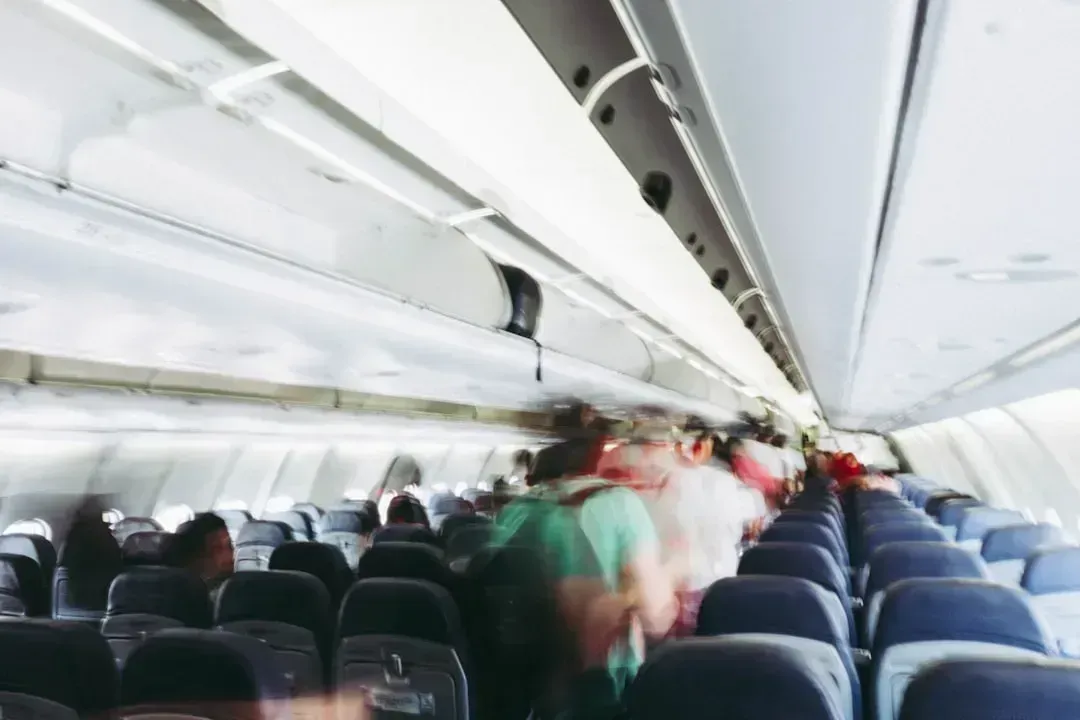
One of the most common mistakes flight attendant Andrea Fischbach sees when people are flying is failing to dress for the conditions of the plane. Practically every flight, she sees someone with barely any clothes on – crop tops with booty shorts, sports bras and leggings without a jacket. And those are almost always the same passengers asking for blankets on short routes where none are provided.
The National Academies of Sciences, Engineering, and Medicine have noted that unusually high or low air temperatures in commercial aircraft cabins, occurring before, during, and after boarding, may affect the health and safety of passengers and crew. Flight attendant Cher also pointed out that cabin temperature swings can trigger real problems, noting that there have been actual medical emergencies because somebody got overheated. Layers are not optional. They are the difference between a comfortable flight and a miserable one.
Heavy Jewelry and Complicated Accessories Signal the Inexperienced Traveler
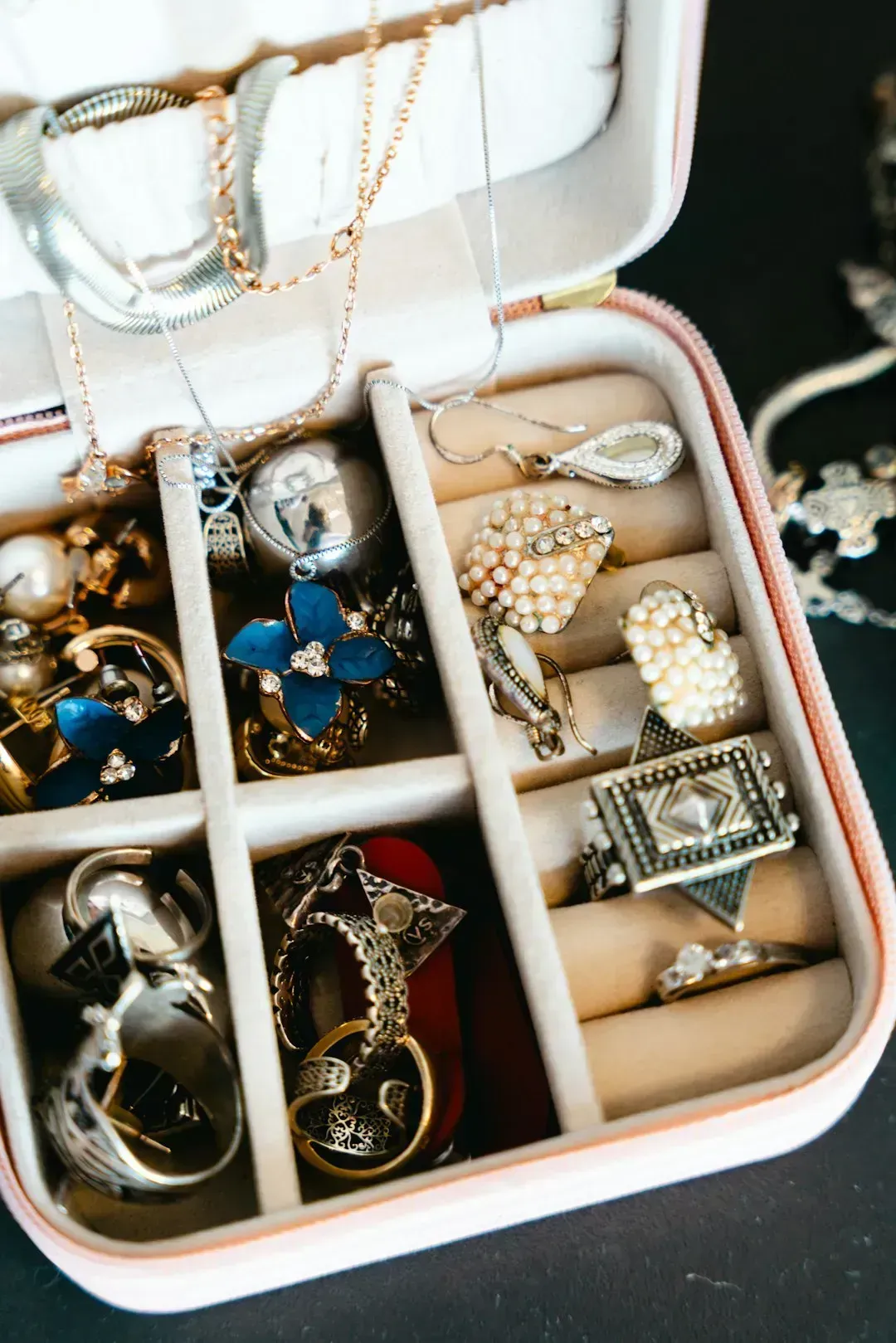
Not only can bulky jewelry make it more difficult to sleep on a plane, but you’re also more likely to be flagged by security. The types of metals used in costume or inexpensive jewelry and accessories may set off metal detectors, so you’ll have to remove them. Any accessories that could be used as a weapon might also be flagged. Watching someone frantically remove six bracelets and three necklaces at the TSA checkpoint is a reliable indicator of someone who doesn’t do this often.
Accessories like chunky hoop earrings also impede headphone usage, and claw clips are difficult to sleep in, so it is generally best to skip them. Experienced flyers tend to wear minimal, thoughtful accessories. The TSA actually recommends wearing any fine jewelry you might bring, such as wedding and engagement rings, through security, so keep it simple and deliberate. A thin chain and small studs? Perfect. A chandelier earring situation? Save it for arrival.
What the Smartest Travelers Actually Wear
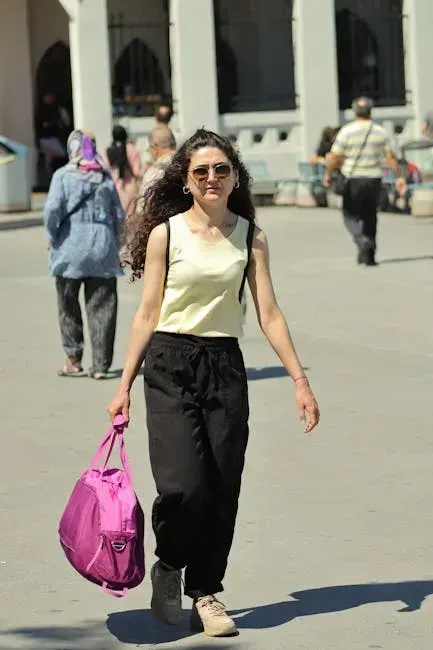
The ideal flight outfit includes breathable layers, closed-toe shoes, and clothes that allow for easy movement. It does not need to be boring or sloppy. Think of it like building a practical capsule: a light zip-up hoodie over a breathable cotton tee, loose-fitting trousers with a soft waistband, and comfortable sneakers. Soft, breathable layers like cotton, merino wool, or bamboo work well for tops, stretch pants with a soft waistband are ideal for bottoms, and closed-toe sneakers remain the most supportive and practical footwear choice.
If you are going on a flight longer than four hours, ditching short socks and opting for compression socks is worth considering. According to the CDC, certain people are especially at risk, including those over forty, anyone who has recently had surgery, and anyone who has had a blood clot in the past. Compression socks also reduce swelling, making them valuable for anyone prone to it. As stylist and frequent traveler April Young notes, customs treats you better if you look like you have a job – and from security at the start to your driver at the end, everyone treats you better when you’re dressed nicely. You can absolutely look put-together and still be dressed intelligently for the journey.
Your airport outfit is the very first decision of your trip. It shapes your comfort, your health, and – maybe more than you’d expect – how you’re treated along the way. Next time you’re packing, give your boarding-day look just as much thought as everything else in the suitcase. What would you have guessed was the biggest outfit mistake passengers make? Tell us in the comments.