Don’t Book Just Yet: 10 Countries U.S. Tourists Most Regret Visiting (Stressful Reasons)
Every year, millions of Americans pack their bags with high hopes, glossy Pinterest boards, and carefully planned itineraries. They land somewhere exotic, filter-worthy, and supposedly life-changing. Then reality hits hard. The destination they dreamed about turns out to be exhausting, overpriced, hostile, or flat-out dangerous in ways no travel blog ever warned them about.
The gap between expectation and reality is one of the most brutal experiences in modern travel. Some countries have a way of making visitors feel like they were never wanted in the first place. Others drain your wallet, your patience, or your sense of personal safety. This list is built on real data, U.S. State Department advisories, traveler surveys, and crime statistics from 2024 through 2026. So before you click “Book Now,” read through what follows. Be surprised by what made the list.
1. Egypt: The Pyramid of Frustration
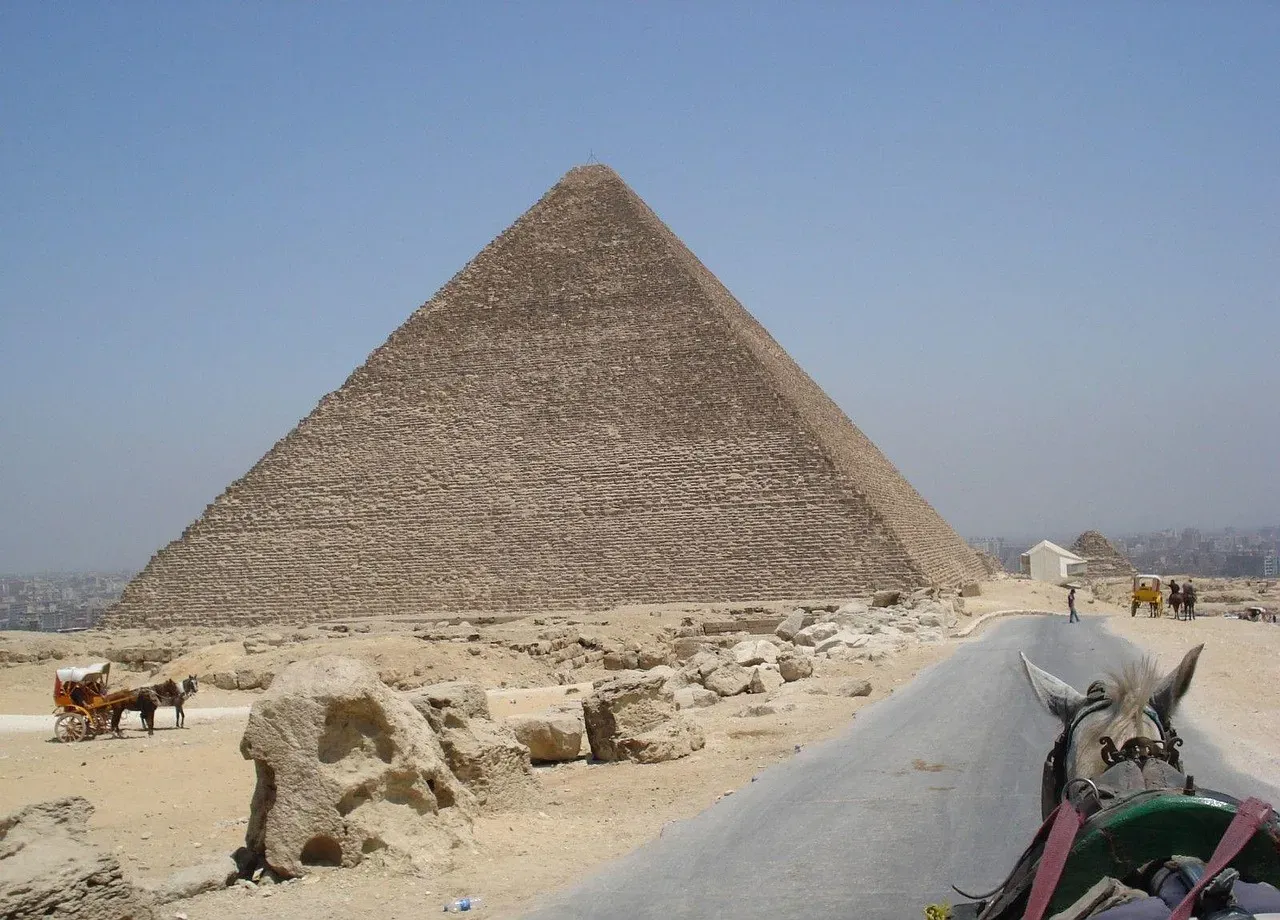
From viral social media warnings to veteran traveler forums, the consensus throughout 2025 has been unanimous: Egypt is the undisputed number one destination on the planet for scamming tourists. That is a staggering reputation for a country with one of the most iconic sets of landmarks on earth. Imagine standing in front of the Great Pyramid, your jaw dropping in genuine wonder, only to be surrounded by aggressive vendors within seconds of stepping off your transport.
Harassment of women, including foreigners, is a problem in Egypt. It can include vulgar comments, gestures, indecent exposure, and unwanted physical contact. Tourists should beware of overcharging and scams in tourist areas. The U.S. State Department issued a Level 2 advisory for Egypt as of July 2025, meaning travelers should exercise increased caution. Tourists should beware of overcharging and scams in tourist areas, where aggressive vendors in shops, at temples, and archaeological sites may offer “free” gifts that lead to money demands.
Ask anyone who hated Egypt why they felt that way, and they’ll probably complain about the persistent harassment they experienced in tourist towns and cities. A day exploring the sights can make you feel like everyone just sees you as a walking wallet. Honestly, the monuments are breathtaking. The exhaustion of getting to them, not so much.
2. Morocco: Sensory Overload and Hostile Streets
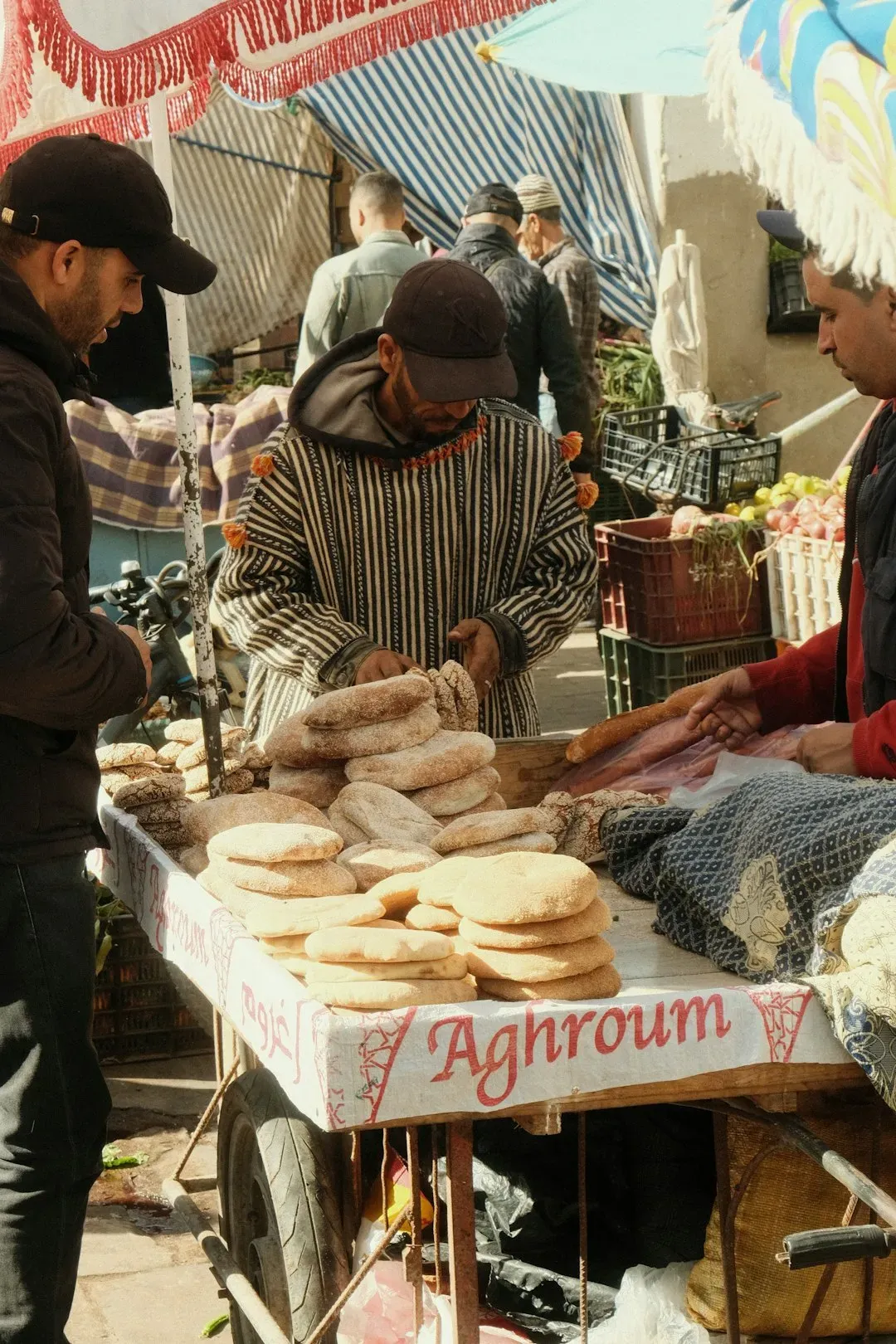
Morocco attracts nearly 14 million visitors annually, drawn to the maze-like medinas of Marrakech and the Sahara’s golden dunes. Yet many Americans describe feeling drained by persistent street vendors and unsolicited guides. Think of Morocco like a beautiful puzzle box. From the outside, it looks mesmerizing. Once you’re inside, you might not know how to get out, and the locals selling you ways out are not always honest about the price.
Out of almost 70 countries visited by experienced travelers, Morocco was identified as the most hostile environment faced as a visitor, being the only place where travelers reported being screamed and shouted at for resisting a scam. That is not a small claim. In peak summer, temperatures can surpass 100°F, intensifying the already high-energy atmosphere. While riads and desert camps are memorable, travelers unprepared for constant bargaining and sensory overload often say the trip felt more exhausting than enchanting.
Americans specifically face extra scrutiny and suspicion, with some tourists reporting being followed or questioned by authorities for doing nothing more suspicious than taking photos of buildings. For U.S. travelers hoping for a laid-back cultural adventure, Morocco tends to deliver the opposite.
3. Colombia: Charm That Hides Real Danger
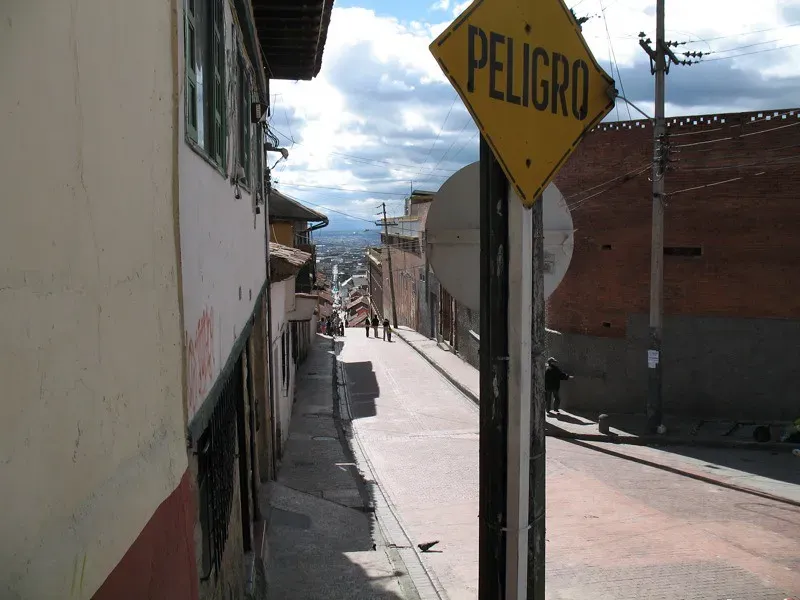
In 2024, numerous tourists reported being victims of violence when traveling in Colombia, and Medellin was once again on track to become the crime capital of the continent. U.S. nationals are particularly concerned as they are perceived to have money and make for easy targets. Colombia has done remarkable work rebuilding its image over the past two decades, and credit is due for that. Still, let’s be real. The risks have not disappeared.
Popular scams include the use of scopolamine powder, which renders victims suggestible and compliant during robberies. The threat isn’t limited to major cities either, as Colombia registered around 26 homicides per 100,000 residents in 2025, with Bogotá, Cali, and Medellín seeing notable spikes in robberies targeting foreigners. Scopolamine is particularly alarming because victims often have no memory of what happened, making it near-impossible to report crimes accurately.
Travelers who go expecting a vibrant, safe, instagram-friendly experience often find themselves constantly on edge. The coffee, the culture, and the scenery are genuinely world-class. The safety picture, however, remains genuinely complicated, and the U.S. State Department has maintained a Level 2 advisory for Colombia for years running.
4. Ecuador: A Country in Free Fall
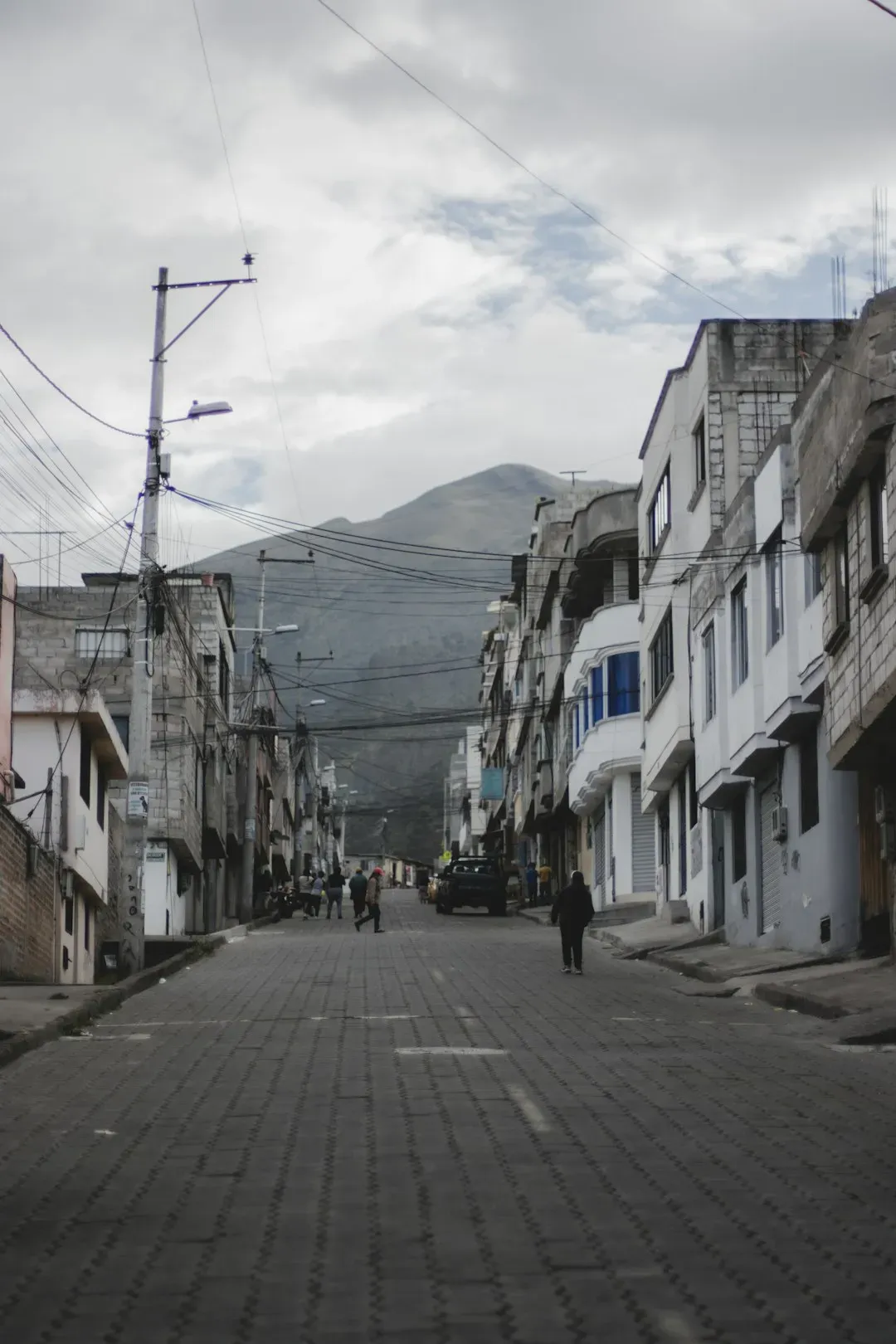
Perhaps no country has experienced a more dramatic safety deterioration than Ecuador. Ecuador recorded South America’s highest homicide rate in 2023, a shocking statistic for a country holding only a Level 2 advisory. That gap between reality and official rating is deeply unsettling. It means travelers are booking a “watch your step” destination thinking it’s basically a “enjoy the view” situation.
Between 2021 and 2025, homicide rates surged from 14 to more than 45 per 100,000 people, placing it among the fastest deteriorating environments globally. This represents more than a tripling of murders in just four years, driven primarily by drug cartel violence. To put it in perspective, that kind of spike is like watching a neighborhood transform from quiet suburb to active warzone within a single presidential term.
In early 2024, armed masked men took an entire TV station hostage. The incident shocked the world and revealed just how emboldened criminal organizations have become. Ecuador’s murder rate spiked dramatically in 2023, and Guayaquil is the most dangerous city in the country. American tourists who ventured to Ecuador expecting the relatively safe destination it once was have found themselves navigating a country where gang violence erupts without warning.
5. France: The Frostiness Is Real, and So Are the Scams

France leads the pack when Europeans call their own country unwelcoming to American visitors, with a 2025 Upgraded Points survey finding 15% of French respondents admitting Americans aren’t always wanted, fueled by perceptions of loudness and entitlement. U.S. favorability in France plunged 33 points by early 2025, linking to trade tensions and politics, and nearly half of Americans even picked France as the least friendly spot. That’s a lot of croissants served with side eyes.
Long queues at major museums can exceed 2 hours during summer. Hotel rates frequently surpass $300 per night in central districts. While architecture and cuisine are exceptional, travelers who underestimate crowds or language differences sometimes leave feeling the romance they imagined was overshadowed by logistical stress. The dream of Paris is deeply embedded in American culture, and the collision with reality can feel particularly sharp.
Paris is the most visited city on Earth, which makes it the Super Bowl for scammers. Unlike the aggressive touts in Egypt, the scammers here are slick, theatrical, and operate in teams. They rely on props and distraction. The classic “friendship bracelet” trick near Sacré-Cœur and the fake gold ring scam near the Eiffel Tower have been reported by hundreds of American tourists in recent years, and they show no signs of slowing down.
6. Peru: Altitude Sickness and Protest-Blocked Roads
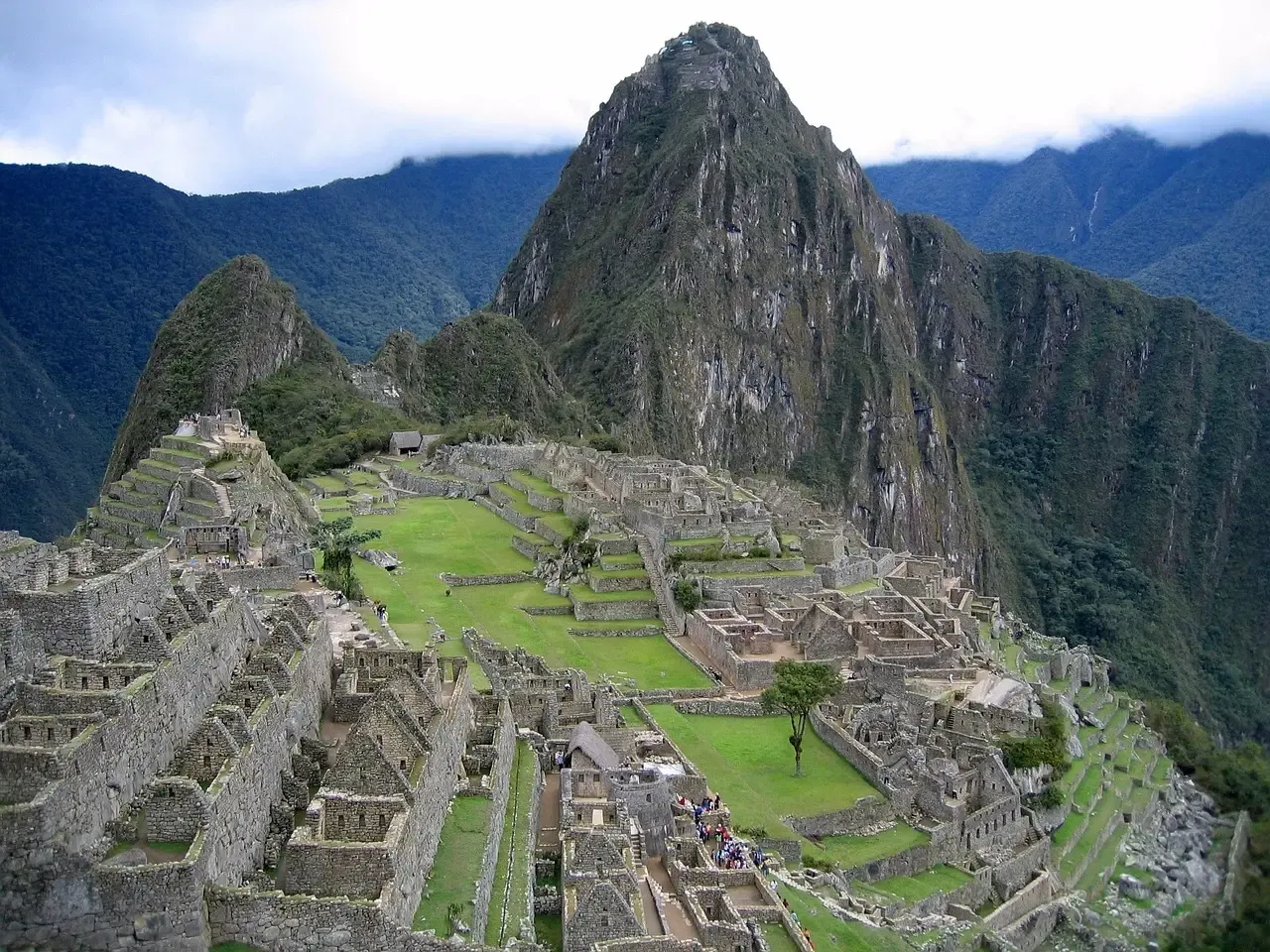
Peru attracts roughly 4 million tourists yearly, largely because of Machu Picchu. Daily entry is capped at about 4,000 visitors, requiring advance reservations weeks ahead. Cusco sits at 11,152 feet above sea level, and altitude sickness affects many newcomers. That altitude figure is not a small detail. It’s the kind of thing that leaves perfectly healthy people bedridden for days, which absolutely ruins a tightly packed two-week itinerary.
In 2025, authorities logged roughly 2,500 violent robberies nationwide. Demonstrations occasionally disrupt travel, especially around Lima and Cusco, with protests in 2024 to 2025 resulting in 60-plus injuries near major transit hubs. American tourists have found themselves trapped for days without food or medical supplies during these blockades. That is not a mild inconvenience. That is a crisis you did not sign up for.
Peru’s Level 2 advisory stems from ongoing demonstrations that directly threaten tourists visiting Machu Picchu, the legendary UNESCO site attracting up to 5,600 visitors daily during peak season. Road blockades during protests can strand travelers for extended periods in remote mountain areas. Machu Picchu is genuinely one of the most extraordinary places on the planet. Getting there, in 2025 and 2026, is becoming less and less straightforward.
7. Japan: Beautiful, Overcrowded, and Getting Stricter
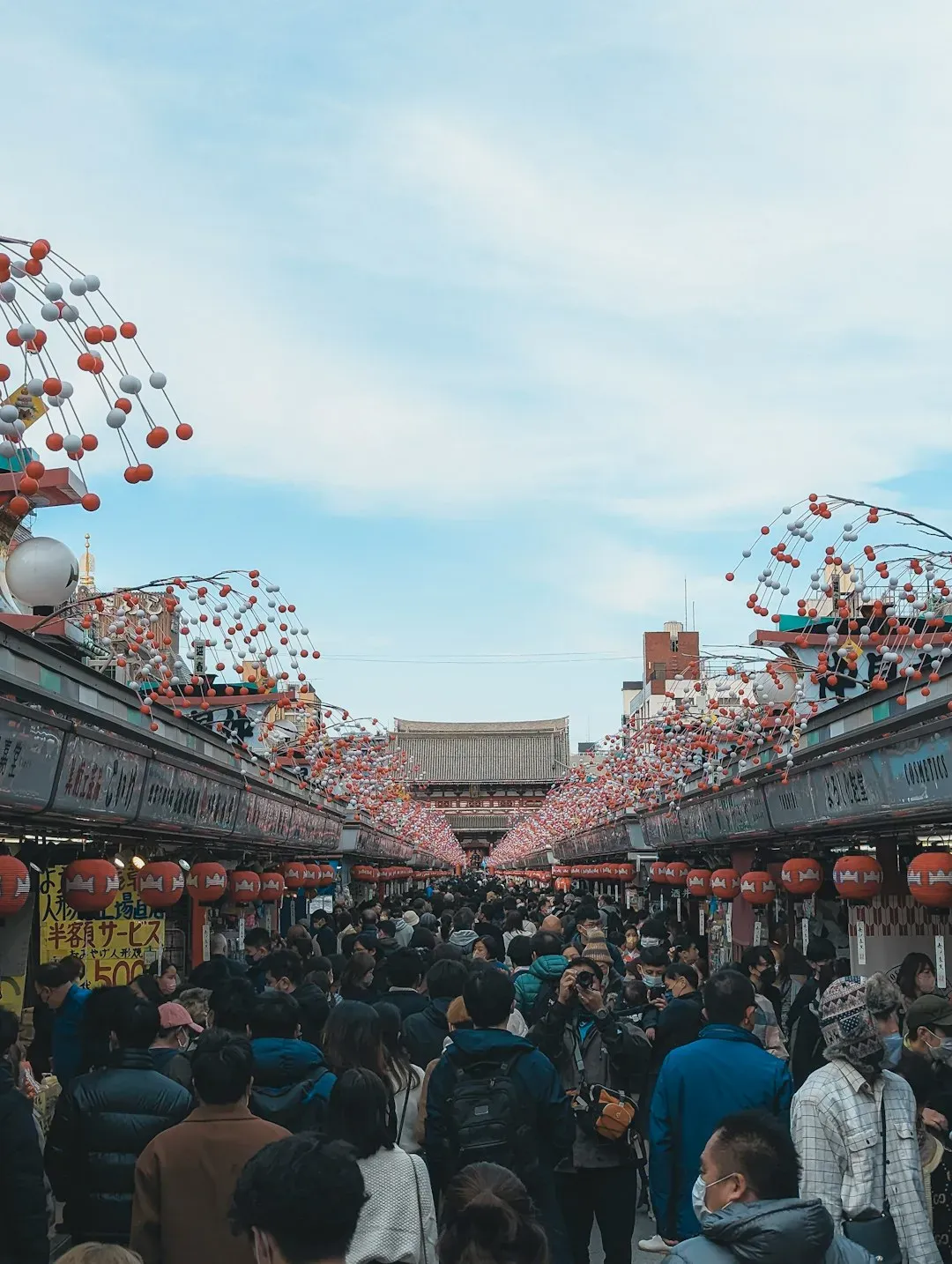
The Japan National Tourism Organisation reports that over 31.6 million foreign visitors arrived in the first nine months of 2025, a 17.7% increase over 2024. The number of foreign visitors has been steadily increasing. That sounds like a ringing endorsement, right? Here’s the thing. When that many people pile into a country famous for its peaceful shrines and immaculate etiquette, the cracks start to show very quickly.
Japan welcomed over 25 million tourists in recent peak years, with Tokyo ranking among the busiest urban centers globally. Subway systems, though efficient, can feel intimidating to first-time visitors. Cherry blossom season pushes hotel rates up by roughly 40% or more. Americans who schedule overly tight itineraries across multiple cities often feel rushed. Honestly, Japan rewards slow travel. It punishes the “five cities in seven days” approach pretty ruthlessly.
Authorities say they want to spread sightseers more evenly around the country, as complaints of overcrowding in hotspots like Kyoto grow. Japan has introduced tourist taxes at landmarks like Mount Fuji and implemented visitor caps in attempts to manage the surge. For Americans expecting the serene, timeless Japan of travel documentaries, the reality of shoulder-to-shoulder crowds in Arashiyama or a two-hour line at Fushimi Inari can genuinely feel like a betrayal.
8. Brazil: Stunning Scenery, Serious Street Crime
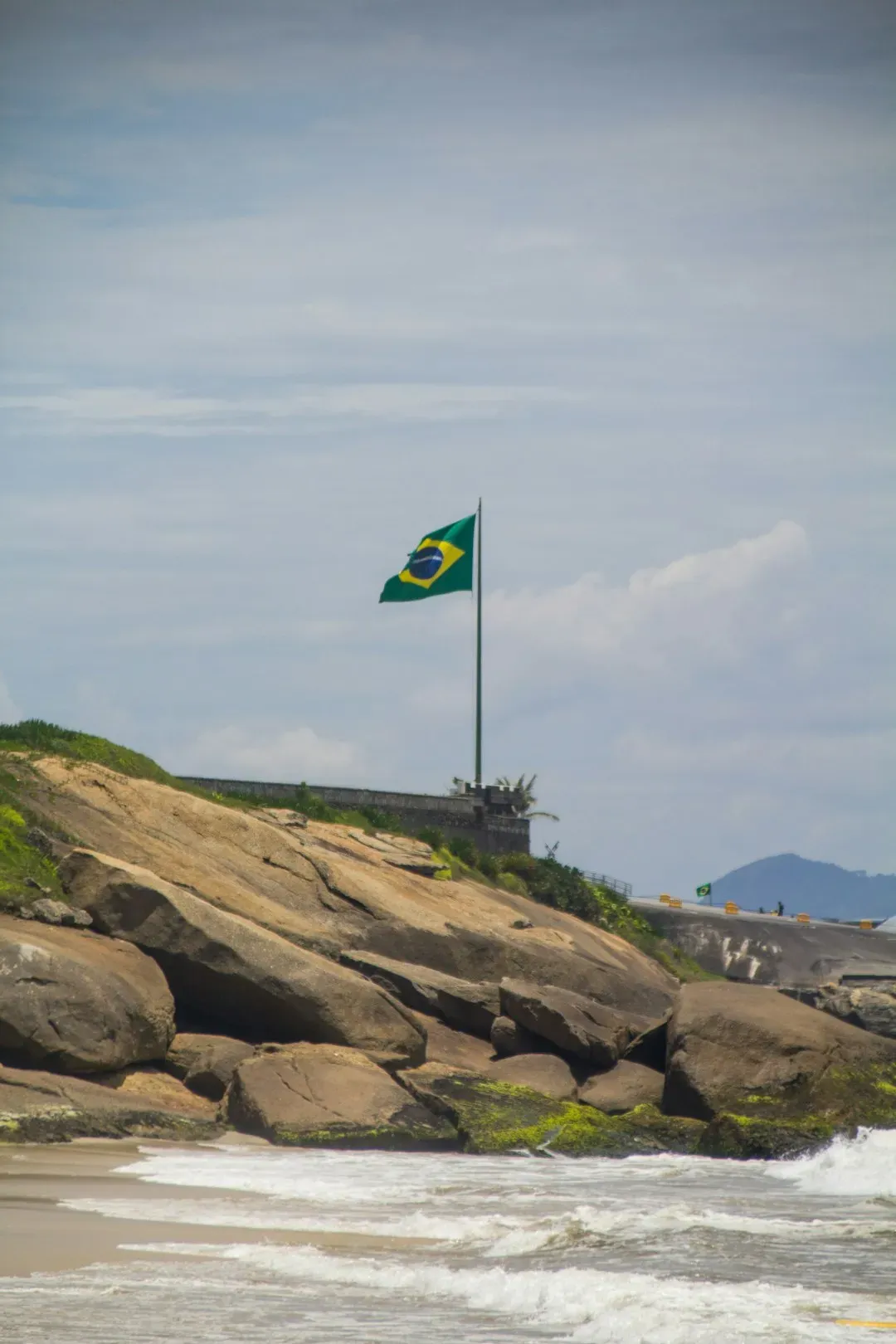
Brazil’s stunning beaches and carnival celebrations draw millions of visitors annually, yet the country struggles with persistent violent crime that regularly spills into tourist areas. It is one of the great paradoxes of modern travel. Few countries on earth offer scenery as dramatic, music as electric, or culture as joyfully alive as Brazil. Few also carry as many credible warnings for foreign visitors.
The U.S. State Department currently holds Brazil at a Level 2 advisory, citing crime as the primary concern. Rio de Janeiro and São Paulo are infamous for “express kidnappings,” in which tourists are taken to ATMs and forced to withdraw cash. Favela violence, while largely contained to specific neighborhoods, has on multiple occasions spilled into areas frequented by foreign visitors. Americans who arrive underestimating the risk often pay a steep price, sometimes literally.
In 2021 alone, there were 55,100 gun-related homicides in South America, according to a 2023 global study published by the United Nations. Brazil accounts for a massive share of that figure. The country’s natural wonders are undeniably world-class. The safety environment demands a level of vigilance that can genuinely exhaust leisure travelers who just wanted to soak up carnival energy.
9. China: Logistical Maze and Digital Walls
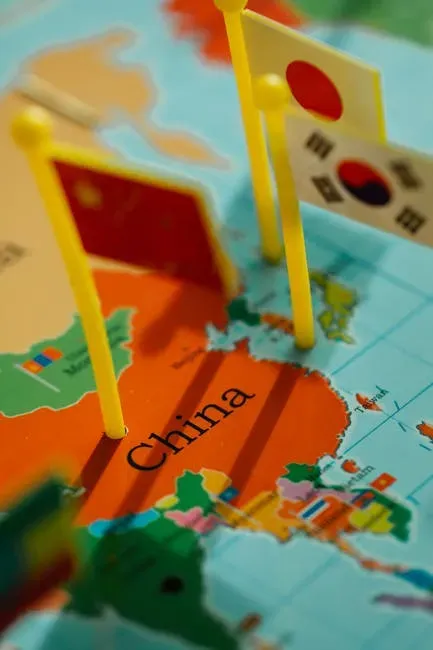
China has hosted more than 60 million international visitors in strong tourism years, with icons like the Great Wall of China spanning over 13,000 miles. The scale alone can overwhelm first-time travelers. Language barriers remain significant outside major cities, and digital payment systems dominate daily transactions. Visa procedures and internal distances require careful coordination. Americans attempting to compress multiple regions into one short trip often report logistical stress.
Here is something most travel blogs don’t warn you about upfront. China’s digital infrastructure is largely built around Chinese apps, Chinese payment systems, and Chinese ID requirements. Google Maps doesn’t work. Most Western social media is blocked. Your VPN may or may not hold up under China’s Great Firewall. For Americans who rely on their smartphones as their primary navigation and communication tool, China can feel less like a foreign country and more like a different internet entirely.
Geopolitical tensions between the U.S. and China have added another layer of friction. The drop in tourism from China to the United States has been a notable trend over the past few years, and factors including heightened geopolitical tensions, stringent visa requirements, and rising travel costs have reshaped the bilateral travel relationship. That same friction flows both directions. Americans visiting China in 2025 and 2026 increasingly report feeling surveilled, and the U.S. State Department advises travelers to exercise increased caution regarding arbitrary enforcement of local laws.
10. The Dominican Republic: Resort Bubbles and Limited Reality
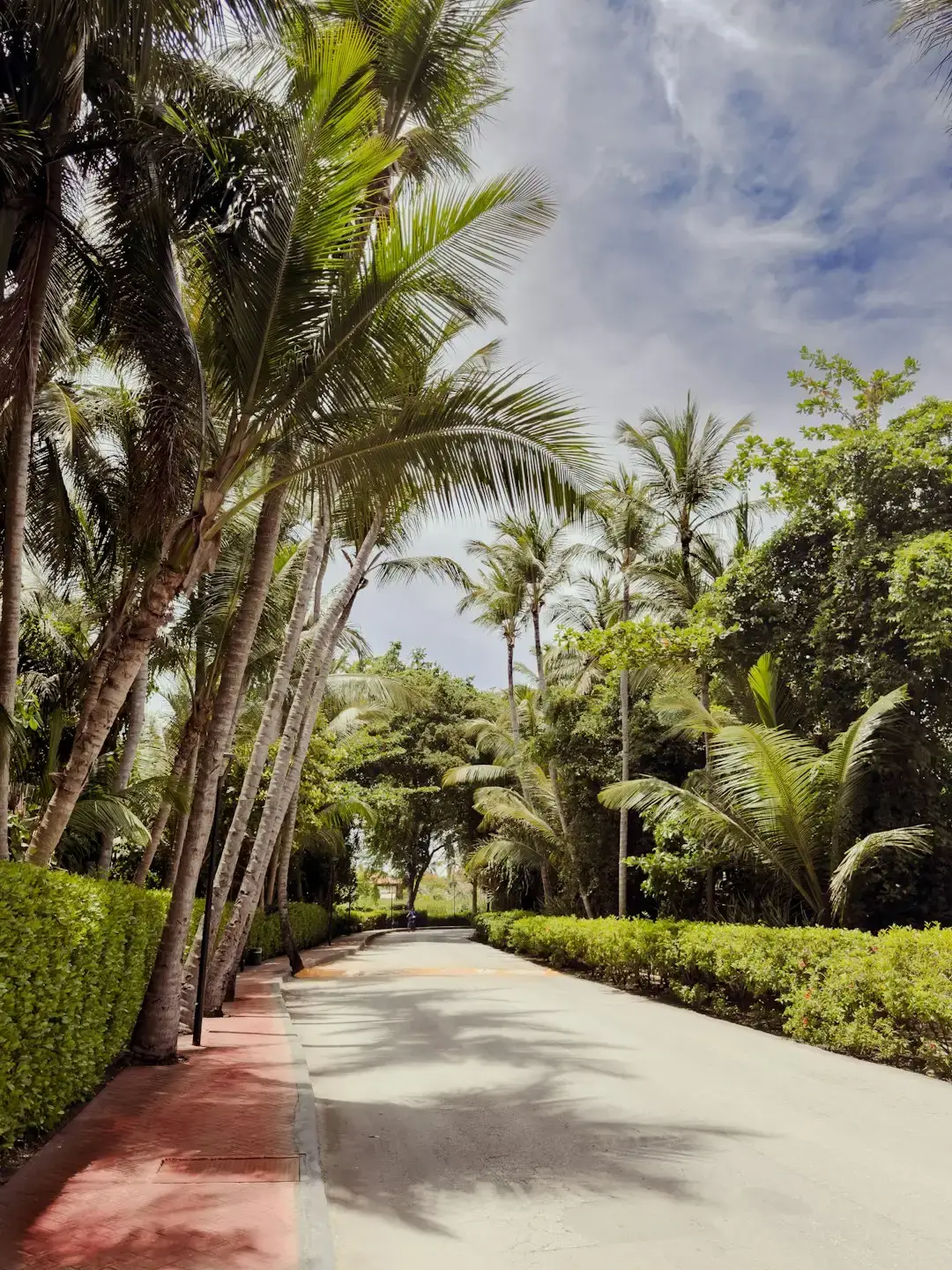
The Dominican Republic hosts over 7 million tourists each year, with Punta Cana leading arrivals. Resort packages often cost under $1,500 for a week, making it appealingly accessible. Still, some Americans report limited experiences beyond the hotel gates. Organized excursions can feel rushed, and repetitive buffet dining grows monotonous. Those expecting vibrant cultural immersion sometimes regret not exploring more diverse Caribbean destinations.
It’s a destination that looks spectacular in the brochure and delivers a very specific kind of vacation. Swim-up bars. All-inclusive buffets. Manicured beach. The problem arrives when you realize that behind those resort walls, a very different country exists, one that many travelers never see and yet still feel unsettled by. Infrastructure outside resort zones is limited. Power outages are not uncommon in local areas. And water safety remains a constant topic of conversation among returning travelers.
Beyond disappointment with the experience, there is also a genuine safety dimension. The U.S. State Department maintains a Level 2 advisory for the Dominican Republic, noting crime as a key concern. Violence against tourists has become a growing concern, with security professionals noting that in numerous countries seen as attractive travel destinations, there have been numerous protests against tourism, and tourists are being targeted in various locations. The Dominican Republic, despite its postcard-perfect shoreline, is not immune to these broader trends.