10 Things You’ll Always See in Homes of People Who Retired the “Old-School” Way
There’s something unmistakable about stepping into the home of someone who retired the old-school way. It’s not just a vibe. It’s a whole philosophy made physical – a carefully arranged world that says “I worked hard, I planned ahead, and I’m not about to waste a single dollar.” These are the people who kept the same job for three decades, collected a pension, paid off their mortgage on schedule, and never once considered impulse-buying anything.
Walk through the front door and you’ll see it right away. Certain objects, habits, and little details that are part of a very specific generational code – one built on discipline, self-sufficiency, and a deep distrust of anything that looks like reckless spending. Curious what you’d find? Let’s dive in.
1. A Physical Checkbook and Handwritten Ledger

Before apps, before online banking dashboards and instant notifications, keeping track of your money meant sitting down with a pen and a checkbook. Back in the day, every household needed to keep a meticulous checkbook to track expenses, deposits, and balances. The banks didn’t provide “instant” updates about debits and credits, often leading to serious financial complexities. Older people still habitually log expenses or even reconcile bank statements manually, something that younger people today might find redundant.
In a retired boomer’s home, you’ll often find a small notebook or a physical ledger sitting near the telephone table or kitchen counter. It’s not nostalgia exactly. It’s control. These are people who understood that if you can’t see your money written down, you don’t really know where it’s going. Honestly, there’s something admirable about that kind of financial discipline, even in an era of automated everything.
2. A Pension Statement Folder – Neatly Organized

Old-school retirees don’t just receive pension income. They file it. You’ll almost always find a dedicated folder, binder, or accordion file stuffed with benefit statements, Social Security notices, and Medicare documents. In 2024, Social Security remained the most common source of retirement income, but the vast majority of retirees had one or more sources of private income. This included more than half of retirees with income from a pension, and around half with interest, dividends, or rental income.
In 2024, just 15 percent of private industry workers had access to a pension plan, according to the Bureau of Labor Statistics. That makes pension holders from the older generation genuinely rare today, and they know it. These folders aren’t just practical. They’re a badge of honor. Every neatly printed statement is proof that a lifelong commitment to one employer actually paid off – literally.
3. A Landline Phone, Still Plugged In
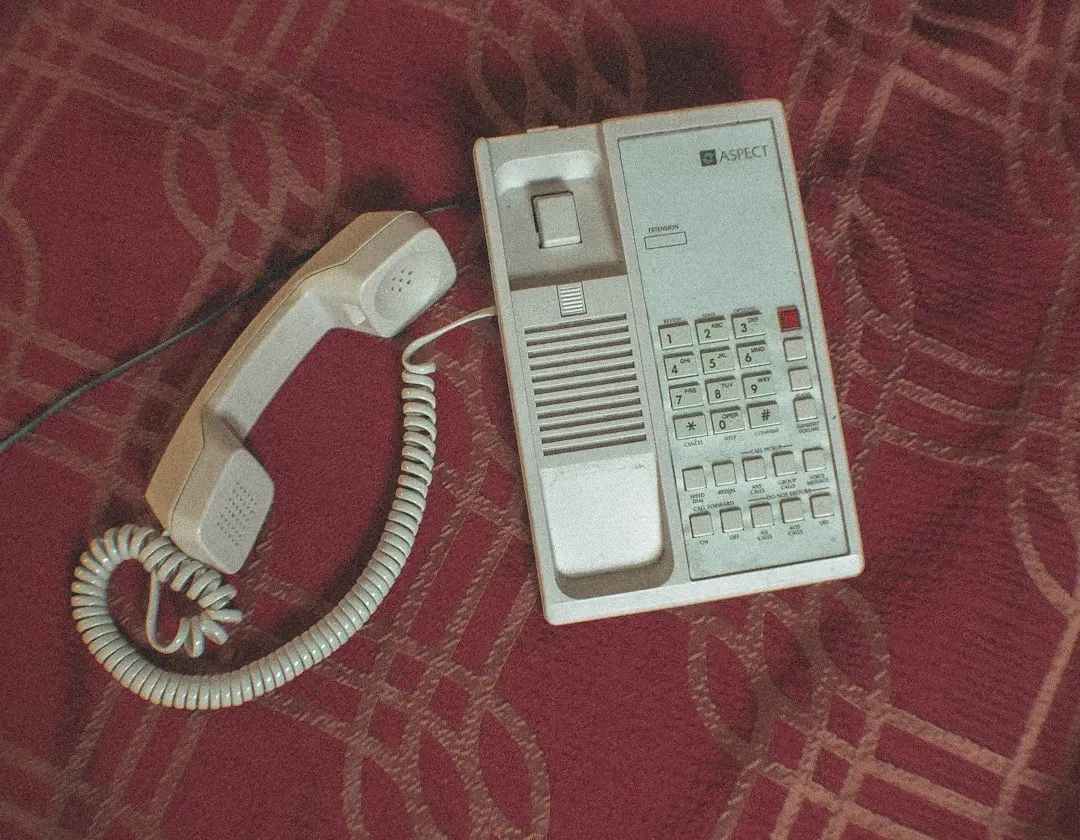
Many older people still cling to their landline phones, complete with answering machines or voicemail. To younger generations accustomed to mobile phones, instant messaging, and video calls, this feels redundant. Yet for older adults, the landline represents reliability and familiarity, where you won’t have to worry about dropped signals or drained batteries.
For old-school retirees, especially those who lived through decades without a mobile phone, the landline is also about trust. It’s a known quantity. The same number they’ve had for twenty years, the one their grandkids know, the one the doctor’s office has on file. There is something quietly stubborn and actually quite sensible about keeping something around that simply works. No software updates required.
4. Framed Physical Photographs Covering Every Surface
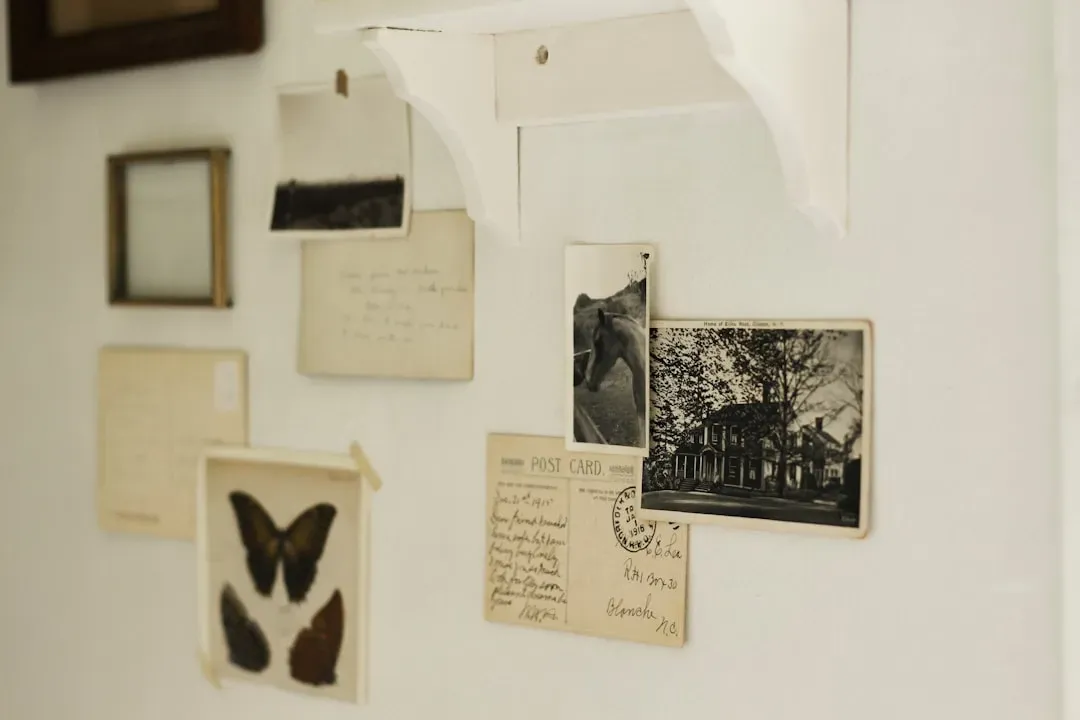
No digital frames, no slideshows, no screensavers. While younger people store thousands of digital photos in the cloud, older generations prefer printed pictures neatly organized in albums. This habit reflects the simplicity and rarity of a photograph in a physical format, holding memories and nostalgia. Every album at home became a family treasure, often passed down through generations.
In the homes of old-school retirees, photos line the hallways, crowd the bookshelves, and sit in clusters on the fireplace mantle. Wedding photos from the 1970s, blurry snapshots from family vacations decades ago, school portraits of kids who now have kids of their own. It’s their version of an Instagram feed, except it’s tactile, permanent, and actually means something. I think there’s something deeply human about it that no algorithm can replicate.
5. A Mortgage-Free Deed and Proof of Ownership
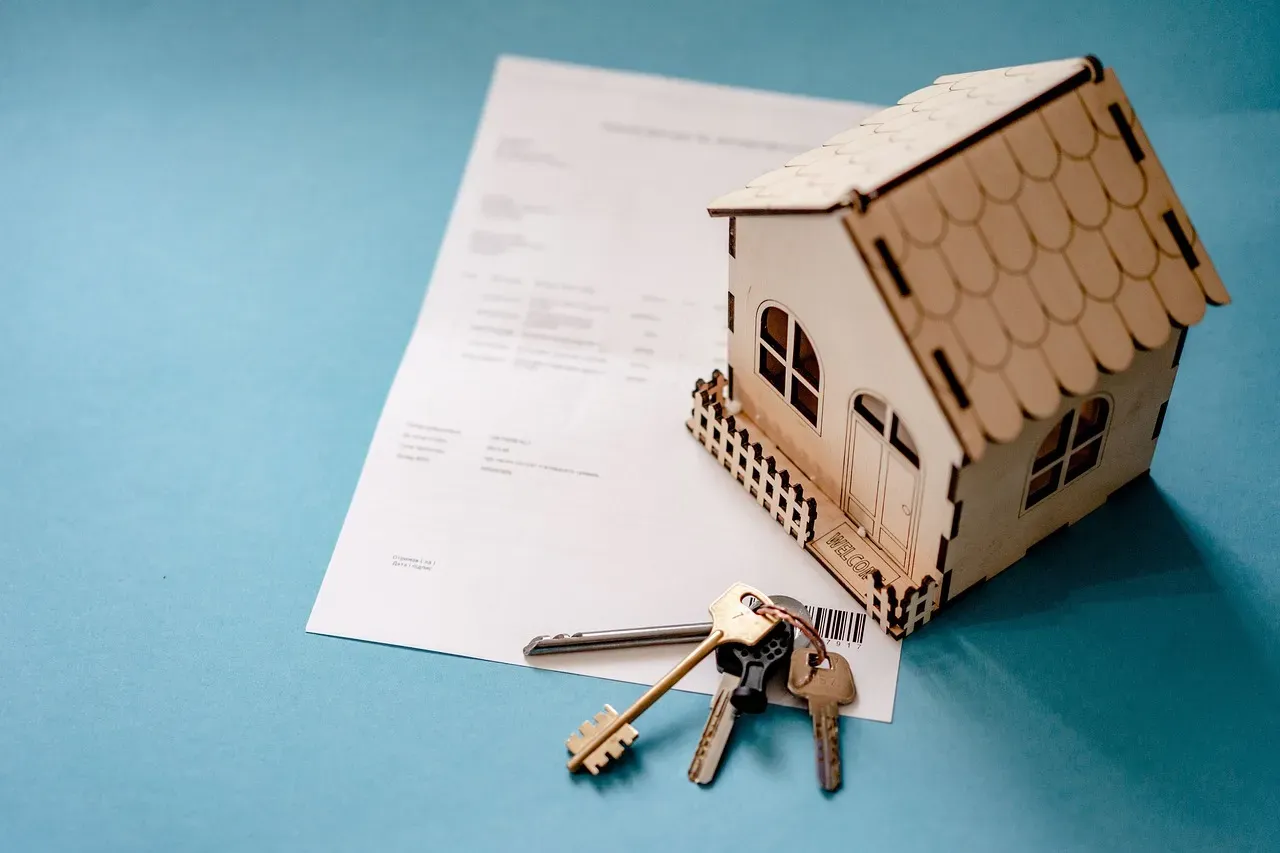
A majority plan to age in place. In surveys of older homeowners, 56% said they will never sell their home, 27% said they might sell at some point, and only 17% said they have already sold or plan to sell their home. The old-school retiree didn’t buy a house to flip it or leverage it. They bought a house to live in it – forever if possible. And a paid-off home is one of the most common markers of that mindset.
Homeownership remains a critical component of many Americans’ financial security despite the growing uncertainty about retirement. Half of homeowners aged 50 or older said their home is a significant part of their net worth in retirement planning. That deed, safely tucked in a filing cabinet or fireproof safe, represents years of consistent mortgage payments, quiet sacrifice, and compound patience. It’s not just paper. It’s the whole plan made real.
6. A Printed Daily Newspaper on the Kitchen Table
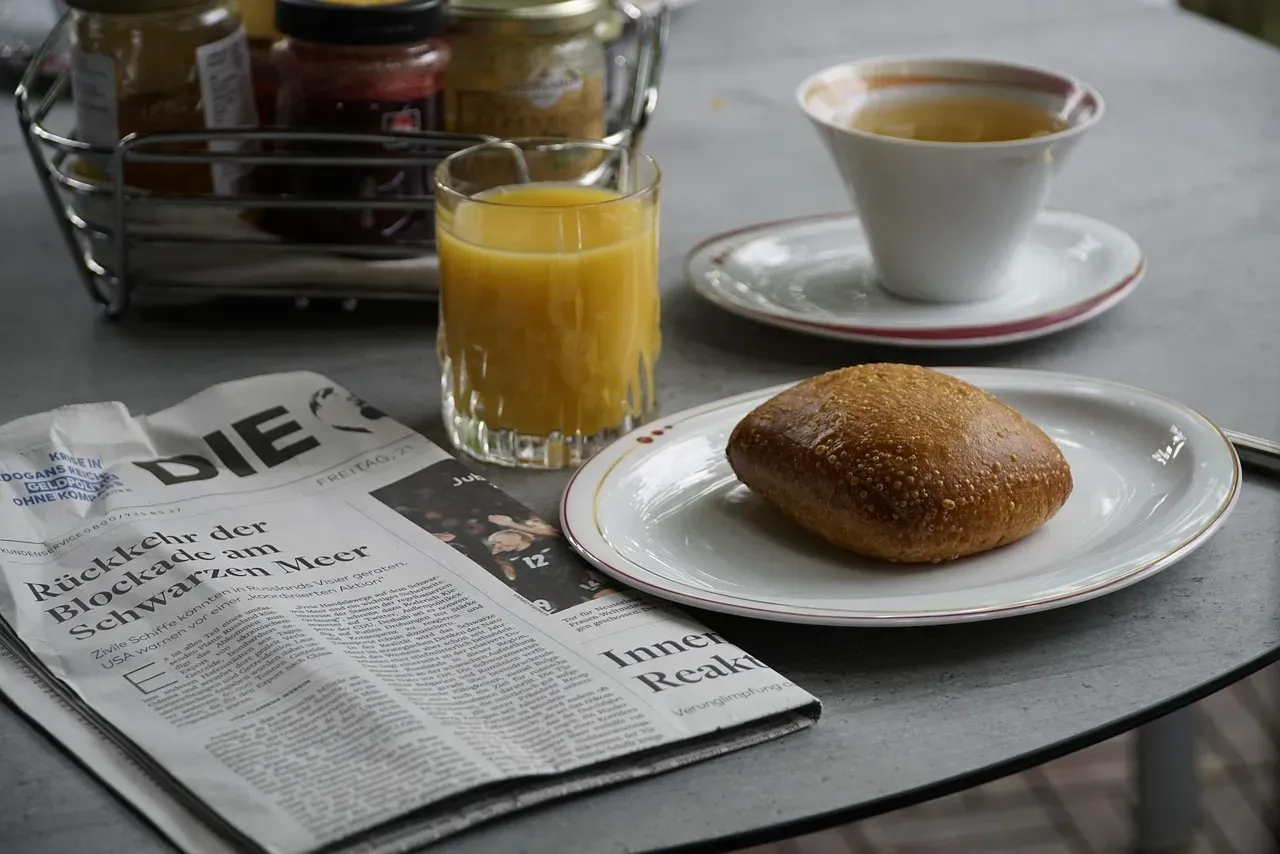
Older generations often start their day by reading a printed newspaper with their morning tea or coffee. This is a routine and a habit that’s deeply rooted in the time when the newspaper was the primary source of information. For old-school retirees, a newspaper subscription is not an expense. It’s a ritual. Something bought with coffee in mind before anyone else in the house has stirred.
There’s a certain intentionality to reading a physical paper that you don’t get from scrolling a news feed. You finish one article before moving to the next. You can’t refresh it. You can’t get lost in a comment section. For someone who built a career and a savings account through steady, consistent habits, the daily paper fits perfectly into that worldview. It’s focused, reliable, and thoroughly theirs.
7. A Well-Stocked Pantry and a Freezer Full of “Just in Case” Meals
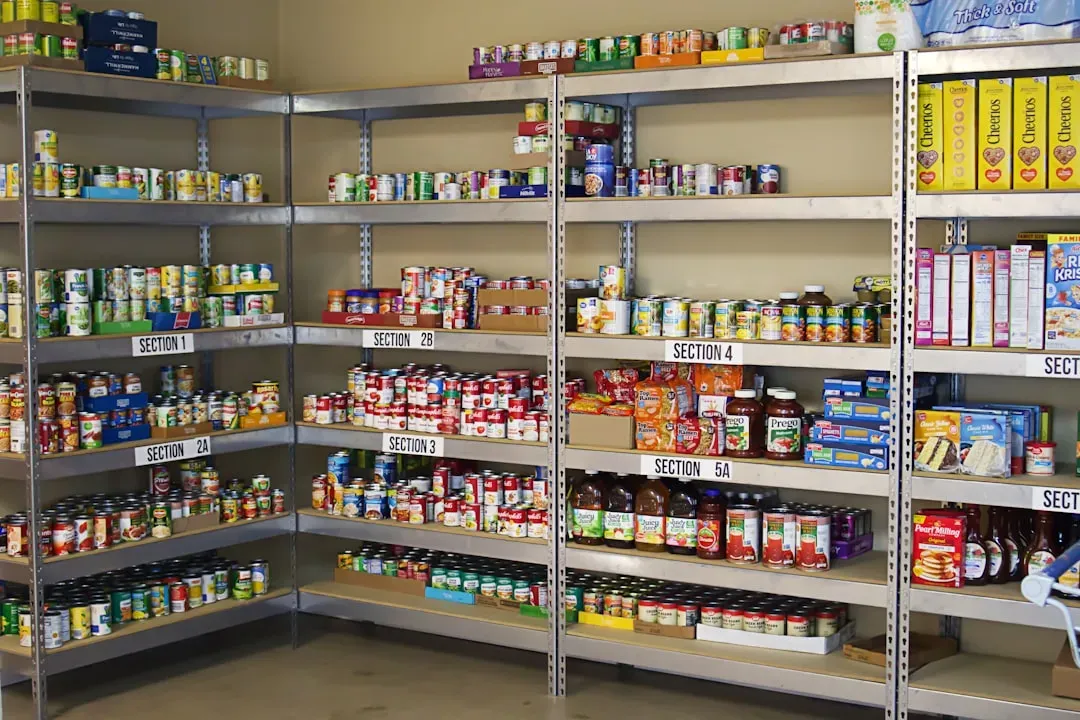
Let’s be real – old-school retirees did not grow up with food delivery apps, and they’re not about to start using them now. Baby boomers are buying more food at grocery stores rather than ordering takeout or delivery. Older shoppers are also more likely to buy groceries from brick-and-mortar stores than online. According to Statista, nearly two-thirds of those ages 55 to 65 shop exclusively in stores, while just about a third of those between 18 and 24 do so.
Many seniors rely on fixed incomes like pensions or Social Security, which don’t increase with inflation. This makes them particularly vulnerable to rising costs of living. That financial reality sharpens habits. A well-stocked pantry is more than organizational pride. It’s a buffer against uncertainty, a practical cushion against the unpredictable. You’ll find canned goods three rows deep, homemade soup in the freezer labeled in a careful hand, and leftovers that get repurposed before anything is wasted.
8. A Dedicated “Bill Drawer” With Paper Statements
Here’s the thing about the old-school retired generation: they did not go paperless. They chose not to. Pull open the right kitchen drawer and you’ll find neatly stacked utility bills, insurance statements, Medicare Explanation of Benefits letters, and possibly a few envelopes already addressed and stamped for the month’s payments. It sounds almost quaint in 2026, but it’s rooted in something real.
While retirees as a group had generally high levels of financial well-being, this varied depending on the individual’s sources of income. In 2024, the vast majority of all retirees said they were doing okay or living comfortably financially. That comfort didn’t happen by accident. It came from knowing exactly what was owed, when it was owed, and making sure it got paid. Paper statements made that tracking possible for decades, and old habits don’t die just because the world went digital.
9. A Home Maintained With Minimal Debt
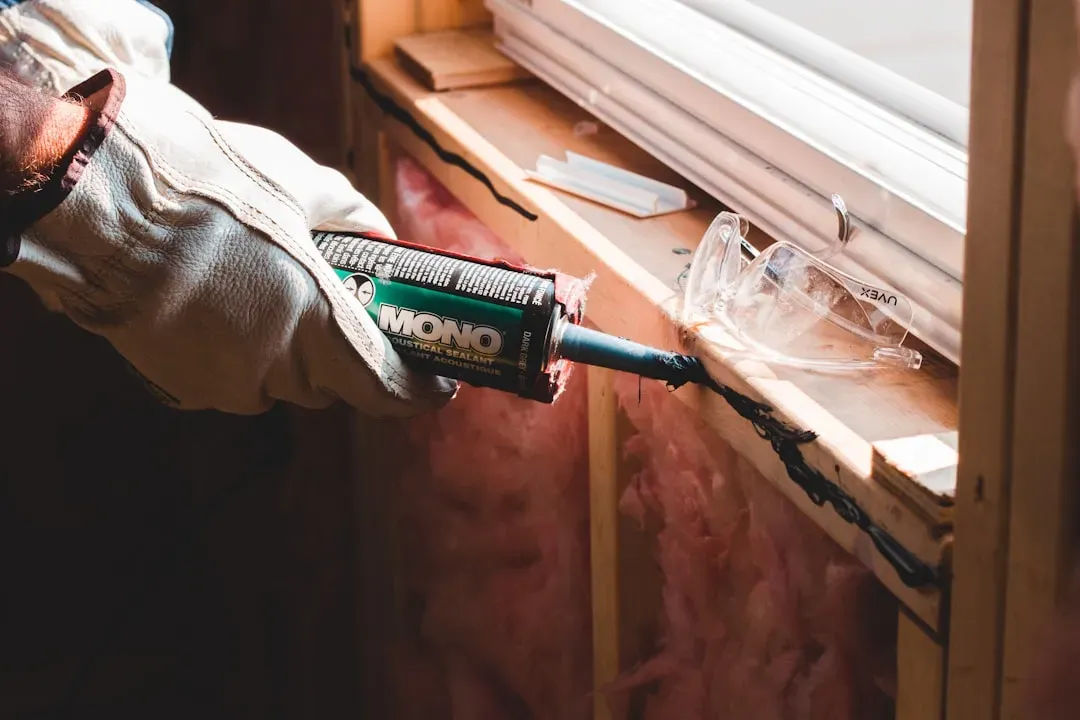
Walk through the home of a truly old-school retiree and you’ll notice that things are fixed – not always brand new, but functional and cared for. A leaky faucet gets repaired. The roof doesn’t get ignored. There are no deferred maintenance disasters hiding behind closed doors. Researchers found that households that don’t have a mortgage have the most financial assets, while those with the most housing debt have the least in savings.
A Prudential Financial study surveying around 20,000 people over the age of 50 found retirees are living well below their means. Married 65-year-olds with at least $100,000 in financial assets withdrew an average of just 2.1% of their savings annually, nearly half the usual spending rate of retirees, according to the research. That extreme frugality shows up in how these homes are maintained. Careful. Deliberate. Nothing flashy, nothing wasteful. The old-school retiree sees home maintenance as an investment, not an inconvenience.
10. A Social Security Card and Benefits Booklet in a Safe, Known Location

In 2024, Social Security remained the most common source of retirement income. Among retirees, nearly eight in ten received income from Social Security in the prior 12 months, including more than nine in ten retirees age 65 or older. For old-school retirees, that Social Security card and accompanying benefits documentation is not floating around in a junk drawer. It’s known. Filed. Accessible in an emergency.
Retirees who have income from employment, pensions, or investments were doing substantially better than those who relied solely on Social Security or other public income sources. The smartest of the old-school generation combined Social Security with pension income and savings, creating what financial planners call a “three-legged stool.” They planned for it before it was easy. They stayed organized long after it became necessary. That yellowed Social Security card, carefully placed in a fireproof box, is the whole story summed up in a single laminated rectangle.