5 Things Bartenders Can Tell About You Before You Even Order
Walk into any bar and you might think you’re just another face in the crowd, waiting for a cold drink and a moment to unwind. Think again. Before a single word leaves your mouth or you glance at the menu, the person behind that bar has already sized you up. We’re talking split-second assessments based on how you move, where you look, and even how you’re standing.
Bartenders aren’t mind readers, exactly. They’re pattern recognizers. After thousands of interactions, they develop an almost uncanny ability to decode human behavior through the tiniest cues. Let’s be real: it’s not magic or some supernatural intuition. It’s experience mixed with psychology, sharpened over countless late nights dealing with every personality type imaginable. So, what exactly are they picking up on?
Your Body Language Tells the Whole Story
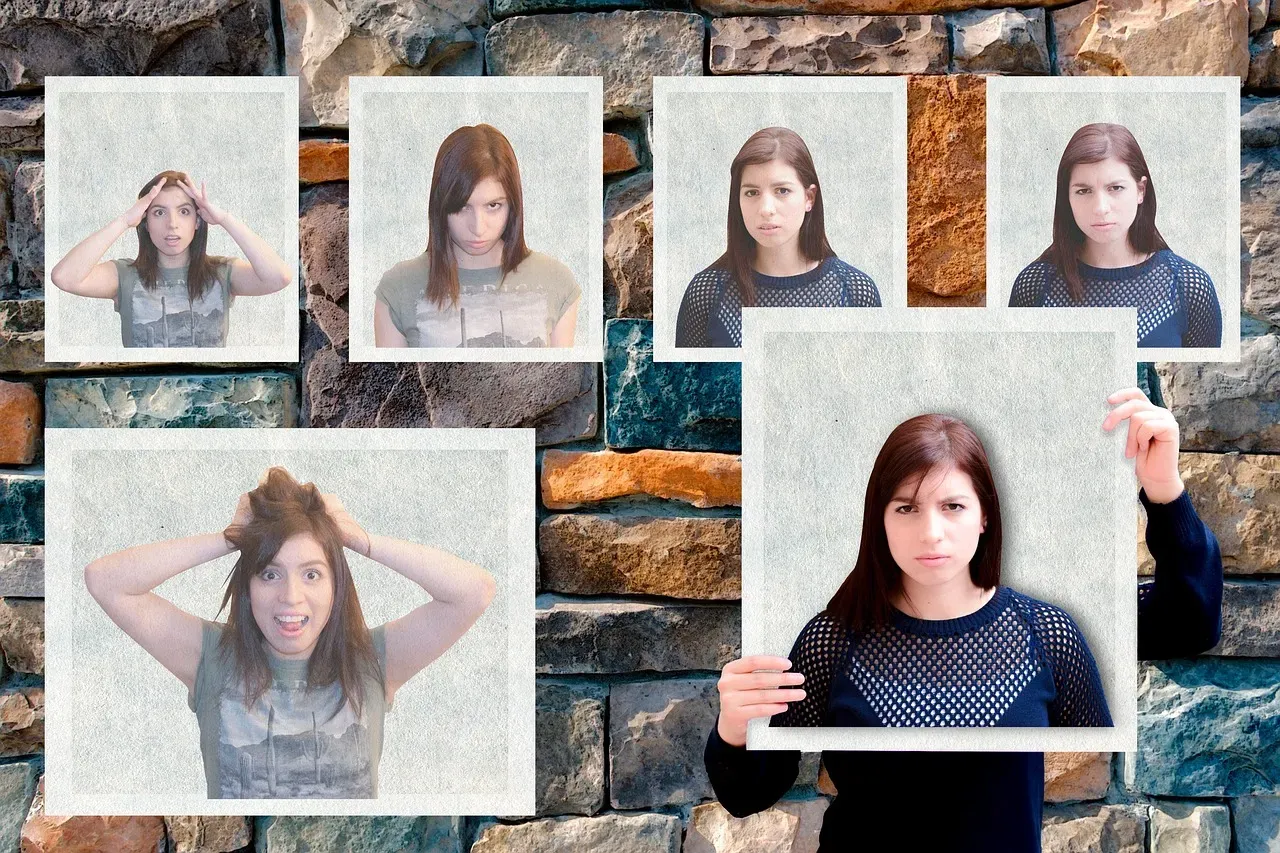
Nonverbal communication makes up 90% of all communication so it plays a big role in bartending, according to industry training materials from 2023. That’s a staggering figure when you consider just how much information is transmitted without words. Bartenders are constantly scanning for these signals, even when they’re juggling orders or wiping down the bar. Are you standing confidently at the counter, shoulders back, making direct eye contact? That tells them you know what you want and you’re ready to order. Slouched posture, fidgeting, or avoiding eye contact? You’re probably hesitant, unsure, or maybe just having a rough day.
Research in hospitality psychology reveals that guests form lasting impressions within the first seven seconds of interaction, and during this crucial window, words matter far less than facial expressions, posture, and the genuine warmth conveyed through body language. The way you carry yourself speaks volumes before you even say hello. Honestly, it’s kind of fascinating when you think about how much we communicate without realizing it.
Whether You’re Ready to Order or Just Browsing
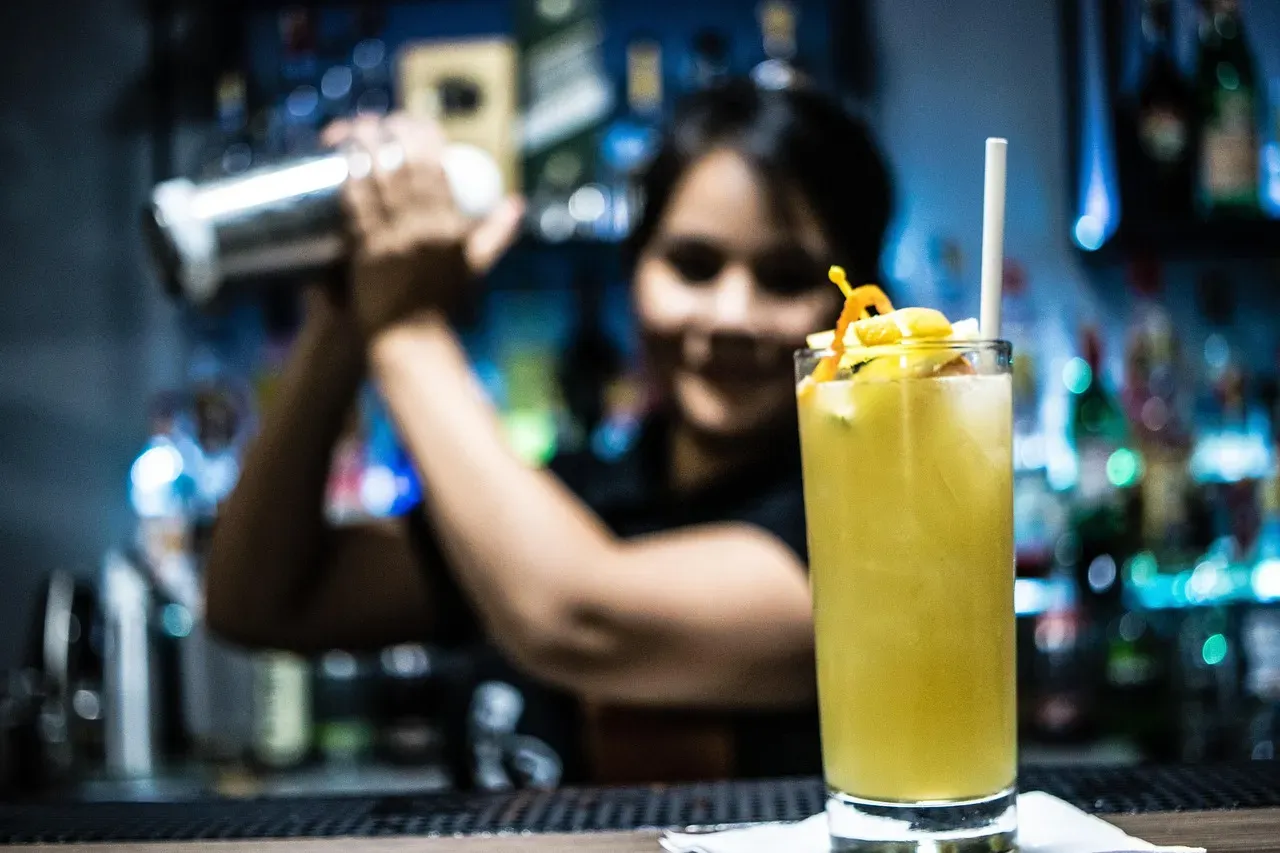
Here’s the thing about getting a bartender’s attention: there’s actually a science to it. Research revealed that bar staff responded to a set of two non-verbal signals: first, customers position themselves directly at the bar counter and, secondly, they look at a member of staff, and both signals were necessary and, when occurring together, sufficient. This finding came from a 2013 study that analyzed real customer interactions in German bars, and it’s been validated countless times since.
If you’re hanging back from the bar, phone in hand, eyes scanning the room? They know you’re not ready yet. Bartenders develop an instinct for who’s actually trying to place an order versus who’s waiting for friends or just scoping out the scene. Making eye contact with the bartender and using an approachable and friendly body language can signal that you are ready to order, and a simple smile and a nod can go a long way in catching their attention. It’s almost like a silent conversation happening across the bar.
Your Mood and Emotional State
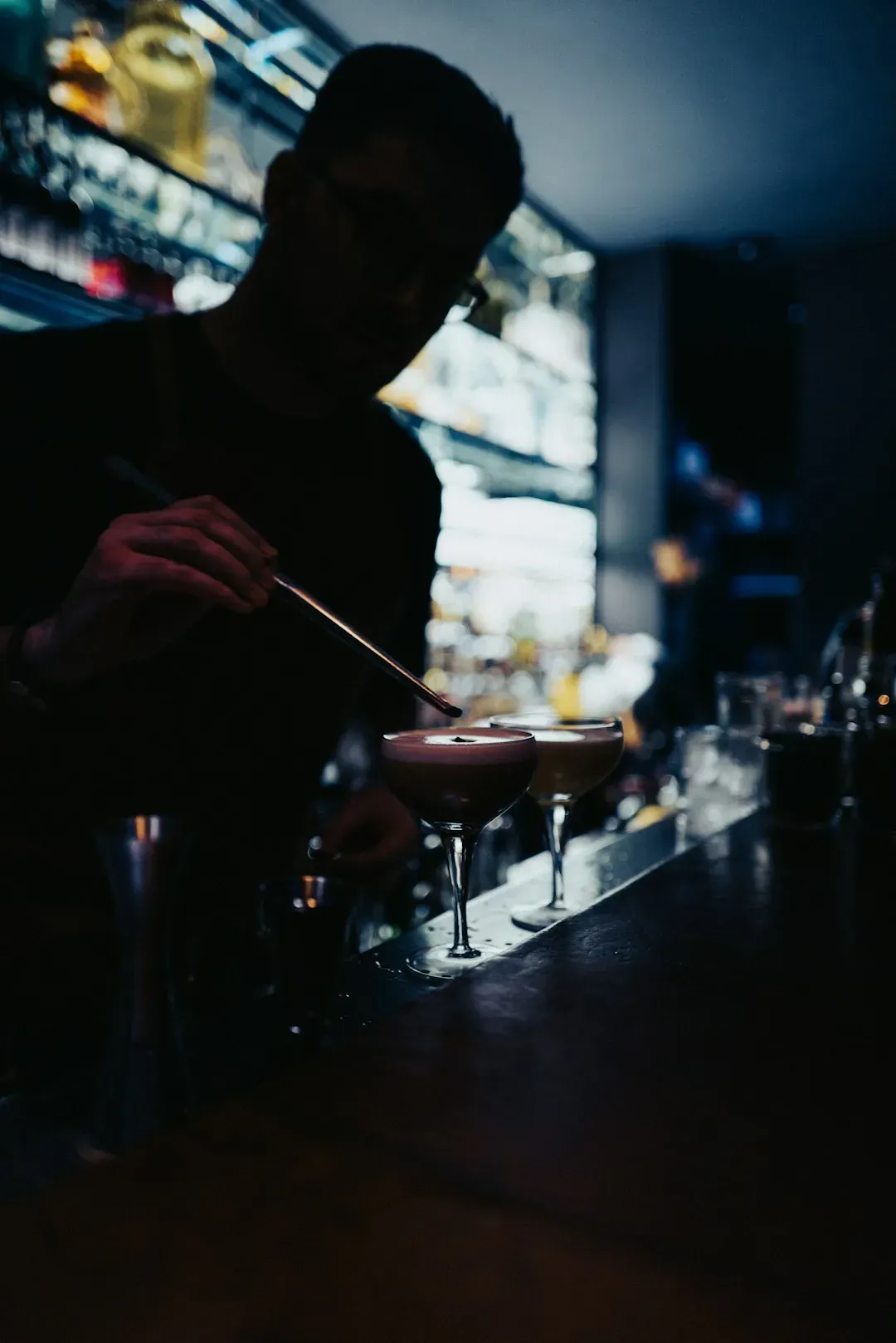
Bartenders become amateur psychologists whether they intend to or not. They’re watching facial expressions, listening to tone of voice, and picking up on energy levels. Are you animated and laughing with friends? Clearly in celebration mode. Sitting alone, staring into space with tense shoulders? Maybe you need a sympathetic ear or just to be left alone with your drink.
When staff maintain appropriate eye contact, lean in slightly during conversations, or mirror a guest’s energy level, they’re speaking directly to the emotional brain, and these nonverbal guest experience cues trigger the release of oxytocin, often called the “bonding hormone,” which creates feelings of trust and connection. The best bartenders adjust their approach based on what they observe. Bartenders who instinctively adjust their body language based on guest preferences understand that some customers prefer energetic, animated interactions, while others appreciate calm, steady presence.
Your Experience Level with Bars and Drinking
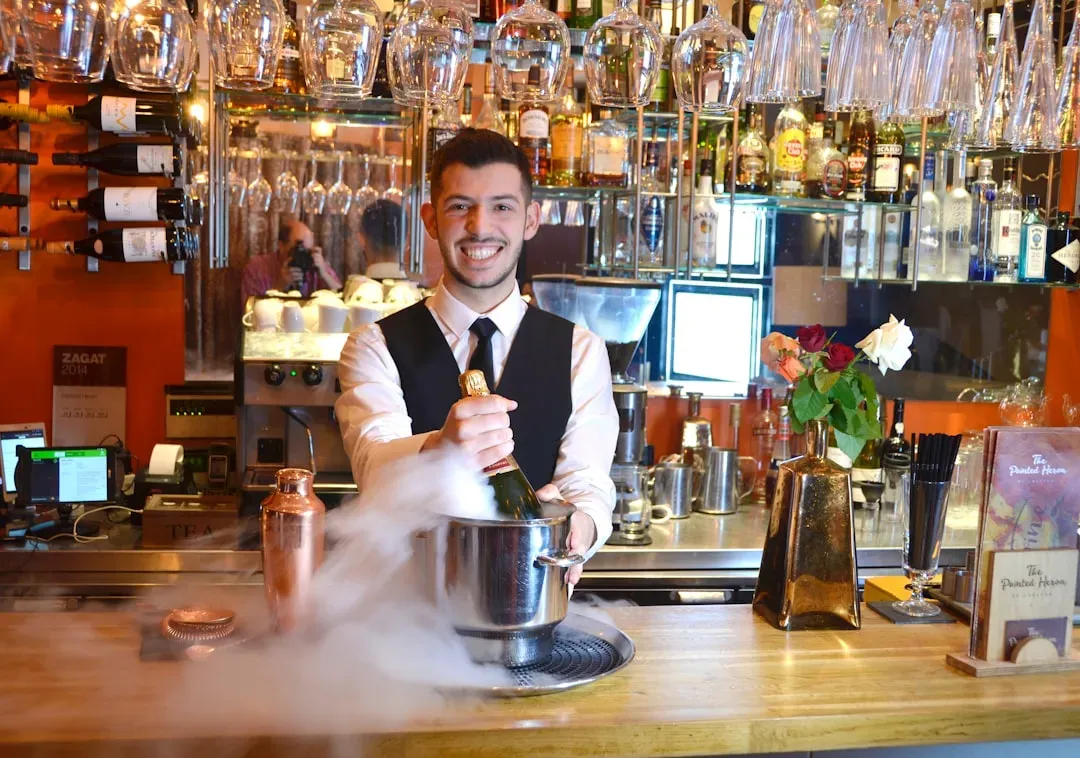
Within seconds, a seasoned bartender can usually tell if you’re a regular bar-goer or someone who rarely ventures out. How? It’s in the details. Experienced patrons know the unspoken rules: they position themselves strategically, have their payment ready, and know roughly what they want. They don’t wave money around, snap fingers, or yell across the bar (those are rookie moves that scream inexperience, by the way).
Someone unfamiliar with bar culture might look overwhelmed by the menu, uncertain about how to get the bartender’s attention, or unclear on tipping etiquette. That means the bartenders identified the customers as having the intention to place an order which enabled them to identify what the customers did when they had this intention, based on a 2013 research study tracking bar interactions. The pros can spot a first-timer from across the room. It’s not judgment, really. It’s just pattern recognition honed over years of service.
Whether You’re Going to Be a Good Customer or a Problem
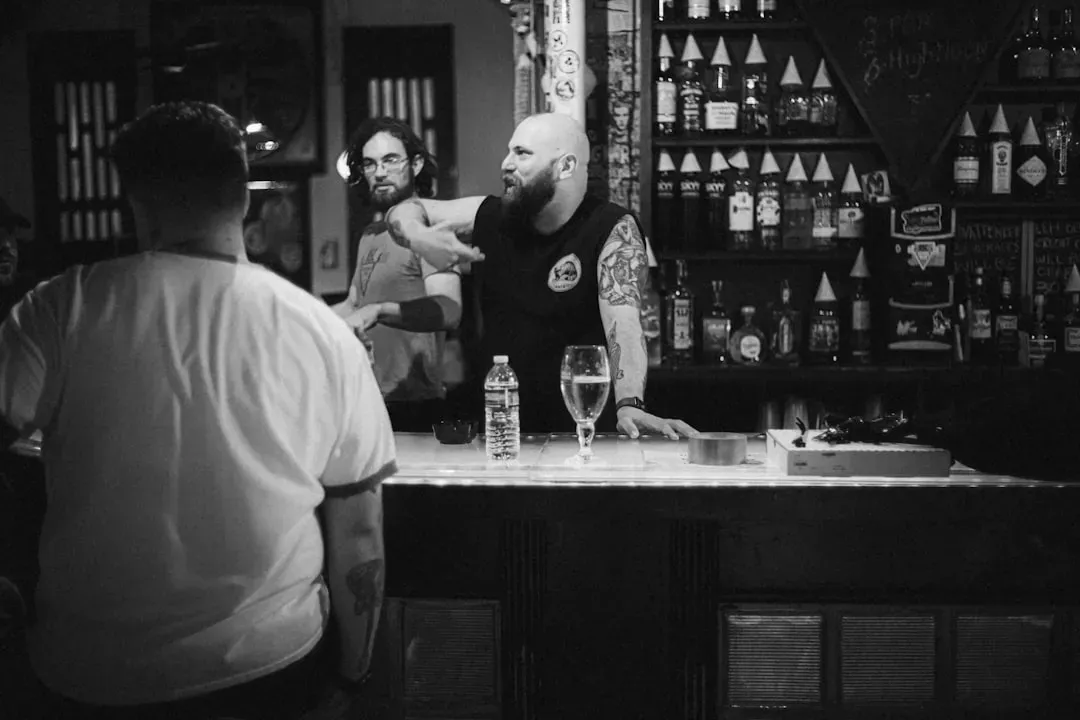
Let’s be honest: bartenders are also running a quick risk assessment. You need to learn the skill of reading body language, especially as a bartender, and when you can read people, by the way they carry themselves, you can identify good customers and potential problems. They’re looking for signs of intoxication, aggression, or instability before you even order. Slurred words when asking for the menu? Red flag. Aggressive posture or raised voice? Another warning sign.
Behavioral cues are critical for servers of alcohol because they can indicate how much a patron has already consumed and their level of intoxication, and monitoring behavior changes is essential for maintaining the safety and wellbeing of customers. This isn’t about being judgmental or unwelcoming. It’s about keeping everyone in the bar safe and ensuring the night doesn’t spiral into chaos. For bartenders, being present means strategic eavesdropping on conversations and paying attention to guests’ verbal and nonverbal cues, according to experts who spoke at the Tales of the Cocktail conference.
The next time you walk up to a bar, remember: you’re not invisible. Those few seconds before you order? They’re packed with information that bartenders are decoding in real time. It’s actually pretty impressive when you consider the mental multitasking involved. So what can you do with this knowledge? Maybe just be aware that your body language matters, that eye contact and a smile go a long way, and that bartenders are human beings reading human signals. Did you realize just how much was being communicated before you even said a word?