We Asked a Dietitian About Constipation – These 5 Vegetables Ranked Highest
Let’s be real: constipation is one of those topics nobody wants to talk about, yet almost everyone has dealt with it at some point. It’s uncomfortable, it disrupts your day, and the internet is full of questionable quick fixes. So instead of guessing, we went straight to the evidence – and to what registered dietitians actually recommend.
Studies show that at least roughly one in seven people in the general population will experience chronic constipation. That’s a staggering number, and it tells us this is not a niche problem. The good news? Your grocery cart might already hold the answer. Here are the five vegetables that keep coming up – again and again – in clinical practice and scientific research.
1. Green Peas – The Underrated Powerhouse
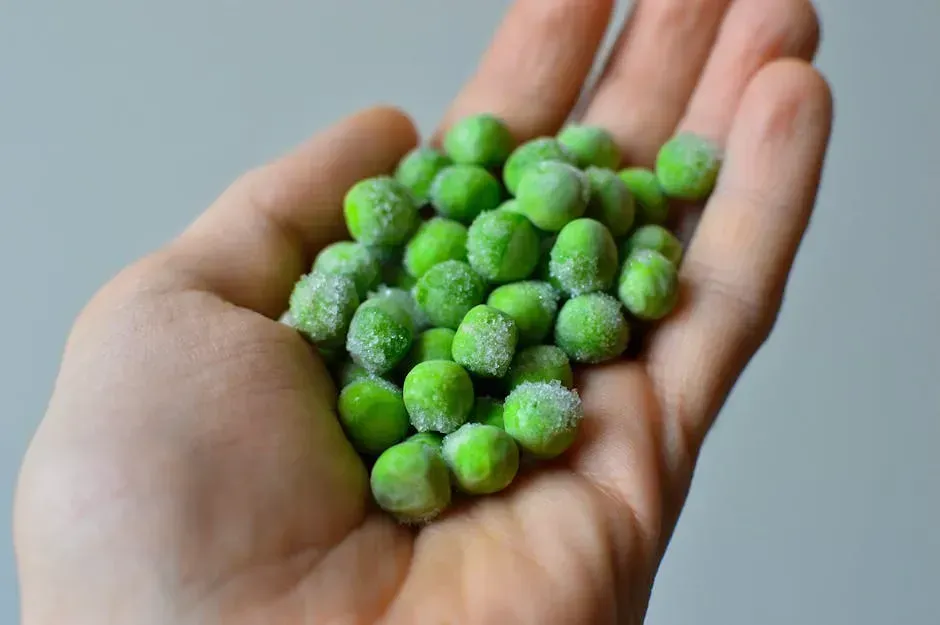
Green peas rarely get the recognition they deserve. Most people walk right past them in the frozen aisle without a second thought. That is honestly a shame, because when it comes to relieving constipation, they are one of the most complete vegetable options you can find.
A one-cup serving of cooked peas contains around nine grams of fiber, and of those nine grams, roughly seventy percent is insoluble fiber. Insoluble fiber is the type that does the heavy lifting in your gut. It adds bulk to your stool and helps speed up transit time through your digestive tract, making it especially helpful for constipation.
Green peas are also rich in fluid content and a good source of magnesium, all of which may help relieve constipation. Think of magnesium as the lubricant that keeps everything moving smoothly. The remaining portion of peas’ fiber is soluble fiber, which helps attract water into your gastrointestinal tract during digestion. Two mechanisms working together – that is a solid package for gut health.
2. Spinach – Magnesium Plus Fiber in One Leaf
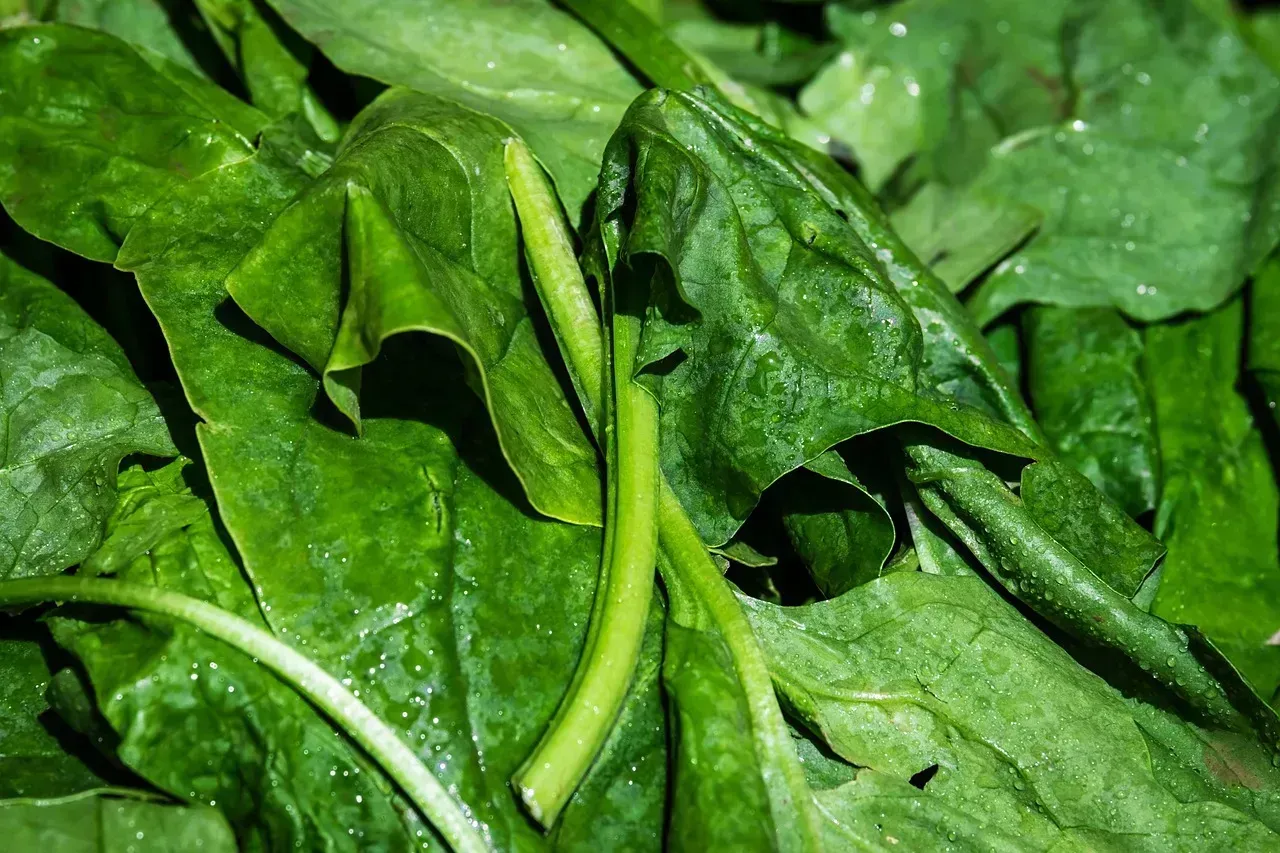
Spinach has long been celebrated for its iron content, but its role in gut health is just as compelling. It is one of those vegetables that works on constipation from two separate angles at once, making it a true double-threat for digestive relief.
One cup of spinach contains over four grams of fiber, and just as importantly, spinach contains magnesium, a mineral that helps the colon contract and draws water in to help flush things through. That combination of physical bulk and water-drawing mineral action is something you just do not find in most foods.
Leafy greens like spinach are packed with insoluble fiber that adds bulk to stool, and they are also a great source of magnesium, which draws water into the intestines to help with bowel movements. Cooked spinach has about thirty-seven percent of the daily value for magnesium in a single cup, and while it is not as high in fiber as broccoli or green peas, roughly seventy percent of its fiber is the insoluble kind.
3. Broccoli – The Cruciferous Champion
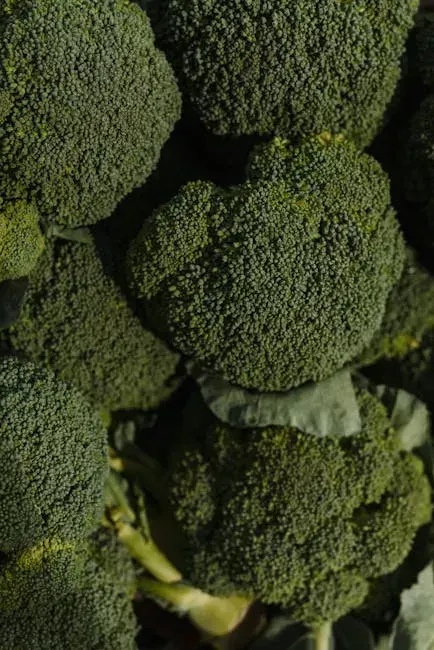
Broccoli might just be the most famous vegetable in the entire health food conversation. It appears on nearly every “eat more of this” list imaginable. When it comes to constipation specifically, the science actually backs up the hype here.
Broccoli is recommended by dietitians for constipation because it is very high in fiber, with almost five grams per cup cooked, and it also contains some magnesium. Initial management of constipation should involve lifestyle changes, including consuming fiber-rich foods such as asparagus, broccoli, Brussels sprouts, cabbage, and spinach. That is a direct reference from NCBI’s StatPearls resource – this is mainstream clinical guidance, not wellness blog conjecture.
Greens like spinach, Brussels sprouts, and broccoli are full of fiber, which might help add bulk and weight to stools, making it easier to pass. That said, a small but important caveat exists. Brussels sprouts and broccoli may help constipation due to their high fiber concentration; however, if constipation is coupled with gas or bloating, or if you are dealing with IBS or IBD, cruciferous vegetables may sometimes make constipation worse. Worth knowing before you roast a whole tray.
4. Tomatoes – The Science-Backed Surprise
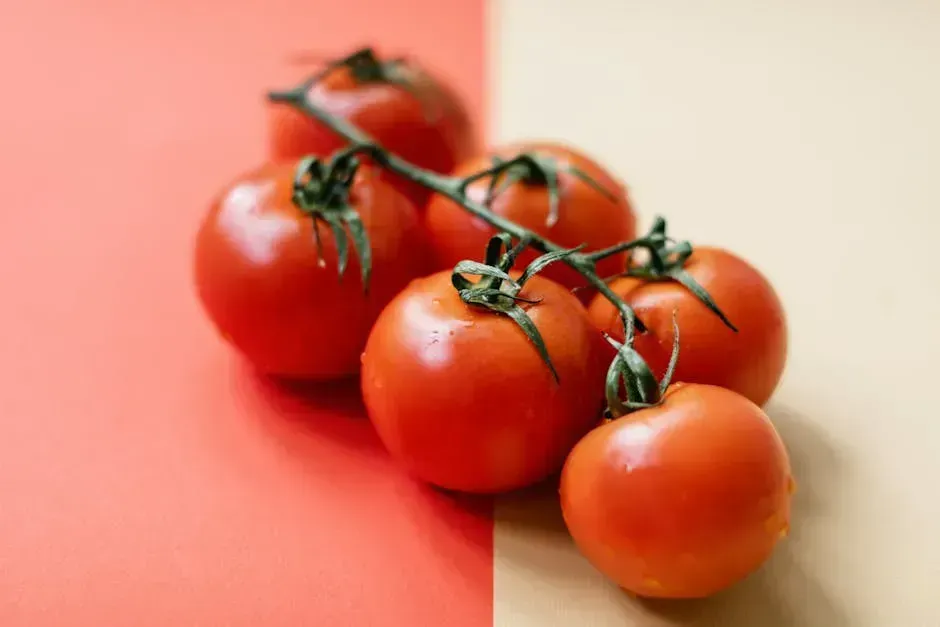
Here is one that genuinely surprised me when the research came into focus. Tomatoes are not often the first thing people reach for when they are trying to get things moving. Most people think of bran, prunes, maybe some leafy greens. Tomatoes? Not on the radar. They absolutely should be.
While the intake of larger quantities of vegetables has been linked to a reduction in constipation risk, which vegetables in particular underlie this risk reduction has remained incompletely understood, and a 2024 study was specifically developed to explore correlations between particular vegetable types and constipation risk. The results were striking. The data showed that total red and orange vegetable intake had a strong protective association with lower constipation risk, and among all vegetables analyzed, tomatoes exhibited the lowest odds ratio for constipation.
Vegetables are rich in flavonoids, trace elements, vitamins, and dietary fiber, and soluble dietary fiber is well known to help alleviate constipation, with pectin, a form of soluble fiber, offering clear short and long-term efficacy in patients suffering from constipation. Tomatoes are a notable source of pectin, which gives them a meaningful biochemical advantage in this context. Trace elements including selenium, magnesium, and phosphorus have also been found to be negatively correlated with constipation, all of which tomatoes carry in their nutritional profile.
5. Asparagus – The Prebiotic Ally Your Gut Needs
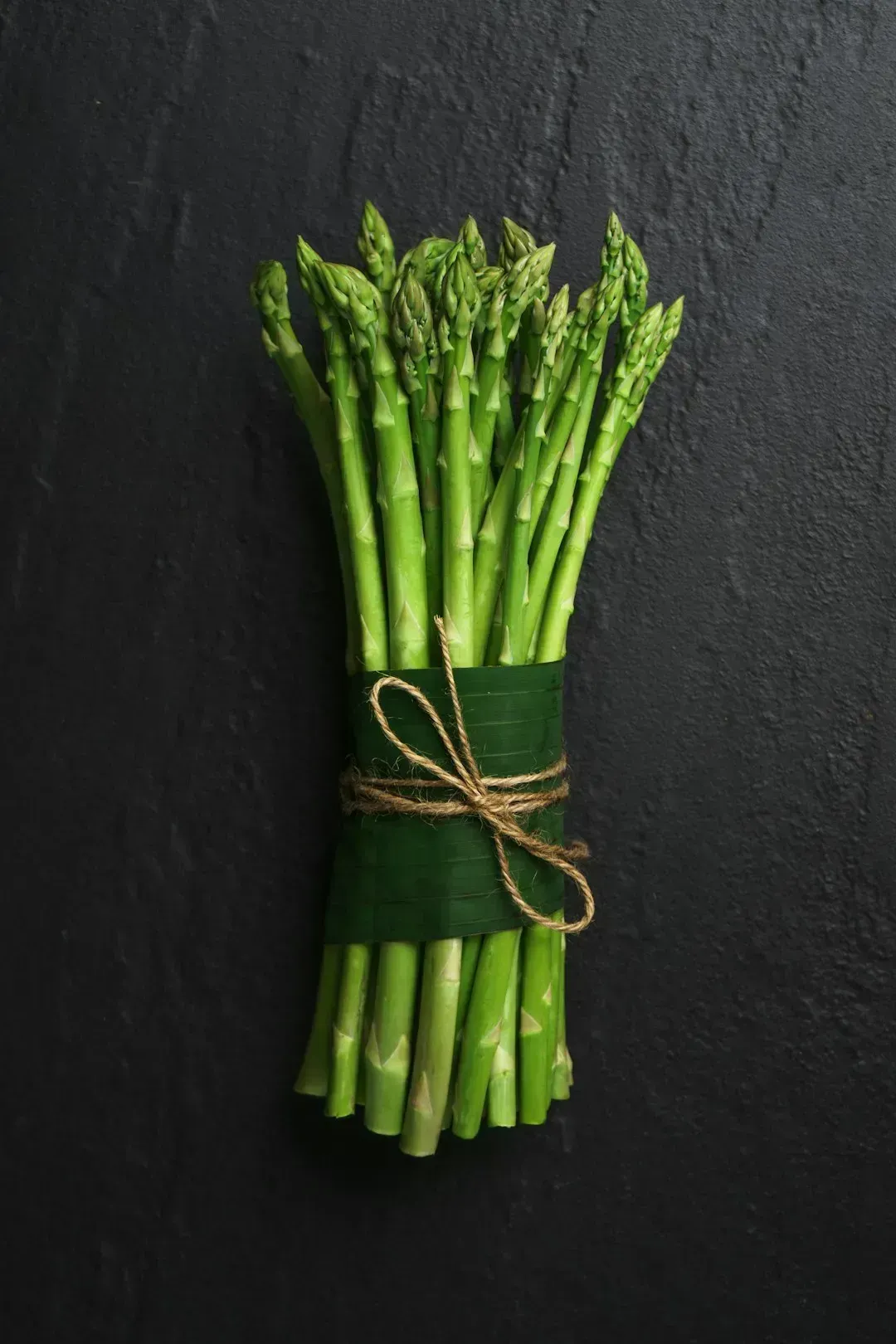
Asparagus is one of those vegetables that does its most important work quietly, deep in your digestive system, where you cannot see it but can certainly feel the difference. Its mechanism is a little different from the others on this list, and that is precisely what makes it so valuable.
Asparagus is a fluid-filled, fibrous vegetable that can relieve constipation, with 3.6 grams of fiber per cooked cup, most of which is insoluble, helping to increase gastrointestinal transit time. Asparagus also contains prebiotic fiber in the form of inulin, which can contribute to healthy digestion. Inulin acts almost like a fertilizer for the good bacteria in your gut. Think of it as feeding the internal ecosystem that keeps everything functioning.
Vegetables are rich in fiber and can hold large amounts of water and soluble ingredients, which can lead to stool softening and higher stool frequency. Vegetables can also modulate various gut microbiota, and studies have reported the roles of these microbiota in alleviating constipation. Asparagus is one of the best examples of a vegetable that checks both of those boxes at once – direct fiber content and a prebiotic effect that supports the microbiome long-term.