12 Simple Comforts That Mean the World to Cats
Cats have shared our homes for thousands of years, yet they remain one of the most misunderstood creatures on the planet. We think we know them. We assume a purr means happiness, a slow blink means love, a tucked tail means grumpy. But science keeps revealing just how much more complex these animals actually are. Honestly, the more researchers dig in, the more fascinating the picture becomes.
What truly brings a cat comfort? It is not always what we imagine. Some of the answers are surprisingly simple, almost embarrassingly so. Let’s dive in.
1. The Presence of Their Trusted Human
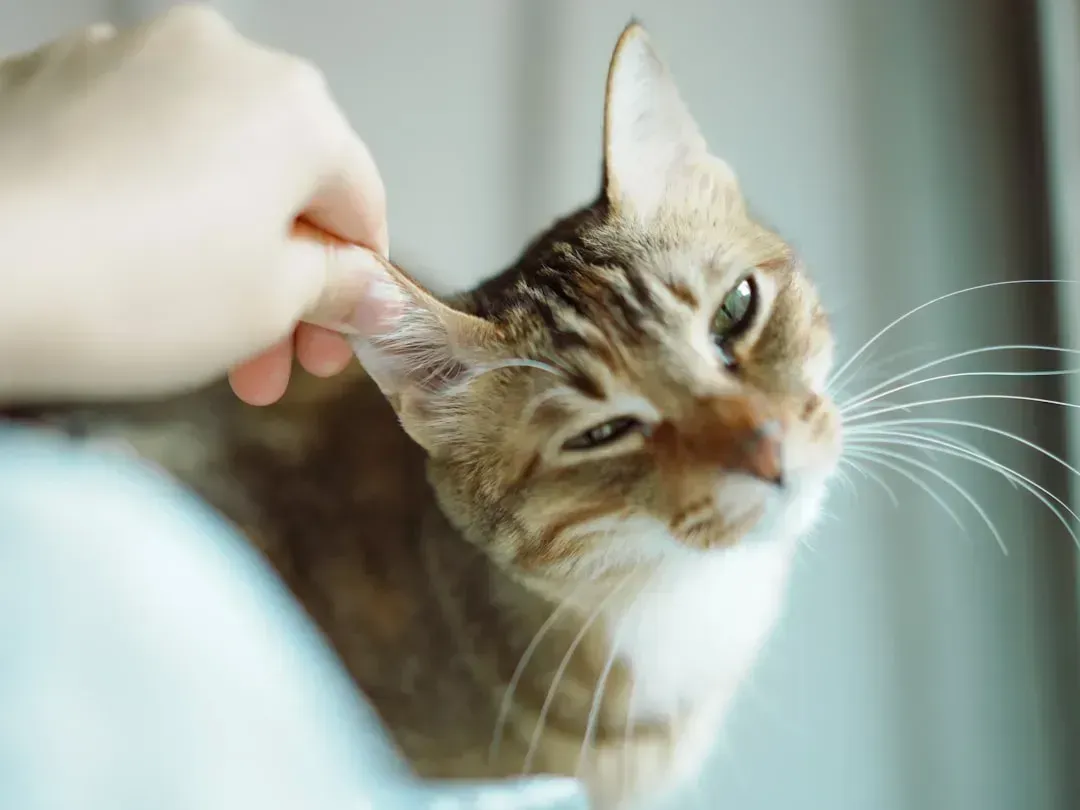
Here’s something that might surprise even seasoned cat owners. In a controlled study where forty-two adult cats underwent a Secure Base Test, cats displayed a significantly lower frequency of stress-related behaviors when their owner was present. That is not a small thing. That is science confirming what cat lovers have always felt in their gut.
The research focused on the concept of the Secure Base Effect, which holds that being with someone you are bonded with can reduce stress and help you feel comfortable exploring unfamiliar environments. Think of it like a child clinging to a parent in a new place. Same instinct, different species.
From this research, we can conclude that overall, cats are comforted by their owner’s presence. So if your cat follows you room to room, that is not annoying neediness. That is genuine attachment. It means you matter to them.
2. A Safe and Enclosed Hiding Spot
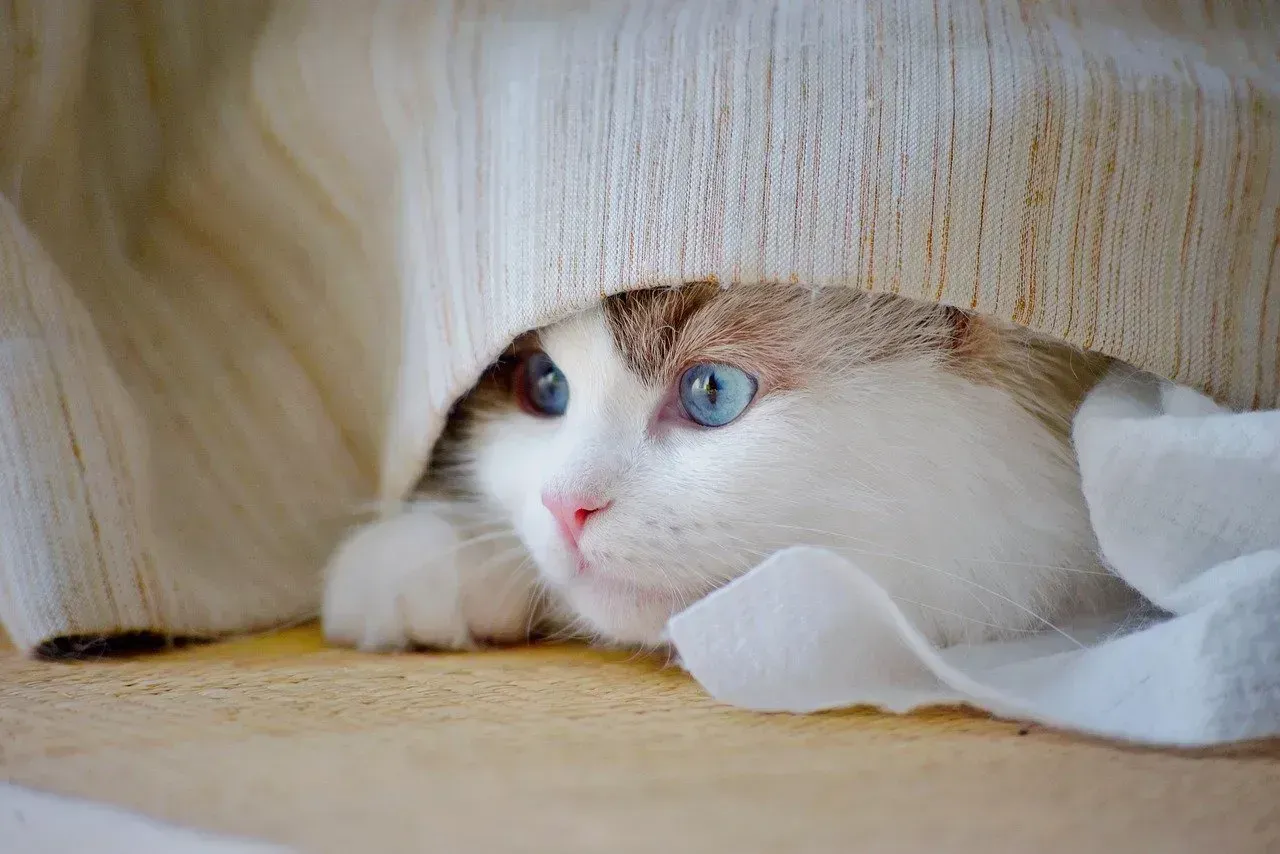
When cats are faced with something stressful, they like to hide in order to avoid confrontation. Providing safe spaces gives them somewhere to go and relax when everything is fine, and somewhere to hide if they are feeling stressed. This is not a flaw in a cat’s personality. It is a perfectly healthy coping mechanism.
All cats must be given the opportunity to hide within their enclosure, according to the Association of Shelter Veterinarians’ 2024 guidelines. The ideal hiding spot? From a cat’s perspective, the best hiding places are the right size for them and enclosed. A cardboard box on the floor counts. You do not need to spend a fortune.
A study in the journal Behavioral Processes found that cats spent the most time in a hiding place from where they could see someone approaching, which suggests they want to feel safe but still stay connected. Security and social awareness at the same time. Classic cat behavior.
3. High Perches to Survey Their World
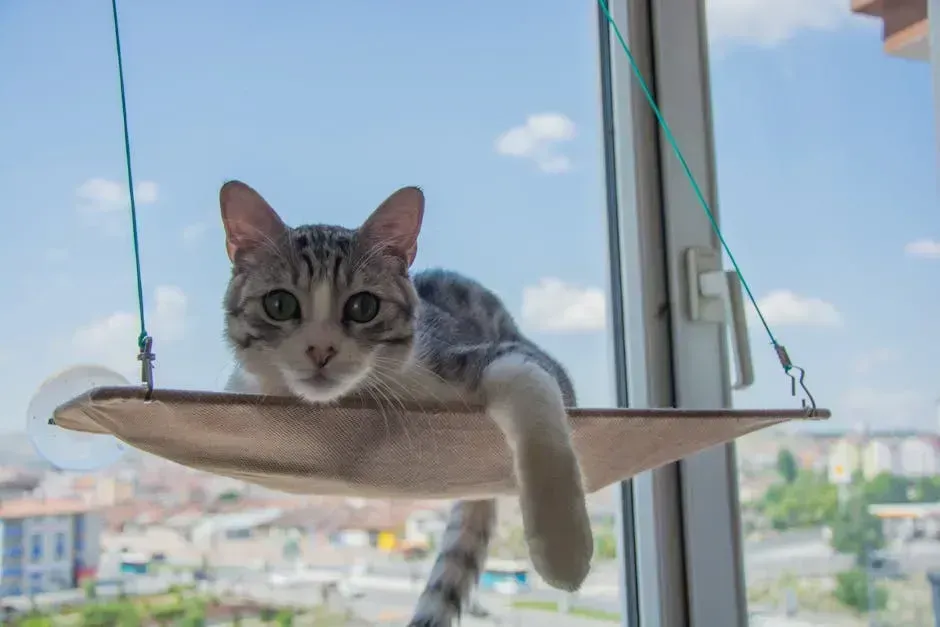
For a cat, height means safety, as they can get away from predators and observe the world from a good viewpoint. Having some perches, cat trees or shelves that are accessible to your cat and up high will encourage feelings of security. This instinct runs deep, rooted in millions of years of feline evolution.
Cats love to climb and perch. Adding cat trees, shelves, or window perches gives them places to observe their environment from new angles, fulfilling their climbing instincts. I think people underestimate how much vertical space matters to a cat. They do not just want floor space. They want altitude.
Natural instinctual feline behaviors include scratching, hunting, climbing, grooming, kneading, and perching to survey their territory. Without opportunities to engage in these behaviors, indoor cats are at risk for certain stress-induced health conditions such as obesity, feline urinary tract disease, aggression, and compulsive disorders such as over-grooming. So a shelf is not a luxury. It is a wellness tool.
4. The Rhythm of a Consistent Daily Routine
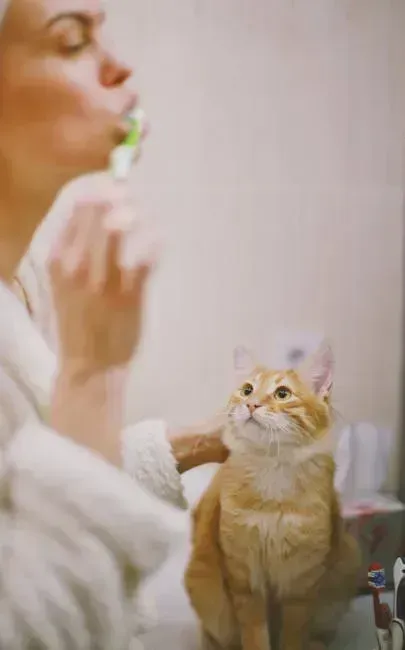
Knowing what to expect each day is comforting to cats. They love things being familiar and predictable, for things to always happen in the same way at the same time. If you have ever noticed your cat appearing at the kitchen door at the exact same minute every evening, now you know why. It is not coincidence. It is wired into them.
Cats thrive on routine, and in doing so, they offer structure to the people who care for them. Feeding times, play rituals, and quiet evenings create a predictable rhythm that can be incredibly grounding. There is something almost poetic about that. The cat that gives you structure while seeking it themselves.
Try and establish a routine with your cat: feeding, grooming, and playtime can all be scheduled so that your cat always knows what is happening and what is coming next, which in turn helps them feel secure. Even small, consistent rituals carry enormous weight for a cat’s wellbeing.
5. A Good Scratching Surface
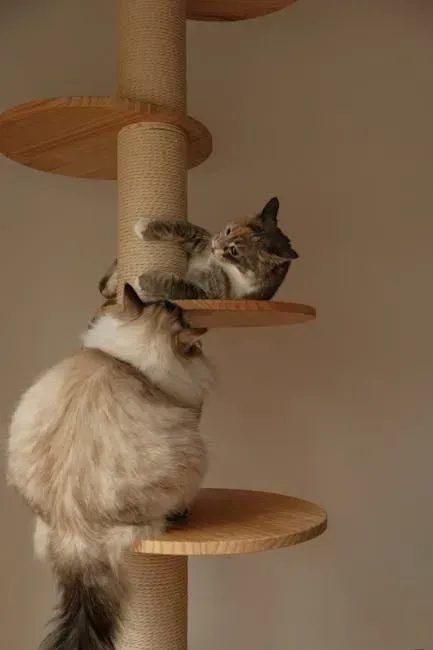
Let’s be real: scratching furniture is one of the top complaints from cat owners everywhere. But here’s the thing. Scratching is a natural behavior that helps cats stretch, mark their territory, and relieve stress. Having plenty of scratching surfaces helps them maintain healthy claws and avoid damaging furniture.
Cats have an innate need to scratch and use it as a form of communication as well as a tool to sharpen their claws. Providing scratching posts in high-visibility areas makes sure your cat has access. Being able to leave themselves messages via their scratching will help your cat feel at home. Think of it as your cat writing little sticky notes around the house.
Your cat needs scratching areas that feel good to them in the material, whether sisal, carpet, wood, or cardboard, and at the angle they prefer, so place several options throughout your home to see which ones your cat likes. Every cat is an individual. Some want vertical posts. Some prefer a flat cardboard scratcher on the floor. Try both.
6. The Comfort of Purring Itself
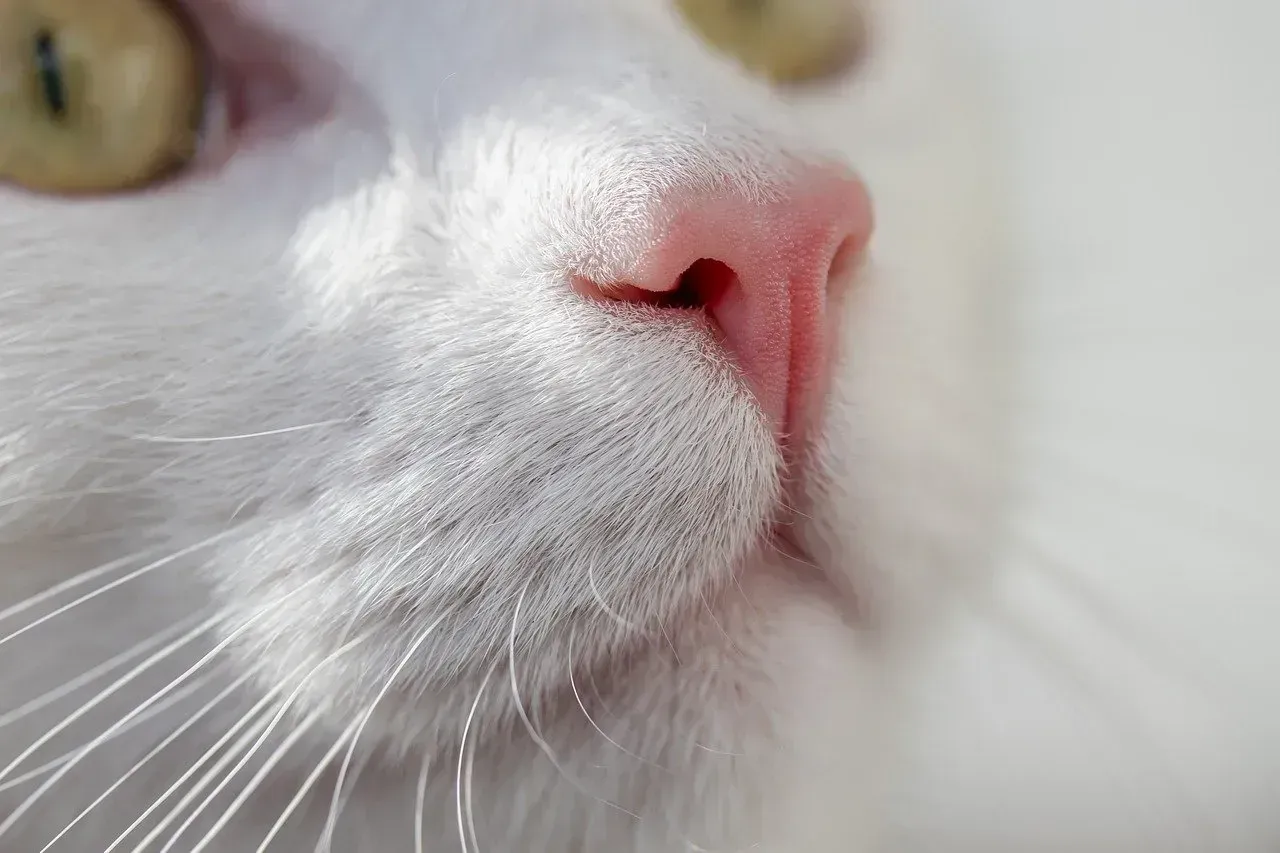
Purring is not simply a sign of a happy cat. It is far more complex than that. While purring can indeed signal pleasure and comfort, cats may also self-soothe by purring in stressful situations as a way to calm themselves. That is a remarkable built-in coping mechanism, almost like a self-administered meditation.
Research indicates that cats purr at frequencies between 25 and 150 hertz, a range associated with therapeutic benefits such as reduced stress and lower blood pressure. What is wild is that these same frequencies are used in certain medical treatments. Research has even shown that purring may actually help cats to heal themselves. Purrs have a low frequency, causing vibrations within the cat’s body. These vibrations may help cats heal their own injuries, ease breathing, and decrease pain and swelling.
Mother cats purr to calm their kittens, which suggests that the sound has an instinctual soothing effect. Humans may experience a similar response, feeling a sense of calm and reassurance when hearing a cat’s purr. So when your cat purrs on your lap, you are both being comforted at the same time. It is mutual therapy.
7. Gentle, Respectful Touch
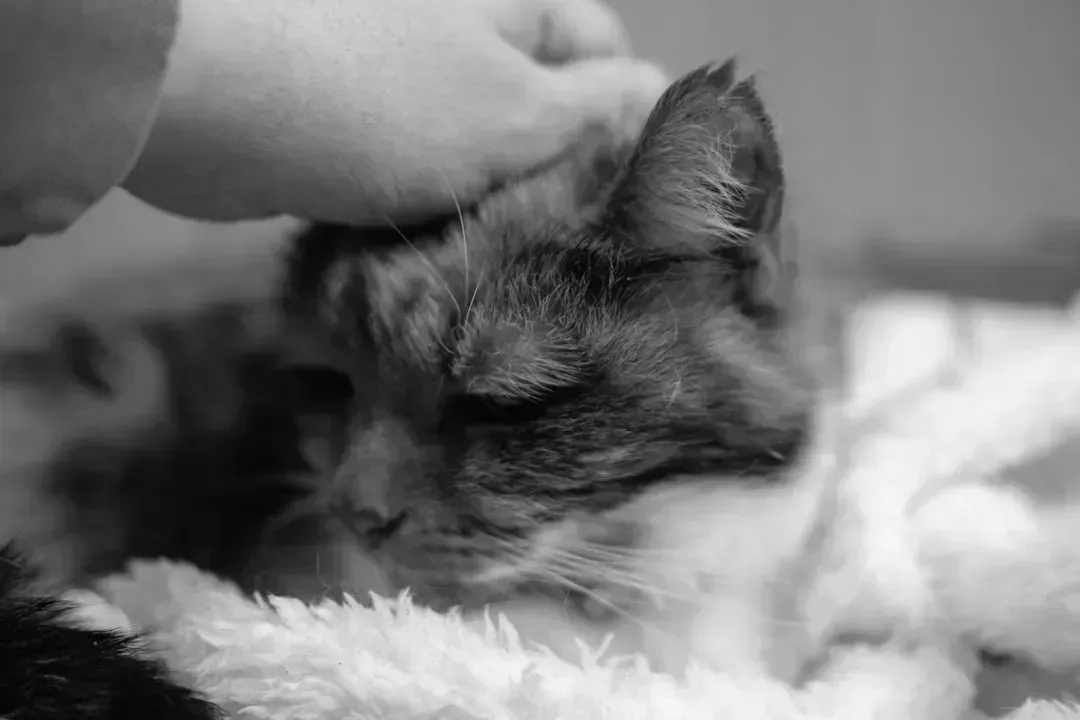
Not all petting is created equal, and cats know it. Research indicates that the foremost causes of cat aggression towards people are play-related and petting-related aggression. Most of the time, this happens because humans simply do not read the signals. Cats do send them, clearly, every time.
Studies show that interacting with cats can lower cortisol levels while increasing oxytocin, which is associated with bonding and feelings of trust. Even short interactions such as petting or sitting near a cat have been linked to reduced anxiety and improved mood. The key word there is short. Cats prefer interactions that end before they are ready to leave.
The initiation and the initiator of social interactions between cats and humans have been shown to influence both the duration of the interaction bout and total interaction time in the relationship. Compliance with the interactional wishes of the partner is positively correlated between the cats and the humans over all human-cat dyads examined. In plain terms: let the cat come to you, and let them leave when they want. That is the golden rule of cat affection.
8. Interactive Playtime
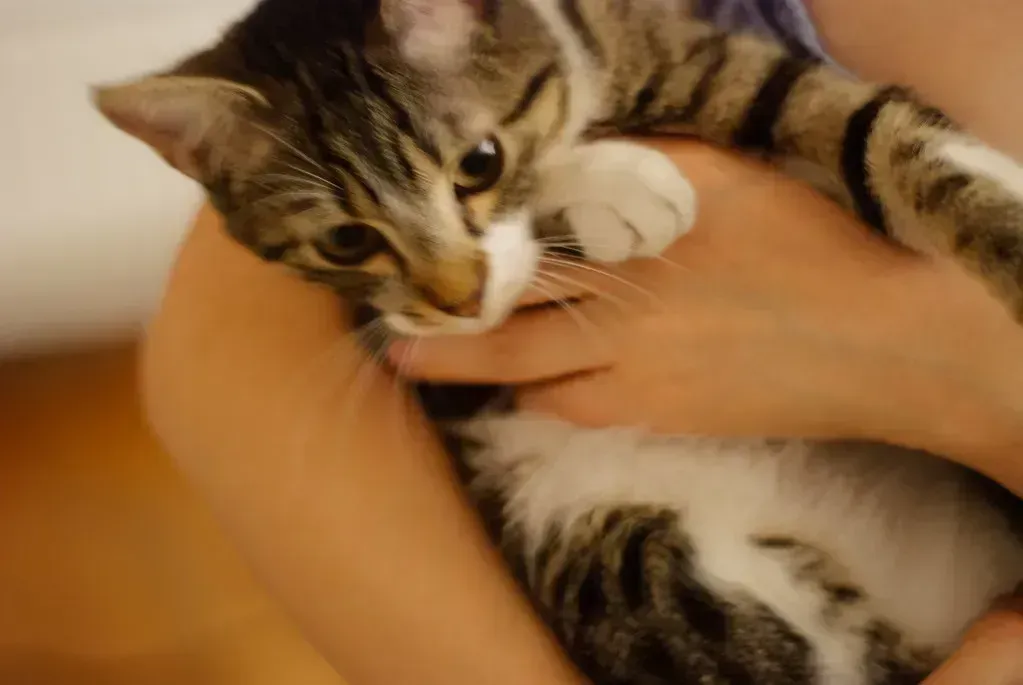
Play is not optional for cats. It is a biological need. Playtime is essential for indoor cats, who must practice leaping, pouncing, stalking, and other hunting behaviors. Without an outlet, those instincts go somewhere less desirable, like your ankles at two in the morning.
Although cats are popular pets and often viewed as family members, many cat owners fail to meet their welfare needs. This failure may occur due to several factors, including a lack of awareness and education, a lack of time or interest, and not prioritising the welfare needs of a companion animal due to competing motivations. It is not about being a bad owner. Life is busy. But the research is clear: play matters deeply.
A study found that more than a third of participants reported playing with their cats more after an educational campaign, suggesting that once people understand the importance, they act on it. Even ten to fifteen minutes of wand-toy play a day can make a visible difference in a cat’s mood and contentment levels.
9. Environmental Enrichment and Mental Stimulation
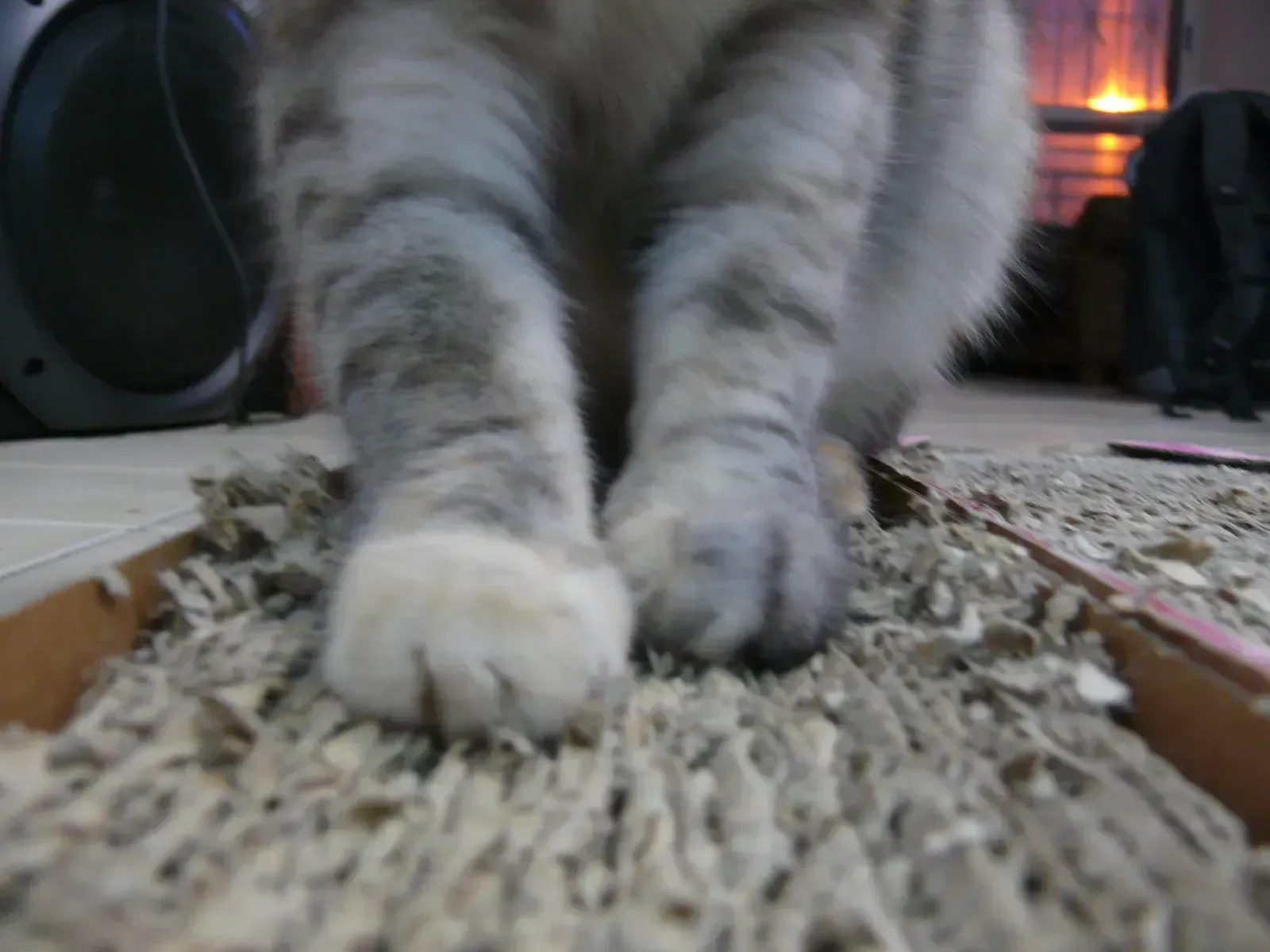
Cats are highly intelligent, naturally curious, and active animals whom humans have chosen to take into their homes as companion animals. An intelligent animal kept in a barren environment does not simply sit still and accept it. They find ways to express their boredom, usually in ways their owners do not appreciate.
Environmental enrichment provides mental and physical stimuli, enhances the development of a normal behavioral repertoire, and helps prevent and reduce behavioral problems. This can be as simple as rotating toys, introducing new smells, or placing a bird feeder outside a window. The brain needs feeding too, not just the belly.
A study aimed to assess whether enriching the living environment of cats with additional resources such as scratching posts and hiding places would reduce long-term stress, and the results clearly pointed toward enrichment as a meaningful intervention. The five pillars of a healthy feline environment, which are research-based guidelines developed by the American Association of Feline Practitioners and International Society of Feline Medicine, place environmental enrichment at their core.
10. Windows With a View
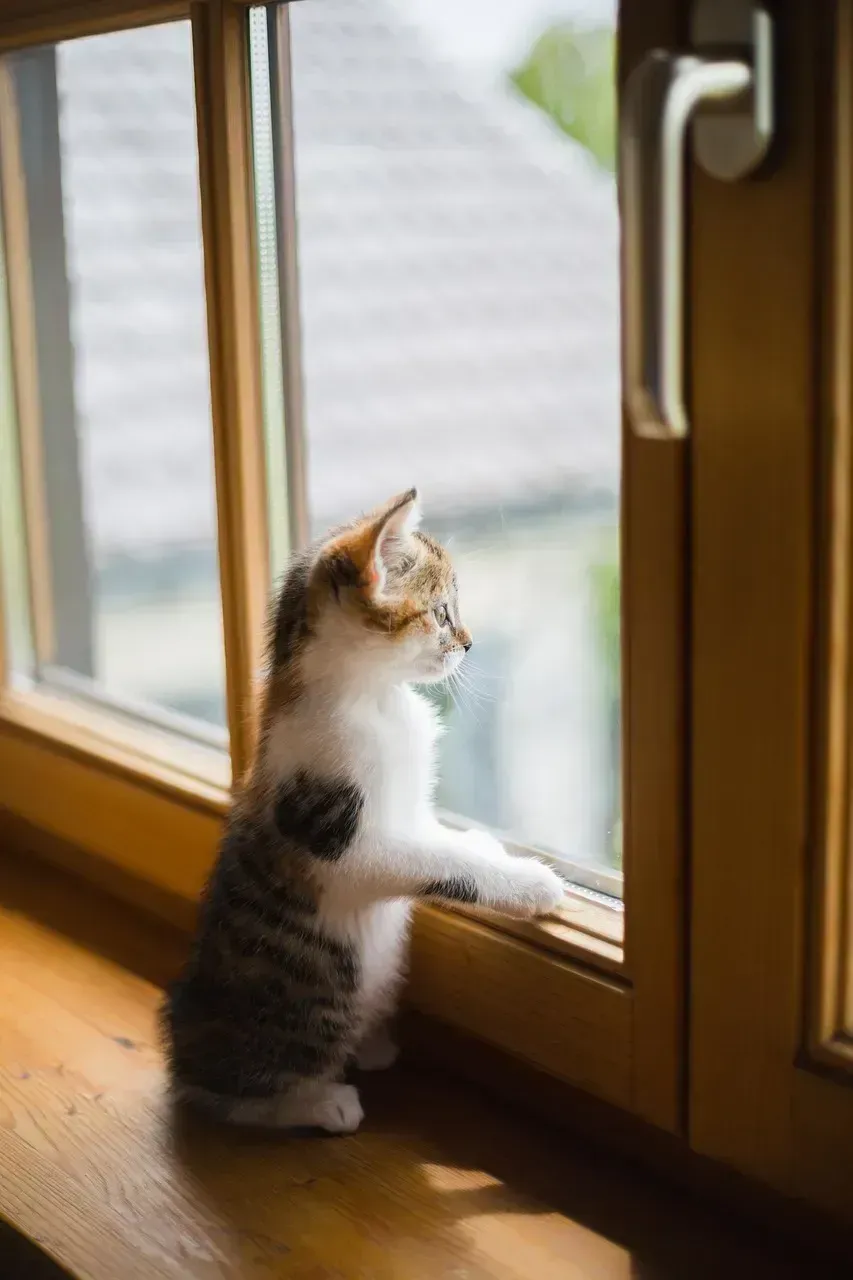
It sounds almost too simple, but a window can be one of the most powerful comfort tools you offer a cat. Cats should have access to natural lighting and a window for looking outside. Watching the world move is stimulating, calming, and endlessly entertaining for a creature wired to monitor their territory.
Think of it like this: a window is a cat’s television. Birds, squirrels, passing cars, swaying branches. It costs nothing but a clean sill and an unobstructed view. Creating perches and hiding spots in your home provides indoor cats with opportunities to satisfy their natural instincts, survey their environment, and find comfort and security.
Cats are naturally curious and energetic creatures with a deep-seated desire to explore, hunt, and interact with their surroundings. While outdoor environments offer countless opportunities for climbing, chasing, and investigating new sights and smells, indoor cats don’t have access to the same variety. Even though indoor life is safer, it can often lack the mental and physical stimulation cats need to stay engaged. A window view bridges that gap, at least a little.
11. Feeling Emotionally Attuned to Their Human
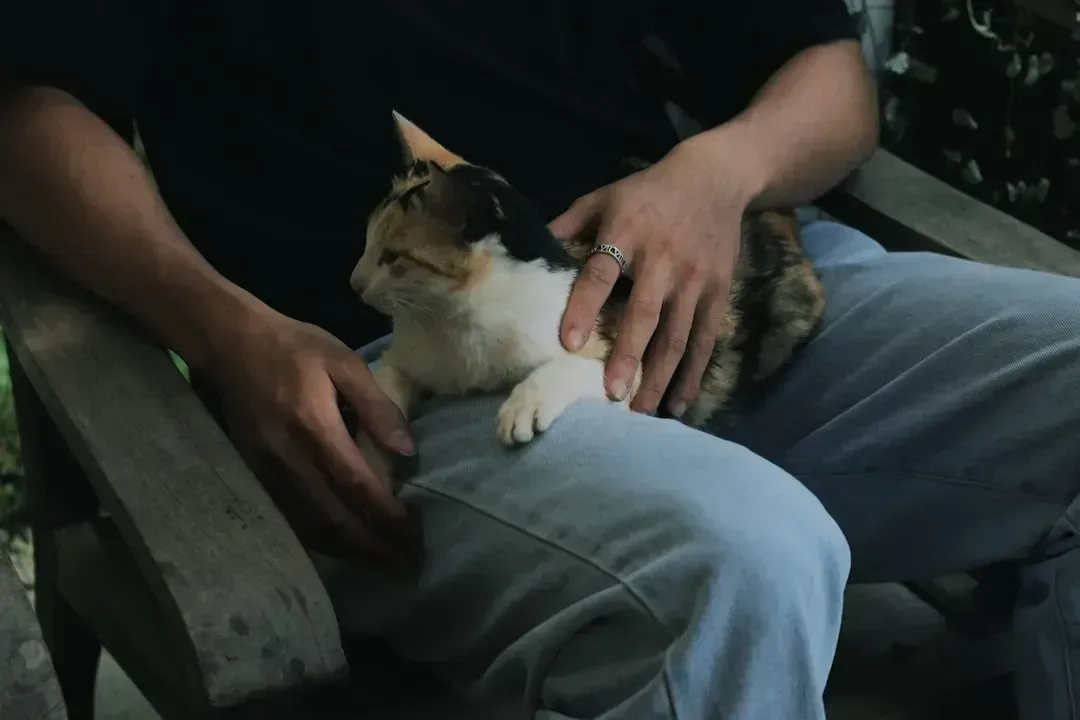
It’s hard to say for sure just how deeply cats read our emotions, but the research is increasingly pointing in a fascinating direction. Cats may not understand complex human emotions the way humans do, but they are excellent observers of behavioral and environmental changes. Through thousands of years of domestication, cats have developed the ability to interpret cues from their owners, such as vocal tone and facial expressions.
Cats are keenly aware of their owner’s emotional changes, particularly negative emotions, and therefore attempt to alleviate their owner’s stress and discomfort through comforting behaviors. That moment when your cat climbs onto your lap right when you are having a rough day? It may not be coincidence after all.
Cats were more likely to seek out comfort or engage in soothing behaviors when their owners were distressed. Some cats mirrored the emotional behavior of their caretakers, such as becoming quiet when their humans were sad. The bond goes deeper than we often give it credit for. A cat that feels safe with you is also a cat that shows up for you.
12. Simply Feeling Safe in Their Own Home
Everything else on this list ultimately comes back to one foundational truth. Meeting each cat’s essential environmental needs by providing the five pillars of a healthy feline environment will minimize their distress and the incidence of both behavioral disorders and stress-related medical diseases. Comfort is not a single thing. It is an accumulation of small, consistent kindnesses.
Over 45 million US households contain at least one companion cat, and in the European Union, the population of pet cats is estimated to be 113 million, outnumbering the estimated 92 million dogs. We share our lives with more cats than almost any other animal on the planet. Yet despite this global popularity, research into the behavior and welfare of cats living in private homes is still limited.
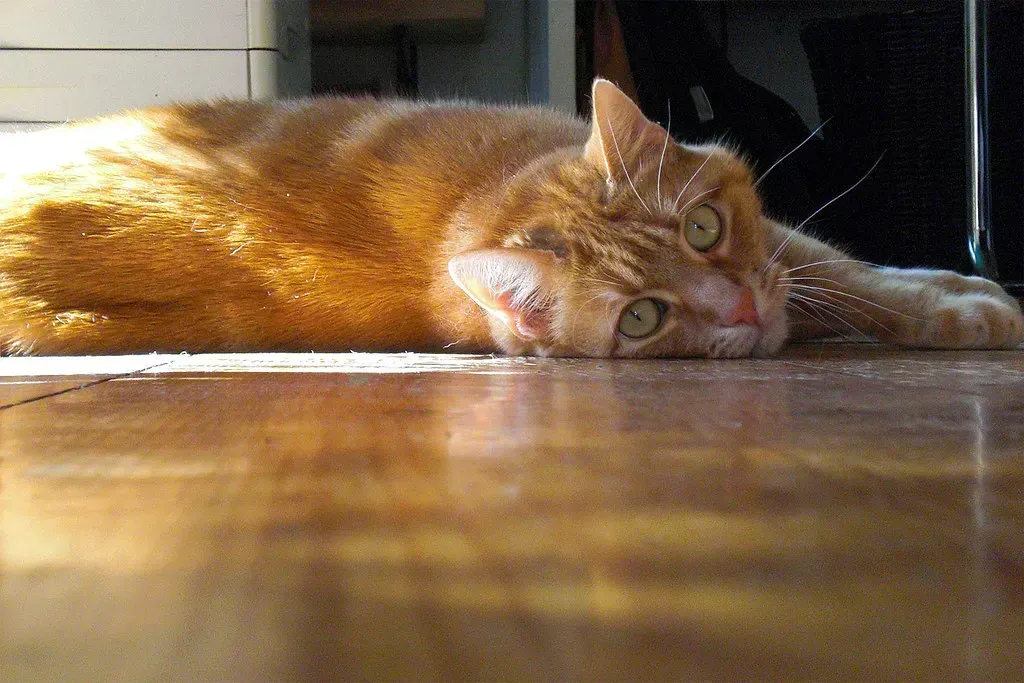
Cats that feel secure will show relaxed body language, such as an upright tail, stretched posture, and slow blinks. That is the whole goal. A cat stretched out across a sunlit floor, blinking slowly at you. That is not laziness. That is a cat telling you, in the only language it has, that it feels completely safe. What could be more meaningful than that?
What do you think your cat values most? Take a good look at them today, and you might just find the answer written all over their body language.