5 Holiday Dishes Americans Have Largely Forgotten
Picture your grandmother’s kitchen, bursting with smells you barely remember. Strange dishes occupied every surface, things that never appear anymore in our modern holiday spreads. These foods told stories about where we came from, how our ancestors preserved ingredients, and what once felt absolutely essential to celebrating.
Yet most of us couldn’t even name half of them now.
Oyster Stew on Christmas Eve
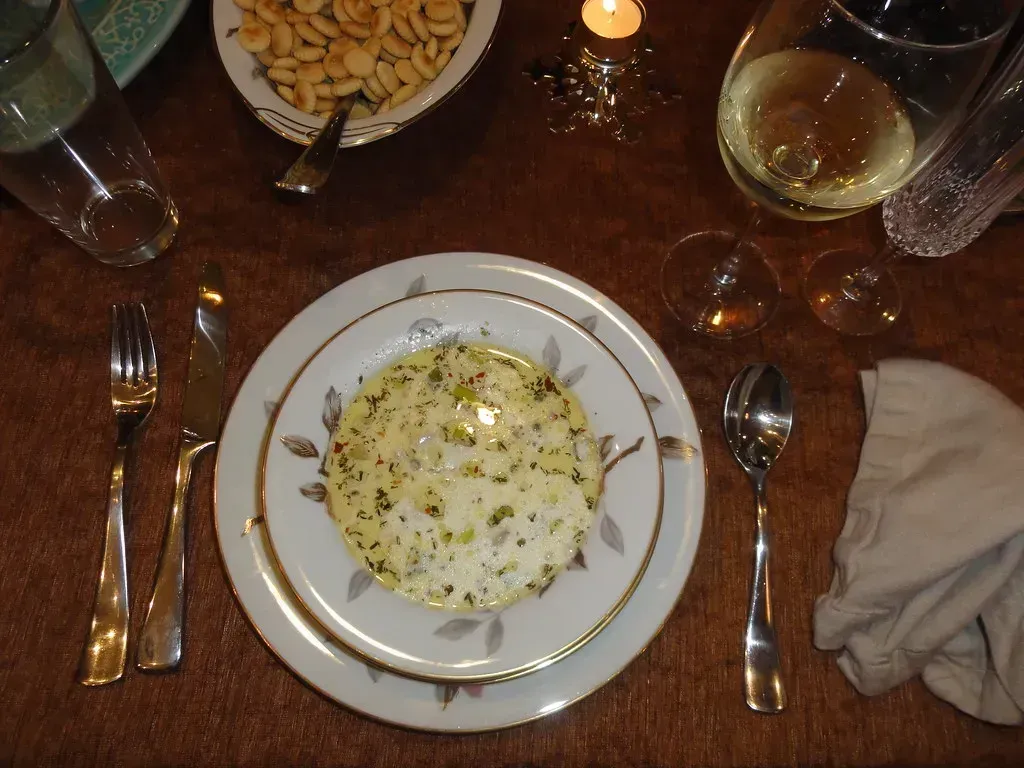
This tradition came over with the Irish immigrants in the mid-1800s and was particularly popular on Christmas Eve in Southern United States cuisine, with Irish Catholic immigrants adapting their traditional dried ling stew recipe for oysters. The creamy, briny stew served with oyster crackers was once as essential to Christmas Eve as turkey is to Thanksgiving today. There were tons of oysters available to all classes of people 300 years ago, but now that they have become a rather expensive delicacy, those oysters are often replaced with mushrooms in stuffing. The whole family would gather to slurp this silky, seafood-rich concoction before midnight mass. Honestly, the shift from affordable staple to luxury item sealed its fate entirely.
Mincemeat Pie with Actual Meat
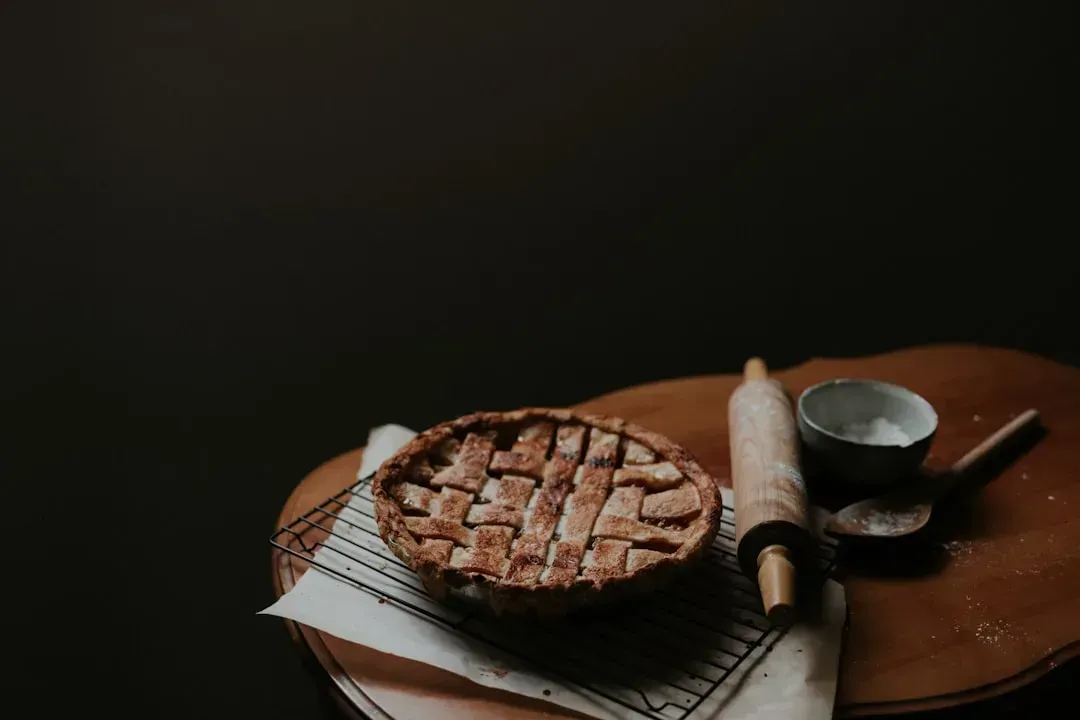
Here’s the thing people get confused about. Unlike today’s fruit-filled versions, traditional mincemeat actually contained minced meat, typically beef or venison, mixed with suet, fruits, and spices. We’re talking about proper savory filling combined with dried fruits, brandy, and warm spices. From the mid-19th century through the 1930s, it was mince rather than apple pie that signified as Americanism on a plate, apotheosized as “the great American viand,” “an American institution,” and “as American as the Red Indians.” Mincemeat developed as a way of preserving meat without salting or smoking some 500 years ago in England. The labor involved and changing tastes toward lighter desserts eventually killed off the authentic recipe, replaced by those jarred fruit versions nobody actually wants.
Plum Pudding
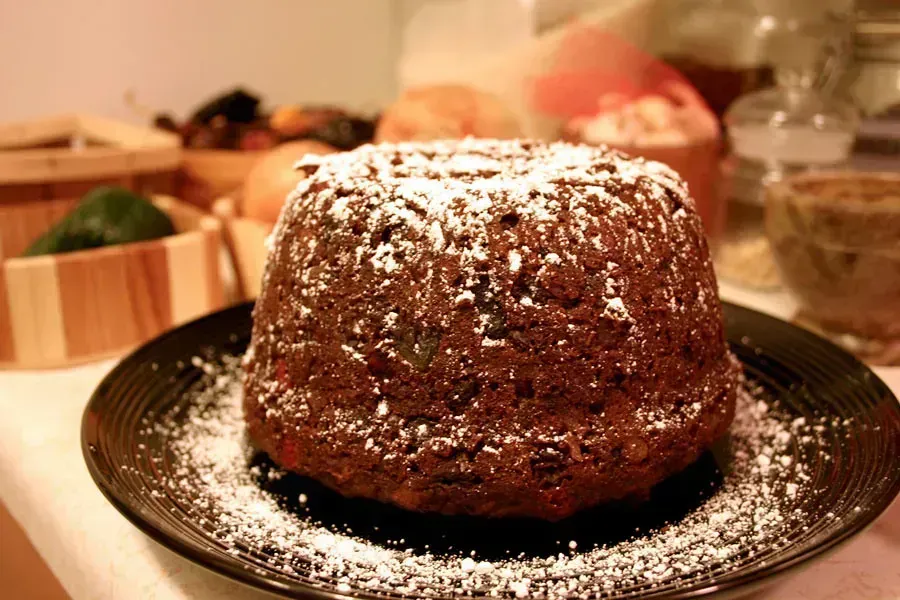
The cake, which contains figs and is topped with brandy, has been an English Christmas dessert since the mid-1600s, arriving in America with British immigrants, bringing the tradition of elaborate holiday preparation and ritual. The dense, boozy dessert required weeks of advance preparation, with families gathering on Stir-up Sunday to mix the ingredients, everyone taking turns stirring clockwise while making wishes. This wasn’t just cooking. It was ceremony. Today, Christmas pudding remains largely a British tradition, with very few American households continuing the practice. Let’s be real, who has time for weeks of preparation anymore? The convenience era basically murdered this tradition stone dead.
Tomato Aspic and Gelatin Salads
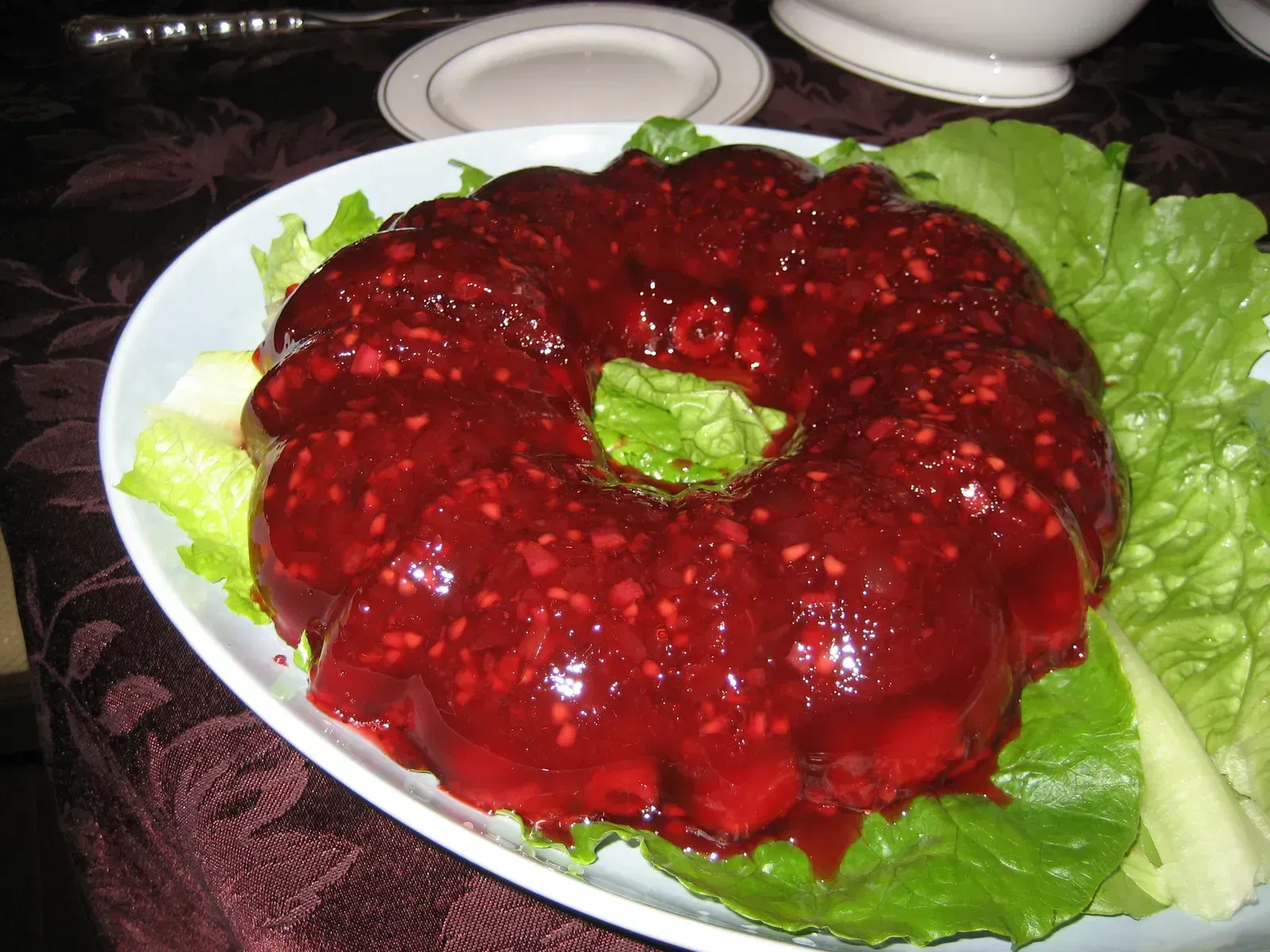
In the 1960s, people inexplicably fell under the spell of savory Jell-O molds called aspics, with their jelly made from meat stock, holding vegetables, meats, or seafood suspended in gelatin, shaped in elaborate molds that demonstrated culinary prowess. Back then, these shimmering creations symbolized modern convenience and sophistication, with families proudly serving them at holiday gatherings and special occasions. Aspic salads, made with gelatin encasing meats, vegetables or eggs, declined sharply by the 1980s, with food historians noting that the dish fell out of favor as Americans learned more about foodborne illness risks from improperly chilled gelatin molds. Thank goodness some trends stay buried. Watching someone slice into jiggly meat jelly doesn’t exactly scream appetite appeal by today’s standards.
Wassail

Wassail is an alcoholic punch that was often drunk in autumn and winter and at feast times, appearing on formal holiday menus as early as the 1770s, combining ale or cider with spices, sugar, and roasted apples, creating a communal drinking experience that brought households together. The whole ritual around wassail was deeply communal, with people going from house to house, singing and sharing the warm spiced drink, creating neighborly interaction that feels almost foreign now. The drink itself isn’t gone entirely, appearing occasionally at historical reenactments or themed parties, yet the authentic tradition has mostly vanished from everyday American life.
These forgotten dishes represent something deeper than just changing tastes. They remind us of slower times when food preparation demanded patience, when communities gathered not just to eat but to create together. Maybe we gained convenience by letting them go, but we definitely lost something that mattered along the way. What do you think about bringing one of these back to your table this year?