6 Leftovers Scientists Warn May Become Unsafe by the Next Day
Cooked Rice and Pasta

Let’s be real here, that leftover fried rice in your fridge might be more dangerous than you think. Fried rice syndrome is food poisoning caused by Bacillus cereus, a bacterium that likes to live on starchy foods like rice and pasta. Bacillus cereus naturally colonizes on uncooked rice grains, and the spores produced by the bacteria easily survive the cooking process and grow best at room temperature. Here’s the scary part: reheating foods to high temperatures will kill the cells but not the toxins if they have already formed. Letting rice sit at room temperature for several hours usually leads to Bacillus cereus food poisoning, as this allows the bacteria to grow and create heat-stable toxins that can’t be cooked out when the rice is reheated.
An estimated 63,000 cases of food poisoning caused by B. cereus occur each year within the United States, though the true number is likely higher since many cases go unreported. If it’s been more than two days since you cooked the food, toss it – even if you properly stored it in the fridge. According to research from March 2025, in severe cases, B. cereus could lead to liver failure, sepsis, or even death, particularly in vulnerable populations such as children, the elderly, and immunocompromised individuals.
Cooked Chicken
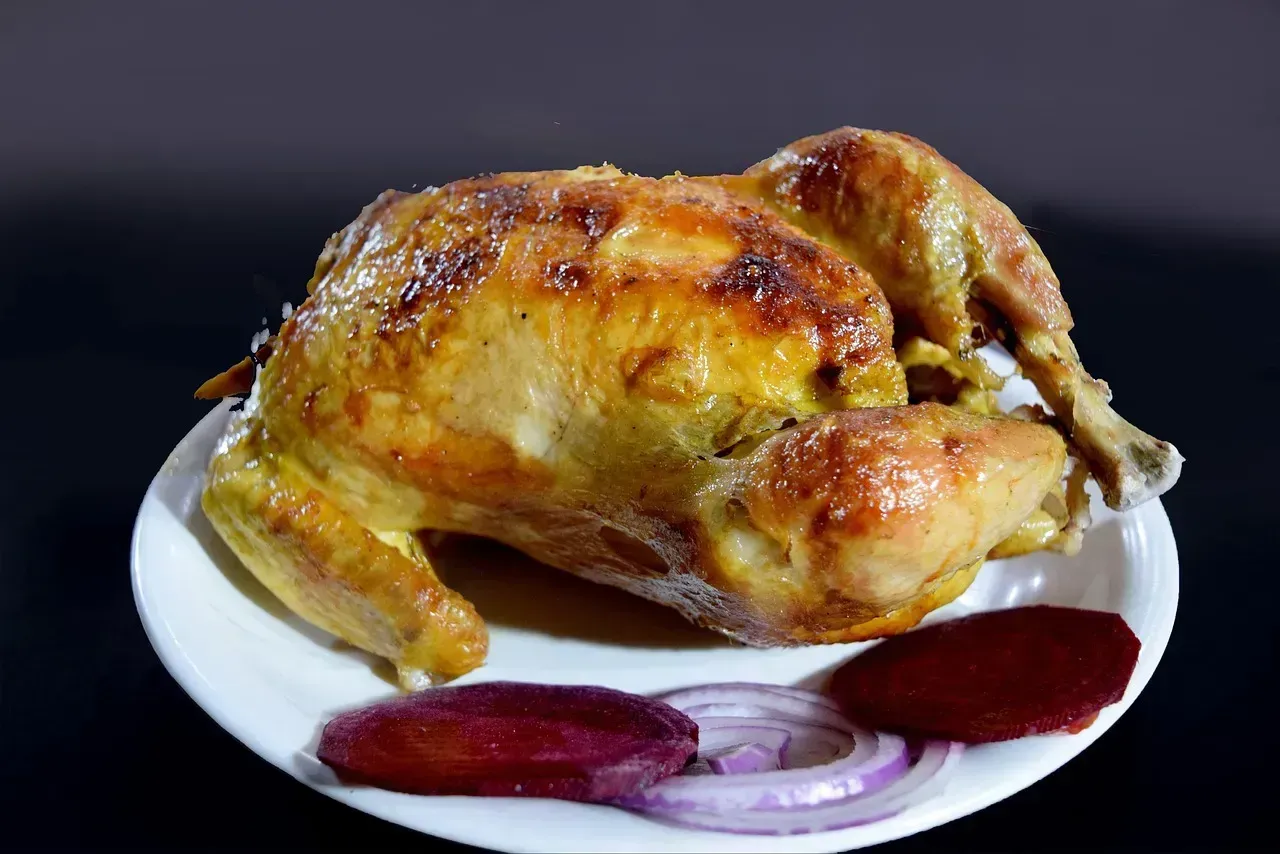
Honestly, chicken leftovers can turn into a bacterial playground faster than you’d expect. Raw chicken can be contaminated with Campylobacter, Salmonella, or Clostridium perfringens germs, and improper storage multiplies the risk. Salmonella causes more foodborne illnesses than any other bacteria, and chicken is a major source of these illnesses. Every year in the United States about 1 million people get sick from eating contaminated poultry.
The critical window of 3 to 4 days for optimal consumption exists because beyond this period, the risk of bacterial growth, particularly from pathogens like Salmonella and Campylobacter, escalates significantly. According to FSIS, the prevalence of Campylobacter on chicken parts has decreased 43% from 2018 to 2022, but the danger remains real. Cooked chicken left at room temperature for more than 2 hours enters the danger zone where bacteria like Salmonella and Campylobacter multiply rapidly; this rule tightens to 1 hour if the ambient temperature is above 90°F.
Fish and Seafood
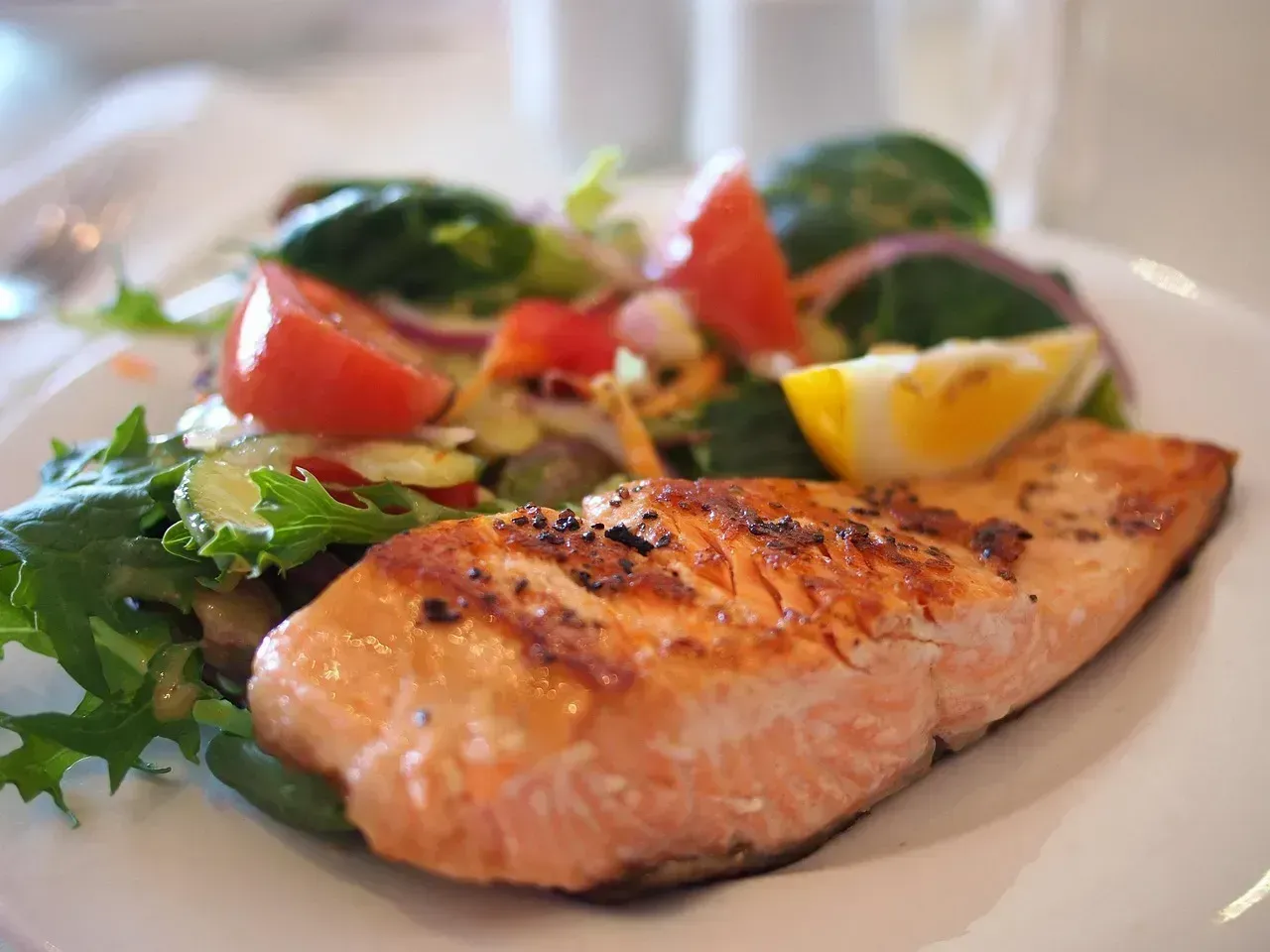
The thing about seafood leftovers is they’re particularly vulnerable to histamine formation, which can make you seriously ill. Fish commonly implicated include tuna, mackerel, mahi mahi, escolar, sardine, anchovy, bonito, herring, bluefish, amberjack, and marlin; these fish naturally have high levels of histidine, which is converted to histamine when bacterial growth occurs during improper storage. What makes histamine poisoning extra concerning is that subsequent cooking, smoking, or freezing does not eliminate the histamine.
If harvested fish are stored at temperatures higher than 15°C for several hours, then a high concentration of histamine will be detected, allowing spoilage microorganisms including species of Morganella, Enterobacter, Hafnia, Raoultella, and Photobacterium to rapidly proliferate. In most samples, the histamine contents remarkably increased up to 36.6–2123.9 mg/kg after 24 hours of storage at 25°C, while the contents began to gradually increase after 2–3 days of storage at 4–10°C. Harmful levels of histamine can build up in fish before any signs of spoilage develop, such as a bad smell or taste, which is why control strategies focus on prevention through strict temperature control.
Mushroom Dishes

I know it sounds crazy, but cooked mushrooms are one of those foods where time matters more than you’d think. Mushrooms have high protein content that’s susceptible to rapid degradation. Mushrooms are a very perishable food product that tend to lose quality immediately after being harvested, with shelf life of just 1–3 days at room temperature and 8 days under refrigerated conditions.
Drying, especially when high temperatures are applied, can cause the degradation of polysaccharides, proteins and flavor compounds, and freezing causes the loss of vitamins. Research published in 2014 found that a lectin in certain mushrooms is resistant to degradation by digestive enzymes and can induce strong hepatic toxicity. While this applies to specific varieties, it raises important concerns about protein stability in leftover mushroom dishes. The vulnerable nature of mushroom proteins means that once cooked, they should ideally be consumed within 24 hours or refrigerated immediately.
Leafy Green Dishes
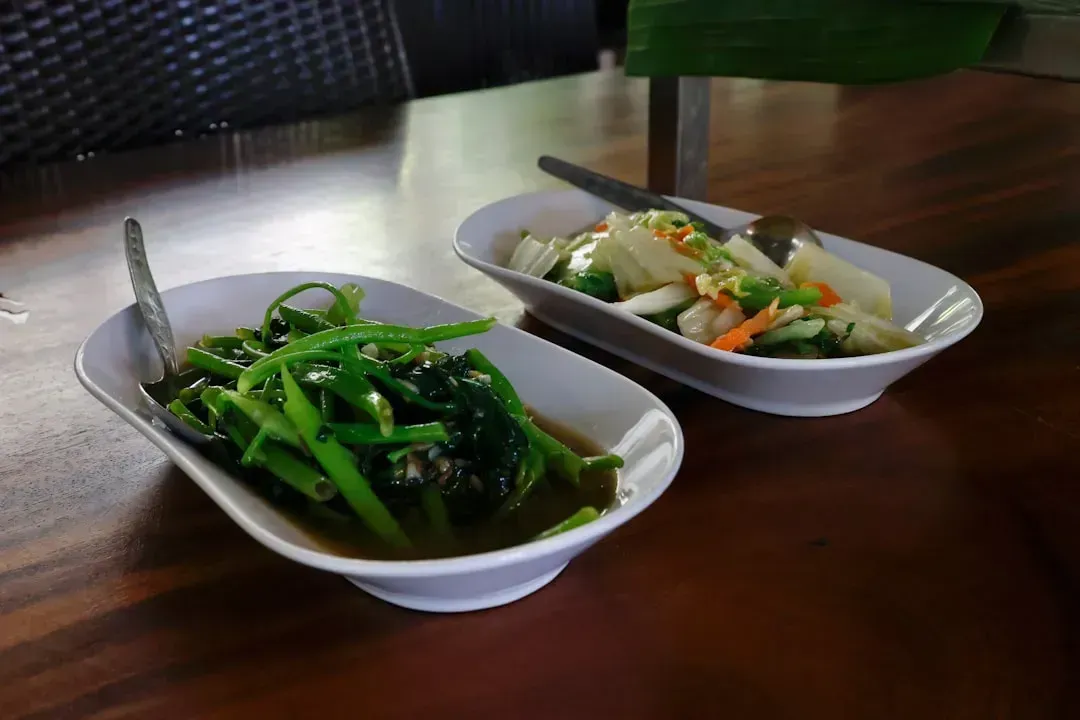
Spinach and other leafy greens might seem innocent enough as leftovers, yet they pose unique risks when reheated. The issue comes down to nitrates. Though specific 2024–2025 research on leftover leafy greens was limited, food safety principles indicated that vegetables high in nitrates could convert to potentially harmful nitrites when stored improperly or reheated multiple times. Cooked spinach, in particular, can develop bacterial growth rapidly due to its high moisture content and nutrient density.
When leafy greens are cooked and then left at room temperature, bacteria naturally present can multiply quickly. The danger zone between 40°F and 140°F becomes a breeding ground. Reheating these dishes the next day doesn’t always eliminate the bacterial toxins that may have formed. While research continues to emerge, the best practice remains to refrigerate cooked leafy greens immediately and consume them within one day of preparation.
Egg-Based Dishes

Here’s something most people don’t realize: eggs can harbor bacteria that multiplies shockingly fast in prepared dishes. Cooked eggs left at room temperature become prime real estate for bacterial growth. Perishable foods including eggs should never sit at room temperature for more than two hours, or one hour if the air temperature is above 90°F. This applies to everything from scrambled eggs to quiches and frittatas.
The protein structure in eggs breaks down when cooked, making them vulnerable to contamination. Once eggs are combined with other ingredients like cheese, vegetables, or meat in dishes such as omelets or casseroles, the risk compounds. Any refrigerated perishable food including eggs that has been at refrigerator temperatures above 40°F for four hours or more should be discarded. The USDA advises consuming egg dishes within three to four days when properly refrigerated, but honestly, the fresher the better when it comes to egg safety.