6 Traditional American Meals That Are Nearly Impossible to Find Today
Scrapple
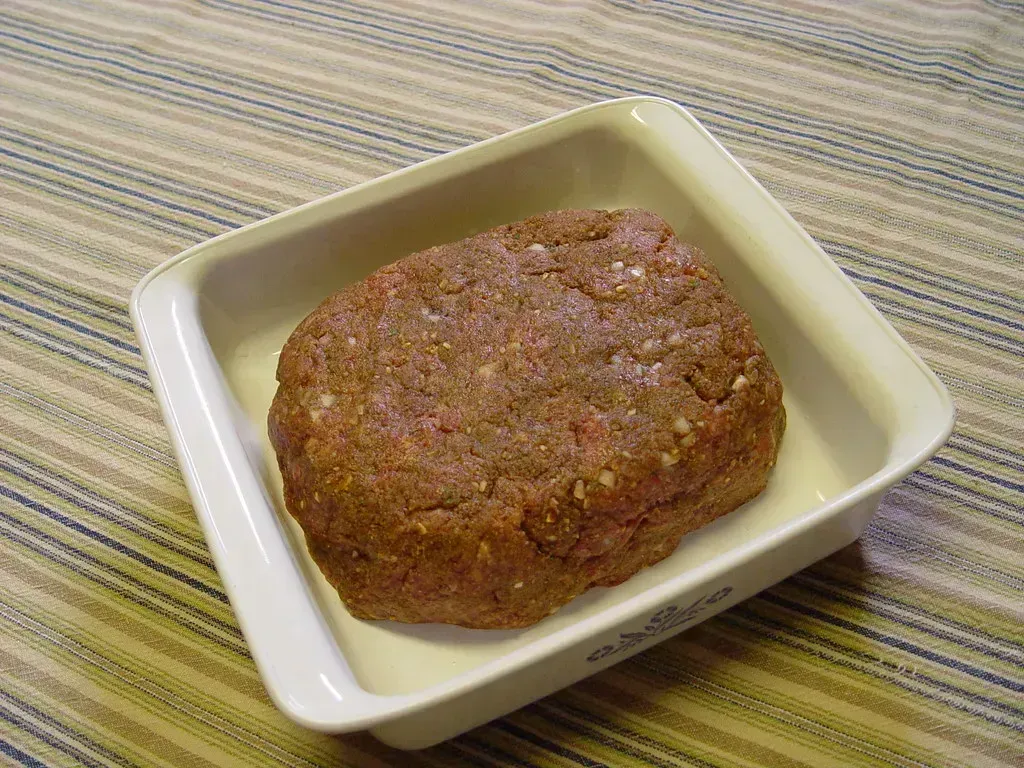
Pennsylvania Dutch communities perfected this dish, using literally every part of the pig. After butchering day, families would mix pork scraps with cornmeal, pressing the mixture into loaves that would later be sliced and fried until crispy. Outside the Mid-Atlantic region, most Americans have never heard of it, much less tasted its peppery, porky goodness. German immigrants brought a traditional dish made of pork scraps to the United States, and different pockets of settlers all developed their own flavor with scrapple in Pennsylvania made with cornmeal, livermush in North Carolina with more liver, and goetta in Cincinnati with steel-cut oats.
Mock Turtle Soup
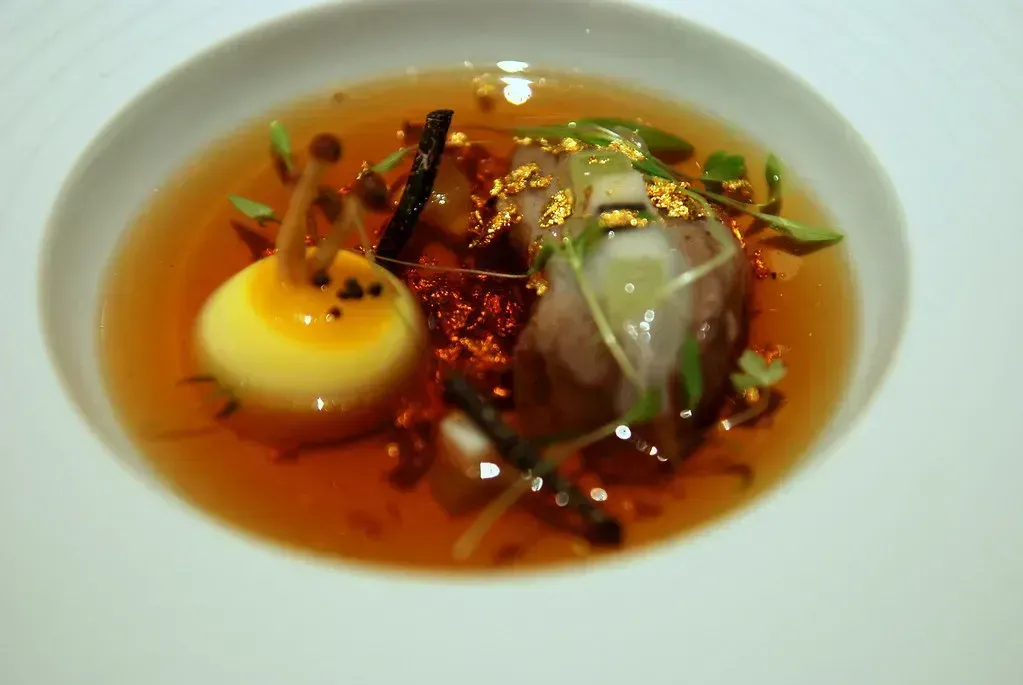
Mock turtle soup was invented as an imitation of real turtle soup, using beef or veal instead of turtle meat, and enjoyed popularity in the 19th and early 20th centuries, especially when actual turtle soup became less accessible. Well into the 20th century roasted turtle and turtle soup were commonly consumed at American tables, with Pilgrims eating their meat, cooking them into stews, and devouring their eggs as well. Robins were protected under the Migratory Bird Treaty Act of 1918. Over time, with real turtle soup falling out of fashion and changes in availability, this imitation dish faded too and is now rarely seen except in some historical menus or certain regional eateries.
Liver and Onions
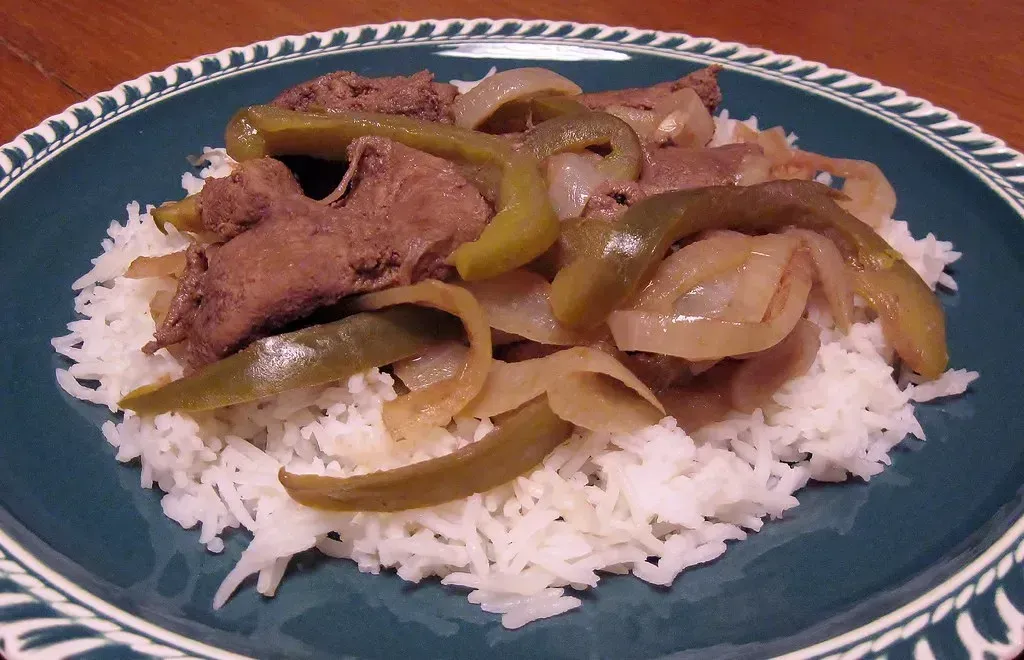
Liver and onions was a weekly staple in many American households, especially during the Depression and World War II when affordable protein was essential, featuring beef or calf liver sliced thin, pan-fried, and topped with sweet caramelized onions and rich in iron and nutrients. It was considered both healthy and economical for families who needed to make every cent count. However, liver’s strong flavor and unique texture turned off many people, especially younger generations with more food options. Once considered an affordable protein packed with iron and vitamins, liver appeared on dinner tables multiple times per week, with grandparents caramelizing onions until sweet and golden, then pan-frying sliced liver until just cooked through, creating a meal that was both economical and nutritious during times when meat was expensive.
Ambrosia Salad
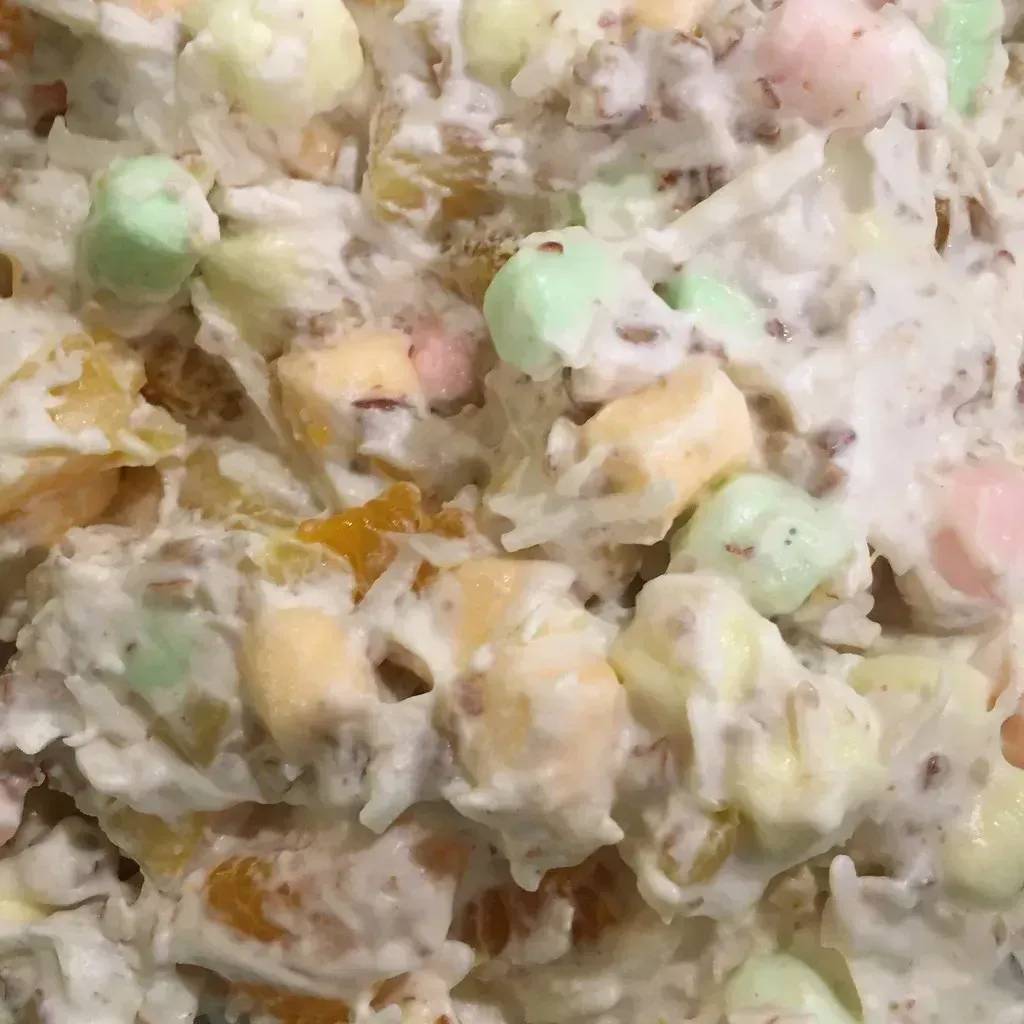
This fluffy, sweet concoction walked the line between dessert and side dish, with the combination of tropical fruits, marshmallows, and whipped cream creating something uniquely American. Nobody quite knew where it belonged on the table, yet holiday gatherings always made room for its sugary appeal. While some Southern families still prepare it for special occasions, most younger generations have never experienced its sugary appeal, as it’s one of those dishes where you either get it or you don’t. Honestly, it’s hard to imagine serving a marshmallow-laden fruit salad alongside mashed potatoes and turkey today, yet that’s exactly what our grandparents did without a second thought.
Salisbury Steak
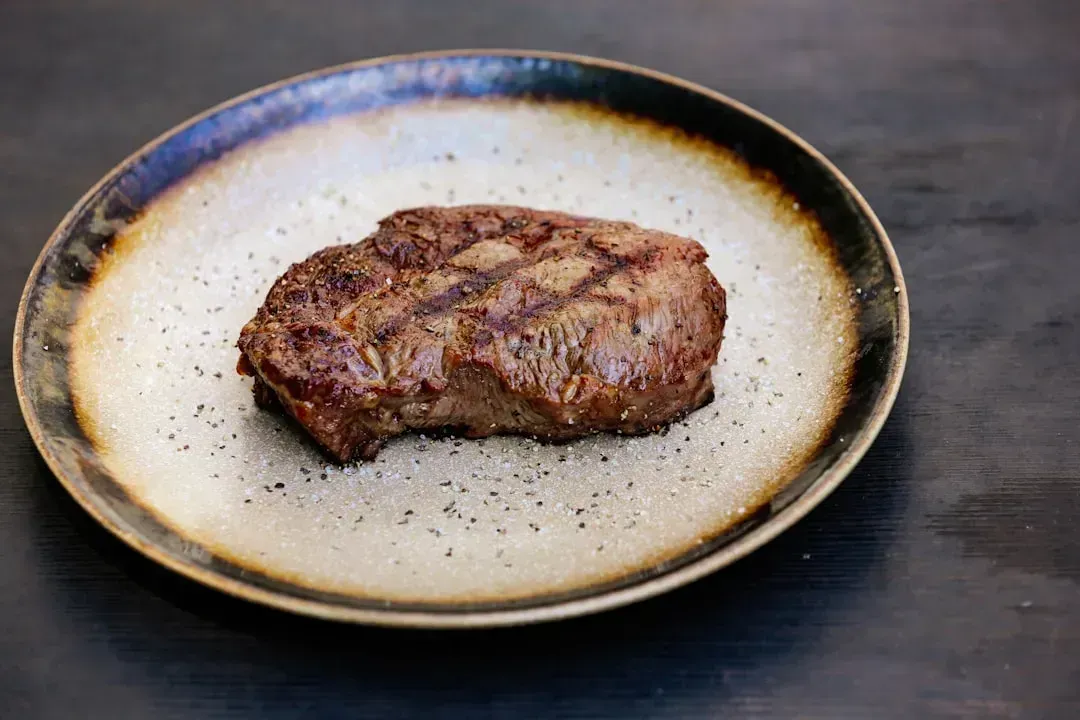
By 2024, Salisbury steak had become a relic of TV dinners and school cafeterias, with people associating it with bland frozen meals rather than the hearty home-cooked version grandparents once made. The dish supposedly originated in the late 1800s, though its exact creator remains disputed, and became especially popular in the mid-1900s as a quick, elegant meal option. As dietary preferences shifted toward lighter, less cream-heavy foods, this indulgent classic lost its appeal, and while you might still find it at old-fashioned diners, it’s rare nowadays compared to its golden age. The truth is that real, scratch-made Salisbury steak tastes nothing like the frozen versions that ruined its reputation.
Pineapple Upside-Down Cake
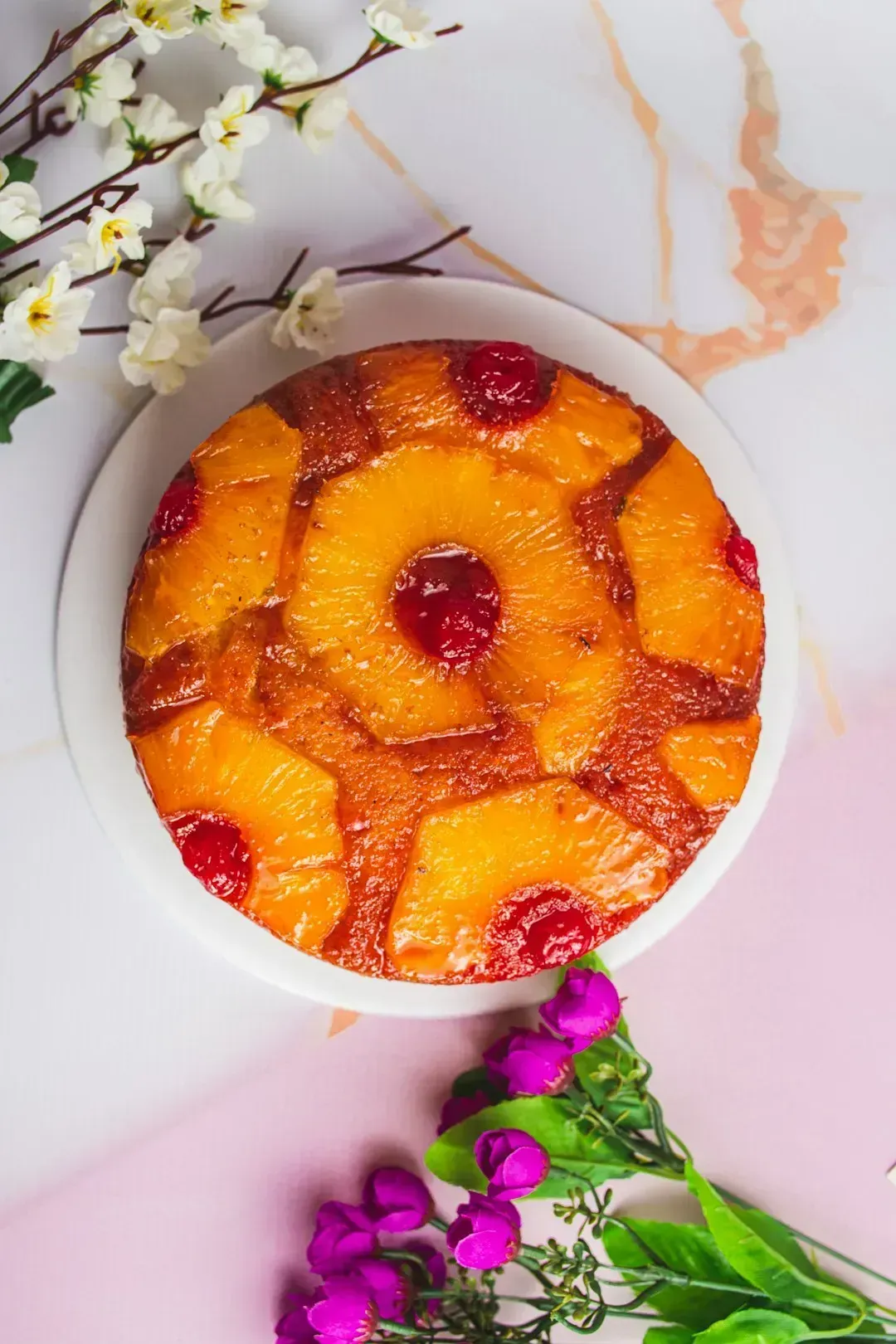
Canned pineapple made this cake accessible year-round, bringing tropical luxury to landlocked American kitchens, with the technique of baking fruit in caramelized sugar at the bottom of the pan, then flipping it to reveal a gorgeous top, delighting home bakers everywhere, and its popularity peaked in the 1950s and 1960s when convenience foods reigned supreme. Today’s dessert trends favor artisanal ingredients and complex techniques, pushing this simple showstopper to the margins, and the occasional diner or retro-themed restaurant might feature it, yet it rarely appears in modern home baking. Let’s be real, when was the last time you saw someone Instagram a pineapple upside-down cake at a birthday party? It’s been replaced by elaborate layer cakes and trendy desserts that look better on social media but lack that nostalgic charm.
These forgotten dishes tell stories beyond their ingredients, speaking of economic hardship, regional traditions, immigrant influences, and changing American values, and with numerous food varieties now considered to be endangered or threatened, we need help to keep them from joining the uniquely American foods that have already been lost from our tables. What’s your take on these disappearing meals? Would you dare try scrapple or mock turtle soup if you had the chance?