8 Classic Sandwiches That Have Disappeared From Deli Menus
Remember walking into your neighborhood deli where you could point at a slimy case full of meats with weird names? Those days are mostly gone. Today’s deli cases look sleeker, with fewer odd options staring back at you through the glass.
Things changed faster than anyone expected. A combination of tastes changing over time and consumer habits shifting has led to a decline in deli meat sales overall, with younger folks not being big on using service counters. These disappeared sandwiches represent more than lost recipes. They’re pieces of culinary history that quietly slipped away while we were all busy ordering turkey clubs.
Liverwurst with Onion and Mustard
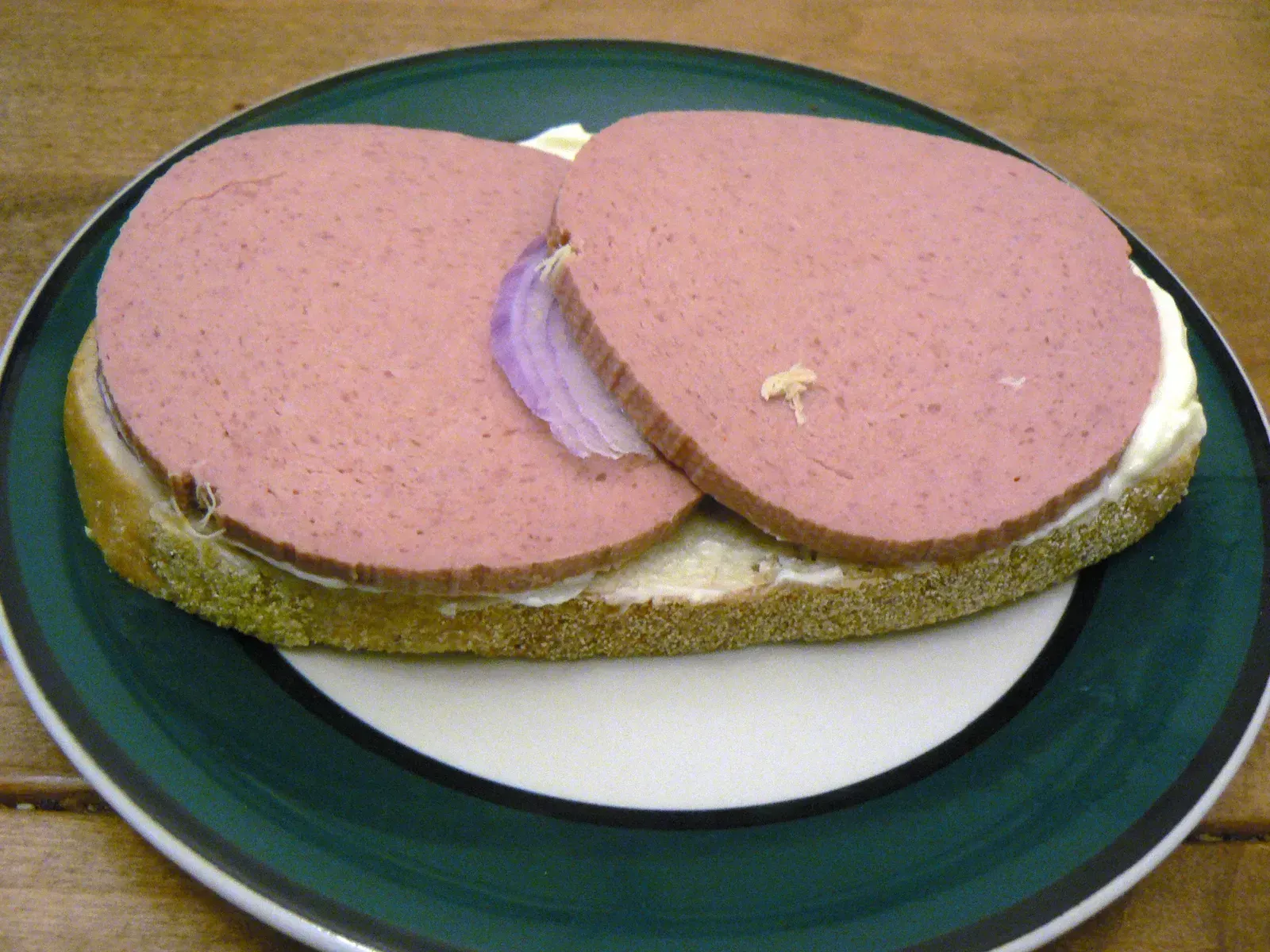
By the 2020s, liverwurst had disappeared from the mainstream, even in deli hotbeds like New York City, and after 2024, what little liverwurst that remained in distribution grew even more rare. This wasn’t some delicate sandwich for polite company. The strong, earthy taste of organ meat combined with sharp raw onion rings demanded commitment from anyone brave enough to order it.
Liverwurst’s popularity peak in the U.S. lasted from the 1940s to the 1970s, sold alongside bologna at deli counters. The German sausage made from pork liver and fat had a texture soft enough to spread yet firm enough to slice. In September 2024, major meat processor Boar’s Head opted to stop producing liverwurst entirely after the meat was the source of a listeria outbreak that led to mass illness.
Olive Loaf on White Bread
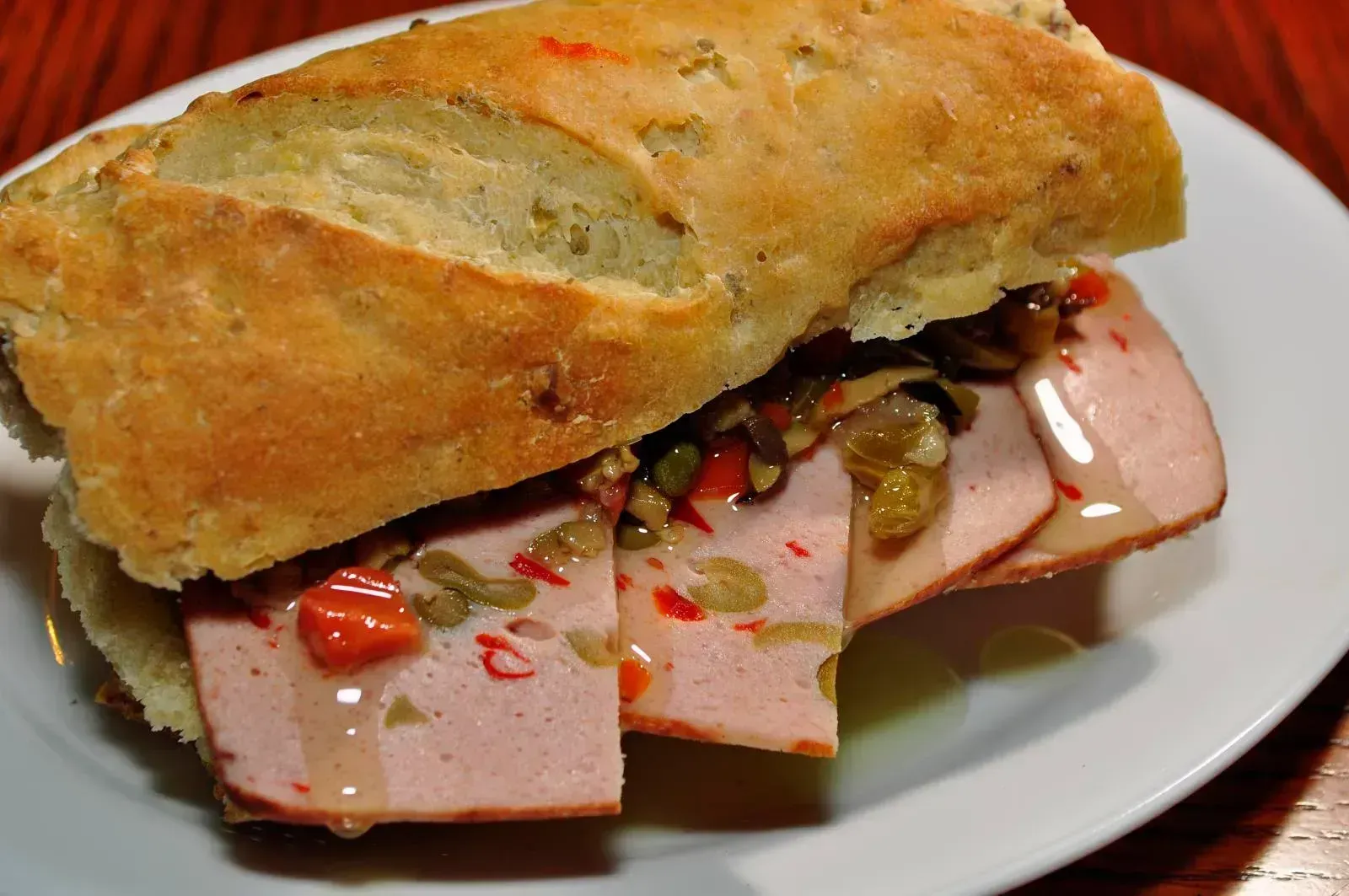
Picture pink bologna studded with bright green pimiento olives, sliced thin and smacked onto soft white bread with yellow mustard. Olive loaf was a lunchbox favorite particularly in the late 1960s and early 1970s, when supermarket delis began to grow in popularity. The briny pop of those olives cut through the processed meat in a way that actually worked, creating this bizarre yet satisfying flavor combination.
Oscar Mayer revealed that olive loaf was discontinued in a comment on Facebook in 2025, with other brands also hard-pressed to find. As deli cases upgraded, olive loaf lost its shelf slot, with health kicks and artisan meats pushing it aside. Let’s be real, it looked weird with that pink and green combo that never won any beauty contests.
Kentucky Hot Brown
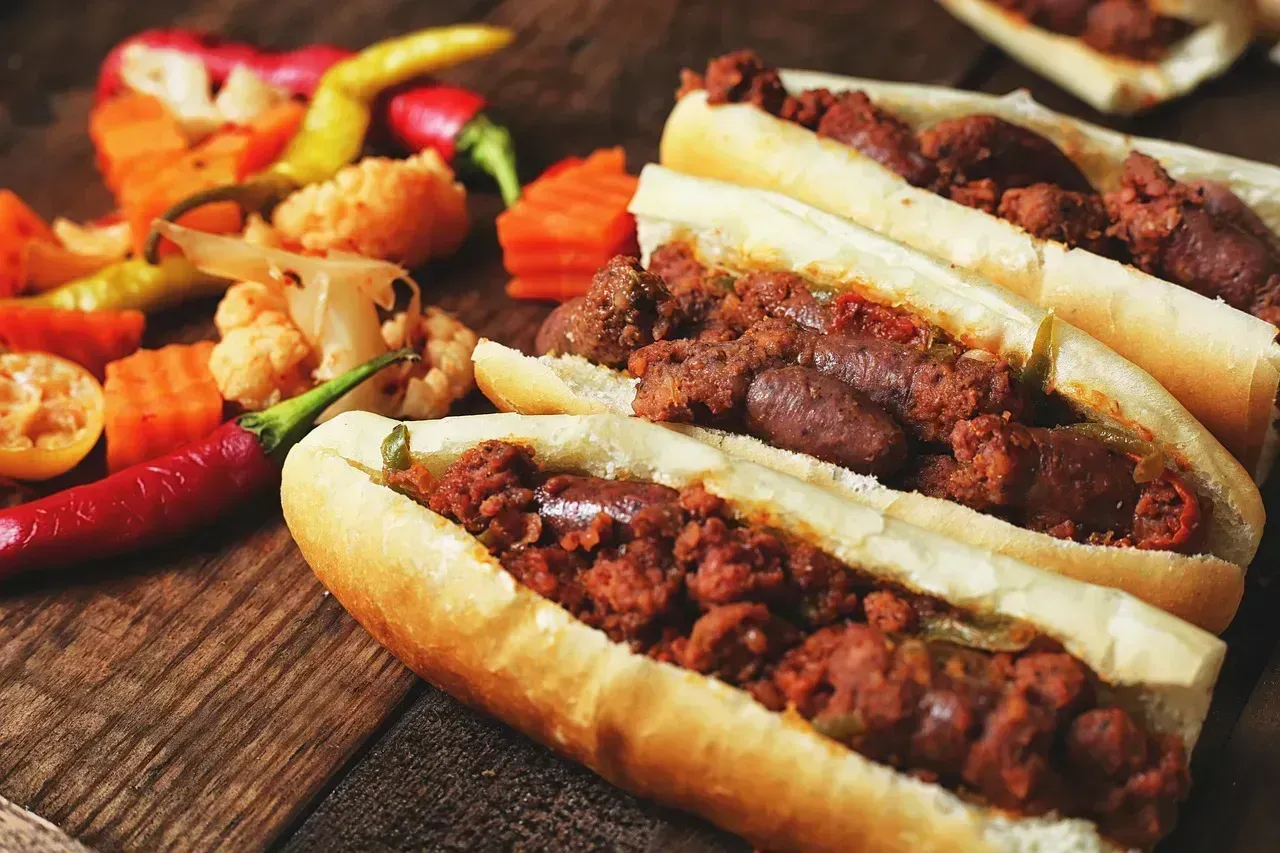
You can still find authentic Hot Browns in Louisville, where they originated at the Brown Hotel in 1926. This decadent open-faced creation featured roast turkey on toast, tomato, and bacon swimming in velvety cheese sauce, then going under the broiler until it bubbled and browned. It arrived at your table sizzling and completely unapologetic about its calorie count.
As lighter fare took over, the Hot Brown cooled off, with restaurants trimming heavy prep dishes that slowed the line, as the Hot Brown demanded time, skill, and kitchen equipment that modern operations would rather not deal with. The rich, sauce-drenched sandwiches of yesterday simply don’t fit today’s fast-paced dining culture. It’s hard to blame restaurants when they’re trying to flip tables every thirty minutes.
Pimiento Cheese Club
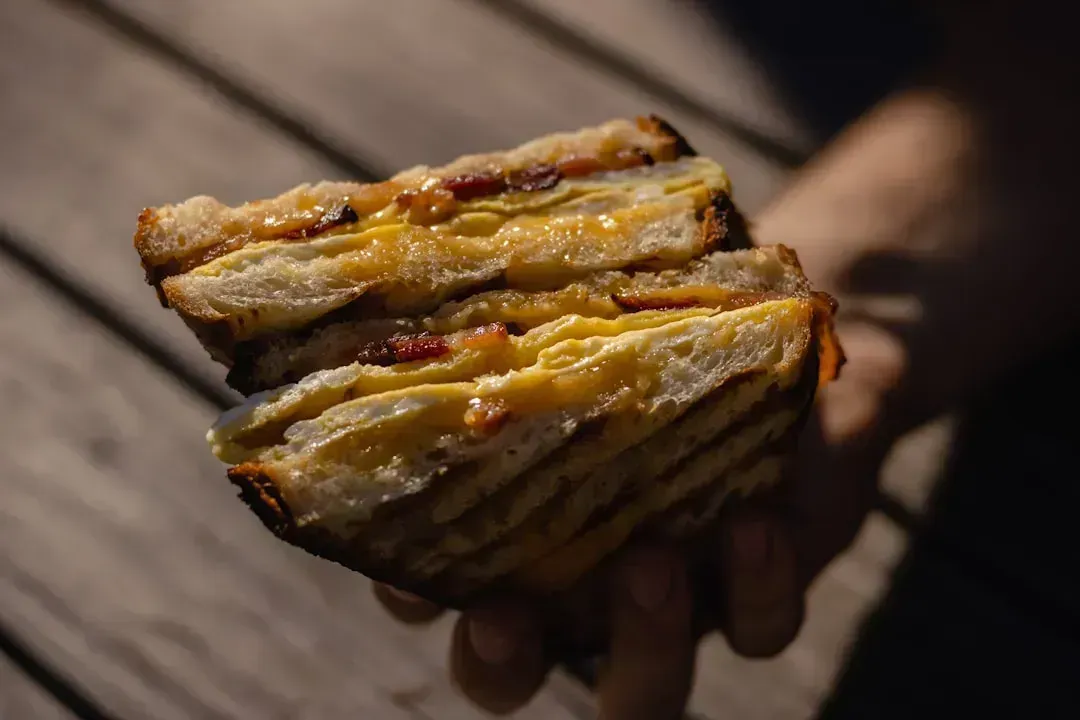
This creamy blend of sharp cheddar, mayo, and those distinctive red pimientos wasn’t just a Southern thing back then; delis from Boston to Seattle served it as a triple-decker club sandwich with crispy bacon, lettuce, and tomato on toasted white bread. The sandwich had an incredible combination of tangy, smoky, and creamy that made it a lunchtime favorite.
Here’s what’s fascinating: while pimiento cheese never really disappeared in the South, it completely vanished from Northern deli menus by the early 2000s. Some food historians blame the rise of more sophisticated sandwich fillings like sun-dried tomato spreads and artisanal aiolis, which made humble pimiento cheese seem downright pedestrian. The irony is that high-end restaurants are now rediscovering it and charging fifteen bucks for what your grandmother made in five minutes.
Chopped Liver Sandwich
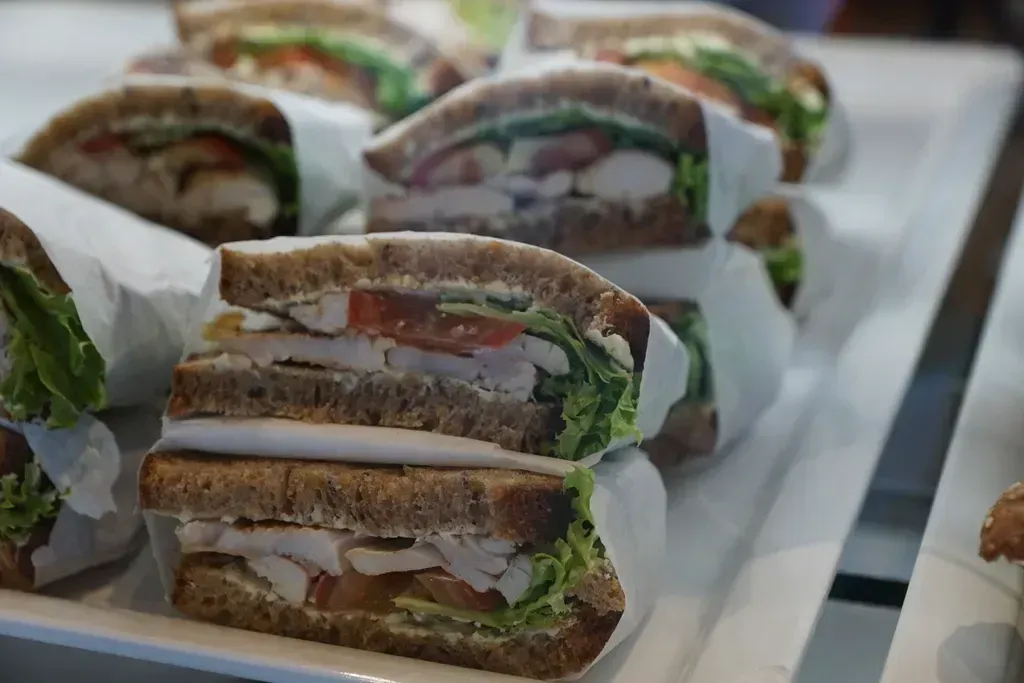
Walk into any Jewish deli in the 1960s and you’d find chopped liver sandwiches proudly displayed right alongside pastrami and corned beef. This spread made from chicken livers, hard-boiled eggs, and schmaltz (rendered chicken fat) was a delicacy that regular customers ordered without hesitation, slathered generously on rye bread.
The strong flavor profile isn’t for everyone, I’ll admit. The rich, earthy taste of liver combined with the fatty schmaltz created something that divided diners into two camps: devoted fans or complete skeptics. The major influx of emigrants from Europe in the late 19th and early 20th centuries gave way to emigrants from Latin America and Asia settling in the U.S. in large numbers, transforming food culture away from one bearing a heavy influence from European culinary traditions.
Ham Salad on a Bakery Roll
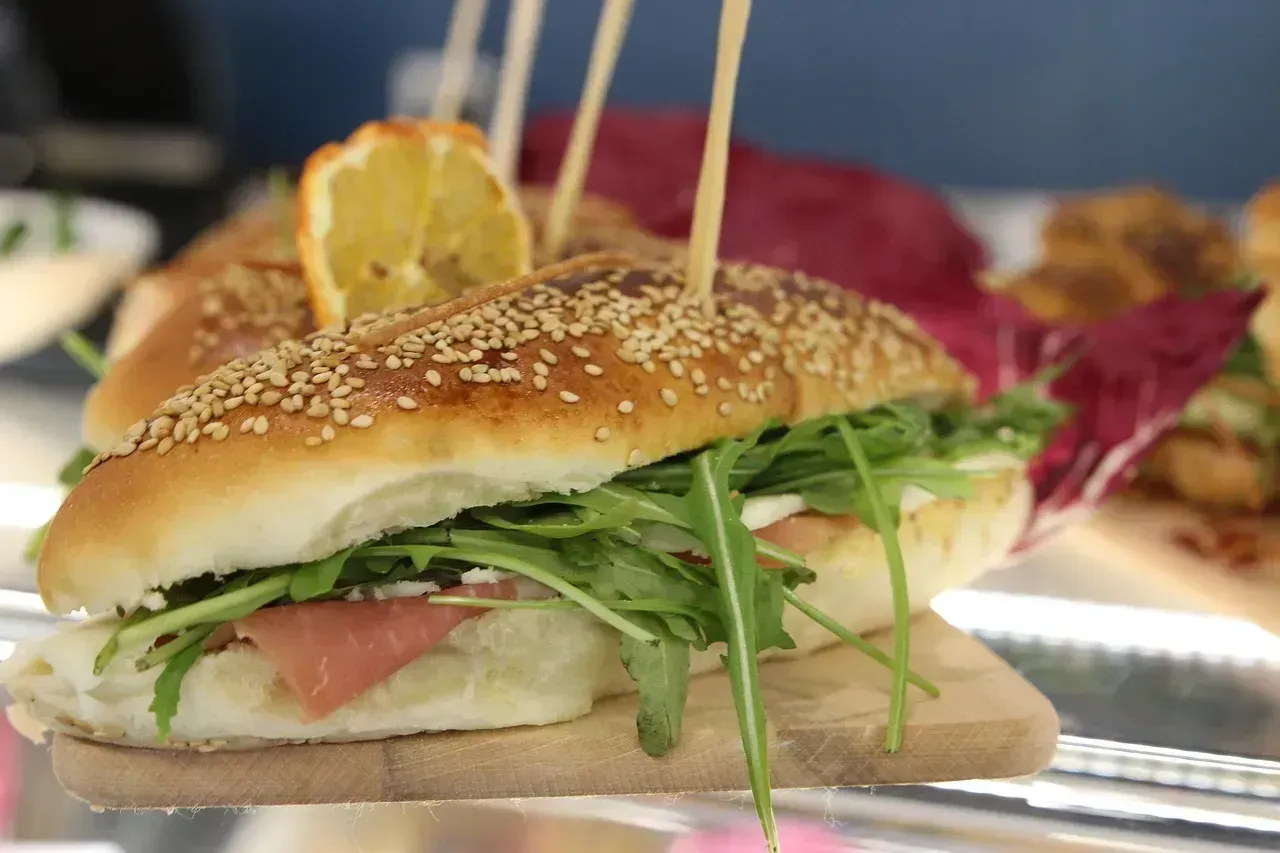
Leftover ham got a second life in a creamy chop, folded with pickle relish and a bit of celery crunch, piled on a bakery roll as picnic fuel that traveled well. This was Depression-era resourcefulness at its finest, where nothing went to waste when you could grind up Sunday’s ham and turn it into Monday’s lunch.
Prepacked options and sodium fears nudged ham salad away, with people worrying about mayo sitting out, as food safety concerns killed many a mayo-based sandwich. The rise of individually wrapped, preservative-laden alternatives made fresh-made ham salad seem risky by comparison. If you find a deli making it fresh today, you just scored a throwback win.
Beef Tongue with Horseradish
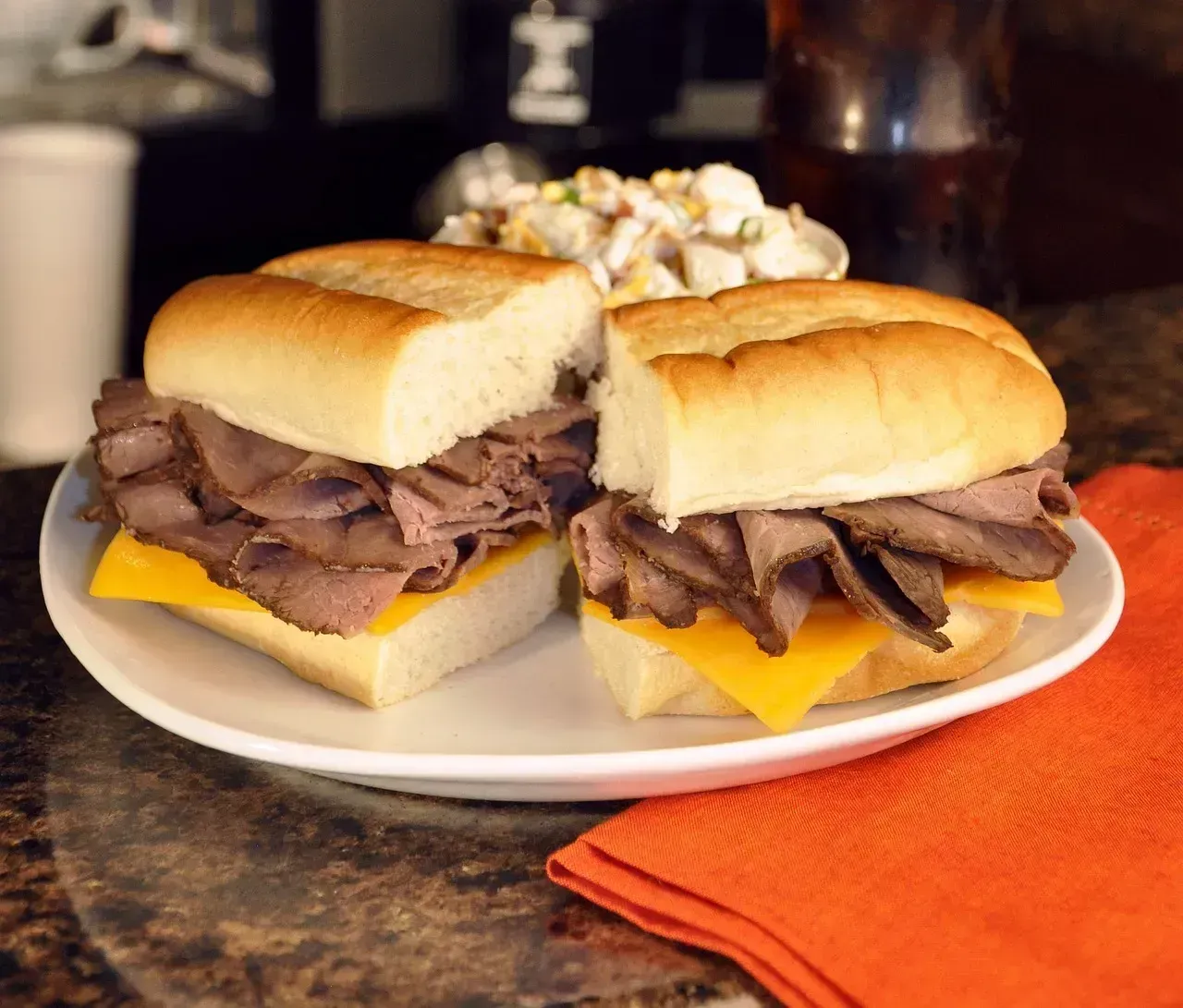
This one’s not for everyone. Tongue was an exceptionally cheap cut of meat, so people got creative cooking it through broiling, baking, or serving it corned, slicing it up for sandwiches with horseradish and pickles. Yet for those who acquired the taste, tongue offered surprisingly tender meat with a delicate texture you couldn’t get from regular cuts.
Beef prices eventually dropped, and other cuts of the animal became less pricey, so people were once again able to select the cuts of meat they actually wanted to eat, not just what they could afford. Beef tongue sandwiches are still important in Jewish food culture, and it can still be found in more traditional delis, as Katz’s Deli in New York still serves it. Most folks today would rather not think about where their sandwich came from, which probably explains why tongue never made a mainstream comeback.
Sardine Sandwich
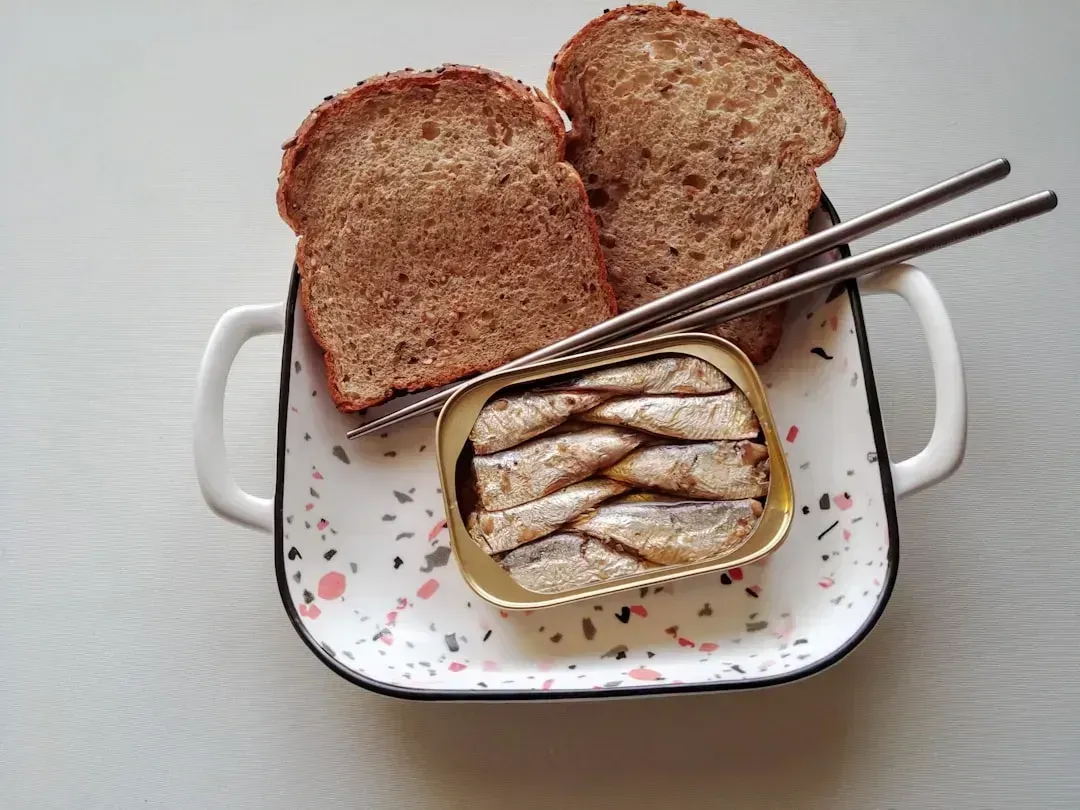
In the 1950s, as commercial tuna fleets boomed, sardines fell to the wayside, with tuna being less fishy tasting, thus more appealing to more people, and at the time, cheaper than sardines. Chunks of tuna were likely easier for squeamish diners to handle than whole sardines pressed flat between bread slices. Tuna salad became America’s fish sandwich of choice, leaving sardines in the dust.
While sardine sandwiches are no longer a diner staple, sardines themselves have regained favor as a more sustainable option than tuna, though I wouldn’t hold my breath waiting for sardine sandwiches to reclaim their former glory. The strong fishy taste and the fact that you could sometimes see tiny bones poking through didn’t help their case. Maybe there’s hope for a comeback after all, considering how sustainability matters more now than ever.
These disappeared sandwiches tell stories of changing tastes, shifting immigrant populations, and evolving food safety standards. Some vanished for good reason, while others deserve another chance. The deli landscape today looks completely different from what your grandparents knew, with artisan meats and Instagram-worthy creations replacing the strange, wonderful options that once dominated lunch counters across America. What would you have ordered back then? Would you be brave enough to try liverwurst, or would you stick with the familiar turkey club?