If You’re Still Seasoning Cast Iron Like This, Southern Chefs Say You’re Doing It Wrong
Oven Seasoning May Not Be Your Best Option
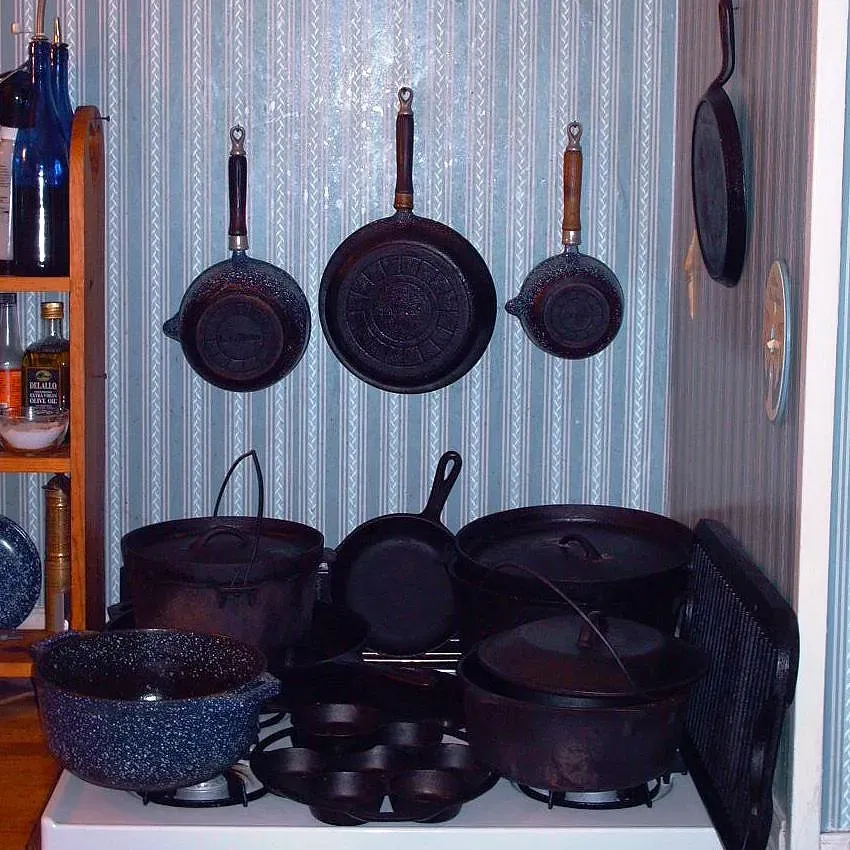
Some cast iron aficionados think oven seasoning is ineffective and unnecessarily slow, according to experts in the field. Here’s the thing: Southern chefs who’ve been cooking with these pans for generations aren’t babying their skillets in a four hundred degree oven for an hour. Stovetop seasoning accelerates what could be years of the seasoning process, based on insights from cookware company founders. To season on the stovetop, just apply a light coating of oil, wipe away the excess with a paper towel, crank up the heat, and once it starts to smoke and look dry, apply another scant coating of oil for ten to fifteen minutes.
You’re Using the Wrong Oil Temperature
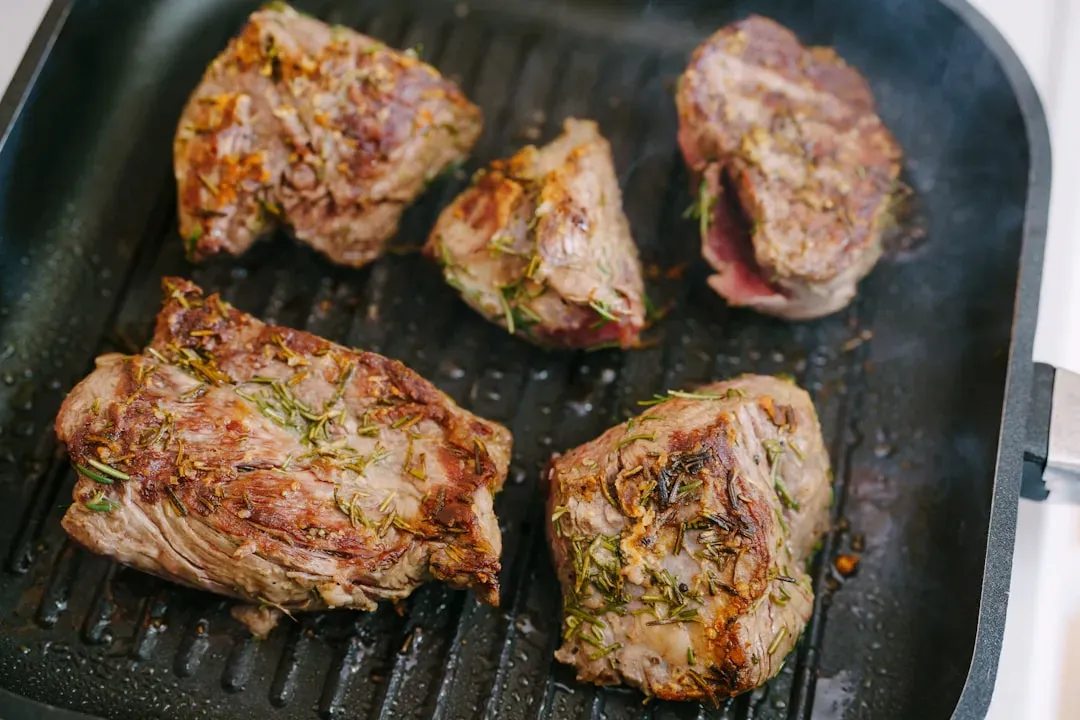
Your ideal seasoning temperature is just below the smoke point of your oil, and below that point for too short a time the oil won’t fully polymerize while above that point for too long the oil runs the risk of skipping past the polymer stage and straight into completely burnt carbon. Most home cooks just slap on some oil and toss their pan in a preheated oven without understanding the chemistry at play. Seasoning is just oil baked onto the pan through polymerization, when oils or fats are heated in cast iron at a high enough temperature they change from a wet liquid into a slick hardened surface, creating a layer that is molecularly bonded to the iron. The temperature matters way more than you think it does.
Flaxseed Oil Isn’t the Miracle You Think It Is

Internet advice has pushed flaxseed oil as the ultimate seasoning solution for years now. Vegetable oils and shortening leave cast iron soft and prone to scratching and wear and tear, but flaxseed oil makes cast iron surfaces smooth, hard, and even, according to popular food science articles. Sounds great, right? Why the flaxseed seasoning doesn’t last remains unclear to many users, though some have re-seasoned with grape seed oil and still had the seasoning intact years later. The resulting seasoning can be brittle and flake off, however if done right flaxseed oil can produce a truly remarkable layer of seasoning on your cast iron. Southern chefs tend to stick with simpler fats that actually hold up to real cooking.
That Soap Myth Is Keeping Your Pan Dirty
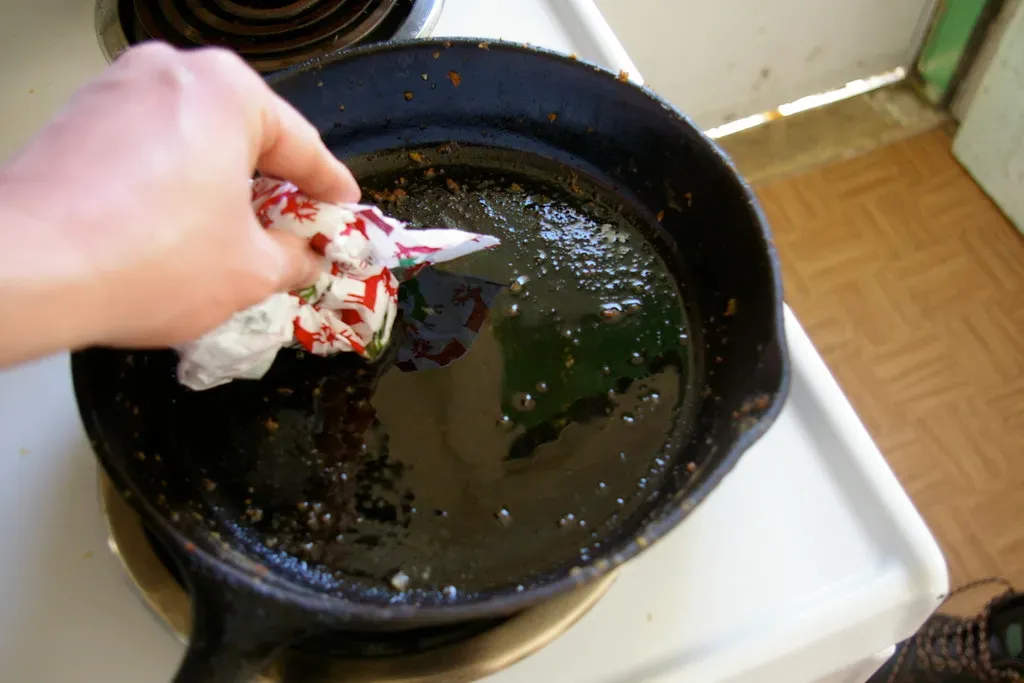
Yes, you can use soap on cast iron, using soap will not ruin your pan, it is totally fine on enameled cast iron and on plain cast iron too, and it’s not going to destroy your seasoning. Let’s be honest here, avoiding soap entirely has probably left your skillet with rancid oil buildup and food residue. One of the ever present myths is that you should never use soap to clean cast iron, and this notion comes from a time when soap contained lye and could easily damage a pan’s seasoning. People treat soap like it’s the eighth deadly sin, but seasoning isn’t liquid oil anymore, it’s polymerized, and you’re not washing that off. Modern dish soaps are gentle enough that a quick wash won’t strip your hard-earned patina.
You’re Not Actually Using Your Pan Enough
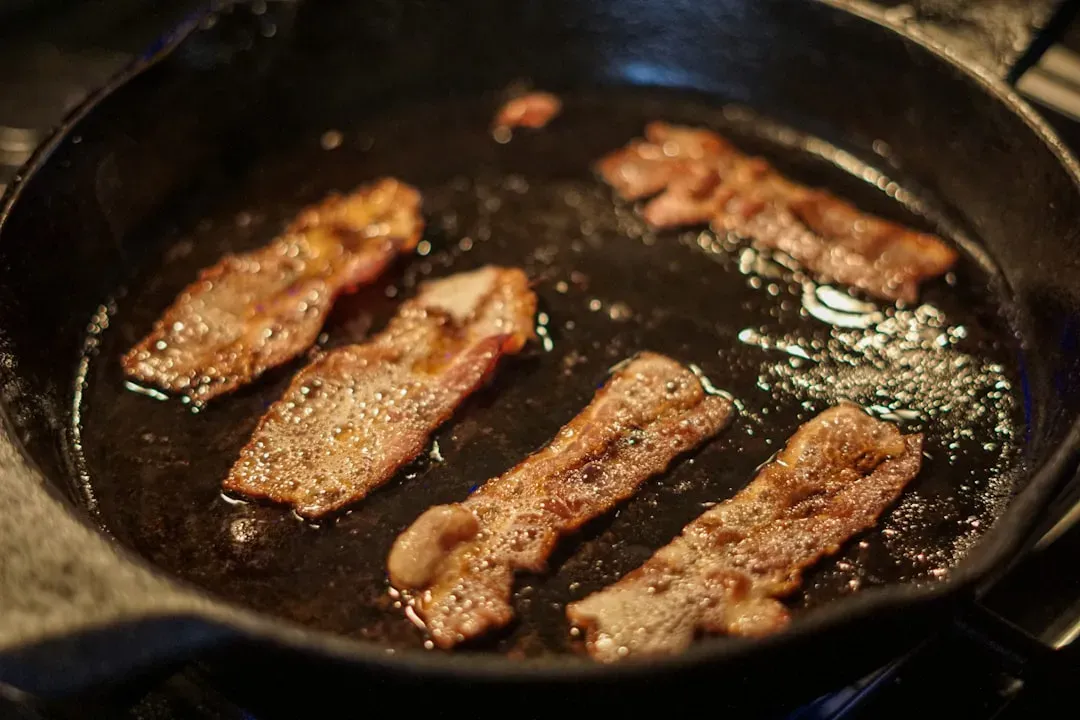
The best and easiest way to maintain the seasoning of your cast iron cookware is to use your pan regularly, and each time you cook with oil or fat you’re adding another layer of seasoning to the pan. Southern kitchens don’t have cast iron sitting pretty in a cabinet somewhere. A cast iron skillet thrives on use, cooking with it often allows oils to build up reinforcing the seasoning and improving its performance over time, while letting your skillet sit unused for months can cause the seasoning to degrade or dry out. That’s the real secret that nobody wants to tell you. The more bacon you fry and cornbread you bake, the better your seasoning becomes without any fancy techniques required.