One New Restaurant Trend Boomers Dislike – And More Diners Are Starting to Agree
Walk into many restaurants today and you will notice something is missing from the table: a physical menu. Instead, there is a small printed square – a QR code – that expects you to pull out your smartphone before you have even settled into your seat. Baby boomers have been loudly complaining about this shift for years. What’s changed recently is that they are no longer alone. Survey after survey now shows that the frustration spans generations, and the restaurant industry is being forced to pay attention in a way it simply wasn’t prepared for.
The QR Code Menu Became the Norm Almost Overnight
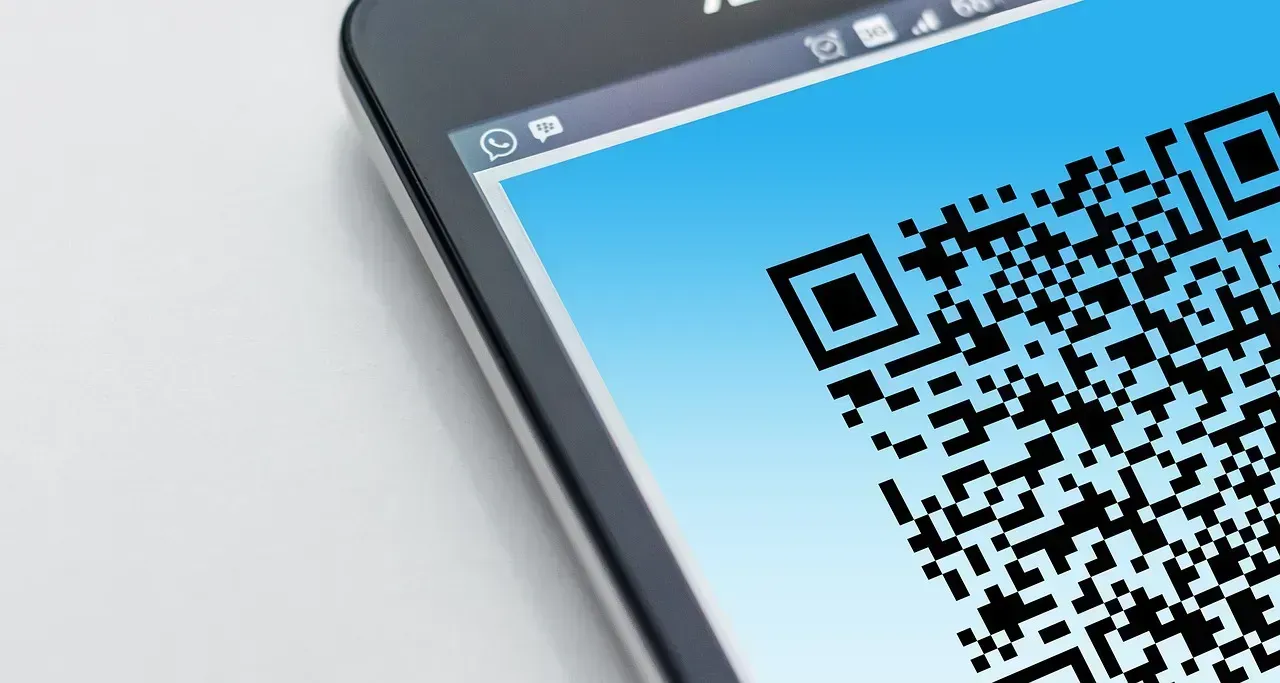
During the 2020 pandemic, as the restaurant industry struggled to stay afloat under social distancing guidelines, QR code menus rose in popularity because they reduced the need to handle physical menus that could spread germs. It made sense at the time. Restaurants needed a quick, low-cost solution, and QR codes delivered exactly that. QR menus were cheap to launch, easy to update, and useful during a period when paper menus felt riskier. Operators also had obvious financial reasons to keep them. Digital menus reduced reprinting costs and made price changes simpler when supply costs kept shifting.
QR-only menus spread fast when restaurants wanted contactless service and fewer shared touchpoints. What began as a practical pandemic fix slowly hardened into a default rule at many tables. That rule now annoys far more people than the early hype suggested. The technology that once felt like a clever innovation started feeling like a burden, and diners across the country began to take notice. The 2020 pandemic excuse faded, but the QR codes largely stayed.
Boomers Were the First to Push Back – Hard

Despite more QR codes to view menus, order and pay, 65% of consumers aged 60-plus are uncomfortable using the tech, per a William Blair survey. That is a striking number. The National Restaurant Association’s findings in its State of the Restaurant Industry 2023 report revealed that 46% of baby boomers were interested in accessing menus on their phones via a QR code versus 73% of Gen Z adults. The gap between generations on this issue is real, but the boomer rejection runs especially deep.
Boomers are also on the edge about technology, being the least comfortable generation and the most skeptical of the use of AI. This shows that operators are better off leaving the technology to drive back-of-house operational efficiencies and honing in on the human connection in the dining room. Technology can be a real barrier. Many restaurants have embraced QR menus, mobile ordering, and digital payment systems. But older guests often find these frustrating or inaccessible. A successful modern restaurant must offer technology as an option, not a requirement. That last point is key – it has always been about choice, not the technology itself.
The Complaints Go Well Beyond Being Tech-Averse
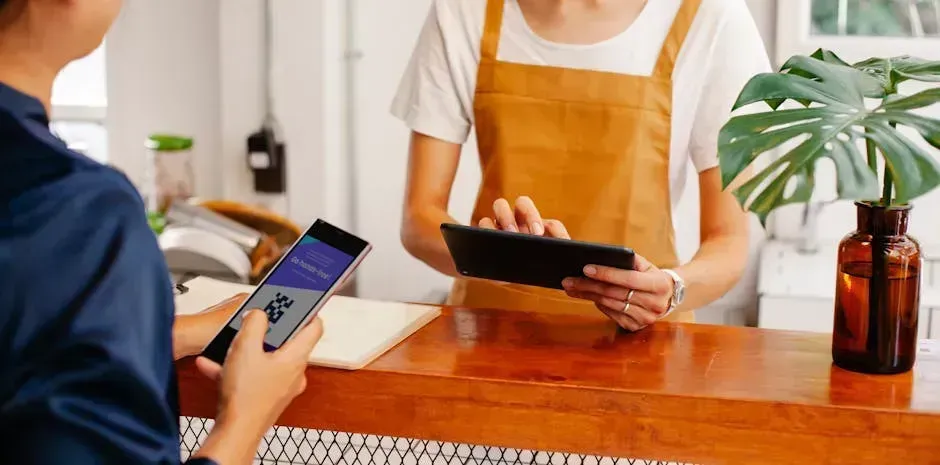
Many diners have expressed frustration with QR code menus, citing issues such as difficulty in navigating the menus, concerns about privacy, and a perceived negative impact on the restaurant’s ambiance. These are not trivial gripes. Many linked menus are poorly formatted PDF files. If you have ever scanned a code that led to a page requiring constant scrolling just to read the menu, you know how frustrating it can be. Customers cited further issues like privacy concerns as well as the fact that it just feels like work to have to pull out a phone.
Respondents’ number one gripe: they don’t like having to pull out their phone as soon as they sit down at a restaurant. Overall, 66% agreed with that statement. Another 50% said the codes lessen the dining experience. Perhaps most alarmingly for operators, 55% of respondents said that QR code menus are hard to read and browse. Add to that the problem of dead batteries, poor Wi-Fi, and clunky scrolling, and you start to understand why the backlash is emotional as much as it is practical. There is also a hospitality issue buried inside the complaint. A paper menu feels like a service gesture, while a code can feel like the restaurant is handing the guest another job.
Now Even Younger Diners Are Joining the Backlash
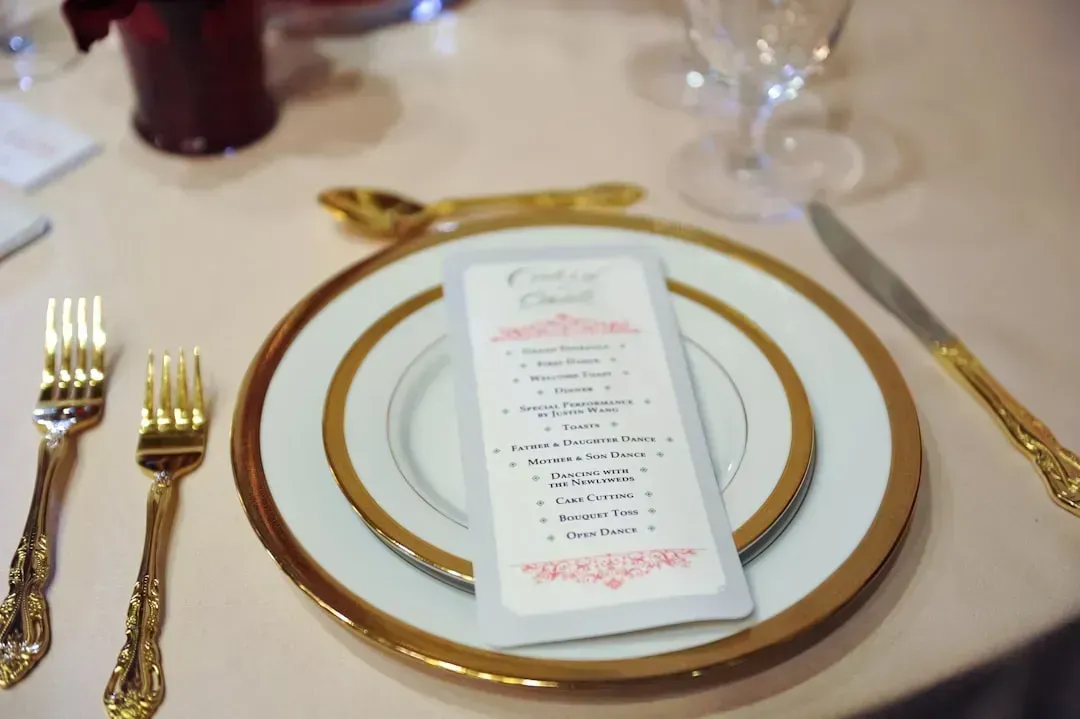
In 2024, even tech-savvy Gen Z showed a strong preference for tangible menus, with around 90% favoring print, up from 69% the prior year. Older generations are overwhelmingly pro-paper as well, with 95% of Boomers, up from 86%. Those numbers from the Escoffier School of Culinary Arts are striking. Consumers’ dislike for the codes spans generations, even tech-savvy Gen Z – 86% of the youngsters said they prefer paper menus. Meanwhile, almost every boomer surveyed agreed (95%). The most QR-code-friendly group was millennials, but not by much: 82% of them favored physical menus.
Recent Ipsos polling found that 58% wanted to go back to paper menus, while only 39% hoped QR-menu use would continue. Older diners do react more negatively than younger ones, but they are not alone in the backlash. Restaurant Dive reported that 47% of consumers were uncomfortable using QR codes in restaurants, including 65% of people age 60 and older. So while boomers started this conversation, a clear majority of the dining public has arrived at a similar conclusion. The frustration is mainstream, not generational.
Science Backs Up What Diners Already Know: Loyalty Suffers
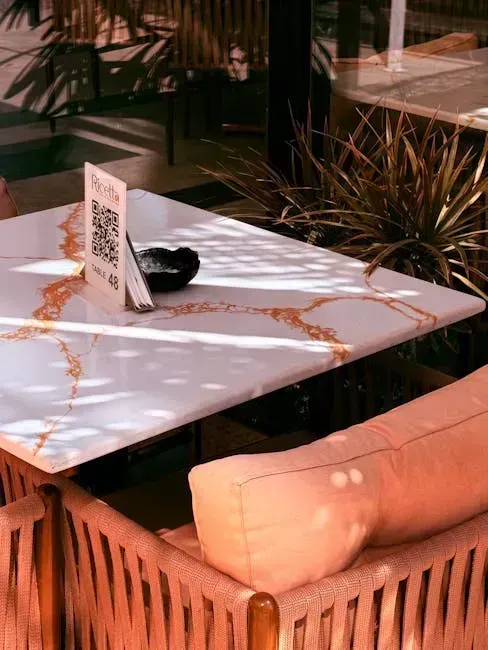
Research published in the Journal of Hospitality and Tourism Management investigated the influence of menu presentation – QR code versus traditional – on customer loyalty. In two studies, they found that QR code menus diminish customer loyalty compared to traditional menus, due to perceived inconvenience. This effect is further moderated by customers’ need for interaction. That peer-reviewed finding, published in December 2024, gives the complaints real academic weight. The study showed that while QR codes provide benefits such as cost savings, operational efficiency, and contactless hygiene, they are often perceived as inconvenient due to the extra time, effort, and disruption they require, especially for customers who value social interaction during dining. Across two studies, the findings showed that QR code menus reduced customer loyalty by increasing perceptions of inconvenience.
The negative impact of QR codes on check averages and tips for servers has also prompted some restaurants to reconsider their use. One restaurant group experienced a 10% decrease in check averages when using QR code menus, as diners often failed to scroll through all the offerings. That is a real financial consequence, not just an abstract hospitality concern. In addition, social interaction during dining can be reduced due to smartphone use, and restaurants may need to provide WiFi if cellular service is weak, as internet access is required for QR codes. For a sit-down restaurant that depends on upsells and a warm atmosphere, these are serious drawbacks.
The Industry Is Responding – and a Hybrid Future Is Taking Shape
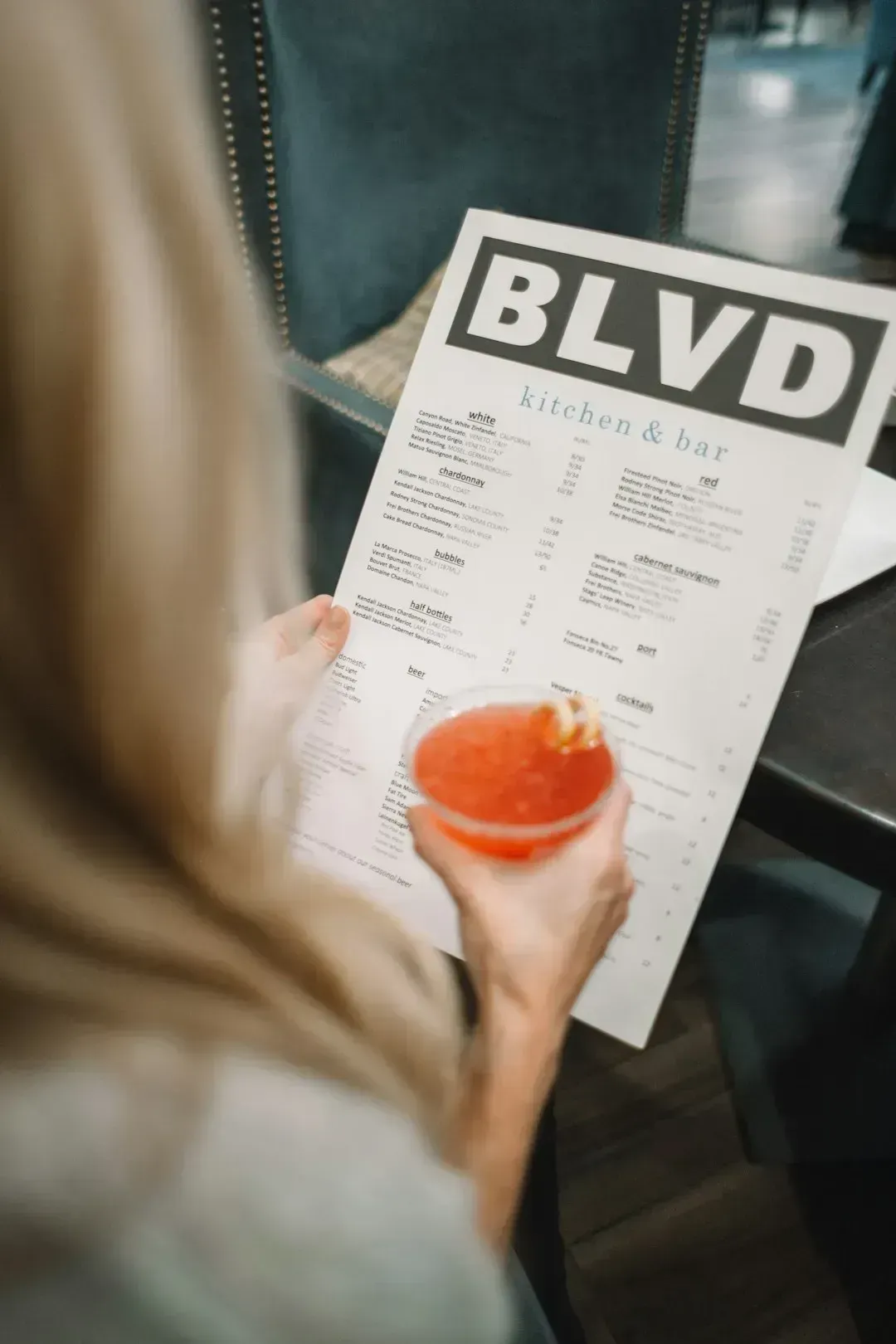
The novelty of QR code menus has given way to a desire for the familiar ease of a printed menu in hand. Restaurants may have taken note, with some that introduced digital-only menus reverting to physical ones or a hybrid approach in view of the fact that a majority of consumers still prefer the low-tech, human-centric dining experience. This shift is gaining speed. In response to customer complaints, many sit-down eateries are ditching QR codes and reintroducing paper menus. Some establishments stopped using QR codes on menus altogether. Others have adopted a hybrid approach, catering to the preferences of different customers by discontinuing QR code offerings at one location while maintaining them at another, or by offering both printed menus and QR codes and allowing customers to choose.
People aged 65 and older will account for 18% of all U.S. restaurant spending in 2030, up from just 10% in 2025, according to Technomic. That demographic reality makes ignoring older diners a costly mistake. Baby Boomers tend to visit restaurants more consistently, return to places where they feel safe and valued, and they love to bring family and friends. Ultimately, adapting for aging diners isn’t just good hospitality – it’s good business. And the restaurants that recognize this now will be the ones thriving in the years to come. The restaurants winning right now are the ones treating the menu not as a tech problem to solve, but as a gesture of welcome to every diner who walks through the door.