8 Common Coins in Your Change Jar That Could Be Worth 500x Face Value
You dump your loose change into a jar each night without a second thought. Pennies, nickels, dimes, quarters – just pocket clutter, right? Here’s the thing though. Some of those seemingly worthless coins collecting dust could be worth hundreds or even thousands of dollars. We’re talking about coins worth way more than 500 times their face value, just sitting there unnoticed. It’s not a fantasy. Minting errors, rare dates, and composition oddities have created legitimate treasures hiding in plain sight. The catch is knowing what to look for. So let’s dig into the eight coins you absolutely need to check before spending them.
1943 Bronze Lincoln Penny
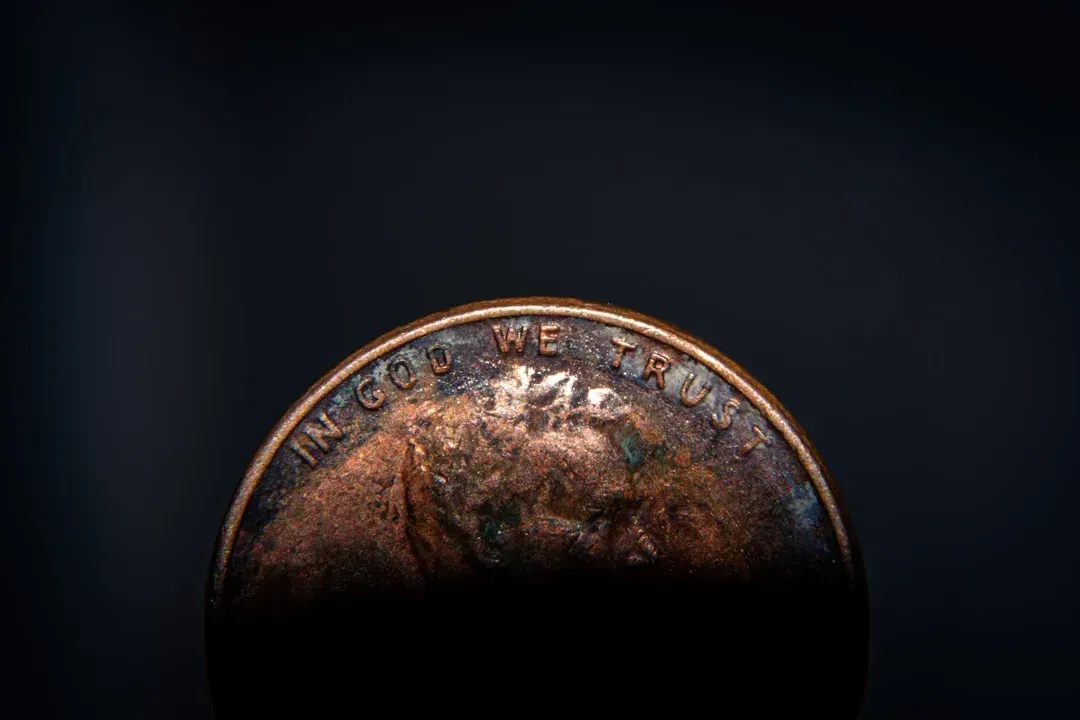
During World War II, the U.S. Mint switched pennies from bronze to zinc-coated steel to save copper for ammunition shells, but a small number of bronze planchets left over from 1942 were accidentally struck with 1943-dated dies. Perhaps 20 to 30 of these 1943 copper cents were minted cumulatively at the Philadelphia, Denver, and San Francisco Mints. The result? One of the most famous error coins in American history. The all-time record price for a 1943 bronze cent is $1.7 million, paid for the only known example of a 1943-D copper penny graded MS64BN by Professional Coin Grading Service. Even examples in lower grades sell for six figures. To tell if you’ve got one, use the magnet test: copper pennies won’t stick to a magnet, while the common steel ones will.
1955 Doubled Die Obverse Penny
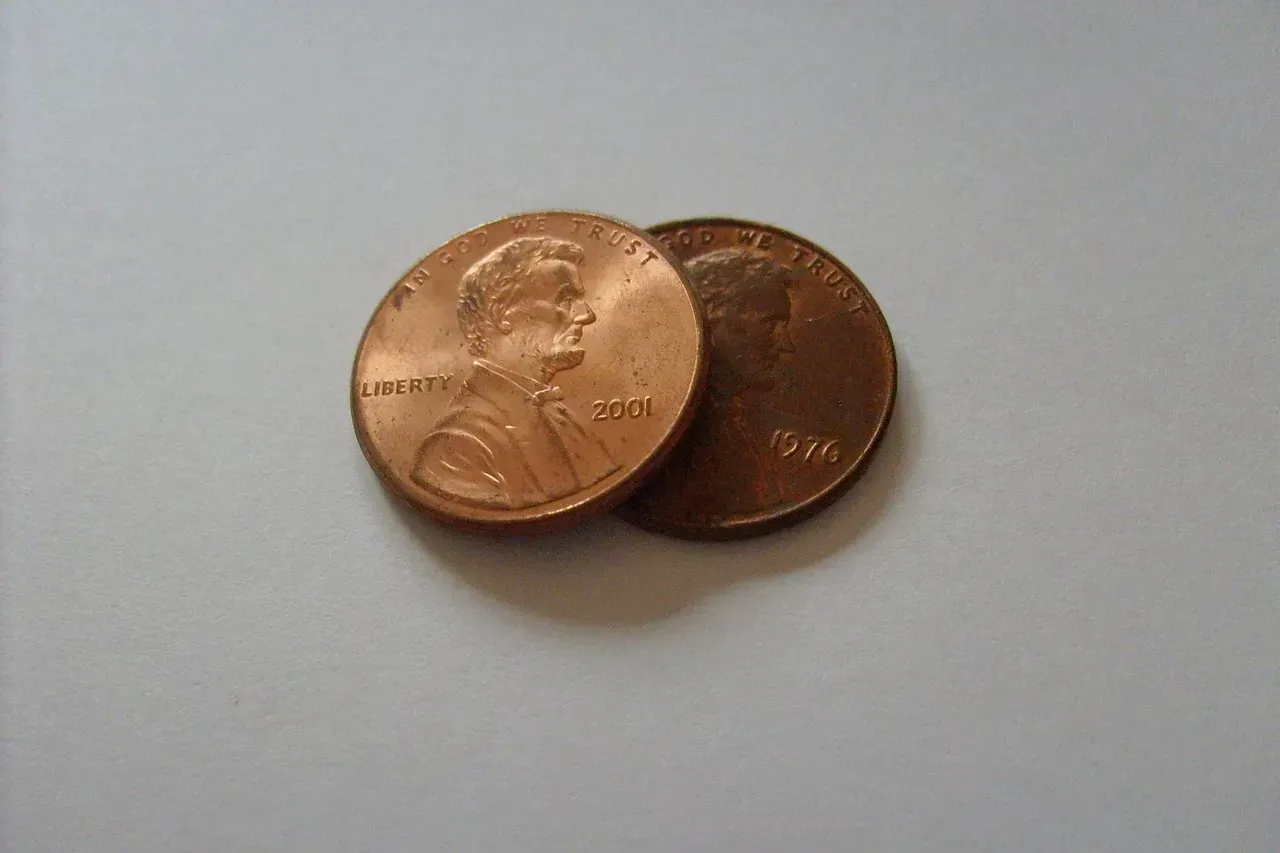
In 1955, one of the working obverse dies at the Philadelphia Mint was misaligned on the second blow from the working hub, thus resulting in a doubled image that was visible on all of the coins struck from this die, and it is estimated that 40,000 of these coins were minted, all during one night shift. The result is a very clear doubling of IN GOD WE TRUST, LIBERTY and the date 1955 that can be seen with the naked eye. The doubling is so dramatic that even non-collectors can spot it. A very rare 1955 penny which was struck with a doubled die sold for a new world record price of $124,875 at an unreserved auction by GreatCollections in March 2020, with the auctioned coin being the finest known of the famous U.S. error and graded MS-65+ RD by PCGS. Even worn examples with visible circulation can bring over a thousand dollars, which is pretty remarkable for a penny.
1982-D Small Date Copper Penny
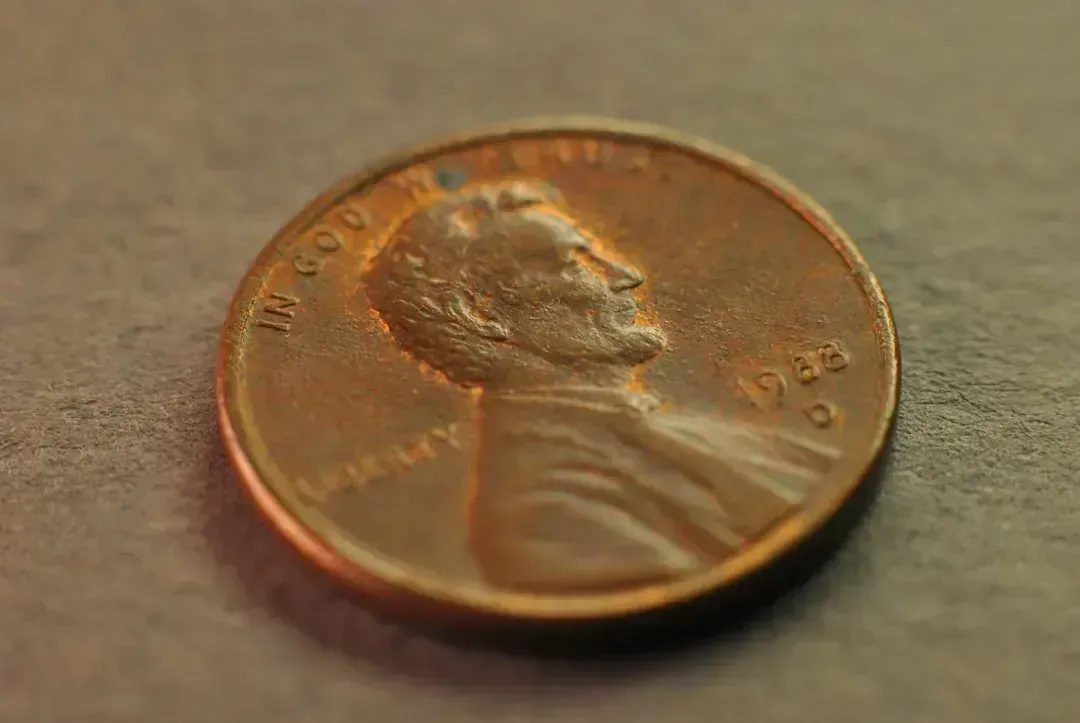
This one’s a real needle in the haystack situation. In 1982, the composition of the penny changed from 95% copper with 5% tin and zinc to copper-plated zinc because of the rising price of copper. Mint employees at both Philadelphia and Denver made an impactful error as they were pressing the new pennies with the new style dies, and a very few of the old copper planchets made it into the production line and out into the public, thus creating the Small Date copper penny. Here’s the kicker: Only two are known to exist. The first known 1982-D Small Date copper penny sold for $18,800 at a Stack’s Bowers auction on August 3, 2017, and a second one was discovered a short while later and sold for $10,800 in an April 25, 2019, Heritage Auctions sale. Both were found in circulation. To identify it, you need a scale – copper pennies weigh 3.11 grams, while zinc ones weigh 2.5 grams.
1969-S Doubled Die Obverse Penny
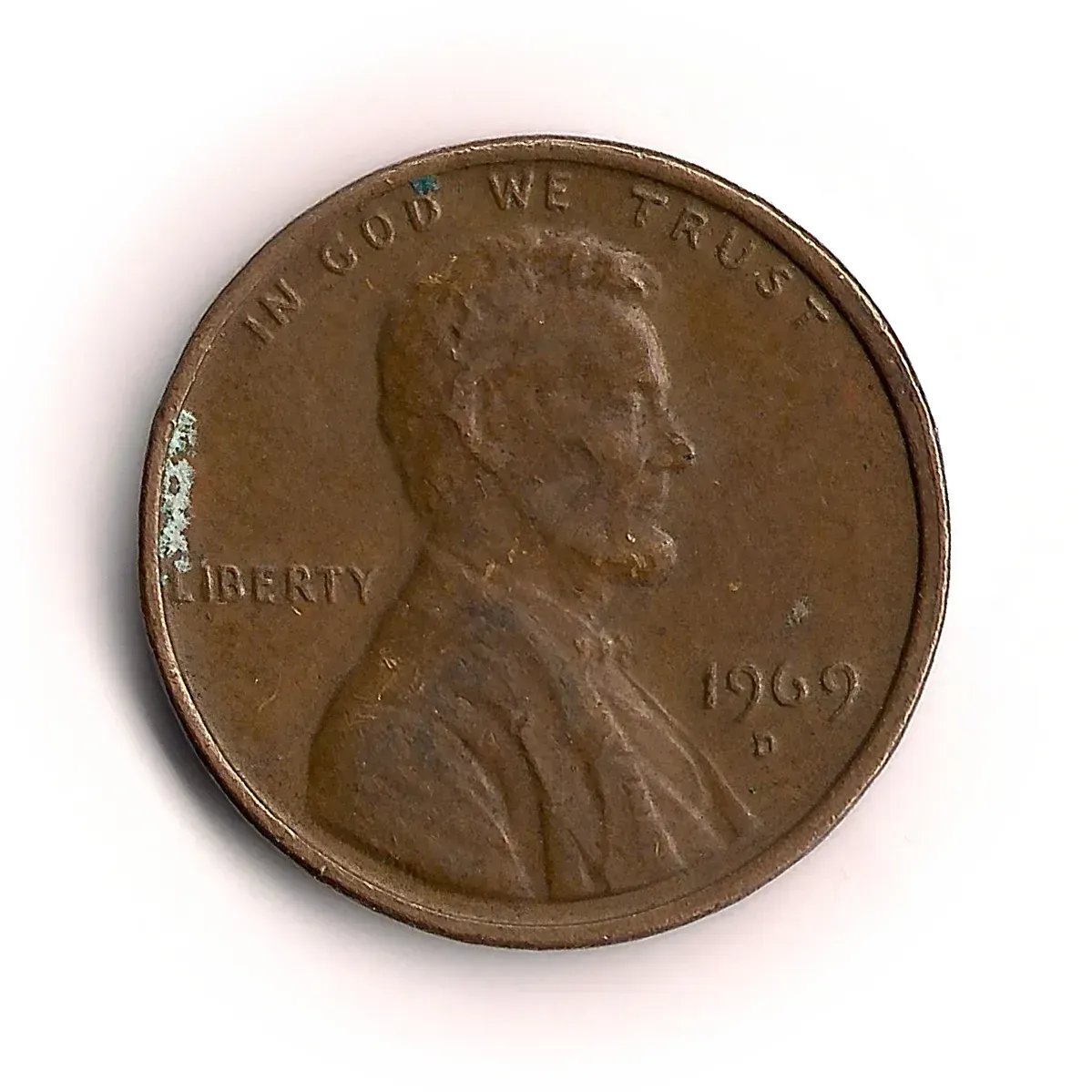
The 1969-S Lincoln Cent with a doubled die obverse is one of the rarest modern pennies, with only a few dozen examples known, and the doubling on the date and inscriptions is subtle but significant. It’s nowhere near as obvious as the 1955 variety, which actually makes it trickier to spot but no less valuable. Its value ranges from $30,000 to $120,000, depending on condition, with high-grade specimens fetching top prices at auction. This coin was popularly counterfeited and the Secret Service confiscated many counterfeits, unfortunately they also collected genuine coins and many were sadly destroyed. If you think you’ve found one, professional authentication is absolutely critical. The stakes are too high to mess around with fakes.
1937-D Three-Legged Buffalo Nickel
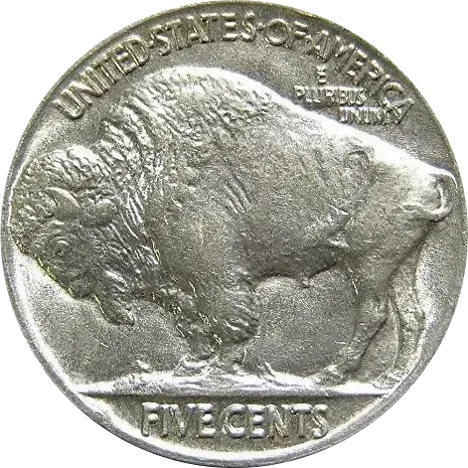
In 1937, the second-to-last year of the Buffalo Nickel series, the mint employee who operated the coin presses at the Denver Mint tried to smooth down some scuffs on the nickel’s reverse die, and he unintentionally smoothed away one of the buffalo’s legs in the process. The error is immediately visible once you know what you’re looking for – the buffalo literally appears to be standing on just three legs. An uncirculated specimen runs about $2,500, and even “junky” examples are worth upward of $500. This makes it one of the most accessible high-value error coins for the average person to find. If you’ve got a stash of old nickels from relatives, this is the one to hunt for.
1975 No-S Proof Roosevelt Dime
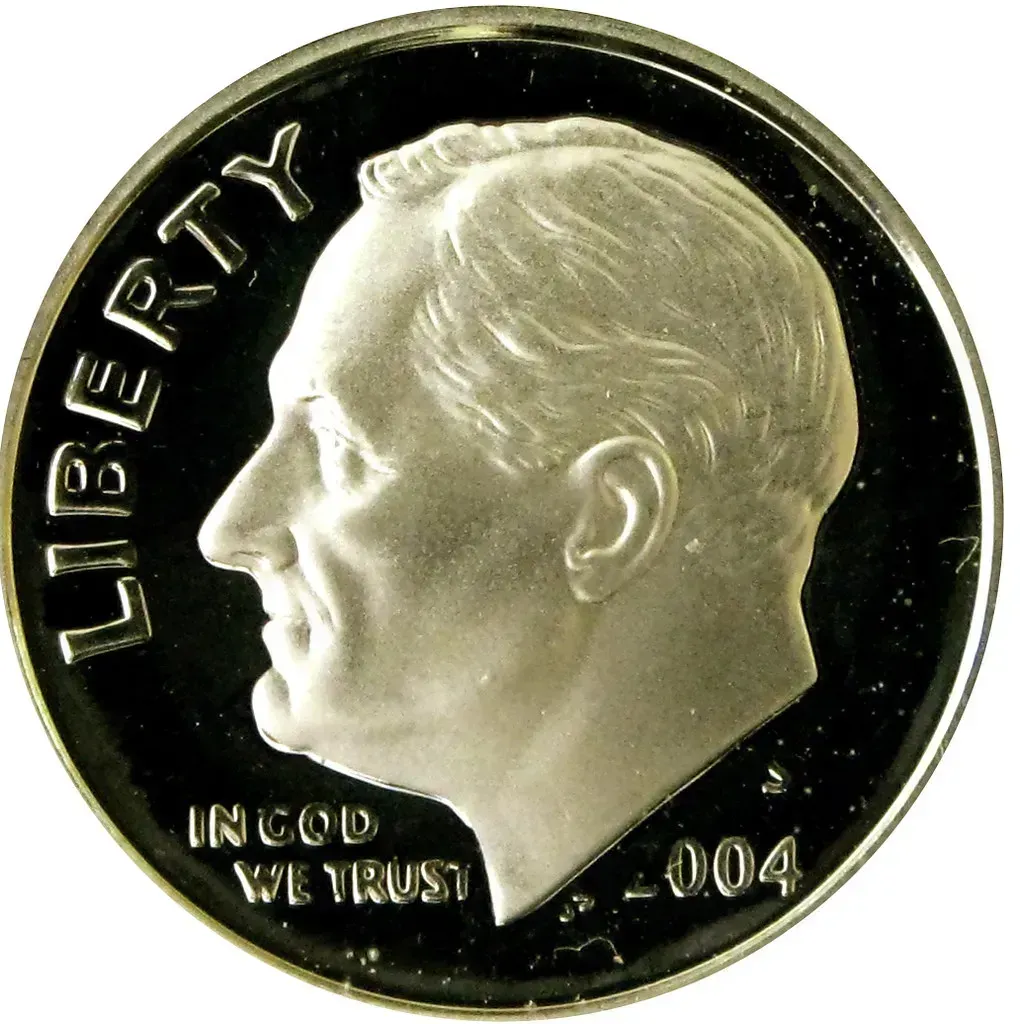
There are only two 1975 no S Proof Roosevelt Dimes known to exist, with the first one found in a 1975-S Proof Set in 1977, and the second dime found seven years later. This error is exclusive to proof sets, not regular circulation, so you won’t find it in pocket change. Still, if someone gifted you or a family member a proof set from that year, it’s worth checking. It’s no surprise this coin is so valuable given its current population is just two, and prices are in the range of $450,000. The dime should have an “S” mintmark below the date to indicate it came from San Francisco. If yours is missing that letter, you might have struck gold – or rather, silver.
1982 No-P Roosevelt Dime
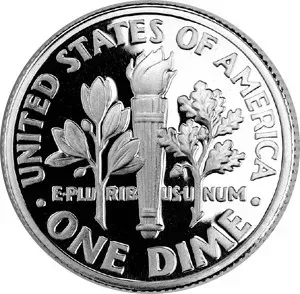
A similar mistake occurred with the circulation-strike Roosevelt dimes that came from the Philadelphia Mint in 1982, as the mint had only recently added the P mintmark to its 10-cent coins beginning in 1980, and somebody forgot to punch the “P” onto the obverse dies for the dime in 1982. Several thousand of these “No P” Roosevelt dimes were distributed before the mistake was caught, and collectors will pay around $175 for a mint state example of one of these dimes. It’s not millions, sure, but for a dime that’s a multiplier of 1,750 times face value. This one’s still findable in circulation if you’re willing to sort through rolls of dimes. Honestly, it’s worth the effort.
2004-D Wisconsin State Quarter (Extra Leaf)
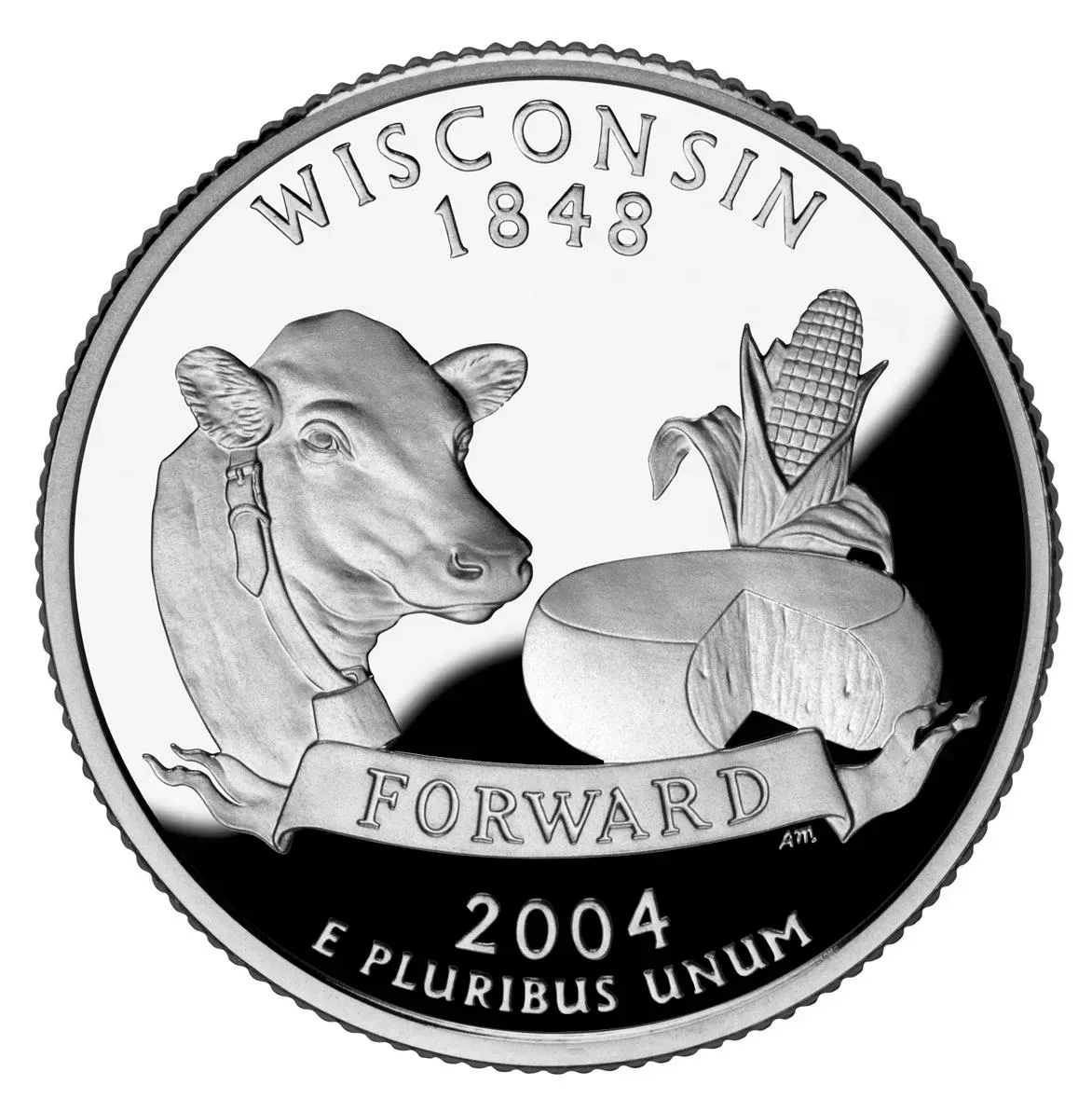
One of the most contemporary entries on the list is the 2004-D Wisconsin State Quarter, and two different varieties of error due to a die flaw are known in this issue. The error appears on the reverse design near the corn stalk – an extra leaf either points up or down, depending on the variety. Both are valuable. These quarters entered circulation widely, which means there’s a real chance you could stumble upon one while going through your change. Values vary depending on condition, but even circulated examples can be worth several hundred dollars. For a quarter, that’s nothing to sneeze at. Check any Wisconsin quarters you come across, especially if they’re from Denver.
The real lesson here is simple: don’t assume your spare change is worthless. Minting errors, transitional mistakes, and rare die varieties happen more often than you’d think. A quick glance at dates, mint marks, and unusual features could reveal a coin worth hundreds or thousands of times its face value. So before you roll those pennies and dimes for deposit, take a closer look. You might be holding something extraordinary. What would you do if you found one of these in your change jar?