Emotional Intelligence: 6 Phrases Mentally Tough People Never Use in an Argument
What you say during a heated disagreement reveals far more about your emotional maturity than what you say on a calm afternoon. While most people think emotional intelligence means never losing your cool, the reality is far messier – and the phrases you avoid in heated moments reveal more about your emotional awareness than any calm facade ever could. Mentally tough people have learned, often through hard experience, that certain words function like grenades in a conflict: they feel satisfying to throw, but they destroy the ground everyone is standing on. This article examines six specific phrases that people with high emotional intelligence consistently refuse to use – and explains exactly why their absence makes such a profound difference.
1. “You Always…” / “You Never…”

Using “always” or “never” during disagreements is a classic sign of low emotional intelligence. These sweeping statements show a focus on the negative, generalizing one behavior to define a person’s entire character – when in reality, human behavior is rarely so absolute. Mentally tough people know that absolute language turns a specific complaint into a global verdict, and the person on the receiving end stops hearing the actual issue and starts defending their entire identity. That shift almost always escalates rather than resolves a conflict.
Research confirms that emotional intelligence has a positive, significant relationship with conflict management styles, and that people who are emotionally intelligent are better able to frame their relationships with others. Framing a grievance with “sometimes” or “in this situation” keeps the conversation about the behavior, not the whole person. Research has also shown that people with high levels of emotional intelligence may have fewer social conflicts, or manage them significantly better. That starts with choosing precision over exaggeration, even in the heat of the moment.
2. “You’re Overreacting”

One of the most crucial phrases emotionally intelligent people avoid is “you’re overreacting.” Emotionally intelligent individuals recognize the damage this dismissive phrase can cause. Telling someone their emotional response is excessive is one of the fastest ways to invalidate them entirely, and it almost never leads to a productive resolution. In fact, it typically triggers a secondary argument about whether the person has the right to feel what they feel – completely sidelining whatever the original issue was.
Emotionally intelligent people understand that what may seem like a small issue to them could be a big deal to someone else. Everyone’s emotional landscape is different. What matters is not the size of the problem, but how it affects the individual. Mentally tough people acknowledge this reality and resist the urge to appoint themselves the judge of whether someone else’s feelings are warranted. Emotional intelligence enhances resilience and interpersonal skills, and it supports effective conflict management by fostering constructive responses to disagreements.
3. “Whatever”

“Whatever” signals that you’ve checked out, that the other person’s concerns aren’t worth your time. Emotionally intelligent people stay engaged even when conversations get difficult. They might ask for a break if needed, but they don’t dismiss the entire discussion. The word “whatever” is particularly corrosive because it packages contempt into a single syllable – and contempt, as research on relationship psychology has consistently shown, is one of the most corrosive forces in any conflict.
Studies and theories have revealed that high emotional intelligence enhances prosocial discourse, conflict de-escalation, and solutions discourse – skills that are essential to unit functioning and staff well-being. Mentally tough people understand that staying engaged, even when they’re frustrated, signals respect for the relationship itself. Choosing to disengage without communication isn’t strength – it’s avoidance dressed up as indifference. Leaders with high emotional intelligence are more likely to adopt constructive conflict management styles, such as collaboration and compromise, while low EI is often associated with avoidance or aggression in conflict situations.
4. “I Know Exactly How You Feel”

Saying “I know how you feel” is what social psychologists call “conversational narcissism,” shifting the focus of the conversation, however unintentionally, back on ourselves. It sounds empathetic on the surface, but it actually hijacks the other person’s experience and redirects attention to your own. Mentally tough communicators know the difference between genuine empathy – which is about sitting with someone in their experience – and performing empathy while actually talking about themselves.
Global leadership development firm DDI ranks empathy as the number one leadership skill, reporting that leaders who master empathy perform more than 40 percent higher in coaching, engaging others, and decision-making. Real empathy in an argument sounds more like “that sounds genuinely difficult” than “I’ve been there.” Instead of making comparative statements, the emotionally intelligent approach is to acknowledge and validate the feelings of others, regardless of the size or nature of their challenges – and this empathy and understanding is at the heart of emotional intelligence.
5. “Calm Down”
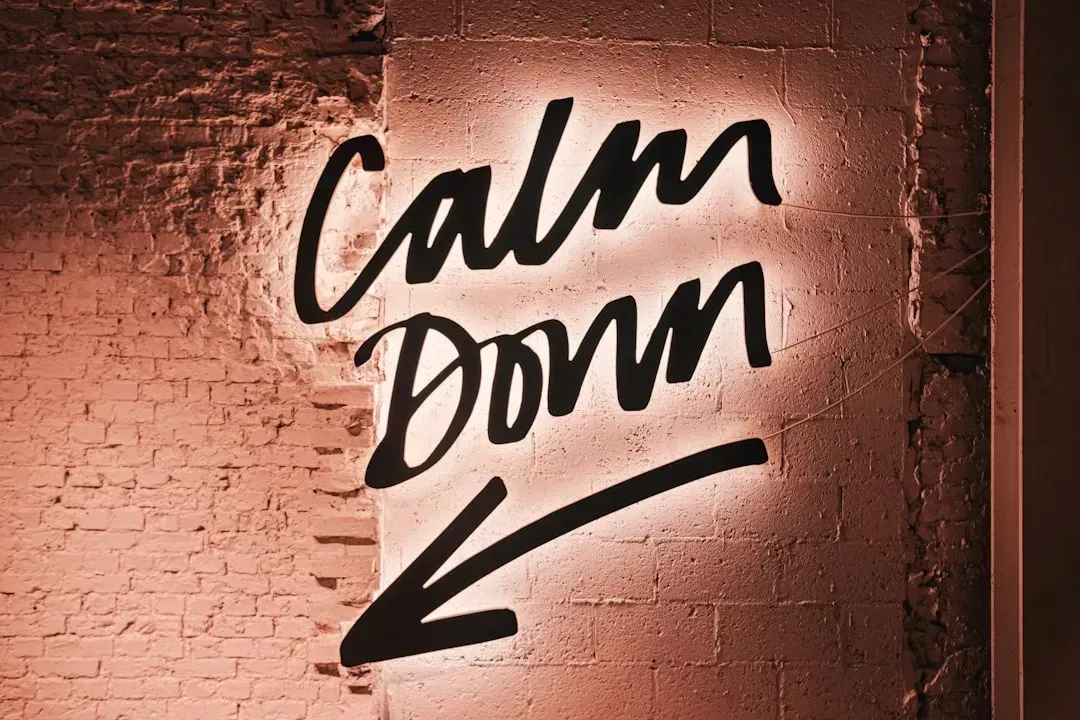
Few phrases pour fuel on a fire quite like “calm down.” To the person hearing it, it communicates that their emotional state is a problem to be managed rather than an expression worth understanding. Emotional intelligence is “the ability to recognize and identify emotions in yourself and others and efficiently manage them.” It means a person can accurately perceive and understand their own emotions and evaluate and interpret how others feel – and people with very high EQs are masters at emotional regulation, making it unlikely they’ll snap even in a highly stressful situation. Telling someone else to calm down, however, skips past understanding and goes straight to control.
The emotional brain is far faster and older than the rational frontal cortex. It sends us into fight-or-flight mode whenever we need to defend ourselves, and it can happen at innocuous and frustrating moments. Mentally tough people recognize this in others during a conflict and work around it rather than against it. Emotional intelligence helps in resolving conflicts better, promoting empathy, and enhancing effective communication. Acknowledging someone’s elevated emotional state with curiosity – “I can see this really matters to you” – is far more effective than demanding they regulate themselves on your schedule.
6. “At Least It’s Not Worse” / “It Could Be Worse”

Building on the concept of emotion validation, emotionally intelligent individuals also avoid phrases like “at least it’s not worse.” While it might seem like a comforting statement aimed at offering perspective, it can often do more harm than good – it actually minimizes their problems, as if their struggles aren’t significant simply because they could be dealing with something worse. This kind of comparative framing may feel logical in the moment, but it communicates a fundamental lack of willingness to sit with another person in their discomfort.
Emotionally intelligent people understand this complexity. They know that every person’s experience is their own and respect that individuality. Instead of using comparative statements, they offer genuine empathy and validation, fostering a more supportive conversational environment. In the long run, this approach is what builds the kind of trust that makes future arguments easier to resolve. A comparison of star performers against average ones in senior leadership positions showed nearly 90% of the differences could be attributed to emotional intelligence rather than cognitive abilities – a finding that has been confirmed by other researchers who posit that emotional intelligence distinguishes strong leaders and can also be linked to strong performance. The language people choose during conflict is one of the clearest windows into that intelligence.
Conflict is unavoidable. How we speak inside it is not. People who emerge as outstanding performers or the best leaders have high emotional intelligence – and critically, emotional intelligence is “learned and learnable at any point in life.” Dropping these six phrases from your conflict vocabulary won’t make arguments disappear, but it will change what they leave behind.