Think Your Money Is Accessible? New Withdrawal Limits Are Sparking Concern
Most people assume that the money in their bank account is fully and freely theirs. You earned it, you stored it, so naturally you should be able to take it out whenever you want, right? Well, it turns out the reality of accessing your own cash in 2026 is considerably more complicated than that. A growing patchwork of bank policies, federal reporting requirements, and tightening surveillance rules is making it harder for everyday Americans to move their own money without questions, fees, or scrutiny.
This isn’t just a story about ATM fees or minor inconveniences. It’s about a systemic shift in how banks and regulators think about cash, who gets flagged, and what happens when ordinary people bump up against limits they never even knew existed. Let’s dive in.
The Surprising Reality of Daily ATM Limits
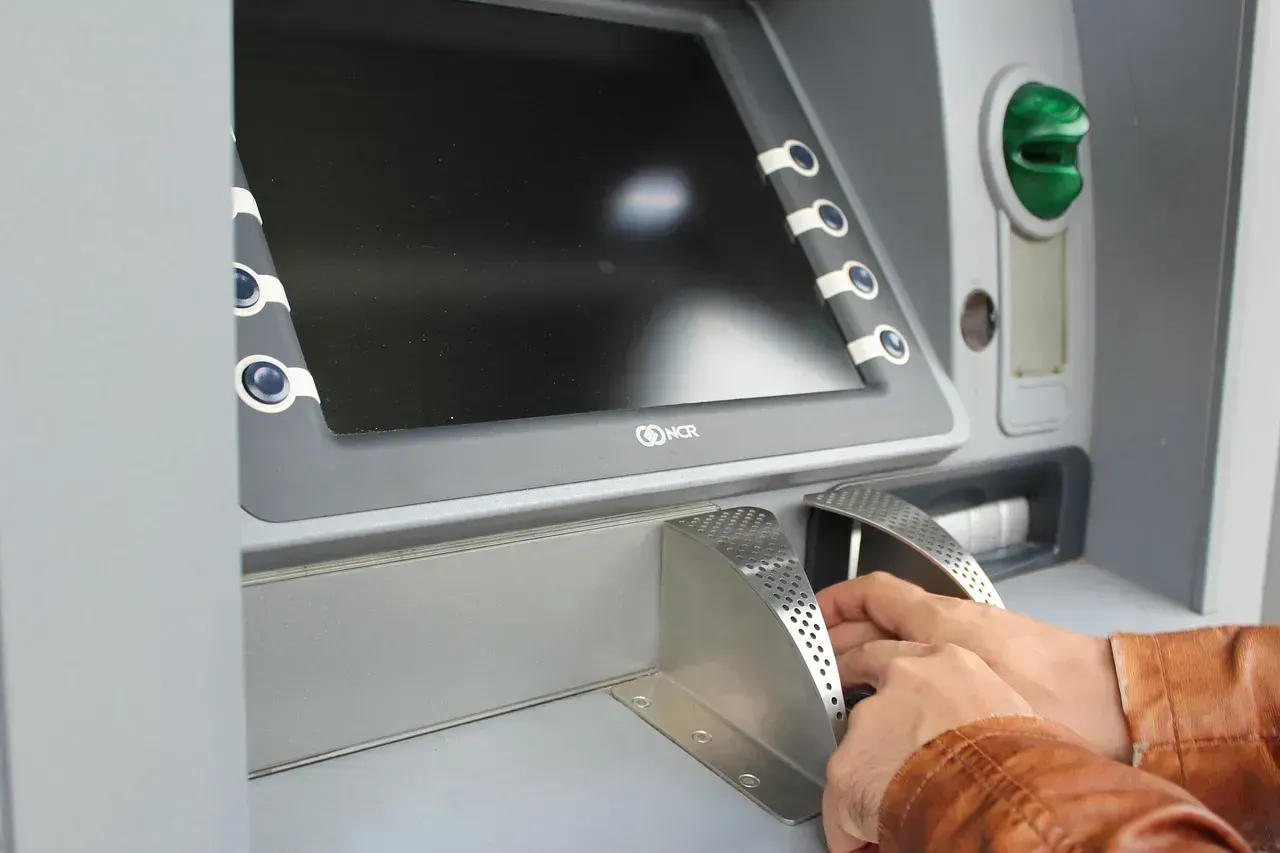
Most people have no idea how little cash their bank actually allows them to withdraw from an ATM in a single day. The number is often much lower than you might expect. Banks place limits on the amount of cash you can withdraw from an ATM each day, and that amount varies by institution and even account, with cash withdrawal limits typically sitting somewhere between $300 and $1,500 per day.
Honestly, for someone trying to handle a large unexpected expense, that kind of cap can feel like hitting a brick wall. Daily withdrawal limits are typically lowest at ATMs, ranging from $300 to $1,000, though they tend to be somewhat higher for debit card transactions, commonly around $5,000. Think about that for a second. If your car breaks down and the mechanic only takes cash, you might genuinely be stuck.
In some cases, a withdrawal limit depends on a specific customer’s banking history or account type. A new customer with a basic checking account may have a lower withdrawal limit than an established customer with a premium checking account. So the very people who may need financial flexibility the most, newer or lower-income account holders, often face the tightest restrictions.
Why Banks Say These Limits Exist
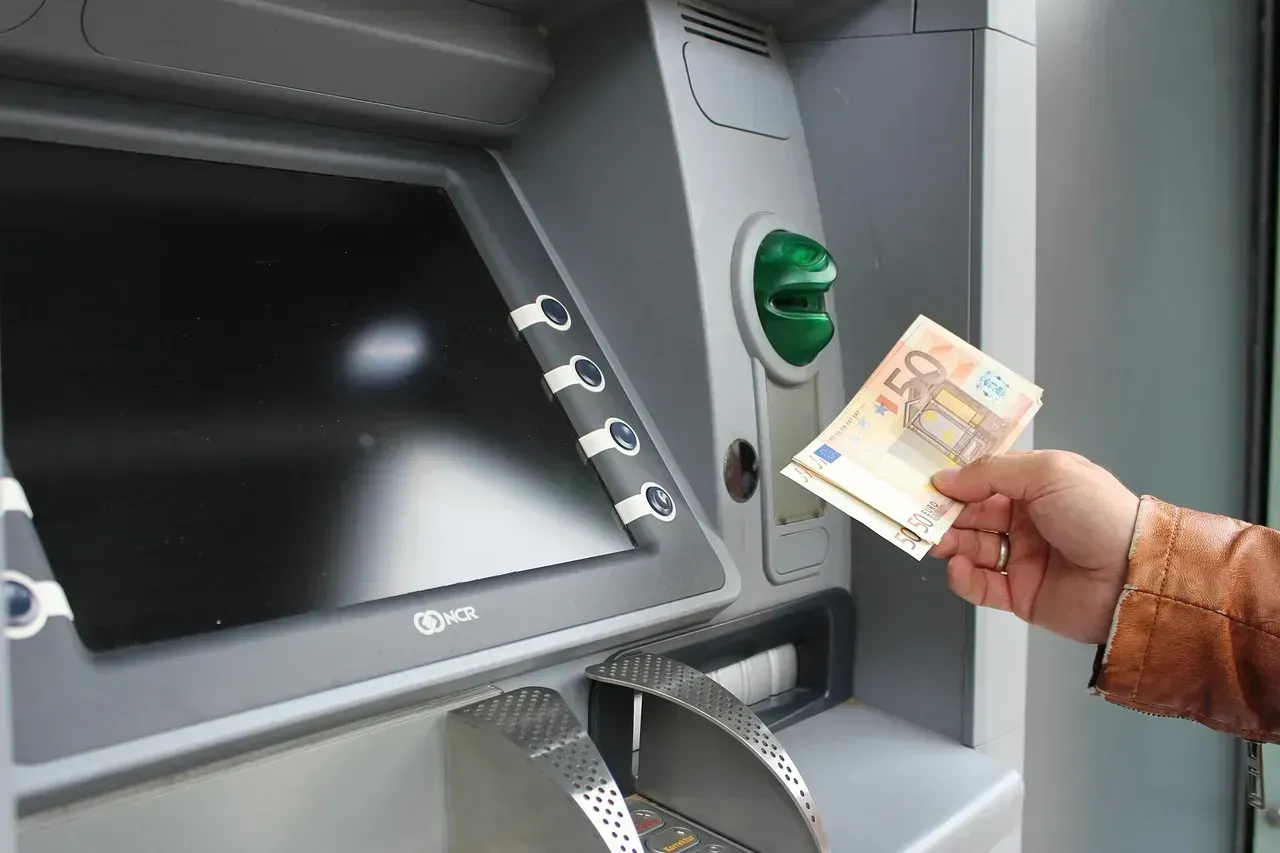
To be fair to the banks, they do have reasons for putting these limits in place, and some of those reasons are genuinely about protecting you. Cash withdrawal limits are designed to protect you in the event that someone steals your debit card or your PIN. That’s a legitimate concern. Debit card fraud is a real and growing problem.
These limits prevent thieves from withdrawing and spending all your money. Additionally, banks can only keep a limited amount of cash on hand to distribute. So there’s a practical, logistical side to this too. An ATM machine holds only so much paper. It’s not a vault.
ATMs can only hold so much cash at once. Limiting the amount of money that can be withdrawn each day ensures there’s enough cash on hand for all customers. Still, that explanation can feel a little hollow when you’re the one standing at the ATM being told your transaction isn’t authorized while your own money sits just behind the screen.
Your Account Type Changes Everything
Here’s something a lot of people genuinely don’t realize until it’s too late. The kind of account you have directly determines how much of your own money you can access. Daily ATM withdrawal limits range from around $300 to over $1,000 in rare circumstances. Simpler checking accounts tend to have lower limits than a premium or elite checking account. Student accounts also have lower limits to help students better manage their money.
If you have a student or a second chance account, your max ATM withdrawal might be lower than if you had a standard checking account. In other words, if your finances are already tight, the bank may be giving you even less freedom to access your funds. The irony stings a little.
Let’s be real: most people never read the fine print when they open an account. They sign up, get a debit card, and assume they have access to everything. Banks typically restrict how much cash you can withdraw from your account in a single day. In part, this is a security measure designed to keep criminals from wiping out your account. It also helps protect the bank’s cash reserves.
Regulation D: The Savings Account Rule Nobody Talks About

A lot of people park extra money in savings accounts assuming they can dip into it freely. The history of federal rules around that is more complicated than you might think. Savings accounts had a federal rule called Regulation D that previously limited certain types of withdrawals, known as convenient transactions, to no more than six a month. That changed in April 2020 when the Federal Reserve announced it was removing the requirement for banks to enforce the limit.
So the federal government lifted that limit. Good news, right? Well, not entirely. However, banks and credit unions generally have kept restrictions in place. The federal rule, also known as Reg D, has been a way of ensuring banks have the proper amount of reserves on hand. It applies to savings accounts and money market accounts, and it encourages people to use them as they are intended: to save money.
If you exceed your bank’s savings account transaction limit, you will typically get hit with a fee. Doing this repeatedly, however, can lead to closure of your account. So even though the federal rule was relaxed, many banks quietly kept their own internal version of it alive, and customers still pay the price for exceeding those limits.
The $10,000 Threshold and Federal Reporting

This is where things start to feel a bit more serious for a lot of people. Most Americans have heard some version of the rule about cash and $10,000, but few understand exactly what it means and how wide a net it actually casts. When you deposit $10,000 or more in cash, your bank or credit union will report it to the federal government. The $10,000 threshold was created as part of the Bank Secrecy Act, passed by Congress in 1970, and adjusted with the Patriot Act in 2002. The law is an effort to curb money laundering and other illegal activities. The threshold also includes withdrawals of more than $10,000.
A financial institution must file FinCEN Form 112, Currency Transaction Report, for each deposit, withdrawal, exchange of currency, or other payment or transfer, by, through, or to the financial institution which involves a transaction in currency of more than $10,000. This isn’t just a one-sided deposit rule. Both directions of large cash movement get flagged.
The fact that your bank will report any cash deposits or withdrawals in excess of $10,000 isn’t necessarily cause for alarm. The intent is to identify and monitor where the money ends up. For most law-abiding people, getting reported is not an automatic problem. The concern is more about what comes after that initial flag lands on someone’s desk.
The Trap of Structuring: Trying to Stay Under the Radar
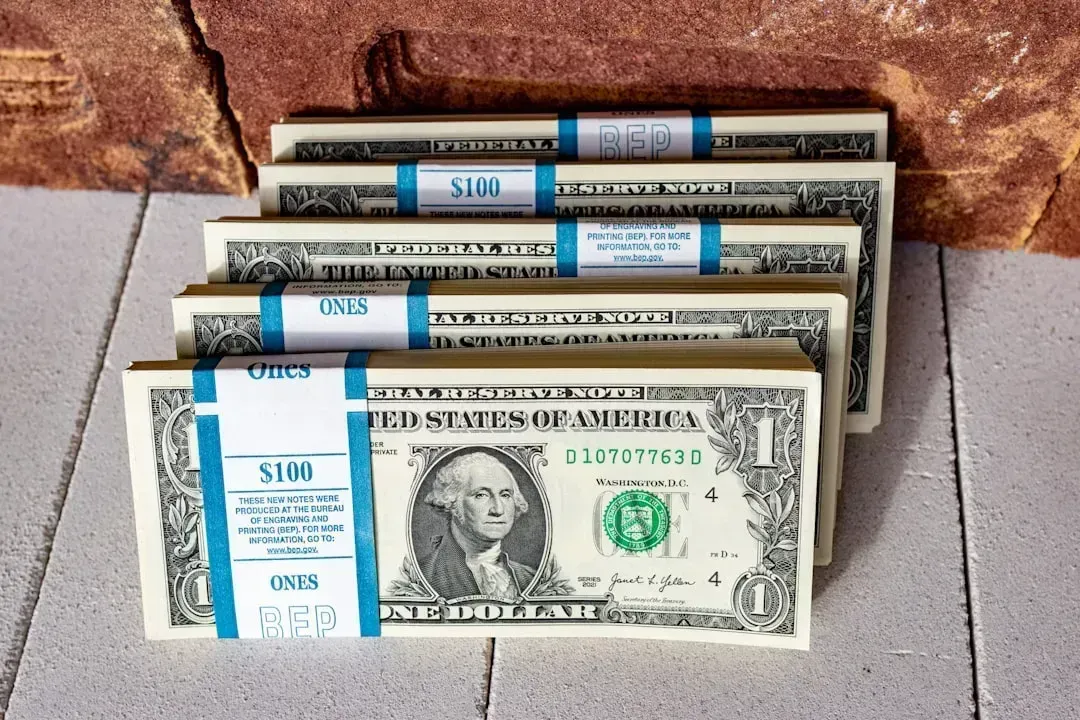
Here’s where many people unwittingly walk into serious legal trouble. Some customers, knowing about the $10,000 reporting threshold, decide to break up their withdrawals or deposits into smaller amounts to avoid triggering a report. It sounds logical. It is actually a federal crime. Breaking up cash transactions to avoid triggering reporting requirements is known as “structuring,” and it’s a federal crime – even when the money itself is from legitimate business activities.
Many taxpayers assume structuring only applies to drug traffickers or money launderers. In reality, intent, not the source of funds, determines guilt. Even if all the money is earned legally, the intent to avoid reporting makes the act criminal. The law does not require proof of tax evasion, money laundering, or fraud. That’s a stunning and important point. You can be prosecuted purely for the pattern of your transactions, even if every dollar is clean.
Banks are required to file Suspicious Activity Reports when they suspect structuring, even if no single transaction exceeds $10,000. Once a SAR is filed, IRS-CI or FinCEN may open a criminal investigation. So something as innocent as making a few medium-sized withdrawals in a short period can light up a warning signal you didn’t even know existed.
Expanded Monitoring Starting in 2026

Things are tightening even further as we move into 2026. Regulatory changes on the horizon suggest that the government’s appetite for financial surveillance of everyday cash transactions is growing. Starting in 2026, new requirements ask banks and businesses to report, in more detail, cash operations between $1,000 and $10,000. It does not mean that each person will be treated as a criminal, but it does mean that these transactions will be monitored by regulators.
Until now, banks only reported operations from $10,000 onwards, and lower amounts were considered part of everyday life. Now they will start investigating from $1,000. It must be clear that they are not going to monitor absolutely all people who withdraw $1,000 once in their lives, but people who have patterns. So recurring moderate cash use, the kind that describes millions of small business owners, gig workers, and cash-reliant consumers, may start drawing more scrutiny than ever before.
Additionally, starting December 1, 2025, the Bank Secrecy Act required certain professionals involved in real estate closings and settlements to submit reports to FinCEN regarding certain non-financed transfers of residential real estate to legal entities or trusts. The net of financial monitoring is widening in multiple directions at once.
Who Gets Hurt Most: The Cash-Dependent and the Unbanked
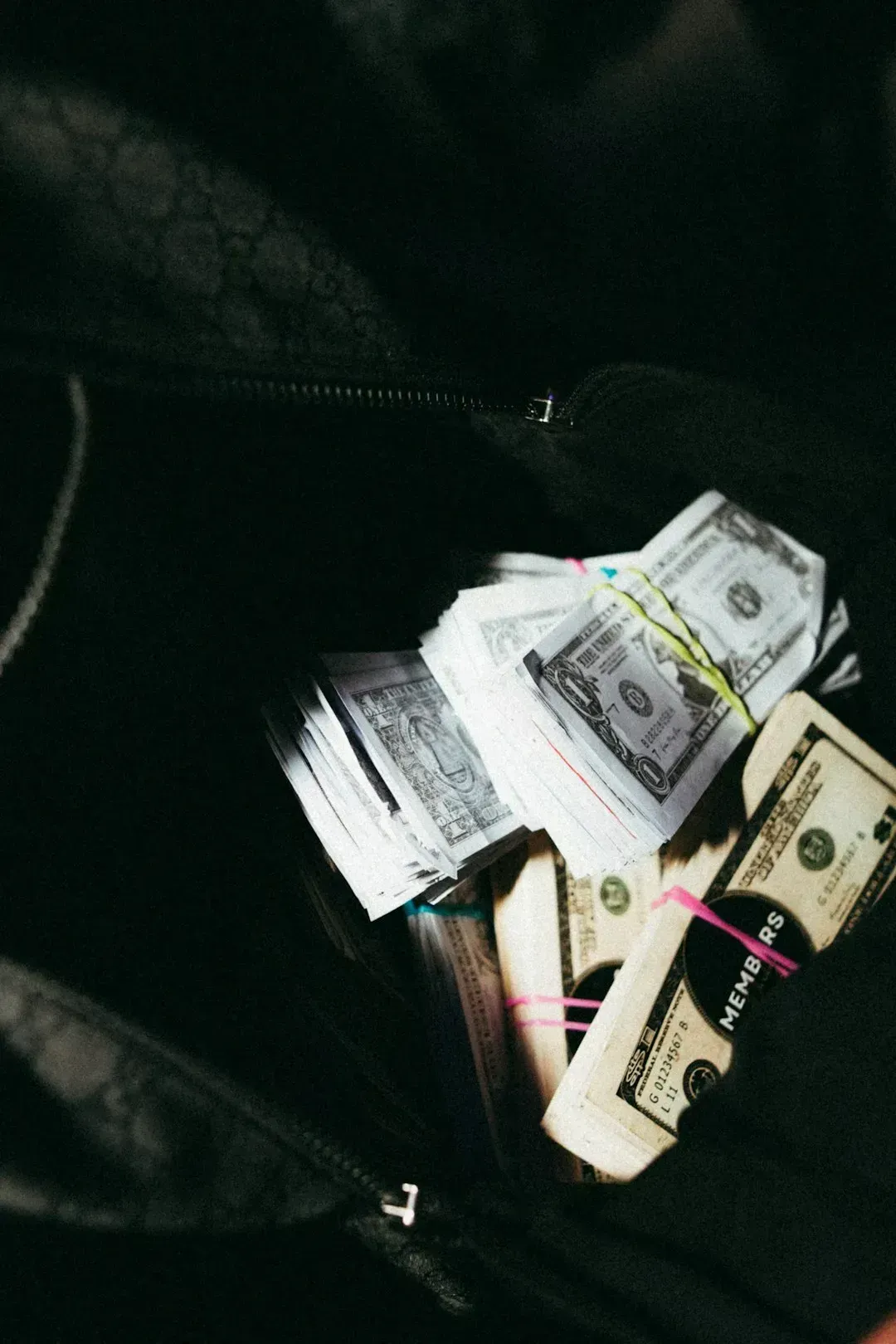
These shifting limits and reporting systems don’t affect everyone equally. Certain groups face a disproportionate burden when access to cash becomes more restricted. This shift disproportionately impacts those without access to digital banking or credit. According to the Federal Reserve’s Economic Well-Being of U.S. Households in 2024 report, approximately 6% of adults remained unbanked, relying heavily on cash to participate in commerce.
For these individuals, cash restrictions are not just inconvenient; they are exclusionary. At the same time, the physical infrastructure that supports cash is in decline. Banks and other financial institutions, particularly those in rural and underserved areas, continue to consolidate, leaving fewer local branches where residents can access banking services.
Think about it this way: if digital payments are the assumed default, someone without a smartphone, a reliable internet connection, or a bank account is essentially being nudged out of the economy. Cash infrastructure has reduced in many countries with the number of ATMs per 100,000 adults decreasing by around 13% between 2020 and 2022. Countries have noted that as cash infrastructure declines, certain groups of society are facing increasing barriers to accessing the payment system, risking potential financial exclusion.
The Debanking Problem: When Banks Cut You Off Entirely
Beyond limits and reporting, there’s an even more alarming trend that emerged forcefully in 2025. Some customers are finding that their banks are shutting them out entirely, a practice known as “debanking.” In December, congressional committees released reports concluding that prudential regulators’ Biden-era policies had contributed to the unlawful debanking of digital asset and other lawful businesses. Those reports put direct pressure on the banking agencies to revisit supervisory practices tied to reputational risk.
Shortly thereafter, the OCC released its own preliminary supervisory report on debanking, summarizing information gathered from a group of large banks regarding account terminations and related policies. While the OCC report stopped short of taking definitive action, the agency stated that all reviewed institutions had engaged in debanking activity.
This is genuinely alarming territory. New York has even enacted a new law requiring retail establishments and food stores to accept cash for in-person transactions, aimed at protecting unbanked and cash-reliant consumers. While not framed as a financial crime measure, the law is likely to increase cash activity, heightening risk considerations for financial institutions. Some states are pushing back against cashless creep. Others haven’t even started the conversation.
How to Work Within the System: Practical Steps
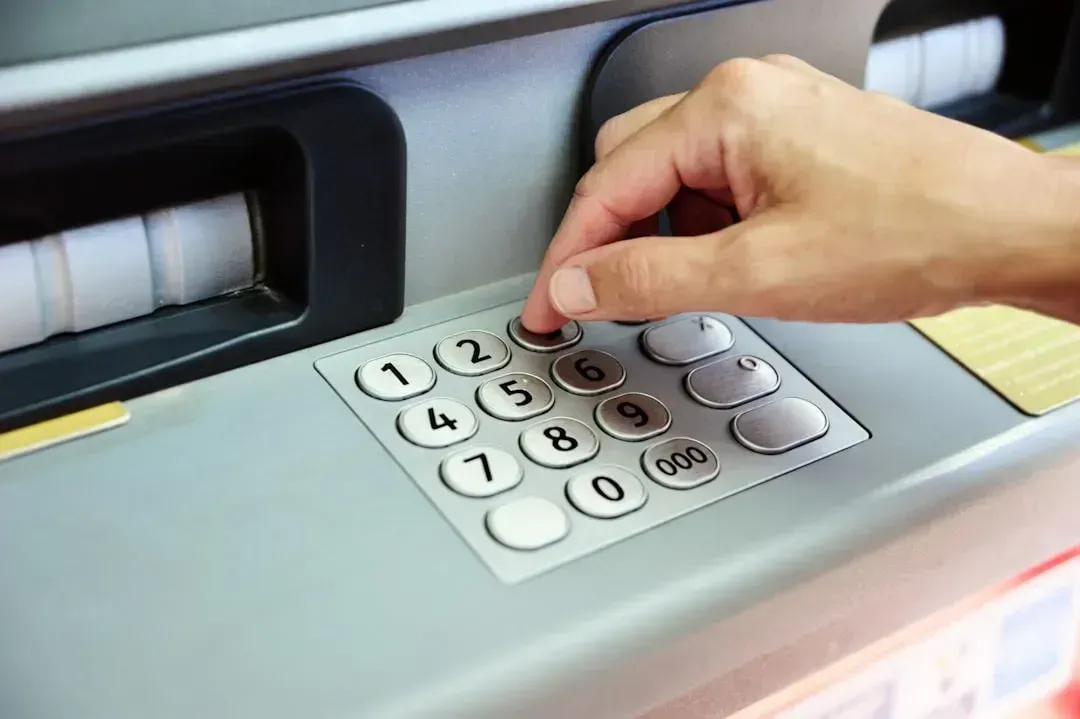
So what can you actually do if you need more cash than your daily ATM limit allows? The good news is that workarounds do exist, and they’re easier than most people think. To take out a large sum of cash, your best bet is to visit a branch and make the withdrawal through a teller. Often, banks will let you withdraw up to $20,000 per day in person, where they can confirm your identity.
The easiest way to raise ATM withdrawal limits is to make a request with your bank. The decision may depend on a number of factors, including banking history, the type of account one holds, and the amount of the increase requested. A quick phone call to your bank before a big purchase or a trip can save you a lot of headache and potential embarrassment at the ATM.
In some stores like grocery stores, it’s possible to ask for cash back at checkout when making a purchase. While cash back may count toward your debit card’s daily purchase limit, it typically doesn’t count toward a daily ATM withdrawal limit. Small workarounds, but useful ones to know. Knowledge of the system is genuinely half the battle here.