Many Americans Retire to Florida – Then Leave After 18 Months. Here’s Why
You’ve probably heard the story countless times. Someone retires, sells their house up north, and heads straight to Florida. Beaches, sunshine, no state income tax. Sounds perfect, right? Well here’s the thing. A growing number of those retirees are packing up again within a year and a half, wondering what went wrong.
Let’s be real about this situation. The dream doesn’t always match reality.
The Insurance Nightmare Nobody Mentions in the Brochures

Florida’s homeowners insurance averages $451 per month for $300,000 dwelling coverage, which honestly catches many retirees completely off guard. That’s more than double the national average.
Roughly 70 percent of Florida homeowners have faced rising insurance costs or coverage changes like their insurer dropping them altogether, according to a recent survey. Imagine settling into your retirement home only to receive a non-renewal notice months later. One retiree named Barb Carter moved to Florida but left just a year later for Kansas, citing problems finding a doctor, an expensive armadillo infestation, a hurricane, and rising insurance costs as major factors in her decision.
The situation intensified after major hurricanes hammered the state. Several major insurers pulled out entirely or stopped writing new policies, leaving retirees scrambling for coverage through the state’s insurer of last resort.
Housing Costs Skyrocketed Faster Than Retirement Savings

In just half a decade, the median price of a single-family house in Florida jumped $150,000, or roughly 60 percent, from approximately $250,000 in March 2018 to $409,700 in July 2024. Remote workers and the wealthy flocked to the state, driving up home prices and leaving those on a fixed income feeling the pinch.
Property taxes surged by a whopping 60 percent over the past five years, rising right alongside those home prices. Retirees who carefully calculated their budgets suddenly found themselves priced out of the lifestyle they’d envisioned. As of October 2025, the average home in Florida costs around $377,000, slightly above the national average, though coastal areas run much higher.
Climate Reality Hits Harder Than Expected
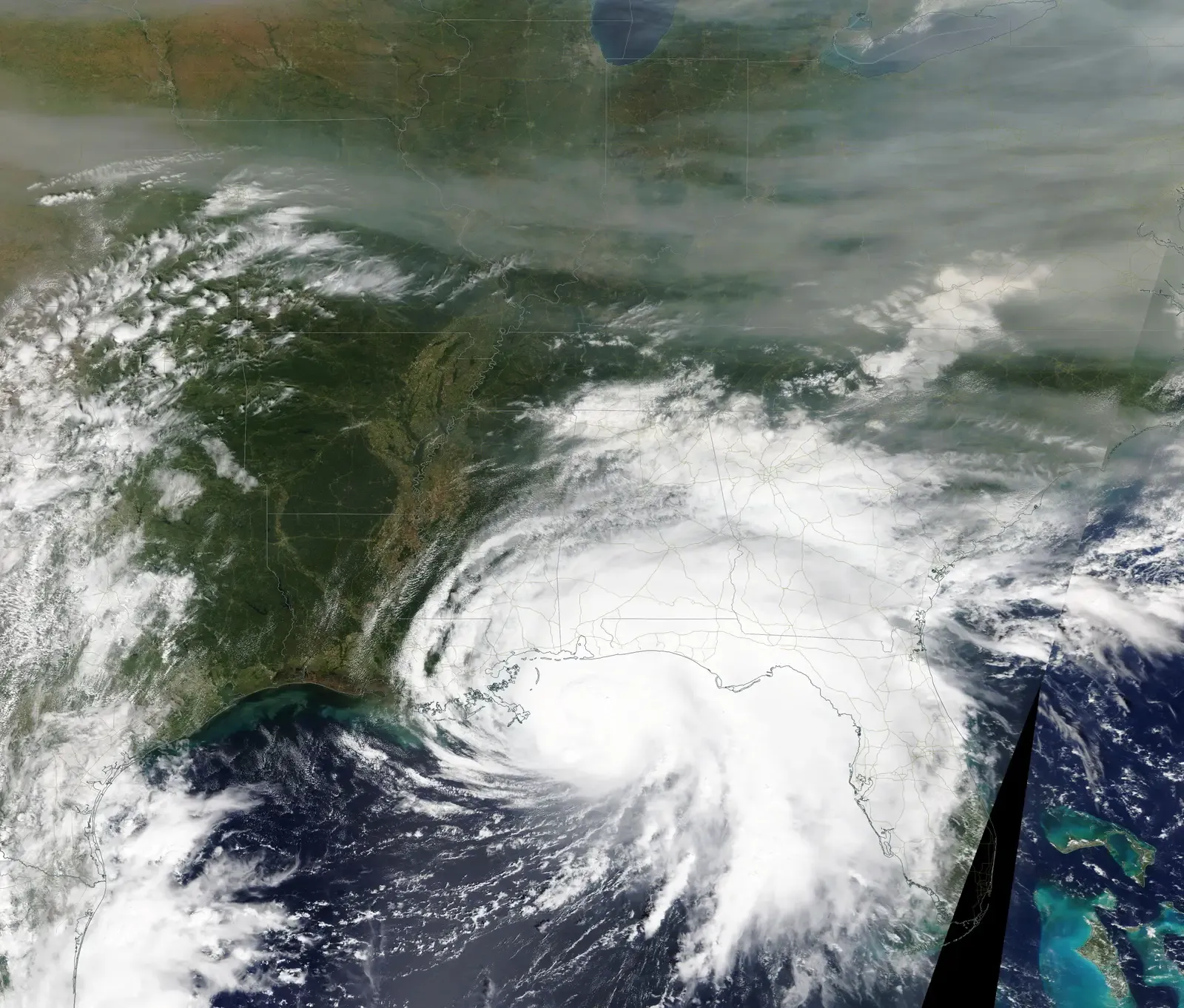
A Florida Atlantic University survey found that 36 percent of statewide residents had moved or were considering moving in part or fully due to weather hazards. That’s not a small number. Hurricanes Helene and Milton in the recent season reminded everyone that paradise comes with serious risks.
Air conditioning isn’t optional in Florida, especially in the southern parts, where units run more than half the year, costing between $120 and $200 monthly or $1,440 to $2,400 annually just for cooler air. The brutal summer heat isn’t something vacation trips prepare you for. Living through months of oppressive humidity while watching your electric bill climb is a different story than spending a week at the beach in February.
Nearly half of Floridians expressed worry about the affordability of homeowners insurance due to climate change, showing the psychological toll beyond just the financial strain.
Healthcare Challenges in the Sunshine State

Florida’s healthcare system ranked 42nd in the entire country in a 2025 WalletHub study, placing it among the bottom ten worst healthcare systems. For retirees whose health needs typically increase, this becomes critical.
Finding a doctor proved challenging for some who relocated, particularly in popular retirement areas already saturated with older residents. The state has over one in four residents aged 65 or older, which strains healthcare resources considerably. Wait times for specialists can stretch for months in some communities.
Long-term care in Florida can reach anywhere from $63,000 to over $130,000 per year depending on attention required, according to recent data. Medicare doesn’t cover most of those expenses, leaving retirees vulnerable to devastating costs if their health deteriorates.
The Exodus Numbers Tell the Real Story

More than 510,000 people packed up and left the Sunshine State in 2023, marking a significant outflow. Georgia received just over 55,000 former Floridians, while Texas got 50,500, North Carolina 39,900, Virginia 24,700, and New York 24,700.
Among all retirees who moved to a new state, Florida remained the most popular, attracting 20 percent of this demographic, yet the gap between arrivals and departures is narrowing. In 2023, about 637,000 people moved in but nearly as many, 511,000, moved out, representing the largest drop in net migration in a decade.
Some retirees discover they miss family, seasons, or the communities they left behind. Others realize the financial calculations simply don’t work on their fixed incomes anymore. The vacation goggles come off, revealing a more complicated picture than glossy retirement magazines suggested.
So where are disappointed Florida retirees heading instead? Many are choosing states like Alabama, Georgia, Tennessee, and the Carolinas, where they can still enjoy milder weather without the extreme costs and hurricane anxiety. These destinations offer better value while maintaining reasonable access to beaches and warm climates.
The Florida retirement dream isn’t dead, but it requires far more careful planning and honest assessment than it used to. What looked golden on paper eighteen months ago can feel like a costly mistake when insurance bills arrive and hurricane season looms. Did your vision of Florida retirement match this reality?