11 Scientific Predictions That Once Seemed Ridiculous – and Turned Out to Be Right
Continents That Drift Like Icebergs

The first time someone suggested continents move across the planet, the idea sounded absurd. In 1912, German meteorologist Alfred Wegener proposed that all landmasses were once connected in a supercontinent called Pangaea before drifting apart, but his theory was dismissed and ridiculed for decades. The international geological community’s reaction was militantly hostile, and Wegener’s work ignited a firestorm of rage and rancor. He was treated less seriously because he was not a geologist. One of the biggest flaws in his hypothesis was the inability to provide a mechanism for how the continents moved. It wasn’t until the 1960s, with advancements in the understanding of seafloor spreading and plate tectonics, that the ideas underpinning Wegener’s theory gained acceptance.
Black Holes That Warp the Very Fabric of Reality
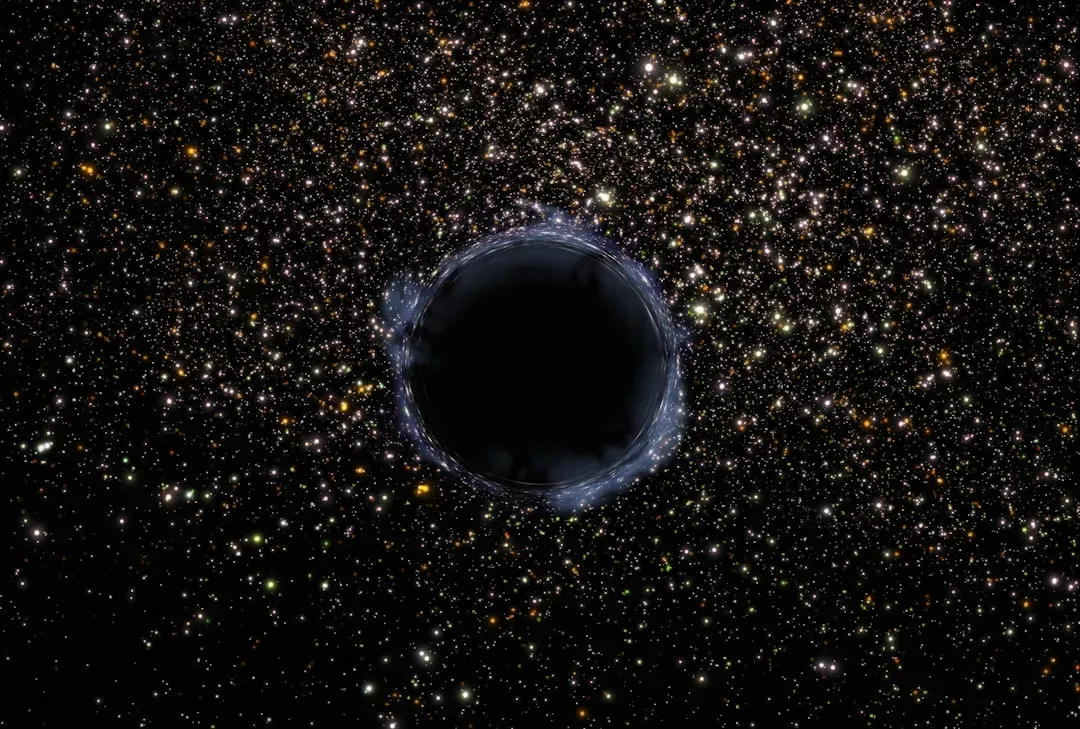
Einstein predicted black holes through his general theory of relativity in 1915, though even he doubted gravitational waves would ever be detected. Einstein believed that the waves would be too weak to ever be picked up by human technology. For decades, these cosmic monsters remained purely theoretical constructs that most astronomers viewed with suspicion.
The clearest black hole merger signal yet, named GW250114 and recorded by LIGO in January 2025, offers new insights into these mysterious objects. This newly detected black hole merger provides the clearest evidence yet of how black holes work and offers long-sought confirmation of fundamental predictions by Albert Einstein and Stephen Hawking. Astronomers have captured the first direct evidence of spacetime twisting near a spinning black hole, confirming a long-standing prediction from Einstein’s theory of relativity.
Bacteria Living in the Acidic Stomach
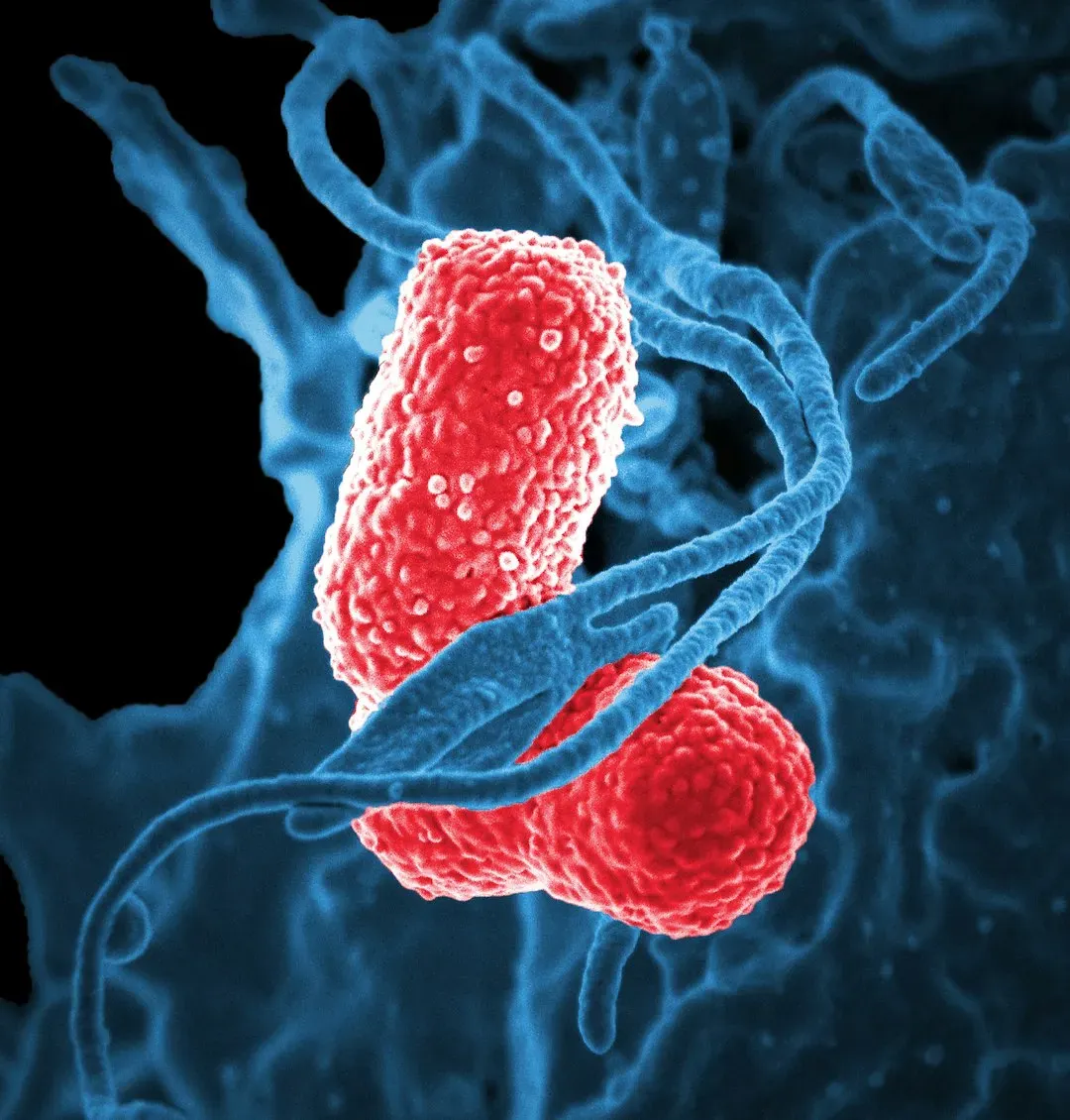
For decades, medical textbooks taught that stress and spicy foods caused stomach ulcers. When Australian physicians Barry Marshall and Robin Warren claimed in the early 1980s that bacteria caused ulcers, the medical establishment laughed at them. Scientists believed nothing could survive the stomach’s harsh acidic environment.
It has been claimed that the H. pylori theory was ridiculed by established scientists and doctors, who did not believe that any bacteria could live in the acidic environment of the stomach, with Marshall quoted as saying in 1998 that “everyone was against me, but I knew I was right”. After failed attempts to infect piglets in 1984, Marshall, after having a baseline endoscopy done, drank a broth containing cultured H. pylori. He was surprised when, only three days later, he developed vague nausea and halitosis, and on day eight, a repeat endoscopy showed massive inflammation and a biopsy from which H. pylori was cultured. In 2005, Barry Marshall and Robin Warren were awarded the Nobel prize in Physiology for their discovery of the bacterium Helicobacter pylori and its role in gastritis and peptic ulcer disease.
Proteins That Infect Without DNA or RNA
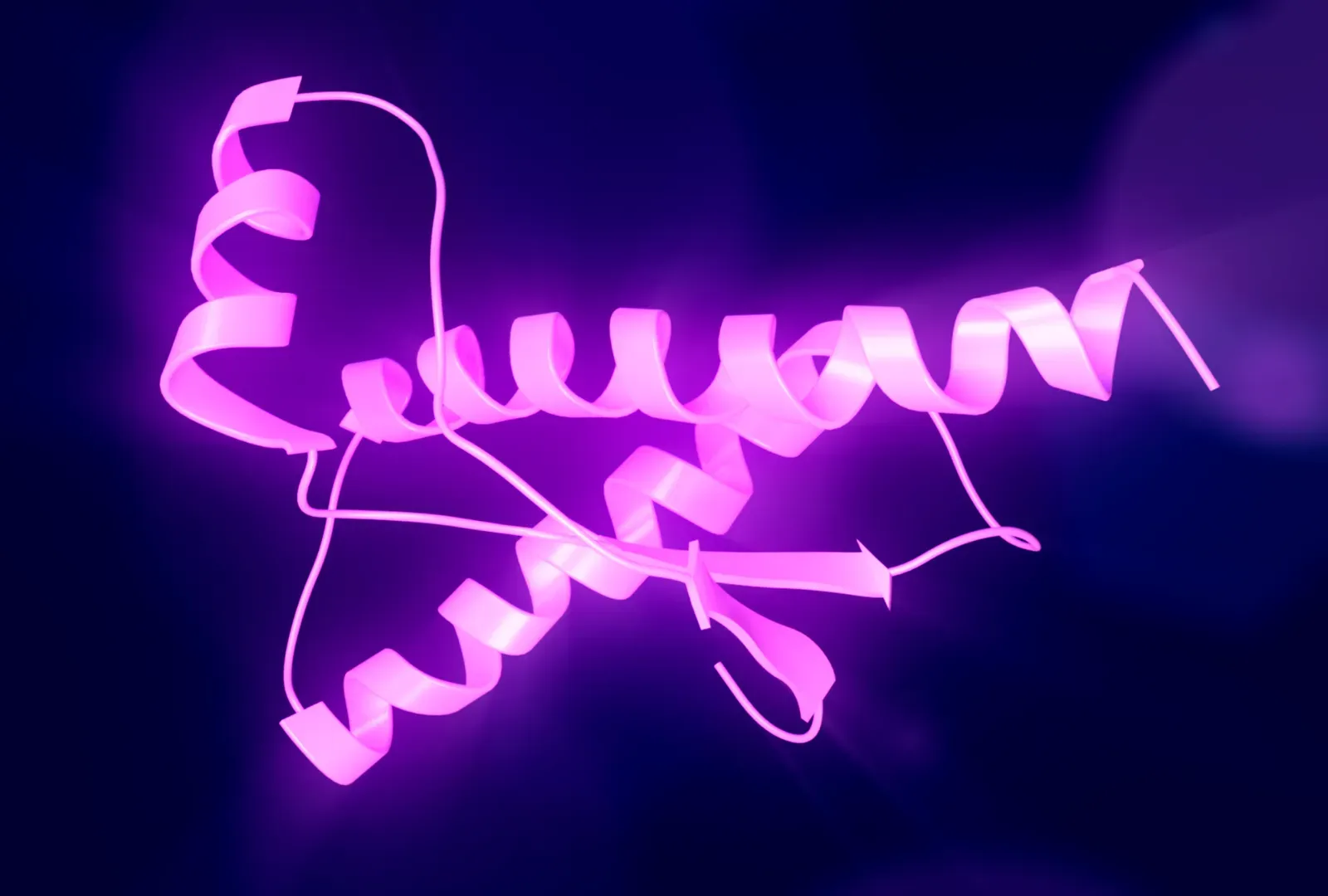
The concept sounded like scientific heresy. Every known infectious agent contained genetic material. Then Stanley Prusiner proposed that a misfolded protein alone could cause devastating brain diseases like mad cow disease and Creutzfeldt-Jakob disease.
The scientific community greeted this discovery with great skepticism, however, an unwavering Prusiner continued the arduous task to define the precise nature of this novel infectious agent. The word prion, coined in 1982 by Stanley B. Prusiner, is derived from protein and infection, short for “proteinaceous infectious particle”, in reference to its ability to self-propagate and transmit its conformation to other proteins. Stanley Prusiner was awarded the Nobel Prize in Physiology or Medicine in 1997 for his work in proposing an explanation for the cause of scrapie, bovine spongiform encephalopathy and human prion diseases. The discovery revolutionized our understanding of infectious diseases.
The Universe Started From a Single Point
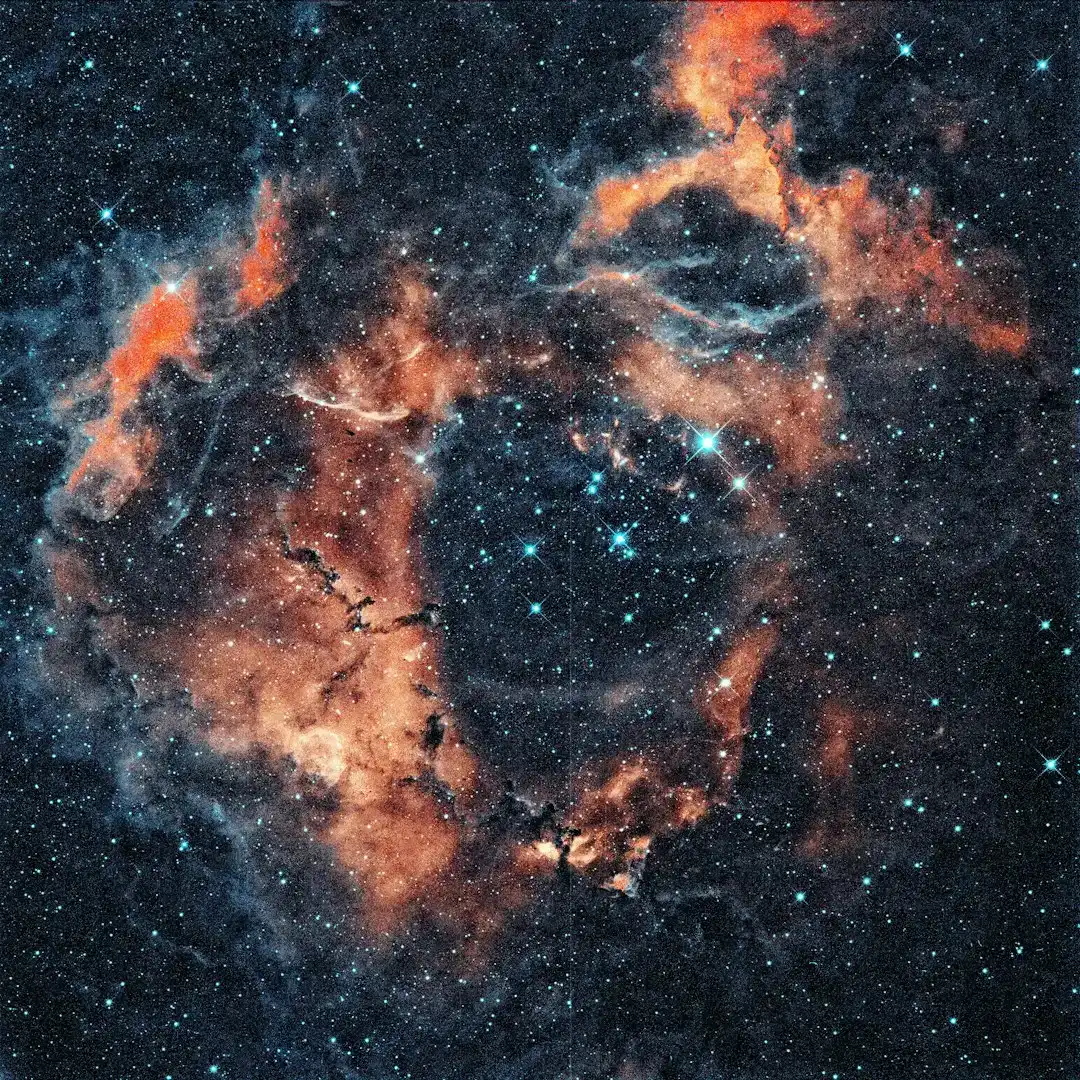
Picture trying to tell scientists in the 1920s that everything in the universe exploded from something smaller than an atom. The Big Bang theory faced tremendous resistance initially. Many prominent physicists preferred the “steady state” model where the universe had always existed in more or less its current form. The idea that time itself had a beginning seemed philosophically troubling and mathematically absurd to many researchers. Evidence from cosmic microwave background radiation and the expansion of galaxies eventually forced even the most stubborn skeptics to accept this once-ridiculous idea as scientific fact.
Genes That Jump Around Inside Cells

Barbara McClintock discovered mobile genetic elements in corn plants during the 1940s, but her findings were dismissed as anomalies. The prevailing wisdom held that genes occupied fixed positions on chromosomes like beads on a string. Her colleagues thought her research was flawed or that she misinterpreted her data. For nearly three decades, her groundbreaking work languished in obscurity while other scientists ignored or criticized her findings. Only in the 1970s did molecular biology techniques confirm that these “jumping genes” existed throughout the living world. McClintock finally received the Nobel Prize in 1983 at age 81 for discoveries made four decades earlier.
The Earth Has a Molten Iron Core
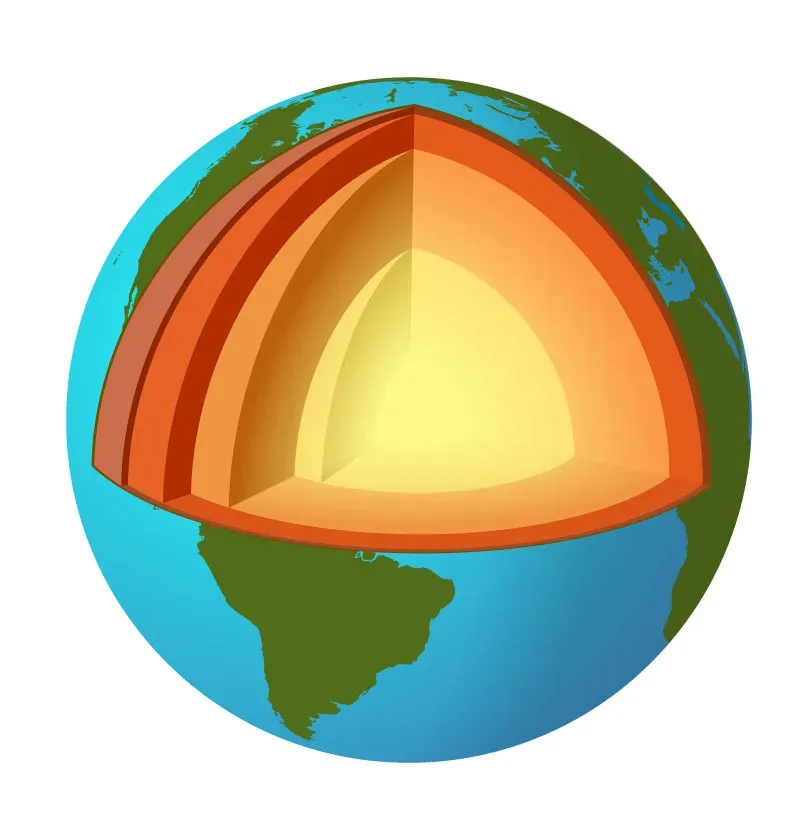
When scientists first suggested Earth contained a liquid metal center, the proposal seemed ludicrous. Critics argued that immense pressure at the planet’s center would prevent anything from remaining liquid. How could researchers possibly know what existed thousands of miles beneath their feet? Early seismologists studying earthquake waves noticed something peculiar about how vibrations traveled through the planet. Some waves disappeared entirely while others bent at specific depths. These observations eventually revealed distinct layers inside Earth, including a molten outer core of iron and nickel that generates our magnetic field. This hidden ocean of metal, unreachable by any drill, became scientific consensus through indirect evidence alone.
Invisible Waves Carrying Information Through Air
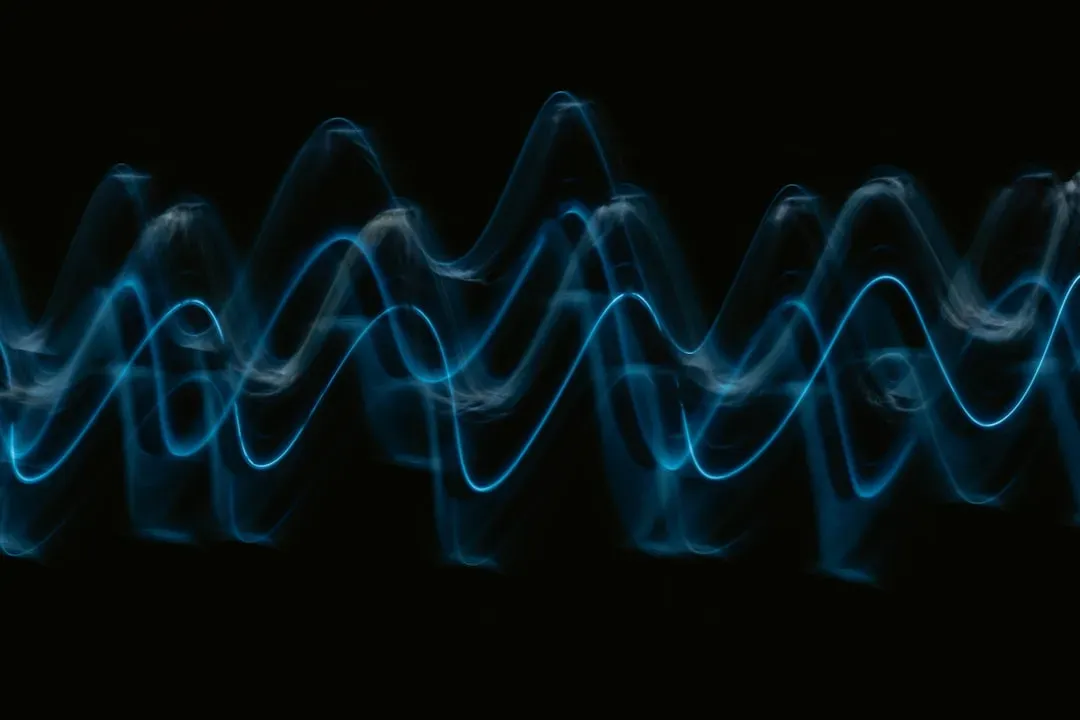
Heinrich Hertz demonstrated electromagnetic waves in 1887, but many scientists and engineers doubted they had practical applications. The notion that invisible waves could carry voices, music, and information across vast distances without wires struck most people as fantasy. Critics pointed out that radio waves would dissipate rapidly, making long-distance communication impossible. Marconi faced ridicule when he claimed he could send wireless signals across the Atlantic Ocean. Skeptics calculated that radio waves would simply shoot off into space due to Earth’s curvature. His successful transatlantic transmission in 1901 shocked the scientific community and launched the wireless revolution that now defines modern civilization.
Stones Falling From the Sky
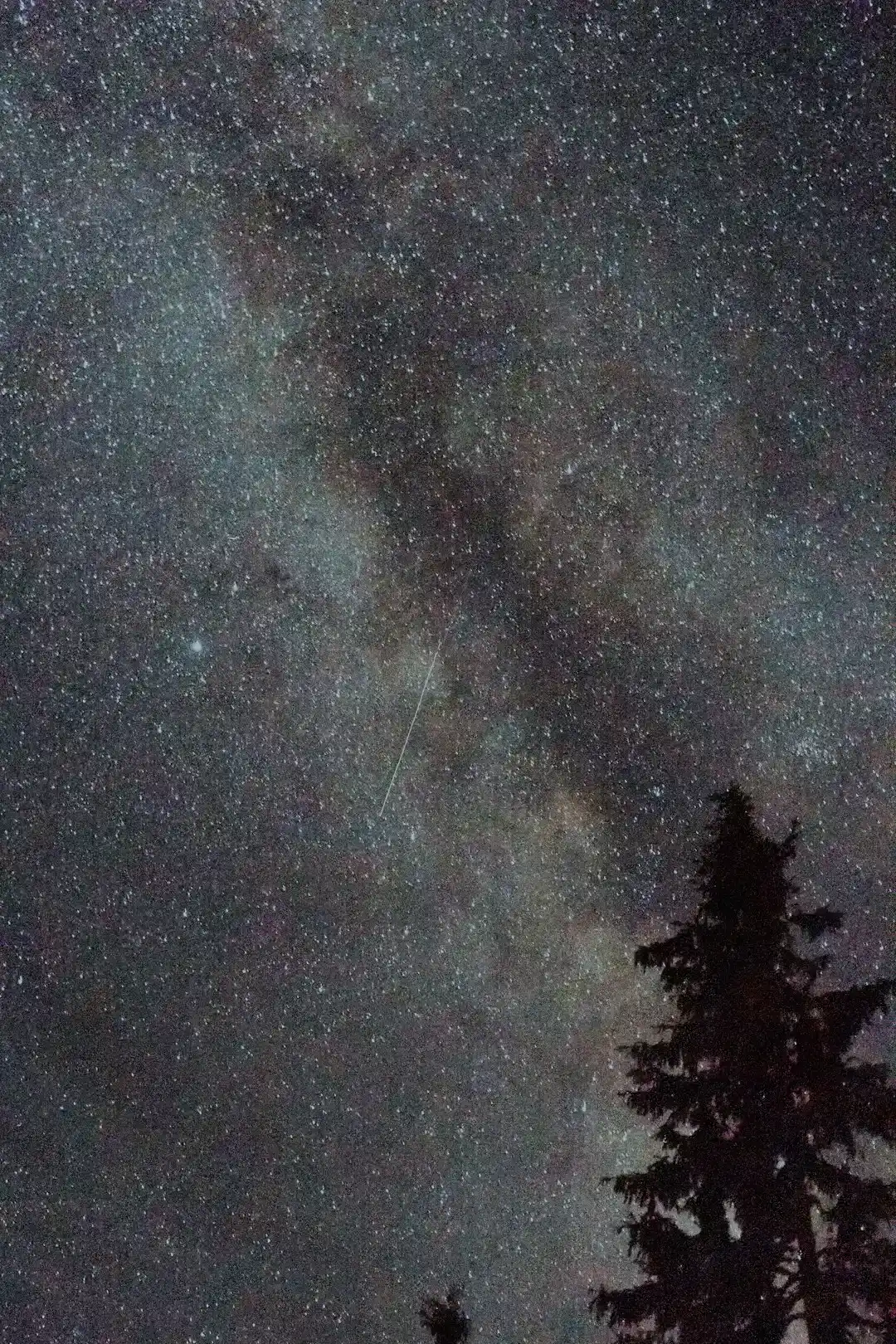
Eighteenth-century scientists refused to believe meteorites existed despite eyewitness accounts of rocks falling from clear skies. The French Academy of Sciences dismissed these reports as peasant superstitions or misidentifications of terrestrial rocks struck by lightning. Prominent researchers argued that no mechanism could fling stones through space. The idea contradicted prevailing theories about the perfection of the heavens. When a large meteorite shower occurred in France in 1803, witnessed by hundreds of people, the Academy finally sent investigators. Their report confirmed meteorites as genuine celestial objects, forcing the scientific establishment to admit they had been spectacularly wrong for decades.
Invisible Creatures Causing Disease
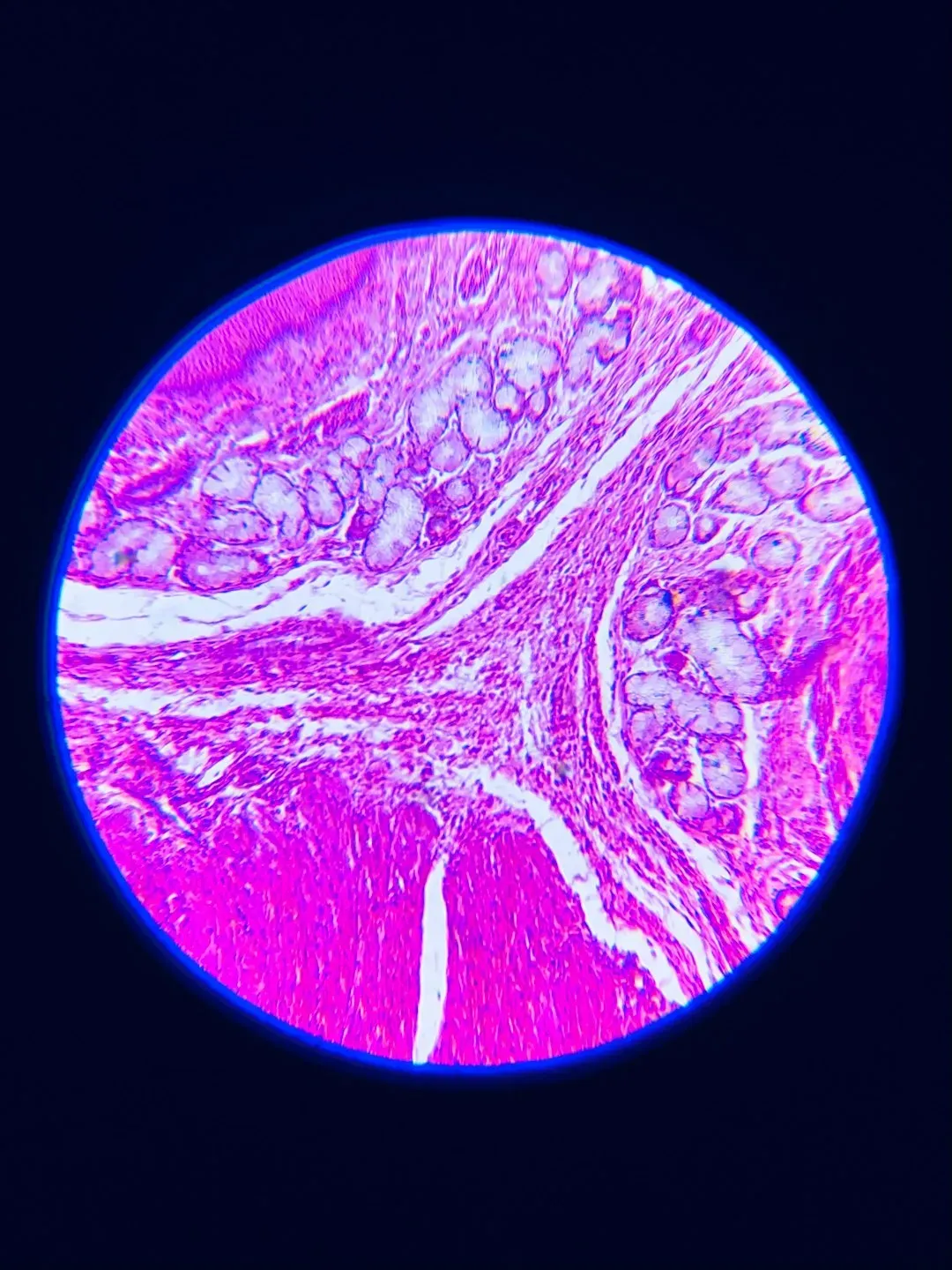
Antonie van Leeuwenhoek peered through primitive microscopes in the 1670s and discovered a hidden world of tiny organisms. His descriptions of “animalcules” swimming in water droplets seemed fantastical to contemporaries. Nearly two centuries passed before Louis Pasteur and Robert Koch established germ theory in the 1860s and 1880s. Even then, many physicians refused to accept that invisible microorganisms caused disease. Doctors ridiculed Ignaz Semmelweis for suggesting they wash their hands before delivering babies, driving him to madness and death in an asylum. Today we understand that bacteria, viruses, and other microbes cause countless illnesses, validating observations that once seemed preposterous.
Planets Orbiting Distant Stars
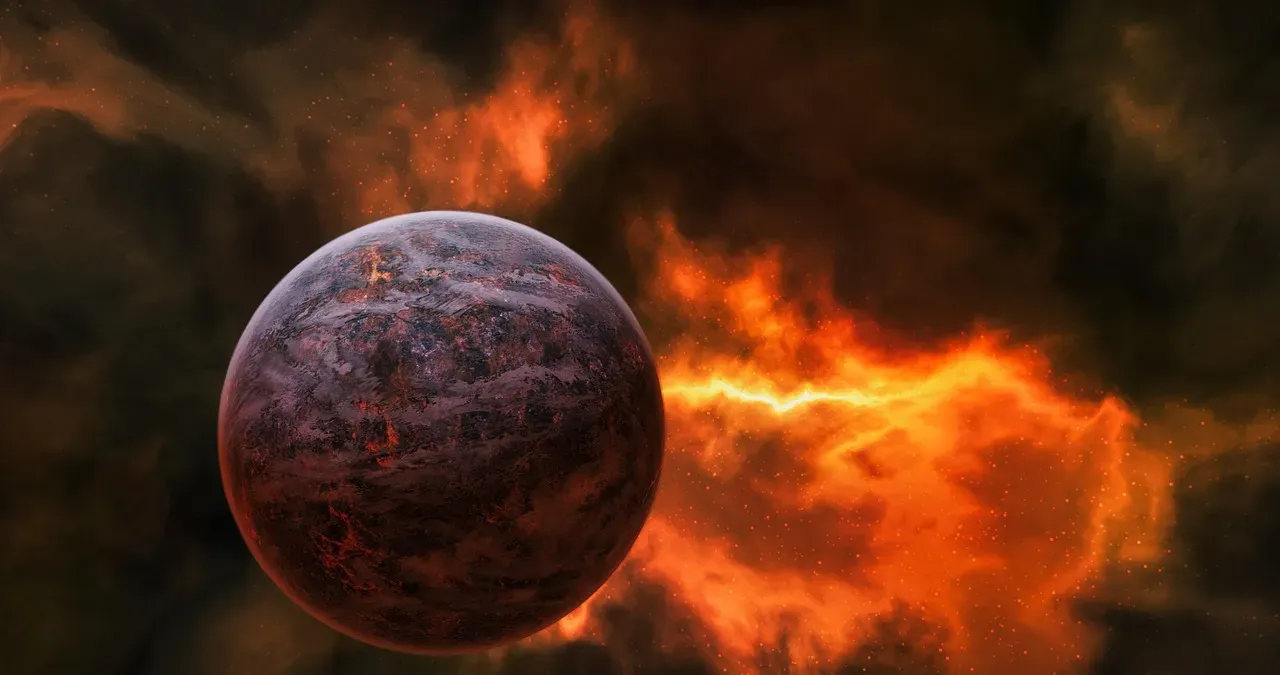
Astronomers theorized about planets around other stars for centuries, but detecting them seemed technologically impossible. Critics argued that the glare from distant suns would forever hide any orbiting worlds from view. The first confirmed exoplanet discovery in 1992 arrived as a complete surprise, orbiting a pulsar rather than a normal star. When researchers detected the first planet around a sun-like star in 1995, many remained skeptical of the indirect detection methods. Fast forward to 2026, and we have confirmed thousands of exoplanets using multiple detection techniques. Some potentially harbor conditions suitable for life, transforming this once-ridiculous possibility into one of astronomy’s hottest research areas.
What These Discoveries Teach Us
Scientific history repeatedly demonstrates that today’s absurdity becomes tomorrow’s textbook fact. The pattern repeats endlessly across disciplines. Bold hypotheses face fierce resistance before gradually accumulating evidence that converts skeptics into believers. The lesson extends beyond science into how we evaluate any unconventional claim. Healthy skepticism remains essential, preventing us from accepting every wild speculation. Yet absolute certainty about what’s impossible often blinds us to revolutionary breakthroughs waiting just beyond our current understanding.
These eleven predictions share common threads. Each challenged fundamental assumptions about how nature worked. Each faced ridicule from established authorities who had reputations and theories to protect. Most importantly, each eventually triumphed through accumulating evidence that overwhelmed initial disbelief. What seemingly impossible ideas being proposed today will future generations accept as obvious truths? History suggests we should keep our minds open to possibilities that currently seem ridiculous because some of them will undoubtedly prove correct.