9 Nostalgic Road-Trip Meals Middle-Class Families Enjoyed in the 1960s
Picture this: station wagons packed to the roof, kids bouncing in backseats without seatbelts, windows down, and the open highway stretching endlessly ahead. Road trips in the 1960s were pure Americana. Families didn’t grab fast food at every exit like we do now. They either packed meals from home or pulled over at diners and roadside restaurants that became legends in their own right.
The meals themselves? Simple, filling, and built to last hours in a hot car or a wicker basket. Let’s take you back to what middle-class families ate on those long drives when the journey mattered just as much as the destination.
Homemade Fried Chicken Wrapped in Wax Paper
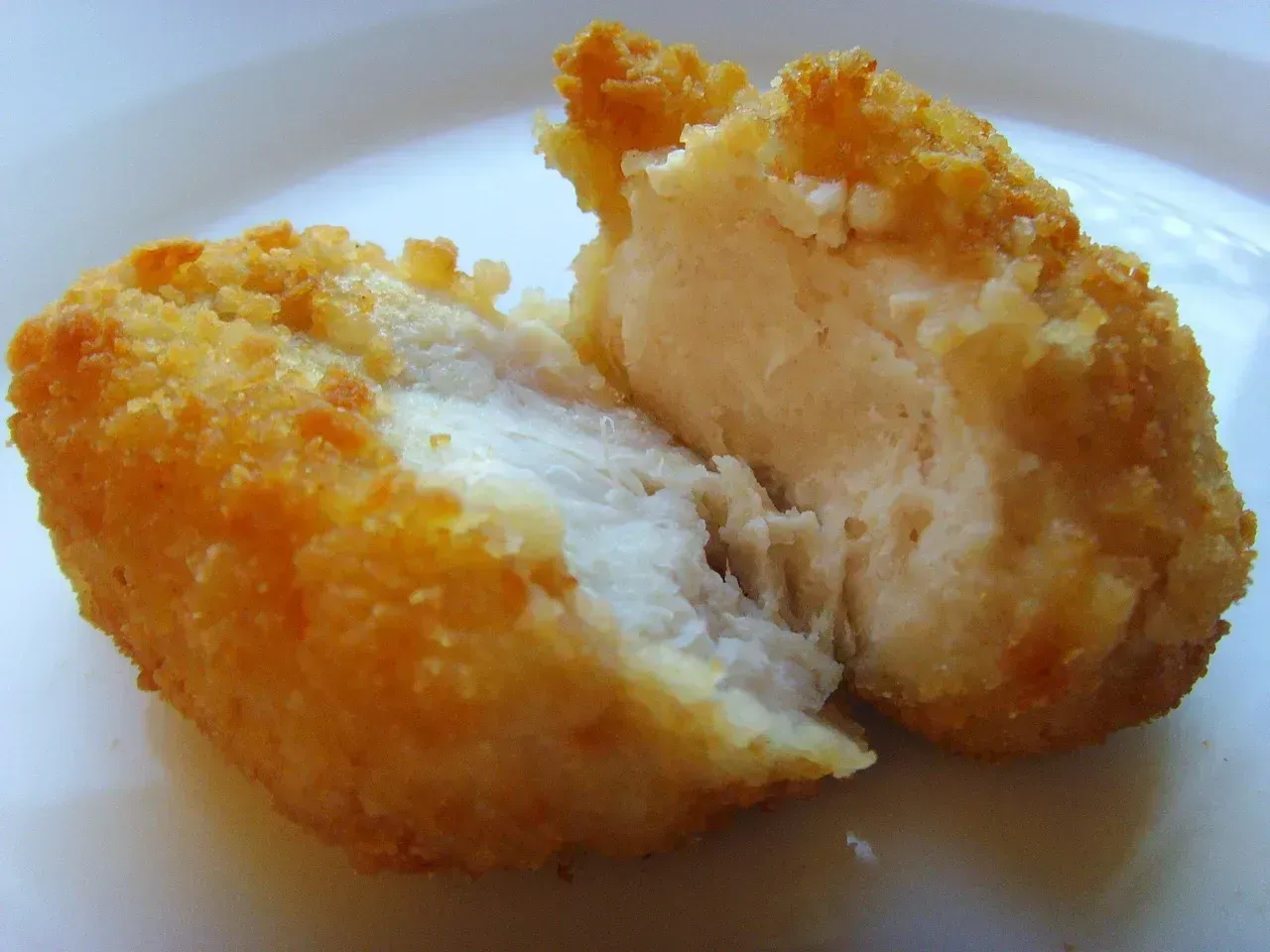
Chicken was cheap, like 29 cents per pound cheap, which meant families could buy a whole bird and fry it up at home before hitting the road. Coated in flour, salt, and pepper, then fried in a cast-iron skillet, this wasn’t fancy. It was practical. You could eat it cold, it traveled well, and kids didn’t complain about it getting soggy like sandwiches sometimes did.
Wrapped tightly in wax paper or tucked into Tupperware containers, fried chicken became a road-trip staple. The smell alone could fill a car for hours. Honestly, I think it tasted better at room temperature anyway. There’s something about that crispy skin after it’s been sitting for a while that just hits different.
Deviled Eggs Packed in Old Egg Cartons
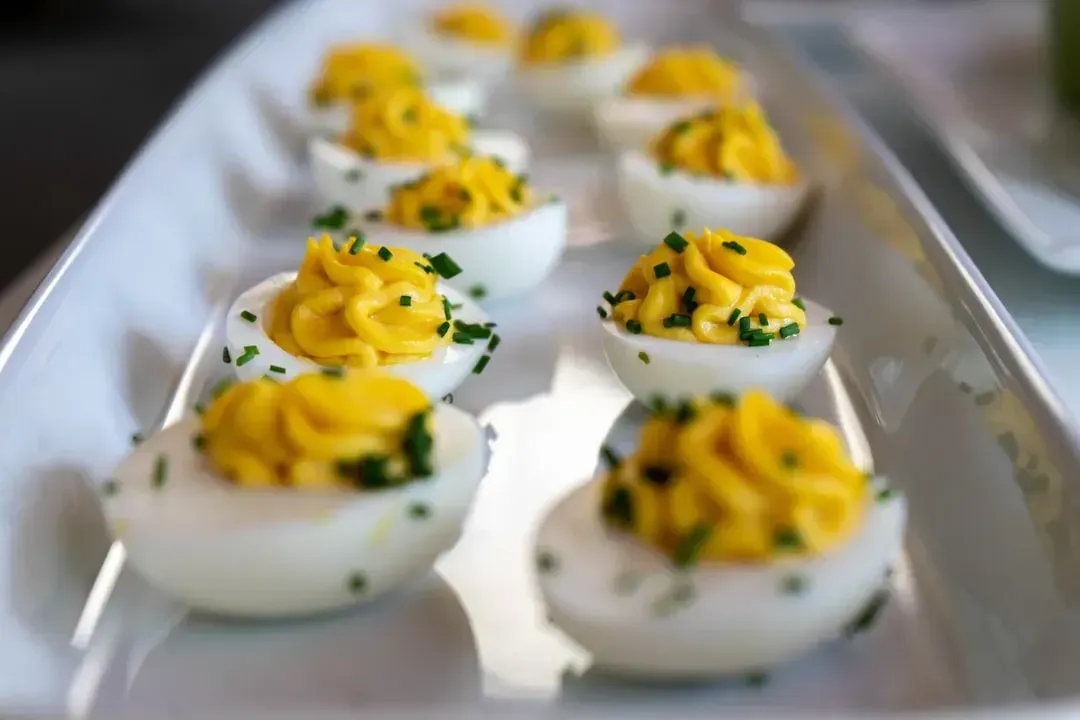
Deviled eggs were a clever road-trip food because they required no utensils and provided protein without the mess. Vintage recipes from the 1960s included deviled eggs as picnic favorites, and families would boil a dozen eggs the night before, slice them in half, and mix the yolks with mayonnaise, mustard, and a dash of paprika. Then they’d nestle them back into cardboard egg cartons for transport.
Sure, they could get a little funky if left in the sun too long. That’s why smart moms kept them buried under blankets or towels in the coolest part of the car. These little bites were filling enough to keep hunger at bay between rest stops.
Bologna and Cheese Sandwiches on White Bread
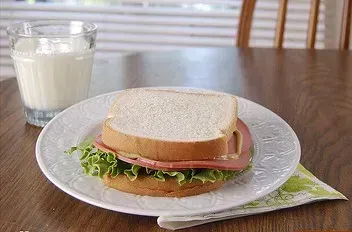
The humble bologna sandwich was everywhere in the 1960s. Sliced thin, layered with American cheese, slathered with mustard or mayo, and pressed between two slices of soft white bread. That’s it. Nothing fancy, nothing exotic. Convenience stores were not common and when families took a trip they packed a picnic basket because many places did not have fast food.
Parents made stacks of these sandwiches and wrapped them individually in wax paper. They’d hold up for hours without refrigeration. Kids didn’t care if the bread got a little smushy or if the cheese started sweating. It was familiar, it was easy to eat in a moving car, and it didn’t require a plate or fork.
Potato Salad in a Glass Jar
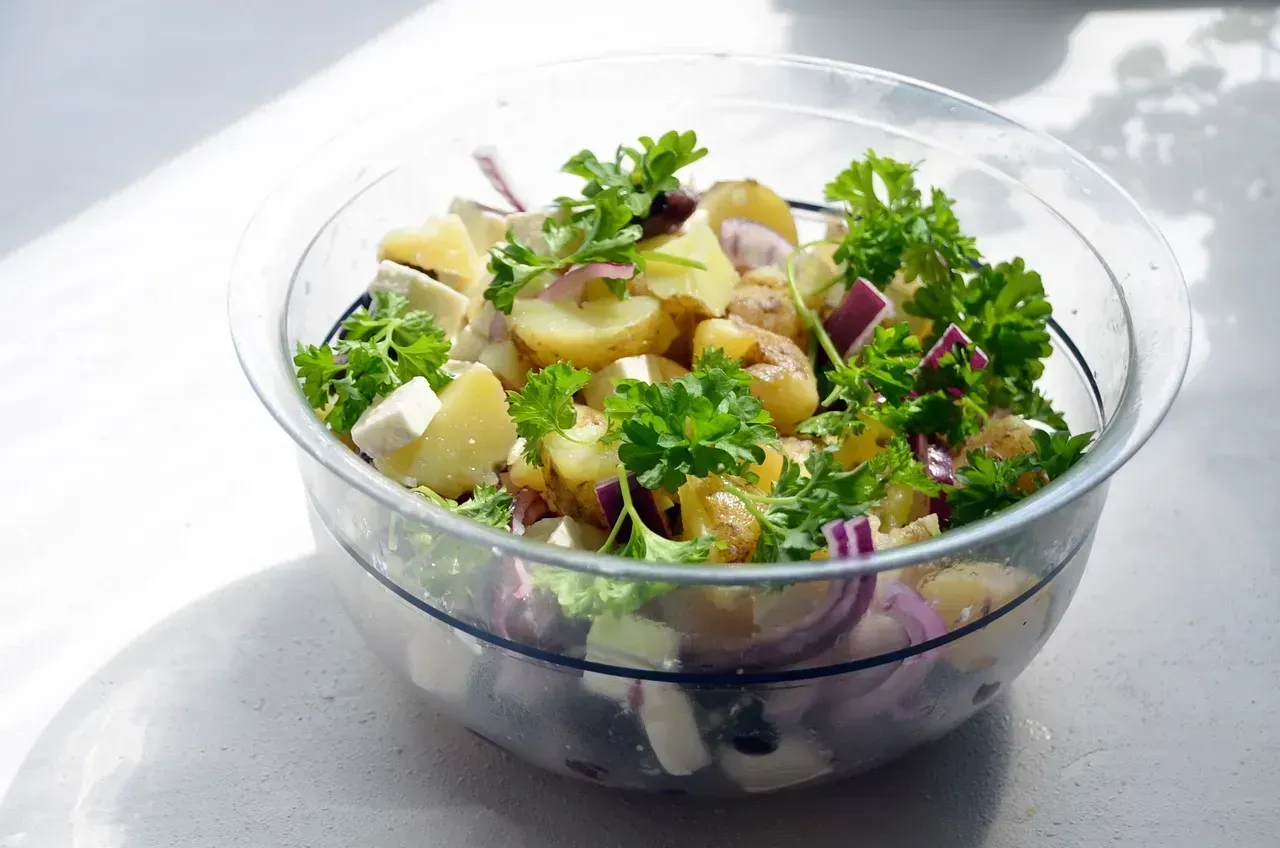
By the mid-20th century, the menu had shifted to include fried chicken, potato salad, fruit, sandwiches, and pies. Potato salad was a must for any road-trip picnic, even if keeping it cold was a challenge. Moms would boil potatoes, dice them up, mix in hard-boiled eggs, celery, mayo, mustard, and a little vinegar, then pack it all in mason jars or Tupperware bowls.
The trick was eating it early in the trip before it turned into a science experiment. Still, families risked it because potato salad felt like a real meal, not just a snack. Plus, it paired perfectly with fried chicken or sandwiches.
Howard Johnson’s Fried Clam Strips and Hot Dogs
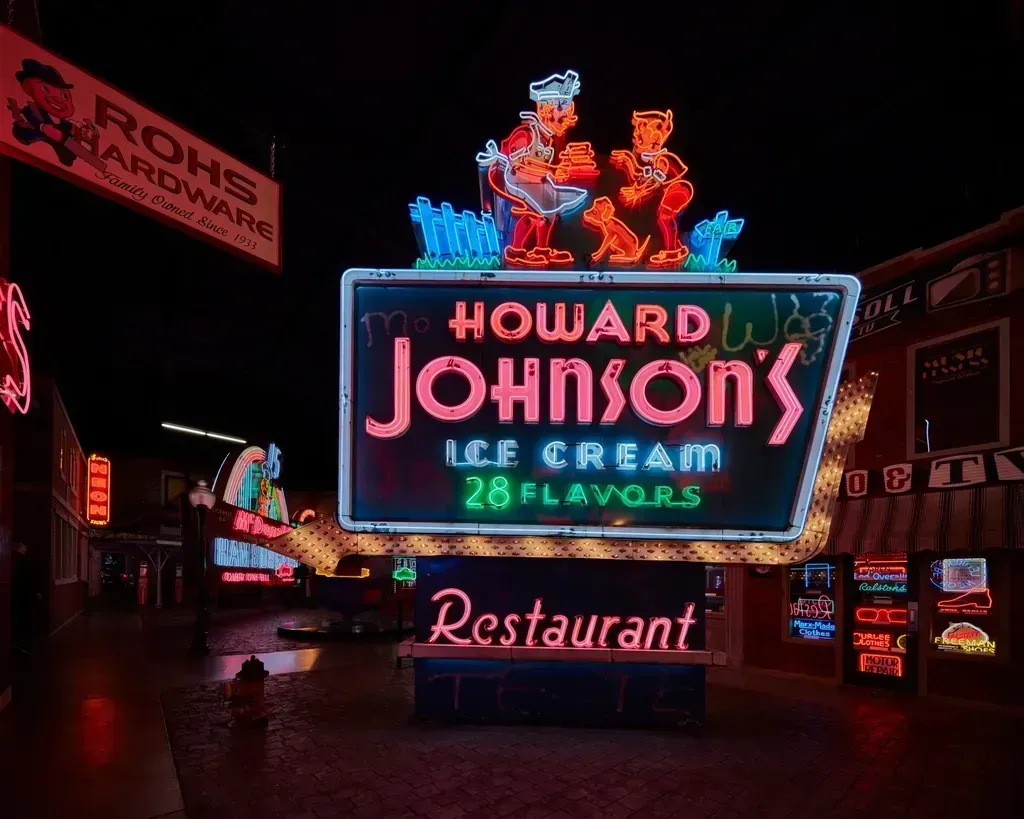
If you didn’t pack your own food, you stopped at Howard Johnson’s. By the mid-1960s, Howard Johnson’s was one of the largest restaurant organizations in the nation and one of the largest roadside hotel/motel chains, achieving a coast-to-coast presence in 1965. Those orange roofs with the white cupolas were impossible to miss, and families knew exactly what they were getting: consistency, cleanliness, and comfort food.
Howard Johnson pioneered several key concepts in the American way of dining out: roadside locations, a family-friendly ambience, franchising, predictability and serving comfort food. The fried clam strips were legendary. So were the hot dogs served in specially designed open-top buns. At one point during the 1960s era, the Howard Johnson Company was a major commercial food supplier in the United States, and by 1965 there were 265 restaurants and 770 motels. Kids loved the ice cream. Parents loved not having to clean up a picnic basket afterward.
Peanut Butter and Jelly on Soft White Bread
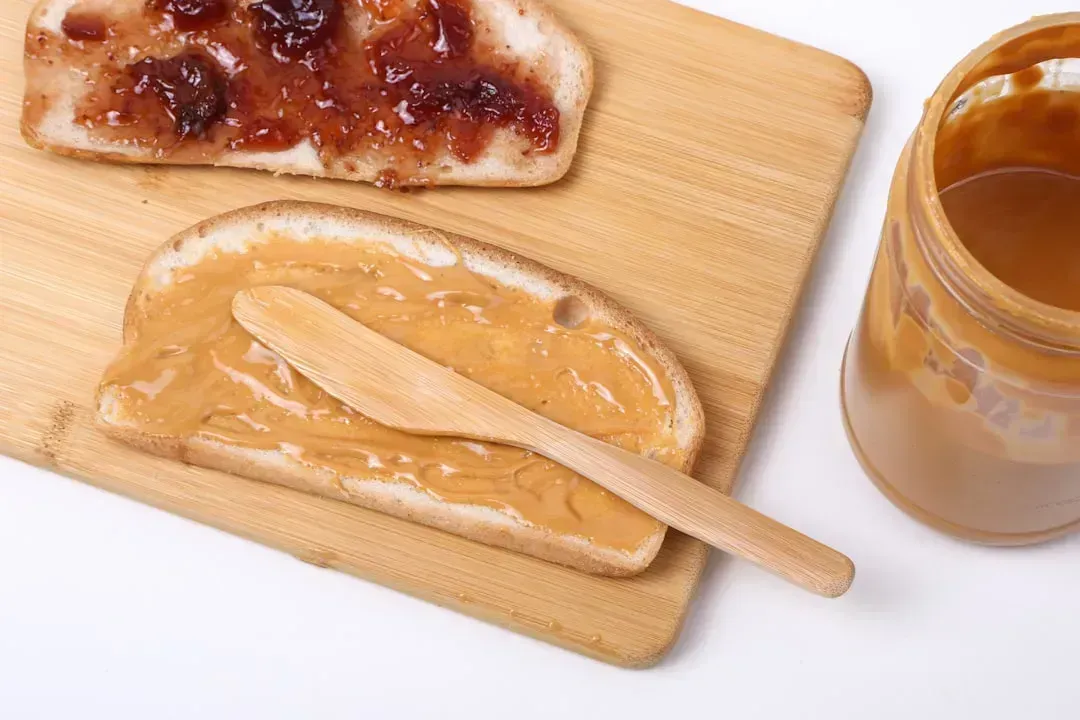
The PB&J was road-trip gold. Cheap, filling, and basically indestructible. You could make a dozen of them in ten minutes, wrap them up, toss them in a basket, and forget about them until someone got hungry. The grape jelly would soak into the bread a little, making it sweet and soft, while the peanut butter held everything together.
No one complained about PB&Js. They were what you ate when you were in the middle of nowhere with no restaurants in sight. A family passing peanut butter crackers and bottled water at a highway rest stop was a common sight. Simple, reliable, and nostalgic to this day.
Thermoses Full of Cold Lemonade or Iced Tea
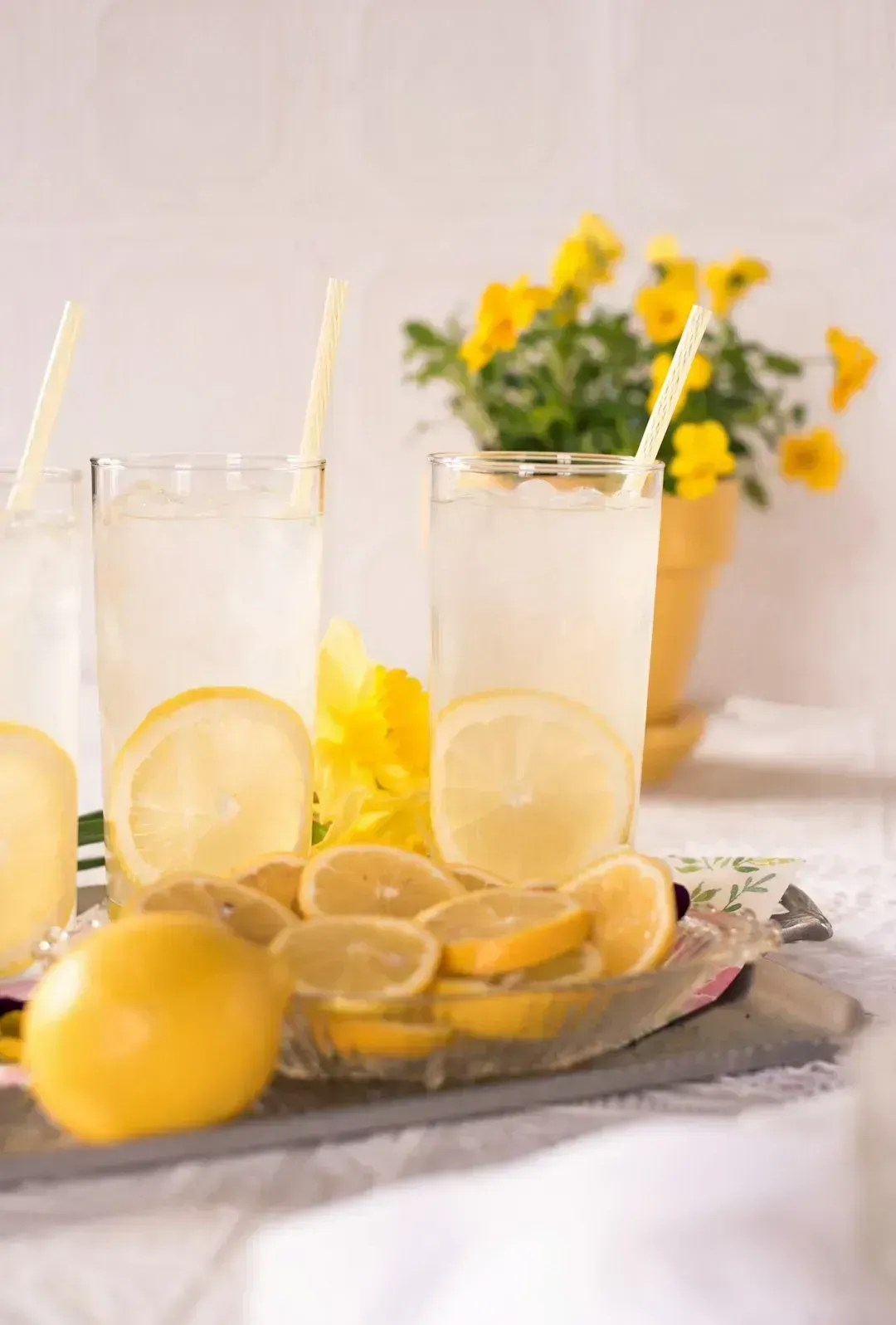
Before bottled water became a thing, families relied on thermoses. You’d fill one with homemade lemonade or sweet iced tea before leaving the house, and it would stay cold for hours. Wonderful picnic baskets were equipped with a Thermos bottle or two, plastic dishes, stainless steel cutlery, and salt and pepper shakers.
Passing around a shared thermos felt communal in a way that individual juice boxes never could. Sure, everyone’s lips touched the same cup, but that’s just how it was. The cold, sugary drink hit the spot on a hot day when the car’s air conditioning was either nonexistent or barely working.
Hard-Boiled Eggs with a Little Salt Packet
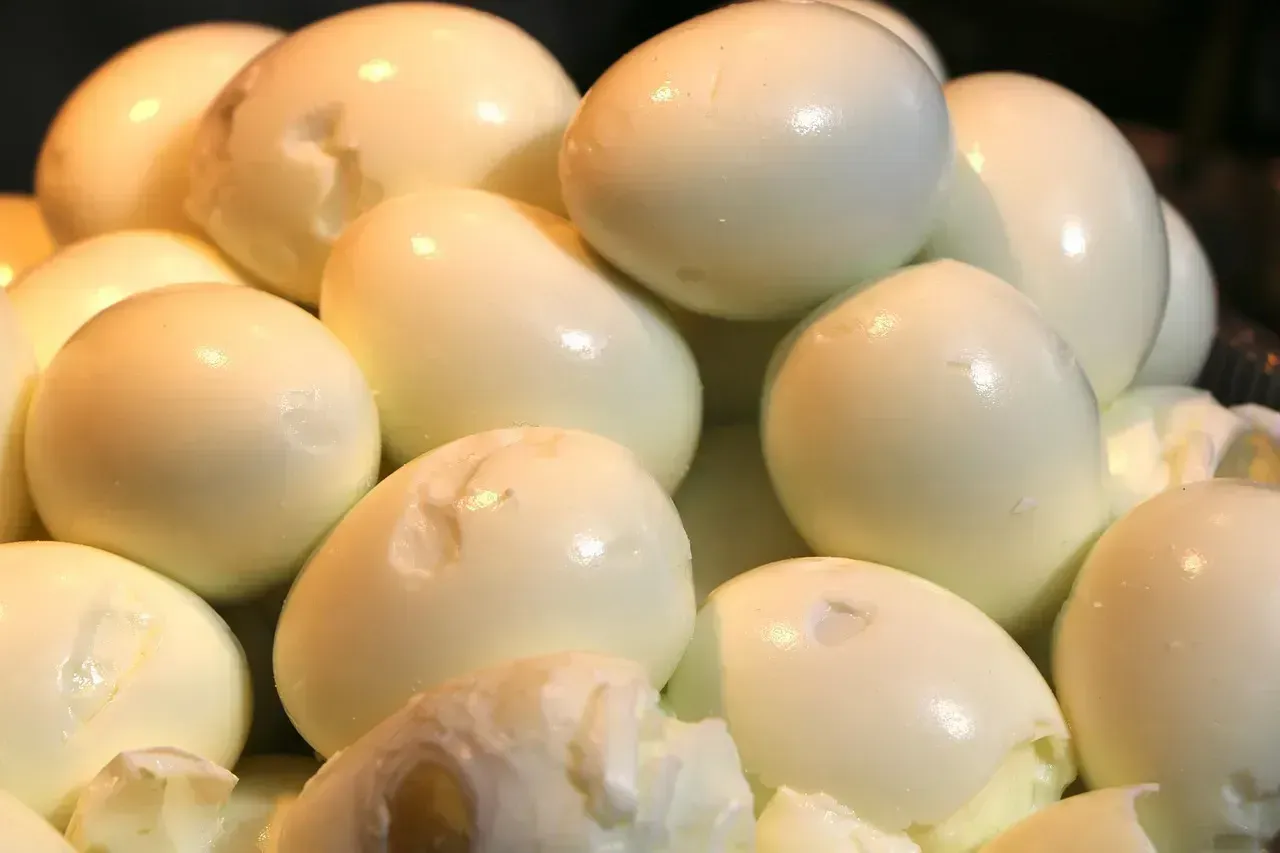
Hard-boiled eggs were another no-fuss protein source. Peel them, sprinkle a little salt on top, and you had a snack that kept you full without making a mess. Some families packed them whole in a bowl, while others pre-peeled them and wrapped them in foil.
They weren’t glamorous, and honestly, they could make the car smell a little weird after a while. Still, eggs were cheap, easy to prepare the night before, and gave kids something to do with their hands while they stared out the window at endless cornfields.
Homemade Cookies and Brownies Wrapped in Foil
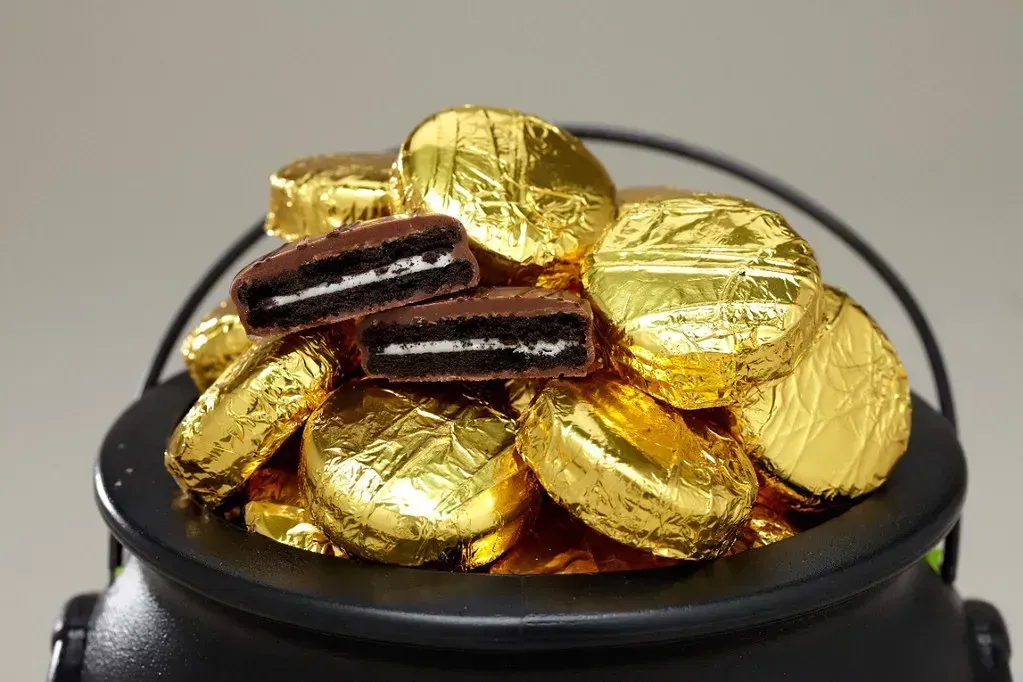
Dessert on the road was simple: homemade cookies or brownies baked the night before and wrapped in aluminum foil. Chocolate chip, oatmeal raisin, or fudgy brownies that crumbled in your lap. These treats weren’t fancy bakery items. They were made from scratch in home kitchens using basic ingredients.
There was always pudding, usually of the something and custard variety, but it came at the end of a main meal. Sweets were the reward for good behavior on long stretches of highway. They also served as bargaining chips when kids got restless. Nothing says “we’re almost there” quite like mom reaching into the picnic basket and pulling out a foil-wrapped brownie.