10 U.S. Towns Even Longtime Residents Warn You to Avoid
When Americans think of dangerous places, images of sprawling cities like Chicago or Los Angeles usually come to mind. We picture massive populations, crime statistics on the evening news, and neighborhoods to avoid after dark. The reality, though, paints a more complicated picture. Some smaller cities across the nation actually report crime rates that exceed those of their big city counterparts.
Residents who’ve called these places home for years will often admit something surprising. They’ll tell you straight up which blocks to skip, which neighborhoods never quite recovered from the economic downturns, and honestly, whether it’s worth staying at all. This isn’t about fearmongering or sensationalism. It’s about taking an honest look at communities grappling with serious challenges, backed by actual statistics and real voices from the ground.
Memphis, Tennessee: Where Crime Numbers Tell a Troubling Story

Memphis had the highest violent crime rate of cities over 100,000 population in 2024, with 2,501 violent crimes per 100,000 residents. The city recorded approximately 250 homicides in 2024. Longtime residents frequently mention gang violence and socioeconomic struggles as the driving forces behind these numbers.
There’s some hope on the horizon, honestly. Recent data from the Tennessee Bureau of Investigation shows overall crime dropped by 11 percent in 2024, driven by a huge drop in property crime, though violent crime rose slightly; homicides were down about 30 percent. Experts attribute Memphis’s crime surge to socioeconomic disparities, rampant gang violence, and a shortage of police officers, but the Memphis Police Department continues to push community-based policing efforts. Let’s be real, though. Progress doesn’t erase the reality that this city consistently ranks among the most dangerous in America.
East St. Louis, Illinois: A City Struggling to Recover
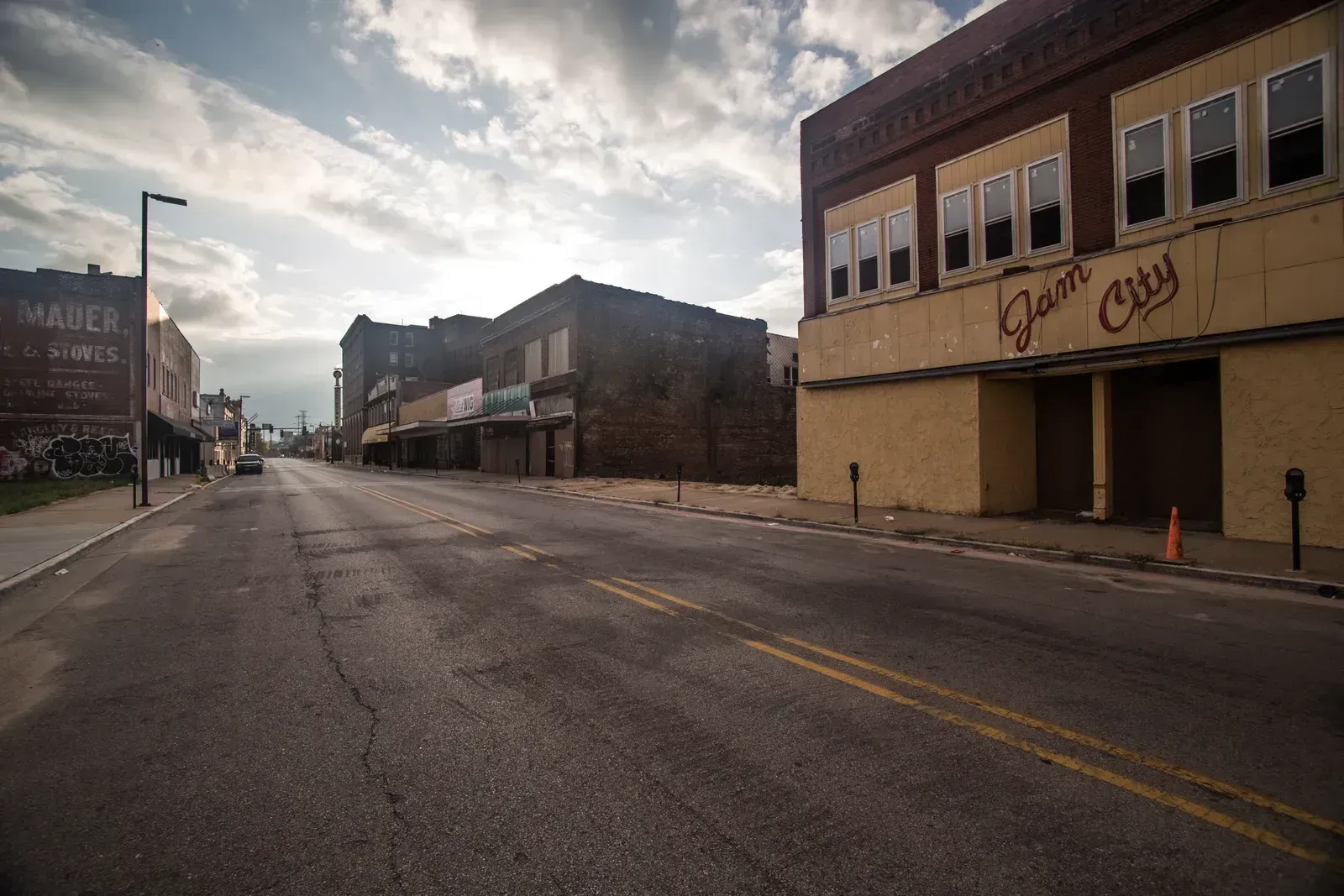
East St. Louis has one of the highest murder rates among U.S. cities per capita, according to multiple analyses. In 2024, the Metro East city recorded 20 homicides, down from a recent peak of 37 in 2017. This represents significant progress, but the numbers remain alarming for a city with roughly 18,000 residents.
Once a bustling industrial center like many cities in the Rust Belt, East St. Louis was severely affected by the loss of jobs due to globalization, with its population declining from 82,366 in 1950 to 18,469 as of 2020. The unemployment rate is nearly 20 percent as existing jobs are often unavailable or out of reach for unemployed residents due to the need for additional skill-building or job-training programs. Residents describe neighborhoods where abandoned buildings create pockets of instability, and even locals recommend extreme caution in certain areas.
Detroit, Michigan: Making Progress but Still Dangerous
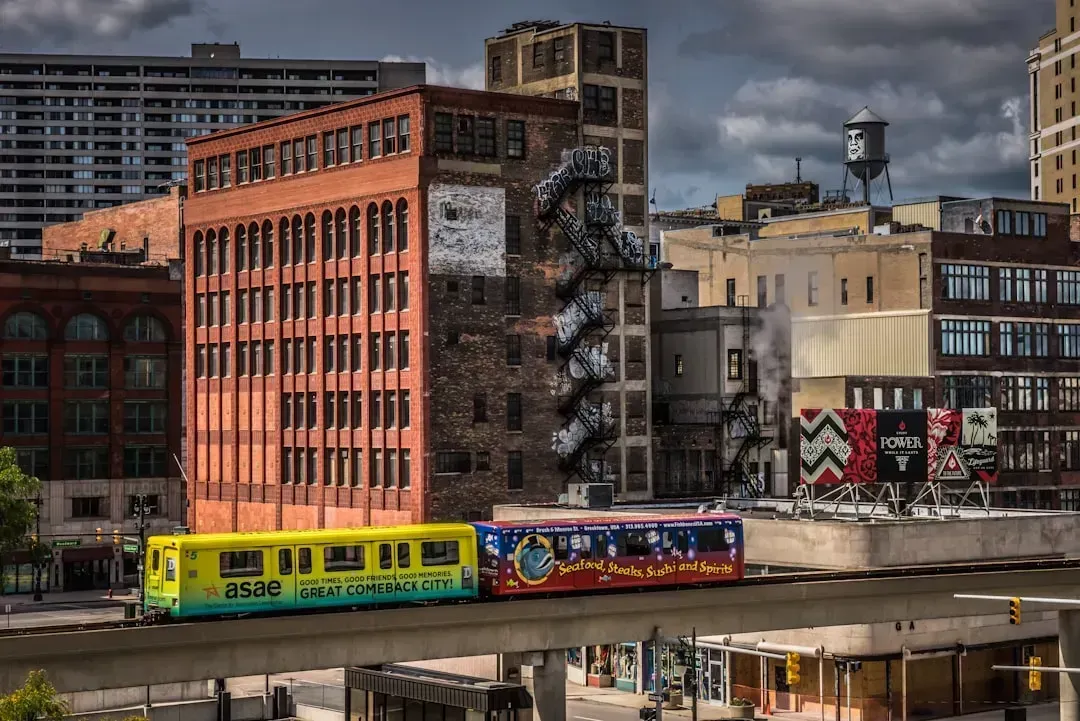
Detroit had a violent crime rate of 1,781 per 100,000 residents in 2024. Here’s the thing, though: Detroit is still considered one of the most dangerous cities in the country, but things are improving quickly, with the city having its lowest number of homicides in over 50 years in 2024.
Detroit has made strides over the past decade, but violent crime remains a significant concern, with high rates of aggravated assaults and robberies in 2024, as many neighborhoods continue to suffer from poverty, abandoned properties, and limited access to education and healthcare. Although revitalization efforts have improved downtown areas, many neighborhoods continue to suffer from poverty, abandoned properties, and limited access to education and healthcare. Locals advise exercising caution outside the revitalized downtown core, where decades of economic decline left their mark.
St. Louis, Missouri: High Crime Despite Recent Improvements

St. Louis holds the dubious distinction of being one of the most dangerous cities in the United States, with a violent crime rate of 14.70 per 1,000 residents and high volumes of aggravated assaults. Among medium-sized cities, St. Louis had the highest murder rate in 2024, though more recent reporting shows homicide rates fell approximately 22 percent in the first half of 2025, the lowest mid-year murder numbers in more than a decade.
The city’s crime rate reflects broader social and economic hardships, with recent data showing juvenile crime accounts for a disproportionate share of violent incidents and relaxed firearm regulations contributing to the 85 percent firearm-related homicide rate. According to Neighborhood Scout data, you have a one in 70 chance of falling victim to a violent crime in St. Louis compared to a one in 218 throughout the rest of the state. Residents frequently warn visitors that crime concentrates in particular neighborhoods while other areas remain relatively safe.
Baltimore, Maryland: A City Known as “Bodymore”

In 2024, Baltimore had one of the highest homicide rates in the country based on FBI crime reports. Baltimore is often referred to as Charm City but due to the high rate of violent crimes it has been given the unflattering nickname Bodymore. That’s a nickname locals know all too well, sadly.
Baltimore grapples with social and economic challenges, including racial segregation, underfunded public schools, and several single-parent households, which limit residents’ upward mobility and access to opportunity. Baltimore ranked second in murders while maintaining its position as the nation’s leader in robbery rates, with crime challenges stemming from decades of economic decline, the opioid crisis, and systemic issues, though the city showed remarkable progress with robberies and auto thefts down in mid-2025 and the homicide clearance rate jumping from 40.3 percent in 2020 to 68.2 percent in 2024.
Gary, Indiana: A Former Manufacturing Hub Facing Hard Times
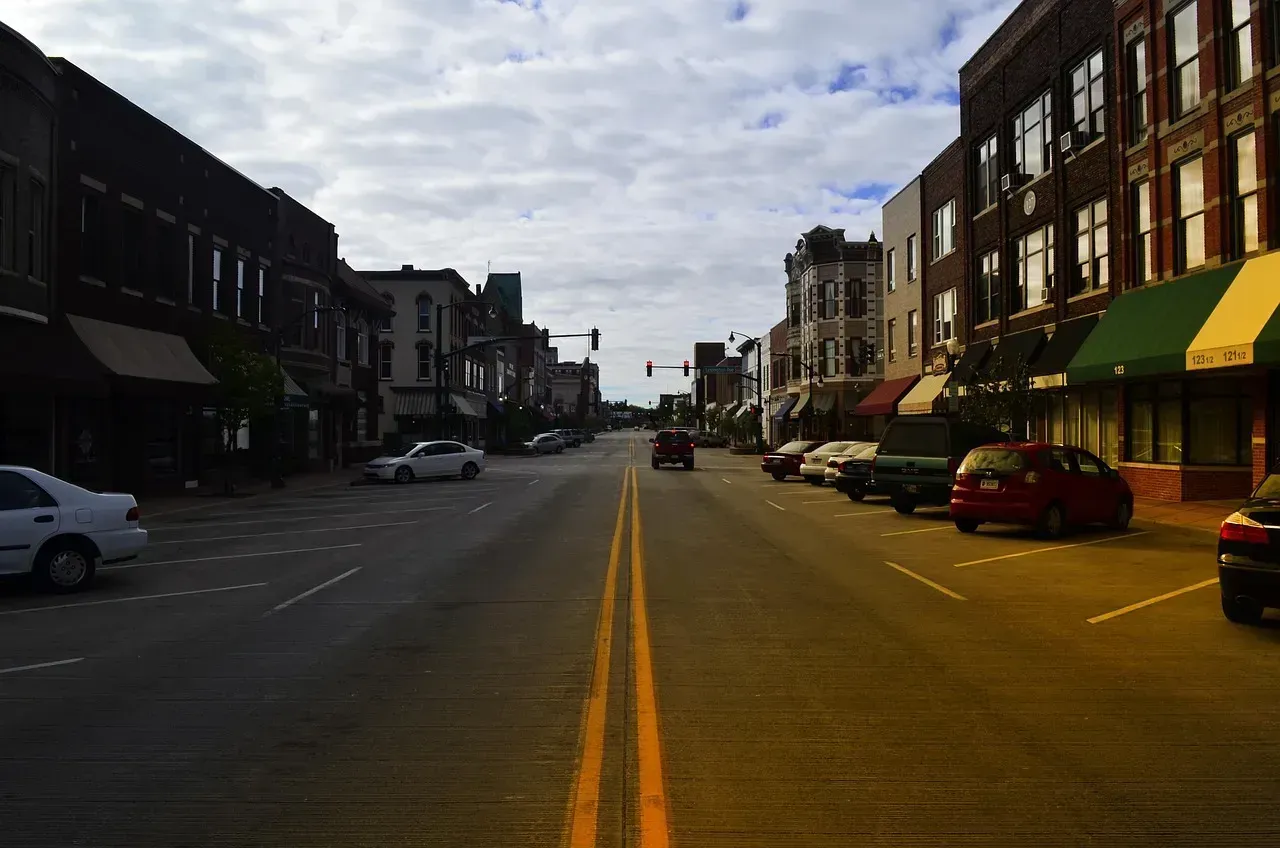
With a crime rate of 37 per one thousand residents, Gary has one of the highest crime rates in America compared to all communities of all sizes. Your chance of being a victim of violent crime in Gary is 1 in 112 and property crime is 1 in 35. The city’s reputation precedes it, frankly, with most Chicago-area residents knowing to avoid it.
There is some good news worth mentioning. Homicides saw a decline, falling from 52 in 2023 by 23 percent to a total of 40 cases, the lowest number recorded since 2018. The city saw a 10 percent decrease in the number of non-fatal shootings as they dropped from 147 incidents in 2023 to 132 in 2024, with homicides decreasing by 23 percent from 52 cases in 2023 to 40 in 2024. Residents credit improved policing and community engagement, but many still recommend extreme vigilance.
Little Rock, Arkansas: Violent Crime Remains a Concern
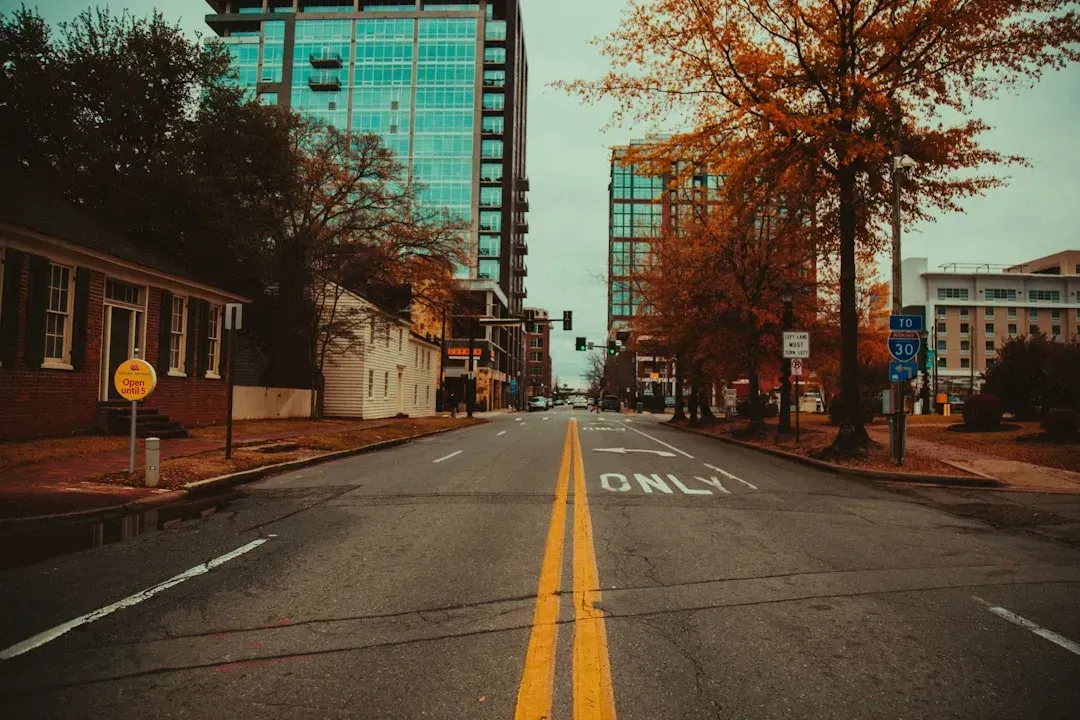
Little Rock’s crime landscape is heavily marked by violent crime, particularly aggravated assault, which significantly influences the community’s sense of safety, with a violent crime rate of 18.25 per 1,000 residents. In 2024, Little Rock recorded 37 murders, a 42 percent decline from 2023, but its overall crime rate is still 209 percent higher than the national average.
Little Rock typically sees 1,833 violent crimes per 100,000 residents, and residents should be particularly careful around areas like South End, Oak Forest, Stephens, and Boyle Park. Longtime residents warn that certain neighborhoods require constant awareness and caution. The city struggles with gang activity and drug-related crime that continues to affect community safety, despite recent improvements.
Birmingham, Alabama: Southern Violence Hot Spot
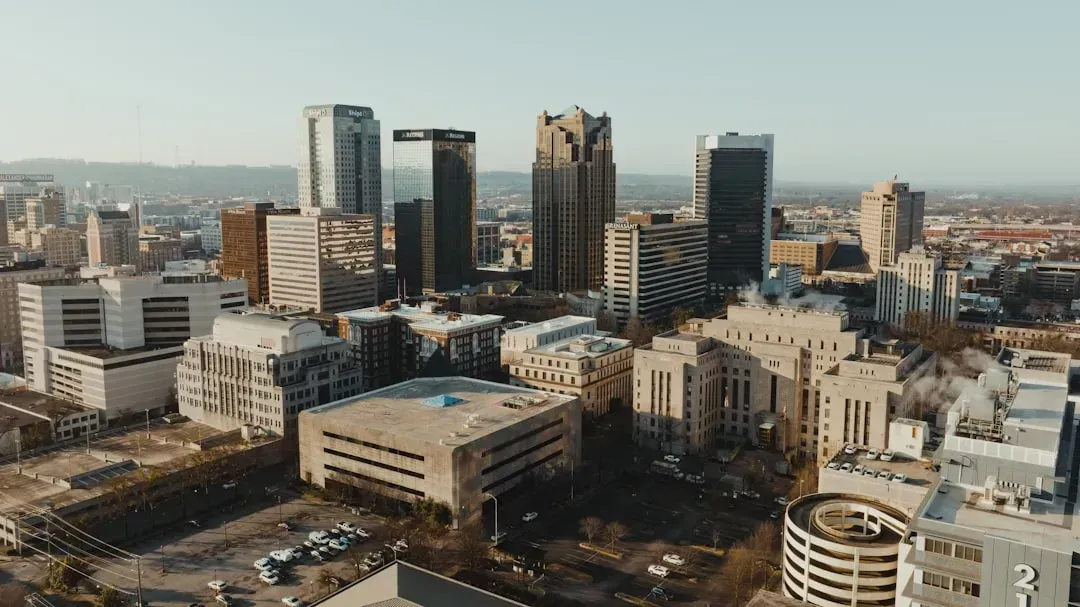
Birmingham stands out for having one of the highest violent crime rates in the southern United States. Birmingham has long struggled with violence tied to poverty, gun access, and concentrated disadvantage, and while homicides have declined since 2024, violent crime overall has increased mainly because aggravated assault rose nearly 10 percent in the first half of 2025.
Birmingham had the highest cost of crime among large cities, with a violent crime rate of 1,682 per 100,000 residents and a property crime rate of 4,173 per 100,000 residents. The city faces enormous challenges related to economic opportunity and access to resources. Mayor Randall Woodfin has implemented initiatives to address gun violence, but longtime residents acknowledge the city’s struggles are far from over.
Kansas City, Missouri: Record-Breaking Violence

Kansas City experiences a significant volume of violent crime at 14.83 per 1,000 people, particularly aggravated assault. With nearly 1,400 violent crimes per 100,000 residents in 2024, homicides and gun-related violence have surged. The city recorded 176 homicides in 2023, with concentrated violence in East Side neighborhoods where life expectancy drops to 67 years.
Kansas City emerged as the top city for vehicle theft in 2024, with over 5,000 stolen auto reports in just the first eight months, with about half involving Kias and Hyundais which are particularly easy to steal. Residents describe growing frustration with carjackings and property crime. City officials are investing in new policing technologies, but locals warn that poverty and lack of opportunity remain critical underlying issues.
New Orleans, Louisiana: Crime Behind the Festive Facade

New Orleans enjoys a livability score of 75, but it typically receives an F in the crime department, with its crime rate higher than the national average by a whopping 161.8 percent. New Orleans is renowned for its rich culture and vibrant life, but it faces significant challenges with violent crime, particularly aggravated assault, with a violent crime rate of 14.46 per 1,000 residents.
Visitors should particularly exercise caution in sketchy neighborhoods like Tulane-Gravier, Tremé, Central City, and Saint Roche, which exhibit more criminal activity than the rest of the city. New Orleans tops the list with 46 homicides per 100,000 people, giving it one of the highest per capita murder rates in the nation. The city’s tourist areas often mask the reality of violence that longtime residents face daily. Did you expect some of these smaller cities to have crime rates exceeding major metropolitan areas? What would you have guessed?