I Claimed Social Security at 65 and Regret It – Here’s the Real Reason Why
Thinking you’ve planned perfectly for retirement only to realize you made a costly error isn’t just frustrating. It’s a wake-up call that hits hard when those monthly checks start arriving and you realize they’re permanently smaller than they could have been. Let’s be real, claiming Social Security at 65 sounds reasonable at first glance, especially when you’re eager to step away from work and finally enjoy life. The problem is that age 65 is no longer the magic number it used to be, and the financial consequences of misunderstanding today’s system can follow you for decades.
The Full Retirement Age Isn’t What You Think Anymore

The full retirement age used to be 65 years old, but Congress overhauled the program in 1983 to raise the retirement age threshold, and the FRA has been inching higher by two months at a time based on a person’s birth year. Most people still carry around that old assumption about 65 being the target, which is exactly why so many end up regretting their decision. For people born in 1959, the full retirement age is 66 years and 10 months old, with the higher FRA for that cohort going into effect in 2025, and people born in 1959 starting to qualify for their full benefits in November 2025. If you were born in 1960 or later, your full retirement age has stretched all the way to 67. Even claiming a month earlier than your FRA will reduce your benefits, although at a lower rate than at age 62. The gap between what people think their full retirement age is and what it actually is creates a permanent reduction in benefits that adds up to real money over time.
The Permanent Reduction Bites Harder Than Expected
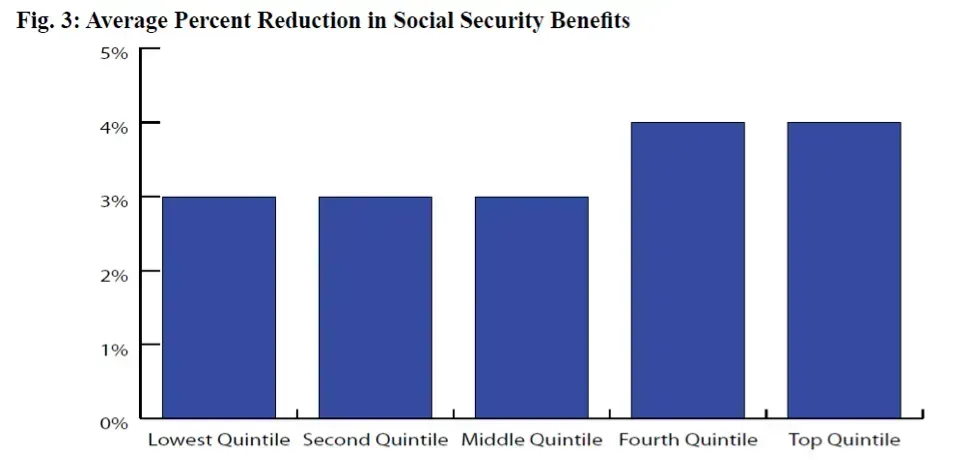
Here’s where the regret really sets in. If you start receiving benefits early, your benefits will be reduced a small percentage for each month before your full retirement age. That word “small” is misleading because those percentages compound quickly. If your full retirement age is 67 and you elect to start benefits at age 62, the SSA will calculate your payments based on the fact that you are taking the benefit 60 months before full retirement age – a 20% reduction for the first 36 months and another 10% for the remaining 24 months, cutting your monthly Social Security benefits by a total of 30%. Starting at 65 instead of your actual FRA means you’re still locked into a reduction that persists for life. The benefit amount you first receive sets the base for the amount you will receive the rest of your life. No do-overs exist in the Social Security system once you’ve made that choice.
Missing Out on Delayed Retirement Credits Stings

The percentage of the increase depends on your year of birth – it’s 8% per year for those born in 1943 or later. Every single year you delay past your full retirement age up until 70 earns you an additional 8% boost to your monthly payment forever. For every month from your FRA until age 70 that you postpone filing for benefits, Social Security increases your eventual benefit by two-thirds of 1 percent – a total of 8 percent for each year you wait. Let’s put that in perspective. You can earn delayed credits until age 70, when you’d receive 132% of your full retirement benefit, so if you’d receive $1,000 per month at your full retirement age of 66, delaying your benefits to age 70 would boost your monthly check to $1,320. Honestly, walking away from those credits feels worse when you realize it’s a guaranteed return you can’t get anywhere else. The regret deepens when you calculate how much income you’ve forfeited over a 20 or 30-year retirement.
Life Expectancy Makes the Math Even More Painful

The life expectancy for men reaching age 65 on April 1, 2025, is age 84.3, and for women reaching age 65 on April 1, 2025, life expectancy is now 86.9. Most people underestimate how long they’ll actually live in retirement, which is a critical error when deciding when to claim. If you’re reasonably healthy and your family has a history of longevity, claiming early means decades of reduced payments. The breakeven point where delaying benefits pays off typically falls somewhere between your early to mid-80s. The three starting ages give approximately the same present value for death ages around 84 or 85, with the Social Security Administration’s 2023 actuarial life table based on 2020 data giving a life expectancy of 81 years for a 62-year-old male and 84 years for a 62-year-old female. Living beyond those years means you’re leaving substantial money on the table for the remainder of your life.
Working After Claiming Creates a Double Penalty

If you are younger than full retirement age and earn more than the yearly earnings limit, your benefit amount may be reduced, and if you are under full retirement age for the entire year, Social Security deducts $1 from your benefit payments for every $2 you earn above the annual limit, which for 2025 is $23,400. Many people claim at 65 thinking they’ll keep working part-time or consulting, only to discover this harsh reality. You’re not only receiving a permanently reduced benefit but also getting penalized on current payments if you exceed earnings thresholds. In the year you reach full retirement age, Social Security deducts $1 in benefits for every $3 you earn above a different limit, which in 2025 is $62,160. The irony is brutal – you claimed early thinking you’d have more financial flexibility, but instead you’re getting hit twice.
Spousal and Survivor Benefits Take a Hit Too

The damage from claiming at 65 extends beyond your own retirement checks. If your spouse passed away before claiming their retirement benefits, your survivor benefits may be greater, but if your spouse had initiated retirement benefits early – say, at age 62 – the maximum survivor benefits you can receive will be lower than if they had claimed these benefits later or had not claimed them. Your decision to claim early reduces not only what you receive but potentially what your spouse could receive as a survivor. Survivor benefit payments start at 71.5% of your spouse’s benefit and increase the longer you wait to apply, and you can get up to 100% when you reach your Full Retirement Age for Survivor benefits (between ages 66–67). If you’re married, claiming early becomes a decision that affects two lifetimes of income instead of just one. That realization often comes too late for many couples.
The Rising Full Retirement Age Keeps Catching People Off Guard
In 2023, a little over 14% of Social Security beneficiaries applied somewhere between age 65 and their full retirement age. Thousands of people each year make the same mistake because they’re operating on outdated information. This is the final step in a gradual schedule to increase the retirement age from 65 to 67, initiated by the 1983 amendments to the Social Security Act, intended to reflect longer life expectancies, reduce financial strain on the program, and bolster the trust fund. The messaging around Social Security hasn’t kept pace with the actual changes in the law. People hear “retirement age” and automatically think 65 because that’s what their parents experienced. The gap between perception and reality costs billions in unrealized benefits across all retirees annually.
The Psychological Impact of a Permanent Decision

Beyond the dollars and cents, there’s an emotional toll to knowing you locked yourself into a suboptimal choice. Every monthly deposit becomes a reminder of what could have been. Research on decision-making regret shows that irreversible choices create more lasting dissatisfaction than mistakes you can correct. In December 2022, 64 percent of all retired workers who were receiving Social Security benefits had chosen to begin receiving benefits before their full retirement age, let alone age 70, and for those who initiated benefits in 2022, the most popular retirement age was the earliest possible age, 62, with 27 percent choosing this option while only 10 percent were 70 years old. Knowing you’re far from alone doesn’t make it easier. You start second-guessing other retirement decisions and wondering what else you might have gotten wrong in your planning.
Limited Options to Fix the Mistake

Once you’ve claimed Social Security, your options to correct the decision are extremely limited. There’s a 12-month window from your initial claim where you can withdraw your application, but you must repay every dollar you’ve received. After that window closes, you’re stuck with your decision permanently. Some people discover they can voluntarily suspend benefits once they reach full retirement age to earn delayed retirement credits going forward, but this doesn’t erase the initial reduction you locked in. If you’ve already reached full retirement age, you can choose to start receiving benefits before the month you apply, but Social Security cannot pay retroactive benefits for any month before you reached full retirement age or more than six months in the past. The system offers virtually no grace period for people who realize they made an error based on misunderstanding the rules.
The Real Cost Over a Full Retirement

Let’s talk actual numbers because that’s where the regret becomes undeniable. As of August 2025, the average Social Security monthly check for retired workers was $2,008.31 according to the SSA’s Monthly Statistical Snapshot. If someone with a full retirement age of 67 claims at 65 instead of waiting until 67, they face roughly a 13% permanent reduction. That cuts approximately $260 per month from their checks. Over 20 years of retirement, that’s more than $62,000 in lost income. Waiting until 70 would have increased their benefit by 24% compared to their full retirement age, turning that $2,008 into nearly $2,490 per month. The average claiming age has increased, with both birth-year data and claim-age data showing an increase from age 63 to 65, which falls short of the three-year increase in the average retirement age. More people are recognizing the value of delay, which makes those who claimed at 65 feel even worse about their choice.
What could you have done differently? The answer seems obvious now but wasn’t clear then. You could have tapped retirement savings for a few years, worked a bit longer, or reduced expenses to delay claiming until at least your full retirement age or ideally age 70. Hindsight always has perfect vision, though that doesn’t ease the sting of a decision you’re living with every single month. Did you make the same mistake, or are you still weighing your options? What’s your claiming strategy looking like?