4 Literary Hoaxes That Fooled the World Before Being Revealed
Literature has always carried a kind of sacred trust. Readers believe that what they hold in their hands – whether a diary, a memoir, or a manuscript – reflects some version of truth. That trust, it turns out, is shockingly easy to exploit. Over the years, writers have fooled readers with fake diaries, false memoirs, and poems wrongly attributed to famous authors, and some of these hoaxes fooled millions, influenced other writers, and even shaped artistic movements. The four cases below stand as some of the most audacious deceptions in literary history, each one revealing just how far people will go – and how desperately audiences want to believe.
1. William Henry Ireland and the Fake Shakespeare Papers (1794–1796)
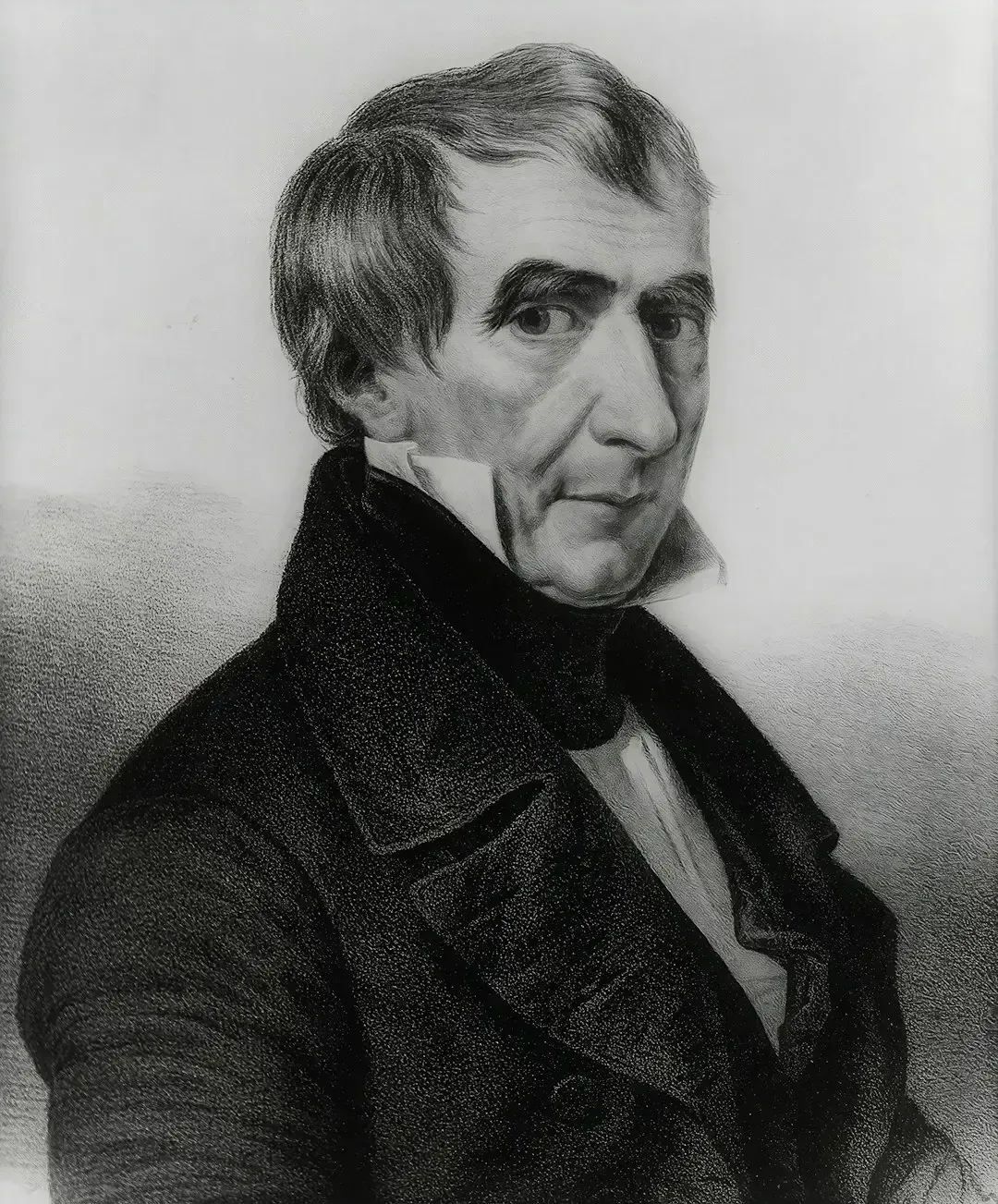
What started as a ploy to win the respect of a chilly, Shakespeare-worshipping father grew quickly into one of the most audacious literary hoaxes in history. In a burst of manic energy in 1795, a young law clerk named William Henry Ireland produced a torrent of Shakespearean fabrications: letters, poetry, drawings, and, most daring of all, a play longer than most of the Bard’s known works. In December 1794, William told his father that he had discovered a cache of old documents belonging to an acquaintance who wanted to remain unnamed, and that one of them was a deed bearing Shakespeare’s signature. The timing was perfect – scholars of the era desperately longed for tangible remnants of Shakespeare’s handwriting, and Ireland knew it.
This led to the creation of not just one or two extra Shakespeare documents, but a long list of them – including a letter from Queen Elizabeth, Shakespeare’s profession of faith, a poem for his future wife Anne Hathaway, a manuscript for King Lear, and two previously unknown plays: Vortigern and Rowena and Henry II. Those deceived by the fraud included politicians, aristocrats, a number of leading scholars, and even royalty – the Duke of Clarence was a believer. Dr. Johnson’s biographer, James Boswell, on seeing the papers, knelt and kissed them, exclaiming “thanks to God that I have lived to see them.” He died a few months later, still convinced that the documents were genuine. On 31 March 1796, Shakespearean scholar Edmond Malone published his exhaustive study, An Inquiry into the Authenticity of Certain Miscellaneous Papers and Legal Instruments. His attack on the papers, stretching to more than 400 densely printed pages, showed convincingly that the papers could be nothing other than modern forgeries. William-Henry was initially relieved after confessing publicly to the forgeries. He had naively imagined that once all was known, he would be admired for his ingenuity and writing talent, but he found himself disgraced as a fraud.
2. The Hitler Diaries Scandal (1983)
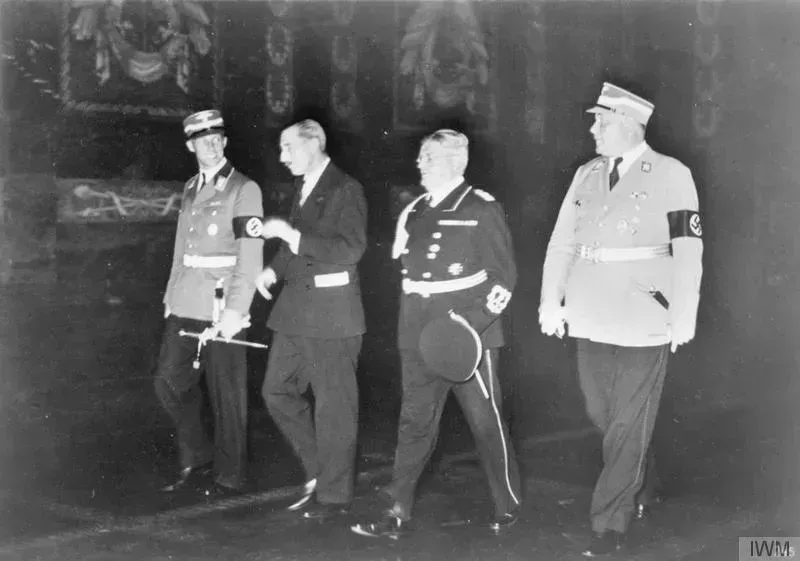
In April 1983, Der Stern publicly announced that it had purchased sixty-two volumes of Hitler’s diaries, covering the years 1932 to 1945. The magazine’s purchase price was equivalent to about 4.5 million US dollars – a huge sum at the time. The forger, Konrad Kujau, crafted a backstory involving the diaries being salvaged from a crashed plane that had carried Hitler’s documents, adding a layer of intrigue to the tale. The diaries passed three handwriting tests, and the Times of London and Newsweek engaged historians to examine the papers, with historian Hugh Trevor-Roper initially convinced of their authenticity.
The diaries had actually been produced between 1981 and 1983 by forger Konrad Kujau, who posed as a Stuttgart antiques dealer named Konrad Fischer and had previously forged and sold paintings also purportedly by Hitler. Within two weeks of publication, the West German Bundesarchiv had exposed the Hitler diaries as “grotesquely superficial fakes” made on modern paper using 1980s-era ink and riddled with historical inaccuracies. Kujau, along with Stern reporter Gerd Heidemann, who had brokered the deal and skimmed money from Stern’s payment, were both arrested, found guilty of theft and fraud, and sentenced to four and a half years in prison. Stern’s credibility was severely damaged by the scandal and two of its top editors were forced to resign. Murdoch’s Times had an editorial shake-up as well, with its editor forced to resign, and demanded its money back from the German magazine.
3. JT LeRoy: The Phantom Author of the Late 1990s and Early 2000s
JT LeRoy was presented as the pen name of author Laura Albert – an androgynous former truck-stop sex worker who supposedly channeled his sordid upbringing into raw, autobiographical fictions that captivated hip circles in the late 1990s and early 2000s. LeRoy was presented as the author of three books of fiction, which were purportedly semi-autobiographical accounts by a teenage boy of his experiences of poverty, drug use, and emotional and sexual abuse. In reality, LeRoy’s three books were written by a writer and artist named Laura Albert, who had developed JT’s persona while calling hotlines in her late 20s. Albert cast her 21-year-old sister-in-law Savannah Knoop as JT’s real-life manifestation.
Work credited to LeRoy was published in literary journals such as Francis Ford Coppola’s Zoetrope: All-Story and McSweeney’s Quarterly Concern. LeRoy was also credited as a contributing editor to BlackBook magazine and wrote for The New York Times, The Times of London, Spin, Film Comment, and Vogue, among others. Then in 2005, an article in New York Magazine sent a shudder through the literary world when it unmasked the Warhol-esque wunderkind of the underground, JT LeRoy, as a middle-aged Laura Albert. The whole thing was exposed as a hoax and Albert was charged with fraud. The story of JT LeRoy was the subject of a 2018 feature film based on Savannah Knoop’s memoir, directed by Justin Kelly, starring Laura Dern as Laura Albert and Kristen Stewart as Knoop.
4. The Protocols of the Elders of Zion: The Most Dangerous Literary Forgery
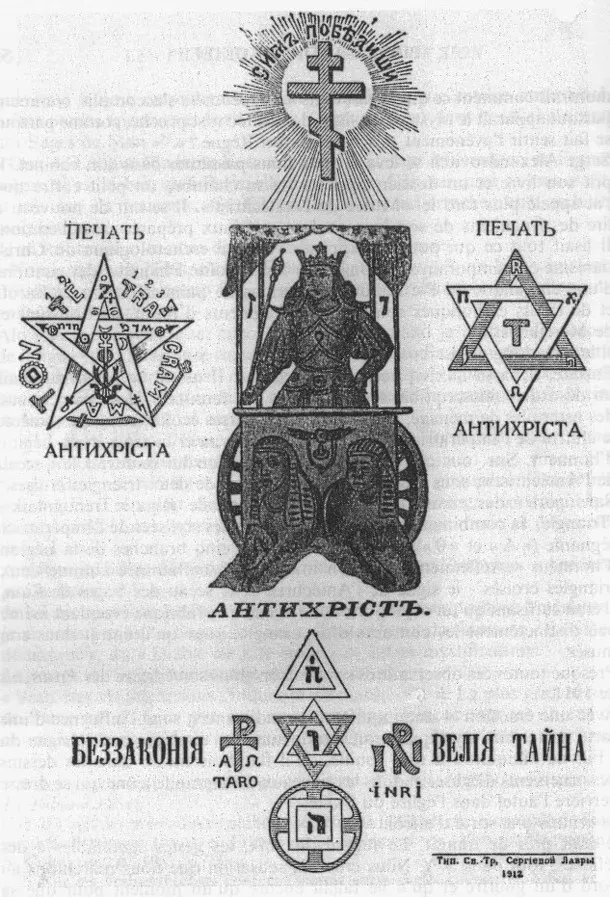
Consisting of 24 chapters that claim to document a plot for Jewish world domination, the Protocols of the Elders of Zion might just be the most dangerous hoax in history. This fabricated text, first published in Russia around 1903, claimed to reveal a secret Jewish conspiracy to control the world through manipulation of media, finance, and politics. Despite being proven a plagiarized work of fiction based on earlier anti-Semitic literature, the document spread globally and influenced government policies in multiple countries. Its reach was not limited to fringe groups – it penetrated the very highest levels of political power across multiple continents.
This purported connection between Jews and a supposed menace led to the Protocols’ popularity in America – it was disseminated by branches of the U.S. government and appeared in several newspapers, including the Dearborn Independent, owned by auto tycoon Henry Ford. Ford, who also published a series of anti-Semitic articles, paid to have 500,000 copies of the Protocols printed before court orders forced him to cease. Adolf Hitler quoted the Protocols in his book Mein Kampf, and the document soon became a powerful Nazi propaganda tool and was required reading for German schoolchildren. Today, despite overwhelming evidence that the document is a forgery and numerous attempts to ban the work, the discredited Protocols remain in print in parts of the world. The hoax had devastating real-world consequences, providing justification for persecution and violence while demonstrating how fabricated documents can fuel hatred and political movements.