5 Everyday Tools That Could Soon Be Prohibited in Backyards
The backyard has always been a private sanctuary – your space to mow, grill, bounce, and burn as you please. That freedom is quietly shrinking. Across the United States, a growing wave of local ordinances, state laws, and homeowners association rules is targeting some of the most common tools and fixtures people keep in their yards. The changes are already here for some Americans, and they’re coming fast for everyone else. Here are five everyday backyard tools that face serious restrictions or outright bans.
1. Gas-Powered Lawn Mowers
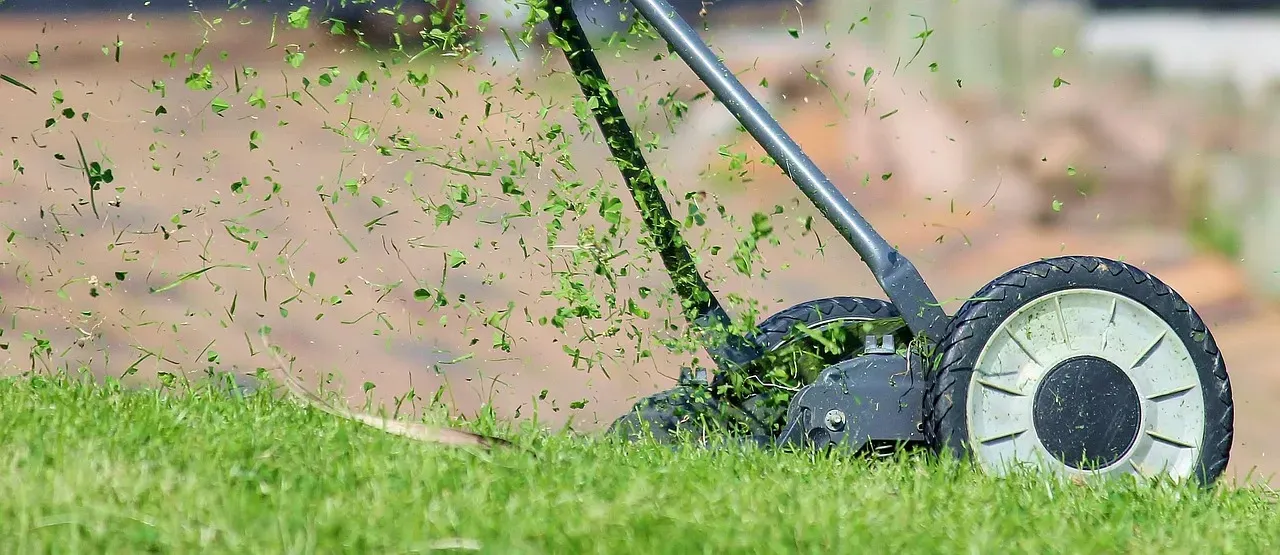
In January 2024, the State of California banned the sale of new small off-road engine-powered garden equipment, such as leaf blowers, lawn mowers, string trimmers, hedge trimmers, and small chainsaws. This was a landmark move that made California the first state in the country to take such sweeping action. The California Air Resources Board drew a striking comparison: one hour of use of a gas-powered lawn mower releases as much pollution as a Toyota Camry does over 300 miles.
The EPA estimates that operating a new gas-powered lawn mower emits the same amount of pollution as driving a car for 45 miles, and that more than 17 million gallons of gasoline are spilled while refueling lawn and garden equipment each year. Other states are watching closely. A bill in Minnesota, HF 1715, was introduced that would prohibit the sale of gasoline-powered lawn equipment like lawn mowers and leaf blowers after a certain date, requiring those products to be powered solely by electricity. Meanwhile, back in 2022, a bill called A3906 was introduced in New Jersey’s state legislature that would have gone well beyond leaf blowers – it proposed banning the sale of all gas-powered lawn equipment within three years and prohibiting its use altogether within five, covering lawn mowers, chainsaws, trimmers, and snow blowers.
2. Gas-Powered Leaf Blowers
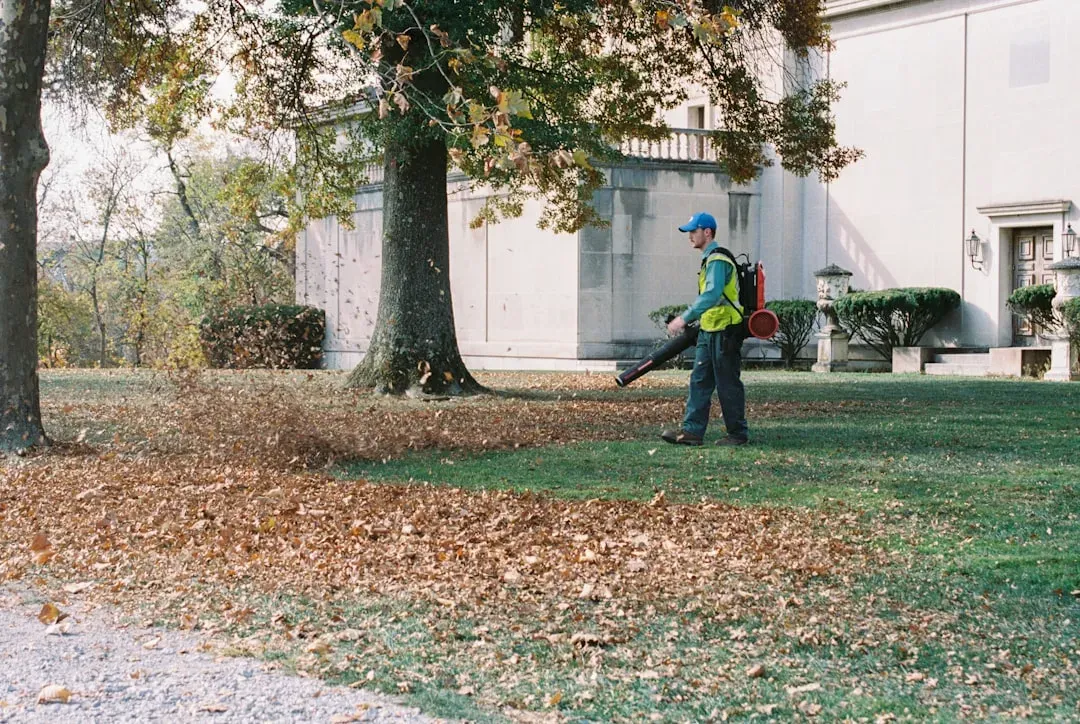
The town of Arlington, Massachusetts, approved a bylaw allowing for the gradual phase-out of gas-powered leaf blowers beginning in 2022. After seasonal commercial bans between 2023 and 2024, the second phase introduced a permanent ban on commercial use in March 2025. The final phase, which went into effect on March 15, 2026, includes a permanent ban on their use by any operator – including private residents. This is one of the most aggressive residential bans in the country so far.
Portland, Oregon, has also taken a significant step by deciding to phase out gas-powered leaf blowers starting in 2026, heading toward a full ban in 2028. During the transition, these devices can still be used from October to December in 2026 and 2027. After that, use will be completely banned, and violators will face fines starting at $250. The measure was unanimously passed in 2024. On the East Coast, Lexington enacted a ban for commercial leaf blowers that went into effect in March 2025, and it will extend to residential use in 2026. The trend is accelerating, not slowing down.
3. Backyard Fire Pits
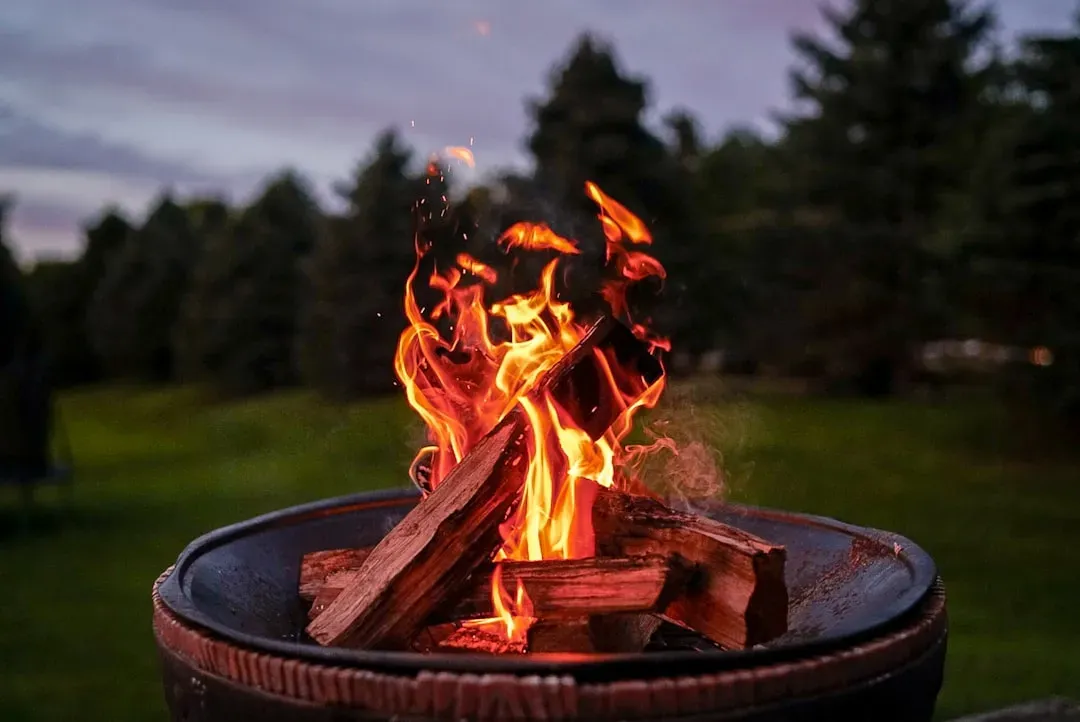
As patio fire pits and outdoor fireplaces have grown in popularity, so has backyard burning. Homeowners enjoy fire pits for warmth, recreation, and cooking. However, smoke from burning wood is made up of a complex mixture of gases and fine particles. Outdoor recreational fires can become a considerable source of fine-particle air pollution, especially in some metro areas. Children and teenagers, older adults, and people with heart or lung disease are particularly sensitive to the health effects of particle pollution in wood smoke.
Some locations ban all open burning outright. New York City, for example, prohibits most outdoor fires entirely. Meanwhile, other areas permit recreational fires with specific limitations. In New Jersey, a backyard fire cannot exceed three feet in diameter and two feet in height, it must sit at least 25 feet from any structure or property line, and burning leaves, grass, or trash is already prohibited statewide. New York State enforces an annual statewide ban prohibiting residential brush burning from March 16 through May 14, a policy enforced by the DEC since 2009 to prevent wildfires and protect communities.
4. Backyard Chicken Coops
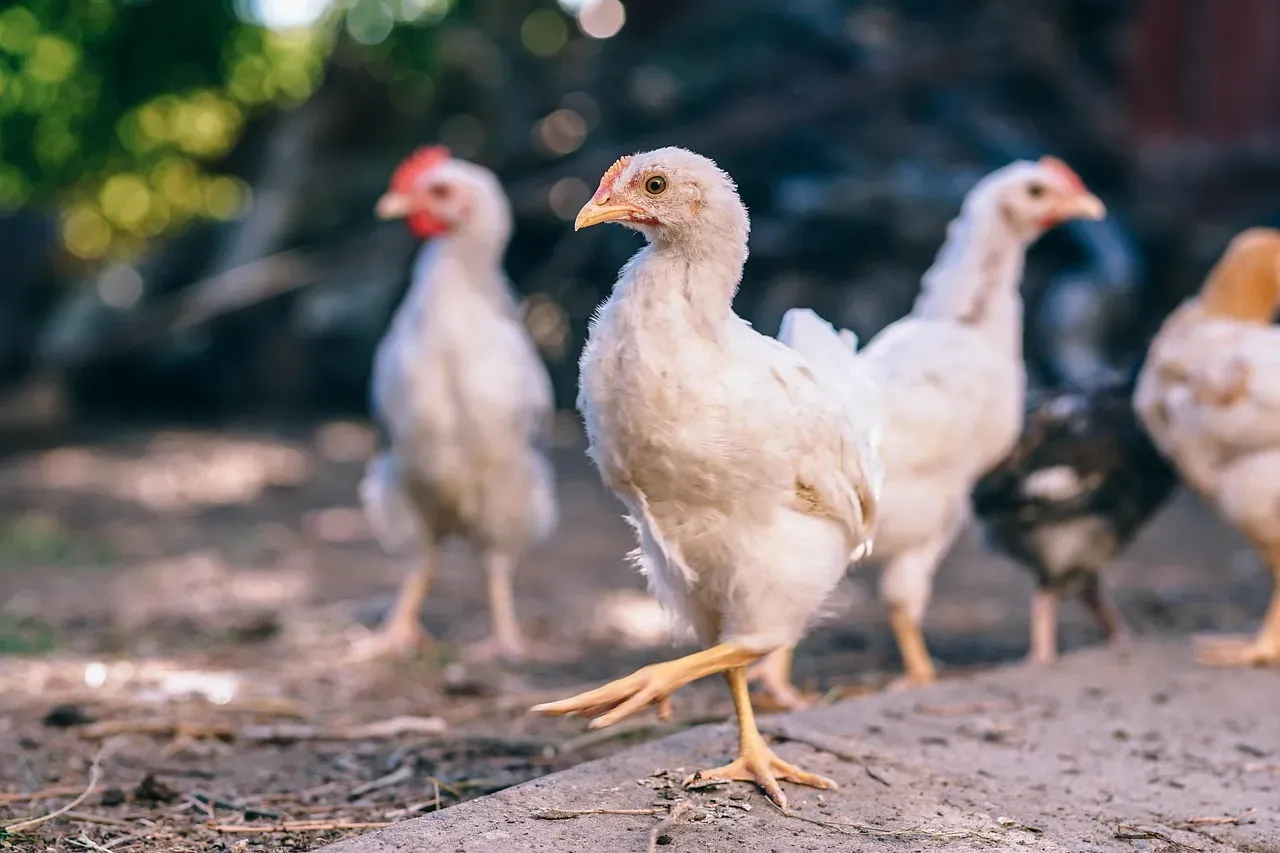
Backyard chickens used to be as common as vegetable gardens, but as cities grew and zoning laws expanded, many municipalities pushed poultry out of residential areas. The debate is far from settled today. In the past two years alone, a wave of local votes and policy shifts has swept the country: St. Cloud, Minnesota, narrowly voted down an ordinance to allow backyard hens in December 2024 despite strong community support; Clermont, Florida, legalized small backyard flocks after public pressure in early 2025; La Mirada, California, passed a new ordinance allowing up to six hens for all single-family homes in March 2025; and Philadelphia, Pennsylvania, has seen an ongoing push to overturn a 21-year ban on backyard chickens.
Michigan is one of the most active states for chicken legislation in 2025 and 2026. House Bills 4049 and 4050 were introduced to establish a statewide framework for backyard chicken keeping. HB 4049 would prevent local governments from completely banning backyard chickens in residential areas, while HB 4050 would limit HOA authority to prohibit them. Even where chickens are technically allowed, enforcement is complex. Cities often cap the number of hens, typically between three and six, and most ban roosters entirely due to noise complaints. HOAs add another layer of restriction, and in many suburban neighborhoods, a coop that seems perfectly legal under city rules can still be blocked by a homeowners association.
5. Backyard Trampolines
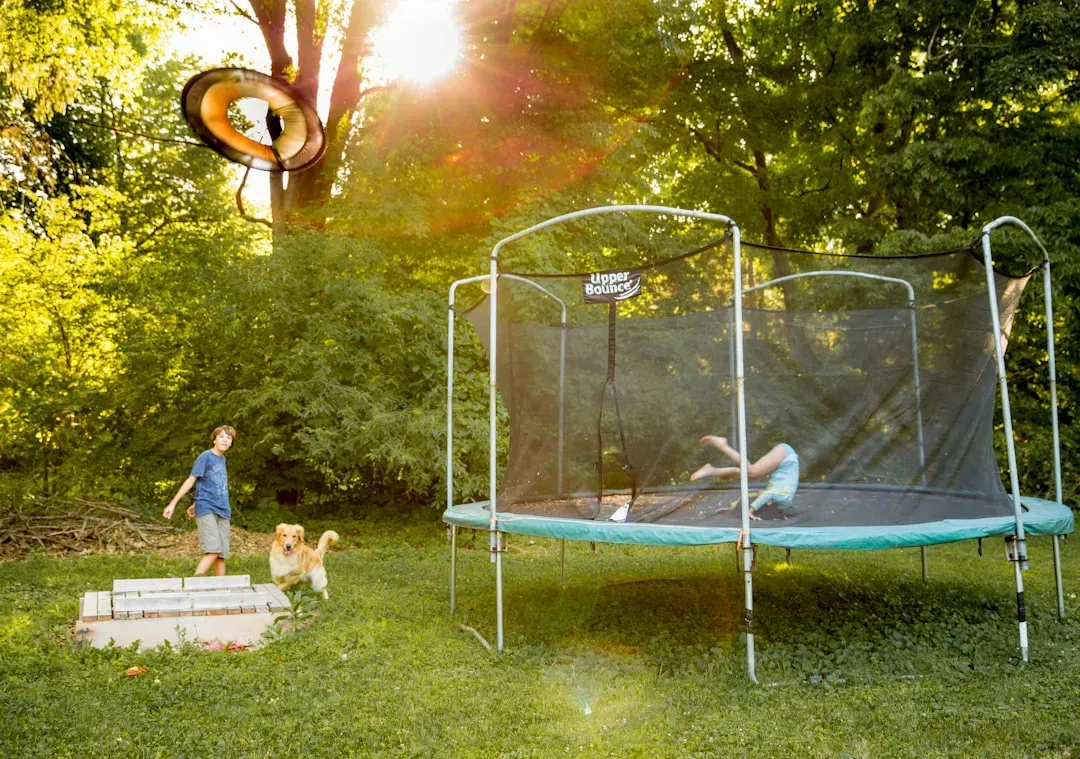
Homeowners associations have the right to prohibit and limit any and all small structures. It is common for HOAs to prohibit trampolines, play sets, and other small structures due to all the liabilities that may come with having them. Insurance concerns are a major driver of this trend. HOAs may restrict trampolines, above-ground pools, or certain types of play equipment if they affect aesthetics or safety, and restrictions in this category are often linked to insurance or liability concerns in addition to appearance.
Many HOAs in Florida prohibit trampolines or require homeowners to maintain liability insurance, regulate anchoring to the ground, and dictate placement away from other structures and trees. The issue isn’t limited to HOAs. Inclement weather and high winds in South Florida, for example, often send backyard trampolines flying away, causing severe damage to neighboring homes or other structures. In 2023 and 2024, Florida law changed to limit how homeowners associations can regulate what is in your backyard, showing the legal tug-of-war between homeowner rights and community control that is playing out in states across the country. Whether through HOA bylaws or municipal safety codes, trampolines are increasingly subject to prior approval requirements, strict placement rules, and in some communities, outright prohibition.