10 Things You’re Keeping That Are Destroying Your Mental Health
Most of us spend a lot of time thinking about what to add to our lives – better habits, better routines, better people. But here’s the uncomfortable truth: sometimes the real damage comes from what we refuse to let go of. Old habits, silent grudges, chaotic spaces, toxic connections. We hold onto them tightly, often without even realizing the psychological toll they’re quietly taking.
It’s not always dramatic. Mental health erosion rarely is. It creeps in slowly, through the everyday things we normalize. The cluttered bedroom we’ve stopped noticing. The WhatsApp group we check obsessively. The inner voice that tells us we’re not doing enough. Let’s take a closer look at what you might be holding onto – and why it’s costing you more than you think.
1. Physical Clutter in Your Living Spaces

You might think a messy room is just a visual inconvenience, but science tells a very different story. A 2025 study in the Journal of Environmental Psychology found that people who considered their homes more cluttered had lower levels of well-being and life satisfaction, as well as higher levels of negative feelings. That pile of unsorted clothes on the chair is not just sitting there. It’s working against you.
A study conducted by the Princeton University Neuroscience Institute found that a cluttered environment overwhelms the brain and impairs its ability to process information, contributing to heightened stress levels. Think of it like trying to focus on a conversation while someone plays loud music in the background – your brain simply can’t filter it all out.
Clutter can significantly impact emotional health, with many individuals exhibiting clear signs of stress related to disorderly environments. Common indicators include feelings of being overwhelmed, difficulty relaxing or concentrating, and increased irritability or mood swings. Elevated levels of stress hormones, such as cortisol, are often found in people surrounded by clutter. Women in particular are disproportionately affected. Women find a cluttered home more stressful than men do, on average, and this leads to detrimental daily patterns of the stress hormone cortisol.
Joseph Ferrari’s psychology of clutter research and controlled studies have repeatedly demonstrated that living or working in cluttered spaces can increase our stress and anxiety levels, decrease productivity, and present mental health challenges to otherwise healthy individuals. Honestly, the fix might be simpler than therapy for some people. Start with one drawer.
2. Toxic Relationships You Haven’t Left Yet

Let’s be real – toxic relationships are one of the most underestimated mental health threats out there. We romanticize loyalty. We confuse pain with love. We call it “complicated” when the truth is just uncomfortable. Engaging in toxic relationships dramatically undermines mental well-being. Studies demonstrate that individuals involved in emotionally detrimental relationships experience a 50% increase in symptoms of anxiety and depression.
The 2024 statistics revealed that individuals in abusive or conflict-ridden relationships are at a higher risk of developing mental health disorders such as depression, anxiety, and PTSD. This isn’t limited to romantic partnerships either. Friendships, family dynamics, and even workplace relationships can carry the same destructive weight.
Studies show that 84% of women and 75% of men have experienced emotional abuse in a personal or professional relationship before. Those numbers are staggering. And yet so many people stay, often because the damage accumulates so slowly that it becomes the new normal. The unpredictability of toxic dynamics keeps the brain in a hypervigilant state, reducing emotional safety. This ongoing mental strain significantly affects psychological health and daily functioning.
Toxic relationships trigger chronic stress, causing heightened cortisol levels that damage the hippocampus and impair memory, learning, and emotional regulation. The body quite literally pays the price. If a relationship consistently leaves you feeling drained, fearful, or small – that’s not love. That’s damage.
3. Excessive Social Media Use
There’s a reason your phone feels like a slot machine sometimes. The scroll never ends, the dopamine hits are unpredictable, and before you know it, an hour is gone. The use of social networks is strongly correlated with the development of anxiety and other psychological problems such as depression, insomnia, stress, decreased subjective happiness, and a sense of mental deprivation.
Among survey respondents using between 7 and 11 different social media platforms compared to respondents using only 2 or fewer platforms, there was a 3 times greater odds of having high levels of depressive symptoms and a 3.2 times greater odds of having high levels of anxiety symptoms. It’s not just about time spent – it’s about how many platforms you’re juggling at once.
Many qualitative studies and literature reviews have found a correlation between social media use and an increase in adolescents’ anxiety, depression, sleep problems, self-harm, and suicide. Recognizing the severity of the problem, New York City has taken the unprecedented step of classifying social networking sites as a public health threat. That’s not a small statement from a major global city.
Another theory about the increase in depression is the loss of self-esteem, especially in teenage girls, when they compare themselves negatively with artfully curated images of those who appear to be prettier, thinner, more popular, and richer. Social comparison is not new. Social media just turbocharges it, 24 hours a day, seven days a week.
4. Unresolved Grudges and Resentment

Holding a grudge might feel like protection. Like you’re keeping yourself safe from being hurt again. But here’s the thing – it’s actually one of the slowest-burning forms of self-harm out there. Neuroscientific studies show that rumination and unresolved anger activate the amygdala – the brain’s fear and stress center – prolonging emotional distress and reinforcing negative thought patterns.
People who hang on to grudges are more likely to experience severe depression and post-traumatic stress disorder, as well as other health conditions. The Mayo Clinic further confirms that letting go of grudges and bitterness can lead to improved mental health, reduced anxiety and stress, less hostility, and fewer symptoms of depression.
When resentment is left unresolved, it can become a defining part of a person’s identity, reinforcing negative beliefs rooted in past injustices. Over time, this mindset may create rigid patterns of mistrust, low self-worth, and powerlessness – cognitive distortions that contribute to emotional isolation and a diminished capacity for connection.
Persistent negative emotions associated with grudges increase stress levels and cortisol production. Studies have shown that individuals who hold grudges are more likely to experience headaches, back pain, and gastrointestinal issues. The persistent anger and hostility associated with grudges can also contribute to cardiovascular problems, including an increased risk of heart attacks and strokes. You’re not hurting the person you resent. You’re hurting yourself.
5. Negative Self-Talk and Harsh Inner Criticism

Most of us would never speak to a friend the way we speak to ourselves. The inner critic can be brutal, relentless, and completely invisible to those around us. Negative self-talk, often characterized by relentless negative thinking, can be a formidable adversary to your overall mental and emotional wellness. Whether you’re aware of it or not, negative self-talk and its associated biases can significantly affect your self-confidence and quality of life, even influencing the way you interact with your loved ones.
The emotional consequences of negative self-talk are deep. It can lead to increased anxiety, depression, and a persistent sense of sadness. Over time, these feelings can erode self-esteem and confidence, making everyday tasks and decisions more challenging.
The physical health effects are also significant. Chronic stress from negative self-talk can lead to sleep disturbances, a weakened immune system, and other health issues. That’s the part people rarely expect. It doesn’t just stay in your head – it bleeds into your body.
Perfectionism sets impossibly high standards and is a common source of negative self-talk. Perfectionists are constantly critical of their own performance, thinking, “If it’s not perfect, it’s a failure.” This leads to chronic stress and an unrelenting sense of dissatisfaction. Sound familiar? A lot of people are living inside that loop every single day without realizing it has a name.
6. Perfectionism and Impossibly High Standards

Perfectionism gets a lot of good press. Society tells us that striving for excellence is admirable. And sometimes it is. But there’s a sharp and painful line between healthy ambition and the kind of perfectionism that quietly dismantles your mental health piece by piece.
According to a 2025 study in Frontiers in Psychiatry, discrepancy perfectionism – the gap between your standards and actual performance – directly predicts symptoms of depression, anxiety, and stress. Research shows that 16.9% of people with maladaptive perfectionist traits meet criteria for depression, while 14.9% meet criteria for both depression and anxiety.
These tendencies may lead to negative mental health outcomes. Specifically, perfectionism has been linked to depressive symptoms and is a risk factor for major depressive disorder. Other negative outcomes associated with perfectionism are psychosomatic distress and psychological distress. It is, in short, a transdiagnostic risk factor – meaning it doesn’t just trigger one condition. It can fuel many at once.
Maladaptive perfectionism and depression share a profound connection, often driven by cycles of self-criticism and perceived failure. When you set unattainable standards, you inevitably fall short, triggering feelings of worthlessness and hopelessness. If you’re never good enough in your own eyes, no external success will ever feel like enough either.
7. Poor Sleep Habits and Chronic Sleep Deprivation
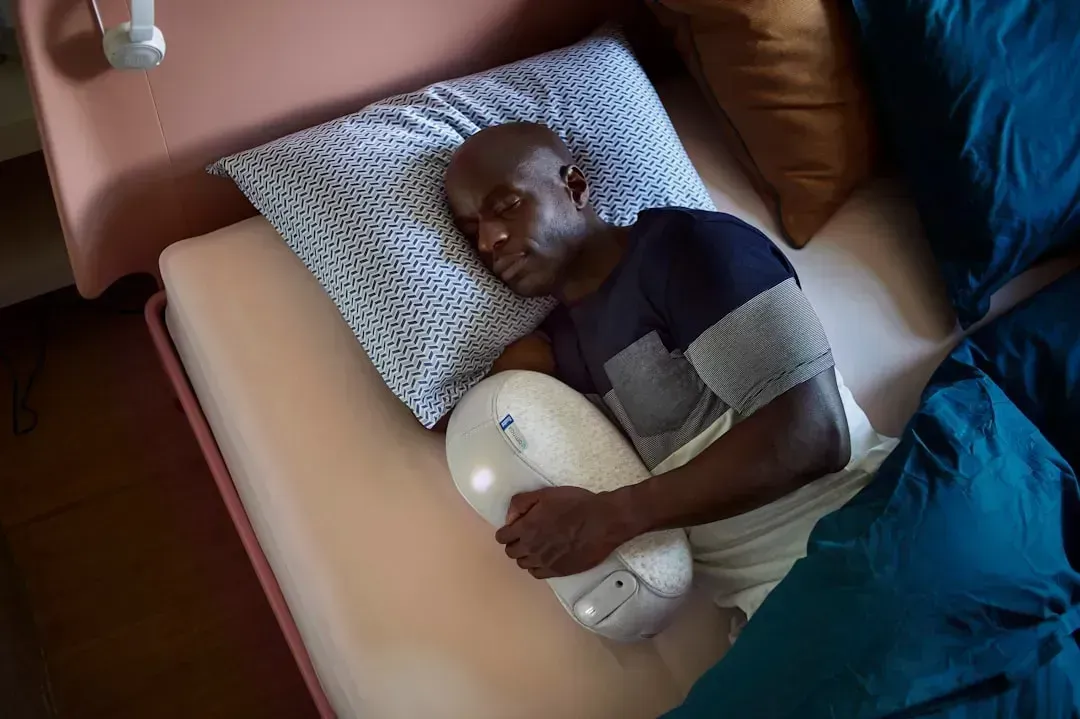
Sleep is not optional. It’s not a productivity hack you can skip. It’s a biological necessity, and treating it as negotiable is one of the most damaging things you can do to your mental health long-term. Not getting enough sleep or poor-quality sleep can increase risk for mental health disorders. While insomnia can be a symptom of psychiatric disorders like anxiety and depression, it is now recognized that sleep problems can also contribute to the onset and worsening of different mental health problems, including depression, anxiety, and even suicidal ideation.
Sleep deprivation studies show that otherwise healthy people can experience increased anxiety and distress levels following poor sleep. Those with mental health disorders are even more likely to experience chronic sleep problems, and in turn, these sleep problems are likely to exacerbate psychiatric symptoms and even increase risk for suicide.
Think of sleep as the brain’s nightly reset button. A disorganized environment and a cluttered mind can overwhelm your brain, impair your focus, increase anxiety and stress, disturb your sleep and even dampen your mood and memory. Poor sleep and mental distress feed each other in a vicious cycle that can be hard to break without intentional intervention.
It’s hard to say for sure exactly how many hours each individual needs, but consistently getting far less than the recommended amount disrupts virtually every cognitive and emotional function. Many people are walking around in a state of chronic exhaustion they’ve simply accepted as their baseline. That’s not normal – and it’s not harmless.
8. A Sedentary Lifestyle and Physical Inactivity

Sitting has become the new smoking in terms of health conversations – and that includes mental health. We know movement matters, yet most of us spend the majority of our waking hours in front of screens, barely moving. At the societal level, long-term sedentary behavior is closely linked with the fast-paced lifestyle and work environments prevalent in modern society. Many occupations necessitate prolonged sitting in front of computers, promoting sedentary habits. This fast-paced lifestyle often deprives individuals of ample opportunities for physical activity and social engagement, consequently escalating the risk of depression.
Prolonged sedentary duration has the potential to exacerbate depressive symptoms by influencing biological processes. A sedentary lifestyle may elevate inflammatory markers in the body, and mounting evidence underscores the significant relationship between inflammation and depressive symptoms. This is a physiological link, not just a motivational one.
Exercise is not just about looking good. It is one of the most well-studied and consistently effective interventions for anxiety and depression that exists. When you stay sedentary for months or years, you are quite literally depriving your brain of the neurochemical benefits that movement provides – things like endorphins, serotonin, and BDNF, a protein that supports brain health.
The good news is that the bar is lower than people think. You don’t need a gym membership or a marathon training plan. Research consistently shows that even moderate, regular movement makes a measurable difference to mood, cognitive function, and emotional resilience.
9. Unprocessed Past Trauma and Emotional Baggage

Here’s a hard truth: ignoring trauma doesn’t make it go away. It just changes how it shows up. Unprocessed emotional pain tends to resurface in our relationships, our behaviors, and our physical health – often in ways we don’t immediately connect to the original wound.
Victims of toxic or traumatic relationships rated themselves in the moderate range on PTSD symptoms, with the vast majority scoring above 1.5 on the Impact of Event Scale, which signifies the likely presence of PTSD. Depression and anxiety frequently occur in those subjected to toxic dynamics. Post-traumatic stress disorder may develop, especially in cases involving abuse or severe manipulation.
Past trauma or exposure to dysfunctional relationships can normalize toxic behaviors. People who grew up in households with unhealthy dynamics may unknowingly replicate these patterns in their own relationships. It becomes a template for what’s “normal,” even when it’s anything but.
Carrying unprocessed emotional baggage is exhausting in a way that is almost impossible to describe to someone who hasn’t experienced it. It is like running a background program on a computer that uses up all the processing power, leaving barely enough energy for everyday functioning. Seeking professional support – therapy, counseling – is not weakness. It is, frankly, one of the most rational decisions a person can make.
10. The False Belief That Asking for Help Is a Sign of Weakness

This one might be the most insidious item on this list, because it’s the belief that keeps all the others in place. The National Institute of Mental Health reports that nearly 30% of individuals experiencing mental health issues cite relationship problems as a contributing factor. Yet enormous numbers of people never seek support because the stigma around mental health still runs remarkably deep.
We are taught – subtly, relentlessly – that self-sufficiency equals strength. That expressing vulnerability is embarrassing. That needing help means failing. This cultural conditioning is genuinely dangerous. It can be difficult to recognize when a relationship or situation is toxic, since people often become desensitized to toxic behaviors over time. The same applies to mental distress: we normalize suffering because we’ve been told not to make a fuss.
In fact, roughly three in five American adults say they need more forgiveness in their personal lives, according to a survey by the nonprofit Fetzer Institute. The desire for change is there. The permission to pursue it is often what’s missing. Giving yourself that permission is not weakness – it’s survival.
The truth is, mental health is not a fixed state. It is dynamic, responsive, and deeply influenced by the choices we make and the things we hold onto. The longer we wait to address what’s harming us, the more entrenched those patterns become. Letting go is hard, often uncomfortable, and sometimes requires help. All of that is completely okay.
So here’s the question worth sitting with: which of these ten things are you still holding onto – and what would your life feel like if you weren’t? Share your thoughts in the comments.