11 Real Reasons Boomers Are Holding Onto Their 4-Bedroom Homes
There’s a housing standoff happening in America, and it’s bigger than most people realize. Millions of large family homes sit quietly occupied by one or two older adults while younger families scramble for space they simply can’t find. The numbers behind this trend are staggering, and the reasons are far more layered than “they just love their house.”
Honestly, it’s not just stubbornness. It’s finances, fear, identity, emotion, and market forces all tangled together. If you want to understand why the housing market feels so frozen, this is where you start. Let’s dive in.
1. They Simply Don’t Want to Leave – And the Data Proves It

A survey from Clever Real Estate shows that 61% of baby boomer homeowners say they “never” plan to sell their homes, a jump of seven percentage points from 2024. That number alone should be sobering for anyone hoping the housing market will loosen up anytime soon.
Just 10% of boomers plan to sell within the next five years, down from 15% in 2024, meaning that roughly nine out of ten homes owned by this generation won’t hit the market until the 2030s. Think about that for a second. That’s an entire generation of large homes locked away from the market for at least another decade.
2. They Own Their Homes Outright – No Mortgage, No Pressure
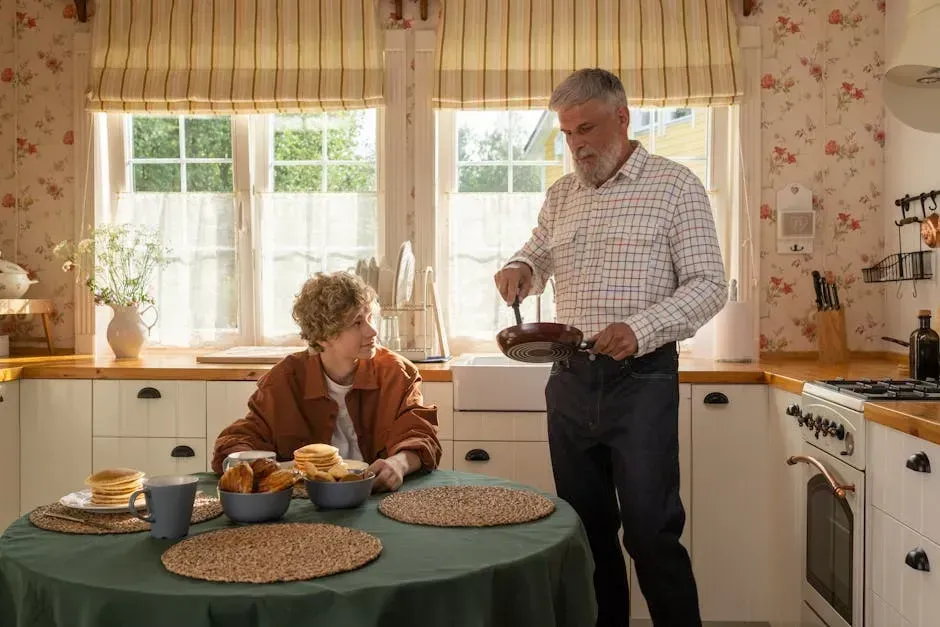
An estimated 79% of seniors own their homes, and three-fourths of them don’t have a mortgage, meaning they have an enormous amount of equity that can help cover rising homeownership costs, such as insurance. When you have no monthly payment to worry about, the urgency to sell practically evaporates.
For those who own their home outright, the median monthly cost of owning a home, which includes insurance and property taxes, among other costs, is just $612. Compare that to what a new mortgage would cost in today’s market, and the math makes staying put look like a no-brainer. It’s like having a fixed-rate deal that nobody else can touch.
3. The Mortgage Rate Lock-In Effect Is Real and Powerful
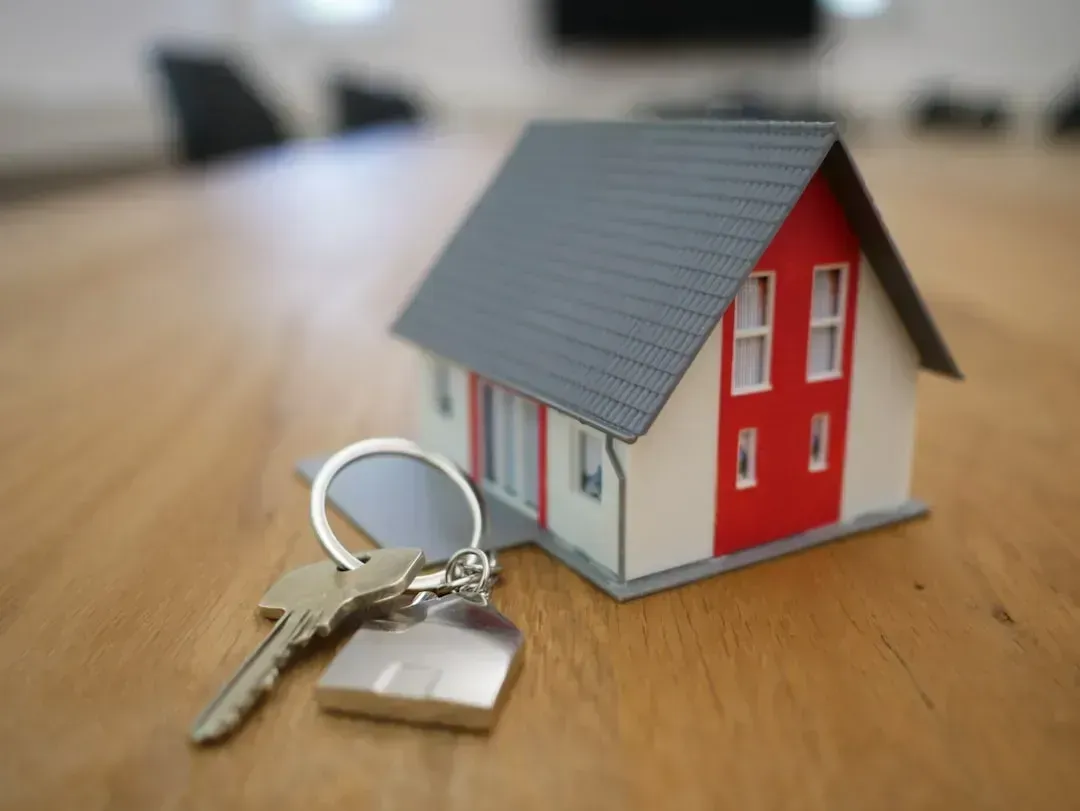
Affordability challenges and persistent lock-in effects among homeowners who do not want to forfeit low mortgage rates are expected to keep housing activity subdued, according to the December 2024 commentary from the Fannie Mae Economic and Strategic Research Group. Even for boomers who do carry a mortgage, the rates they locked in years ago are extraordinarily favorable.
Research finds that for every percentage point that market mortgage rates exceed the origination interest rate, the probability of sale is decreased by 18.1%, and this mortgage rate lock-in led to a 57% reduction in home sales with fixed-rate mortgages in a recent quarter, preventing over a million sales. That is a staggering market distortion driven largely by one simple instinct: never give up a good deal.
4. Aging in Place Has Become the Default Plan

More specifically, 55% of boomer owners say they prefer to age in place, 44% point to their paid-off mortgage, and 36% simply don’t want to start over at their older age. Aging in place isn’t just a preference anymore. For most boomers, it has become the plan – full stop.
One of the top reasons for today’s inventory crunch is that baby boomers are choosing to age in place, with most boomers investing in home upgrades such as ramps, stairlifts, and walk-in tubs to stay where they are rather than downsizing. They’re not just staying, they’re actively retrofitting their homes to make staying possible for decades more. That changes the picture completely.
5. There’s Nowhere Affordable to Go
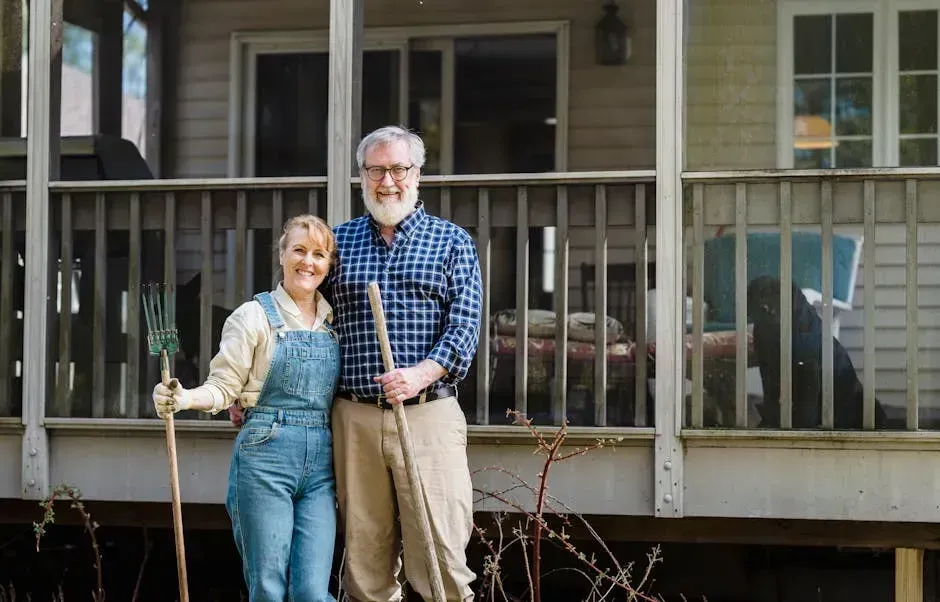
Baby Boomers are staying in their larger homes for longer, preferring to age in place and stay active in a neighborhood that’s familiar to them – and even if they sold, where would they go? There is a shortage of smaller homes in those neighborhoods. It’s a bit of a cruel irony. The market they’re holding hostage is the same market making it impossible for them to leave.
Almost half of boomers, about 49%, are concerned about the rising cost of living in traditional retirement destinations, such as Florida and Arizona. The places they dreamed of retiring to have become unaffordable even for them. So the big house in the familiar neighborhood starts to look like the only sensible option left.
6. Their Homes Are Their Biggest Financial Asset – By Far

Some 62% of boomers say they’ve gained more wealth from their homes than from their careers. That is a jaw-dropping statistic. For this generation, the home isn’t just where they live – it is the retirement fund, the nest egg, and the safety net all rolled into one.
Baby boomers own roughly $19.7 trillion worth of U.S. real estate, or 41% of the country’s total value, despite accounting for only about a fifth of the population. Millennials, by comparison, make up a slightly larger share of the population but own just $9.8 trillion of real estate, or 20%. Letting go of that asset – especially in an uncertain economy – feels almost unthinkable to most boomers.
7. Homeownership Is Deeply Tied to Their Identity
Homeownership remains central to this generation’s identity. Nearly nine in ten boomers believe buying a home is almost always a good decision, and 84% say it represents financial security. More than 40% consider not owning a home a sign of failure. Let that sink in. For boomers, the home is not a commodity. It’s who they are.
More than three-quarters of boomer homeowners say owning their homes is the primary reason they’re financially secure, while 86% say owning leads to a more stable home life. Downsizing, to many boomers, doesn’t just mean moving to a smaller place. It means dismantling a core piece of their self-image. That’s a much harder sell than any financial argument.
8. Emotional Attachment to the Home Is Enormous
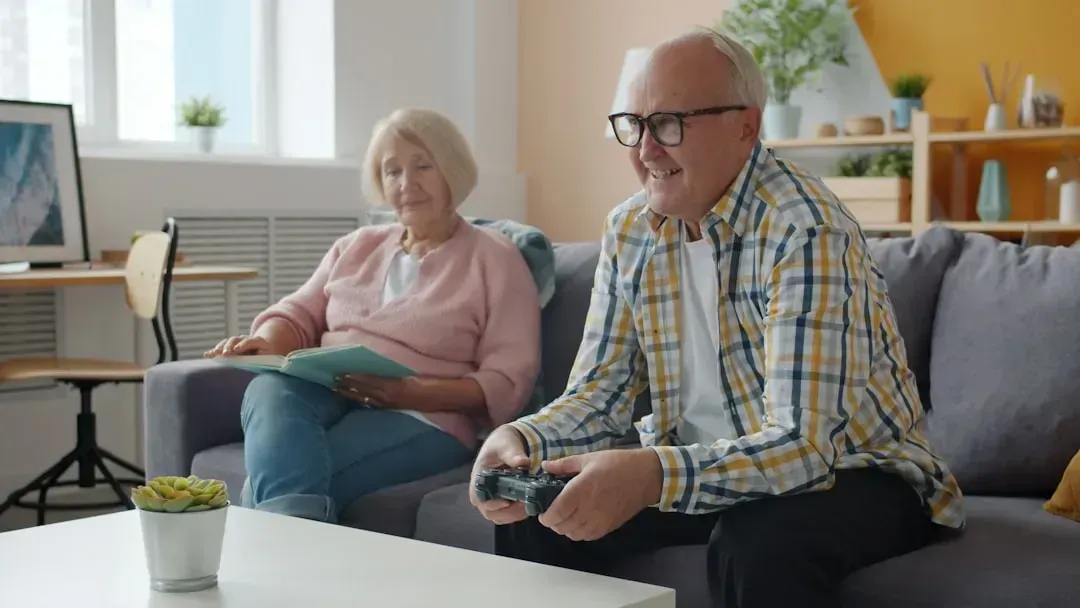
It’s not easy to walk away from the home where your children grew up, where you celebrated milestones, or where you’ve lived for decades. Boomers often delay downsizing because the emotional cost feels too high. But that emotional attachment can come at a steep practical price. Think of the home like a long-running family story – the walls hold decades of memory and meaning that no condo can replicate.
Across all generations, sellers stayed in their homes for a median of 10 years. Younger millennials typically sold after five years, while older boomers sold after 16 years. That length of time builds roots that go deep. The longer someone has lived in a place, the harder it becomes to imagine life without it.
9. They Plan to Leave It to Their Children

Besides wanting to age in place, factors cited by boomers in not selling include having paid off their mortgages (44%), not wanting to start over (36%), planning to leave homes as inheritances (34%), and concerns they can’t afford a new home (30%). The inheritance motivation is more common than most people realize. A substantial portion of boomers view their home as a gift to the next generation.
Homeowners born before 1964 have a collective $17 trillion in home equity, and three-quarters of them plan to pass that wealth on to their children when they die, according to a survey from Freddie Mac. It’s a complex picture though, because other data shows many boomers will use that equity for healthcare and living costs before any transfer happens. Still, the intention is there – and it keeps them holding on.
10. They Dominate the Market So Thoroughly, Selling Feels Optional

This is in part because of a growing trend in which baby boomers, the generation that owns the largest share of American homes, are planning to stay put rather than downsize. While baby boomers comprise just over 20% of the U.S. population, they account for more than 37% of homeowners nationwide. When you hold that kind of market power, there is no urgency. The market needs them far more than they need the market.
Empty-nest baby boomers own twice as many larger homes as millennials with children. As a result, empty-nest baby boomers own 28% of large homes, while millennials with kids own just 14%. That imbalance is not a coincidence. It’s the direct result of a generation with deep financial roots refusing to budge – and having every financial incentive to stay exactly where they are.
11. They Don’t Feel Responsible for the Crisis They’re Contributing To
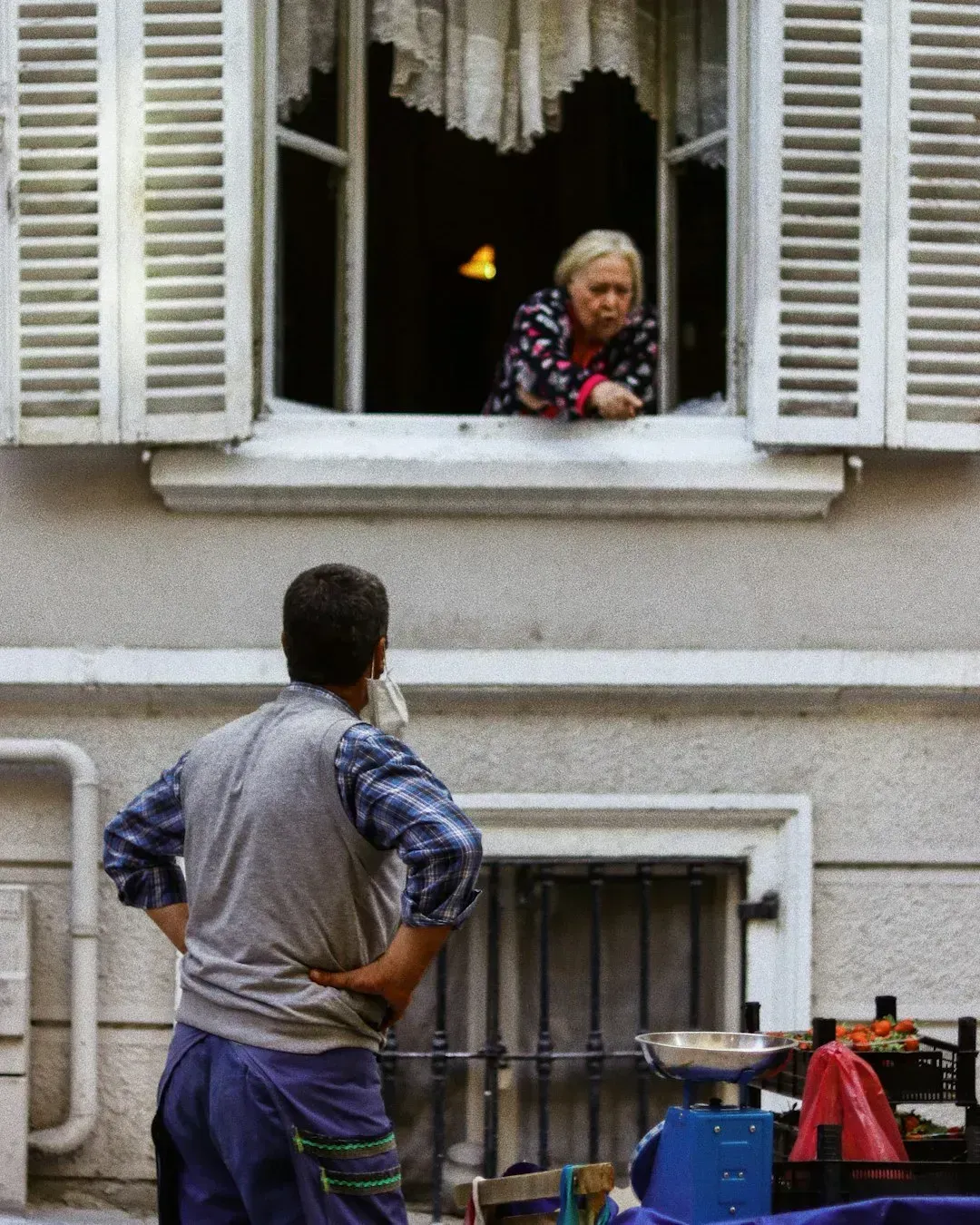
Despite the widespread disinterest in selling, just 15% of boomers believe their generation is contributing to the affordable housing crisis by holding onto their homes. That is a remarkable disconnect between perception and reality. It’s like the one driver causing a traffic jam genuinely not noticing there’s a jam at all.
When asked about housing affordability, a majority of boomers, about 51%, say their generation is “least responsible” for the crisis, while 33% blamed Gen Z. With that mindset firmly in place, there is little social or moral pressure nudging boomers toward selling. Until the perception shifts, the homes are staying put – and the next generation keeps waiting.