10 Historical “Facts” Many People Still Believe That Aren’t True
History is fascinating – and dangerously full of lies. Not the intentional kind, necessarily, but myths, misquotes, exaggerations, and flat-out errors that have been passed down so many times that they now feel like solid ground. I think most of us have confidently repeated at least one of the things on this list, not knowing we were spreading centuries-old nonsense.
The uncomfortable truth? A lot of what we “know” about history was shaped by propaganda, bad translations, pop culture, and people just not bothering to check their facts. Let’s fix that. Be prepared to have a few comfortable beliefs knocked loose.
1. Napoleon Bonaparte Was Unusually Short
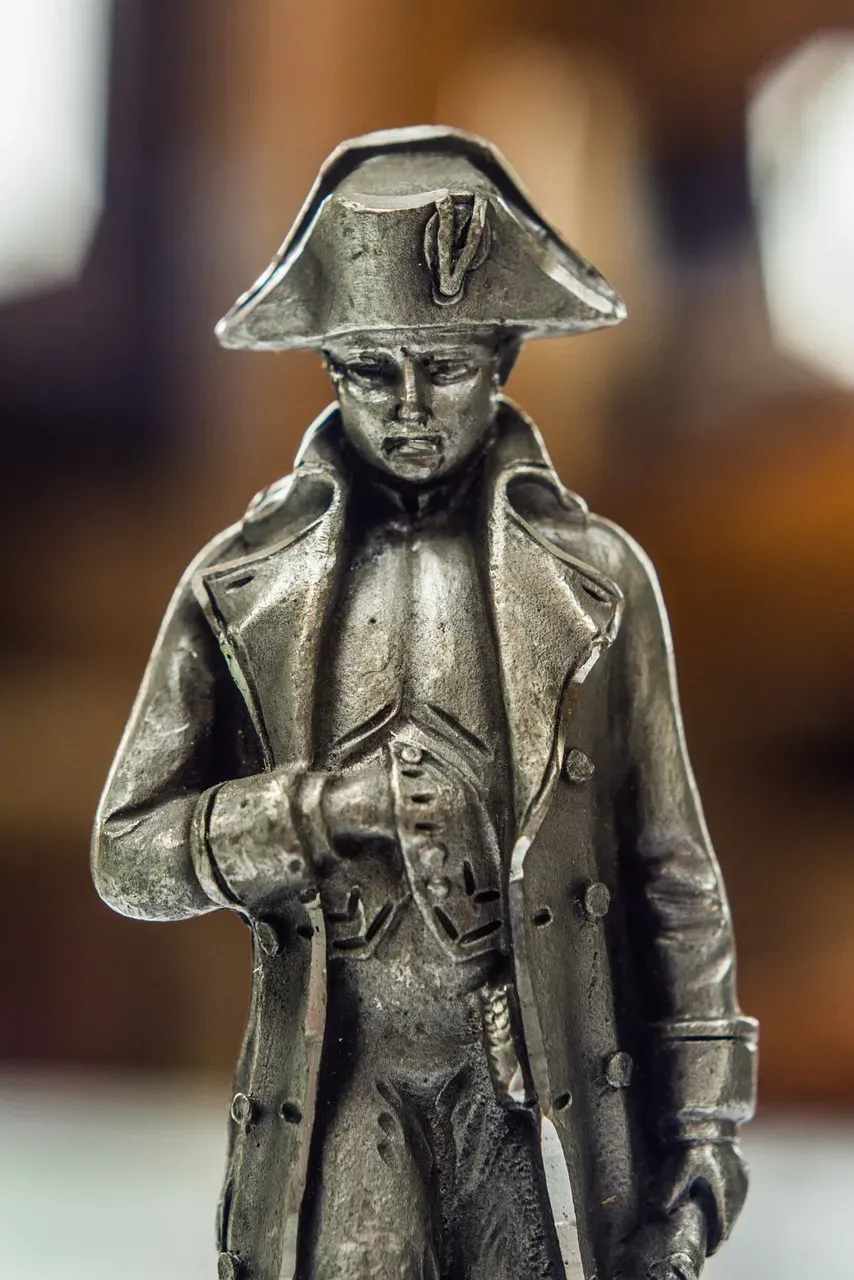
Perhaps the most enduring myth in all of history. Ask almost anyone, and they’ll tell you Napoleon was a tiny, little man with a big man’s rage. It makes for a great caricature, quite literally. It was influential British cartoonist James Gillray who caricatured Napoleon as a short, belligerent, pompous, and ridiculous figure, prone to childish temper tantrums.
The reality is more interesting. Napoleon was 5’6″ to 5’7″ tall (168 to 170 cm), which was slightly above average for Frenchmen of his time. The myth arose because the British liked to portray their French enemy as “little Boney,” and since Napoleon was often surrounded by soldiers from his Imperial Guard, who were above average height, he appeared short in comparison.
There was also a genuine measurement problem. According to pre-metric system French measures, he was a diminutive 5 feet 2 inches. But the French inch (pouce) of the time was 2.7 cm, while the Imperial inch was shorter, at 2.54 cm. That difference in units is the entire basis of one of history’s most famous myths. The short-Napoleon trope endures because it’s narratively satisfying, and it’s reinforced in media, from Bugs Bunny cartoons to modern memes.
2. You Can See the Great Wall of China from Space

This one gets taught in schools. It gets shared as a fun fact at dinner tables. It sounds impressive, and that’s probably why it stuck. The Great Wall of China has been touted as the only man-made object visible from space since 1932, yet the notion is easily debunked.
Both the claim that you can see it from orbit and that it’s visible from the moon are false, say astronauts and remote-sensing specialists. Although the Great Wall spans some 4,500 miles (7,200 kilometers), it’s constructed from materials that make it difficult to discern from space. The unglamorous truth is that the wall is only visible from low orbit under a specific set of weather and lighting conditions.
China’s first astronaut, Yang Liwei, confirmed that he was unable to see the Great Wall from space. Astronauts have taken photos of the region in which the Great Wall is visible, but this is not the same as being able to see it with their own eyes. Think of it this way: the wall is roughly as wide as a garden path. Trying to spot that from orbit is like trying to see a strand of hair from a kilometer away with your bare eyes.
3. People in the Middle Ages Believed the Earth Was Flat
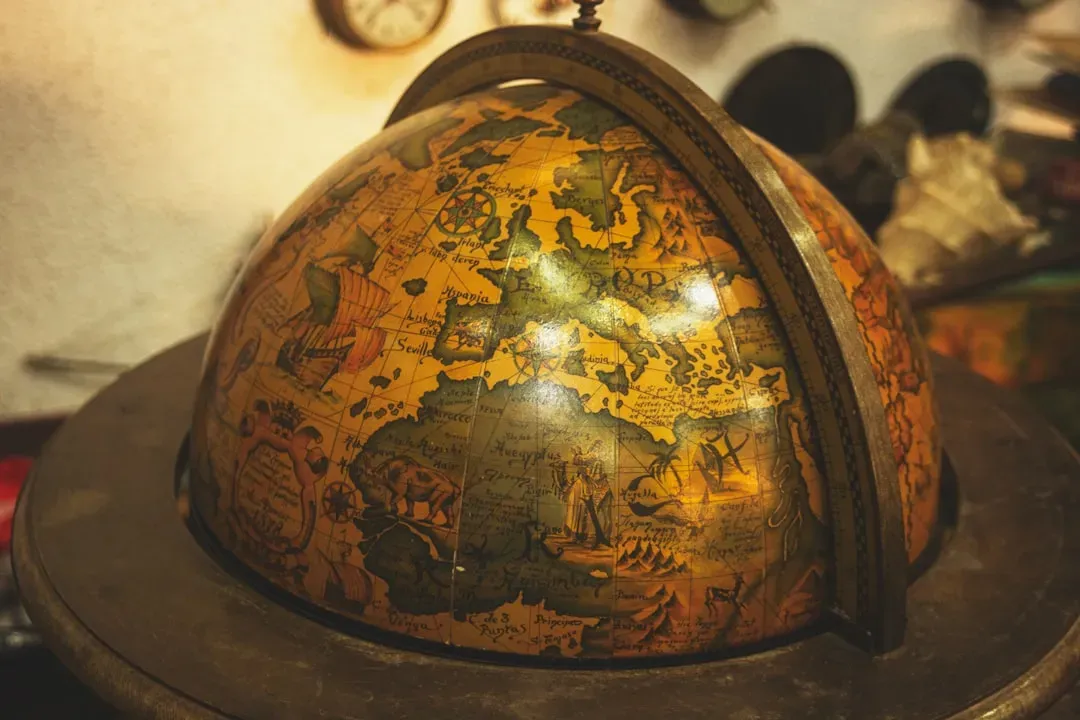
It’s tempting to look back at medieval people and think, “How primitive, they must have thought the world was flat.” But this is completely wrong, and honestly a bit unfair to our ancestors. In the words of historian Jeffrey Burton Russell, “no educated person in the history of Western civilisation from the 3rd century BC onwards believed that the Earth was flat.”
Many people wrongly think that those living in medieval times thought the Earth was flat. In fact, Galileo wasn’t even persecuted by the church for suggesting the Earth was round, as the Church had already accepted this. What actually got Galileo in trouble was saying that the Earth wasn’t the center of the universe.
The flat-earth-in-the-Middle-Ages myth was actually popularized much later, largely by 19th-century writers trying to make the church look bad. The ancient Greeks figured out the Earth was spherical well over two thousand years ago, and educated people never really forgot it. Medieval scholars absolutely knew the planet was round.
4. George Washington Had Wooden Teeth
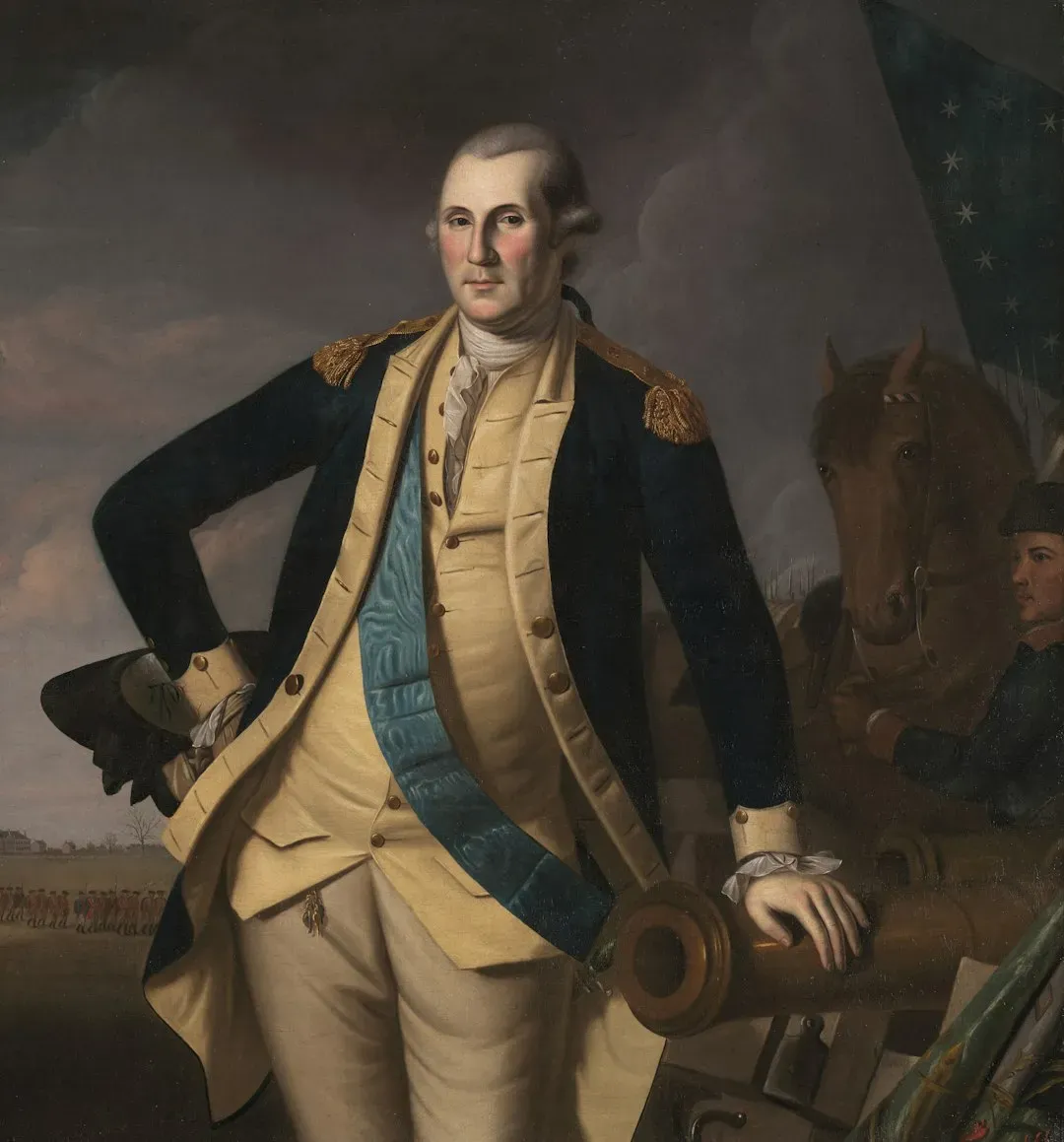
It’s one of the most beloved little facts that every American kid learns. Washington, the stoic founding father, clacking around with a mouth full of wood. It’s vivid. It’s wrong. The truth is, George Washington never had wooden teeth.
The very first U.S. President, Washington suffered from dental problems all throughout his life. However, his dentures were not wooden at all. Instead, they were made from a combination of human teeth, cow teeth, hippopotamus ivory, and metal – as was standard for wealthier people at the time.
While no one can say for sure where the myth of wooden teeth came from, there’s a good chance people mistook the discolouration of his ivory dentures for wood, leading to a misconception that still exists today, hundreds of years later. The real story – a patchwork of human and animal teeth bound with metal – is honestly stranger and more unsettling than the wooden version ever was.
5. Ancient Greek and Roman Statues Were Always White
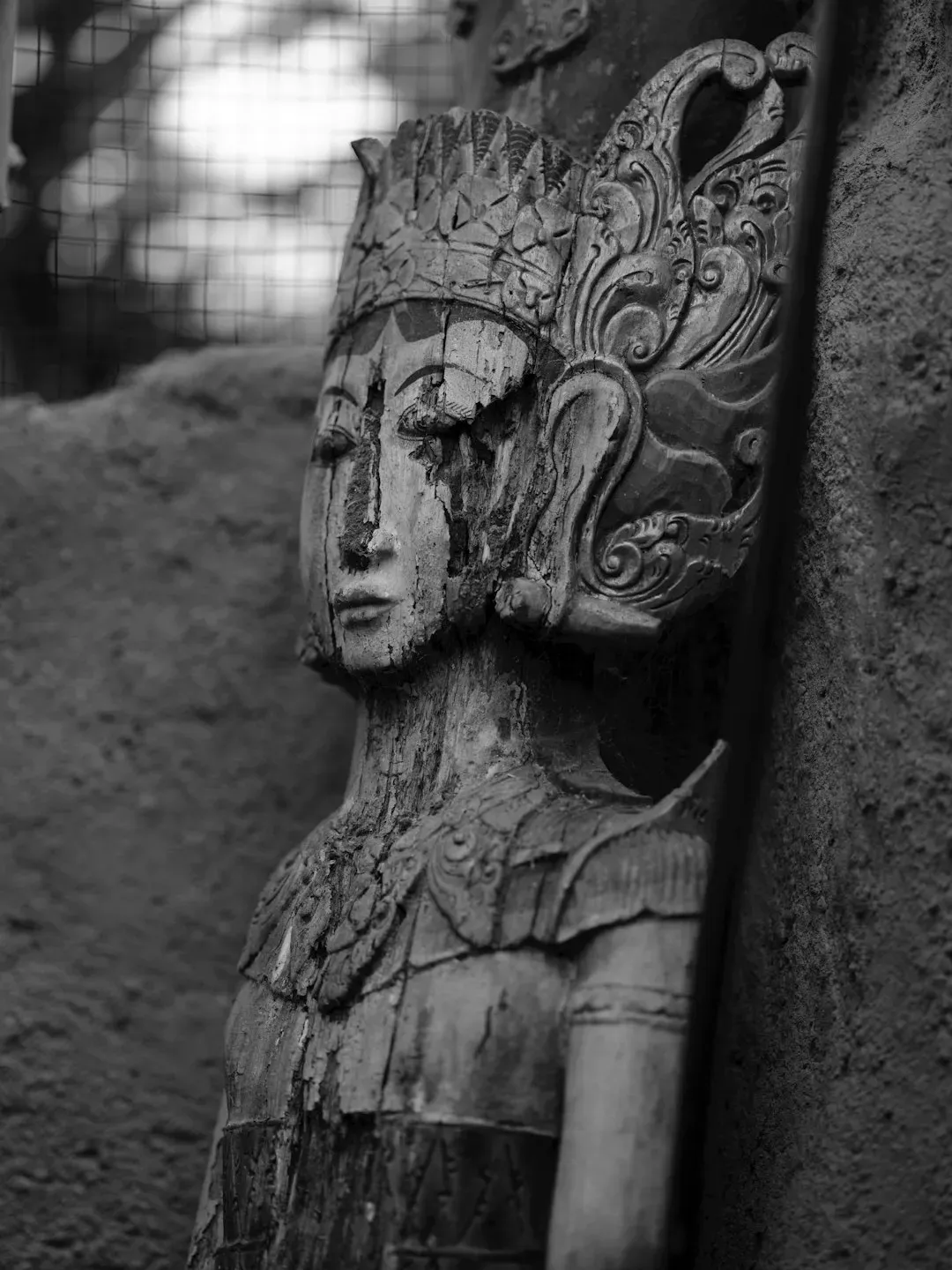
Walk through any major museum and you’ll pass row after row of brilliant white marble gods and emperors. It feels timeless. Classical. Pure. It’s also a complete accident of history. Most ancient statues were actually painted in vibrant colours, and the plain white appearance we see today is the result of pigment deterioration over time, largely due to exposure to the elements and sunlight.
While ancient statues standing in museums today are overwhelmingly white, their marble features were once awash in bright hues – a technique known as polychromy, or “many colors” in Greek. Marco Leona, chief scientist at the Metropolitan Museum of Art, told CBS News that this myth of whiteness is “an accident of time and nature” that traces its origins to the Renaissance.
As the Met’s Leona put it, “A completely white statue, to a Greek observer, would have looked like some shoddy effort, or simply something that had not been finished.” Luckily, archaeological techniques such as ultraviolet light analysis have revealed traces of these original colours, allowing us to reconstruct the true appearance of many ancient sculptures. The ancient world was shockingly colorful – and we literally washed that color away over time.
6. Columbus Set Out to Prove the Earth Was Round
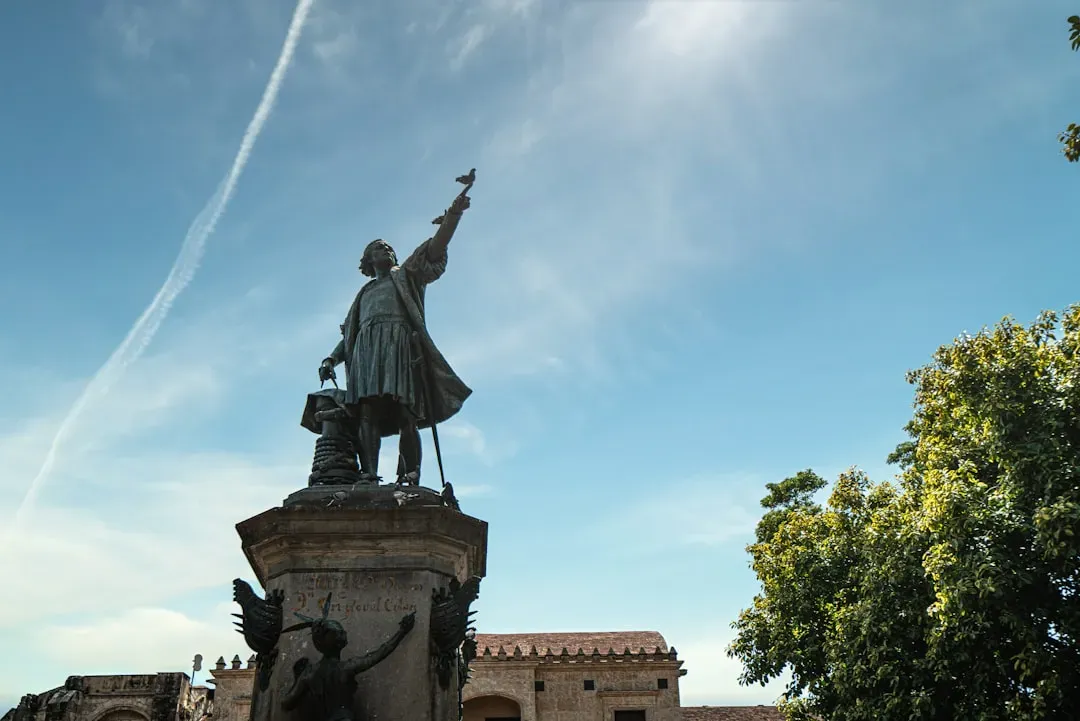
The heroic version of the Christopher Columbus story goes something like this: the brave explorer sailed west in 1492 to prove the Earth was round, against the protests of a Church that believed otherwise. Almost none of that is accurate. The idea that Columbus was endeavoring to attempt the unimaginable, defy all existing scientific precedent, and become an international celebrity for not toppling off the world is false.
It’s true that Columbus was trying to reach East Asia, but he was solely seeking a new trade route. His critics weren’t arguing about the shape of the planet. They were arguing about the size of it – and they were actually right. Most educated scholars at the time believed Columbus was badly underestimating how far west he’d have to sail to reach Asia.
Columbus got lucky. He ran into a continent nobody in Europe knew existed, which saved him and his crew from almost certain catastrophe. The “proving the Earth is round” story was retrofitted onto his journey much later, turning a commercially motivated voyage into a heroic battle for scientific truth. It makes for a better story. It’s just not history.
7. People in the Middle Ages Rarely Lived Past 35

This one is genuinely understandable as a misreading of data. The average life expectancy in medieval times was indeed low – sometimes hovering around 30 to 35 years. So people must have been dying young all the time, right? Not quite. These high death rates in the early years of life significantly lowered the overall average. However, if you survived childhood, the chances of living into your sixties or seventies were high – much higher than many people believe.
For example, in medieval England, if a person reached the age of twenty-one, they could expect to live to around sixty-four. That’s a perfectly reasonable lifespan, not too far off from modern times. The big killer was childhood illness and infant mortality, not some general inability of adults to survive.
Think of it like a sporting average. If half the players in a team score zero, the team average looks terrible – even if the remaining players are actually performing quite well. Medieval average life expectancy was dragged down by devastating child mortality, not by adults mysteriously collapsing in their thirties. Grandparents absolutely existed in the Middle Ages.
8. The Declaration of Independence Was Signed on July 4th, 1776
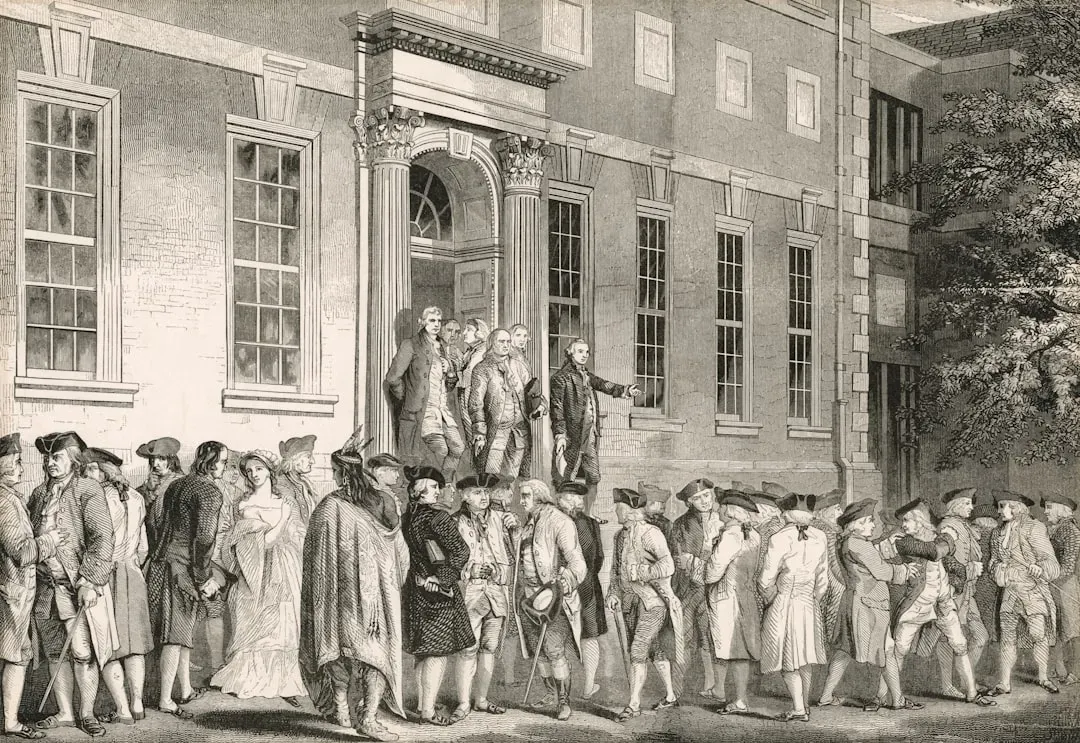
July 4th. Fireworks. Hot dogs. The birthday of American independence. It’s one of the most celebrated dates in the world. The problem? It’s easy to assume that the Declaration of Independence was signed on July 4, 1776, but that’s not exactly true. In reality, the Continental Congress actually voted for independence on July 2, but July 4 is the date printed on the document.
The actual signing process was drawn out over weeks. Most delegates signed the document on August 2nd, 1776 – nearly a month after the famous date everyone celebrates. Some signatures came even later. The date on the document refers to when Congress formally adopted the final wording of the declaration, not when all the pens hit paper.
John Adams, one of the Founding Fathers, actually thought July 2nd would become the great national holiday. He wrote about it with great excitement in letters to his wife. History, as it turns out, had other plans – and a slightly wrong date has been celebrated with fireworks ever since.
9. The Aztecs Mistook Spanish Conquistadors for Gods

This is one of those myths that feels like it carries some kind of deeper lesson about cultural naivety. The story goes that the Aztec emperor Montezuma believed Hernán Cortés to be the returning god Quetzalcoatl, which is why the Spanish were able to conquer with such ease. Historians have been pushing back on this for years. Chief among these myths is the idea that the Aztecs thought the Spanish were deities – specifically the prophesied return of the creator god Quetzalcoatl. This notion was cooked up by Franciscan friars in the late 1500s, and is absent even from most Spanish sources. Even Cortés himself – the leader of the conquistadors – makes no mention of it.
History is written by the winners, and perhaps nowhere is this truer than 16th-century Mexico. The Spanish conquest of the Aztecs is prime myth-making territory, as most sources are self-aggrandizing retrospectives by victorious conquistadors. A profound sense of cultural and religious superiority oozes from these accounts, obscuring the customs and perspectives of the defeated Aztecs.
The Aztec empire was a sophisticated, militarily powerful civilization. Portraying them as people who simply handed over their empire because they confused foreign soldiers for gods strips them of their complexity – and serves a very convenient colonial narrative. The reality of the conquest involved alliances, disease, political fractures, and prolonged warfare, not divine misidentification.
10. Gladiators Always Fought to the Death
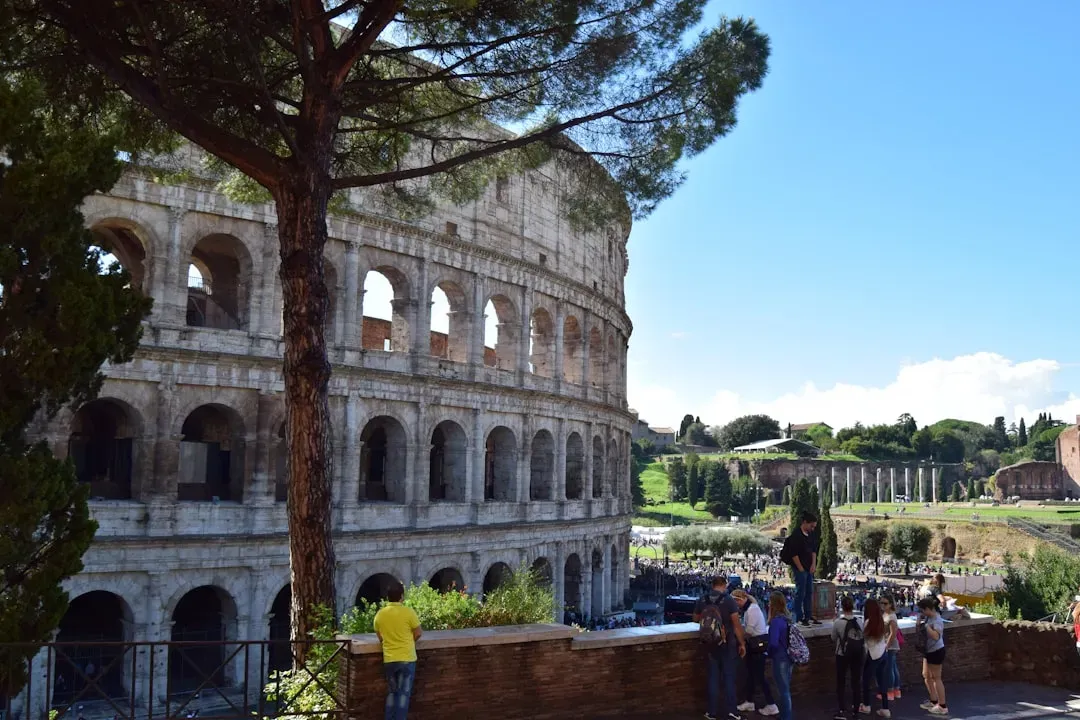
Hollywood has done tremendous damage here. Every gladiator film shows a blood-soaked arena where warriors clash until one of them stops breathing. It’s dramatic. It was also surprisingly bad business. It turns out gladiators were never supposed to fight till the untimely end. After all, if they did that, Rome would run out of gladiators pretty quickly. Essentially, the sport was more akin to boxing, where some fights were even predetermined, and it was the gladiators’ job to make it look good.
Training a gladiator was enormously expensive. Gladiatorial schools, or ludi, invested significant resources in their fighters – feeding them, housing them, providing medical care. Killing off your prize investment every weekend made no financial sense. Death in the arena did happen, but it was far from routine.
Traditionally, we have always thought that the upturned thumb meant mercy while the downturned thumb spelled death. However, a medallion found in southern France in 1997 should make us think differently. It shows a gladiatorial scene in which the presiding figure has tucked his thumb under his fingers, saving the lives of the defeated combatants. This suggests that the upturned thumb spelled death, while the thumb tucked under the finger meant mercy. Even the famous “thumbs up” death signal we’ve all seen in movies may have been completely backwards.