The No-Go List: 10 Restaurant Chains Diners Say Aren’t Worth the Cost
Eating out used to feel like a simple pleasure. You’d pull into a familiar parking lot, order something you loved, and leave satisfied without wincing at your bank statement. That deal has changed. Dramatically. Today, a growing number of American diners are pushing back their chairs, voting with their wallets, and crossing certain names off their dining lists entirely.
The frustration is real, the data backs it up, and the chains on this list have heard about it loud and often. Buckle up.
1. Shake Shack: Premium Prices, Fast-Food Feel
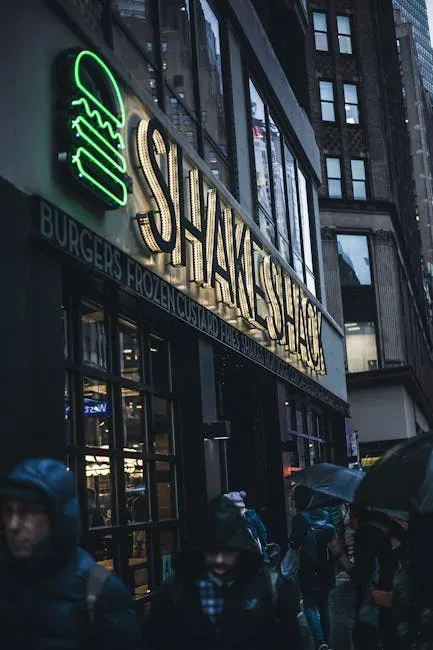
Honestly, Shake Shack is a tough one. The burgers taste good, the branding is sleek, and the atmosphere is a step above your average drive-through. But diners across the country are increasingly asking a very simple question: is any of this worth it?
A study by language-learning platform Preply analyzed over 57,000 Google reviews of more than 10,000 restaurants in the top 50 major U.S. cities, zeroing in on how often words like “pricey,” “expensive,” “overpriced,” and “rip-off” appeared – to determine which restaurants are perceived as overcharging and underdelivering. The verdict was stinging. According to Preply’s findings, Shake Shack received the most complaints of any national chain about its food being overly expensive, and this came after two separate price hikes in 2024.
Customers across America are crying “overpriced.” A single ShackBurger typically falls between $6.99 and $7.99 depending on region, and an order of fries can run around $4.49, bringing a basic meal to at least $11.48 before adding a shake or drink. For a place that looks and operates like fast food, that’s a hard pill to swallow. Think of it like paying boutique hotel rates for a roadside motel room.
2. McDonald’s: The Golden Arches, Tarnished Reputation
McDonald’s built its entire empire on one promise: cheap, fast, and consistent. For decades it delivered. Then the price hikes came, and they did not stop. McDonald’s customers have been slamming the chain over significant price increases, outraged that the once-affordable fast-food giant no longer feels affordable at all.
Consumer backlash over apparent $18 Big Mac meals became a viral moment, and there is already hard evidence that restaurants are losing customers to grocery stores and convenience stores over pricing issues. The lower-income customers who built McDonald’s customer base were the first to walk. McDonald’s lost low-income customers who opted to stay home, with CEO Chris Kempczinski acknowledging that consumers making $45,000 a year or less are pressured, noting that “eating at home has become much more affordable.”
McDonald’s, the largest chain in the world, grew sales by just 0.6% in 2024 amid consumer frustration over prices and then an end-of-year E. coli outbreak in Colorado. That is a staggering slowdown for a brand that once seemed bulletproof. McDonald’s faces a further 1% decline in ACSI scores, ranking last among major quick-service brands, with price frustration and order accuracy problems cited as the biggest issues, while the experience varies sharply by location.
3. Starbucks: Paying a Luxury Tax for Coffee
There is a reason Starbucks became shorthand for frivolous spending. The brand built an identity around “affordable luxury,” but somewhere along the way, the luxury part became anything but affordable. A timeline of the company’s troubles shows a harrowing series of traffic declines as consumer resistance to pricing increased, coupled with ineffective turnaround measures and leadership changes.
Starbucks’ sales fell 0.5% in 2024, marking its worst year since the Great Recession, following strikes, social media backlash, and widespread concern over the company’s service. That is not a small stumble for a brand this size. Starbucks reported that its net revenues during a key quarter shrank by 1% compared to the same quarter in the prior year, while U.S. comparable store sales decreased by 2%.
Prices are getting steeper across fast-food restaurants nationwide, and costs have risen by nearly 50% in the past decade, making hitting up your favorite spot feel more like a splurge than savings. Starbucks sits squarely at the sharp end of that trend. Paying $8 or more for a latte that takes 20 minutes to prepare is the kind of math that turns loyal customers into home-brewers very quickly.
4. TGI Fridays: A Once-Beloved Brand in Survival Mode
Few chains represent the fall from grace as dramatically as TGI Fridays. Once a staple of American casual dining, the kind of place where birthdays got celebrated and happy hours lasted until dinnertime, it is now fighting to stay alive. To say that TGI Fridays has had a difficult 2025 is the understatement of the century. The chain was once one of the most beloved in the country, but over time began being viewed as a somewhat outdated place to eat, before all of this culminated in a bankruptcy claim in November 2024.
Before filing for Chapter 11, TGI Fridays shuttered 86 restaurants, starting with 36 closures in January and another 50 in late October, taking the chain’s footprint down to roughly 160 open locations worldwide. Diners who still visit report paying prices that feel wildly misaligned with the experience they receive. By the end of April 2025, TGI Fridays had just 85 locations around the country, with subsequent months of the year seeing it lose even more.
5. Applebee’s: The Value Promise That Keeps Breaking
Applebee’s has spent years marketing itself as the everyday neighborhood spot for hardworking Americans. The reality, according to thousands of recent reviews, tells a very different story. Applebee’s same-store sales declined for six straight consecutive quarters, according to company filings, while its parent company Dine Brands has closed more stores than it has opened every year since 2016, with the exception of 2022.
Review aggregators show a 1.9-star rating from hundreds of reviews, with roughly three quarters of feedback negative and consumers largely dissatisfied. Reviewers cite high prices as a key concern, and nearly 80% say Applebee’s should improve its customer service. The gap between what you pay and what you get is a recurring theme. Pervasive poor customer service, long waits, and rude managers appear as common Applebee’s complaints, alongside frequent food quality issues including undercooked and cold meals.
6. Denny’s: A Diner That Lost Its Way
There is something genuinely sad about Denny’s story. A 24-hour diner that fed generations of late-night travelers, early-rising retirees, and Sunday morning families is now in retreat. Denny’s experienced a terrible 2024 and has been struggling to stay in business, announcing it was closing 50 of its restaurants in just a few months, citing underperformance as the main reason – this after a difficult period that saw a large number of its locations stop operating round-the-clock in a bid to save money.
Denny’s also stated it was closing 100 further restaurants throughout 2025, and then pressed ahead with closing dozens more – meaning in total, 180 restaurants were due to close in just 24 months, a huge proportion of its remaining locations. That is a staggering contraction. By the end of 2025, Denny’s had closed about 150 underperforming restaurants, and then the company agreed to a roughly $620 million sale to a private equity ownership group, with the deal expected to close in early 2026. For diners who remember $6 grand slams, today’s prices feel like a completely different restaurant.
7. KFC: A Chicken Chain in Freefall
Here’s the thing about KFC. It once owned the fried chicken conversation in America. No one else was even close. Now, newer and more focused chains are eating its lunch, quite literally. KFC shows the steepest decline of any restaurant in the latest ACSI quick-service rankings, falling from 81 in 2024 to 77 in 2025, a 5% drop – and in a year when quick-service satisfaction is flat at 79 overall, that four-point slide signals a real brand-specific problem.
KFC had a difficult time in 2025, with sales declining by a massive 5% in the second quarter of the year, continuing a downward trend that had also seen a similar 5% decrease at the end of 2024. Customers are paying more and feeling less satisfied. KFC’s sales declined 5.2% to $4.9 billion, and the chain was surpassed by Raising Cane’s, slipping to the fourth largest chicken chain in the country. When a brand that invented fast-food chicken gets outpaced by a newer chain, something structural has gone wrong.
8. Red Lobster: Seafood Dreams, Financial Nightmares
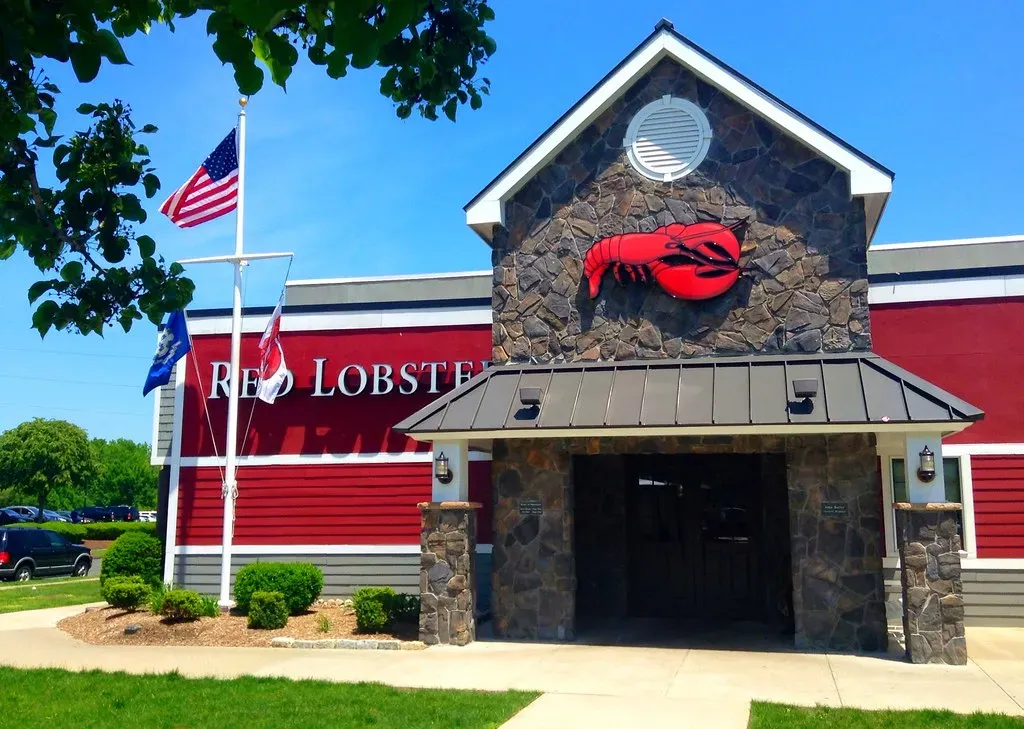
Red Lobster is one of the most dramatic cautionary tales in recent restaurant history. For many Americans, those cheddar bay biscuits carried serious nostalgic weight. The reality in 2024 and 2025 has been far less appetizing. Under major shareholder Thai Union, aggressive cost-cutting took Red Lobster’s reputation from hero to zero, and in early 2024, Thai Union agreed to walk away from Red Lobster in exchange for a $530 million write-off.
Red Lobster filed for Chapter 11 bankruptcy protection after a failed lease-back agreement and the ill-fated “endless shrimp” promotion backfired against company revenue, and the chain permanently shuttered more than 120 restaurants in 2024. Diners who kept showing up reported that quality had slipped badly even before the bankruptcy. Among the 50 biggest restaurant chains, Red Lobster’s bankruptcy dragged its sales numbers down by 22.7%, the worst decline on the list. Paying sit-down prices for a diminished experience is exactly why so many customers gave up before the doors even closed.
9. Subway: More Locations, Less Reason to Visit
Subway was once the undisputed sandwich king of America. It had more locations than any other chain in the country, which is impressive until you realize that raw scale says nothing about quality or value. Subway has around 20,000 locations across the United States and you can find one in virtually every mall, but at its peak in 2015, it had approximately 27,000 restaurants, and that number has been gradually sinking ever since.
In 2024, Subway had to close a massive 631 restaurants in the U.S., and it spent much of 2025 without a permanent CEO, leaving the company adrift at a time of crisis. Customers consistently raise concerns about portion sizes shrinking while prices climb. After years of rapid overexpansion, Subway has been continuing its strategy of closing unprofitable locations, shutting down over 500 stores in 2025 as part of a plan to rebuild the brand’s reputation and focus on higher-traffic locations, while investing in menu upgrades and store redesigns. Whether those upgrades will convince skeptical diners to return remains a very open question.
10. Sonic: Drive-In Disappointment
Sonic’s whole charm was always the novelty of it. Carhop delivery, retro aesthetic, cherry limeades in the summer heat. It was a vibe. But vibes do not make up for cold food, wrong orders, and apps that crash halfway through checkout. Sonic scored a disappointing 73 on the American Customer Satisfaction Index in 2025, falling well short of the 79-point average for quick-service restaurants and falling considerably from its score of 76 the year before.
On Trustpilot, Sonic’s reputation takes an even harder hit with a dismal 1.5-star rating. That is not a rounding error. That is a pattern. Customers report rude staff, shakes that arrive runny instead of thick, and an ordering system and app that are often not working, with getting orders wrong appearing to be a regular occurrence – and even complaints about undercooked food. At a drive-in where the whole experience is the product, falling apart at the service level means the entire value proposition collapses instantly.