12 Grocery Store Tricks Many Shoppers Still Overlook, According to Former Employees
Most of us spend a surprising amount of time inside grocery stores. The average American consumer visits the grocery store once every 4.7 days and spends 46 minutes shopping. That adds up to hundreds of hours every year wandering through carefully engineered aisles. Yet most shoppers have no idea how deeply the experience around them has been designed to shape what goes into the cart.
Grocery stores are well-oiled machines that run both efficiently and specifically according to many factors, including a fair amount of shopper psychology. Everything from how specific grocery items are stocked on the shelves to when the items are marked down is not chosen at random. It’s intentional and specifically designed to save, and make, money. Former employees who have worked the aisles and back rooms know exactly how this all works. Here are 12 tricks most shoppers still walk right past. Let’s dive in.
1. The FIFO Rule: Always Reach for the Back
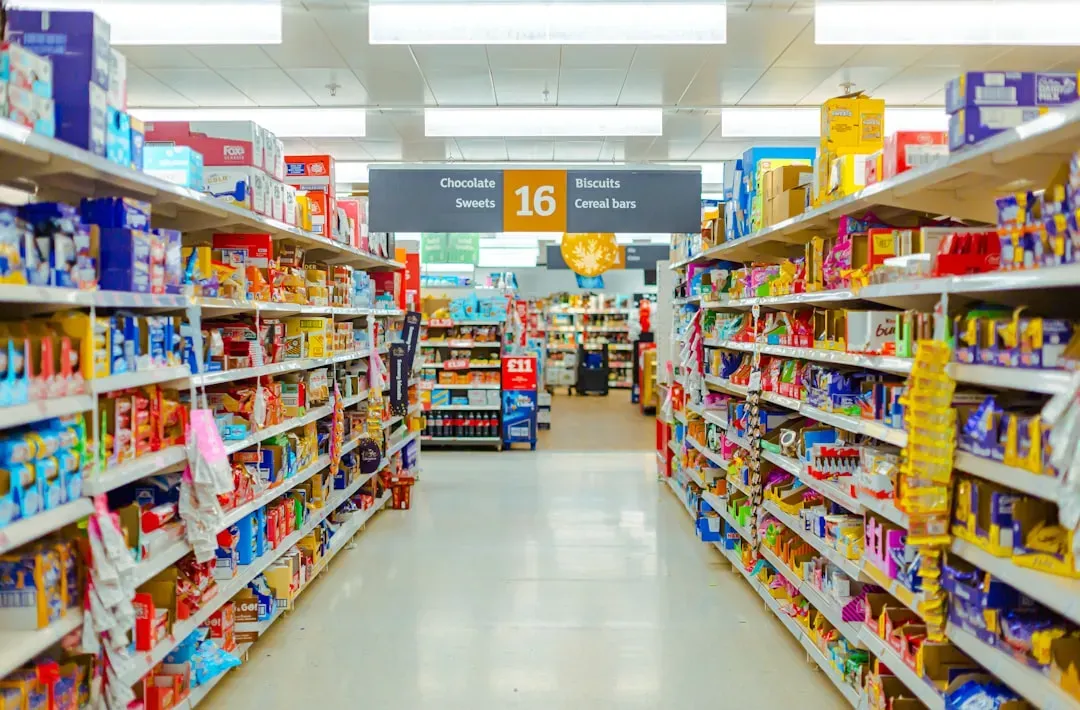
In retail and especially with produce, there is a practice called F.I.F.O, or “First In First Out.” When restocking a shelf, employees place the newer product behind the older product. This makes the best sense because shoppers will most likely grab the closest item first and not check the best buy dates on anything beyond that.
Reaching into the back to avoid the FIFO method will help you get around that. So if you’re doing a long-term shop and don’t want to worry about best-by dates, or want the absolutely freshest produce, reach into the way back. It sounds almost too simple, but it genuinely makes a difference. Think of it like the last seat on the bus. Nobody sits there, but it’s almost always the cleanest.
2. The Markdown Schedule Stores Keep Secret
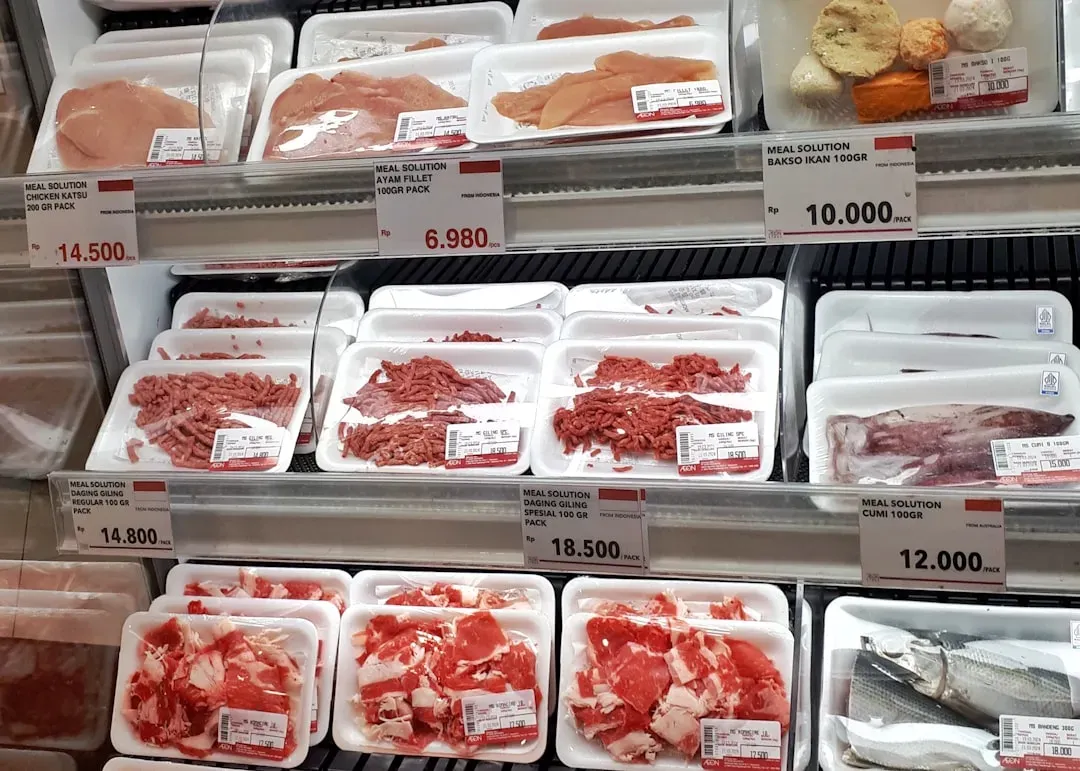
Here’s something that blew my mind when I first heard it. Most grocery stores mark down meat three to five days before the sell-by date, typically in the early morning or evening. Markdowns often happen on specific days of the week depending on the store, with many chains offering the best discounts on Mondays, Wednesdays, and Sundays. These markdown schedules help stores minimize waste while offering shoppers significant savings of 30 to 50 percent on quality meat products.
Most stores have two primary markdown times: early morning between 7 and 9 AM when staff first evaluates inventory, and evening between 7 and 9 PM for final daily markdowns. You can simply ask a department employee what time of day they do their markdowns. Be sure to ask someone from that specific department, since the meat and dairy sections may have different markdown schedules. It pays to be friendly and curious.
3. The “Sale” Sticker That Isn’t Really a Sale
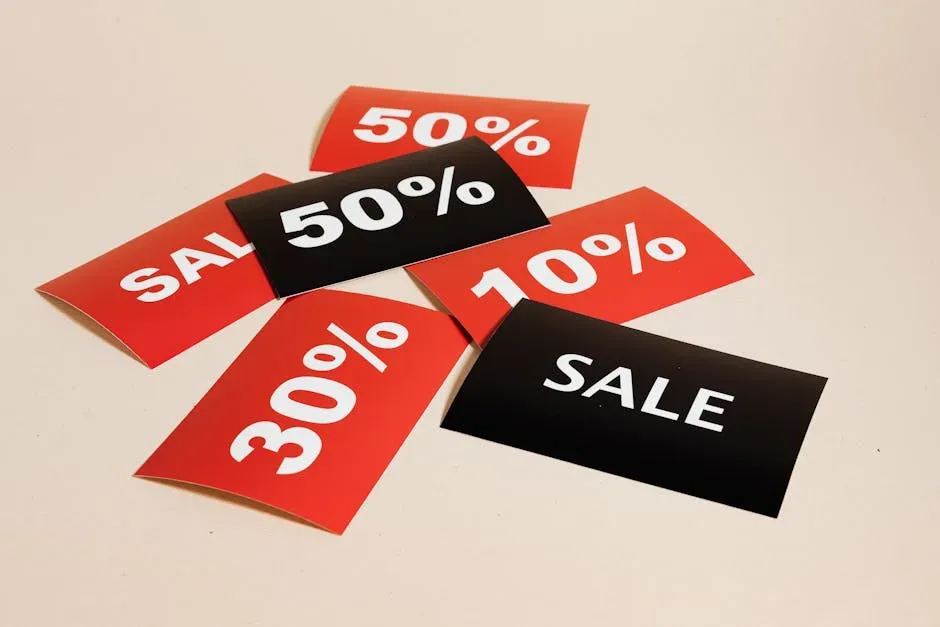
Just because a sale sticker is placed on a product does not necessarily mean that it has been marked down by even a single penny. Harsh, but true reality. Grocery stores can, and do, place “sale” tags on articles without ever touching the basic price.
It’s a sad fact that oftentimes, just because your eyes catch a bright yellow or red sticker on an item, you automatically reach for it, prompted even more by the feeling that “sales” make shoppers feel a sense of urgency, like they will miss out on something if they don’t snap up whatever it is right now. The trick here is simple. Always compare the unit price, not just the sticker. A colorful tag is not a contract.
4. Eye Level Is Buy Level: Look Up and Down
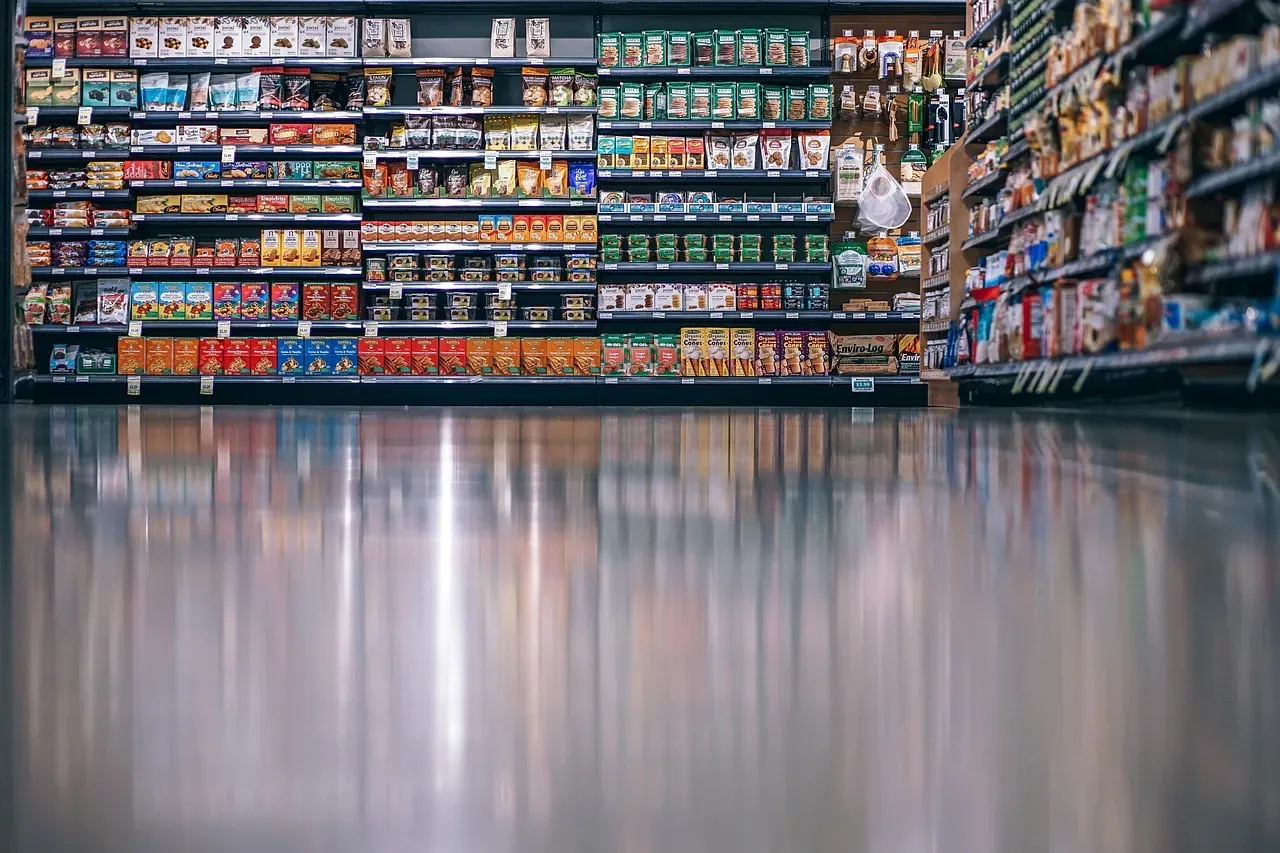
You know that saying “eye level is buy level”? Well, it’s not just some catchy phrase. Brands placed at eye level are evaluated better than brands placed at lower shelves, irrespective of actual brand quality. Stores charge premium shelf placement fees for exactly this reason.
Grocery shelves are typically designed so that you need to look high or low to find less expensive brands. Pricey name brands are usually placed at the average shopper’s eye level, while cheaper options such as store brands and generics are placed out of sight on higher and lower shelves. A Cornell University Food and Brand Lab study examined 65 cereals in 10 different grocery stores and found that cereals marketed to kids are placed at roughly half as high on market shelves as adult cereals. Even the characters on the box are designed to make eye contact with children, not adults.
5. The End Cap Illusion
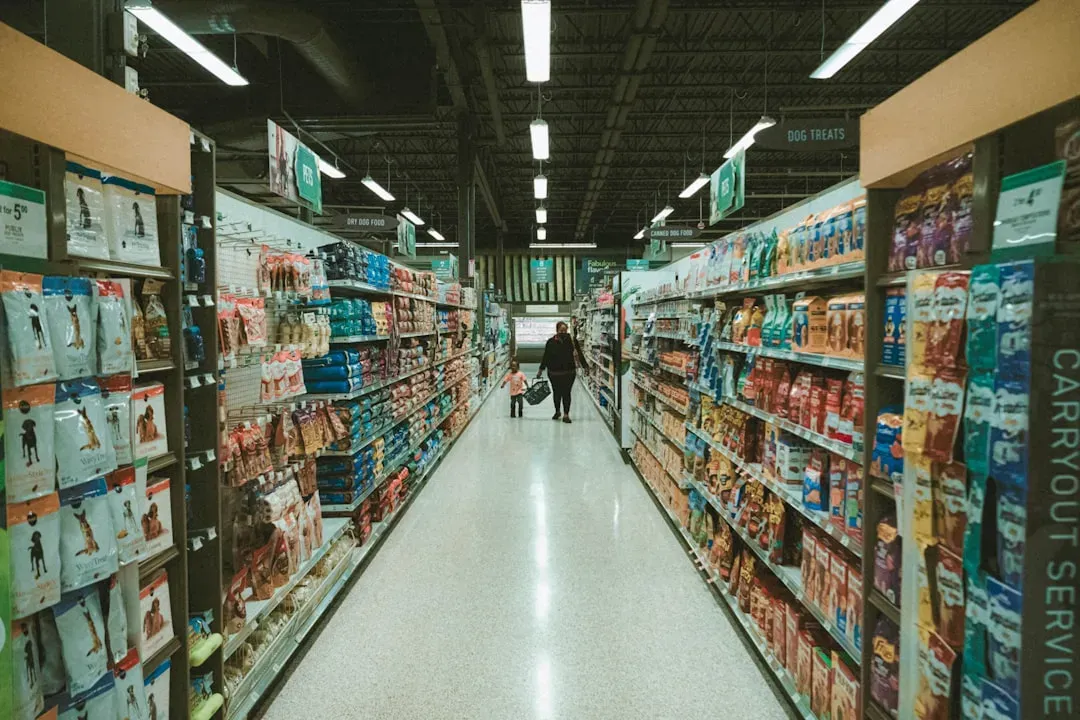
The displays at the ends of the aisles, known in the supermarket business as end caps, are astute shopper traps. Companies pay high prices to display their products there, since these are hot spots for impulse buying. Industry sources suggest that products at end caps can sell significantly faster than the same product shelved elsewhere on the aisle.
End cap displays trigger rates of impulsive buying at around 61 percent versus 58 percent for in-aisle displays. The strategy is to always check if items at the end cap are actually on sale. The end caps might feature cookies and snacks marked with special prices. In many cases, you will pay the same price per item whether you buy one package or five. The display is the illusion. The discount, not always real.
6. The Oversized Cart Is Working Against You
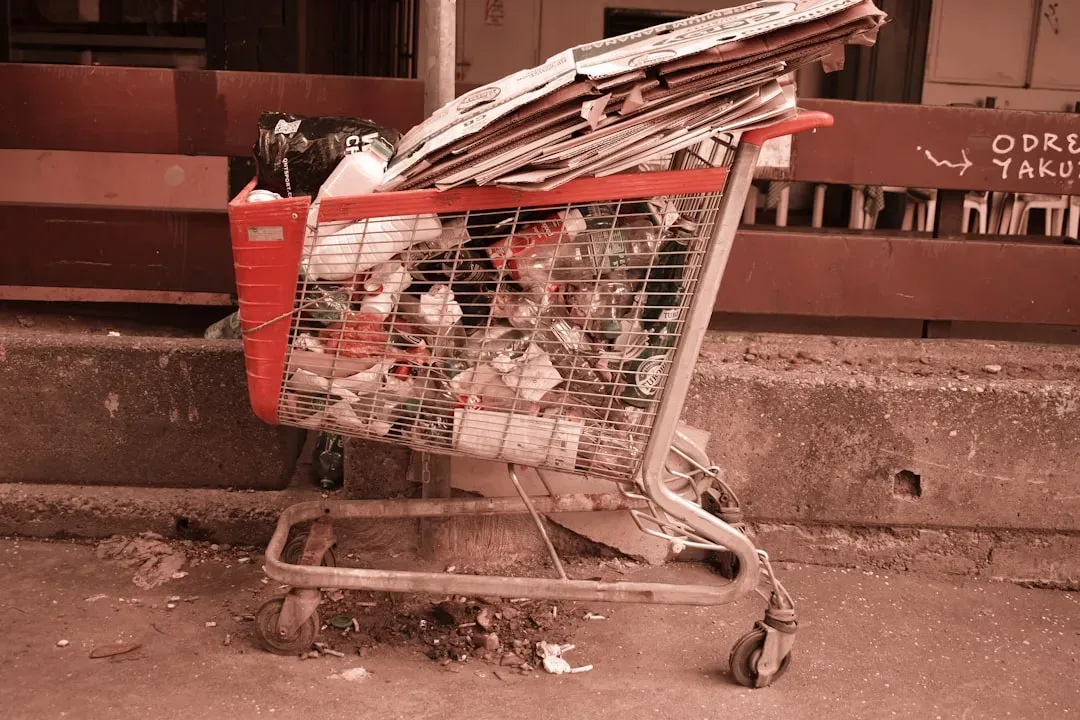
Those big metal carts you grab at the entrance are not just convenient transportation devices. Carts have grown significantly in size, and they are still growing. According to marketing expert Martin Lindstrom, larger shopping carts can lead shoppers to buy significantly more.
Shopping carts are getting bigger deliberately. The larger your cart, the more likely you are to impulse-purchase foods to fill it up. Those with the bigger shopping carts bought roughly 40 percent more than those with the smaller ones, because the cart looks emptier, making you more likely to fill it with impulse buys and treats. Next time, grab the basket if you only need a few things. Your wallet will thank you.
7. The Unit Price Label Most Shoppers Ignore
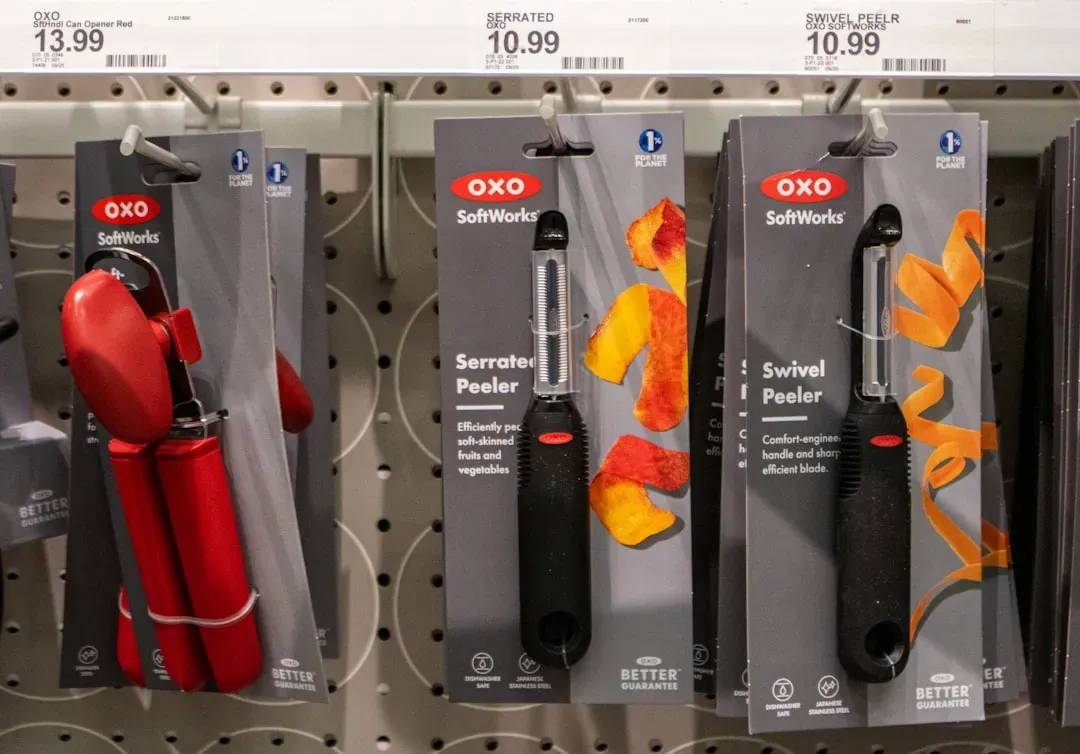
A smaller number on shelf tags tells you the price per ounce, pound, liter, or unit you will pay when you buy that package. This unit price is there to help you compare products when they come in different sized packages. Most shoppers ignore this completely.
In one example, the big box costs more per pound while the smaller box costs less per pound, making the smaller box the better buy. Many people believe larger sizes are always the best deal, but that is not always the case. Honestly, this is one of the most underused tools in the entire store. It is right there on the label, clear as day, and yet the majority of shoppers walk past it every single week.
8. The Bakery Bread Is Not What You Think
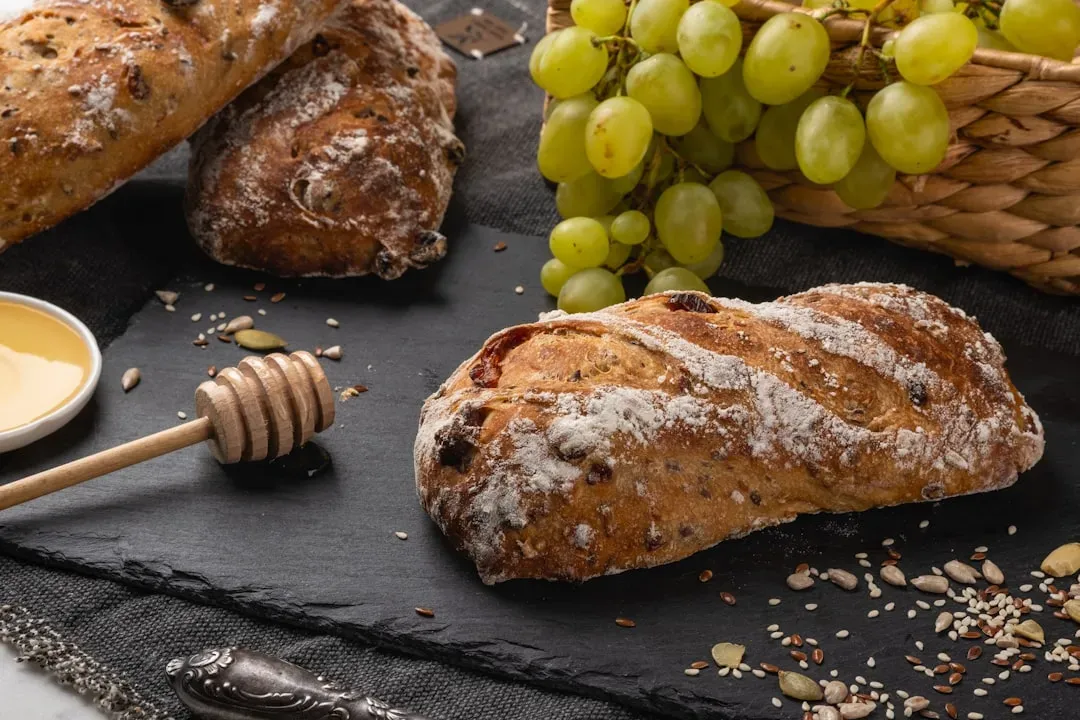
Grocery stores deliberately position their bakery sections to spread enticing aromas throughout the aisles. But many of those “freshly baked” goods are not made from scratch on site. These items often arrive as frozen, pre-made dough or par-baked products that employees simply bake off in ovens.
In many, especially larger, grocery stores, a majority of the baked goods sold actually arrive frozen. The dough is mixed via huge mechanical mixers using standardized recipes that ensure exact, uniform sizes. The items are then frozen, boxed, and shipped straight to the grocery store bakery, ready for workers to unpack and bake them. That irresistible smell? Completely real. The from-scratch illusion? Less so.
9. The Strategic Layout Forces You to Walk More
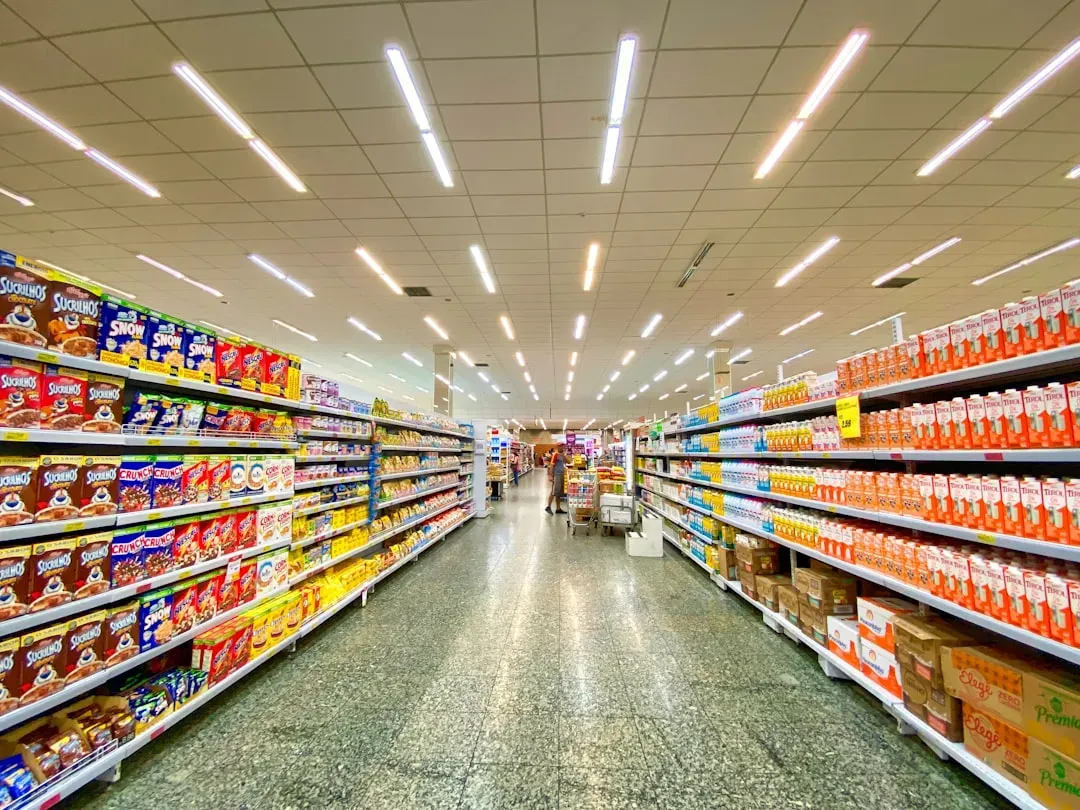
Essential groceries most commonly placed on shopping lists, such as eggs, milk, fruit, and vegetables, are separated and strategically set around the store to force the customer into a full-length walk of the supermarket, leading shoppers to be more likely to pick up higher margin items. Dairy sections are located as far away as possible from the entrance, giving shoppers time to discover additional items they may not have intended to buy.
Studies show that three out of every four grocery store shoppers will make some type of purchasing decision while they are in the store itself. Studies also show that roughly 90 percent of customers automatically turn to the right when they enter a store, and supermarkets capitalize on this by placing high-demand items or promotional products in that direction. The whole layout is basically a maze, and you are the rat.
10. The Store Is Designed to Make You Lose Track of Time
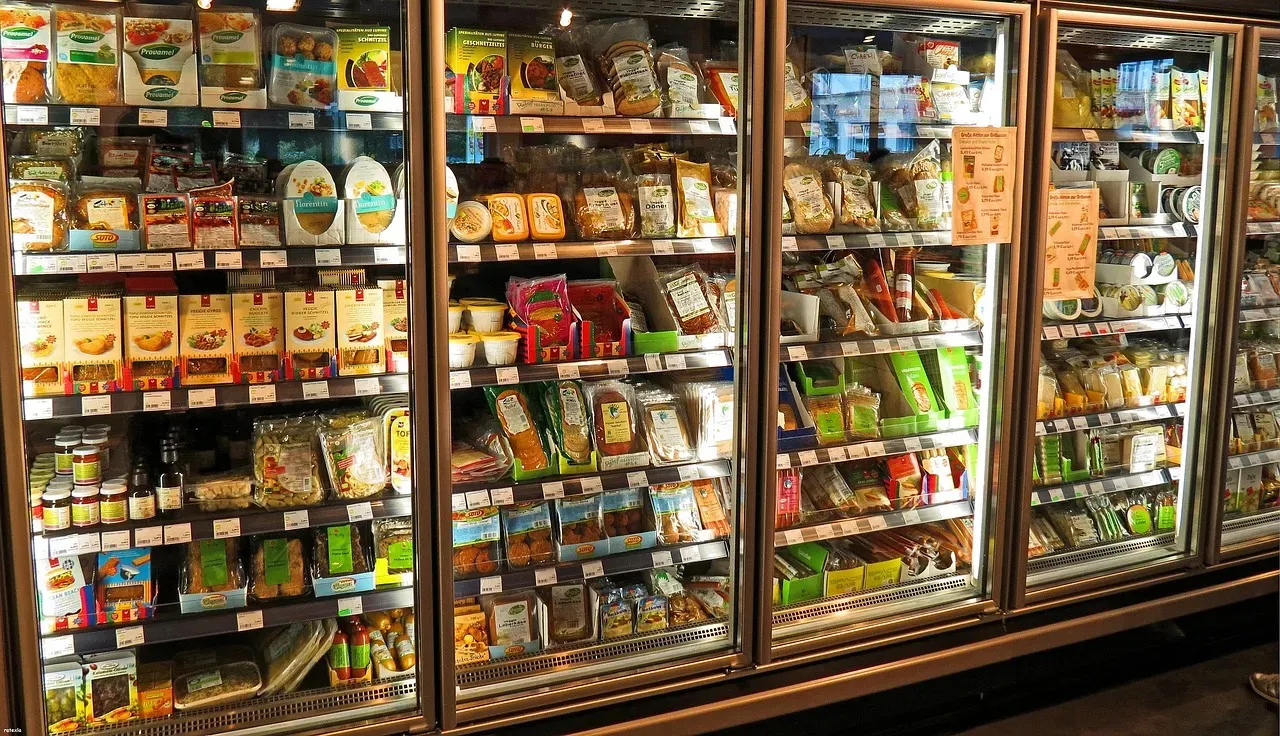
The lack of windows and clocks in supermarkets is a deliberate design choice that can influence consumer behavior and increase sales. Without windows or clocks, shoppers lose track of time and may spend more time in the store than they intended, which can mean more impulse buys.
Dr. Paul Mullins and his team at Bangor University demonstrated this effect using a brain-scanning technology called functional magnetic resonance imaging (fMRI). In a mock-up supermarket, they found that after around 23 minutes, customers began to make choices with the emotional part of their brain rather than the cognitive part. That is a remarkable finding. Essentially, the longer you stay in a store, the less rational your purchasing decisions become.
11. In-Store Music Controls Your Pace and Purchases
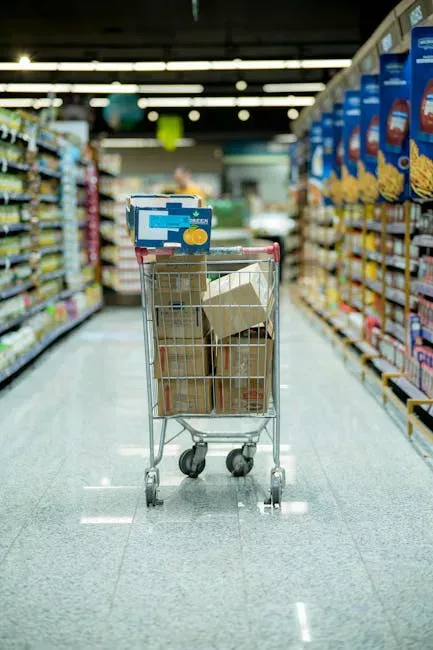
Researchers found that the tempo of grocery store music can impact which products shoppers purchase. When background music was fast-paced, shoppers were more likely to buy impulsive items like candy and cookies. Slower-paced music resulted in shoppers buying more healthy items like fruits and vegetables.
Slow-tempo music encourages shoppers to move more slowly through the store, and this longer exposure boosts the likelihood of extra purchases. Music might be in the background in grocery stores, but it is far from an afterthought. The music and messaging customers hear are part of how grocers establish and solidify their brands and encourage sales. The playlist overhead is not entertainment. It is a marketing tool.
12. Loyalty Programs Track More Than You Realize
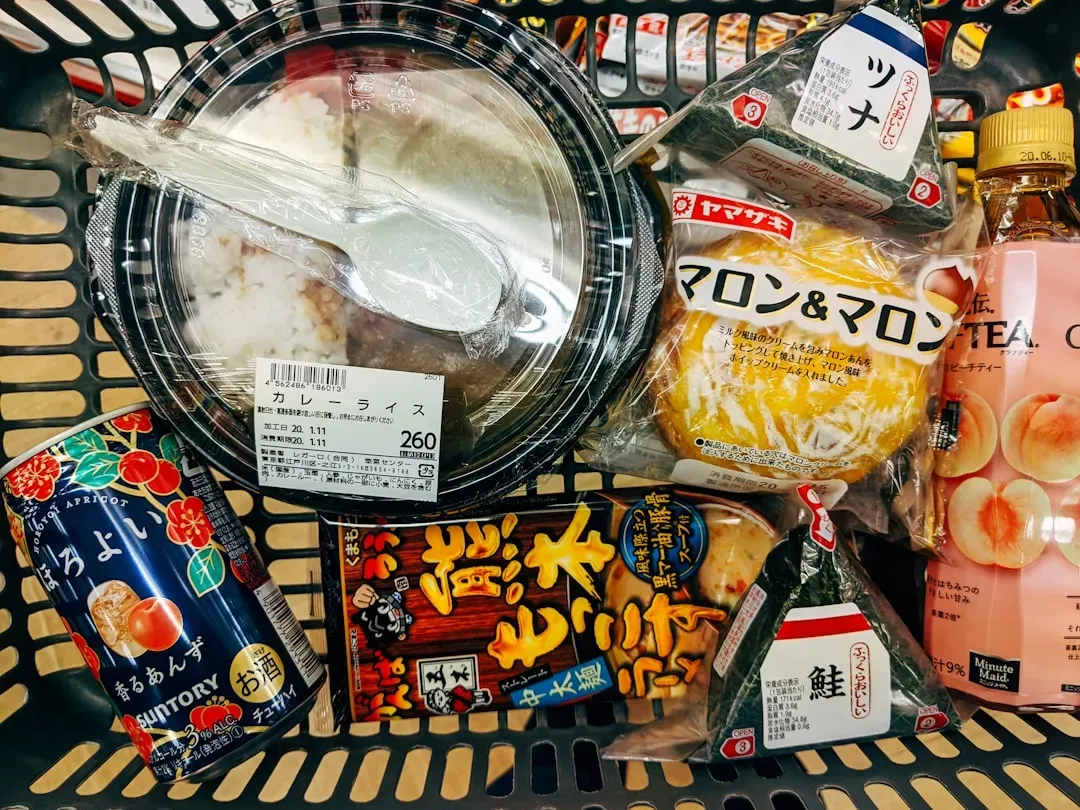
Many grocery store chains have loyalty programs where customers can receive exclusive discounts on certain in-store purchases. Experts warn that these programs come at the expense of your data collection. Data shows that today’s average shopper has 18 loyalty programs on their mobile device, with two to three of which being for grocery brands alone.
Customers who sign up for supermarket loyalty programs may also receive offers that appear to be good deals but are in fact just tailored to look like deals on items they would normally buy, with the purpose of getting shoppers in the door. The reality is that 81 percent of grocery shoppers now compare prices across multiple stores. This practice extends beyond brick-and-mortar locations to online grocery platforms. Use the loyalty programs for the discounts, but know exactly what you are giving in return.
Every single one of these tricks has been documented by researchers, confirmed by former employees, and backed by real consumer data. The grocery store is not a neutral space. It is one of the most carefully engineered environments most of us walk through every week. Knowing these tactics does not mean you stop shopping, it just means you shop smarter. What would you have guessed costs stores more money: a sale sticker or your data? Tell us what surprised you most in the comments.