If You Remember These 5 Pizza Chains, You Had a Fantastic Childhood
There is something deeply specific about food nostalgia. Not just any food, but the kind tied to a particular booth, a particular smell, a particular moment when you were small and the world felt simple and manageable. Pizza chains from the 1980s and 1990s were not just restaurants. They were experiences. Birthday parties, Friday nights, arcade tokens, red glass lamps. If certain names still make your chest feel warm, you probably didn’t just have a good meal. You had a fantastic childhood.
Americans have always loved pizza. In fact, research shows that roughly one in three people in the U.S. eat pizza every week. That kind of devotion helps explain why so many chains carved out such enormous emotional real estate in people’s memories. According to Statista, there were more than 74,000 pizza restaurants in the U.S. in 2024. The competition has always been fierce. Some chains survived it. Others did not. Let’s dive in.
Pizza Hut: The Red Roof That Felt Like Home
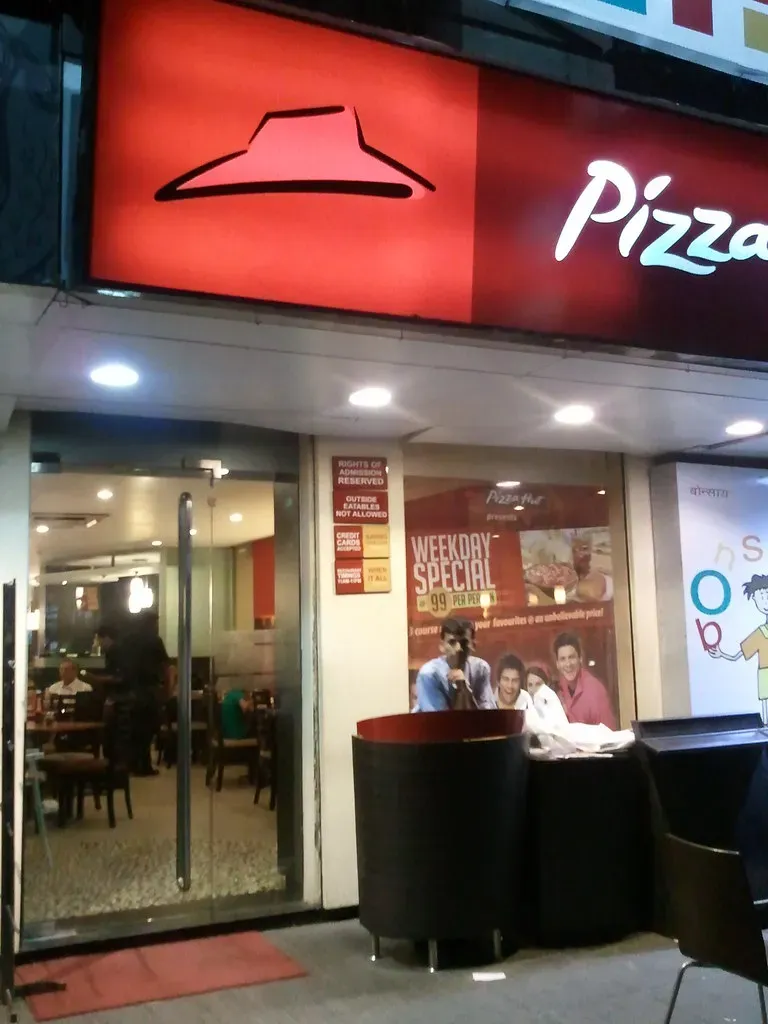
Let’s be real. When people talk about childhood pizza nostalgia, Pizza Hut wins the room every single time. In 1958, two brothers borrowed $600 from their mom to open a pizza place in Wichita, Kansas. They named it Pizza Hut because their sign only had room for eight letters. That accidental name became one of the most recognizable in food history.
By 1971, Pizza Hut became the world’s largest pizza chain according to sales and number of restaurants, with just more than 1,000 locations in all. To raise its profile further, Pizza Hut introduced Pan Pizza in 1980 throughout its network. The product, with a thicker crust made in deep pans, soon became wildly popular.
The stuffed crust pizza was introduced on March 26, 1995. By the end of the year, it had become one of their most popular lines. Then there was the Book It! program, launched in 1984, which awarded kids who met reading quotas with free pizza. Four decades later, the program remains both active and popular.
Since 2019, various Pizza Hut locations have been remodeled into Pizza Hut Classic formats, whose interiors emulate those of Pizza Huts in the 1980s and 1990s. They have generated incredible curiosity and fascination, with photos of them drawing hundreds of comments and expressions of excitement and joy online. Honestly, that says everything about what this chain meant to people.
ShowBiz Pizza Place: Animatronics, Arcade Games, and Pure Chaos
In the neon-lit world of 1980s family entertainment, few places captured the imagination of children quite like ShowBiz Pizza Place. With its animatronic band, arcade games, and cheesy slices of pizza, ShowBiz was a full-blown sensory experience. I know it sounds crazy, but a bear playing drums while you ate pepperoni pizza was completely normal to a 1980s kid.
ShowBiz Pizza Place was a restaurant chain that was very popular in the 1980s. Its history is greatly intertwined with that of its main competitor and eventual successor, Chuck E. Cheese’s. Both companies found early success, owing partially to the rise in popularity of arcade games. The basic concept was to offer pizza, a large selection of arcade games, and an animatronic stage show as a complete package of food and entertainment.
At its peak, ShowBiz operated over 200 locations across the United States. The Rock-afire Explosion became iconic, with fans memorizing their musical routines and eagerly awaiting new performances. Beginning in June 1990, ShowBiz restaurants began converting their stage shows and rebranding their storefronts to Chuck E. Cheese’s Pizza. By September 1990, Creative Engineering officially cut ties. By 1994, all ShowBiz restaurants had rebranded into Chuck E. Cheese’s restaurants.
Though the restaurants disappeared, the Rock-afire Explosion lived on. Fans began collecting animatronic parts, restoring old shows, and sharing performances online. Aaron Fechter, the creator of the band, maintained a loyal following and even released new content featuring the original characters. ShowBiz Pizza was gone, but it was never forgotten.
Shakey’s Pizza Parlor: Live Music, Mojos, and Pure Atmosphere
Shakey’s opened in Sacramento in 1954 and introduced live Dixieland jazz well before pizza jukeboxes were cool. Its calling card, the seasoned fried-potato “Mojos,” paired perfectly with pitchers of root beer and the “Bunch of Lunch” buffet. There has never been a side dish quite like a Shakey’s Mojo potato. That is not an exaggeration.
Shakey’s Pizza, with its roots going back to the 1950s, had a significant presence during the 1980s. Known for its affordable prices and fun atmosphere, it became a staple for families looking for a casual dining experience. The restaurant was famous for its pizzas, Mojo potatoes, and live music. During its heyday, Shakey’s was a lively gathering spot for birthdays and celebrations.
At its U.S. peak, Shakey’s counted more than 500 parlors, though only about 50 remain stateside, while the brand booms in the Philippines. As the years went by, the once-thriving chain saw a decline, with many locations shuttering their doors. Though not completely gone, Shakey’s footprint is much smaller now, reminding us of a time when family nights meant pizza, laughter, and perhaps a few rounds of Pac-Man.
Godfather’s Pizza: The Chain That Made Pizza Feel Like an Event
Some chains sold pizza. Godfather’s sold an experience. Godfather’s Pizza was founded in 1973 in Omaha, Nebraska, by Willy Theisen. Theisen’s vision was to create a premium pizza brand that offered a thicker crust and heartier toppings than competitors. The mob-themed branding was genuinely brilliant for the era.
By the late 1970s, Godfather’s Pizza had expanded rapidly, opening locations across the Midwest and beyond. The chain’s signature pies, featuring thick crusts loaded with toppings, were a hit with customers looking for something heartier than the thinner, crispier pizzas offered by some competitors. By the mid-1980s, they were one of the largest pizza chains in the United States, with over 800 locations nationwide.
Godfather’s stormed the scene with a mob-themed aesthetic and hefty, one-pound “Original” pies. The chain rocketed to roughly 1,000 outlets in the 1980s, powered by specialty creations like the Taco Pie, finished with cool shredded lettuce after baking. Cracks in the business began to emerge in the late 1980s as Pillsbury, which had acquired multiple restaurant brands, struggled to manage them effectively. Investment in Godfather’s Pizza slowed, and the brand’s expansion began to stall. Meanwhile, competitors such as Domino’s and Little Caesars were aggressively expanding their delivery operations. It’s hard to say for sure, but the delivery revolution may have dealt the finishing blow.
Round Table Pizza: Medieval Vibes and Genuinely Great Pizza
Here’s the thing about Round Table. It was the kind of pizza place where the food was actually the star. Bill Larson, a Navy man in the 1950s, was first exposed to pizza overseas in Japan, not Italy. Upon his U.S. return, he worked for companies like Coca-Cola and Safeway, then a couple of pizza restaurants. He wanted to make his own mark in California’s Bay Area and created the blueprints for his own business, a pizza concept that opened in Menlo Park in 1959.
Launched in Menlo Park, California in 1959, Round Table embraced an Arthurian motif, complete with shield-shaped signage. The “King Arthur Supreme” remains its flagship, loaded with pepperoni, Italian sausage, salami, onions, mushrooms, and olives. At its peak, the chain stretched to Hawaii, Alaska, and the Middle East, with around 400 stores still flying the pennant.
Today, Round Table store operators still roll their own pizza dough. Iconic commercials that ran in the 1980s and 1990s dubbed Round Table “the last honest pizza.” Round Table Pizza was a knightly feast for those craving something more than just a meal. Its medieval-themed decor and hearty pizzas were a hit, providing a dining experience fit for a king. The chain was known for its quality ingredients and creative toppings, setting it apart from others. There is something refreshing about a chain that let the pizza speak for itself.
Sbarro: The Pizza of Every Mall, Every Memory
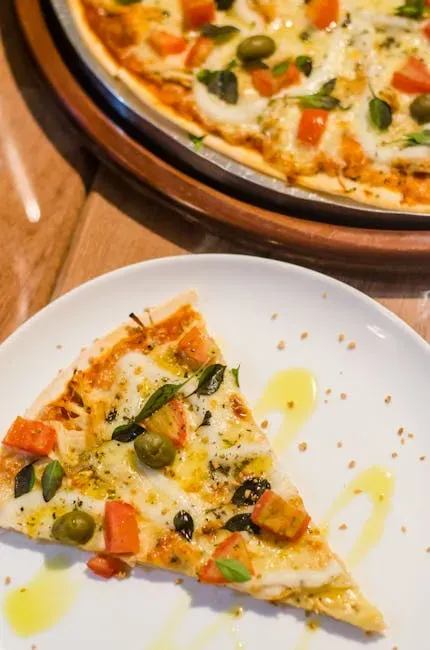
Ask anyone who grew up in the 1990s where they ate lunch at the mall, and there is a good chance the answer starts with Sbarro. The chain began as a family operation. In 1956, Naples natives Carmela and Gennar Sbarro opened a salumeria in Brooklyn, New York, and it became famous for Carmela’s grab-and-go pizza slices. The couple expanded to other locations in the 1970s, including a shopping mall. The mall location was a huge success, and Sbarro went on to open hundreds of locations in more malls across multiple countries.
The 1980s and 1990s were glory days for Sbarro, as malls were all the rage and people loved the convenience of being able to grab individual slices on the go. However, by the 2000s, malls were starting to fall out of fashion, and there were more big players in the quick-service pizza game.
Sbarro’s fate was tied almost entirely to the mall era. Think of it like a band that had one legendary tour and then watched the venues slowly close one by one. According to Nation’s Restaurant News, in 2024 the pizza segment struggled significantly, with data showing roughly three out of five pizza chains experiencing declining sales. Sbarro was very much a symbol of that larger story.
What these five chains have in common goes far beyond cheese and tomato sauce. They gave entire generations a sense of place, ritual, and belonging. Many fast-casual establishments were out-priced by ever-growing competitors, and other themed chains could not compete with faster-growing versions of their own concept. These chains remain a nostalgic memory to those who frequented them, even though they were eventually forced to close their doors or shrink dramatically. The pizza was always just part of the package. The real product was the memory itself. What’s your most vivid pizza chain memory from childhood? Tell us in the comments.