Why Former Servers Say You Should Always Pay Attention to the First Thing Your Waiter Does
Most diners walk into a restaurant focused on the menu, the ambiance, or who they’re dining with. Rarely do they stop to study the person walking toward their table in those very first seconds. But former servers know something the average diner doesn’t: that first move your waiter makes tells you almost everything. It’s a signal, a preview, and sometimes a warning all wrapped into a few brief moments of human interaction.
The Greeting Sets the Entire Tone of Your Meal
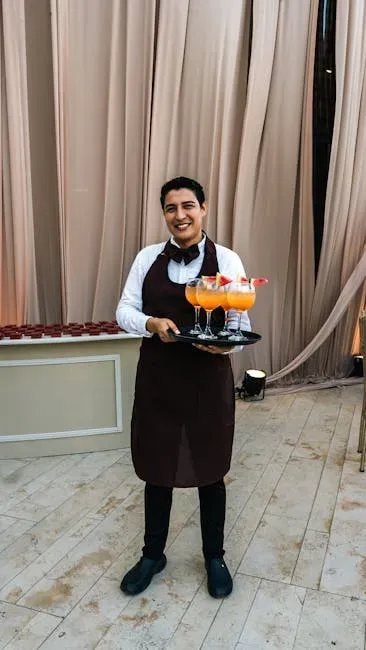
The initial interaction sets the tone for the entire dining experience. A warm and professional greeting, followed by proper seating, is crucial to how customers are served in a restaurant. Former servers will tell you this isn’t just industry talk – it’s something they felt at every table, every shift. A distracted or delayed greeting rarely recovers into a smooth meal. It only takes a few seconds to form an impression of the place you’ve just entered, so the first impression has to be perfect.
First impressions matter. Making eye contact, smiling, and greeting guests within 30 seconds of arrival – even when busy – sets a friendly welcome that sets the tone for their entire experience. Industry professionals consistently point to this 30-second window as non-negotiable. Customers notice when staff seem distracted or rushed. The greeting sets expectations for the entire meal, so it needs to be warm and professional.
Whether the Waiter Introduces Themselves by Name Matters More Than You Think
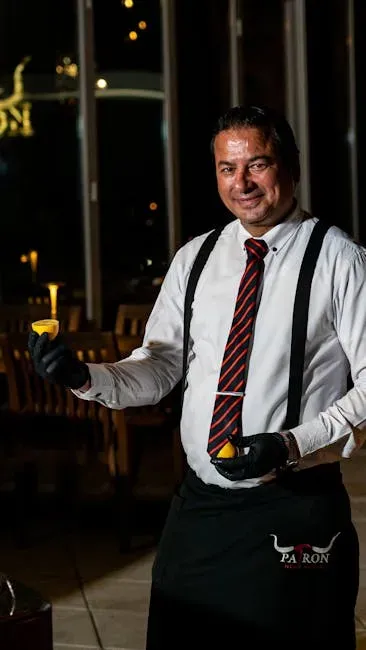
A proper introduction makes a server seem polite and friendly and can boost their earnings. In a study of customers enjoying a Sunday brunch at Charley Brown’s Restaurant in Huntington Beach, California, simply saying “Good morning. My name is Kim, and I will be serving you this morning” increased the average tips from $3.49 to $5.44. That’s a dramatic jump for a single sentence. It turns a transaction into a human connection.
A study done in southern California had half of the waiters greet their tables with their name and the other half not introduce their names, and the tips were substantially different. The group who introduced themselves received an average tip of 23% compared to 15% for those who did not. The first thing to do if you want to earn bigger tips is introduce yourself to your table. Veterans of the restaurant floor say this also signals attentiveness. Personalization like name usage increased satisfaction by 22% per staff interaction data from 2024.
A Genuine Smile Versus a Forced One: Diners Can Always Tell
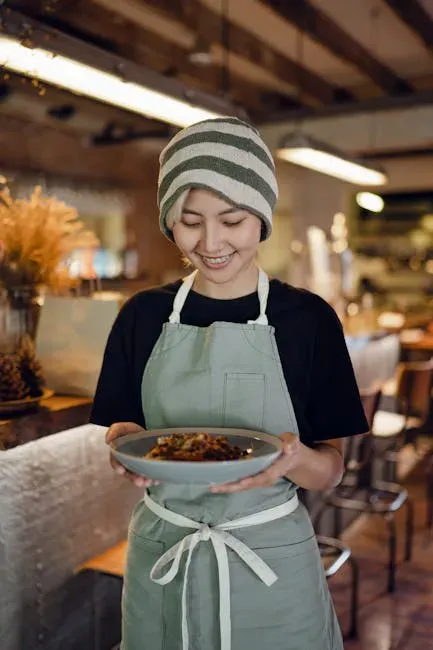
Psychological research on tipping has found that servers earn larger tips when they introduce themselves by name, squat down next to the table, flash sincere smiles, touch their customers, use tip trays with credit-card insignia, and write “thank you” on the backs of checks. The smile, in particular, stands out among these behaviors as the most immediately readable signal. Among all the behaviors studied, smiling has the most potential for affecting an increase in tips for both male and female waiters – and a big smile is more effective than a small one.
A study conducted in a cocktail bar in Seattle found that smiling more often could double the tip for the server. However, people can tell a genuine smile from a fake one, so it has to be real. Former servers say regulars especially become expert at spotting the difference within moments of being greeted. Smiling is one of the most basic, universal ways to make people feel better, and it can be considered an “emotional contagion” because it spreads happiness and positivity across a room.
Speed of the First Acknowledgment Reveals a Lot About the Shift Ahead
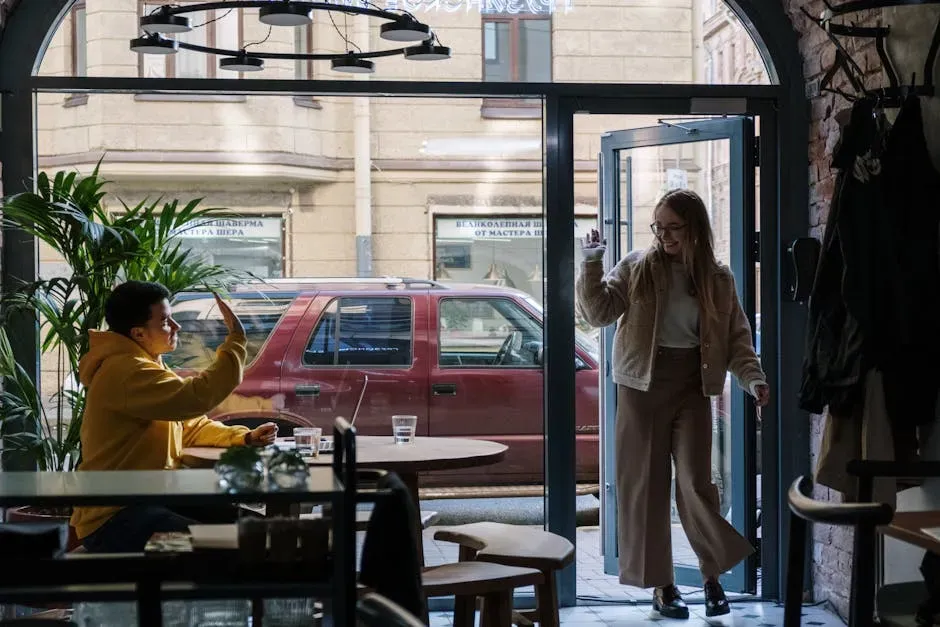
Speed shapes a guest’s first impression. A delay at any service point – be it greeting, seating, or ordering – can set the wrong tone. Training staff to respond quickly, make eye contact early, and communicate transparently about wait times is essential. Prompt attention signals professionalism and respect for the guest’s time. Experienced servers understand that a slow first acknowledgment sends an immediate message about how the whole evening will go. It’s rarely about being busy; it’s about awareness.
Nearly half of customers abandoned restaurants after waiting over 15 minutes without updates in the first quarter of 2024. That statistic alone speaks volumes about how sensitive diners have become to being ignored. Brands must focus on delivering a superior experience to what was acceptable pre-pandemic. Simple things like greeting customers when they enter, being friendly and helpful, and maintaining adequate supply levels are table stakes.
Body Language in That First Moment Tells You Everything About Attentiveness
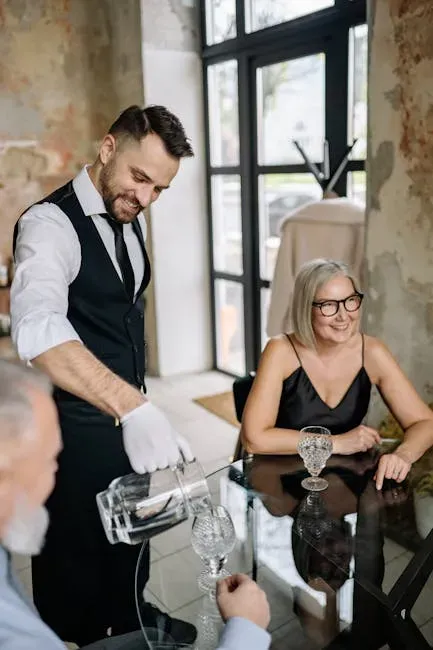
Negative body language, such as avoiding eye contact, crossing arms, or displaying disinterest, can lead to misinterpretation, distrust, and dissatisfaction. According to UCLA professor emeritus Albert Mehrabian, nonverbal cues including body language account for up to 55% of communication effectiveness. Former servers will point out that a crossed-arm approach or a failure to make eye contact on the first visit to the table is a red flag – not just for the customer, but also for management. Confident, open posture and maintaining eye contact make guests feel at ease, while slouching or avoiding eye contact can come off as disinterest.
Eye contact lets a customer know that the server is listening to what they’re saying. By maintaining it when the customer is speaking, it tells them that attention is being paid to their needs and that their requests are recognized as significant. The body language of that first interaction – the angle of approach, the openness of posture, the directness of gaze – is a real-time readout of how invested a server is in the table. The principles are the same as making a good first impression at work – facial expression, body language, and tone of voice all influence the server’s initial opinion of the guest, and vice versa.
What the First Move Signals About the Rest of the Service
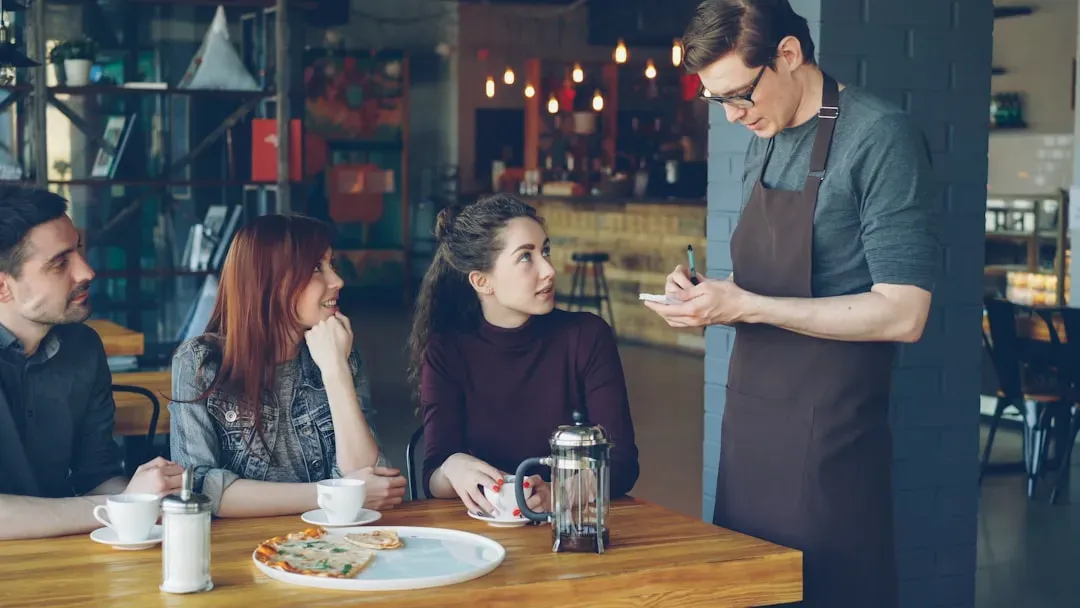
Roughly three quarters of consumers say a friendly service experience is the key factor that makes them stick with a brand, and around 60% of guests say that a negative experience with a server is the main reason they won’t return to a restaurant. The first move a waiter makes is the opening chapter of that entire story. In the restaurant industry, customer satisfaction directly correlates with loyalty. A survey by the National Restaurant Association found that 70% of diners are more likely to return to a restaurant where they received excellent service, even if the food was only average.
Research published in the Journal of Hospitality found that participants who followed tip-enhancing training used more behaviors like smiling and introducing themselves by name and received higher tips as a result. Previous studies have also shown that restaurant employees who use these tip-enhancing behaviors receive more tips. The first thing your waiter does isn’t random – it’s a trained, practiced, or instinctive gesture that reveals competence, engagement, and professionalism all at once. Guests don’t just remember what they ate – they remember how they were treated. In a busy hospitality environment, etiquette is a superpower. It’s the small things – how guests are greeted, how complaints are responded to – that make the biggest difference.