A Chef With 20 Years of Experience Shares 10 Grocery Store Items He Never Buys
Walk into any grocery store and you’re immediately surrounded by thousands of choices. Bright packaging, bold health claims, convenience products stacked from floor to ceiling. It all looks appealing, right? Yet behind those attractive labels, some items are genuinely not worth your money, your health, or your taste buds.
Someone who spends decades cooking professionally develops a very particular relationship with ingredients. They learn what actually works, what’s overpriced, and what’s quietly compromised in ways the average shopper would never notice. The list that follows comes from that hard-earned, professional perspective. Get ready, because a few of these will genuinely surprise you. Let’s dive in.
1. Pre-Shredded Cheese
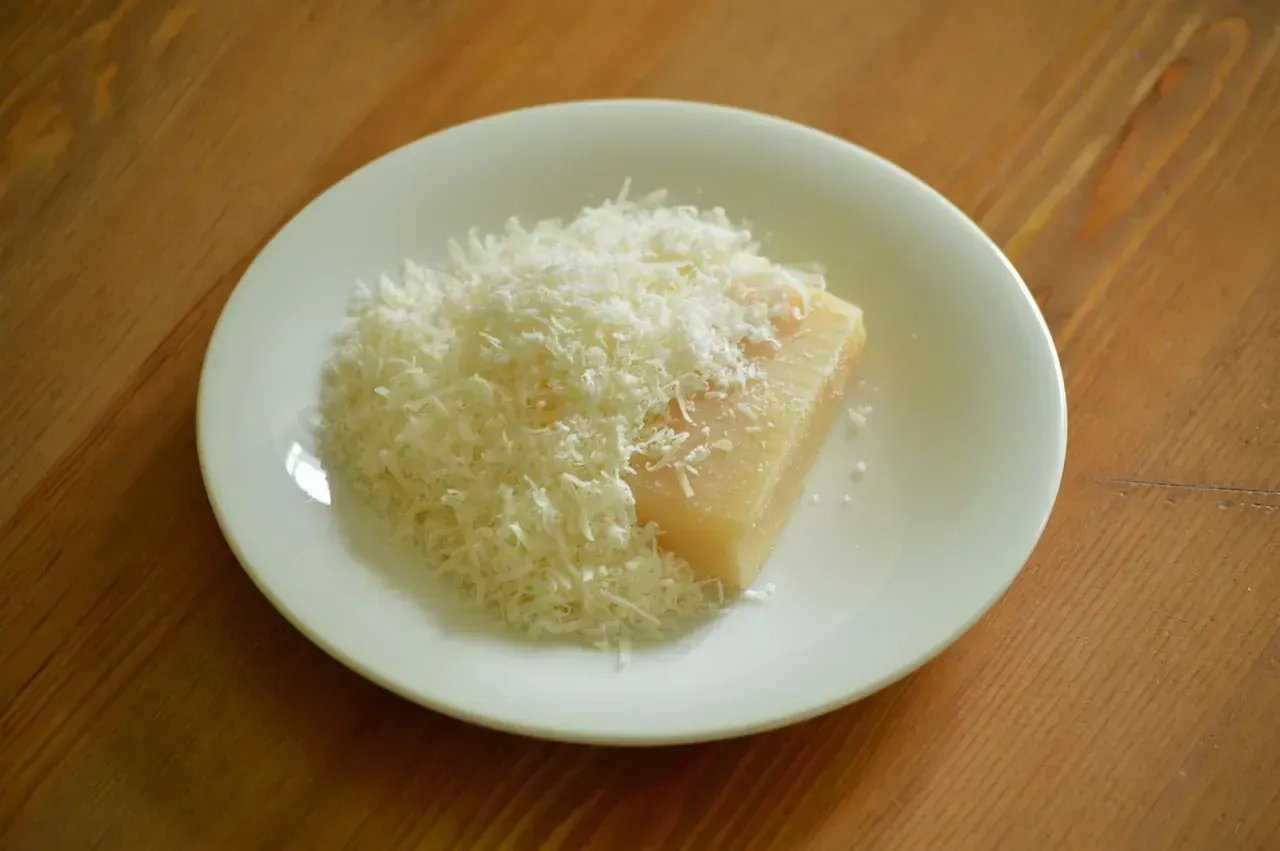
Here’s the thing about pre-shredded cheese: it’s not just cheese. Some shredded cheeses contain cellulose from wood pulp and added carbohydrates. That anti-caking powder coating every single shred? Its primary function is to prevent caking by forming a barrier and soaking up any water inside the packaging. This is one reason why some pre-shredded cheeses don’t melt, as the addition of cellulose works to keep the shreds separate.
From a purely culinary standpoint, that’s a disaster if you’re making a cheese sauce or a proper pizza. Many of these cheese products, including those by leading shredded-cheese maker Kraft-Heinz or those sold as store brands in Walmart and Albertsons, contain up to 9 percent cellulose. Honestly, buying a block and grating it yourself takes maybe three extra minutes and the melt is incomparably better. If you want perfectly melted cheese without any sneaky additives, grab a block of cheese and shred it yourself at home. Cheese blocks generally lack the addition of wood pulp, typically only containing pasteurized milk, enzymes, cheese culture, and additional flavorings.
2. Jarred Pasta Sauce
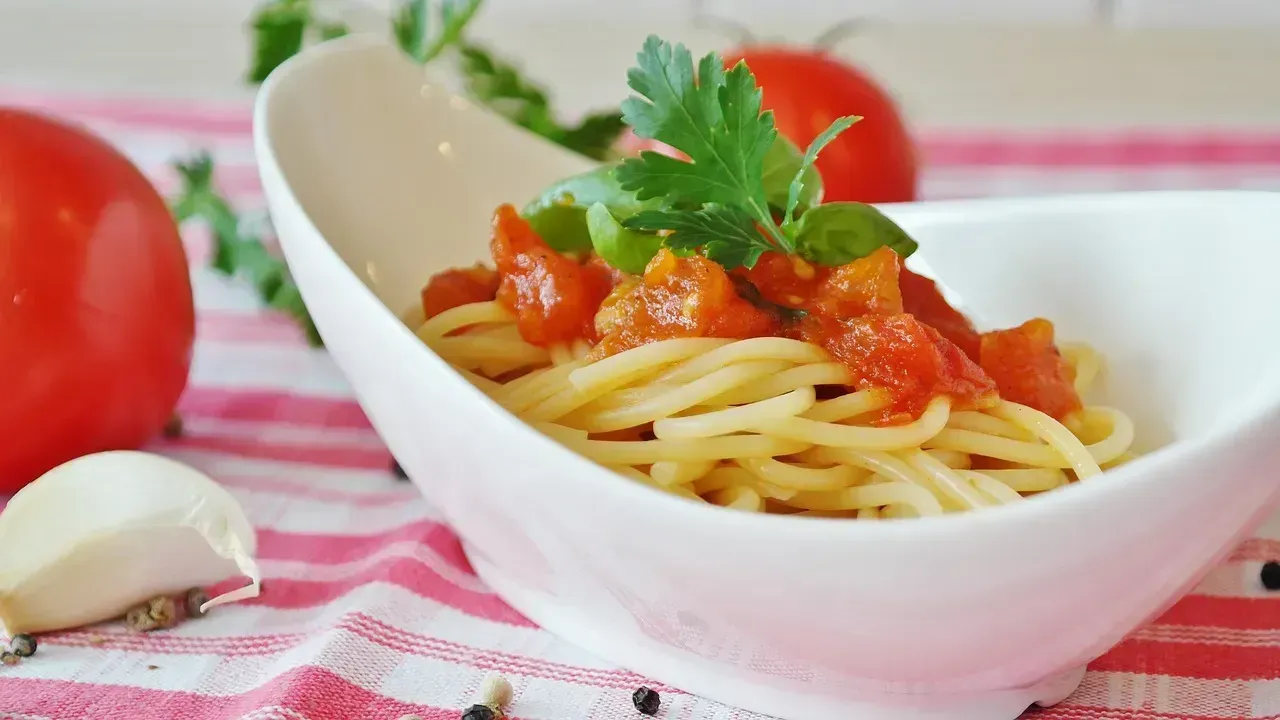
Store-bought marinara sauce can be packed with tons of sodium, lots of added sugar, and mysterious additives that should be avoided. Think about that the next time you reach for a jar because you’re in a hurry. The average jarred tomato pasta sauce has 500-600 milligrams of sodium per serving, and most people use far more than a single serving in one meal. That number adds up fast.
Preservatives like sodium benzoate or potassium sorbate are required when pasta sauces are going to be sitting on shelves, potentially for months at a time, without refrigeration. Although these compounds are effective at preventing the growth of bacteria, they can give ready made sauces a bitter taste. To mask that bitterness, manufacturers frequently load in sugar. A jar of marinara sauce might be tempting when you want to get dinner on the table fast, but these jarred sauces are usually overbearing, with none of the nuance of fresh tomatoes. A simple homemade sauce takes twenty minutes, costs almost nothing, and tastes like a completely different dish.
3. Pre-Packaged Bagged Salad Kits
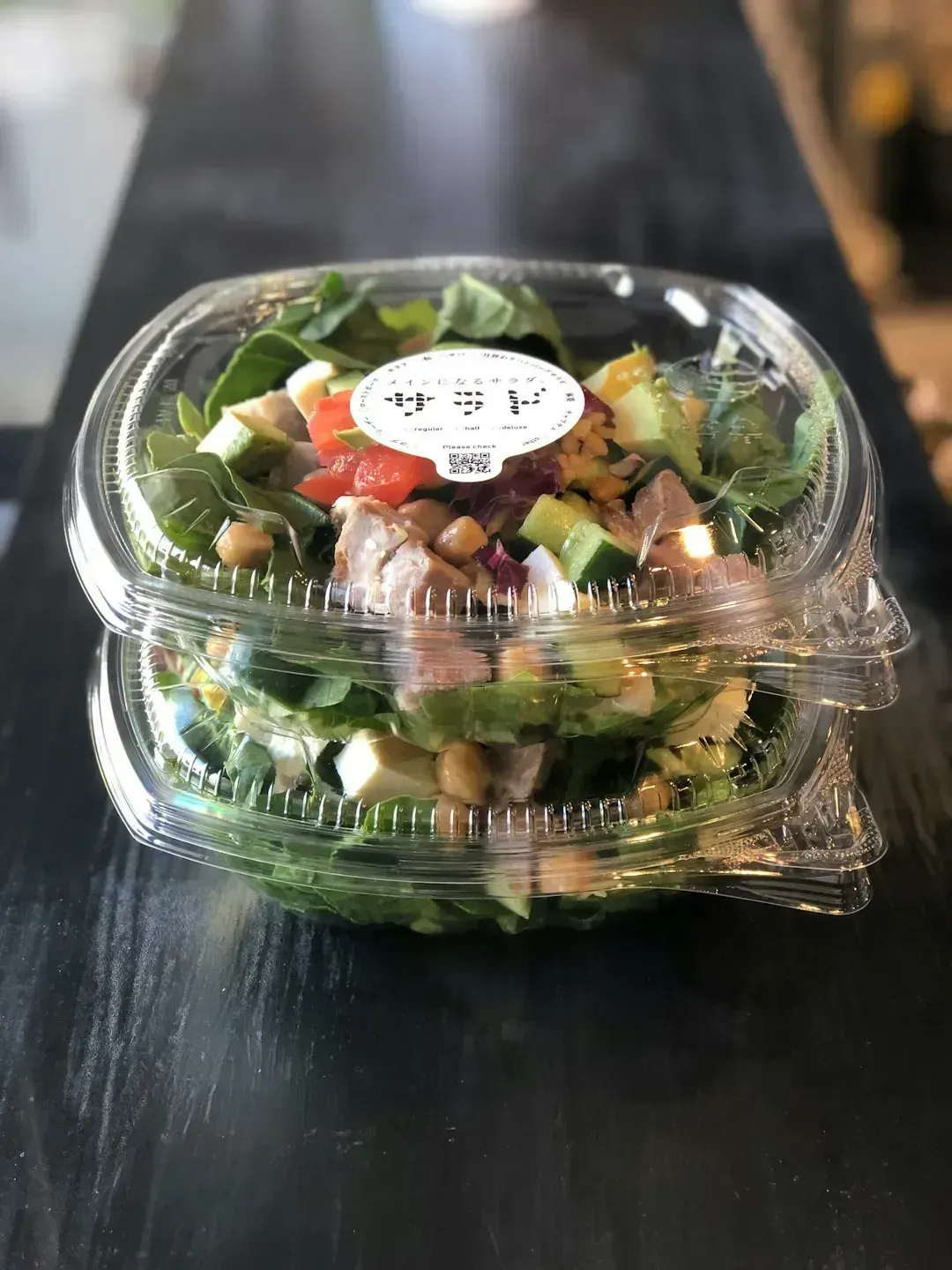
This one surprises people every time. Those colorful salad kits in the produce aisle feel healthy and convenient, but they come with real risks. One of the biggest reasons to steer clear of bagged salad kits is the increased risk of getting sick from contamination. Salad kits are a breeding ground for harmful bacteria like Salmonella, Listeria, and E. coli. That’s not a small concern.
The moment the leafy greens are washed and chopped, they start to spoil. Whether it’s due to temperature fluctuations or moisture trapped in the packaging, the greens lose their crispness and color fast. It’s a race against the clock to eat them before they turn slimy and unappetizing. Beyond food safety, there’s the cost angle too. The amount you overspend on them is significant. The $3 to $4 price tag for these kits can seem cheap, but the convenience markup is crazy high compared to buying the individual ingredients and preparing them yourself.
4. Grocery Store Bread

Let’s be real: most supermarket bread is not bread in any real, meaningful sense. Most grocery store bread just isn’t good. It’s usually made weeks before you buy it, so it’s packed full of preservatives. It lacks taste and texture. When you hold a slice and it compresses to almost nothing in your fingers, that’s a sign of what you’re actually eating.
Chefs know this more than anyone. Chefs do a lot of their shopping at places other than grocery stores, from getting bread at bakeries to buying coffee from small roasteries. A real bakery sourdough or a fresh baguette from a local artisan is a completely different food category. Chef Claudia Sidoti agrees: “I think fresh bread is typically better at a specialty bakery, it’s fresh and almost always worth the extra effort.” If there’s a proper bakery near you, even visiting once a week changes everything.
5. Pre-Made Spice Blends With Hidden Sodium
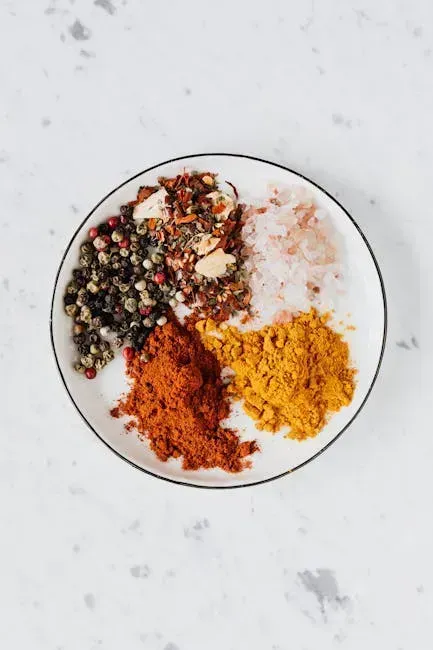
Packaged spice blends are everywhere, and they look so innocent. Taco seasoning, lemon pepper, garlic salt blends. The issue is what’s hiding inside them. The FDA warns that roughly three quarters of dietary sodium comes from processed foods, and pre-made spice blends are a sneaky contributor to that total. Many blends are essentially salt with a little seasoning mixed in, not the other way around.
Check for fillers in spice blends: avoid products with maltodextrin or sugar, which are common in cheaper blends to mask bitterness. A professional cook builds their own blends from individual spices because the control is total. You decide how much salt, which herbs, and in what proportion. When it comes to sodium, people often comment that they salt their food. As it turns out, you don’t need to because manufacturers have already added salt for you, and it’s often too much. The Dietary Guidelines also recommends adults consume less than 2,300 milligrams of sodium per day.
6. Store-Bought Pesto
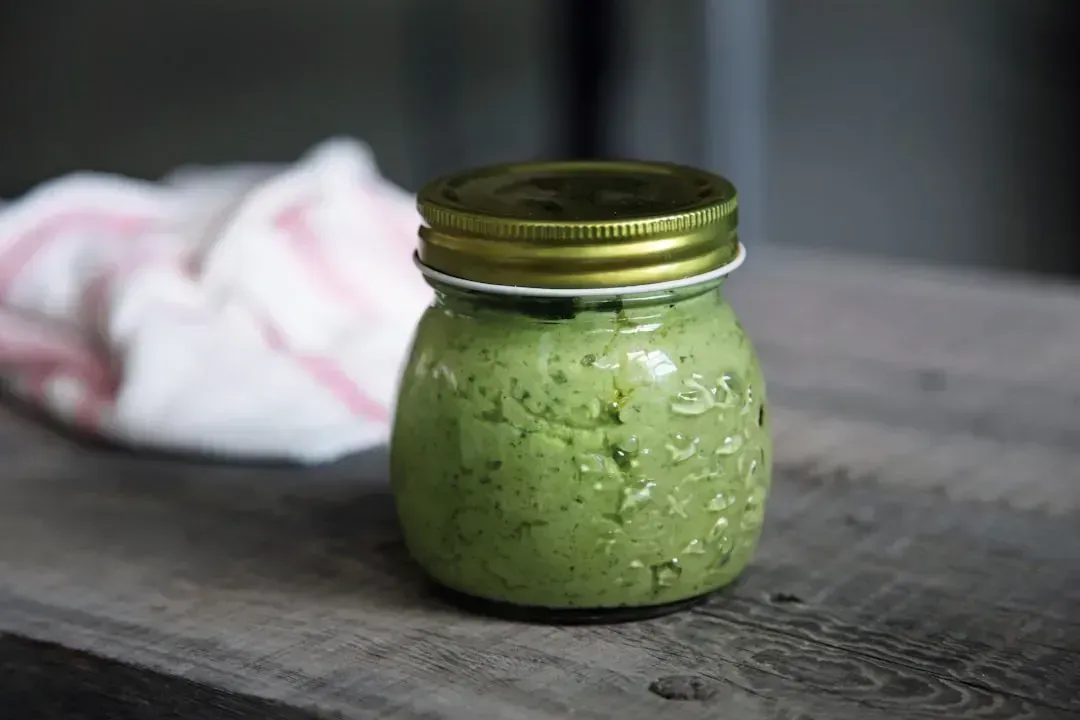
I think jarred pesto is one of the most unnecessary things on a grocery shelf. It sounds fancy, it looks great, and then you taste it and something is just slightly off. Shelf-stable jarred pestos can hit 600 to 700 mg of sodium or more in every quarter cup. That’s an enormous amount for what is essentially a fresh herb condiment.
If you think you don’t like pesto, you might have only ever had the jarred stuff. You might change your mind if you whip some up at home. Pesto was one of the products Claudia Sidoti says she never buys at the grocery store, and there’s a good reason for that. All you need is fresh basil, garlic, good olive oil, a nut, and Parmesan. It takes five minutes with a food processor, costs very little per batch, and you can freeze leftovers easily. Stock up during sales, and refrigerate or freeze leftovers. You can also freeze jars of fresh pesto. They defrost quickly in a pot of cold water.
7. Ultra-Processed Breakfast Cereals
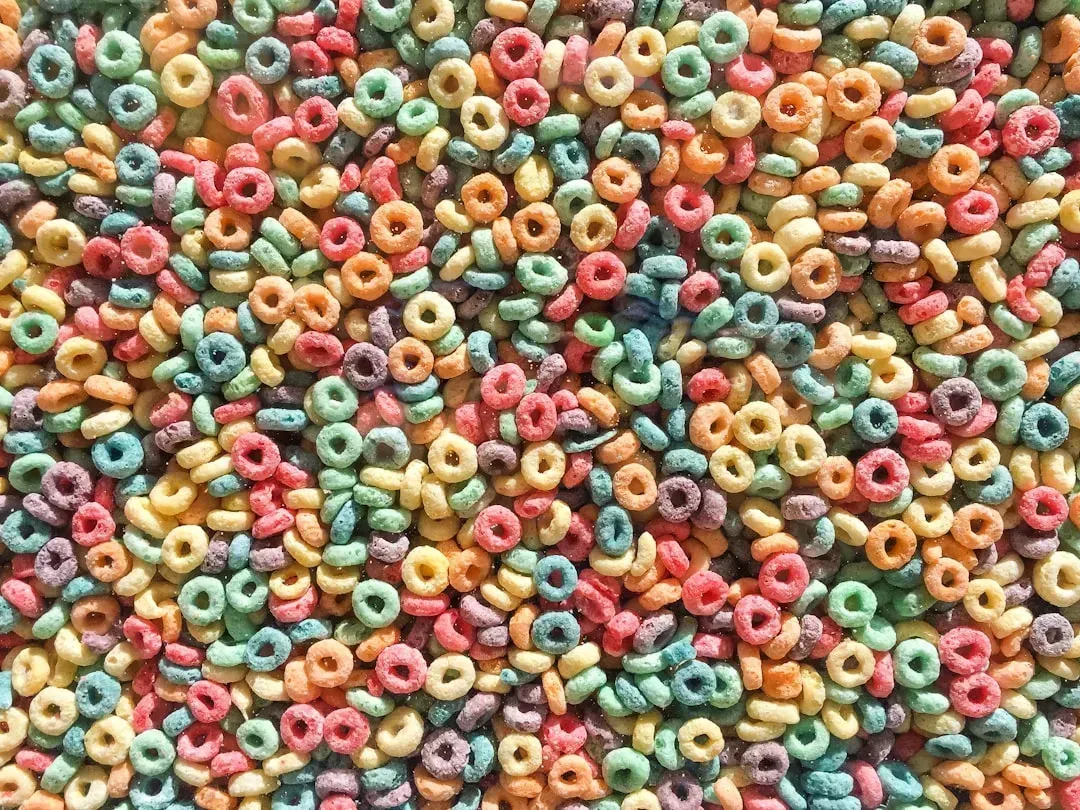
Walk down the cereal aisle and try to find something that isn’t loaded with added sugar. It’s genuinely difficult. The most heavily or ultra-processed foods include sweetened breakfast cereals, soda, energy drinks, artificially flavored crackers and potato chips, chicken nuggets and hot dogs. Sweetened breakfast cereal sits right at the top of that list for a reason.
The Dietary Guidelines for Americans recommends that people older than 2 get less than 10% of total calories from added sugars, or about 200 calories in a 2,000-calorie diet. Many popular cereals blow past that recommendation in a single bowl at breakfast. A chef approaching their morning with the same mindset as their kitchen would choose oats, whole grain toast, or eggs. When reading the nutrition facts labels, watch for hidden sugars, fats and salt, especially those added during processing. The word “whole grain” on the front of a box means very little if the third ingredient listed is sugar.
8. Bottled Salad Dressings
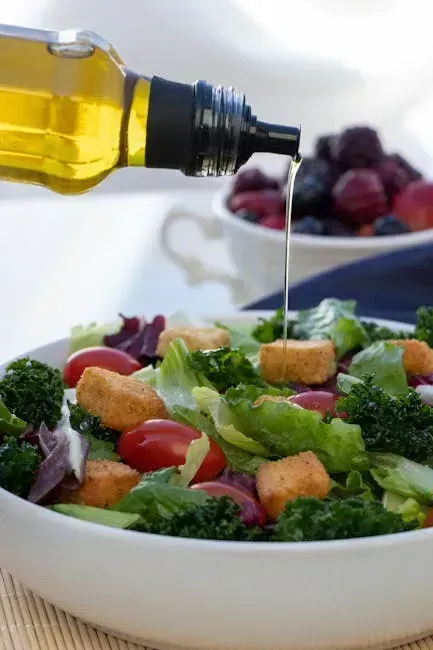
This is another item that looks harmless but carries a lot of baggage. Many commercial sauces are ultra-processed: bottled dressings and some jarred sauces often contain industrial additives, artificial flavors, high sugar, and high sodium, classifying them as ultra-processed. Flip a bottle of standard ranch or Italian dressing and count the ingredients. There are often fifteen or more, many of them unrecognizable.
Examples of sauces often classified as ultra-processed include bottled salad dressings: many contain a variety of additives like emulsifiers, stabilizers, and preservatives to create a consistent texture and prevent separation. A vinaigrette made at home with olive oil, a good vinegar, a pinch of Dijon, and salt takes sixty seconds to shake together in a jar. It tastes infinitely fresher. Homemade sauces are generally better because you control the ingredients, allowing you to avoid excessive sodium, added sugars, and artificial additives common in many store-bought varieties. This gives you a less-processed, more nutrient-dense product.
9. Pre-Made Pastries and Grocery Store Baked Goods

Like bread, other baked goods usually aren’t great from a supermarket. Pastries are lackluster with unimaginative fillings and basically no lamination. Other sweet bakes, like cookies and cakes, can be tasteless or overly sweet. A croissant from a supermarket shelf and a croissant from a real patisserie are not the same food. Full stop.
It’s hard to say for sure exactly when the grocery store pastry model changed, but somewhere along the way profit margins won over quality. Avoid foods that contain additives and preservatives, such as high fructose corn syrup, hydrogenated oils, food dyes, monosodium glutamate, sodium nitrates, sodium nitrites and sulfites. Most commercial baked goods contain several items from that list. You’re better off going to a bakery for these things or making your own. Even a simple homemade cookie made with real butter and good flour obliterates anything from a supermarket shelf.
10. Low-Quality Cooking Oils Marketed as “Healthy”
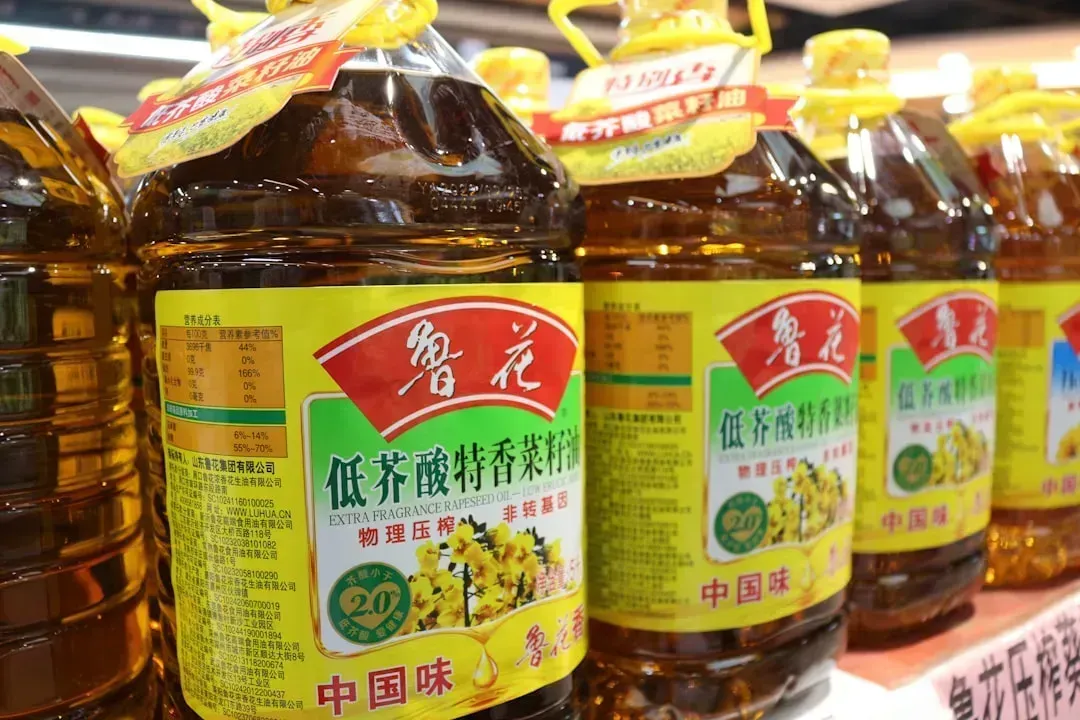
Grocery store shelves are lined with vegetable oils and blended cooking oils that claim to be heart-healthy or ideal for high-heat cooking. When checking fat content on labels, scan for saturated fats and trans fats. Choose foods lower in saturated fats. Trans fats are considered one of the worst types of fat because they can raise your LDL or “bad” cholesterol and lower your HDL or “good” cholesterol.
Instead of just including high-quality olive oil, most of the oil in some pasta sauces and processed products comes from soybean oil, which is higher in omega-6 fatty acids. The same principle applies directly to standalone cooking oils you find stacked three shelves deep. A chef’s pantry contains a small number of high-quality oils chosen with purpose: a good extra-virgin olive oil for finishing, and perhaps a neutral oil like avocado oil for high-heat cooking. Avoid foods that contain additives and preservatives, such as high fructose corn syrup, hydrogenated oils, food dyes, and monosodium glutamate. Cheap blended oils often sneak hydrogenated fats back into your diet through the back door.
The pattern here is clear. Twenty years in a professional kitchen teaches you that simplicity, real ingredients, and a little extra effort almost always beat convenience products. The grocery store is designed to make processed, packaged items look essential. They’re not. Most of them exist because they’re profitable, not because they’re better.
What would you remove from your grocery cart first after reading this? Tell us in the comments.