Realtors Say Buyers Are Starting to Reject These 9 Once-Trendy Home Features – A Worrying Shift for Sellers
The real estate market has always been a living, breathing thing. What buyers go crazy for in one decade quietly becomes the thing they negotiate down over in the next. Right now, something interesting – and a little unsettling for sellers – is happening across America’s housing landscape.
Features that used to make a listing shine, that once drove bidding wars and fast closings, are starting to work against sellers. Realtors are seeing it in real time. Buyers walk in, spot certain things, and their mental calculator starts running before they’ve even checked the closet space. Buyers are no longer chasing the temporary high of a viral trend. Instead, they are prioritizing long-term livability, wellness, and ease of maintenance – and when a home hits the market today, realtors report that certain features are acting as “value anchors,” dragging down prices as buyers mentally calculate the cost of a renovation before they even reach the kitchen.
So which features, exactly, are the ones sending buyers running? Let’s dive in.
1. Granite Countertops: The Fallen King of Kitchen Renovations
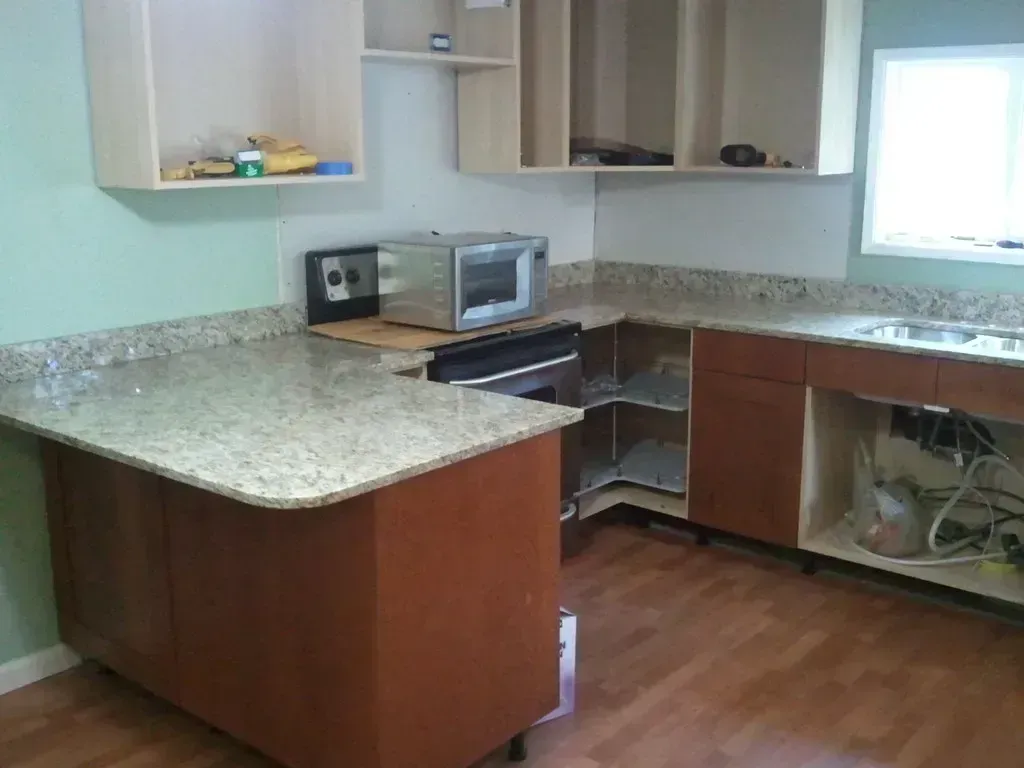
For decades, granite was the shorthand for “luxury kitchen.” If a listing said granite countertops, buyers perked up. Honestly, I still remember when granite was practically a synonym for upscale. Those days are gone.
For decades, granite was the undisputed king of kitchen renovations, but its reign has officially ended. Buyers are now rejecting the busy, speckled look of granite in favor of cleaner, lower-maintenance materials that fit modern aesthetics. The requirement to seal natural stone annually is a chore that today’s low-maintenance homeowner is happy to leave behind.
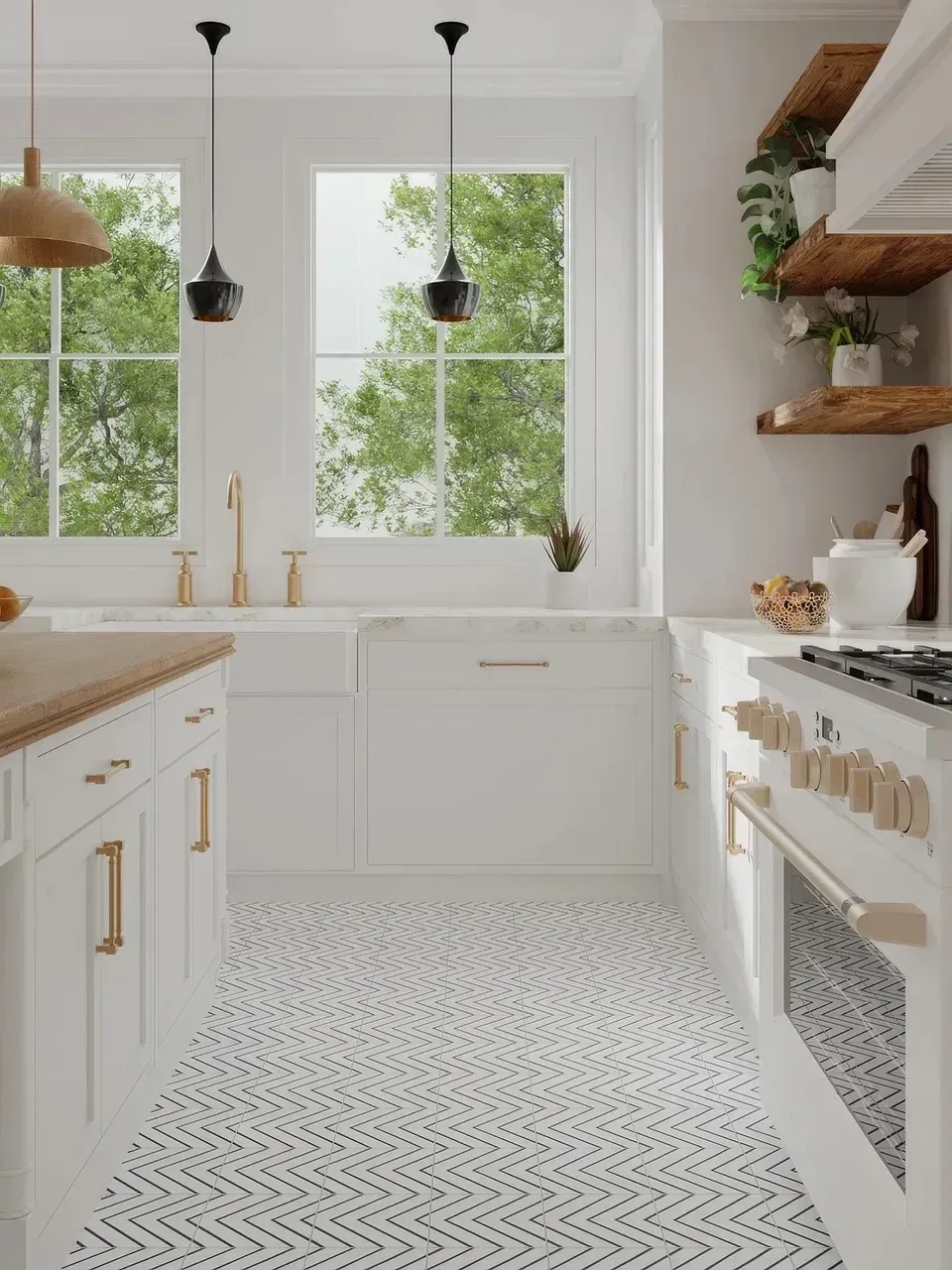
The National Kitchen and Bath Association’s 2026 forecast reported that nearly four out of five professionals now favor quartz for its durability and consistency. That is a seismic shift for any seller sitting on a newly installed granite kitchen. Dark granite used to be a sign of an upscale kitchen, but trends have moved on. Today’s buyers want light, bright spaces – and that includes countertops. White quartz, butcher block, or soft veining is now the preferred look. Dark granite can make a kitchen feel dated and heavy, even if the layout is modern.
2. The Formal Dining Room: Wasted Square Footage
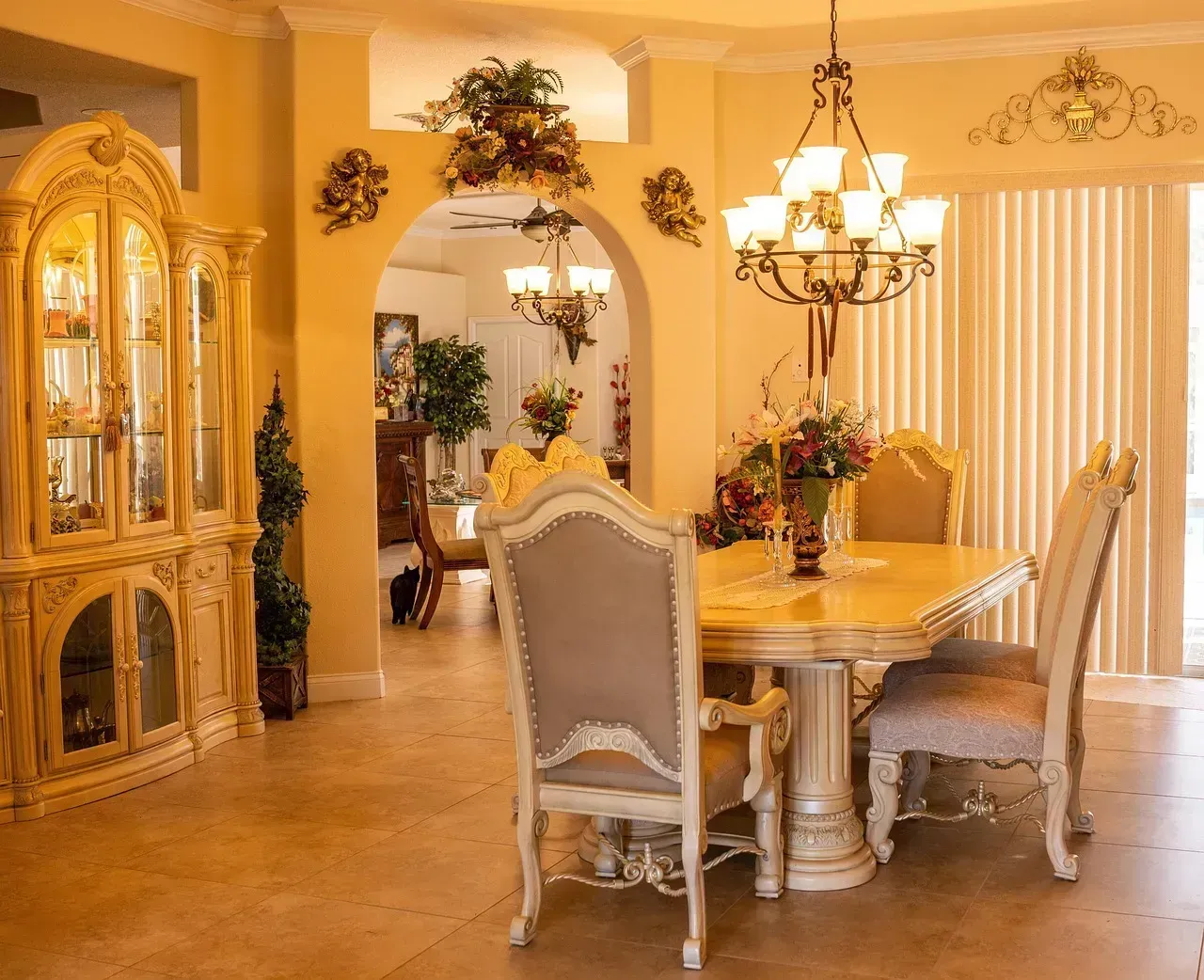
There was a time when the formal dining room was non-negotiable. It meant Sunday roasts, holiday gatherings, and a certain kind of aspirational domestic life. Now? Buyers look at that closed-off room and see a home office they didn’t ask for, or worse, just dead space.
According to Realtor.com’s 2025 Home Trends Report, formal dining rooms with built-ins saw a year-over-year decline of more than a quarter, alongside notable drops in infinity-edge pools and three-car garages, as buyers favor modern, natural, and right-sized design choices over ornate or oversized spaces.
The once-coveted formal dining room is falling out of favor. Many buyers see it as wasted square footage, especially when open-concept kitchens with eat-in islands are more practical. With more families eating on the go or gathering casually, a closed-off dining room feels outdated. Buyers now prefer multipurpose spaces that can serve as offices, playrooms, or flex rooms. Think of it like that guest room nobody uses. It looks good on paper until you’re the one paying property taxes on it every year.
3. The Oversized Soaking Tub: More Work Than Relaxation
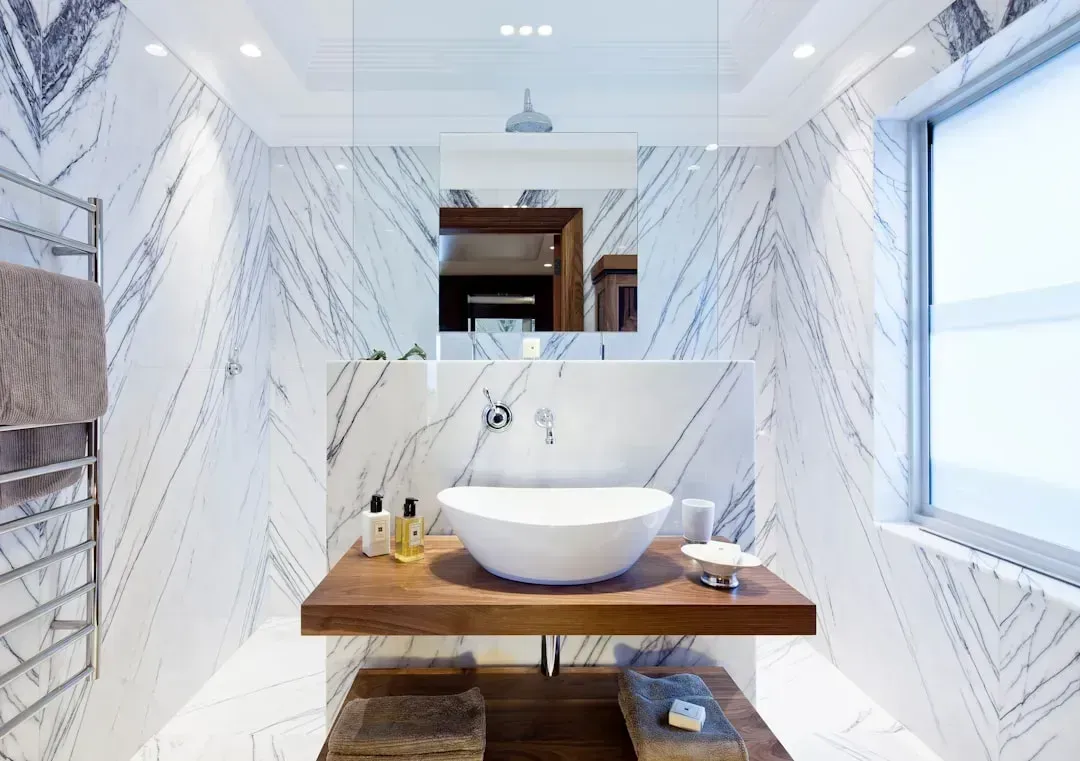
The giant garden tub once oozed luxury. It was the kind of thing people pointed at during open houses and said, “imagine coming home to that.” Here’s the thing though – most people never actually used them. They just cleaned them.
The massive, space-consuming garden tub that sits in the corner of the primary suite has officially lost its luster. Realtors report that modern buyers would much rather have that square footage used for a larger, spa-inspired walk-in shower with multiple heads or additional storage. These oversized tubs are now viewed as “dust collectors” that take too long to fill and consume too much water, making them an eco-liability.
This shift is partly driven by the practical needs of aging homeowners and the desire for streamlined cleaning. A 2025 report from Houghton Contracting highlights that bathroom remodels focusing on walk-in showers and water efficiency are generating a return on investment of roughly 60 to 70 percent, outperforming the installation of large soaking tubs. Buyers are voting with their wallets for accessibility and speed over occasional relaxation.
4. Heavy Bold Wallpaper: A Decorating Statement Nobody Wants to Inherit
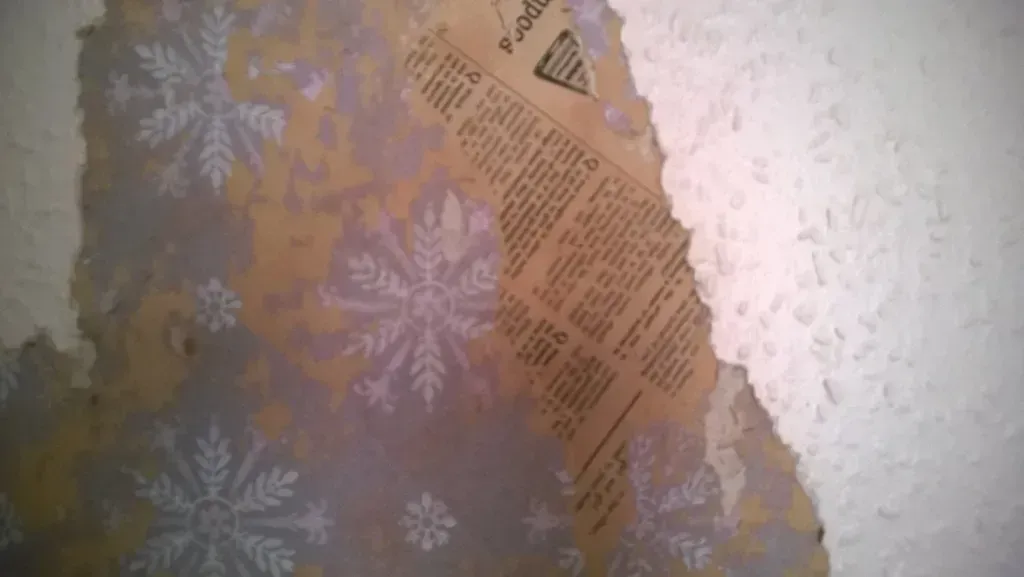
Wallpaper made a dramatic comeback over the past few years. Design blogs went wild for it, Instagram made it look incredible, and homeowners dove in headfirst. The problem? Buyers touring your home don’t share your taste – and they know exactly how much wallpaper removal costs.
While the “grandmillennial” and “maximalist” trends brought wallpaper back into fashion, permanent, high-impact wallpaper is a major turn-off for move-in-ready shoppers. Real estate agents note that while bold patterns look great in photos, they dictate a very specific style that rarely matches a buyer’s personal furniture.
According to a 2025 market analysis, homes with outdated or damaged wallpaper can deter buyers, while removing it and applying fresh paint significantly improves buyer perception and offers a strong return on investment. The financial data support this hesitation, as removing old wallpaper is increasingly viewed as a necessary step to protect home value. Smart sellers are stripping the paper themselves to avoid losing thousands at the closing table.
5. Dark Wood Cabinetry: The Kitchen That Absorbs Light and Buyer Interest
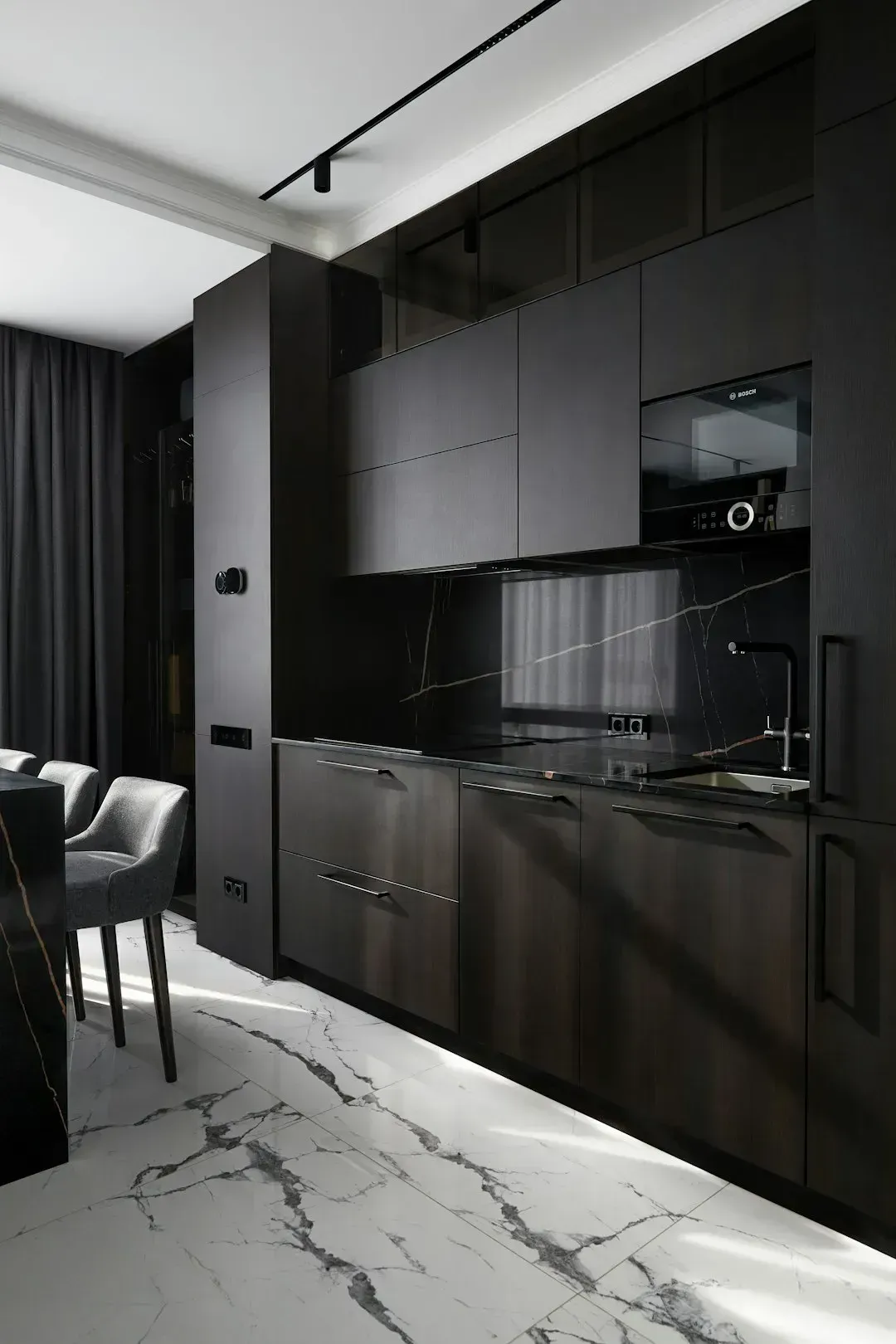
Heavy dark cherry, espresso stained oak, near-black cabinetry – for a solid stretch of the 2000s and 2010s, this was the look. Dramatic. Rich. Kitchen-magazine worthy. Now it reads as the housing equivalent of a cave.
The heavy, dark cherry and espresso wood finishes that dominated kitchens and bathrooms for years are now being rejected in favor of lighter, natural tones. Dark cabinetry tends to absorb light, making even large kitchens feel cramped, dull, and less welcoming to prospective buyers. In 2026, the trend has shifted toward “blonde” woods, rift-sawn oak, and painted cabinetry in soft, earthy hues. Buyers want spaces that feel airy and expansive, and heavy dark wood is increasingly seen as a visual weight that makes a home feel decades older than its actual age.
As home buyers increasingly prefer bright, open spaces, dark wood finishes may lead to a reduction in property value of roughly three to five percent. That is a meaningful number. For the average American home, that could translate to tens of thousands of dollars simply because the kitchen feels like it belongs in 2005.
6. The Cavernous Open Floor Plan: Too Much of a Good Thing
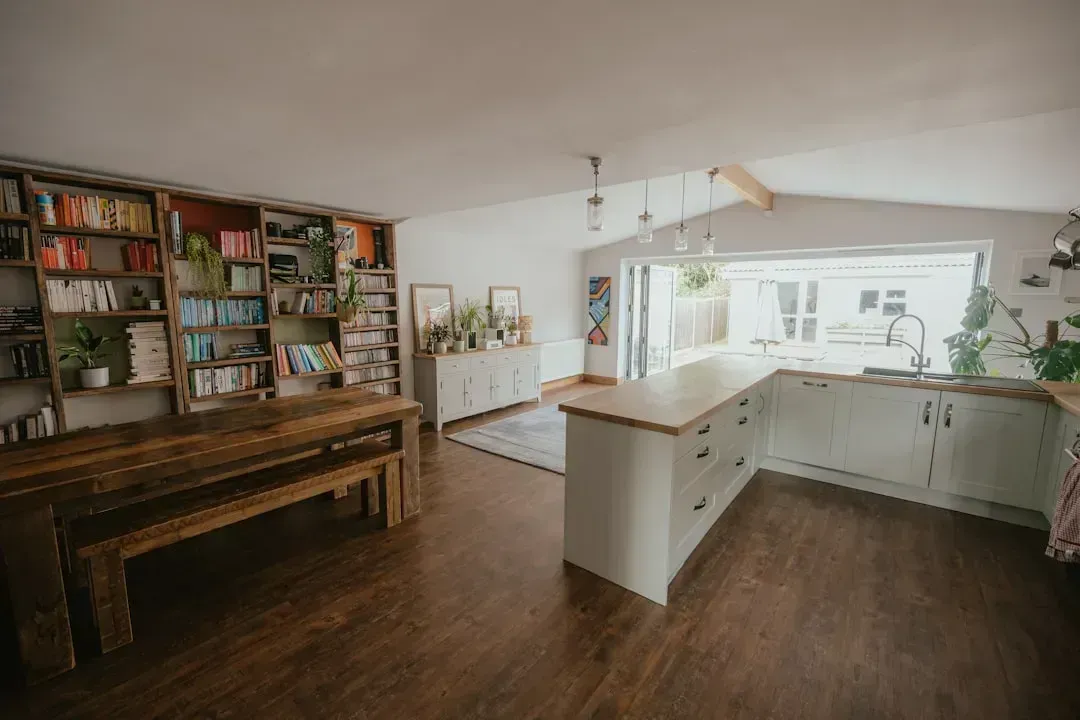
The irony here is almost poetic. Open floor plans were the dominant dream of the 2010s and the early 2020 pandemic years. Knock down the walls, let in the light, make everything flow. Builders responded. Architects responded. Now buyers are starting to push back.
As open floor plans became the status quo, people living in them started to notice trade-offs. Noise travels easily, clutter looks more visible, and finding quiet or private areas can be challenging. A survey conducted by Rocket Mortgage found that preferences are almost evenly split, with just over half of Americans preferring an open layout and just under half preferring a more traditional, closed layout. Certainly, many buyers still appreciate open living, but nearly half of Americans are also feeling a pull toward homes with clearer boundaries.
Home buyers are embracing smaller, cozier spaces for affordability and sustainability, and rejecting the cavernous open floor plans and pandemic-era need for more and more space. The great room has been replaced by smaller, cozier, color-saturated rooms that serve a specific purpose, such as dens and dining rooms. It’s hard to say for sure where the tipping point was, but remote work had a lot to do with it – turns out, it’s impossible to focus on a Zoom call when your kitchen sounds like Grand Central Station.
7. All-Gray Interiors: The Trend That Went Cold
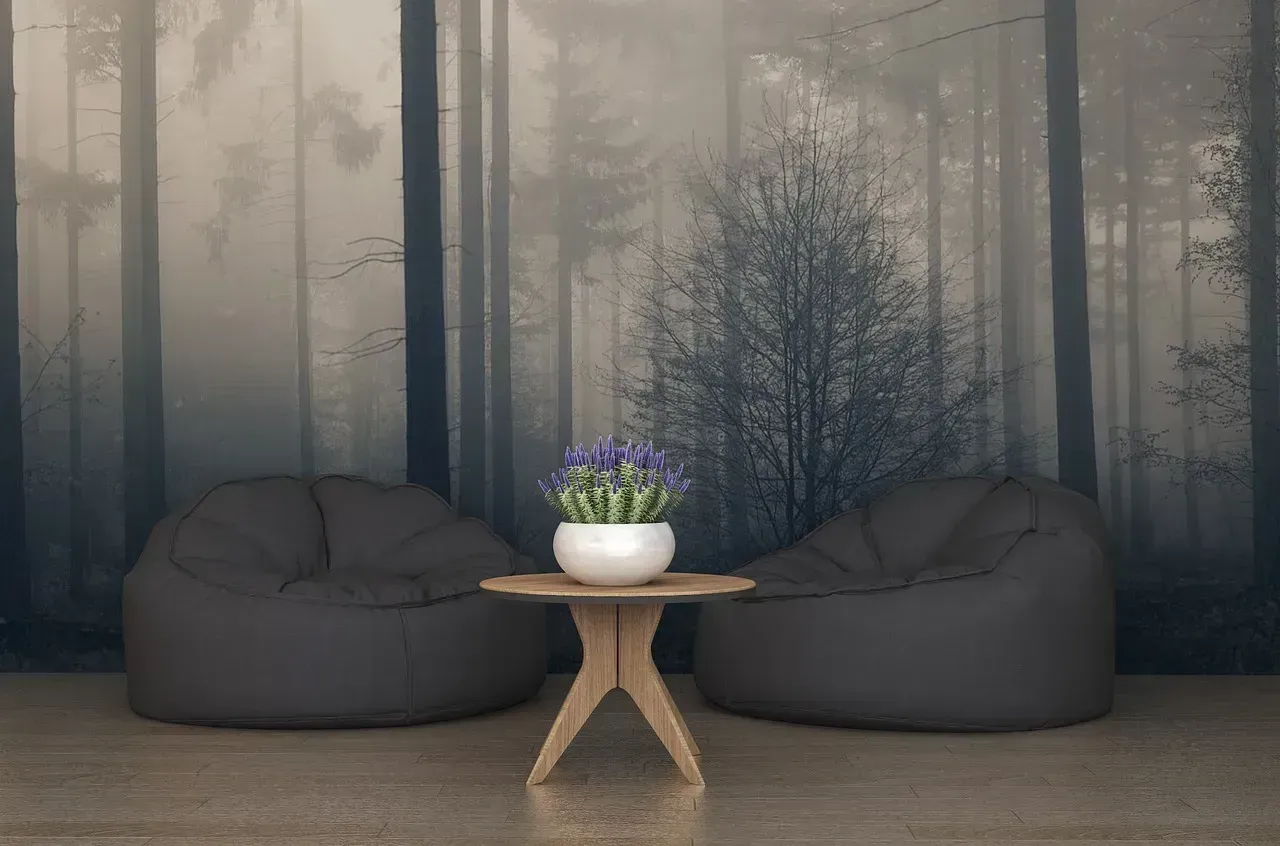
Gray was supposed to be the great neutral. Safe, modern, sophisticated. Real estate investors and house flippers painted everything gray for years. Walls, floors, cabinets – all gray, all the time. It worked beautifully for a while. Then it stopped working entirely.
For years, real estate investors and home flippers relied on gray walls, gray flooring, and gray cabinets to create a “modern” look. In 2025, this trend is dead. Buyers now see all-gray interiors as cold, outdated, and overdone.
For years, gray was the safe choice. Now, buyers are ready for warmth again. All-gray floors, walls, and finishes can feel cold and impersonal, especially when overused. Buyers prefer warm neutrals like soft beiges, taupes, and earthy tones instead. Natural wood finishes and subtle color variation help homes feel more inviting – and easier to imagine living in. Think of all-gray as that song that got overplayed on the radio. At first, you loved it. Then you simply couldn’t hear it anymore.
8. The Farmhouse Aesthetic: Shiplap Fatigue Is Real
Shiplap. Barn doors. Galvanized metal accents. Mason jars used as everything. The modern farmhouse look dominated home design for the better part of a decade, powered largely by the TV renovation boom. Stylish in small doses, sure. In full-house execution, it has started to feel less like a design choice and more like a costume.
For the last decade, farmhouse design dominated house flips – think shiplap walls, barn doors, and rustic beams. In 2025, the overly “rustic chic” look is officially outdated. Buyers are moving towards sleek, modern, and transitional designs that feel less theme heavy.
Once trendy, barn doors are now increasingly polarizing. They don’t offer much privacy or sound control, and buyers are noticing. Buyers prefer pocket doors, traditional hinged doors, or modern sliding options that blend better with the architecture of the home. Shiplap, once the darling of DIY remodels, now feels busy and overdone. And open shelving, while charming in theory, is rarely practical for everyday living. The farmhouse look peaked hard, and the comedown has been steep.
9. Overly Complex Smart Home Systems: Tech Fatigue Hits Homebuyers

Smart home technology still sells homes – but only the right kind of smart technology. The difference between a feature that impresses a buyer and one that sends them reaching for the exit is simpler than you’d think: Can a regular person figure it out in five minutes, or does it require a 40-page manual and a technician on speed dial?
There is a growing “tech fatigue” among homebuyers who are pushing back against overly complex home automation systems that require constant management. While basic smart features like thermostats and security cameras remain popular, buyers are rejecting custom, one-of-a-kind systems that are difficult to learn or likely to become obsolete in a few years. Realtors warn that high-end stereo systems, proprietary lighting boards, and “smart” appliances with glitchy screens are often seen as maintenance headaches rather than upgrades. The new luxury is “invisible tech” – features that work quietly in the background without needing a dedicated app for every lightbulb.
Realtor.com’s 2025 Home Trends Report found that efficiency, sustainability, and nature-inspired design are on the rise, while more opulent or space-heavy features are losing ground – highlighting a clear shift in how Americans define comfort and value. Buyers want technology that saves them time and money, not technology that becomes its own part-time job to manage. A smart thermostat they can control from their phone? Yes. A bespoke lighting system with fourteen zones and a password nobody can remember? Hard pass.