Ghost Mansions: Why Large “Forever Homes” Are Becoming a Liability for Boomers
Empty Nest Boomers Control Nearly One Third of Large Homes
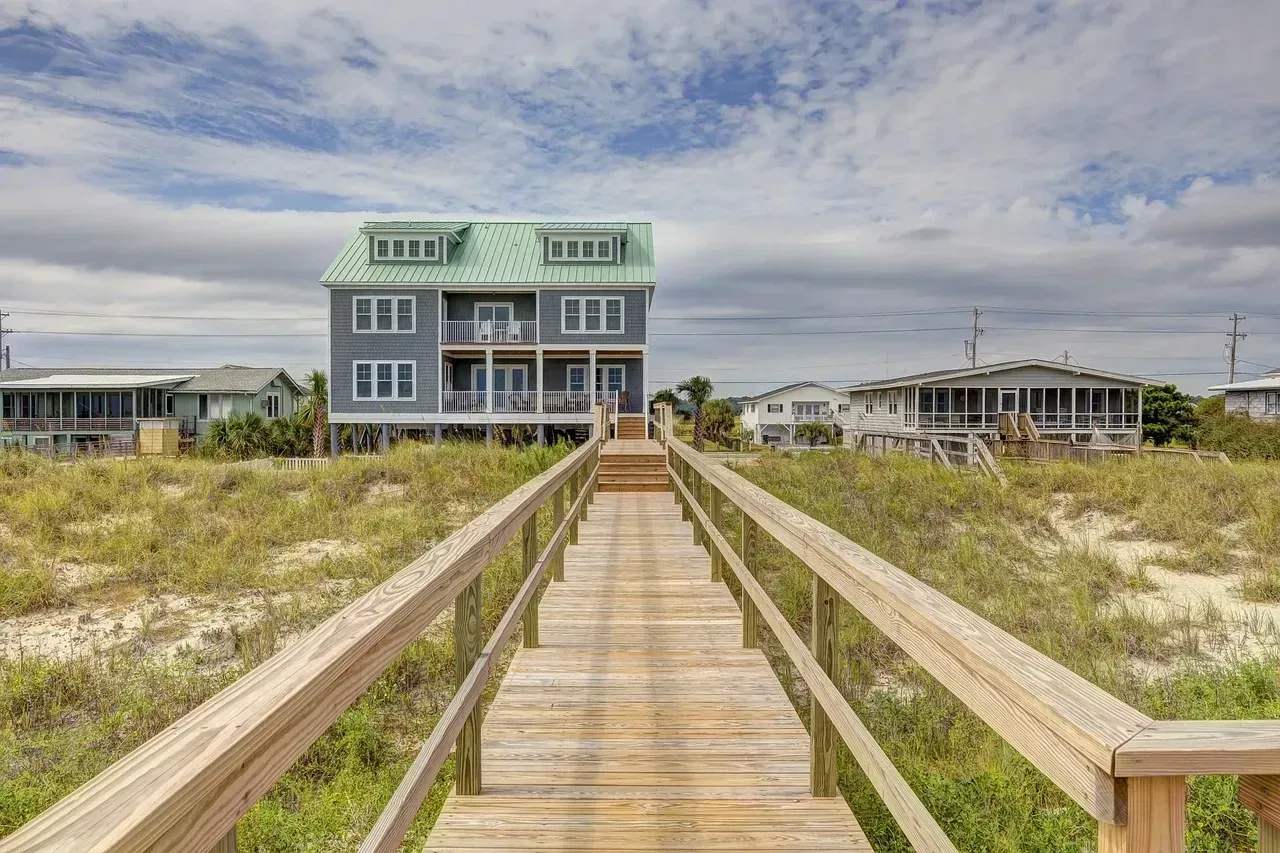
Empty-nest Baby Boomers own 28% of large homes, and Millennials with kids own just 14%, according to a Redfin analysis released Tuesday. This striking imbalance reveals a housing mismatch that has worsened considerably over the past decade. Ten years ago young families were just as likely as empty nesters to own large homes. Yet now, in neighborhoods across the country, spacious four-bedroom suburban houses sit occupied by just one or two aging individuals while younger families struggle to find suitable housing. Empty nesters own at least 20% of large homes everywhere in the country.
Most Boomers Never Plan to Sell Their Oversized Properties

By far, the most common answer is never, with 61% of boomer homeowners saying they plan to live in their homes for the rest of their lives. That’s up seven percentage points from 2024. Despite predictions of a coming “silver tsunami” of boomer-owned homes flooding the market, the reality proves far different. Meanwhile, only 1 in 10 boomer homeowners (10%) plan to put their homes on the market in the next five years, down from 15% in 2024. These numbers suggest roughly 90% of the substantial number of homes owned by boomers won’t hit the market until at least the 2030s. The anticipated inventory surge simply won’t materialize when most owners remain firmly planted in place.
Baby Boomers Now Dominate Housing Market Purchases
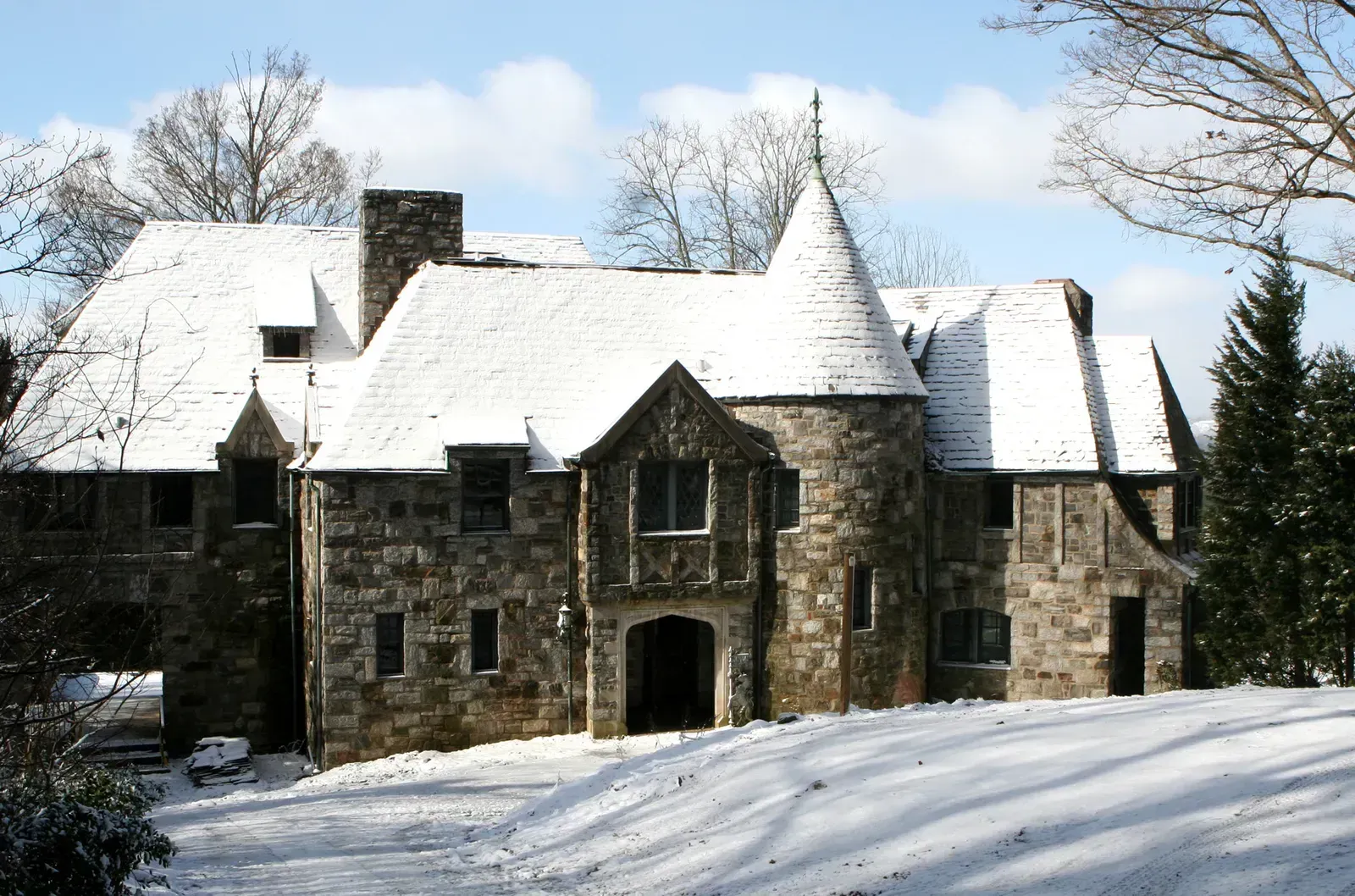
Baby Boomers make up 42% of all U.S. home buyers, the largest share of any generation. This demographic shift represents a remarkable change from just one year earlier. The median age of home buyers climbed from 49 in 2023 to 56 in 2024, marking a significant shift in just one year. Rather than downsizing and exiting the market, many boomers remain active buyers, purchasing new properties while holding onto existing homes. On the selling side, baby boomers again dominated, accounting for 53% of all sellers. Across all generations, sellers stayed in their homes for a median of 10 years.
Maintenance Costs Are Becoming Overwhelming Financial Burdens

90% of boomer homeowners have concerns about homeownership as they age, with maintenance/upkeep issues and rising costs the most common. Large homes demand constant attention, from HVAC system replacements to roof repairs, lawn maintenance, and snow removal. For those who own their home outright, the median monthly cost of owning a home, which includes insurance and property taxes, among other costs, is just $612, according to the report. However, this figure excludes major repairs and renovations, which can quickly drain retirement savings. The moment children leave, those extra rooms transform from functional spaces into financial black holes. Maintaining a large house comes with skyrocketing utility bills, property taxes, and repair costs that can eat into retirement savings faster than anyone anticipated.
Physical Challenges Make Large Homes Increasingly Dangerous
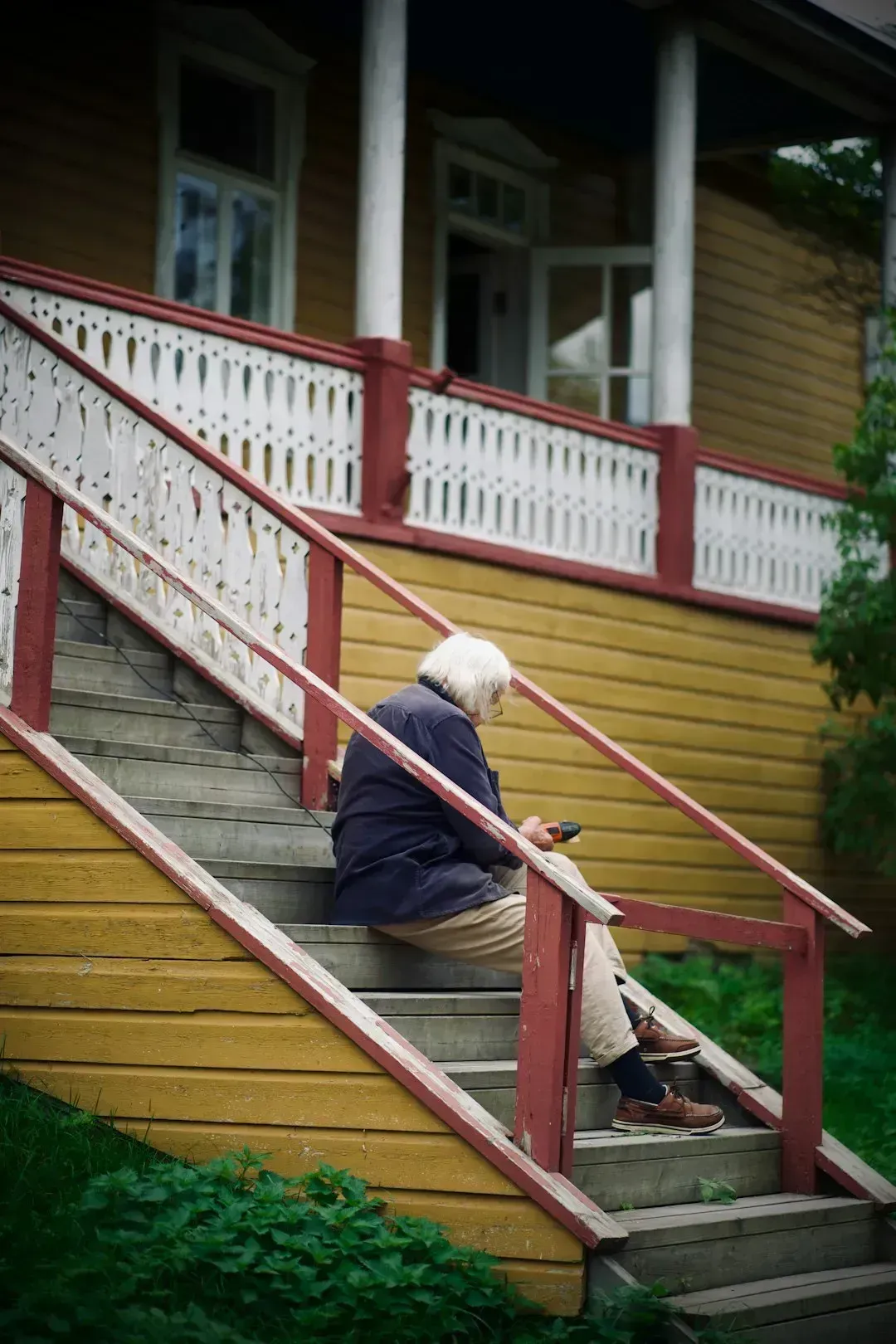
You’ve got a pure housing mismatch for older homeowners. They are mismatched physically or functionally with the house that they’re in. That’s because it’s multifloor living. It’s stairs. It’s also other upkeep. According to experts, these physical barriers create serious safety concerns. Mobility issues, vision problems, and chronic illnesses make the physical labor of downsizing difficult. What should have been a manageable life transition turns into an emotional and medical emergency. Many boomers delay moving until health crises force the issue, when they can no longer physically manage the process themselves.
Financial Lock-In Prevents Downsizing Despite Good Intentions
Older homeowners who want to downsize have been scared into staying put by how expensive a smaller home would be in the current market. A homeowner who keeps all the profit of a home that sells for $500,000, for example, may find that a condo in their same area, where they can age in place, is $450,000. After calculating realtor fees and closing costs, the profit hardly covers the new purchase, let alone provides any extra income for retirement. Additionally, boomers face substantial capital gains taxes on decades of appreciation. The number who expect six-figure profits is particularly notable because an identical 68% of those who have owned homes say they paid less than $100,000 for their first homes. Over a third (36%) paid under $50,000.
Lack of Suitable Downsizing Options Traps Owners in Place
But many areas, including neighborhoods where a lot of baby boomers live, have zoning that only allows single-family homes. That means when older adults decide their current homes are too big, they basically have to move out of their neighborhoods. This forces difficult choices between remaining in oversized homes or abandoning established communities. While many boomers seek smaller one-story homes with less maintenance and higher efficiency (which means lower living costs) in a walkable neighborhood, they are often disappointed to find a real estate market saturated with luxury homes or government assistance residences. The middle ground of modest, accessible housing simply doesn’t exist in many communities.
Emotional Attachment Creates Costly Delays
It’s not easy to walk away from the home where your children grew up, where you celebrated milestones, or where you’ve lived for decades. Boomers often delay downsizing because the emotional cost feels too high. Memories embedded in every room make selling feel like abandoning a lifetime of experiences. It’s got four bedrooms, including some they don’t use anymore. Many of her friends are in the same boat. What a lot of us have done is not walled off the extra bedrooms, but closed the doors, and you try not to have to maintain them. It’s just too much house at this point. These closed-off rooms represent wasted space that still requires heating, cooling, and property tax payments.
Adult Children Bear the Crisis Management Burden

When seniors delay downsizing too long, it’s often their adult children who are left to deal with the consequences, usually during a moment of crisis. Whether it’s a fall, a hospitalization, or a sudden decline in mental health, families are forced to make rushed decisions about selling the home, relocating their parents, or liquidating assets to pay for care. This reactive approach creates stress, guilt, and chaos, turning what could have been a graceful life transition into a painful emergency for everyone involved. Instead of planning ahead, families find themselves managing simultaneous crises involving health emergencies, property sales, and relocation during the most stressful moments imaginable.
Market Impact Extends Beyond Individual Households
When Boomers stay in large homes they no longer need, it restricts inventory for younger families looking to buy. Starter homes and mid-sized family houses are in short supply, in part because they’re still occupied by retirees who haven’t moved on. This bottleneck drives up prices and leaves multiple generations without access to the housing that fits their stage of life. The consequences ripple through entire housing markets, affecting prices and availability for everyone. In fact, a 2024 survey conducted by Redfin found that 78% of Americans over the age of 60 want to remain in their current home. This decision, driven by factors such as comfort, community ties, and financial stability, is contributing to a significant decrease in housing inventory available for first-time buyers. What begins as individual preference becomes a systemic problem affecting housing affordability nationwide.