11 Common Garage Items That Simply Aren’t Worth Holding Onto
Your garage has probably become home to things you forgot you even owned. Over the years, stuff piles up in corners, gets shoved onto shelves, or sits in cardboard boxes that never get opened. It’s the catch-all space where we stash what doesn’t fit anywhere else. Sometimes though, holding onto these things does more harm than good. They take up valuable space, create hazards, or quietly deteriorate while you’re not looking. Let’s be real, most of us could clear out half our garage and not miss a thing. Honestly, the relief you’ll feel after tossing the dead weight might just inspire you to park your car inside for once.
Old Paint Cans
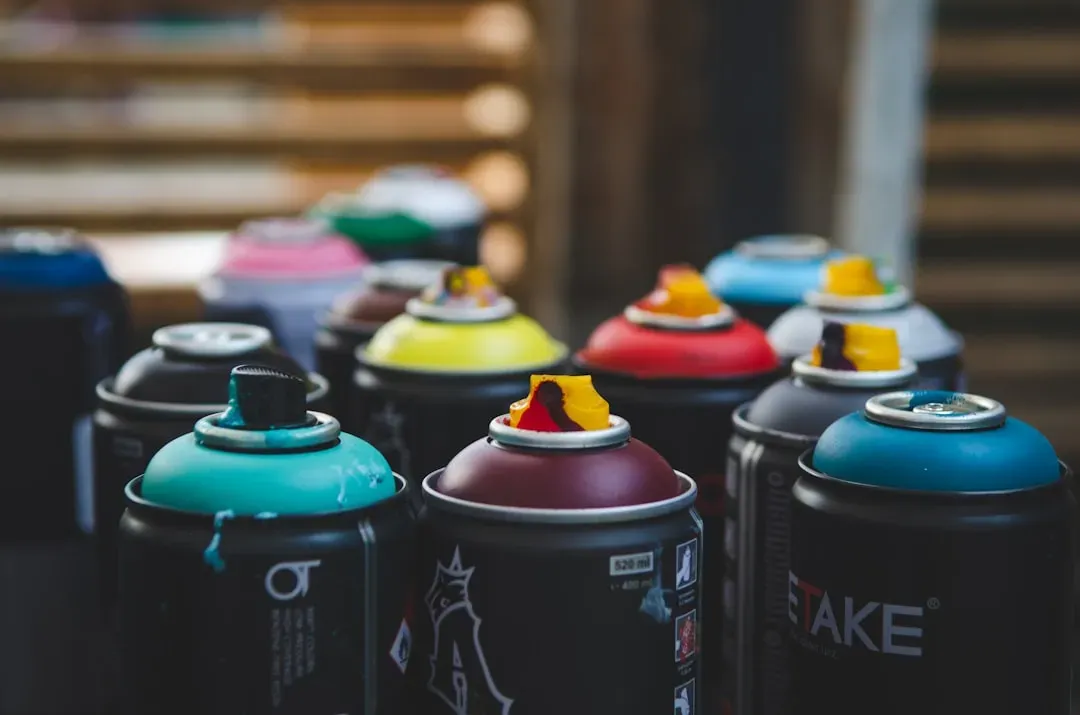
Paint cans are found in every garage, and while keeping some for touch-ups makes sense, most of those half-empty cans have expired and become unusable. Unopened latex paint can last roughly about 10 years if properly stored, while oil-based paint might hang on for up to 15 years. The problem is that most people don’t know how old their paint actually is or whether it’s been stored correctly. By volume, old paint is the largest category of waste brought to household hazardous waste collection sites. If your paint smells rancid, has separated beyond repair, or looks lumpy, it’s toast. Oil-based paints must be taken to a hazardous waste drop-off facility, while dried latex paint can typically go in regular trash after being hardened with cat litter.
Worn-Out Tires
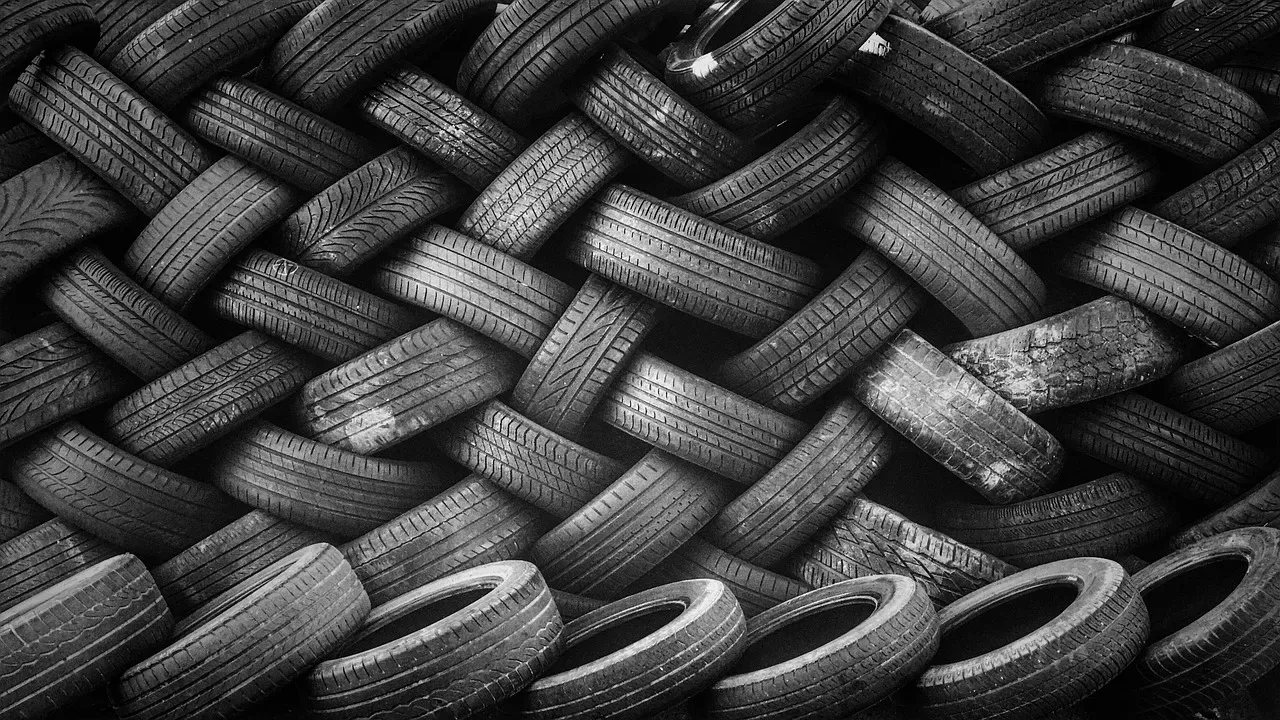
End-of-life tires account for nearly 2% of total global waste, and many of those old tires are sitting uselessly in home garages. Tires don’t decompose easily, and when they accumulate in storage areas, they release harmful chemicals into the air, ground, and water. What’s more, tires can collect water and become breeding grounds for mosquitoes and other pests, which can spread diseases such as dengue fever, West Nile virus, and Zika virus. In the United States alone, approximately 300 million tires are discarded yearly. If you’re hanging onto old tires thinking you might use them someday, you won’t. Take them to a tire recycling facility or leave them at a tire shop when you buy new ones.
Broken or Duplicate Tools
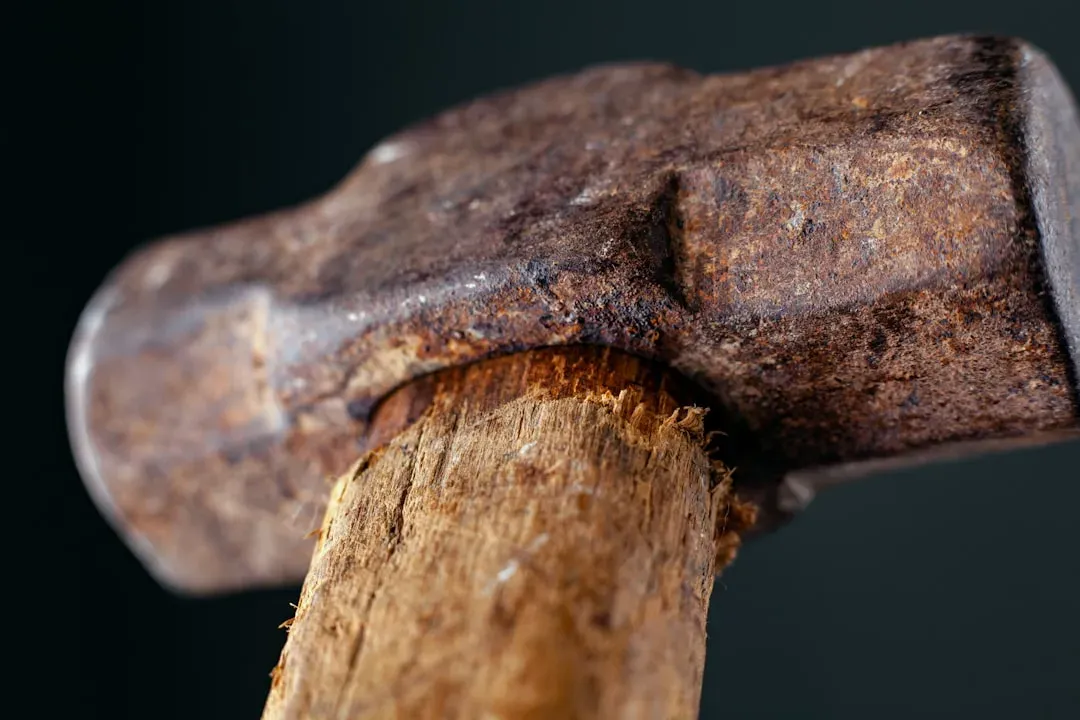
That drill you’ve been meaning to fix for three years? You’re never going to fix it. If you were going to repair that broken drill or leaf blower, you would have done it by now, and they’re taking up space needlessly. Here’s the thing: If the repair cost is going to be roughly 50 percent or more of the cost of purchasing a new power tool as a replacement, you should probably buy the new one. This is especially true for cheaper tools that would cost nearly as much to repair as replace. The same goes for duplicate tools you’ve acquired over the years – do you really need four hammers and three tape measures? Keep your best tools and donate or toss the rest.
Cardboard Boxes
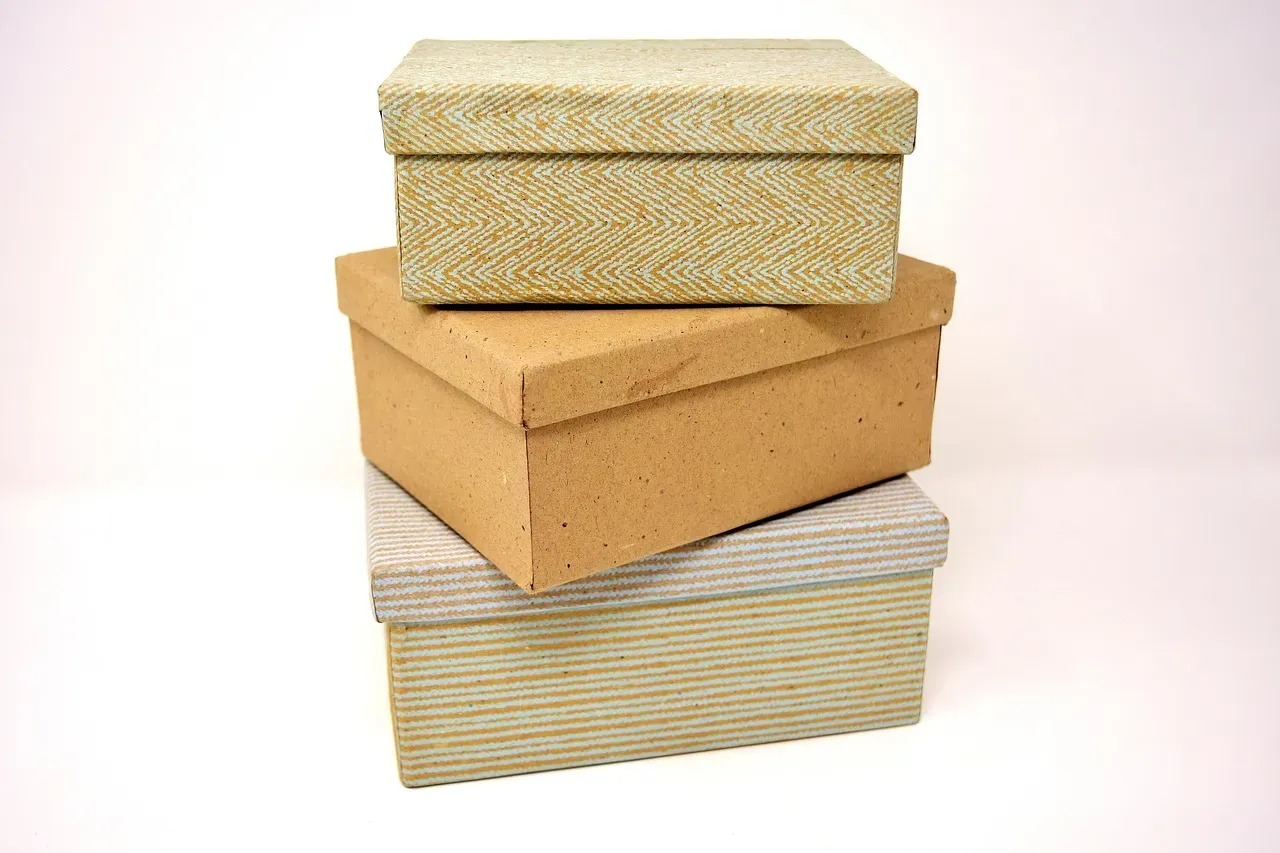
Empty cardboard boxes absolutely attract bugs because for pests, they offer food, shelter, and the right environment to reproduce. Cardboard is a magnet for pests, with rodents chewing it up to use as nesting material, and cockroaches laying their eggs in the spaces made by the corrugate. Cardboard easily absorbs moisture, making it susceptible to mold growth and deterioration, and can also release methane gas as it breaks down. If you’re saving boxes for a future move or just in case, switch to plastic bins with tight lids instead. Cardboard is susceptible to moisture and humidity and attractive to many types of insects, while plastic bins with lockable lids are more secure and allow you to see what’s stored inside. The space you’ll reclaim is worth the investment.
Hazardous Chemicals and Motor Fluids
Motor oil, antifreeze, and half-empty bottles of pool chemicals often sit for years on garage shelves, taking up space and creating fire or poisoning hazards. If you haven’t touched them in years, you’re not going to. These products degrade over time and become less effective or even dangerous. The EPA considers some leftover household products that can catch fire, react, or explode under certain circumstances, or that are corrosive or toxic as household hazardous waste, including paints, cleaners, oils, batteries, and pesticides. Certain types of household hazardous waste have the potential to contaminate septic tanks or wastewater treatment systems if poured down drains or toilets. Check with your local hazardous waste disposal program to safely get rid of these materials.
Oil-Soaked Rags

Rags soaked in drying oils like linseed oil can heat up and spontaneously combust if they’re piled together and exposed to airflow, while rags soaked in motor oil are also a safety hazard. Oil-based stains and paints, and even paint rags, are flammable when left in a closed garage bag, and there can be spontaneous combustion of the solvents in these products when stored under heat and air concentration. I think this is one people don’t realize poses such a serious fire risk. Spread oily rags flat to dry completely, then dispose of them in a sealed metal container with water. Never pile them up or stuff them in a corner.
Expired Batteries
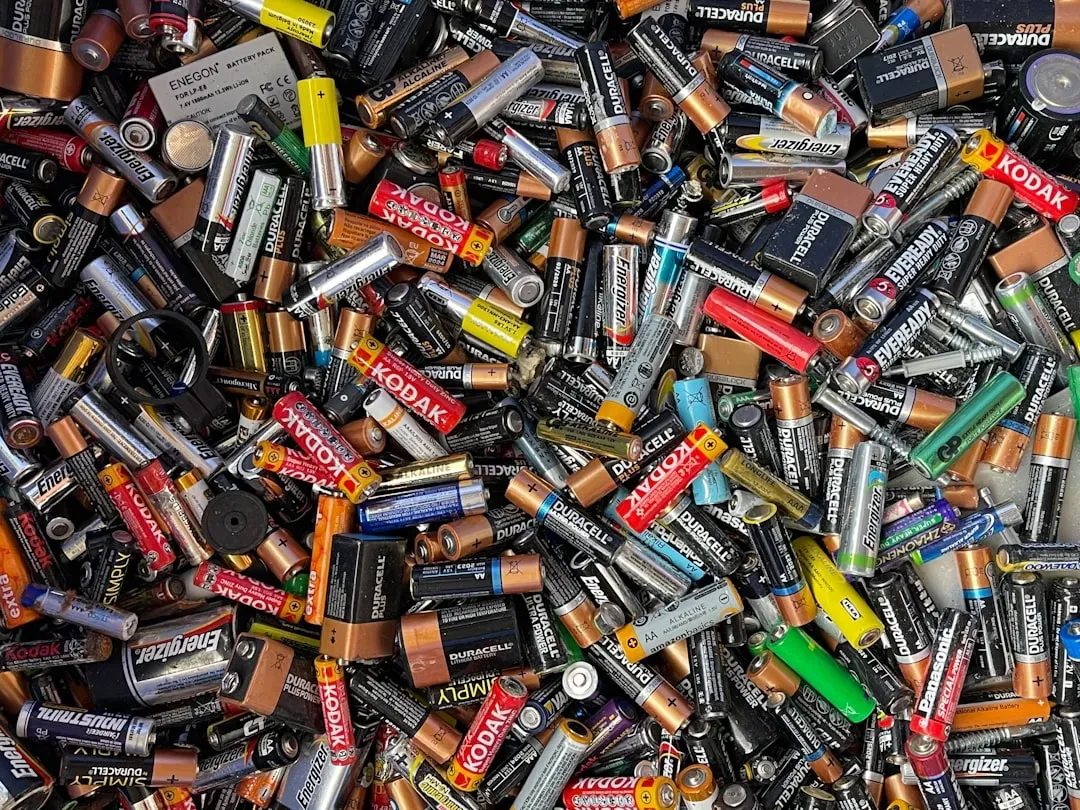
Batteries expire and leak toxic chemicals, so you need to dispose of them properly. Old batteries sitting in your garage aren’t just useless, they’re potentially hazardous. When batteries corrode, they can leak acid or other dangerous substances that damage whatever they’re sitting on or near. Many communities have battery recycling programs at hardware stores or designated drop-off sites. The small effort to take them to a proper facility is worth avoiding the mess and potential danger they create by sitting around indefinitely.
Outdated or Broken Electronics

That box of ancient cell phones, broken radios, and tangled cords? They’re not going to magically fix themselves or become useful again. Electronics deteriorate in garage conditions, especially with temperature swings and humidity. Components corrode, batteries swell, and screens crack. Many garages are stacked high with boxes filled with items like broken lawn chairs and tangled cables, making it hard to even walk through. Take old electronics to an e-waste recycling center where they can be properly dismantled and recycled. Hanging onto them accomplishes nothing except cluttering your space.
Expired First-Aid Supplies and Medications
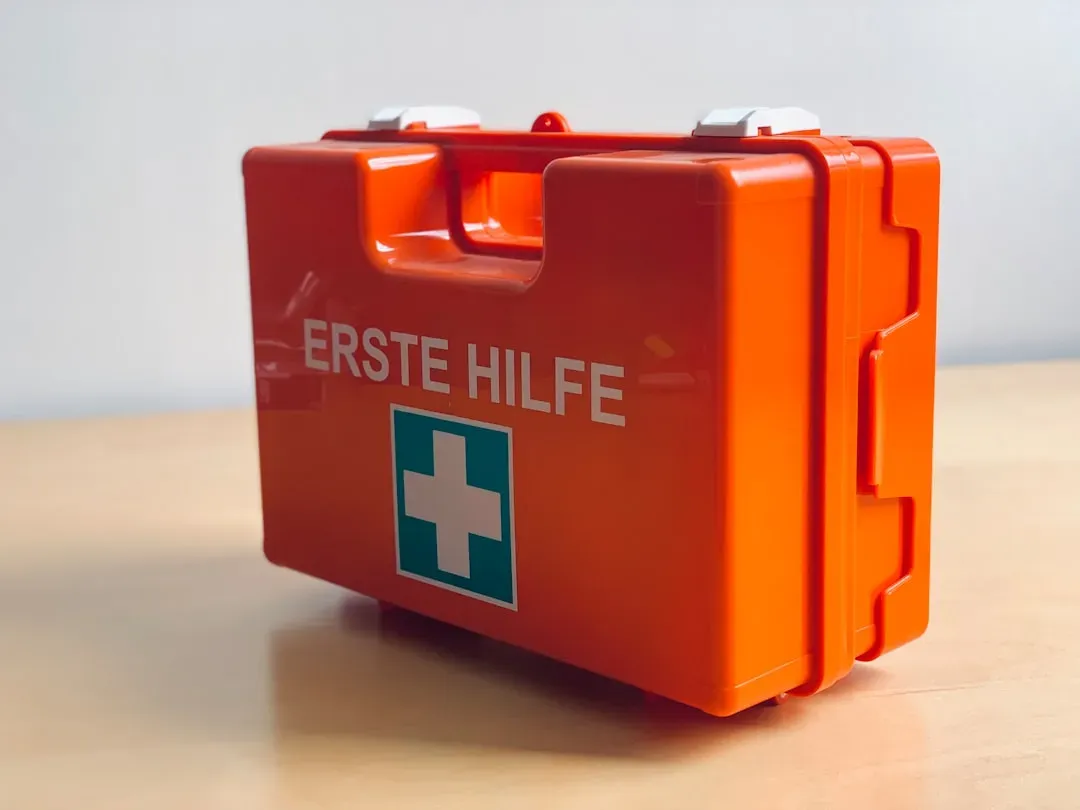
Expired first-aid kits or broken tools are items you don’t need. Medications and medical supplies lose their effectiveness over time and can even become harmful. If your garage houses an old first-aid kit from a decade ago, the bandages are probably brittle, the ointments separated, and any medications long past their expiration dates. Keeping these around gives you a false sense of preparedness. It’s better to responsibly dispose of expired medications at a pharmacy take-back program and restock with fresh supplies you keep inside your home, not in temperature-fluctuating garage conditions.
Unused Sports Equipment
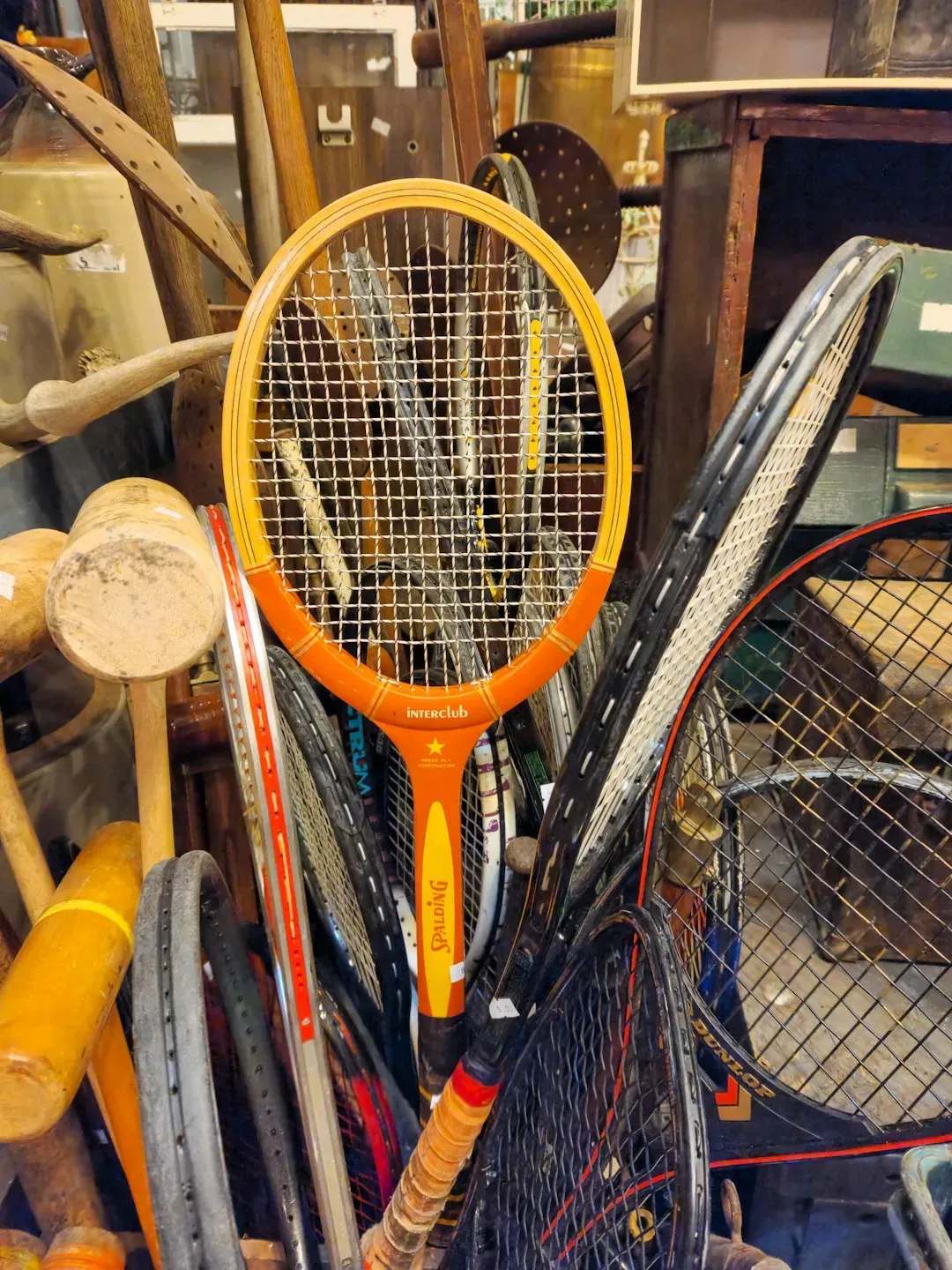
Remember that tennis racket from 2003 or those rollerblades you swore you’d use? Be honest, you haven’t touched them in years. Those weights you knew you would use to get all buff or those roller blades purchased with the best intentions can be donated to places like ReStore or Goodwill, or sold on Facebook Marketplace. Sports equipment that sits unused doesn’t just take up room, it also collects dust and can deteriorate. Donate functional items to community centers, schools, or thrift stores where they might actually get used. If it’s broken beyond repair, toss it and reclaim that corner of your garage.
Seasonal Decorations You Never Use

That string of Christmas lights that just needs a couple of lights replaced for the past 5 years, or that light-up pumpkin that was fun when you had kids but not so much anymore, should be recycled, donated, or trashed as appropriate. We all have decorations that felt essential once but haven’t seen daylight in years. Maybe your taste changed, or the item broke and you replaced it. Either way, those dusty bins of unused holiday decor are prime candidates for removal. Keep what you genuinely love and use, donate the rest to charity or community theater groups. Your garage will thank you.
Firewood and Lumber Scraps
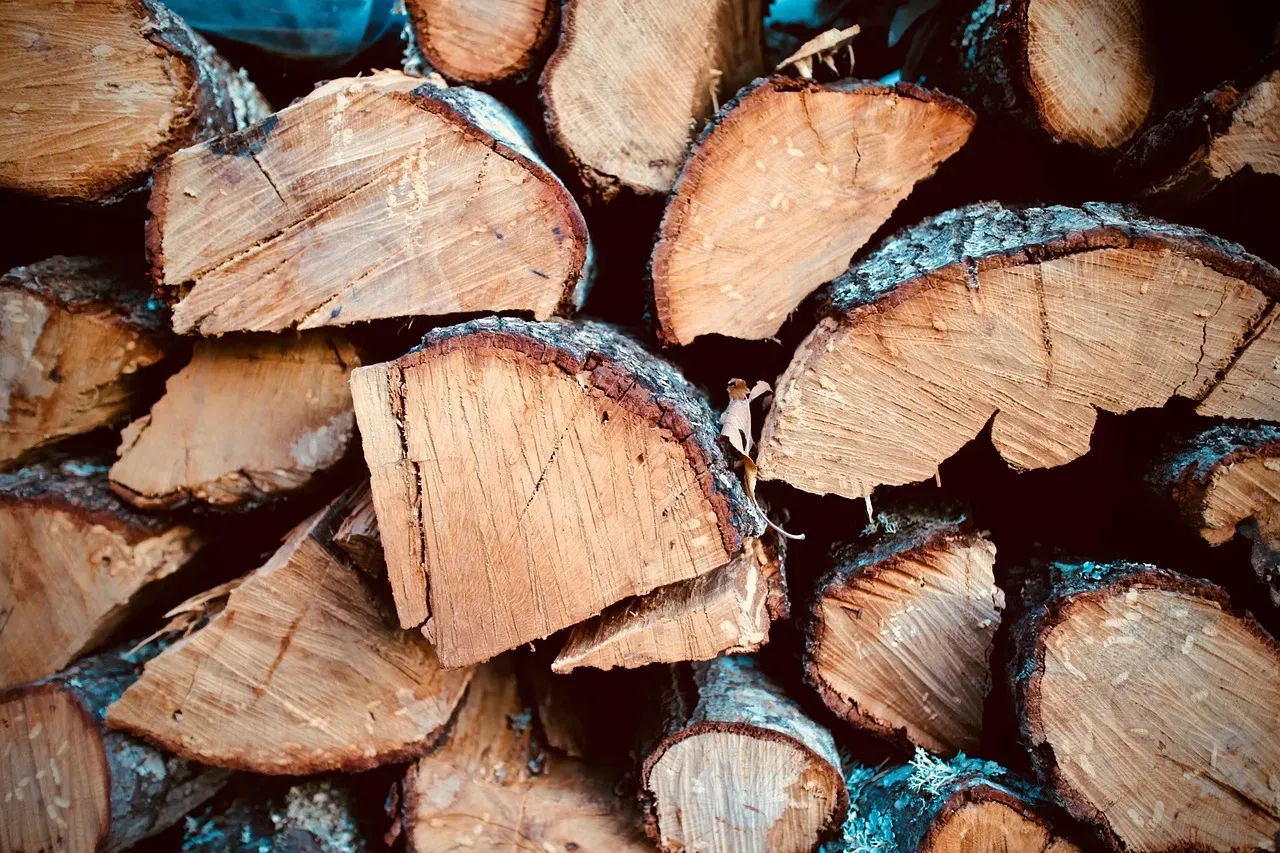
Firewood can be a food source for termites and nesting material for carpenter ants, and should be stored outdoors, off the ground, and away from the structure. Storing wood in your garage basically rolls out the welcome mat for pests. Creepy, crawling bugs can easily hitch a ride on a bundle of firewood, and if you have a large stockpile, rodents and other critters could consider it a perfectly sheltered nesting spot. Those leftover lumber scraps from projects past aren’t doing you any favors either. If you haven’t used them by now, you probably won’t. Clear them out and store only what you actually need in a proper outdoor storage area away from your home.