Why Tomatoes Had Better Flavor 50 Years Ago – and How Science Hopes to Restore It
Let’s be real: if you’ve bitten into a grocery store tomato recently, you know something’s wrong. That watery, cardboard-like taste is no accident. It’s the result of decades of breeding choices that prioritized everything but flavor.
The Uniform Ripening Mutation That Killed Flavor
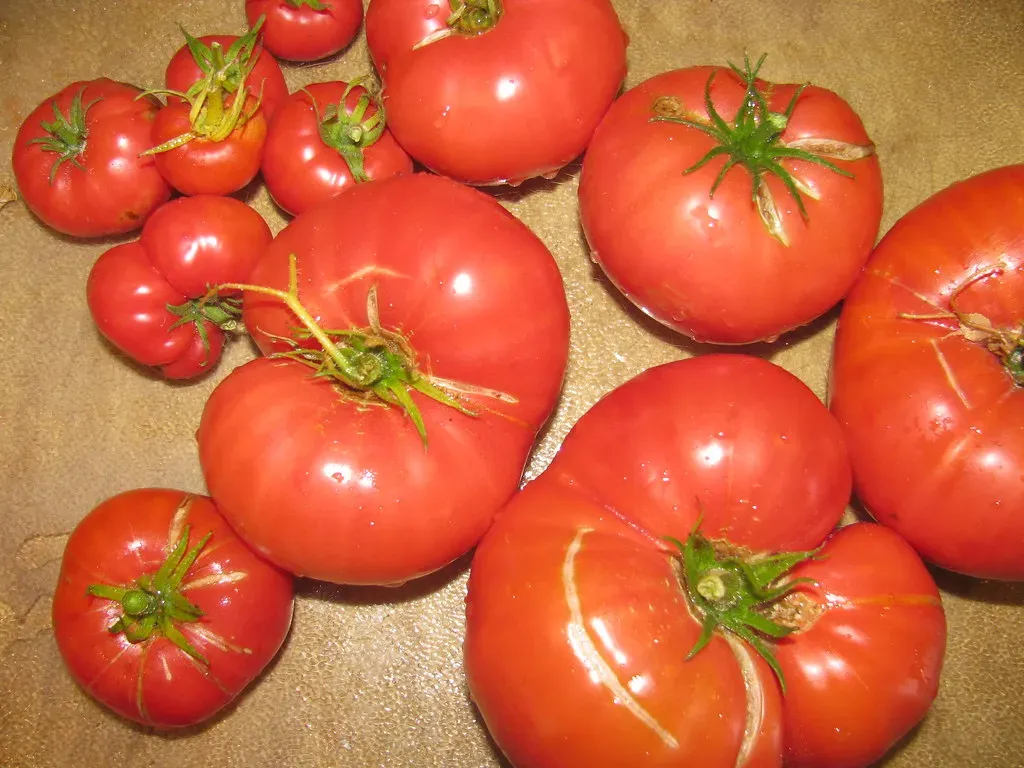
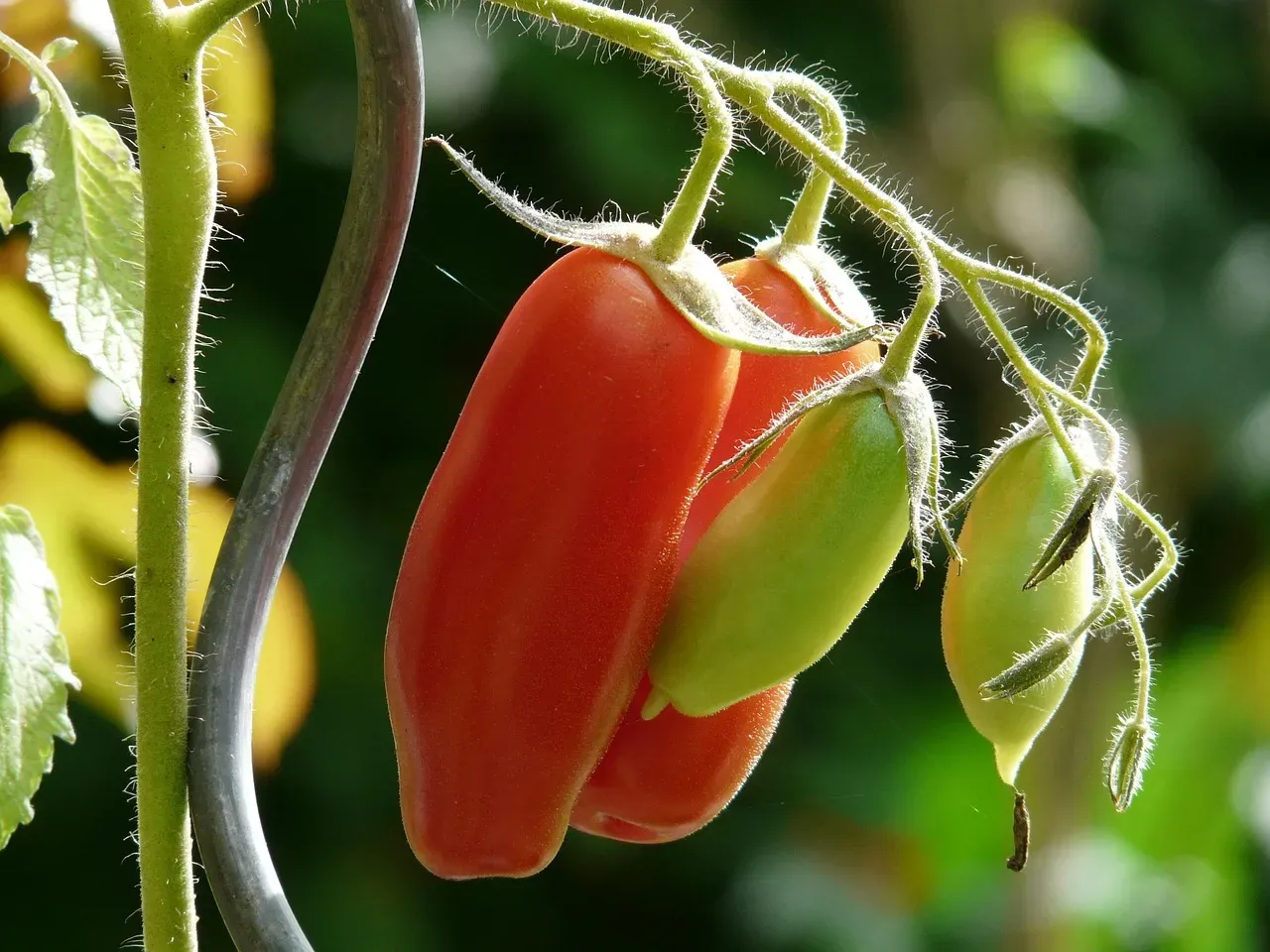
Around seventy years ago, farmers started selecting tomatoes that ripened uniformly from light green to an even red color, making it easier to spot harvest-ready fruit and ensuring store shelves glowed with perfectly red tomatoes. Back then, heirloom tomatoes had those dark green patches near the stem called shoulders. Shoppers found them unattractive. Growers found them inconvenient.
When a mutation providing uniform ripening appeared in a variety called ‘Allred’ released from North Dakota State University in 1937, tomato breeders celebrated – these tomatoes ripened to a bright uniform red with no green shoulders. This trait was quickly incorporated into all commercial tomatoes. Nobody realized what they were losing.
The Gene That Accidentally Got Switched Off
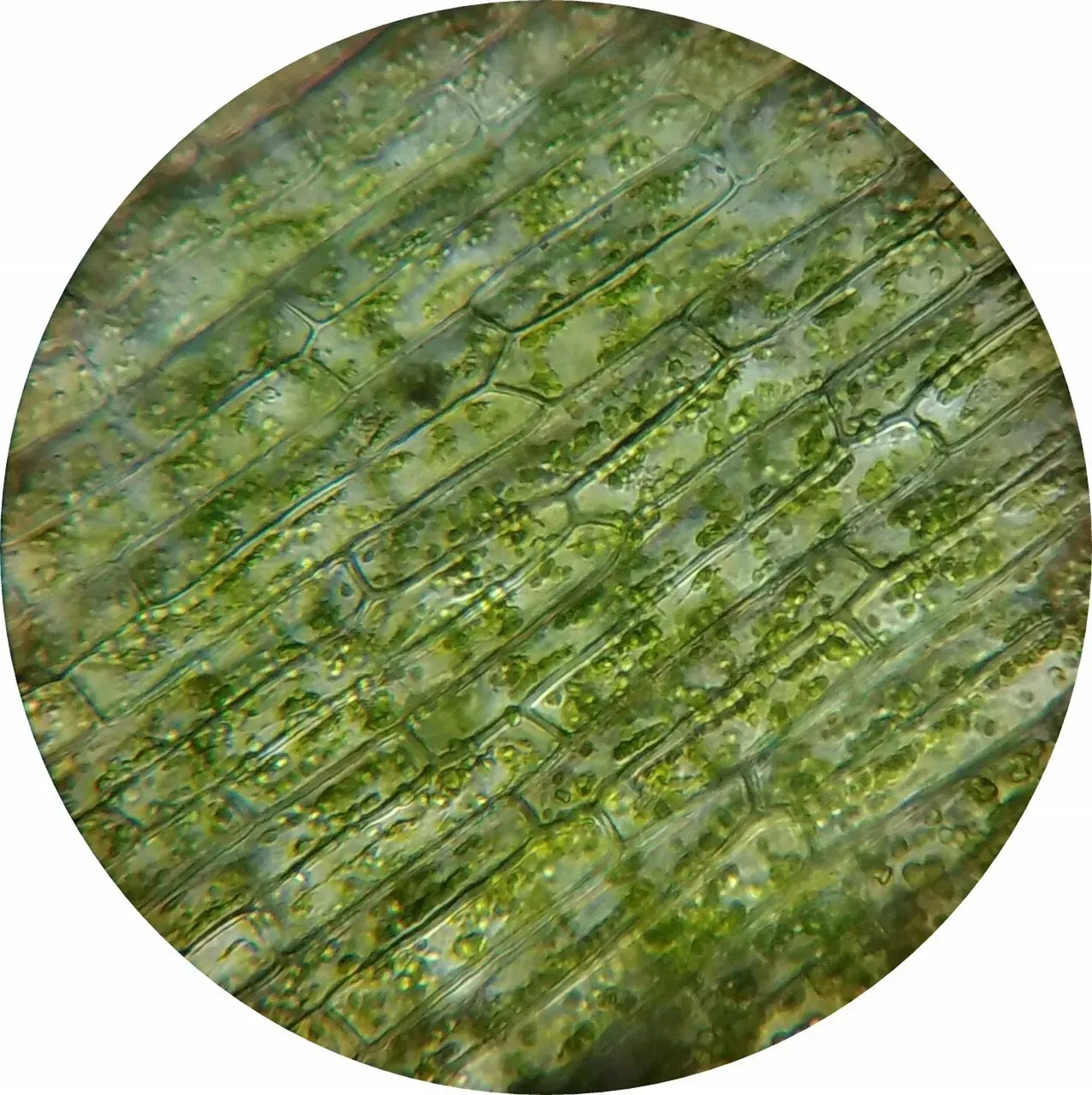
Scientists discovered the uniform ripening mutation knocked out a gene called SlGLK2, a transcription factor that controls chloroplast formation in wild tomatoes, increasing chloroplast numbers which give the fruit its darker green color. Here’s where it gets interesting. Chloroplasts use light energy to convert carbon dioxide and water into sugars, so tomatoes with a mutated SlGLK2 gene have fewer chloroplasts and less sugar.
While leaves are the primary photosynthesis factories, developing tomato fruit can contribute up to roughly one-fifth of their own photosynthesis, yielding high sugar and nutrient levels – but the uniform ripening mutation eliminates this protein in the fruit, reducing sugar levels. Heirloom tomatoes receive a quarter of their sugars from chloroplasts in the fruits, and green shoulders are actually a visual indicator that the tomato has more carbohydrates and more flavor.
Commercial Breeding Erased Critical Flavor Compounds
Modern commercial tomato varieties are substantially less flavorful than heirloom varieties, and researchers quantifying flavor-associated chemicals in nearly 400 accessions found that modern varieties contain significantly lower amounts of many important flavor chemicals than older varieties. It’s not just about sugar.
Over 400 volatile organic compounds have been detected in tomato with approximately 25 to 30 contributing significantly to the flavor. About 30 compounds are important in creating a full-bodied tomato flavor, and researchers identified 13 important molecules that have dwindled away in many mass-market varieties. Modern tomato cultivars are selected for size and firmness to make shipping easier, while the quality of flavor has been overlooked.
The Economics of Tasteless Tomatoes
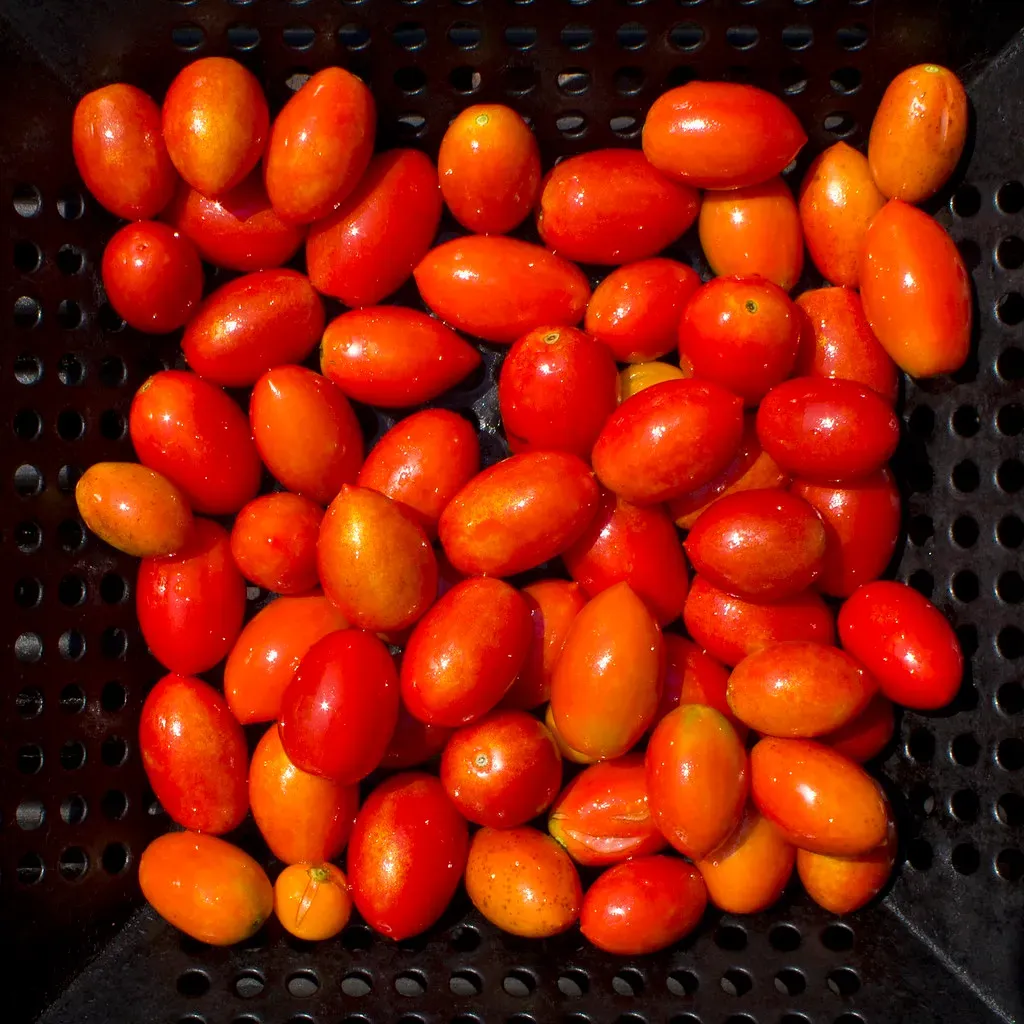
Several studies have shown that flavor deteriorated while selecting for other traits like yield, fruit size, shelf life, and disease resistance – breeders focused on traits targeted at economic value, especially disease resistance, leading to loss of flavor. Producers don’t get a penny more for quality, according to research from Cornell University.
Think about that for a second. Farmers are paid by the pound. Smaller fruit tended to have greater sugar content, suggesting that selection for more sizable tomatoes has come at the cost of sweetness and flavor. The plants can’t put as many nutrients and volatiles into the fruit as they used to, and that means less flavor. The financial incentives were all wrong from the start.
How Scientists Cracked the Flavor Code
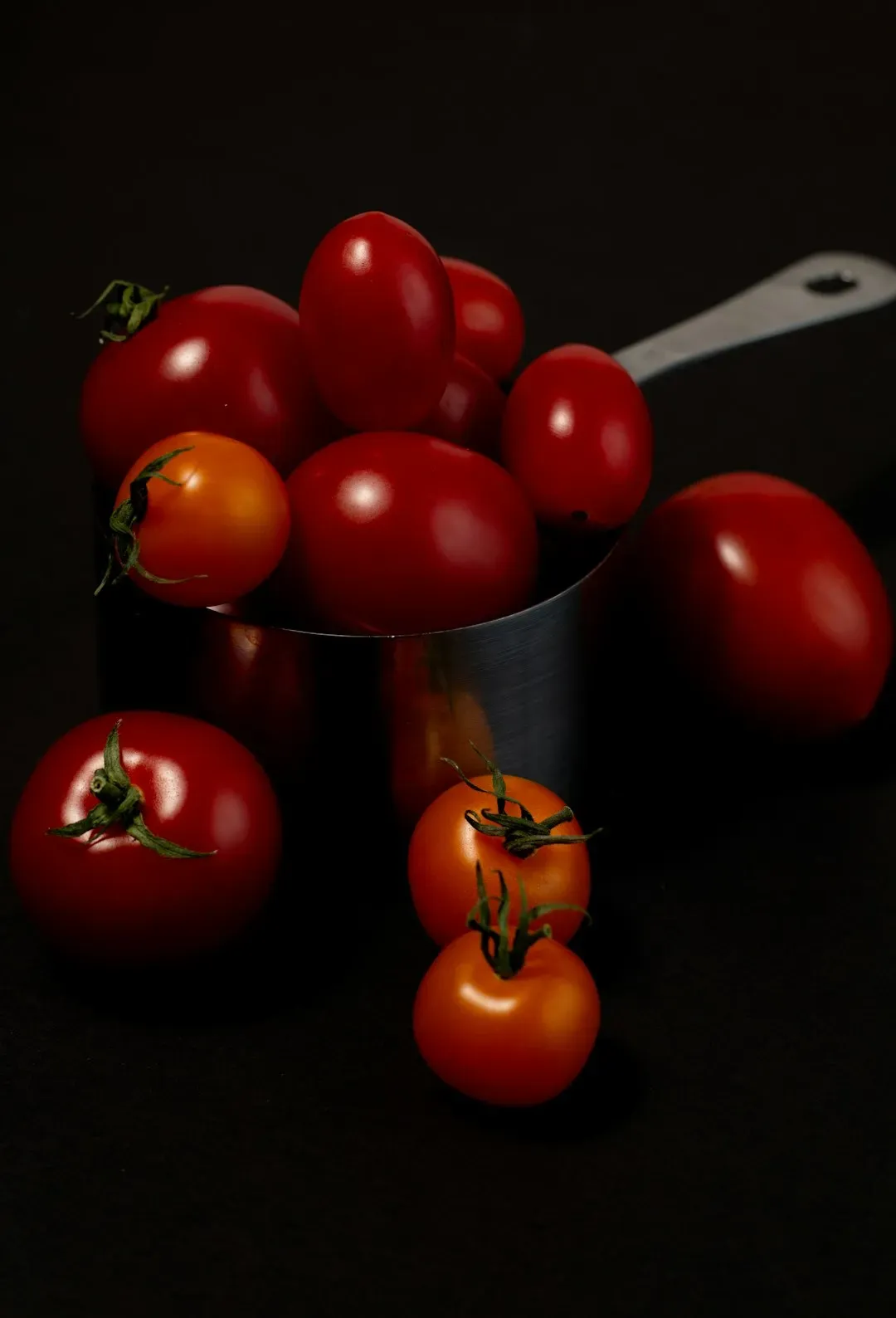
Researchers quantified flavor-associated chemicals in 398 modern, heirloom, and wild accessions, then evaluated a subset in consumer panels, identifying the chemicals that made the most important contributions to flavor and consumer liking. They sequenced the genomes of 398 tomato varieties and assembled dozens of consumer panels conducting taste tests with 101 university-grown varieties, recording which ones people liked most.
The team sequenced the whole genome of 398 modern tomatoes, selected 160 varieties and gave them to a 100-person panel for tasting, then used resulting data to associate genetic variants with specific aroma and flavor traits – identifying 26 genes involved in producing flavorful volatiles. A less prevalent volatile compound called geranial made a huge difference, somehow improving a tomato’s overall flavor, perhaps by enhancing innate sweetness – and compared with heirloom varieties, standard tomatoes have less geranial and other volatile compounds.
Recent Breeding Programs Target Flavor Restoration
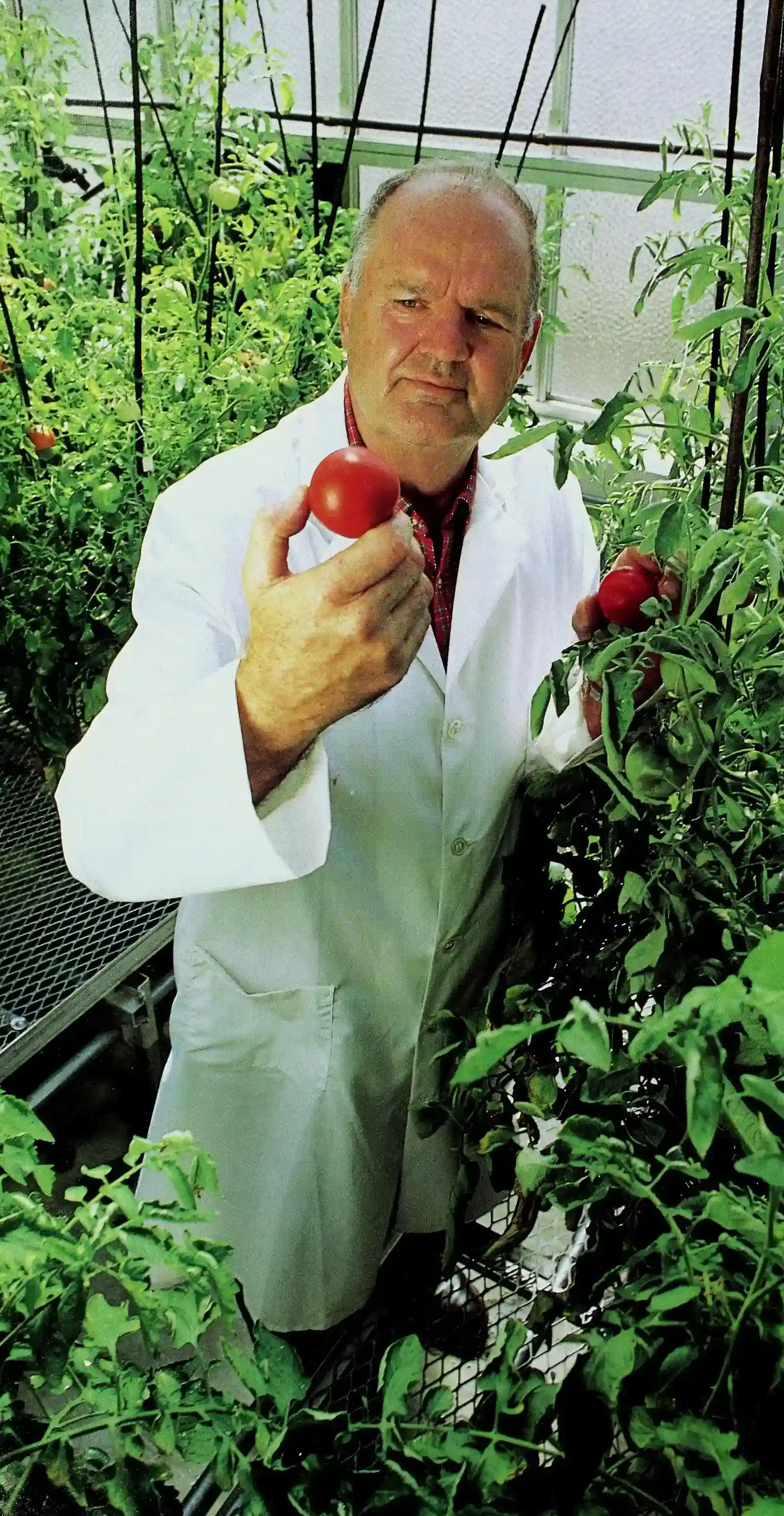
In October 2024, Texas A&M AgriLife Research was awarded an $8.4 million grant by the USDA to spearhead a four-year multi-institution project developing resilient, high-quality tomato varieties. One key objective is to address consumer dissatisfaction with flavor, which has contributed to a decline in consumption – breeding programs will focus on enhancing not just resilience but also taste, texture and aroma.
Traditional breeding has added flavor regions to a modern tomato variety with traits important to producers including yield, fruit size and disease resistance, and these improved modern tomatoes have significantly better flavor than the original variety. A citizen science project allowed home gardeners across the USA and the world to grow new tomato varieties and send feedback on the productivity and flavor of these varieties.
The Tasti-Lee Success Story
The Tasti-Lee brand hybrid released in 2006 has been very popular due to its superior flavor, beautiful internal color, and excellent performance as a field-grown, vine-ripened tomato – the branded marketing program and high consumer acceptance led to it becoming the number one-selling round tomato nationally. This proves that better-tasting tomatoes can succeed commercially.
Scott developed the original Tasti-Lee variety in the 2000s, which grew sweet, firm, bright-red fruits, and was heavily marketed as a better-tasting tomato. Honestly, it shows what’s possible when flavor becomes a priority. Still, this is just one variety, and most supermarket shelves remain dominated by those infamous water bombs.
Traditional Breeding vs. Genetic Engineering
Genetic engineering might be a quicker means to the perfect tomato, but researchers think that classical breeding using molecular markers to track inheritance is a better, easier option. Getting genetically modified tomatoes through regulatory approval can cost $15 million and is too expensive for academics, but genomics are helping to speed up the breeding process.
Researchers aim to move the good alleles back into varieties to have a significant positive effect on flavor using molecular markers combined with traditional breeding – they’re talking about more than 10 genes and need a comprehensive genome design that coordinates multiple flavor genes without sacrificing yield too much. By crossbreeding commercial tomato crops with heirloom varieties over multiple generations, growers could produce a tomato that’s large, plump, red, and disease resistant but also tastes pretty good – this process would likely only take a few years.
Environmental Factors Still Matter
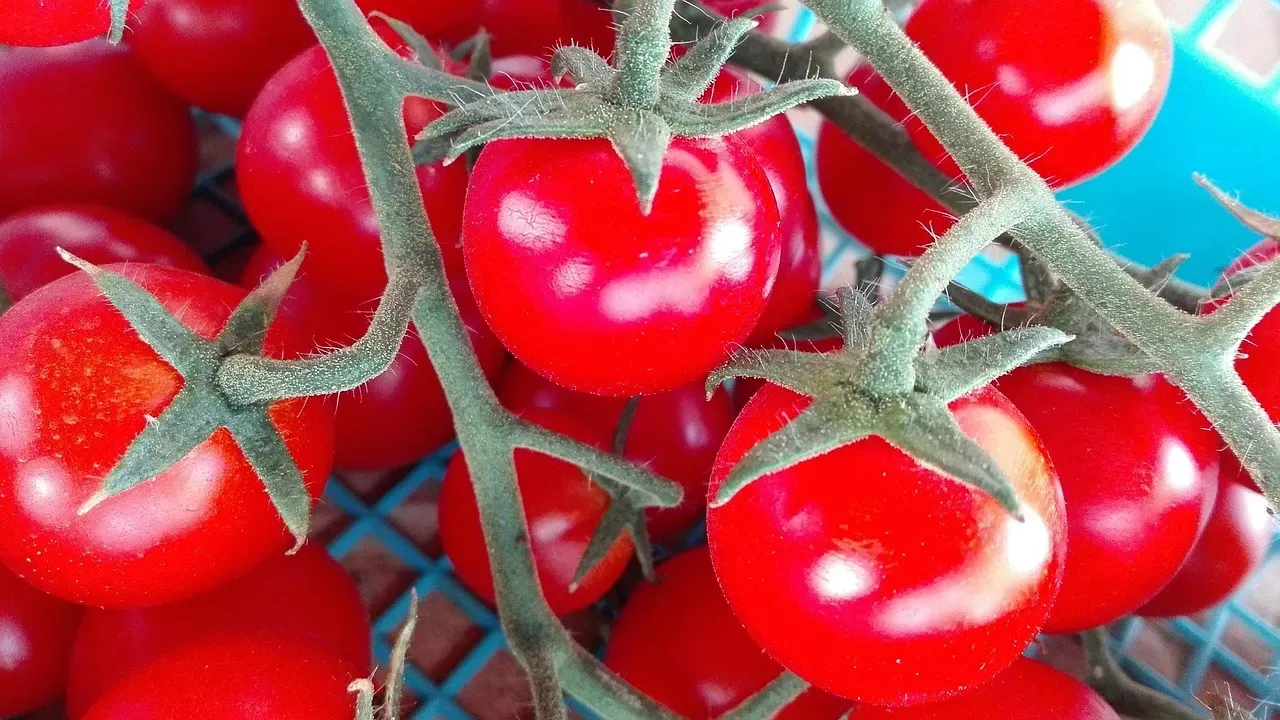
Tomato flavor isn’t solely defined by genetics – growing conditions can make a big difference, with tomatoes grown during longer, sunnier days photosynthesizing more sugars and acids, and tomatoes grown with less water growing smaller fruits which concentrates the sugars and acids. Tomato fruits are constantly making more volatiles to replace those that have evaporated, but low temperatures stop the synthesis of new volatiles, so all those flavor compounds vanish.
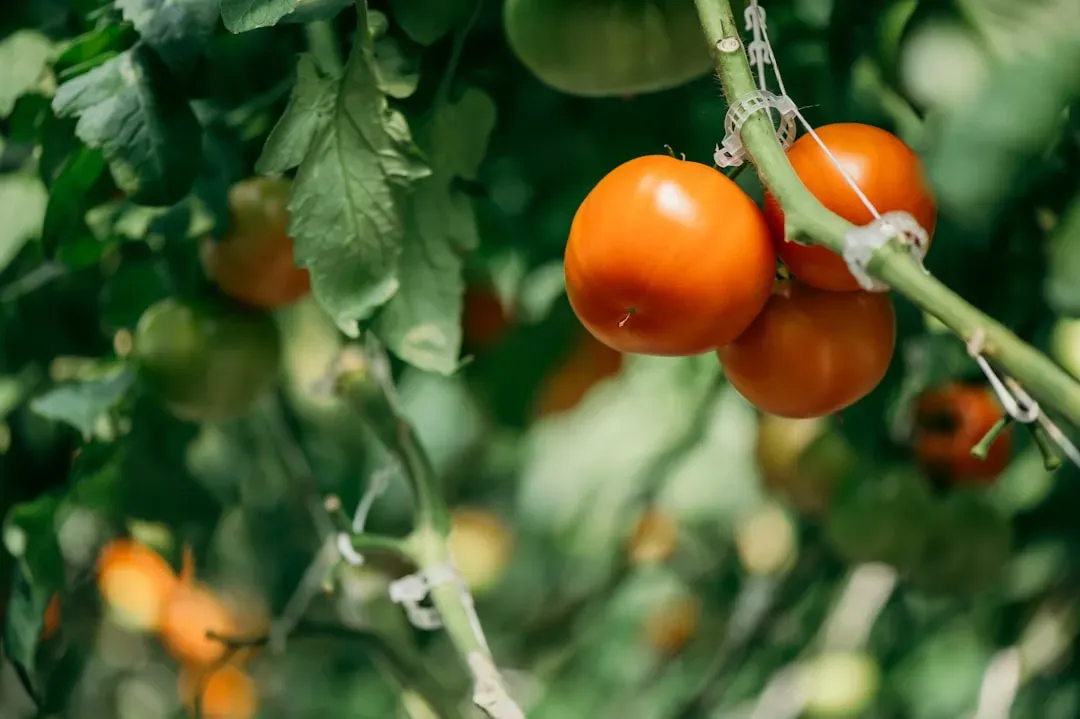
The real culprit affecting tomato flavor is a production system that picks tomatoes before they are ripe, because that changes the ripening process, interrupting the conversion of starch to sugar. Tomatoes take their flavour from time spent on the vine, but industrially grown tomatoes may never get the chance to fully ripen – they’re picked while still green to keep them firm and less likely to bruise during shipping.
What This Means for Consumers and the Future
Though the commercial need for large, sturdy tomatoes means that not all their taste can be restored, a much-improved tomato could hit supermarket shelves within three years according to a 2017 study. The tomatoes may have a slightly shorter shelf life and plants may be only about 90 percent as productive, likely increasing the cost – but consumers may be willing to pay for a better product, pointing to the taste premium on craft beers and coffee.
The end goal is to get a tomato as sweet as if it were grown in your own garden while durable enough to make it to the grocery store in winter – the team is currently studying five or more genes and breeding can take a few years, but this information is now available for anyone who wants to breed their own variety. The science is there. The knowledge exists. Whether growers and retailers will prioritize flavor over purely visual perfection remains the billion-dollar question. What would you be willing to pay for a tomato that actually tastes like a tomato?