8 Animals That Could Hurt You – But Usually Run First
Ever had that moment in the woods where your heart starts pounding because you just caught movement in the trees? Maybe you froze, wondering if something dangerous was lurking nearby. Here’s the thing most people don’t realize. Some of the animals we fear most are actually more terrified of us than we are of them. They’ve got sharp teeth, powerful muscles, and can absolutely mess you up if cornered. Yet time after time, they choose to flee rather than fight. Let’s dive into the fascinating world of creatures that could seriously harm us but would much rather vanish into the wilderness.
Mountain Lions: The Ghosts That Avoid You
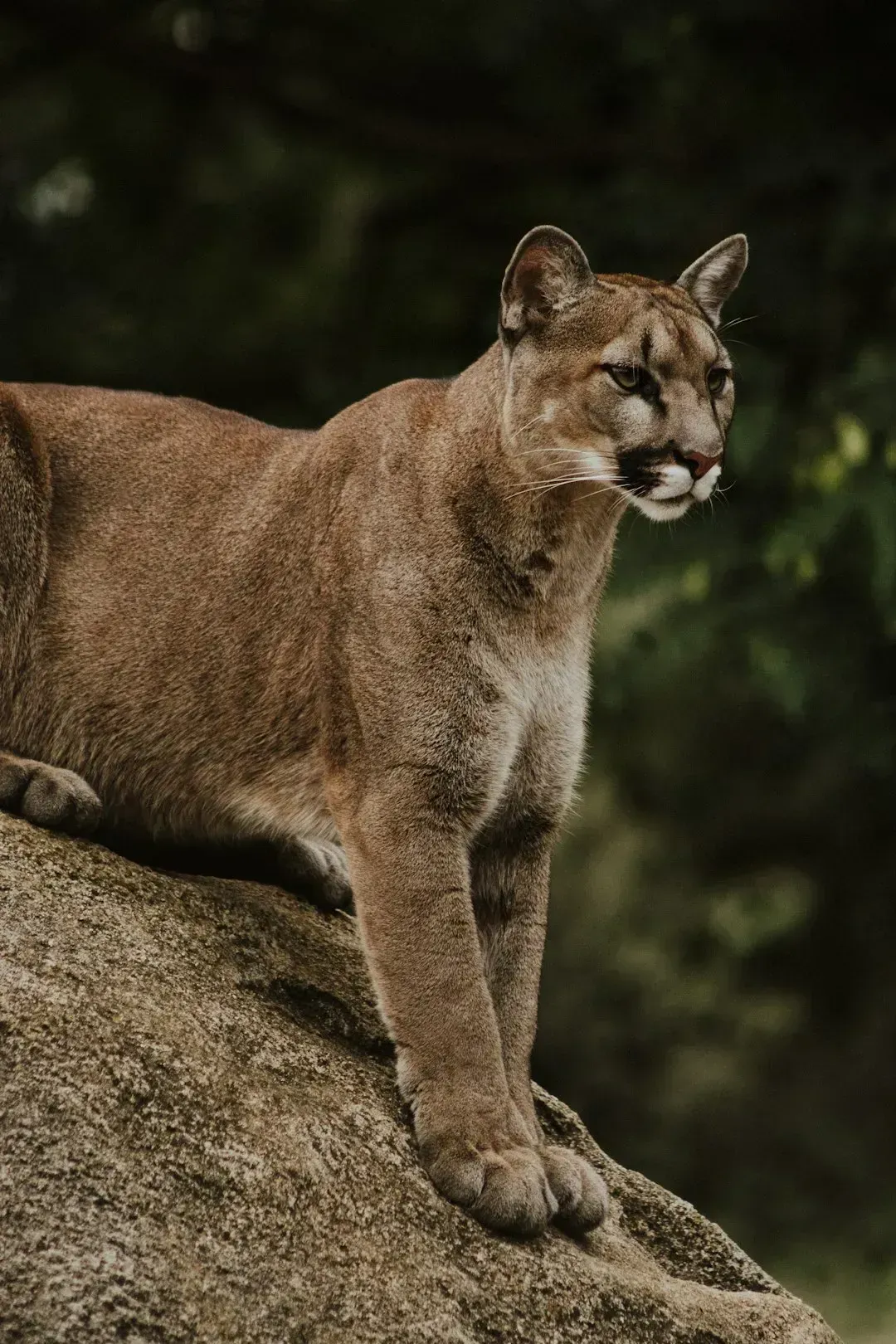
Mountain lion attacks on humans are very rare, as cougar prey recognition is a learned behavior and they do not generally recognize humans as prey. The probability of an attack is less than 1 in 6 million. These big cats are masters of stealth, slipping through the same trails we hike without us ever knowing they were there. Wildlife cameras have recorded hundreds of thousands of photos of hikers, joggers and bikers recreating in these areas, and also hundreds of photos of mountain lions sharing these same trails with no resulting conflict.
The reality is fascinating. There have been about 28 fatal mountain lion attacks on humans in North America in the past 100 years, for an average of about 0.18 attacks per year. To put that in perspective, each year in the US on average about 50 people die from mosquito-borne illnesses, 28 people are struck by lightning, at least 20 people die from firearm-related hunting accidents, 86 people die from animal venom, and about 35,000 to 45,000 people die from motor vehicle accidents. When you stumble upon a cougar, it’s usually backing away long before you even spot it.
Black Bears: Timid Giants of the Forest
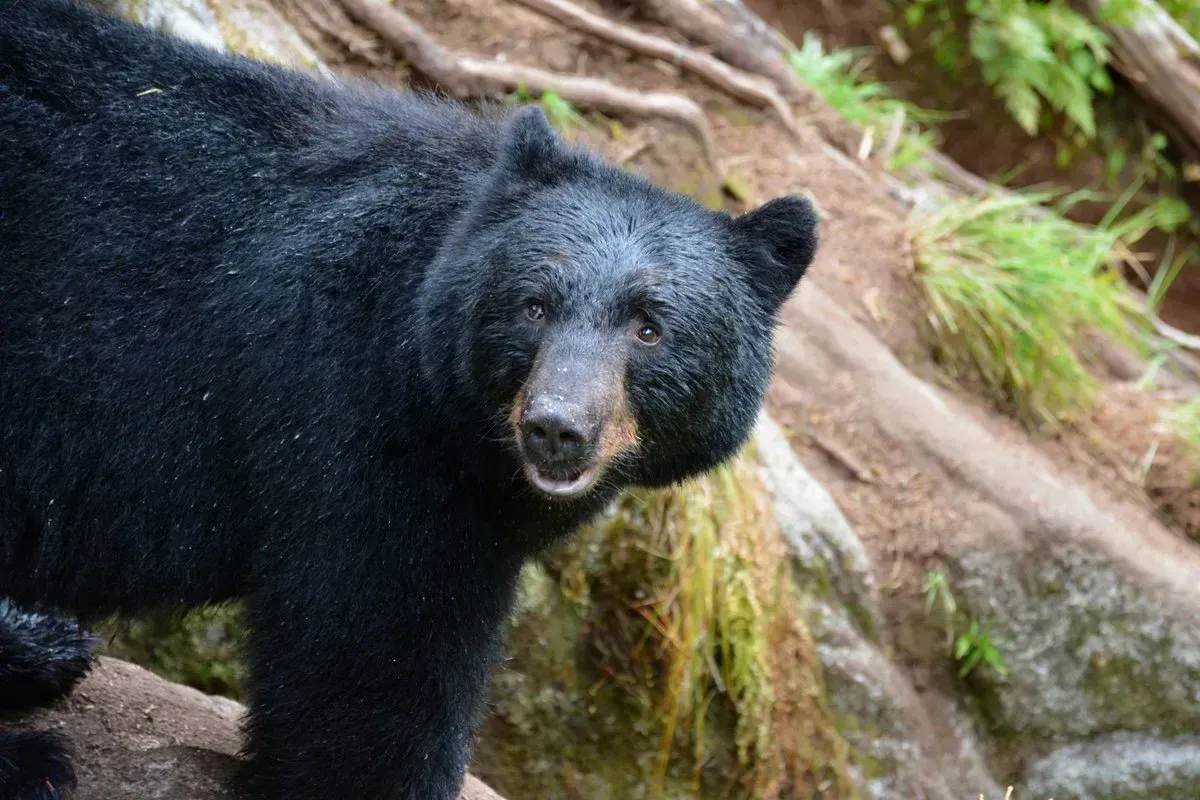
There is no record of anyone being killed by a mother black bear defending her cubs, and attacks are very rare. Think about that for a second. All those warnings about staying away from cubs? Black bear mothers are actually incredibly reluctant to attack. Since 1784 there have been 66 fatal human/bear conflicts by wild black bears. a few dozen non-fatal attacks happen each year, and the vast majority of encounters end with zero bodily contact.
Black bears are far more likely to run away from you than engage. Black bears are so timid today partly because they evolved alongside such powerful predators as saber-toothed cats, American lions, dire wolves and short-faced bears, all of which became extinct only about 12,000 years ago. Black bears survived by staying near trees and developing the attitude: run first and ask questions later. Their survival strategy has always been escape, not confrontation. Even when curious, they’re scanning for your reaction rather than sizing you up as lunch.
Moose: The Awkward Heavyweights
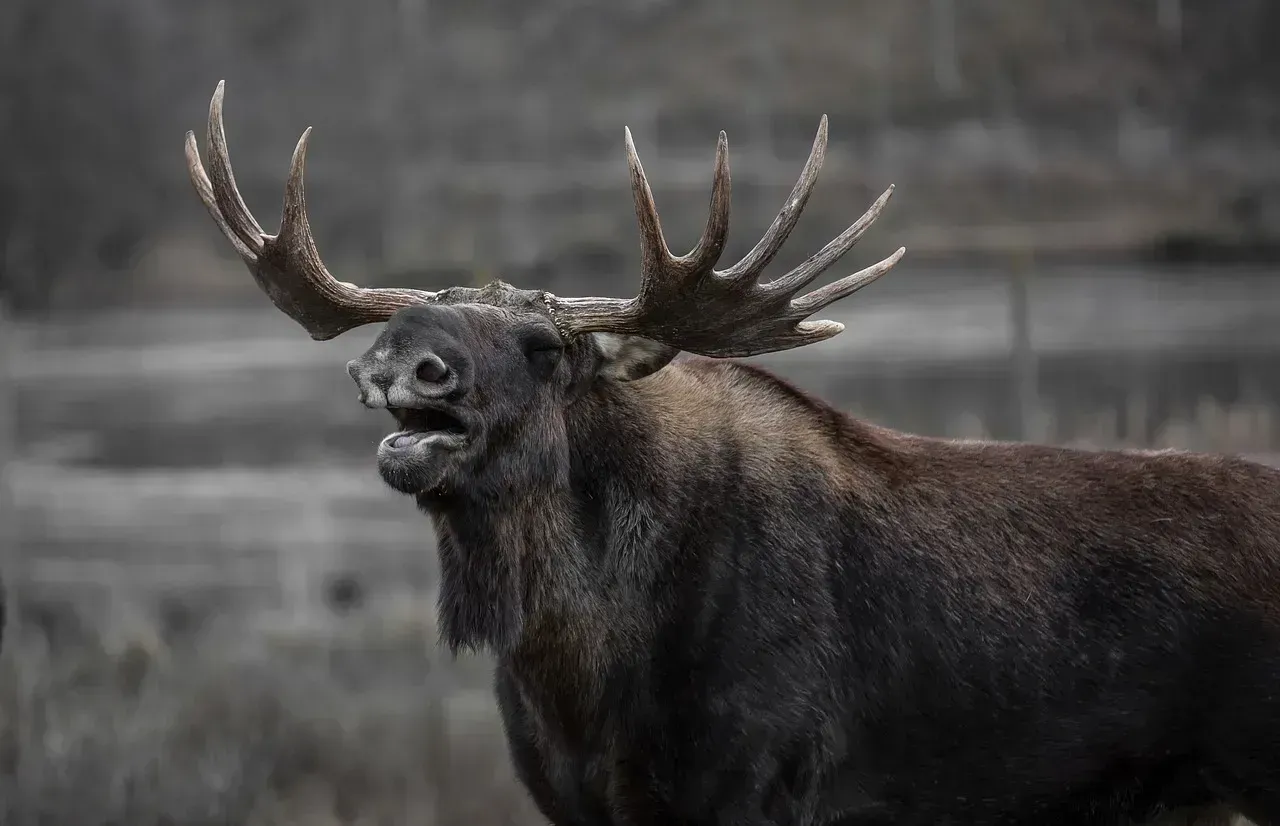
According to the Alaska Department of Fish and Game, more people in the state are injured by moose than by bears each year. Fortunately, people rarely die as a result of moose encounters. Here’s where things get interesting. In North America, moose attack more people than bears and mountain lions combined. In Africa, hippos injure more people than most other animals, while moose rank among the most injurious in North America. Yet fatal encounters remain extraordinarily uncommon.
Why the attacks at all? Generally, moose will run away when they feel threatened; however, in specific situations, they are known to attack humans. Males are most aggressive during the mating season in late September and October. In late spring or summer, females with young calves are very protective and will attack if they get too close. Victims of moose attacks in Colorado can attest to that. Though none of them were killed, all suffered serious injury. Most of the time though, that gangly giant would rather lumber away than deal with you.
Wolves: Misunderstood Shadows
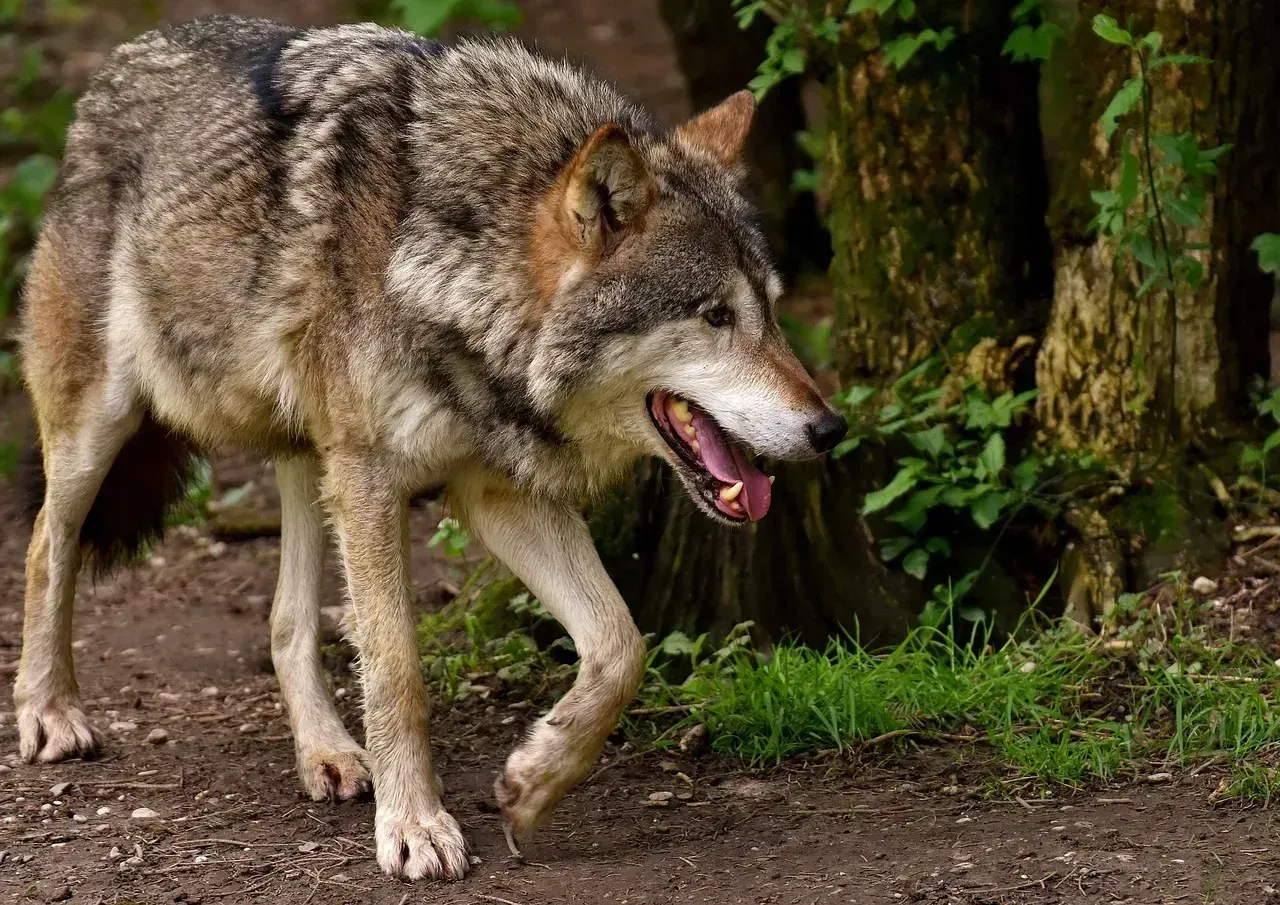
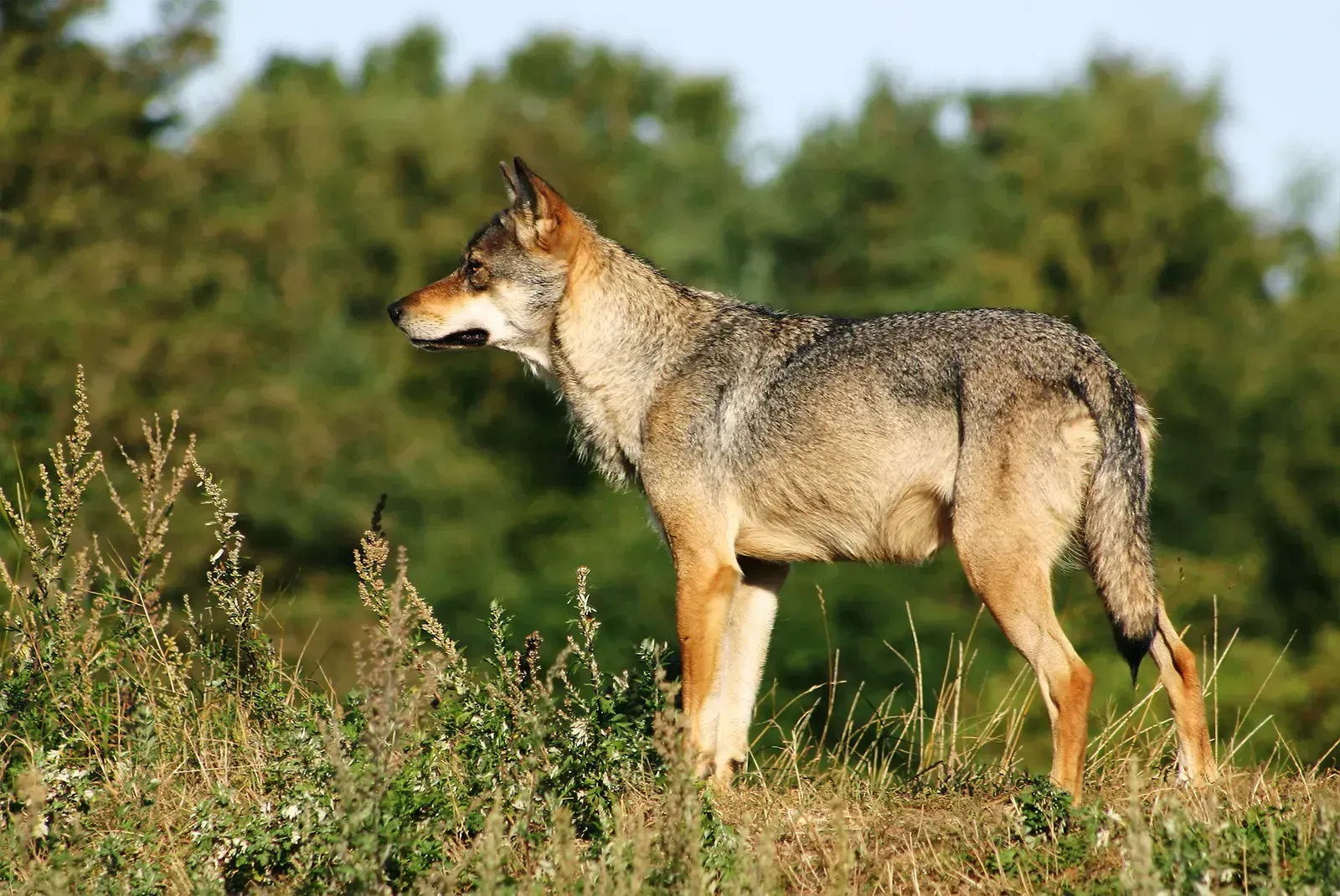
They tend to fear and avoid humans, especially in North America. Between 1900-2000, a 100-year period, the study found only 16 cases where wild, healthy wolves bit people. In North America, there are no documented accounts of humans killed by wild wolves between 1900-2000. Let that sink in. An entire century with essentially zero fatal wolf attacks across a continent where tens of thousands of wolves roam.
Researchers unearthed 489 victims of wolf attacks across the world from 2002 until 2020. Of those, 380 (78%) were rabid attacks, 67 were considered predatory attacks and 42 were provoked/defensive attacks. The vast majority of wolf incidents involve rabies or food conditioning, not natural behavior. Wolf biologist L. David Mech hypothesized in 1998 that wolves generally avoid humans because of fear instilled by hunting. They learned over millennia that we’re the real apex predator. These intelligent pack hunters would much rather ghost you entirely.
Wild Boars: Bristly Escape Artists
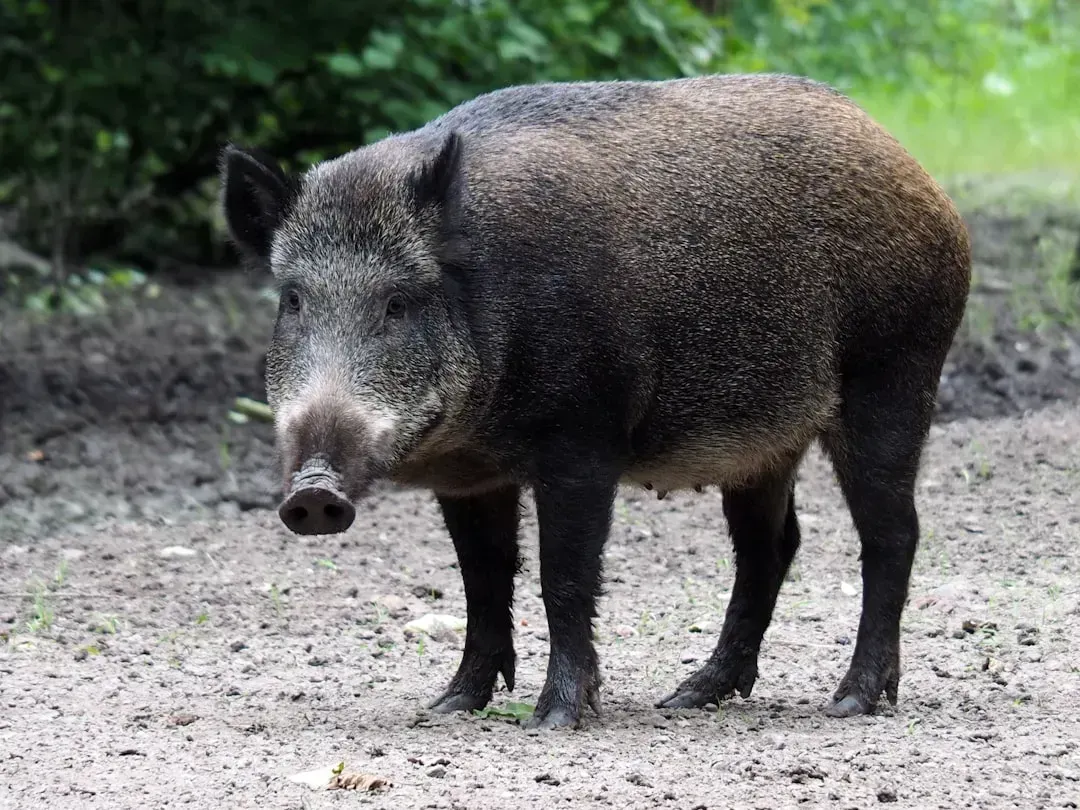
Wild boar attacks on humans are not common but do occur occasionally. These stocky, tusked beasts look intimidating with their coarse hair and muscular build. Yet like most wildlife, their default response to human presence is avoidance. Occasionally, female boars will attack if they feel their piglets are threatened, especially if a human physically comes between them and their young. Although a majority of boar attack victims recover with medical treatment, fatalities do occasionally occur.
Wild boars become problems mainly when humans encroach on their territory or when they’re conditioned to associate people with food. In most situations, they’ll bolt into dense brush at the first whiff of human scent. Their reputation as aggressive animals mostly comes from provoked encounters or situations where escape routes are blocked. Given the choice between charging and running, boars overwhelmingly choose retreat.
Bison: Deceptively Docile Until They’re Not
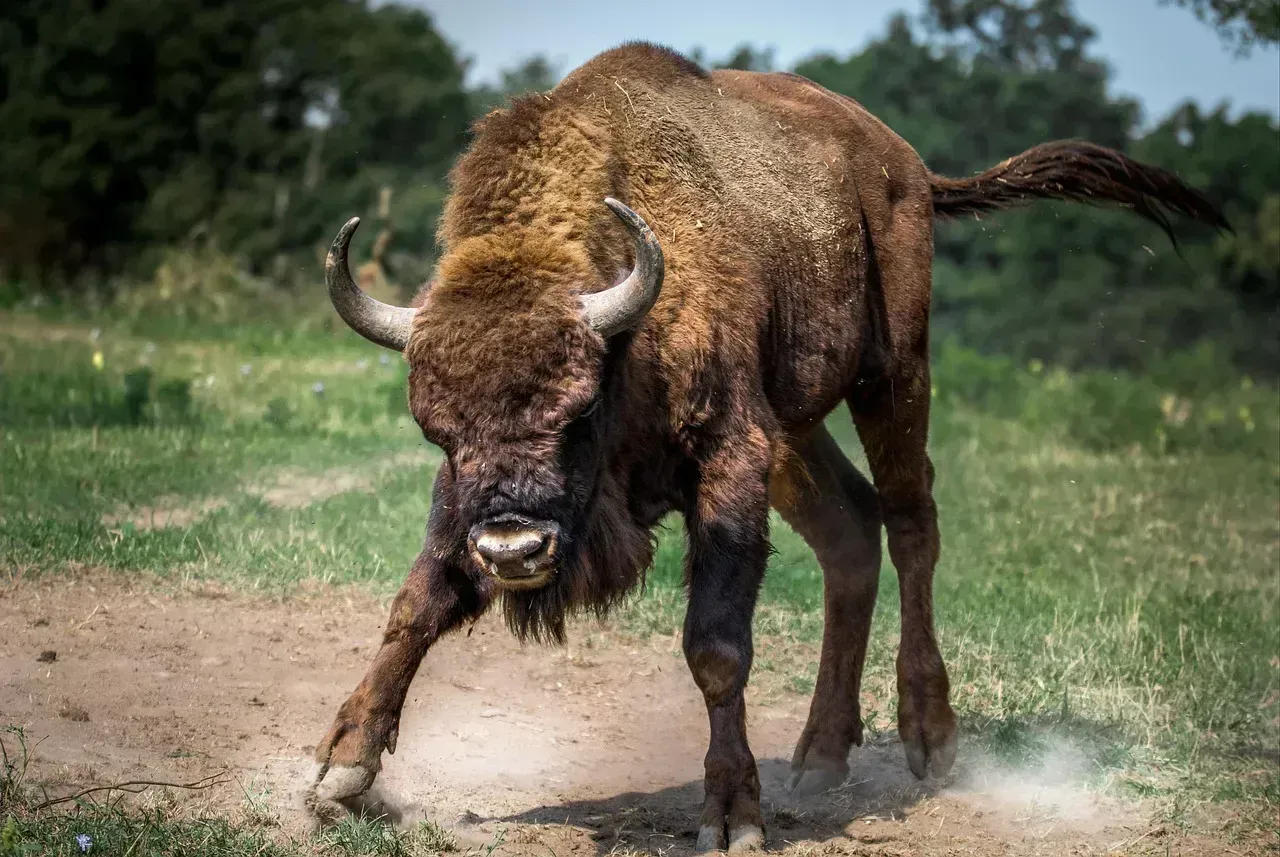
American elk, moose, deer, bison, goats and cattle can attack people and as big as they are, bison can sprint three times faster than humans can run. These massive herbivores seem so calm while grazing in places like Yellowstone. Tourists constantly underestimate them. They are unpredictable and dangerous and it is best to keep a fair distance between yourself and the animals – if it changes its behavior due to your presence, you are too close.
Bison incidents typically happen because people get way too comfortable around them, treating them like oversized cattle at a petting zoo. The animals themselves would generally prefer humans just stay away. They’re not hunting you or even particularly interested in you. When they charge, it’s usually because someone invaded their personal space or made them feel cornered. Give them room and they’ll keep munching grass and ignoring you entirely.
Elk: Majestic But Moody Herbivores
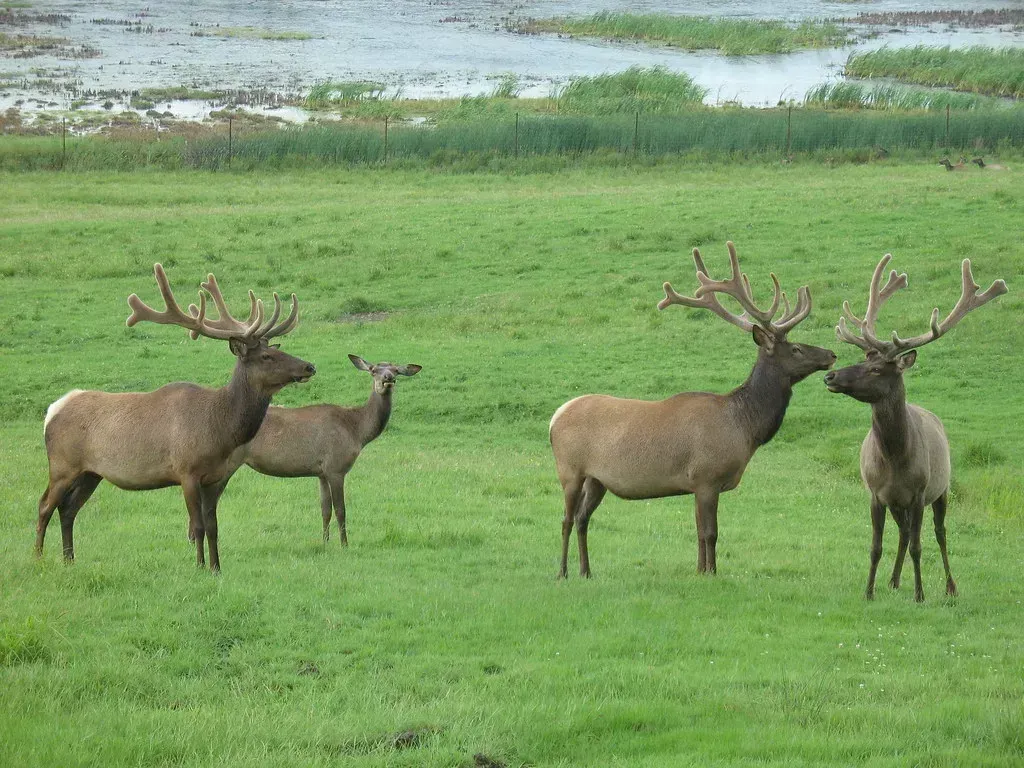
During the rut, the male “bull” elk are irritable, aggressive and extremely dangerous to onlookers who get too close. The elk calving season takes place in April and May of each year. During this time, female elk, or cows, become irritable and highly protective of their young calves. Though they may look harmless, cows are extremely dangerous during calving season. Still, outside these specific periods, elk are remarkably tolerant of humans at a distance.
Walk through elk country during summer and you might see herds grazing peacefully as hikers pass by on maintained trails. They watch you, sure, but they don’t panic or attack. Elk are wild animals which must be observed from a safe distance to avoid injury or death. The key word is respect. These animals can hurt you badly if provoked, but their instinct is to continue their daily routine unless you become a threat. Most of the time, they’d rather you just kept walking.
Coyotes: Wary Opportunists
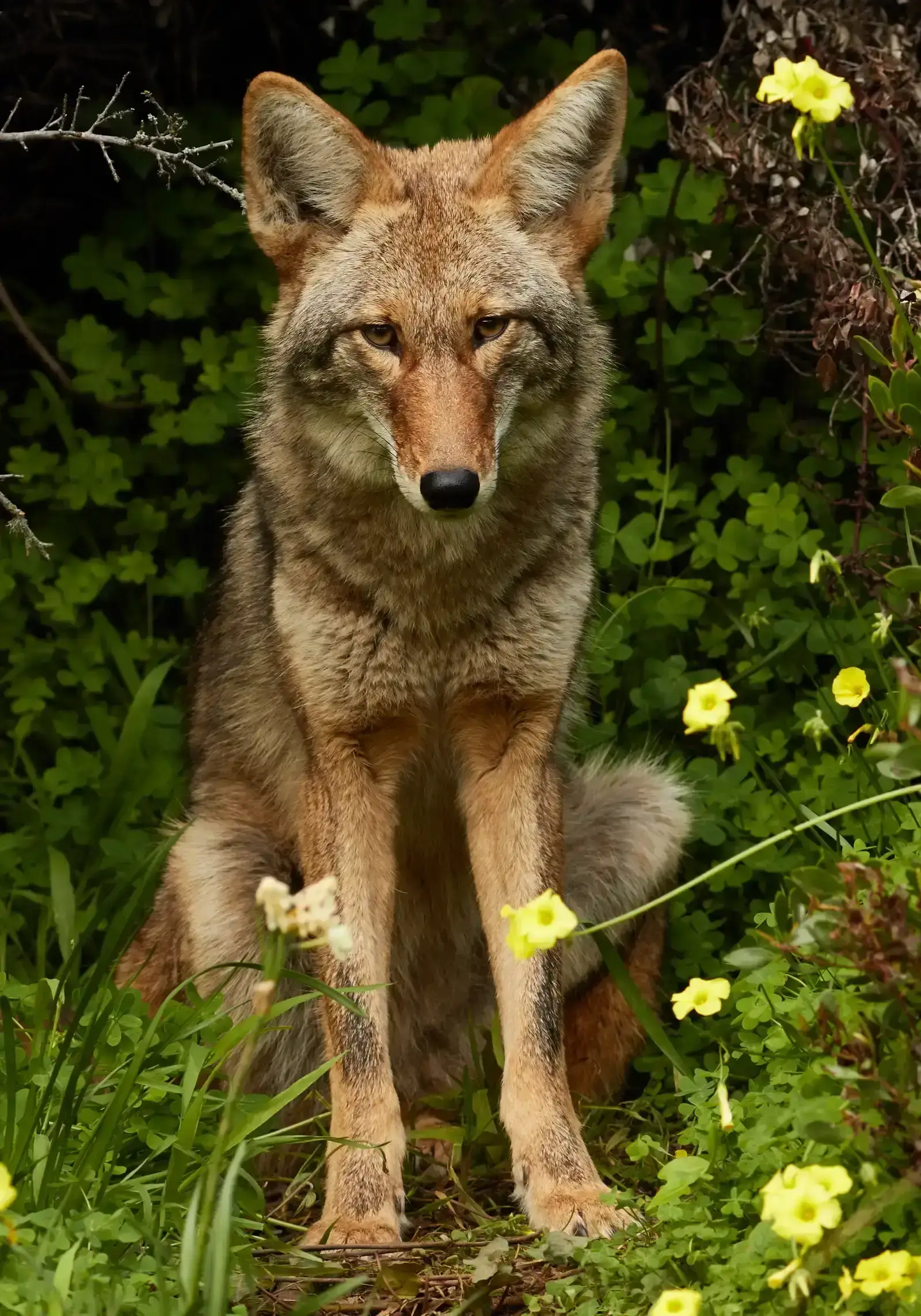
Coyotes have adapted remarkably to living near humans, showing up in suburban neighborhoods and even cities. Despite this proximity, they remain deeply cautious of direct human contact. These clever canines are opportunistic feeders but have learned through generations that humans mean danger. They’re much more interested in raiding trash cans and hunting small prey than confronting people.
When coyotes do show bold behavior, it’s almost always because someone has been feeding them, intentionally or not. A wild, unfed coyote will typically dart away the moment it spots you. They’re incredible at vanishing into shadows, slipping through fences, and generally making themselves scarce. Attacks on humans remain exceptionally rare and usually involve sick animals or situations where people tried to interact with them. Left to their natural instincts, coyotes are masters of avoidance who would much rather watch you from a safe distance than engage.
The Real Story: Fear Works Both Ways
What’s the common thread here? These animals evolved alongside humans who hunted, trapped, and killed them for thousands of years. That history left an imprint. They learned we’re dangerous, unpredictable, and best avoided. We spent centuries making ourselves the thing that goes bump in the night for wildlife.
Modern encounters usually go wrong when animals lose their natural wariness through habituation or food conditioning. When we feed wildlife, leave garbage accessible, or push too close for that perfect photo, we override millions of years of survival instinct. The animal that could hurt us suddenly doesn’t run first anymore. That’s when danger escalates.
Understanding this changes how we move through wild spaces. These creatures aren’t lurking villains waiting to attack. They’re just trying to survive, raise their young, and go about their business. Most would choose flight over fight every single time. Respecting that boundary keeps both species safe and maintains the balance that allows us to share these landscapes. Next time you’re hiking and catch a glimpse of movement disappearing into the trees, remember: they saw you first and decided you weren’t worth the trouble.