Is Your Olive Oil Real? How to Detect Counterfeit Ingredients Hiding in Your Pantry
You’d be shocked by what’s actually hiding in that bottle on your kitchen shelf. The thing you trust as extra virgin olive oil might be nothing more than colored seed oil. Honestly, it’s disturbing how widespread food fraud has become in recent years, and your pantry is likely filled with products that aren’t quite what they claim to be.
Let’s be real, most of us never question the label on our groceries. We pick up olive oil thinking it’s pure and healthful, maybe splurging a bit extra for the fancy Italian brand. Yet according to data from 2024, olive oil fraud cases more than doubled compared to 2023, with authorities seizing tens of thousands of liters of counterfeit product across Europe alone.
The Shocking Reality of Olive Oil Fraud
There were 15 incident reports in 2023 and more than double that number in 2024, with 2025 numbers trending back towards 2023 levels at 7 incidents recorded in the first half of the year. The problem isn’t going away anytime soon. Production collapsed globally by roughly one quarter in 2023 alone, creating the perfect conditions for fraudsters.
Portuguese officials recently seized over 16,000 litres of cooking oil falsely labeled as olive oil, along with 82,000 counterfeit labels. That’s just one bust. Spanish and Italian authorities arrested 11 people who adulterated more than 260,000 liters of olive oil with lampante oil in December 2023. Here’s the thing, lampante oil isn’t even considered fit for human consumption. Some fraudsters substitute the precious liquid with much cheaper seed oil, coloring it with chlorophyll to add green tints, and using carotenoids to obtain yellow traits.
What Exactly Are You Buying Instead?
When you pick up that bottle labeled extra virgin, you might actually be getting sunflower oil, soybean oil, or even industrial lampante mixed with just enough real olive oil to pass a casual inspection. Fraudsters mix what they’re marketing as extra virgin olive oil with cheaper oils to slash production costs, paying significantly less by doctoring the process while still reaping benefits from customers willing to pay high prices.
In 2025, Italy’s food fraud prevention efforts focused heavily on olive oil, with over 8,200 inspections revealing irregularities in nearly one quarter of samples. The European Union reported something even more unsettling. Suspected olive oil fraud cases jumped from 15 in the first quarter of 2018 to 50 cases during the same period in 2024. Think about that progression for a moment.
The Smell and Taste Test
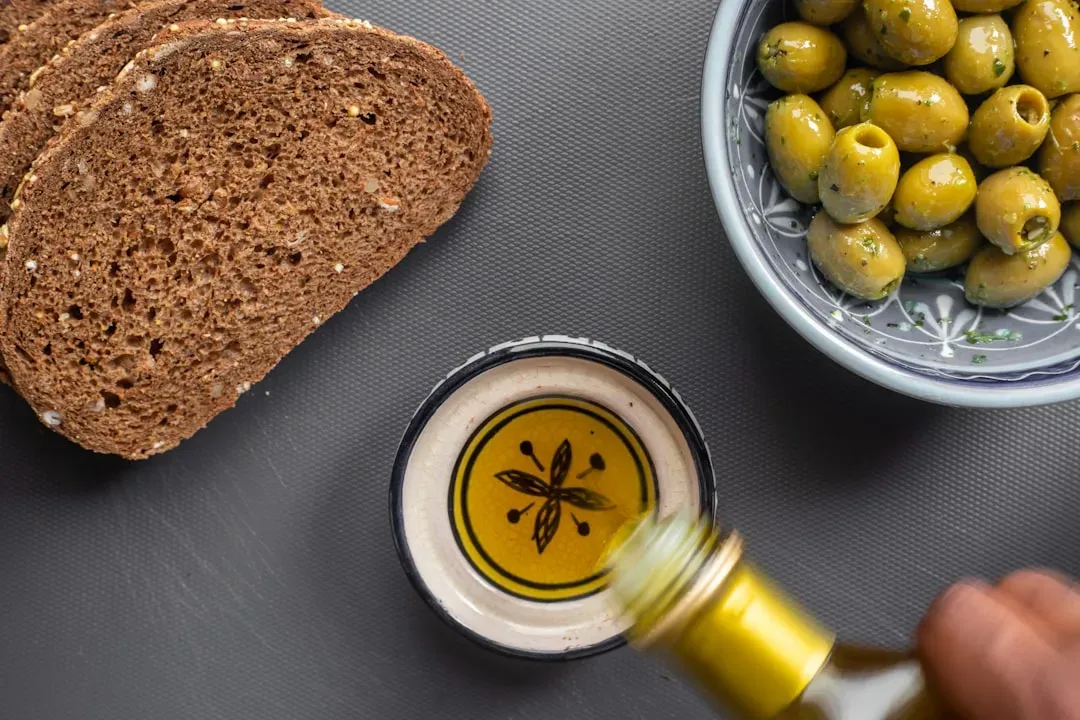
Real EVOO has a personality, smelling fresh, grassy, and fruity, and if it doesn’t have a strong smell or worse has a rancid smell, you may want to pass. I know it sounds simple, but your nose is surprisingly effective here. True olive oil should smell fresh like grass or something fruity, and you should avoid something that smells musty or rancid, or even odorless, recognizing hints of grass, fruit, and almond when tasting.
Quality extra virgin olive oil should have a pleasant, slightly bitter or peppery taste with a slight burn in the back of your throat due to polyphenols, particularly oleocanthal known for its anti-inflammatory properties. That peppery bite you feel is actually a good sign. If your oil tastes flat or greasy, something’s off.
Check the Bottle and Label Carefully
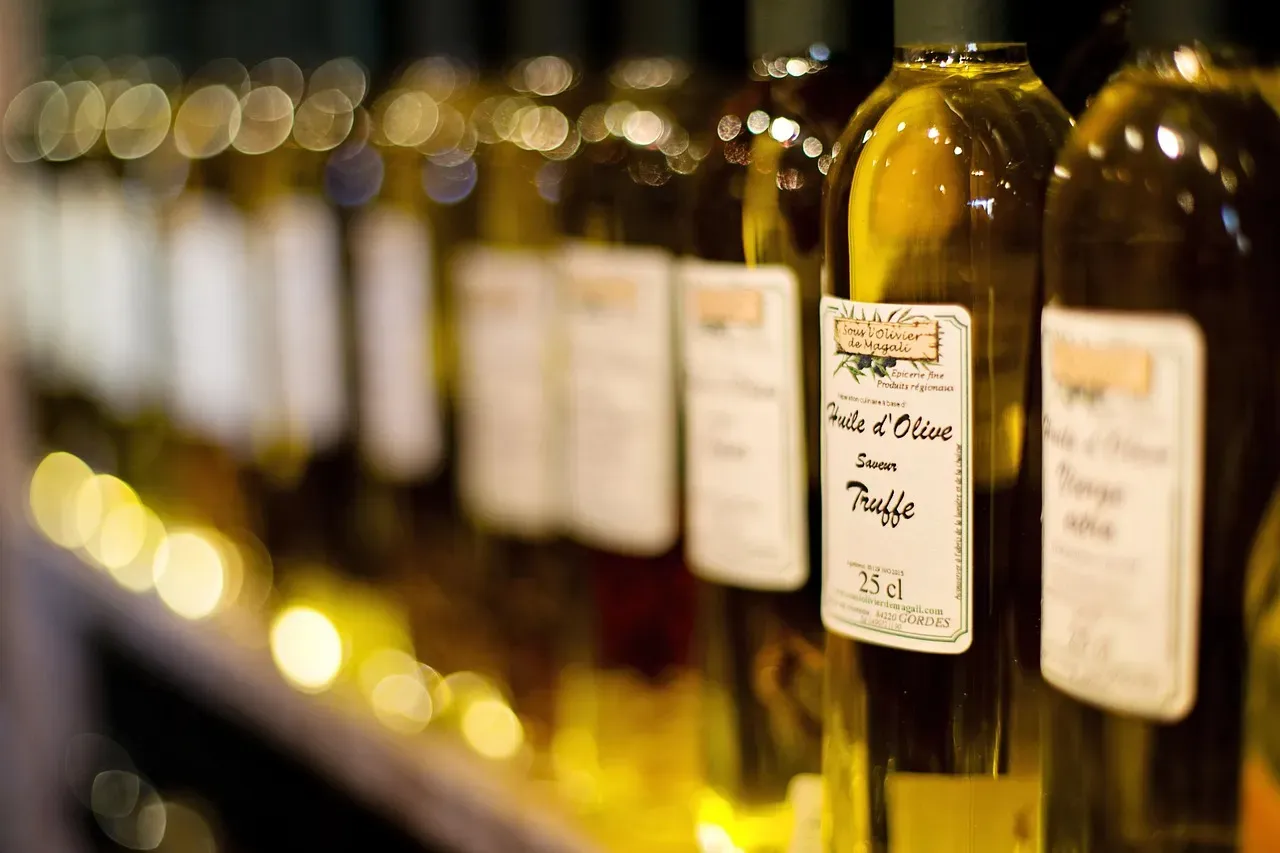
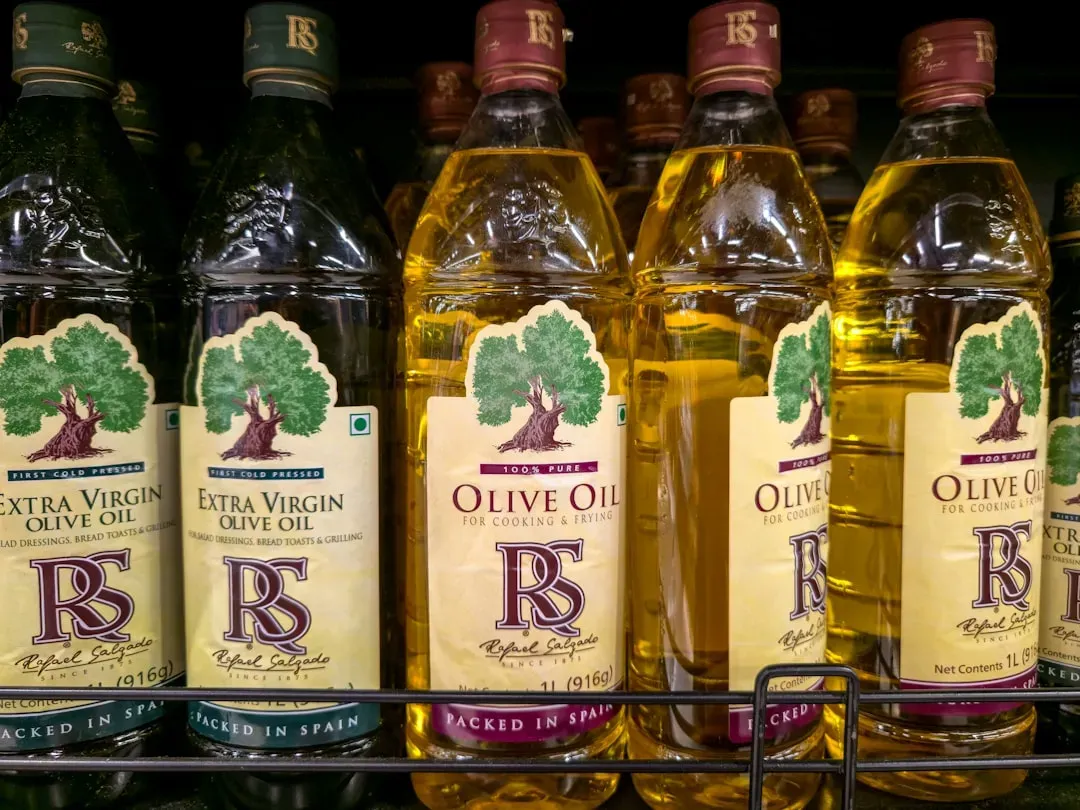
Good quality olive oil should come in dark bottles that protect the oil from light and heat, with smaller openings to seal the oil away from excess oxygen that can oxidize it. Clear bottles are already a red flag. Look at the bottle’s label for a batch date, bottled date or harvested date within 18 months, and if it only has an expiration date, you might want to reconsider purchasing.
Just because the olive oil says it was packed or bottled in a certain location doesn’t mean the olives were grown there, so look for labels indicating exactly where the olive oil was produced. Remember, the packaging matters almost as much as the contents.
The Fridge Test Myth
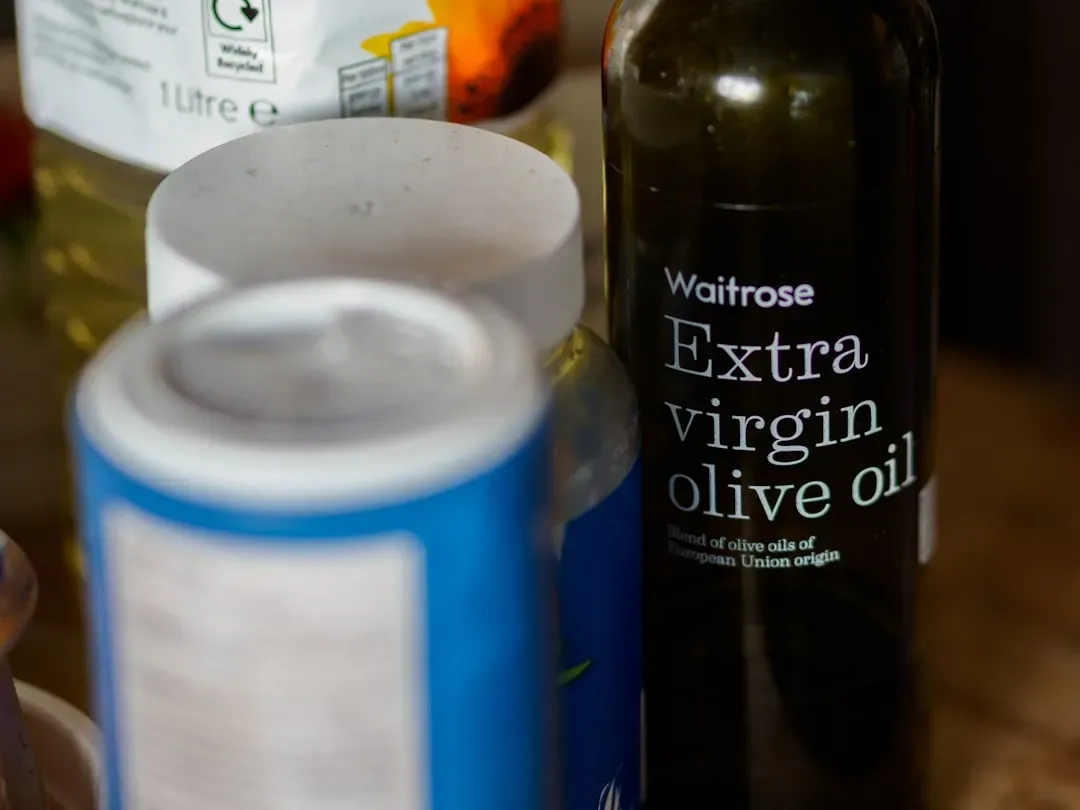
You’ve probably heard about putting olive oil in the fridge to see if it solidifies. Here’s the truth: that test is basically useless. The fridge test is an often perpetuated myth with conflicting versions, some saying oil should solidify if real and others saying it should not, but this test is completely false and misleading.
Almost all oils will become cloudy and eventually solidify at cold temperatures, with refined oils generally solidifying at lower temperatures than extra virgin olive oil, though the time and level of cold required are greatly affected by the oil’s overall chemical compounds. So yeah, forget what you read on social media about the freezer trick.
Understanding Laboratory Detection Methods

Scientists aren’t sitting around sniffing bottles. NMR reveals the chemical composition and structure of oils, chromatography separates and identifies individual components, DNA-based methods detect genetic material, and electronic nose detects differences in odor or taste, with chemometrics helping interpret results and identify patterns indicating adulteration.
Recent research employs Laser-Induced Breakdown Spectroscopy and UV-Vis-NIR absorption spectroscopy for EVOO adulteration detection, achieving predictive accuracies up to 100% in some cases, with LIBS better suited as it operates much faster. The technology exists to catch fraudsters. The problem is enforcement and the scale of testing needed.
Beyond Olive Oil: Other Pantry Imposters
Olive oil isn’t alone in this mess. The ingredients with the highest number of incident and inference records included fluid cow’s milk, extra virgin olive oil, honey, beef, and chili powder, with dairy ingredients, seafood products, meat and poultry products, herbs, spices, and seasonings among the top affected groups.
Honey is another common target for food fraud, with estimates suggesting about one third of internationally traded honey is duplicate, often adulterated with cheap sugars like corn syrup or glucose. That expensive Manuka honey you bought? Might be regular honey with added sugars. A European Commission report found that 46% of 147 honey samples tested were likely adulterated with cheap plant syrups.
The Financial Scale of Food Fraud
Food fraud is estimated to cost producers $40 billion annually globally. That’s an astronomical figure. Estimates value the global counterfeit food industry at over £30 billion per year, and it’s widely believed that much food fraud goes undetected. Think about what that means for your wallet and your health.
From 2020 to 2023, food fraud incidents recorded an increase of 1041%, and as of May 2024, there were already 2479 incidents recorded. The explosion in cases isn’t just about better detection. Fraudsters are getting bolder and more sophisticated.
How to Protect Yourself When Shopping
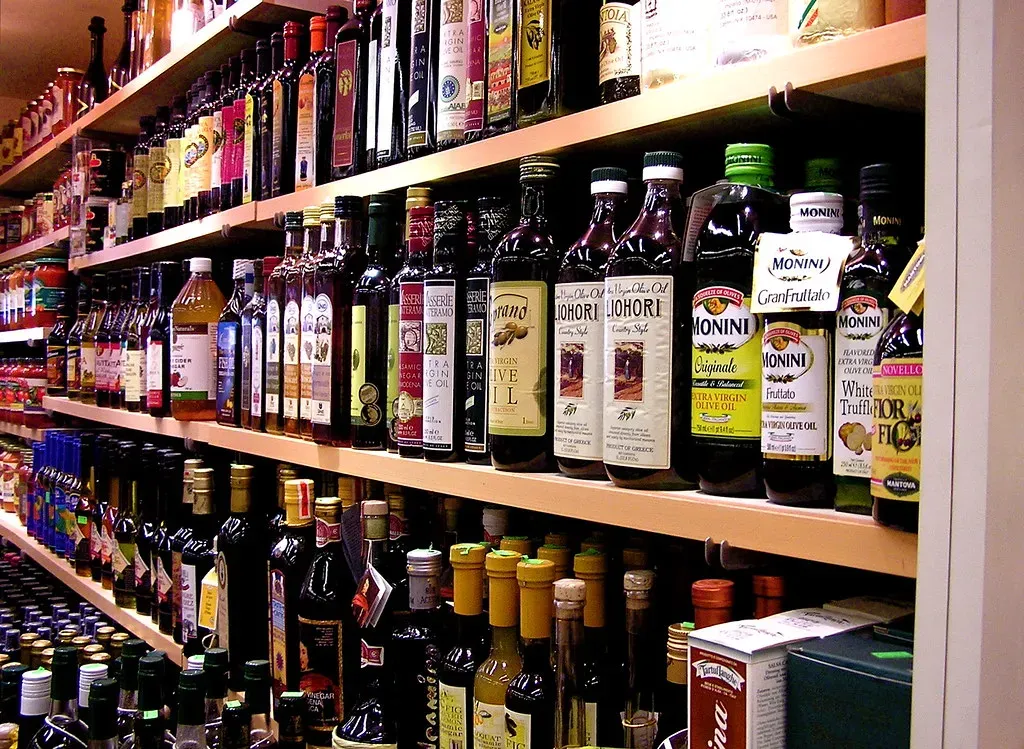
Buy from smaller, reputable producers when possible. Most counterfeit olive oils are distributed outside major supermarket chains, reaching small businesses, restaurants, and online buyers where surveillance and traceability are weaker, meaning if your olive oil doesn’t come directly from a verified source, there’s no guarantee of what’s inside.
Pay attention to the label and avoid bargain prices, because unfortunately, if it’s cheap, it might not be genuine olive oil, so think of it as an investment in your health. I get that premium prices hurt, especially with inflation. Yet sometimes you really do get what you pay for. Look for certifications from organizations like the California Olive Oil Council or similar bodies that require strict testing.
Why Climate Change Makes This Worse
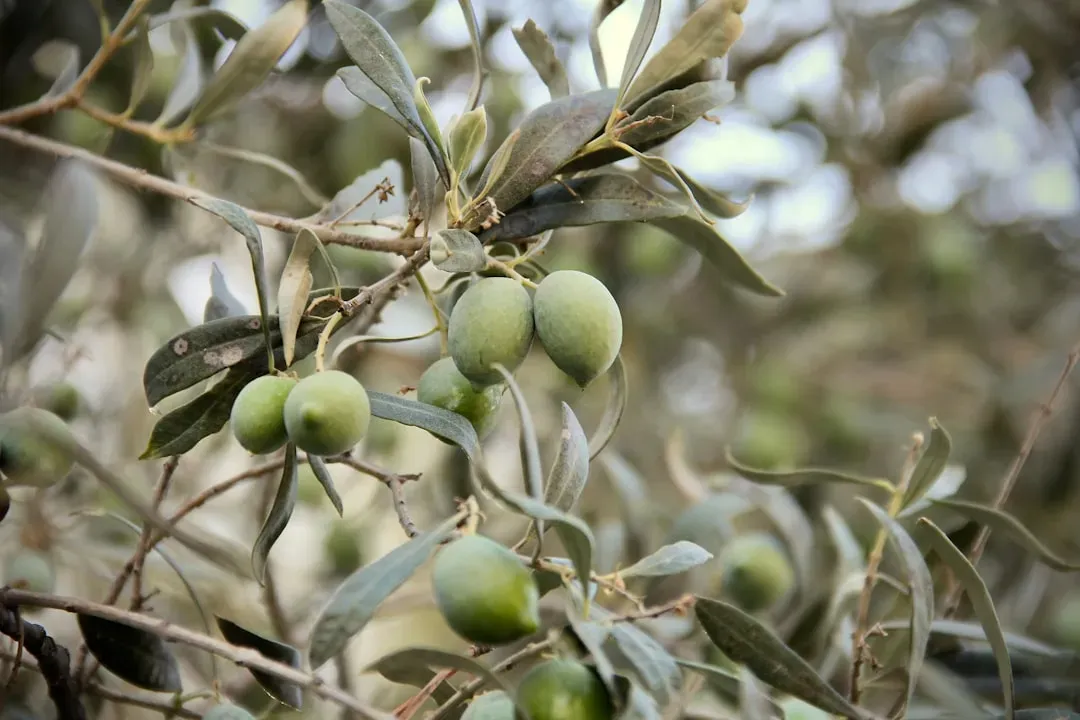
Droughts and heatwaves in the 2022-2023 season affected key growing areas in Spain, the world’s largest producer, causing harvest volumes to plummet, with Morocco’s annual production dropping to less than half of 2021 levels following two years of drought. Scarcity drives prices up, and high prices attract criminals.
One hundred kilograms of extra virgin olive oil that cost €262 five years ago reached €787 last year, turning olive oil into what experts call liquid gold and a prime target for fraudsters. The worse the harvests get, the more tempting it becomes for dishonest operators to cut corners.