8 “Luxury” Car Features That Tank Your Resale Value Instantly
Buying a luxury car is supposed to feel like an investment in comfort, status, and quality. The heated seats, the glowing ambient lighting, the whisper-quiet ride – it all feels so worth it when you’re sitting in the showroom. The trouble is, a lot of those premium features that make your heart race at purchase can quietly bleed your car’s value dry the moment you drive off the lot.
Some of the most jaw-dropping “luxury” add-ons are, in practice, some of the worst offenders when it comes to long-term resale value. We’re talking about features that cost you thousands upfront and give you almost nothing back when it’s time to sell. Let’s dive in.
1. The Full Electric Powertrain in a Luxury Package
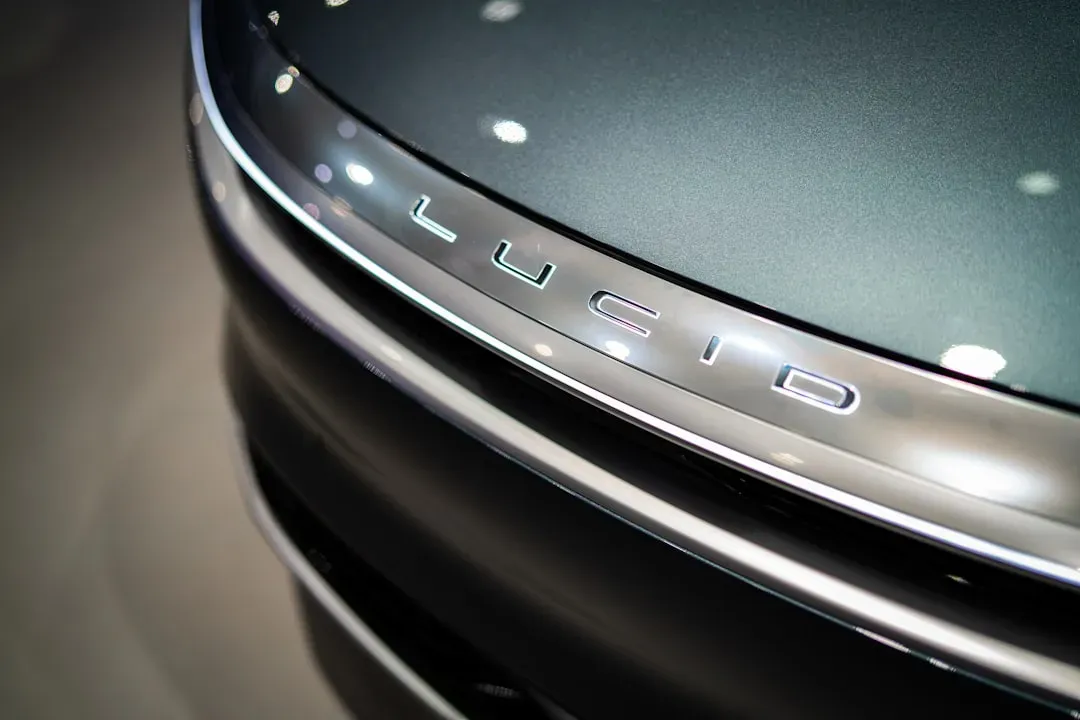
Here’s the thing – electric luxury vehicles sound incredible on paper. Instant torque, zero emissions, a sophisticated image. But the resale reality is brutal. Electric vehicles are now losing nearly three fifths of their value after just five years, compared to trucks and hybrids which only lose roughly two fifths of their new vehicle value.
The numbers get worse the more premium the brand. According to iSeeCars, the Tesla Model X will lose over sixty percent of its value after five years on the road. The BMW 7-Series in its electric configuration fares even worse. The 7-Series falls in value exceptionally fast, with iSeeCars recording an average value loss of over two thirds of its original price over five years, making it the fastest depreciating new car on sale today.
Electric cars tend to have higher prices, which impacts their resale value, and many used-car shoppers are also uncertain about their powertrain longevity, which is a contributing factor. In short, the higher the sticker price, the steeper the fall. That “luxury EV” badge comes with a very expensive disclaimer.
2. Over-the-Top Trim Packages From Ultra-Luxury Brands
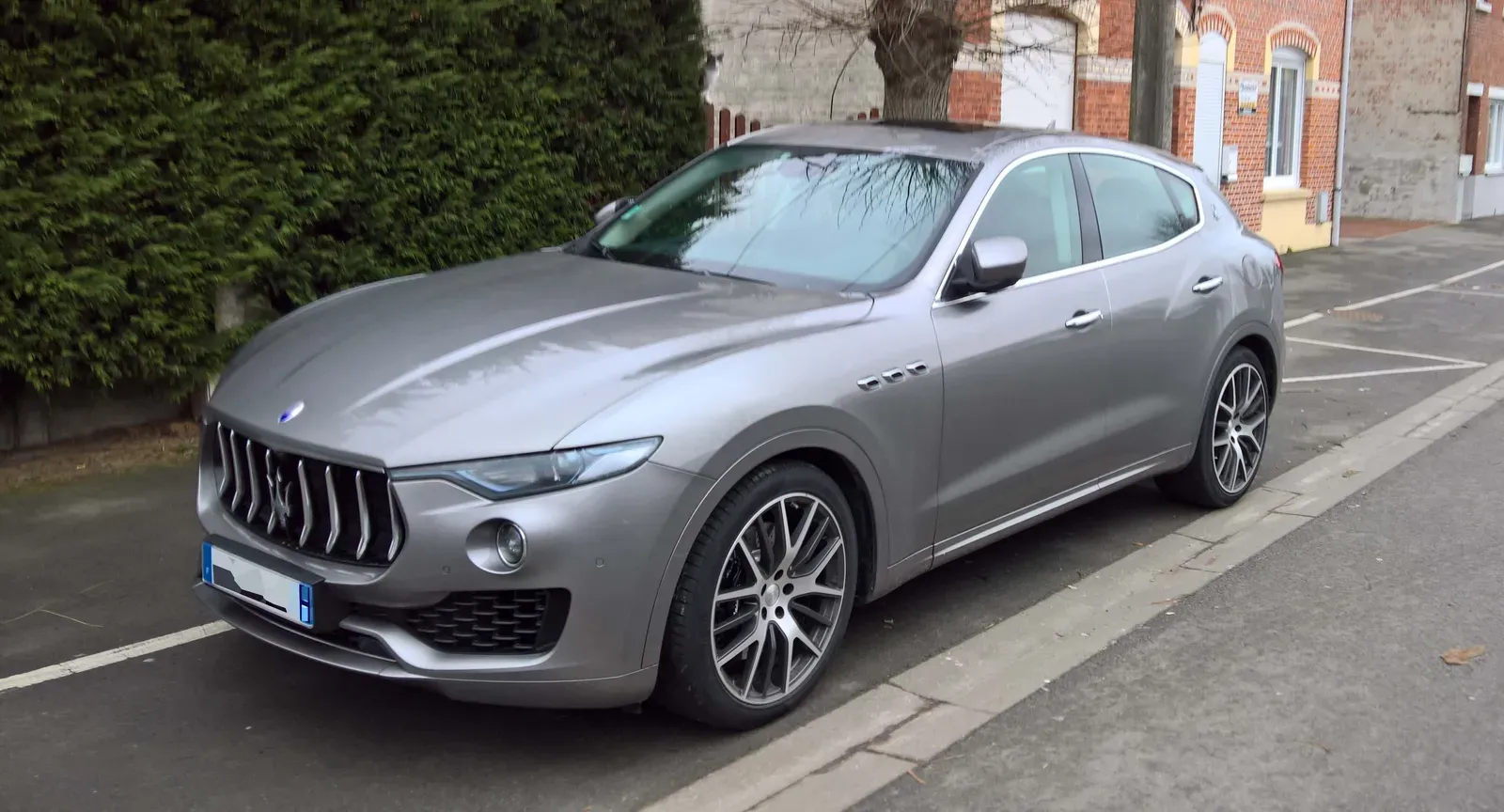
Honestly, I get it. Walking into a Maserati or a Jaguar dealership feels incredible. There’s something almost theatrical about it. But when the novelty wears off and you try to sell, the market gives those exotic badges a very cold shoulder. Maserati’s Levante SUV combines exotic styling and performance with an SUV form factor, but its resale value is anything but stable, with prices dropping nearly ten percent year-over-year, falling by thousands of dollars to an average that represents a steep decline for a vehicle that often carried six-figure price tags when new.
As with many ultra-luxury brands, the Levante suffers from high depreciation, limited service networks, and concerns about long-term reliability, all of which make used buyers cautious. There’s also the plain reality of a shrinking buyer pool. Most 7-Series buyers can afford to upgrade to the latest version of the car every few years without worrying about pesky things like resale values, and meanwhile, the pool of buyers willing to pay for a used luxury sedan is a small one.
Think of it like buying a runway fashion piece. Stunning in the moment, nearly impossible to resell at a fair price later. Ultra-luxury trim packages create cars that are almost too exclusive for the secondhand market to digest.
3. Niche or Unusual Paint Colors
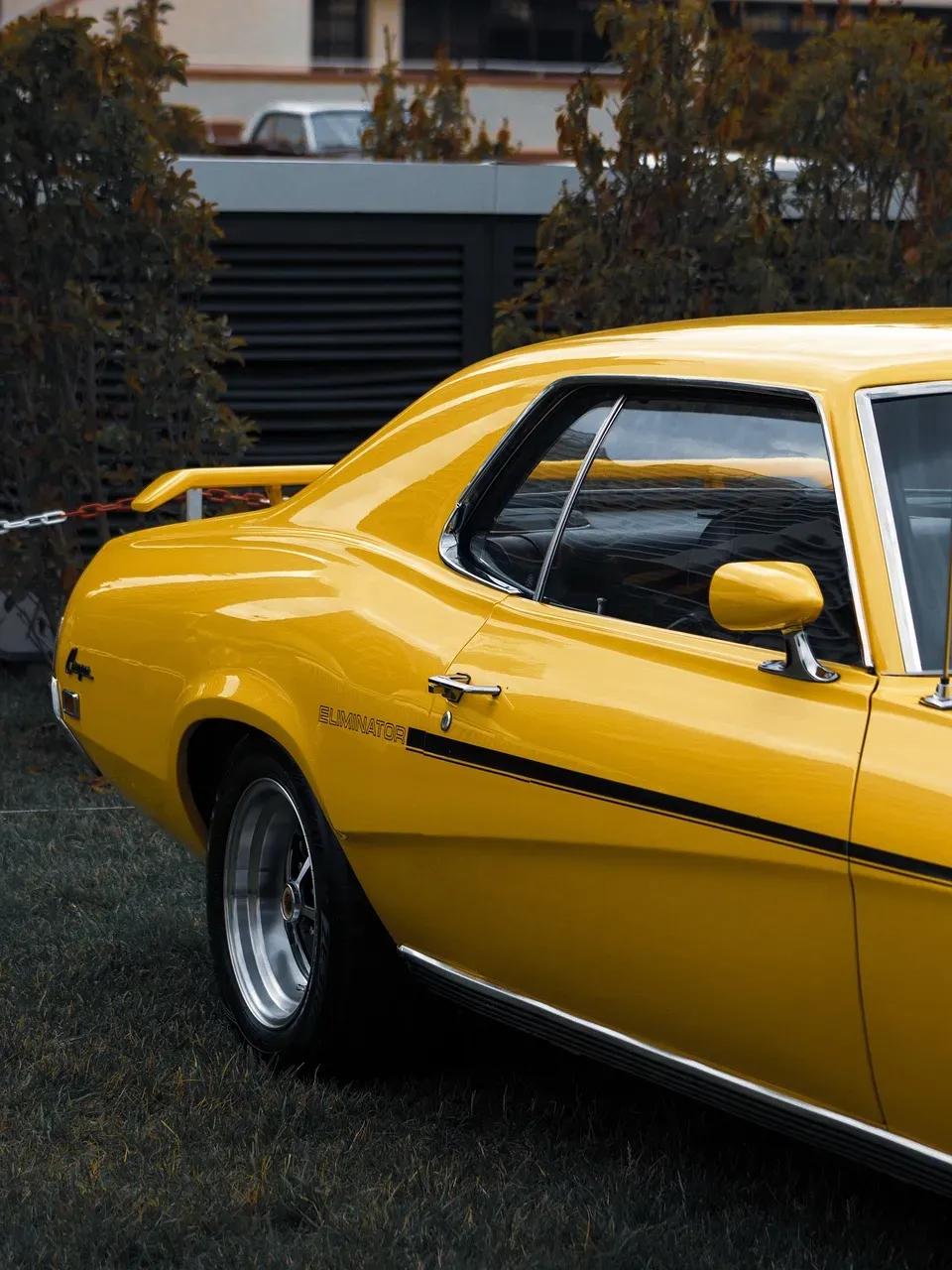
Few decisions feel as personal as picking your car’s color. And few decisions are as quietly catastrophic for resale value when you get it wrong. A car’s paint job does more than reflect your personality – it might also reflect thousands of dollars back into your wallet or not when it’s time to sell. A study by iSeeCars reveals that vehicle color can make a difference of more than five thousand dollars in resale value after just three years, analyzing more than one point two million three-year-old used vehicles.
At the bottom of the list is gold. Cars with gold paint lost a staggering amount of their value after three years, a drop that equals several thousand dollars. Whether it’s the dated perception or limited demand, gold simply doesn’t hold up in the used market. The lesson here is that color is not a trivial choice. Vibrant colors like bright blue, yellow, orange, or purple may stand out, but they could put you at a disadvantage when selling your vehicle, as color trends can shift and your car color may be out of date when you’re ready to sell.
Bold and bright colors tend to appeal to a smaller number of buyers, which could impact resale value. Additionally, car colors that were on trend this year may not be in three to five years when you’re ready to sell. This is why some vehicle colors lose their value quicker because there isn’t as much demand for those previously popular colors.
4. Outdated or Rapidly Aging Infotainment Technology
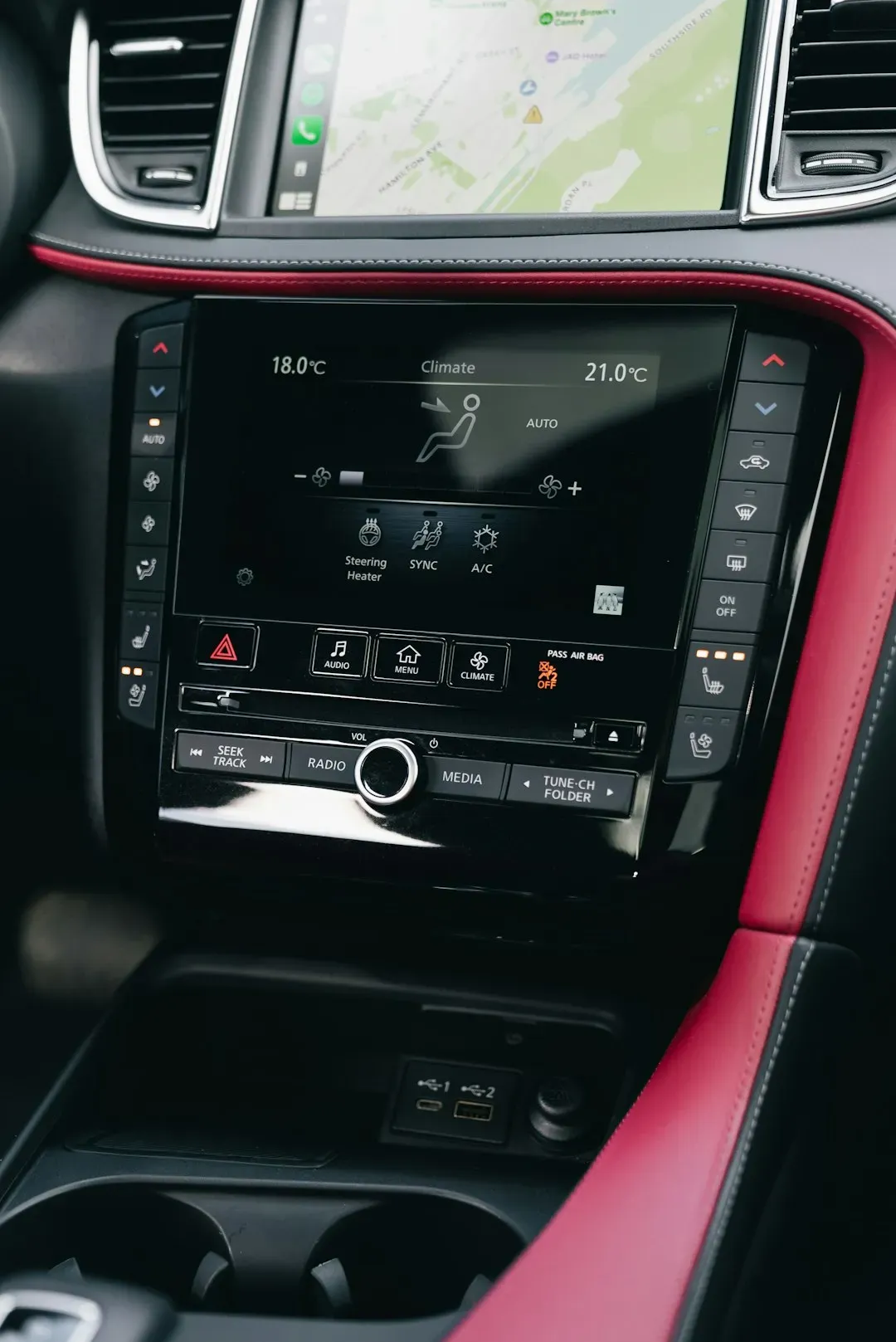
Nothing ages a luxury car faster than its tech. What felt futuristic the day you signed the papers can look embarrassingly dated just a few years later. Luxury buyers, in particular, have an almost obsessive appetite for the newest interfaces, and the used market reflects that perfectly. Luxury buyers typically want the newest vehicle with the newest technology, and when you factor in high original MSRPs and a lease-heavy sales percentage, luxury vehicles tend to quickly fall in value.
Think about the Mercedes-Benz EQS, a genuinely impressive vehicle with an enormous screen system. The only real complaint from reviewers was that the touchscreen menus are cumbersome, even for simple functions. Clunky tech in a luxury setting doesn’t just frustrate drivers. It actively shrinks the pool of interested buyers when it comes time to sell.
The general rule applies broadly across luxury segments: software and interface design are now as important to buyers as the engine. A vehicle with a reputation for frequent issues reduces buyer confidence, and an unconventional or aging design can limit a vehicle’s appeal and make it appear outdated sooner than other models in its class.
5. Large Luxury SUV Configurations
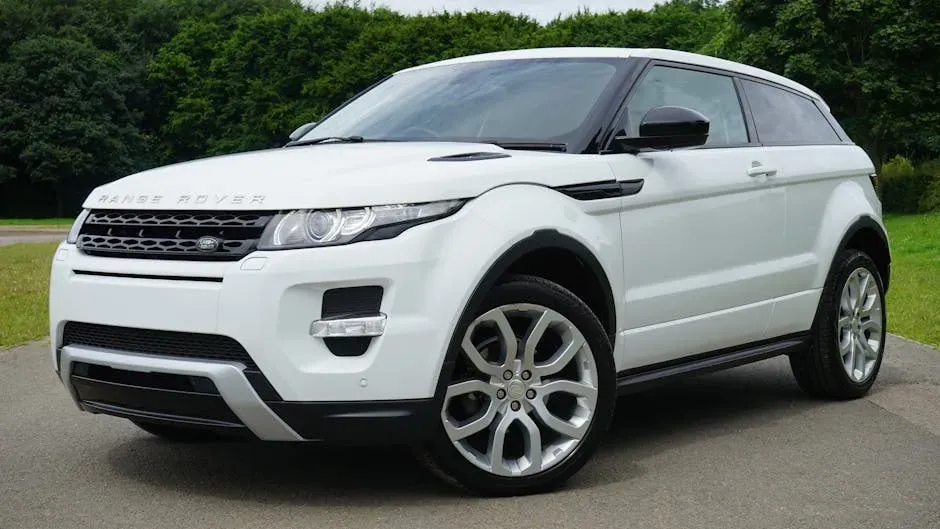
Large luxury SUVs seem like the ultimate status symbol. Enormous, commanding, loaded with features. The Cadillac Escalade ESV, the Infiniti QX80, the Range Rover – they all make a powerful statement. The resale statement, though, is a painful one. Large luxury SUVs are not only expensive to fuel, but maintenance and repair costs play a big role in their resale value depreciation in both the short and long term.
The pool of buyers for these models is already small, driving depreciation of more than half their value within just a few years. The ESV variant, for instance, also suffers from at least fifty percent depreciation after just a few years on the road. The Range Rover tells a similarly grim story. It’s not the cheapest to maintain even by luxury car standards, and buyers can still expect to lose a lot of money when it comes time to resell, with analysis from iSeeCars predicting a value loss of nearly two thirds of its value on average over five years.
Luxury models commonly lose the most value after five years, with these large luxury SUVs experiencing more than sixty percent depreciation compared to the segment average of fifty one percent. All that size, power, and prestige, and the used market still shrugs.
6. High-End Hybrid Powertrains in German Luxury Sedans
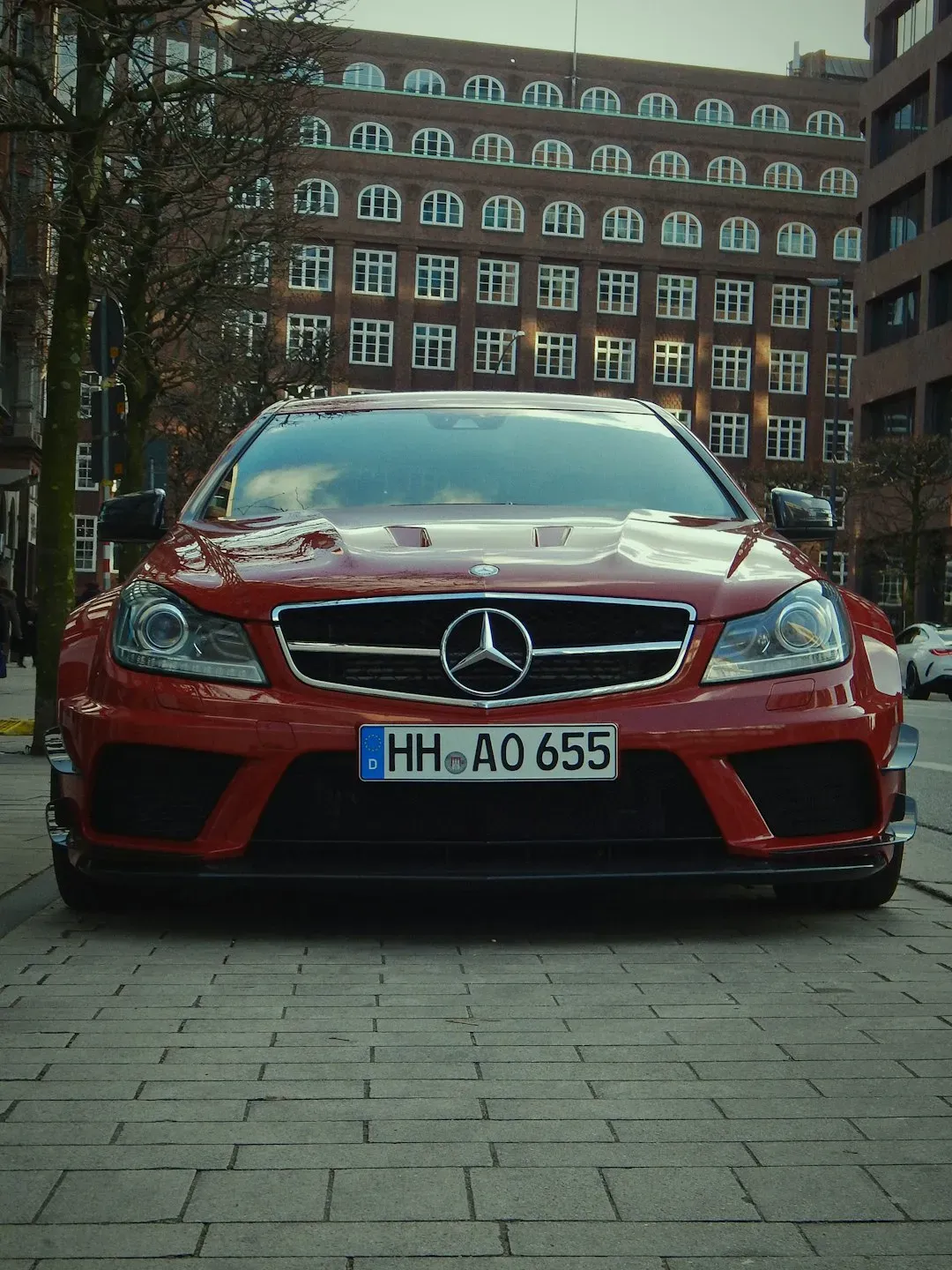
It sounds like the perfect compromise. Take German engineering, blend in a hybrid drivetrain, and you get efficiency meets exclusivity. The market, however, is not buying it – literally. BMWs are by default more expensive to repair for domestic drivers. The 5-Series Hybrid in particular is getting usurped in the resale market by more affordable and fuel-efficient models, as well as a rapid rise in luxury EVs, resulting in average thirty to forty percent depreciation in the first few years of ownership.
The Audi A8 faces its own set of headaches. As fuel economy becomes a priority for individuals and businesses, these models lose about half their value over the first five years. The issue is that these hybrid systems are expensive to maintain as they age, and the luxury buyer looking at a used model knows this.
It’s a bit like buying an expensive restaurant gadget that has its own separate maintenance manual. The longer you own it, the more it costs, and fewer people want to take it off your hands. The general rule of thumb is that luxury models and electric vehicles depreciate the quickest, while smaller, reliable vehicles from non-luxury brands depreciate more slowly.
7. Exotic Styling That Doesn’t Translate to Mass Market Appeal
There’s a crucial difference between distinctive and polarizing. Luxury brands often blur that line, and buyers pay the price down the road. When a car’s styling works against it in the used market, no amount of leather or ambient lighting can save the resale value. The Maserati Levante never quite found its footing, which is probably why it was discontinued after the 2024 model year. It certainly looks the part of the luxury SUV, but the brand is known for its sports cars and the styling didn’t translate particularly well to an SUV platform. Furthermore, the cabin doesn’t quite match the price point.
An unconventional design can limit a vehicle’s appeal and make it appear outdated sooner than other models in its class. It’s a trap that many luxury automakers fall into. Trying to push design boundaries is admirable from an artistic standpoint, but a used car buyer shopping on a Sunday afternoon just wants something that won’t embarrass them.
The safest bets for resale are always cars that look timeless rather than trend-chasing. Certain brands command higher resale values simply because they are desirable. If a car model is popular and in high demand, its resale value will likely be higher, and limited editions or popular models also tend to hold value well.
8. Heavily Optioned Trim Levels With Premium Add-Ons
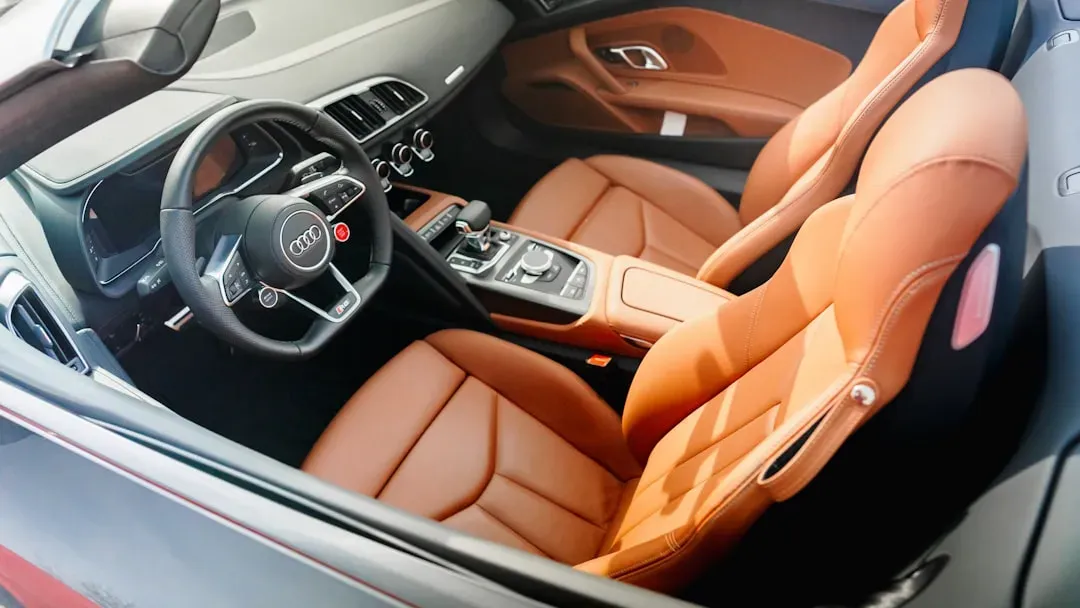
This one stings the most, because it feels so logical at the time. You’re already spending sixty or eighty thousand dollars, so what’s another three thousand for the Executive Package with massaging seats, a panoramic roof, and a premium sound system? The answer is simple: you’ll never see most of that money again. The used car market doesn’t prioritize premium badge features and increased performance to the same degree as new car buyers, thus the consistently higher depreciation for luxury models.
The math is merciless. The industry average for all vehicles is now forty five point six percent depreciation over five years, reflecting more lost value than previous years. For heavily optioned luxury trims, you’re looking at well beyond that average. Options like panoramic sunroofs come with their own reliability risks on top of the value hit. The practical downsides of deleting a pano roof include less curb weight, fewer opportunities for rattles and squeaks, and more money left in your pocket.
The painful truth is that premium add-ons rarely add equivalent resale value. The initial price of a luxury car is variably high, meaning the drop in value can feel more dramatic than it does with economy vehicles. You essentially pay a luxury price for an experience that the second owner gets at a sharp discount – whether you like it or not.