8 Antique China Sets Worth Thousands That Collectors Still Chase
There’s something almost hypnotic about watching someone carefully unwrap an heirloom china set from layers of tissue paper. Maybe it’s the anticipation, or perhaps the realization that these delicate pieces hold stories from centuries past. Here’s the thing: while your grandmother’s everyday dishes might gather dust in the attic, certain antique china sets command eye-watering prices that would make even seasoned collectors do a double take. Some patterns fetch more than luxury cars, and the hunt for these treasures continues to drive a passionate market where provenance, rarity, and exquisite craftsmanship collide.
Meissen Blue Onion Pattern Sets
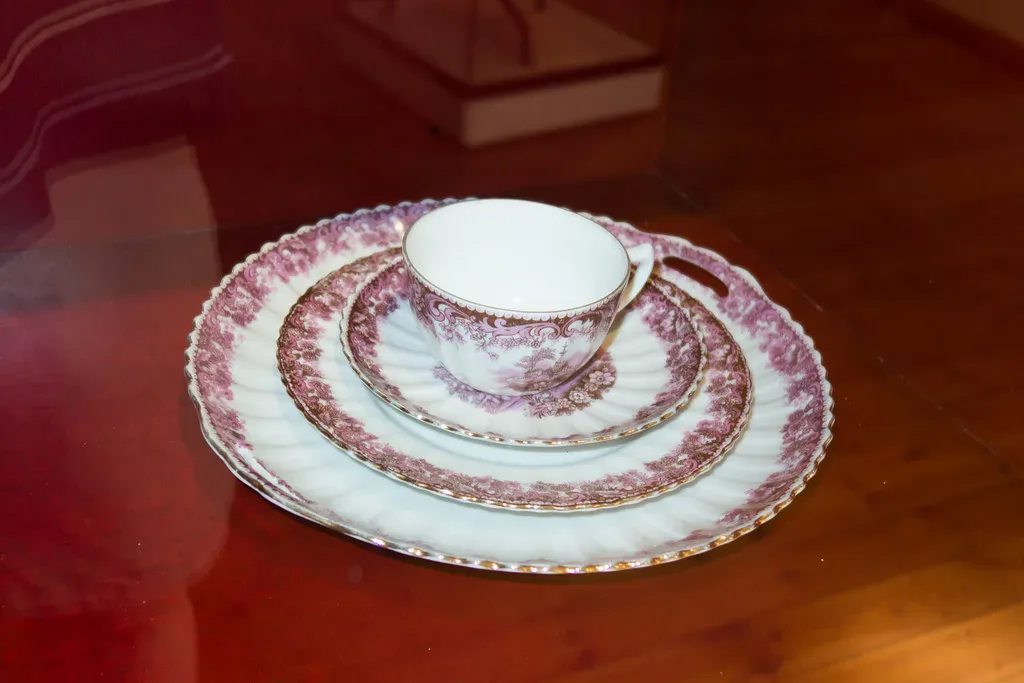
Meissen’s Blue Onion pattern, an iconic blue and white design inspired by Chinese porcelains, was introduced in 1739 and features a distinctive motif where European decorators misinterpreted Chinese peaches and melons for onions. In early 2025, a 19th and 20th century set with more than 200 pieces sold for $23,894 at auction. What makes these sets so appealing? Recent Meissen porcelain prices have surged, with a 2024 sale fetching an impressive €948,450, significantly surpassing its pre-sale high estimate. The pattern’s enduring popularity stems from its delicate hand-painted details and the fact that it’s been continuously produced for nearly three centuries, yet antique examples from the 18th and 19th centuries remain highly sought after by collectors who appreciate both historical significance and timeless elegance.
Royal Copenhagen Flora Danica Service
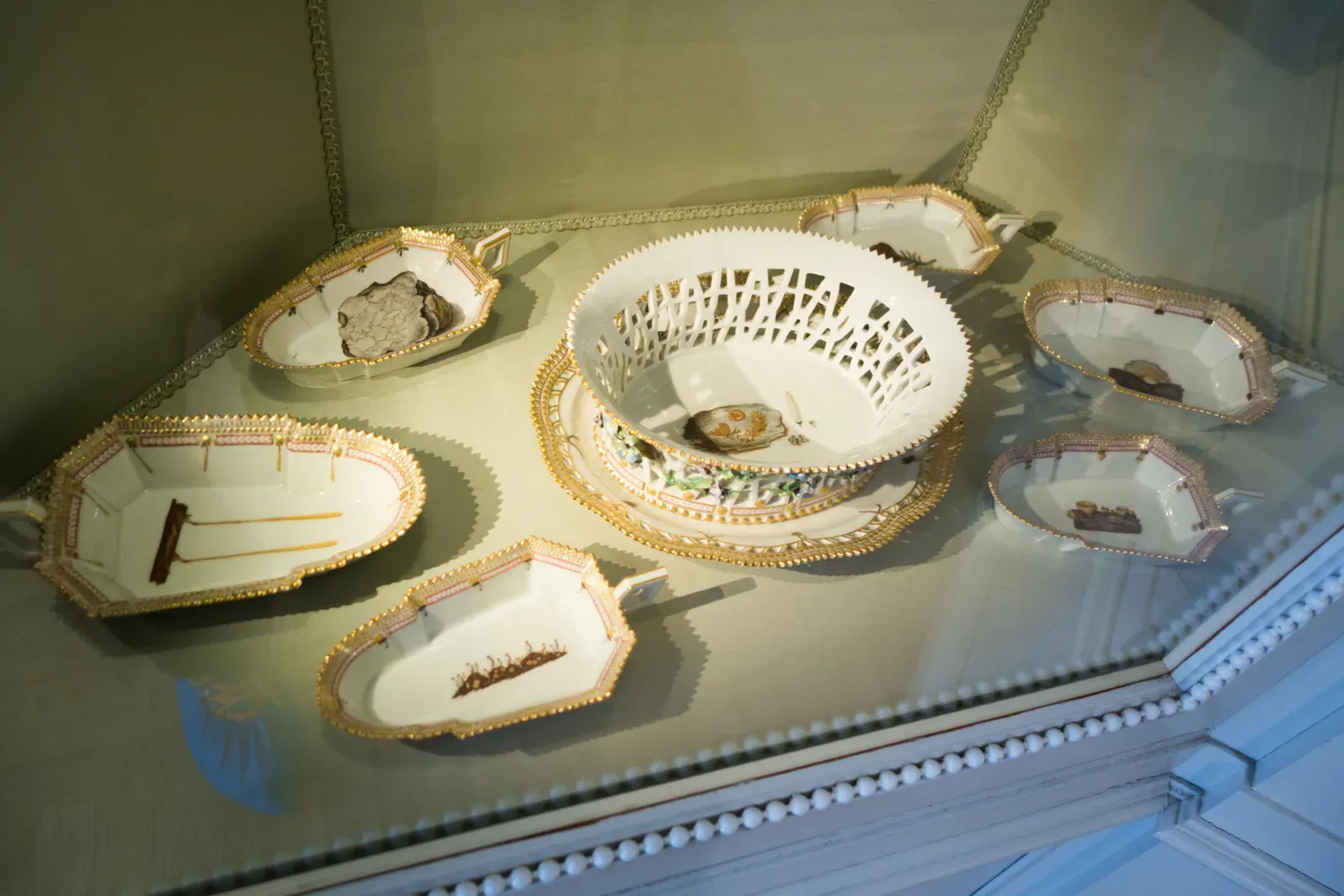
First created in 1790 as a gift for Empress Catherine the Great of Russia, Royal Copenhagen’s Flora Danica remains one of the world’s most exclusive porcelain collections, with each piece hand-painted in Denmark with botanical motifs and finished with 24-karat gold. The price for a single piece of Flora Danica porcelain typically ranges from $1,000 to $43,000 depending on the size, pattern, and complexity. Let’s be real, these aren’t your average dinner plates. There are fewer than 20 craftspeople in the world qualified to produce Flora Danica, requiring in-depth knowledge of botany, illustration, and working with porcelain. The painstaking process sees each piece fired between eight and sixteen times, with colors applied one at a time to achieve the lifelike botanical accuracy that has captivated collectors for over two centuries.
Wedgwood Fairyland Lustre Dragon King Vases
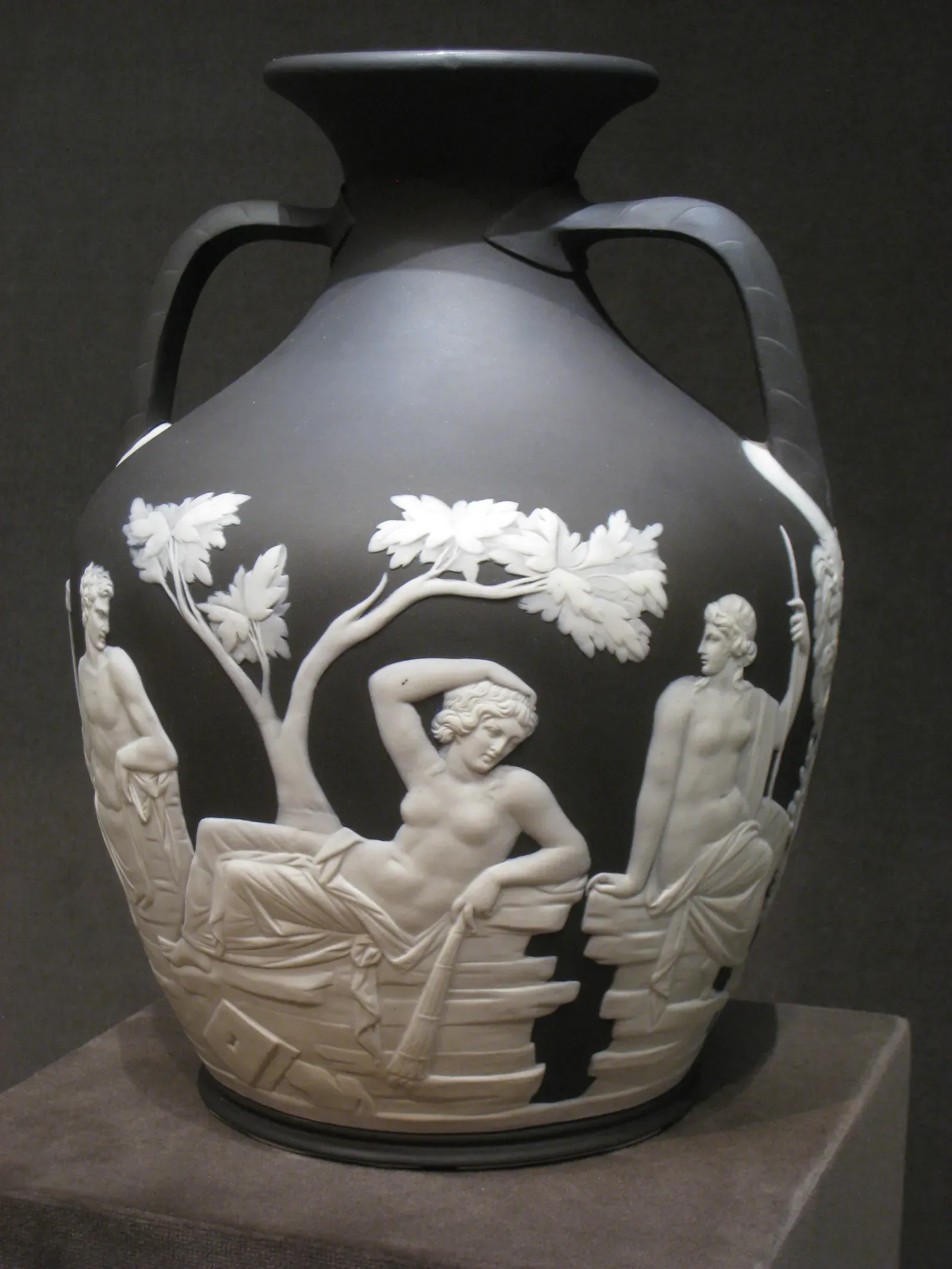
At a March 2025 Woody Auction sale, two rare Wedgwood Fairyland Lustre vases combined for an impressive $130,500, with the Dragon King pattern piece achieving $87,500. Created by designer Daisy Makeig-Jones between 1916 and 1941, these pieces represent some of the most visually captivating ceramic work of the early 20th century. Wedgwood Fairyland Lustre pieces now command £800 to £50,000 at auction, making them among the most sought-after ceramics of the 20th century. The Dragon King vase, with its deep cobalt background and flawless gold stencil work, far surpassed its $20,000 high estimate. These fantastical pieces offered war-weary audiences an escape into mythical worlds filled with fairies, dragons, and floating lanterns, proving that sometimes the most valuable antiques are those that transport us to another realm entirely.
Qing Dynasty Falangcai Imperial Bowls
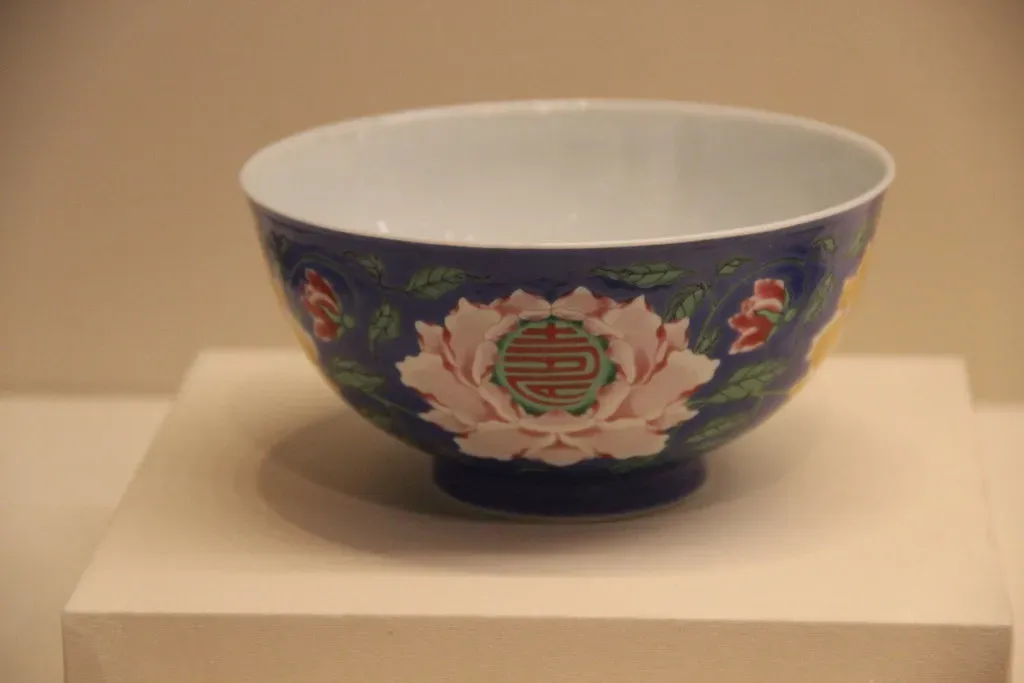
Leading auction results in 2023 was Dr. Alice Cheng’s 18th-century imperial Falangcai bowl, which sold for HK$198 million at Sotheby’s Hong Kong, equivalent to roughly $25 million. Falangcai, meaning “foreign colors,” is a super rare porcelain featuring delicate designs and inscribed poems. It’s hard to say for sure, but this might be the pinnacle of what Chinese imperial porcelain represents. The Qing Dynasty Falangcai ‘Swallow’ Bowl from the Qianlong period achieved this record price in 2023, showcasing the rare and highly prized Falangcai enameling technique. Think about the fact that this same bowl sold for around 150 British pounds back in 1929 because its true value wasn’t recognized, only to become one of the most expensive pieces of china ever sold nearly a century later.
Meissen Swan Service Pieces
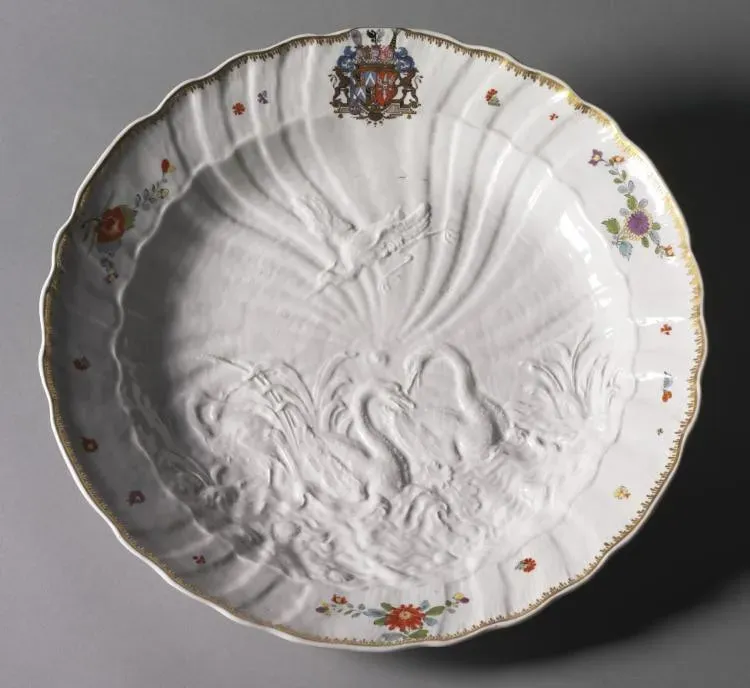
The Meissen Swan Service, considered one of the most spectacular porcelain dinner services ever created, was designed by Johann Joachim Kändler for Count Heinrich von Brühl and included more than 2,000 pieces created between 1737 and 1742. The service was partially lost in World War II, and the remaining pieces divided into various collections, with quality pieces considered museum quality, making those that appear at public auction all the more valuable. Individual pieces from this legendary service routinely appear at major auction houses, commanding premium prices due to their extraordinary rarity and historical significance. The intricate nature motifs inset into scalloped shell profiles, featuring swans that played on Count von Brühl’s name, represent the absolute zenith of 18th-century porcelain artistry and technical mastery.
Sèvres Royal Porcelain Urns and Vases
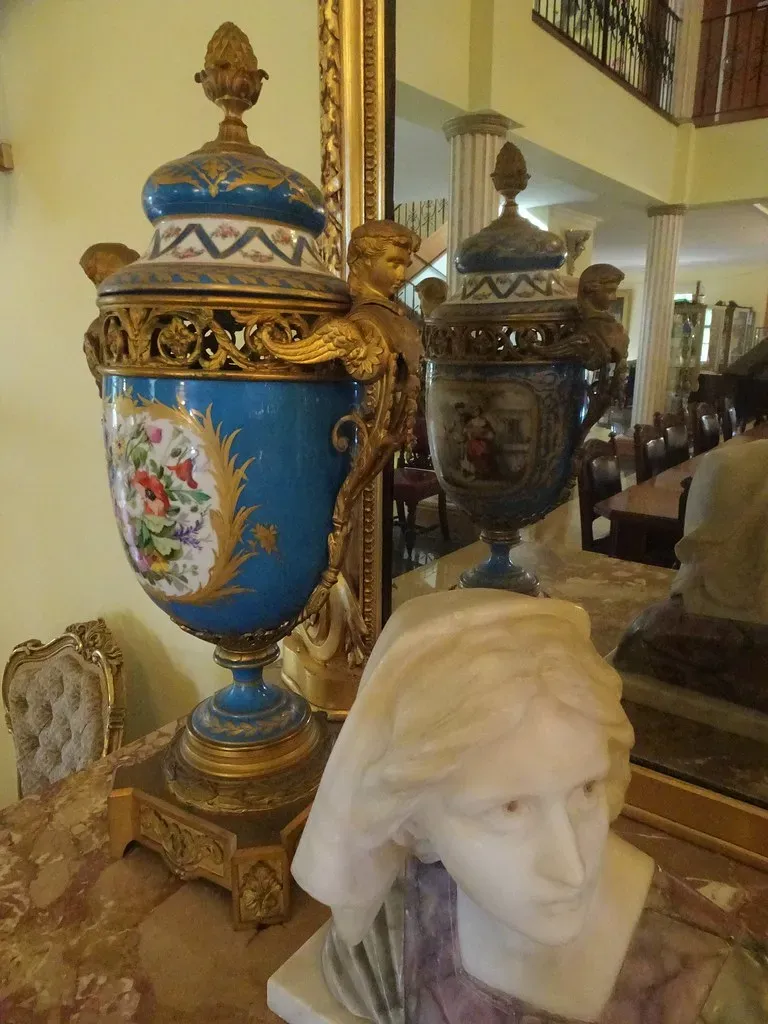
Sèvres porcelain vases are highly prized, particularly by French buyers, with prices on the art market ranging from €35 to €125,000. Exceptional pieces can go much higher, such as Sotheby’s 2011 sale of an incredibly rare Sèvres gilt bronze and deep violet porcelain ovoïde once owned by King Alfonso XII of Spain, which sold for more than $175,000. The soft-paste porcelain factory was established in Vincennes in 1740, guided by King Louis XV of France and Madame de Pompadour, later re-established in Sèvres in 1756, becoming the preeminent manufacturer of fine European porcelain. These pieces channel ancient amphora shapes with brilliantly painted scenes enveloped in gold accents and vibrant hues ranging from bright turquoise and deep cobalt to delicate rose, representing ceramic ware truly fit for royalty.
Herend Rothschild Bird Pattern Services
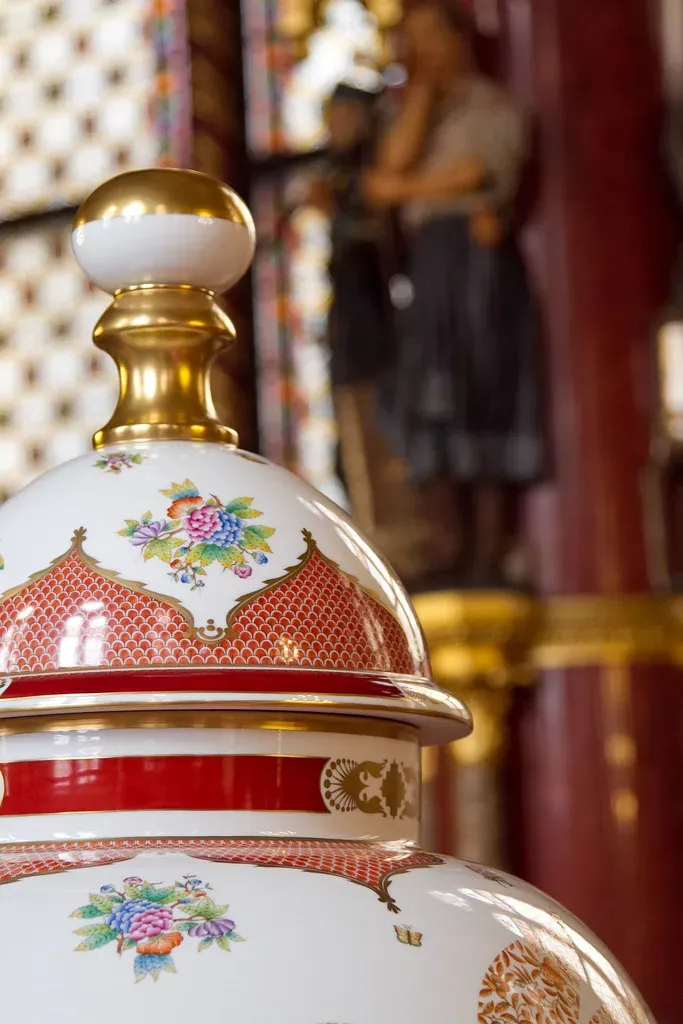
Complete Herend dinner services, particularly those in the coveted Rothschild Bird pattern, continue to attract serious collector attention at auctions worldwide. Founded in 1826 in Hungary, Herend became renowned for creating hand-painted porcelain with intricate designs that rivaled the great European manufacturers. The Rothschild Bird pattern, created for the wealthy Rothschild banking family, features delicate birds perched on branches with insects and butterflies scattered throughout. These sets, when complete with serving pieces, can reach well into the thousands at auction. The hand-painted nature of each piece means no two are exactly alike, and sets that have remained intact through generations become increasingly rare as individual pieces get separated or damaged over time.
Chinese Export Armorial Porcelain Sets
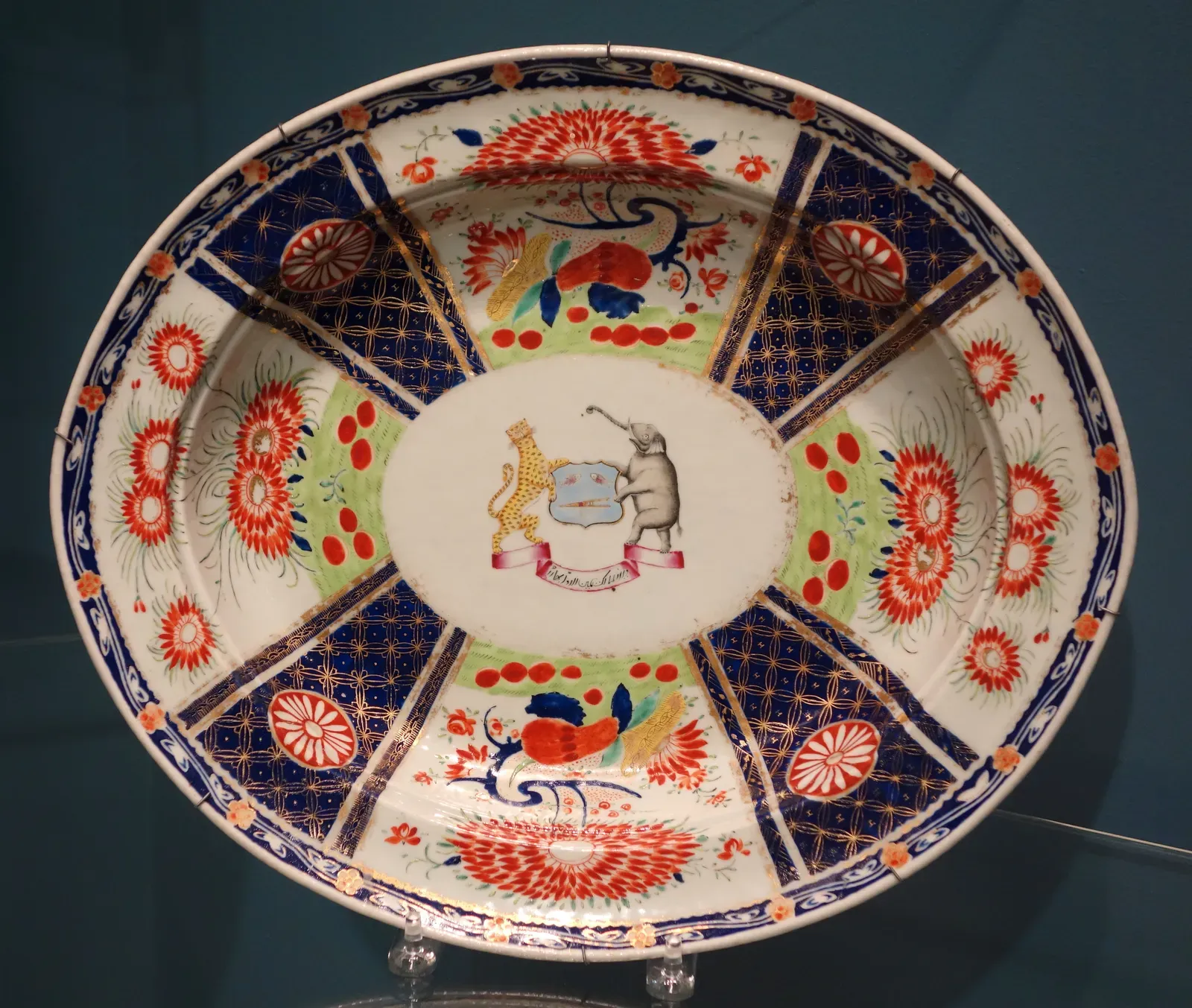
Chinese Export porcelain made for specific families during the Qianlong period commands impressive prices, with a Solar de Tejada set of six plates selling for $5,500 in 2023, and a Crowned Monogram 20-piece tea service selling for $5,247 in 2021. These bespoke services were commissioned by wealthy European and American families during the 18th and early 19th centuries, featuring hand-painted family coats of arms and crests. The lengthy commissioning process involved sending artwork to China, where skilled artisans would painstakingly reproduce the heraldry on porcelain forms before shipping them back across the world. Honestly, when you consider the incredible journey these pieces made and the craftsmanship involved, it’s no wonder collectors remain fascinated. Complete services with matching armorial decoration represent a tangible connection to specific families and their place in history, making them invaluable to both descendants and serious collectors of Chinese export porcelain.
What strikes me most about these extraordinary china sets isn’t just their monetary value. It’s the fact that centuries-old craftsmanship still moves people enough to spend fortunes preserving these treasures. Whether you’re eyeing that inherited china cabinet with newfound interest or simply appreciating these works from afar, remember that some of the most valuable pieces might be hiding in plain sight. Did any of these surprise you with their worth?