Food Experts Say Stop Putting Mayo in Tuna Sandwiches – Here’s Why
The Mayo Problem Nobody Talks About
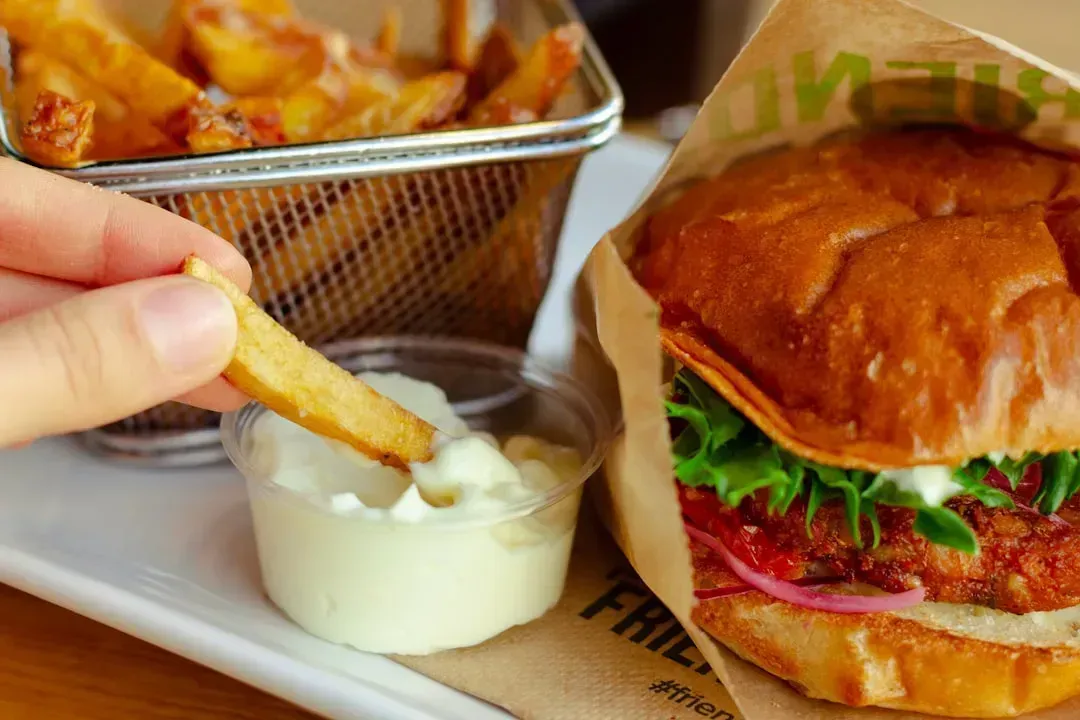
Here’s the thing about that classic tuna sandwich you’ve been eating since childhood. Most tuna salad recipes suggest two to four tablespoons of mayo per serving, which translates to between 180 and 360 calories of fat per serving, just from the mayo alone. One cup of mayonnaise contains 1,440 calories, 160 grams of fat, and 24 grams of saturated fat, and let’s be real, it’s easier to lose track of portions than we’d like to admit. Loading up with mayonnaise can negate the health benefits because that condiment is high in saturated fat, with about 1.6 grams of this unhealthy fat per tablespoon according to the USDA.
The problem isn’t necessarily the mayonnaise itself in moderation. It’s that we tend to use way more than we should, turning a perfectly nutritious protein into a calorie bomb without even realizing it. Traditional mayonnaise is made from refined vegetable oils, egg yolks, vinegar, and preservatives, and honestly, when you start paying attention to how much you’re actually using, it can be a bit shocking.
Greek Yogurt Transforms Everything
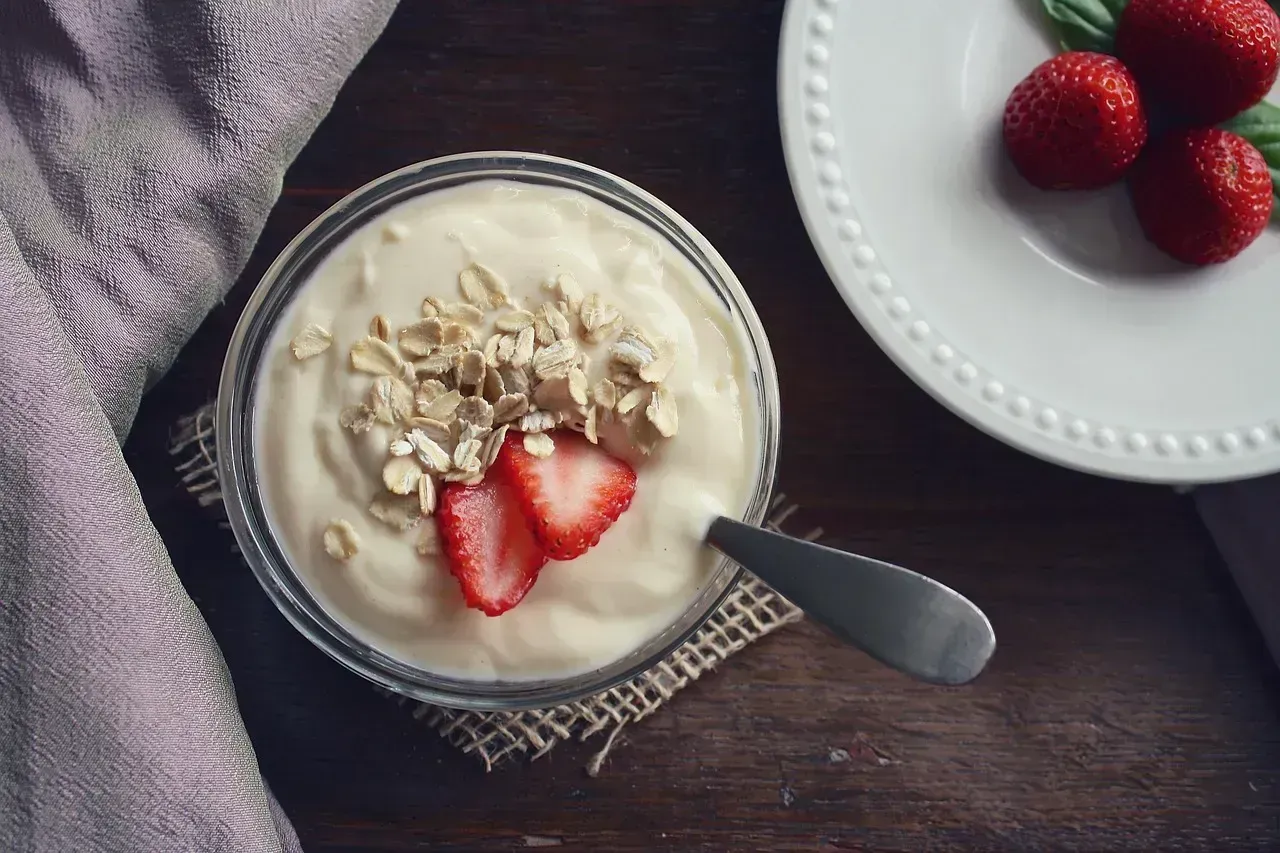
Greek yogurt is the perfect mayonnaise substitute for tuna because it’s rich and creamy while being lower in fat. Think about it: you get nearly the same texture and tang, but with way fewer calories and a serious protein boost. Mayo is more than ten times higher in fat and calories than plain yogurt, so adding loads of mayo to tuna salad can quickly add up to a daunting amount of fat, salt and calories.
One cup of mayo has more than 1,400 calories and 24 grams of fat, whereas Greek yogurt gives you that creamy consistency without all the extra baggage. Low-fat plain yogurt has the creamy consistency and tangy flavors that blend so deliciously with briny tuna, and the healthiness of yogurt is an added bonus since it’s naturally high in calcium and has gut-friendly probiotics, in addition to being low in fat.
Better Alternatives Beyond Greek Yogurt
Look, Greek yogurt isn’t your only option if you’re ready to ditch the mayo. Avocado brings healthy fats and a naturally creamy texture that works beautifully with tuna, though it does add a green tint to your salad. Hummus is another fantastic choice that adds both protein and fiber while delivering that Mediterranean vibe many of us crave.
Olive oil combined with lemon juice creates a lighter, more refreshing alternative that lets the tuna flavor really shine through. I know it sounds crazy, but this combination is actually quite common in places like Italy and France where they’ve been doing tuna salad this way for ages. Even cottage cheese, when blended well, can create that creamy binding you’re looking for.
Traditional mayonnaise is typically made from refined vegetable oils contributing high levels of omega-6 fatty acids, which may promote inflammation when consumed in excess, so healthier swaps have gained traction among those following anti-inflammatory, heart-conscious, or weight-management plans.
What Restaurant Tuna Really Contains
Tuna salads at restaurants are typically loaded with fat and sodium filled ingredients, from mayonnaise to extra salt, making restaurant tuna salad calorie dense and far from a healthy option. Tuna is often mixed with mayo in a tuna salad and you just never know how old that mayo is, plus there’s also the risk that the mayo has been left sitting in a hot kitchen all day before it’s mixed with your tuna and served to you. Yikes is right.
The truth is, when you order tuna salad at a deli or restaurant, you have zero control over the quality or quantity of ingredients being used. Commercial kitchens often use cheaper mayonnaise varieties and pile it on generously because, let’s face it, fat equals flavor and they want you coming back. Typically, tuna salad is not healthy because it’s often made with mayo which is high in fat and calories, with traditional tuna salad containing 500 calories per serving, while healthy tuna salad recipes have under 175 calories for 1.5 cups.
Making The Switch Work For You
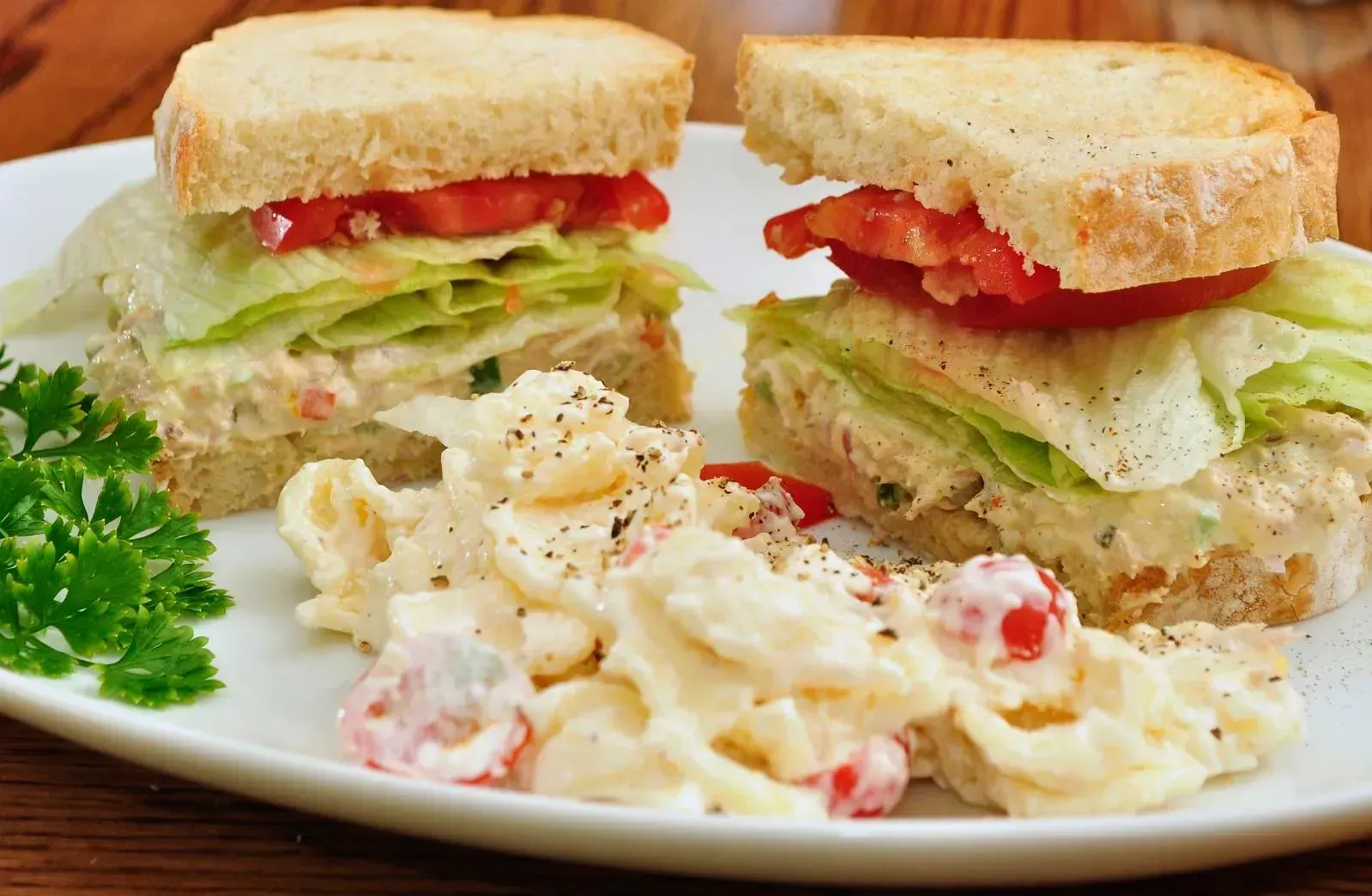
Switching from mayo doesn’t mean sacrificing taste or that satisfying creamy texture we all love. Start by mixing Greek yogurt with a splash of Dijon mustard and fresh lemon juice to create that tangy profile you’re used to. Add finely chopped celery, red onion, and fresh herbs like parsley or dill to build layers of flavor that’ll make you forget all about the mayo.
You can also experiment with combining substitutes. Try half Greek yogurt and half mashed avocado for a creamier consistency that still keeps things healthier. Combining two options such as Greek yogurt with mashed avocado can deliver both creaminess and nutrition, and whole-food substitutes remain superior for minimizing processed ingredients. The key is finding what works for your palate.
Store your no-mayo tuna salad properly and it’ll last three to four days in the fridge, giving you quick, protein-packed lunches throughout the week. Honestly, once you get used to the brighter, fresher flavors that come from ditching heavy mayo, you might wonder why you ever used it in the first place. What’s your take on this? Have you tried making tuna without mayo before?