10 Restaurant Habits That Make Servers Instantly Judge You
Most people walk into a restaurant genuinely just wanting a good meal. They’re not trying to be difficult. They’re not on some secret mission to make someone’s night miserable. Yet somehow, within seconds of sitting down, a server has already formed an opinion about you. Honestly, it happens faster than you’d think.
According to a 2024 study published in the Cornell Hospitality Quarterly, experienced servers can predict customer behavior and potential tip percentages with roughly 70% accuracy within the first minute of interaction. That’s not a guess. That’s a trained instinct. So what exactly are people doing that triggers an immediate silent judgment? Let’s get into it.
1. Snapping Your Fingers or Whistling to Get Attention
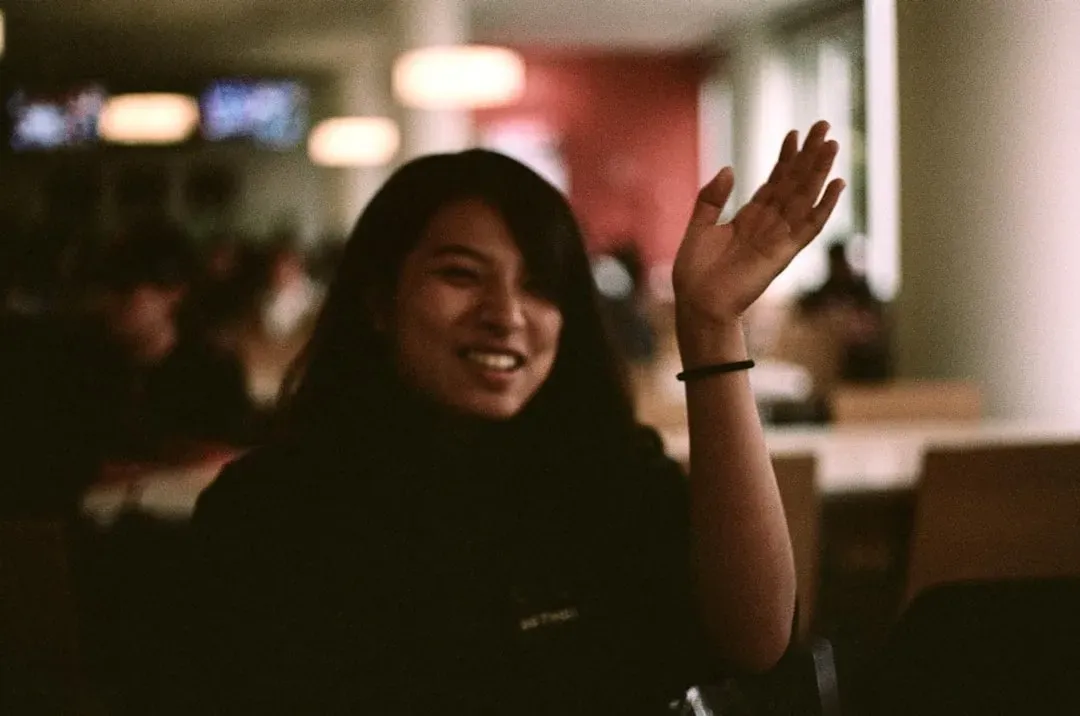
Let’s start with what might be the single most universally loathed thing a diner can do. Snapping fingers or wildly waving to get a server’s attention is considered one of the rudest habits you can have in a restaurant setting. Think about it for a second. If someone snapped their fingers at you at your desk, you’d be furious.
You should never snap your fingers or whistle at your server. Your server is not your servant, nor are they your dog. Sure, they might come over to your table, but they will not be pleased to see you. The damage is instant and it sticks for the rest of the meal.
Snapping fingers or waving arms aggressively can feel disrespectful and dismissive of the effort servers put into managing their responsibilities. Servers are trained to observe their tables regularly, even if they cannot immediately approach. A simple raised hand and brief eye contact gets the job done every time. Save the finger snap for jazz clubs.
A YouGov survey from April 2024 found that large majorities of respondents called snapping fingers for service unacceptable. So it’s not just servers who think this. Most diners agree it’s a problem too.
2. Not Making Eye Contact When Ordering
Here’s one that surprises people. Something as small as eye contact, or the lack of it, sends a loud signal to servers the moment they approach your table.
According to Darron Cardosa, a former server for about 25 years, the biggest indicator that someone was going to be friendly, or at least nice, is eye contact. He thinks customers don’t often recognize how simple gestures like this can improve the relationship between them and their server. It’s not complicated. It’s just acknowledgment.
Whether you make eye contact with your server when they speak, when you order, and when they deliver food tells them immediately how you view service workers. A 2024 study from the Society for Hospitality and Foodservice Management found that servers consistently report feeling more valued and respected by customers who maintain appropriate eye contact during interactions. Better service often follows from that simple thing.
Guests who never look up from conversations or devices while ordering make servers feel invisible and undervalued. This isn’t about staring contests or awkward prolonged gazes, just basic acknowledgment that another human is addressing you. Servers notice the difference between genuine engagement and performative politeness, and it affects how they prioritize tables when things get busy.
3. Being Rude to the Host Before You Even Sit Down

Many diners don’t realize the serving staff communicates. The way you treat the host at the front sets a tone that follows you straight to your table. Servers are already watching.
Servers pay close attention to how you interacted with the host or hostess before even reaching your table. A 2024 study from the Journal of Foodservice Business Research found that customers who are rude or dismissive to front-of-house staff are nearly four times more likely to exhibit difficult behavior toward servers throughout their meal. Nearly four times. That’s a remarkable multiplier for something as small as how you greet someone.
Restaurant servers are likely sizing you up and figuring out what kind of dining guest you’ll be. As one server with 15 years of experience explained, being a server teaches you how to read people’s behaviors on a dime. You can tell when you walk up to a table if they’re in a bad mood, if they’re in a rush. It’s all about understanding body language and developing rapport quickly.
Think of the dining room as a small community. Everyone who works there has already seen you. Your reputation starts at the door, not at the table.
4. Showing Impatience in the First Five Minutes
You just sat down. The menus haven’t even been opened. Yet some people are already sighing, looking around, and checking the time like they’re about to miss a flight. Servers notice this immediately and brace themselves.
Research published in the Cornell Hospitality Quarterly in 2024 found that customers who display impatience in the first five minutes, by looking around repeatedly, sighing, or trying to flag down staff, are significantly more likely to express dissatisfaction throughout their visit regardless of service quality. Servers immediately clock guests who can’t tolerate brief waits versus those who comfortably settle in and understand that restaurants have rhythms.
The reality is that servers are managing multiple tables, and even in perfectly run restaurants, you might wait a few minutes before someone greets you. Your reaction to this standard pause tells servers whether you’ll be understanding when normal service delays occur or if every minor wait will become a point of contention.
Patience is a signal of confidence and calm. Impatience, on the other hand, reads as entitlement. It changes everything about how the next hour unfolds for both you and your server.
5. Stacking Orders Piecemeal, One at a Time
The order is taken, the server turns to leave, and then: “Oh wait, can I also get…” It happens constantly and it derails the entire kitchen flow in ways most diners never see.
There’s nothing worse for a server than finally getting an order into the kitchen, only to be summoned back one by one by diners who just remembered they want extra sauce or suddenly fancy a side. It’s not just the extra walk. It’s the disruption it causes to the kitchen flow and timing. Once the order is in, it has a rhythm. Breaking that rhythm ripples outward.
Guest modifications follow clear patterns during service. People wait until their food arrives to ask for condiments or extra items. This is one of the most common frustrations servers report, and it signals to them that the diner wasn’t really paying attention during ordering.
A good rule of thumb: treat the ordering moment like a meeting. Come prepared, think through what you want including sides, sauces, and drinks, and make it all count in one go. Your server will silently thank you more than you know.
6. Faking a Food Allergy
I know it sounds extreme, but it happens more than you’d think. Someone doesn’t like an ingredient, so they claim an allergy instead of just saying so. To a server, this sets off an entire chain reaction in the kitchen, and when the truth comes out, it’s deeply damaging to trust.
Claiming an allergy when you just don’t like something is dangerous and disrespectful. When you say “allergy,” the kitchen goes into a completely different protocol. They clean surfaces, change gloves, and use separate equipment. It’s a massive disruption to accommodate what could be life-threatening.
When your server then sees you eating that exact ingredient from your partner’s plate, they know you’re a liar, and worse, you’ve made them doubt actual allergy claims. Just say you don’t like something. It’s fine. Real allergies are genuinely serious. Food allergies cause over 200,000 emergency room visits annually in the United States, and nearly three-quarters of all allergen-related food incidents arise at restaurants.
Crying wolf about allergies is not a clever workaround. It’s a move that puts real allergy sufferers at risk and guarantees you’ll be quietly judged for the rest of your meal.
7. Gluing Your Eyes to Your Phone While Ordering

We all love our phones. Honestly, fair enough. But there’s a time and a place, and it’s not while someone is standing at your table waiting to take your order. This habit has become so common that restaurants have started discussing it in staff meetings.
Tables dominated by screens also tend to linger longer while paying less attention to their meals, which affects table turnover rates that directly impact server earnings. Servers notice when every person at the table is scrolling rather than conversing, and it has become such a common sight that many restaurants now discuss phone etiquette in staff meetings.
A FoodNotPhones survey found that roughly two thirds of households reported someone using a phone during shared meals. Around the same proportion said phone use during meals bothers them, and nearly half called it outright rude. So ironically, the people at your own table probably agree with your server.
Yelp’s first Dining Etiquette Report, published in August 2024 and surveying nearly 2,000 users, found that nearly eight in ten respondents said phones should stay out of sight on a date. Putting the phone away, even briefly, sends a powerful message that you’re present. Servers respond to presence.
8. Camping at the Table Long After the Bill Is Paid
The meal is done, the bill is settled, the dessert plates have long been cleared. Yet there you are, still deep in conversation, nursing the last drops of water, completely unaware of the quiet storm brewing nearby.
Lingering long after you’ve settled up is one of those unintentional restaurant faux pas that quietly drives servers wild. Each table represents potential income for a server, and when you camp out, you’re unknowingly putting their tip total in a chokehold. Especially during peak hours, a table held hostage can mean another group of hungry guests left waiting, and another missed round of earnings.
Servers work on tips, and tables are their real estate. When you camp out after finishing your meal, you’re literally costing them money. That table could seat new customers who would tip on their meals. It’s not personal. It’s just the economics of how restaurants survive.
By sitting at your table for an extra 30 to 45 minutes after paying your bill, you may be affecting your server’s income. The fewer opportunities they have to serve a table, the fewer tips they receive. You may also be throwing off the entire reservation system. If you do stay for an extended time, consider tipping your server a bit more.
9. Tipping Poorly or Not at All
Let’s be real. No topic in dining generates more silent, simmering frustration behind the scenes than tipping. Servers almost never say anything. They smile and say goodbye. But they absolutely notice.
Servers across multiple states make as little as $2.13 an hour, which means many rely on tips to survive. Additionally, plenty of restaurants require servers to tip out the rest of the restaurant staff from their earnings. If you choose not to tip, then the server has actually paid a portion of their own money to do their own job of serving you.
Recent surveys indicate a decline in the percentage of people who always tip, dropping from about three quarters in 2019 to roughly two thirds in 2023. However, the fundamental principle remains: service industry employees depend on tips as part of their income. The standard has also shifted. These days, 18% to 20%, and often more, is considered the new normal.
One of the most aggravating habits for servers is having tips deducted for perceived mistakes. Penalizing servers for issues beyond their control, such as kitchen errors or slow service due to a busy night, can feel profoundly unfair. Servers work hard to provide a good experience and prefer constructive feedback over financial punishment.
10. Letting Your Kids Run Wild Through the Restaurant
Children are wonderful. Truly. But a restaurant is not a playground, and servers carrying hot plates and heavy trays through a busy floor should not have to navigate a moving obstacle course of unsupervised toddlers.
There’s a difference between normal kid energy and treating the restaurant like a playground. Servers carrying hot plates and heavy trays shouldn’t have to dodge a sprinting toddler. Servers have nearly dropped entire orders because a child suddenly darted in front of them. That’s not just an inconvenience. That’s a genuine safety hazard.
If there are kids at the table, servers try to determine how well-behaved they are, noting how lax the parents are in terms of keeping the kids in their seats or letting them run around the restaurant, or how dirty underneath the table is going to be. A server forms this impression within moments of seeing your group.
YouGov’s April 2024 survey on unwritten dining rules found that large majorities of respondents also found letting children roam unacceptable, alongside other behaviors like debating menu prices with staff or leaving heavy messes on tables. So the discomfort extends well beyond the serving staff. Other diners feel it too.