9 Home Upgrades That Are Actually Illegal (But People Attempt Them Anyway)
Every weekend across the country, someone is firing up a power tool, ripping out a wall, or running a new electrical wire deep into the guts of their home. No paperwork. No inspector. No idea they’re crossing a legal line.
Homeowners are often driven by the best intentions. Save money, add space, boost value. But the gap between “I can do this myself” and “this is actually illegal without a permit” is wider than most people realize. In urban areas, roughly three out of every ten residential properties have some form of unpermitted work. That’s a staggering number, and it tells a story about how normalized this problem has become.
What follows are nine of the most common home upgrades people attempt without realizing they’re breaking the law. Some of them will surprise you. Let’s dive in.
1. DIY Electrical Rewiring and New Circuit Work
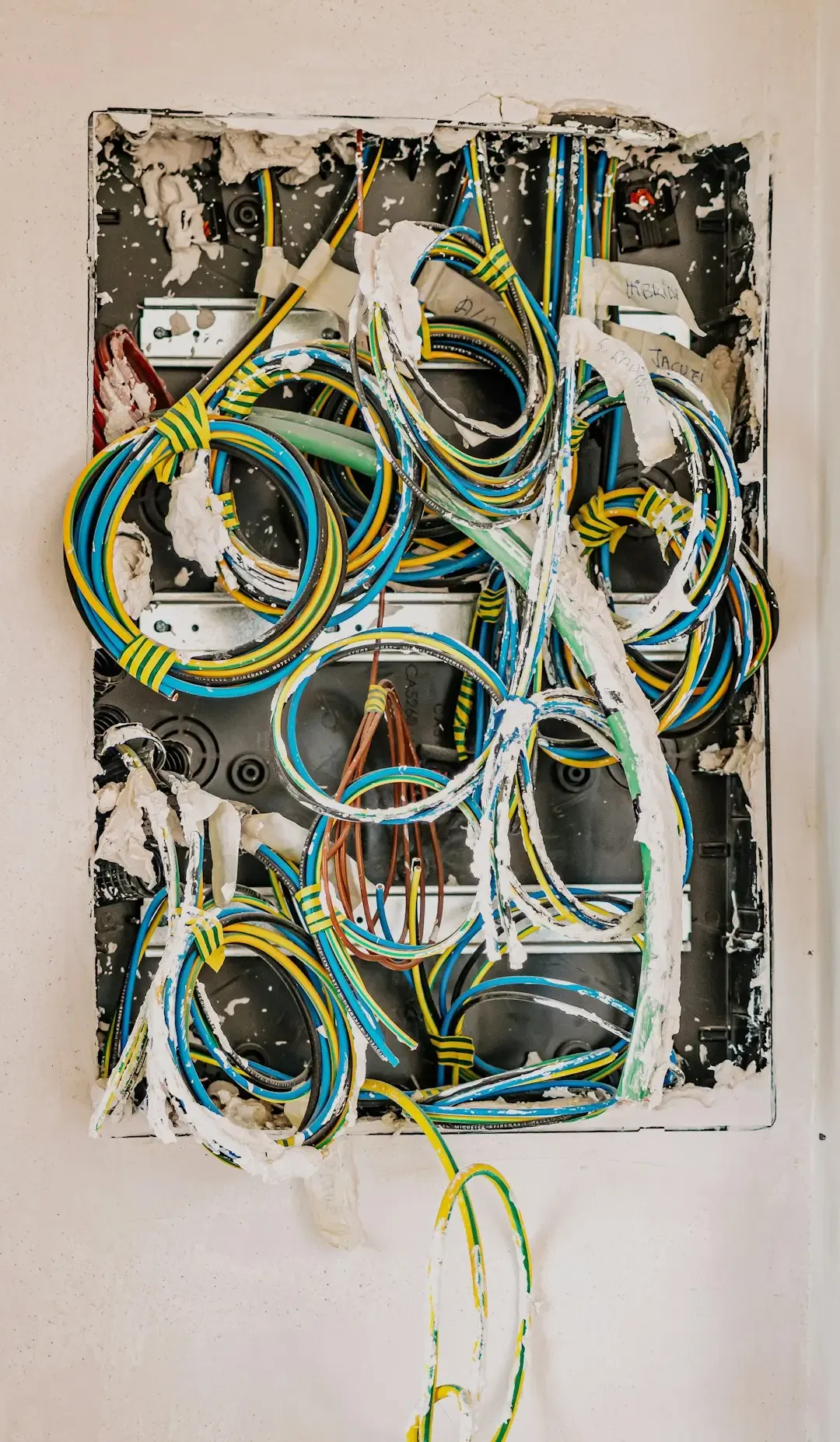
It starts innocently enough. A homeowner swaps out a light fixture, gets the bug, and before long they’re behind the wall running new wire. Here’s the thing: every year, more than 51,000 electrical fires occur in U.S. homes, and many of them are caused by faulty wire connections, overloaded circuits, or improperly installed fixtures – the exact issues that tend to arise from DIY repairs.
DIY electrical work often starts with swapping a light fixture and slowly grows into partial rewiring behind closed walls. Without permits or inspections, circuits end up overloaded, junction boxes get buried, and grounding is guessed instead of measured. The home may function for a while, but every flipped switch carries extra risk.
Many states and municipalities require permits for electrical work, even something as simple as installing a new dimmer or relocating an outlet. If you attempt electrical repairs without a permit or inspection, you could be violating local building codes or the National Electrical Code (NEC). And when it comes time to sell, failed inspections due to unpermitted electrical work can halt a sale or reduce your home’s value, and insurance may not cover damages caused by unlicensed or illegal work.
2. Removing or Altering Load-Bearing Walls
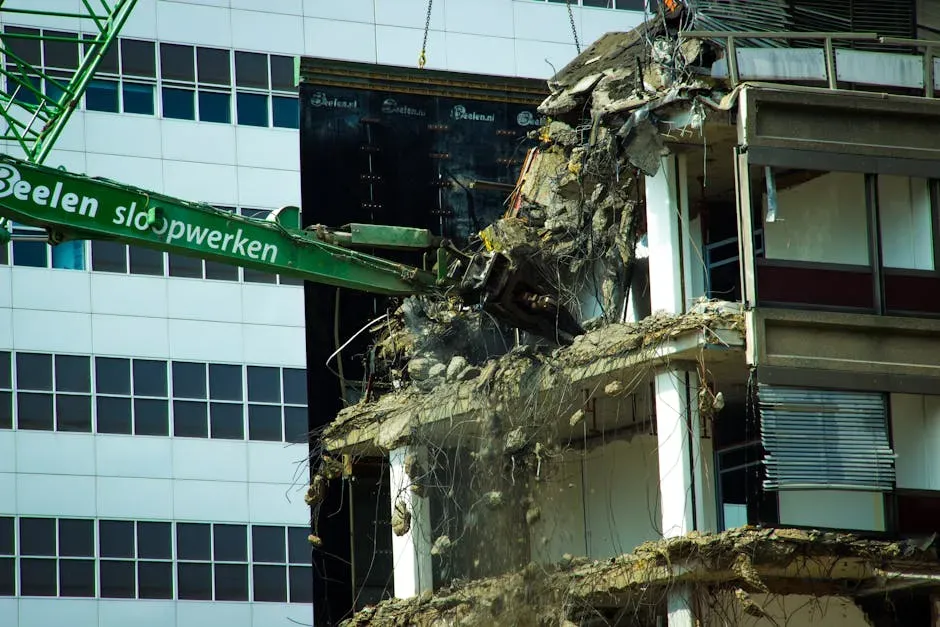
Open-concept living has been a dominant design trend for years, and homeowners are obsessed with it. The temptation to grab a sledgehammer and knock out a wall to open up a kitchen is real. But removing a load-bearing wall isn’t just an aesthetic decision, it’s an engineering one. These walls support the weight of everything above them, from upper floors to the roof. Taking one out without a plan could lead to sagging ceilings or even structural collapse.
Because of this, most municipalities require building permits for this type of work. If you don’t get the necessary paperwork before you knock down a wall, you could face consequences ranging from paying hefty fines to losing your homeowner’s insurance, not to mention the potential structural damage to your home.
Honestly, I think this one carries the most immediate danger of anything on this list. A faulty outlet might cause a spark. A wrongly removed load-bearing wall could bring part of your ceiling down. In some communities, the permitting rules are so strict that homeowners may have to tear out their work when an unpermitted remodeling project is discovered, and this extreme penalty usually pertains when homeowners do their own electrical, structural, or plumbing work.
3. Unpermitted Basement Conversions and Finishing
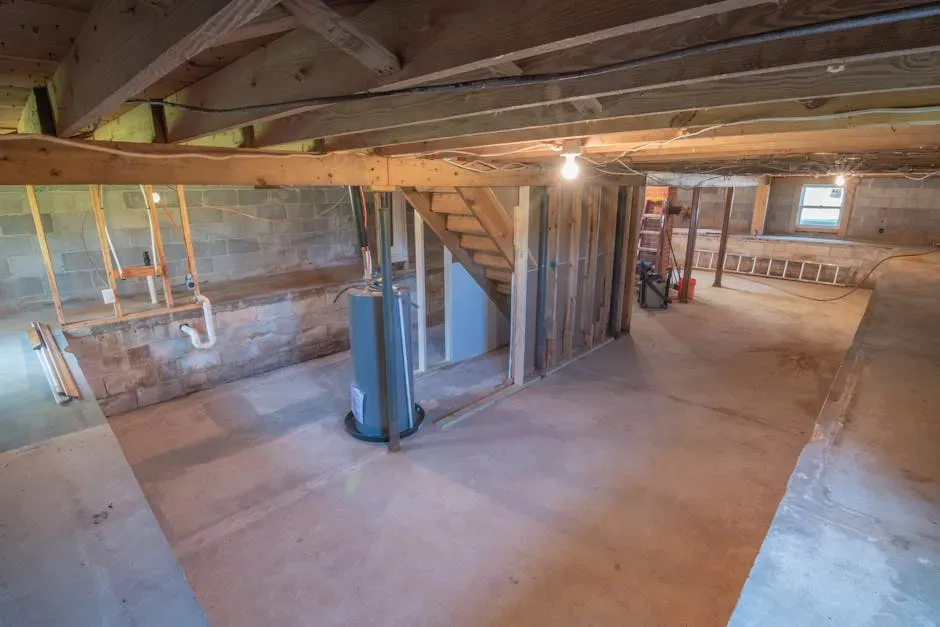
Some of the most common unpermitted conversions include finished basements, attic remodels, garage conversions, added bathrooms, and kitchen updates. In recent years, accessory dwelling units such as backyard cottages or basement apartments have also surged in popularity but often lack proper permits. People see a blank concrete space and a tidy rental income, and they get to work fast, often skipping every step of the process.
Unpermitted rooms often fail to meet basic safety codes. They may lack proper egress windows, smoke alarms, or sufficient insulation. Electrical and plumbing systems may be improperly installed, posing fire and flood risks. A basement that cannot be quickly exited during a fire is not just illegal, it is genuinely life-threatening.
The hazards extend beyond physical safety: unlicensed renovations could contaminate your home with harmful substances like asbestos, unnoticed until long-term health issues arise. And then there’s the financial side. The average cost of legalizing unpermitted work is around $8,400 per project, which tends to be far more painful than simply getting the permit in the first place.
4. Garage Conversions Without a Permit
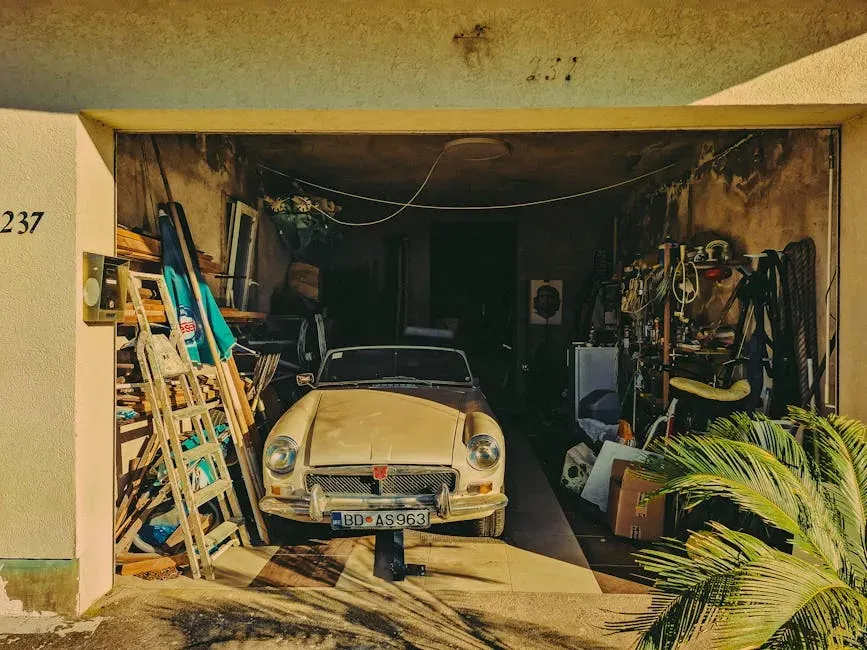
The garage conversion has become one of America’s most popular home projects, especially in high-cost housing markets. It seems simple on paper: close the big door, insulate the walls, add a window, maybe a bathroom. Done. Except it is absolutely not done, legally speaking. According to the LA Department of Building and Safety, a building permit is mandatory for any garage conversion.
A garage can look like easy bonus space for a bedroom, studio, or rental unit. Without permits, though, insulation, fire separation, and safe exits are rarely handled correctly. Space heaters work overtime, extension cords snake along the floor, and cars sometimes still share the driveway just inches away.
Having an unpermitted ADU can lead to fines, legal issues, and the requirement to remove the unpermitted structure. It may also affect property resale value and make it challenging to obtain insurance or financing. In cities like Los Angeles, the cost of legalizing such a conversion can range considerably. Depending on the extent of work needed, the construction costs of legalizing the space will likely range from $20,000 to $70,000, based largely on the original quality of the work and when it was completed.
5. DIY Plumbing Modifications and New Fixture Additions
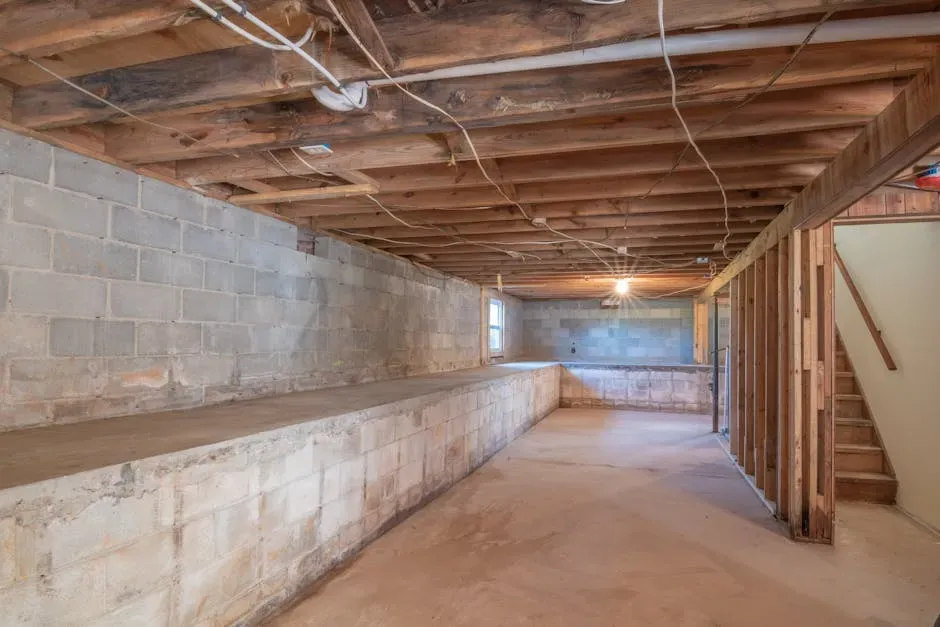
Adding a bathroom in the basement or a shower in the attic sounds like a smart upgrade. More bathrooms mean more value, right? In practice, any modifications to the plumbing system, including installing new fixtures or changing the layout of the pipes, generally require a permit. Most homeowners have no idea that even rerouting a drain line could put them in violation of local codes.
Sneaking in a basement powder room or attic shower often relies on creative drain slopes, undersized vent lines, and questionable tie-ins to old stacks. Once a plumber or inspector opens the wall and sees improvised connections, the fix usually involves demolition, new permits, and a complete rebuild of the hidden network.
Let’s be real: water is one of the most destructive forces inside a home. A bad plumbing job hidden inside a wall doesn’t announce itself until it’s already caused serious damage. You risk safety issues when you complete work without a permit or hire someone willing to do the job without the proper licenses. Poorly executed electrical or plumbing work could be dangerous and expensive.
6. Installing or Extending Gas Lines
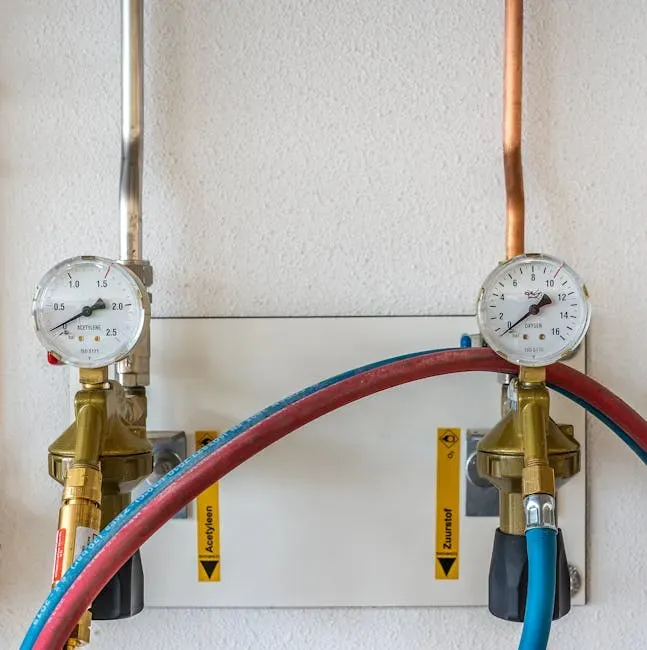
This one is particularly alarming, and yet it happens constantly. With patio culture booming and outdoor kitchens becoming more popular, some homeowners decide to extend their own gas lines for a new outdoor range or fire feature after watching a video online. It is one of the most dangerous things you can do inside or outside your home without professional help.
Some owners decide to extend gas service for a new range, fireplace insert, or patio heater after watching online tutorials. Gas work demands precise sizing, pressure testing, and approved materials, along with proper shutoff valves and ventilation. Shortcuts leave tiny leaks inside walls, weak joints near open flames, and appliances starving for air.
Investigators look closely at gas piping after any explosion or carbon monoxide event, and unlicensed installations often sit at the center of hard conversations. The permit process for gas line work exists because the stakes are simply too high. Illegal renovations could negate the homeowner’s insurance benefits you’re otherwise entitled to, and you may be headed toward a costly lawsuit if the health and safety of another individual are involved.
7. Building Decks, Patios, and Structural Additions
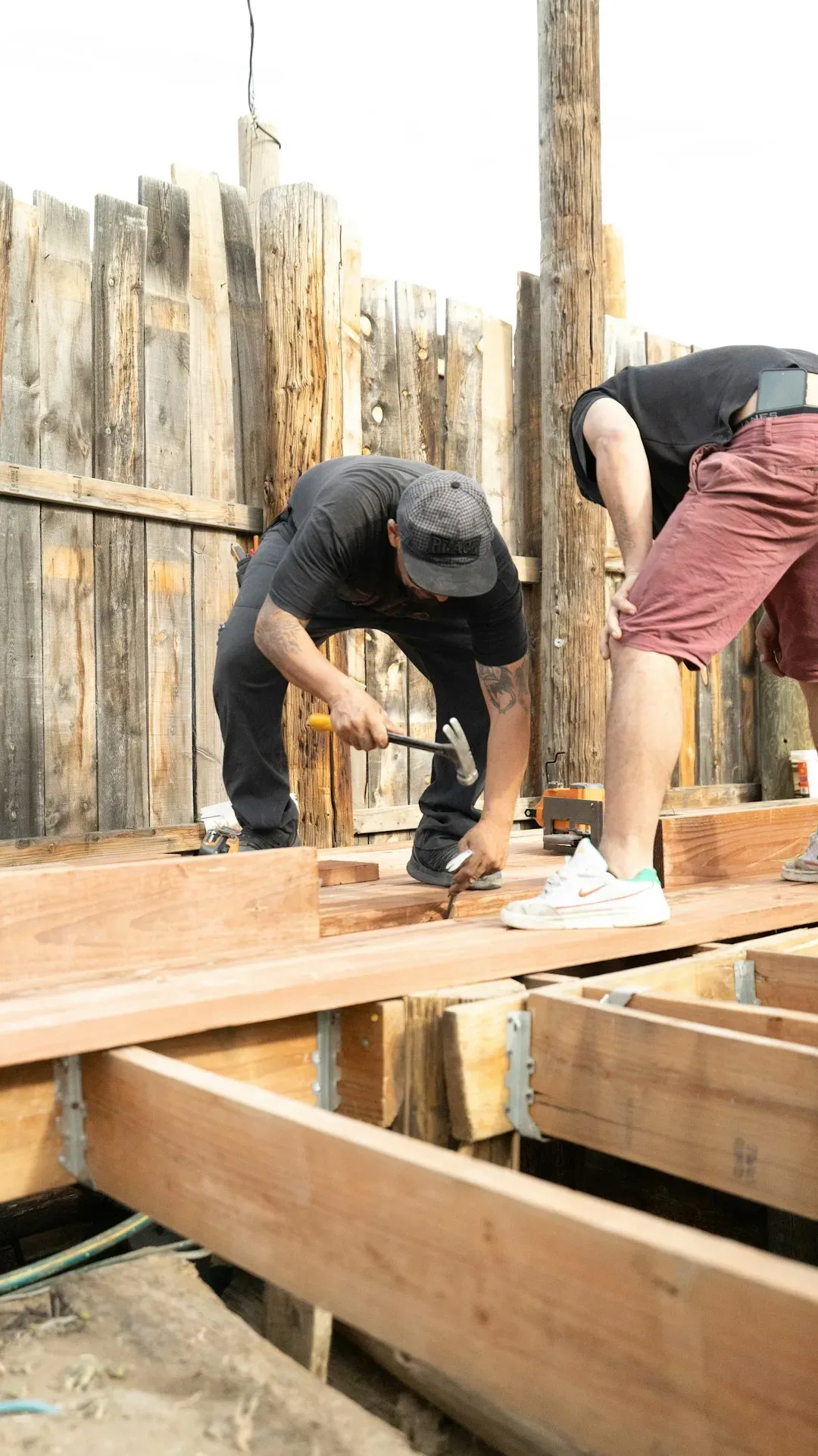
A deck feels like the most casual of home projects. You’re not even inside the house. You’re just building a platform in your backyard. Surely that doesn’t require a permit? In many places, it absolutely does, especially once the structure reaches a certain height or square footage. Backyard decks and small bump-out additions often start with a simple sketch and a run to the lumber aisle. When spans grow wider and railings climb higher than allowed without review, unpermitted structures begin to flex under real use.
As a general rule, any project that makes a change to the electrical and plumbing systems or the structure of the home needs a permit. Smaller projects like replacing gutters or adding a fence could also be considered unpermitted additions if your area’s zoning or building boards require owners to acquire a permit before beginning construction.
Building a patio without a permit can result in fines and a requirement to obtain a retroactive permit. You may also need to make modifications to meet code compliance, depending on the regulations of your local building department. Think of that before you pour the concrete next weekend.
8. HVAC System Replacements Done Without Permits
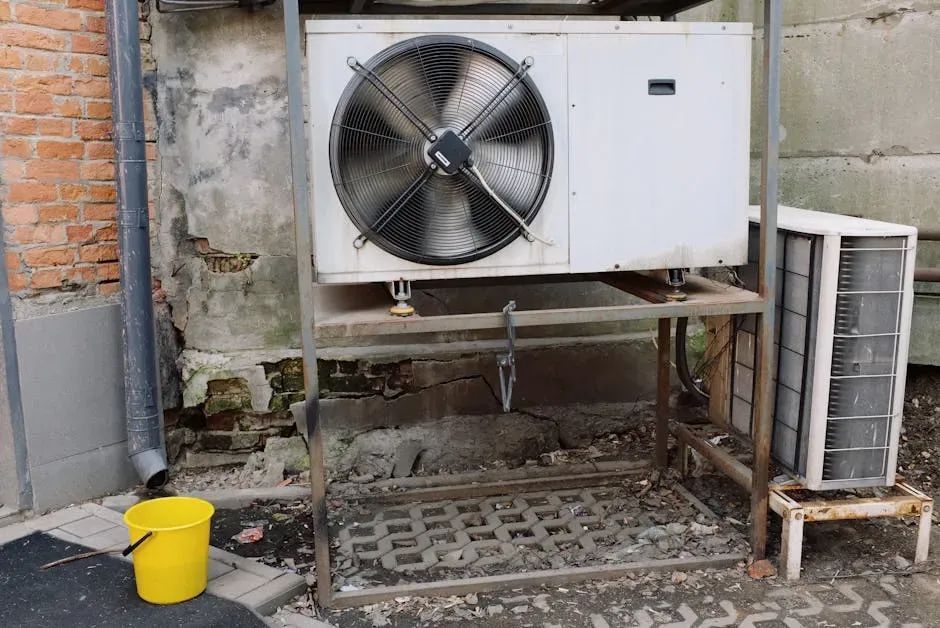
Swapping out a furnace or installing a new central air system is often framed as a straightforward equipment change. It is not. Replacing or installing a new heating, ventilation, or air conditioning system usually requires a permit. Yet many homeowners and even some contractors skip this step entirely, treating it like buying a new appliance for the kitchen.
The problem is that HVAC work ties directly into your home’s electrical system, ductwork, and ventilation, all of which are tightly regulated for safety reasons. An improperly installed system can create combustion risks, carbon monoxide leaks, or dangerous pressure imbalances. Unpermitted construction often violates local zoning, construction, and land use laws, which might attract steep penalties. If your noncompliant work gets noticed during a routine building inspection or a neighbor’s complaint, you could face charges associated with code violations.
Fines are one of the most common penalties for constructing without a permit. Most local governments have a set schedule of fines based on the size and nature of the project. The fines can be substantial, escalating with the duration of non-compliance or the severity of the offense. For example, in Massachusetts, you can be fined up to $1,000 a day for building without a permit.
9. Window and Door Replacements That Change Structural Openings
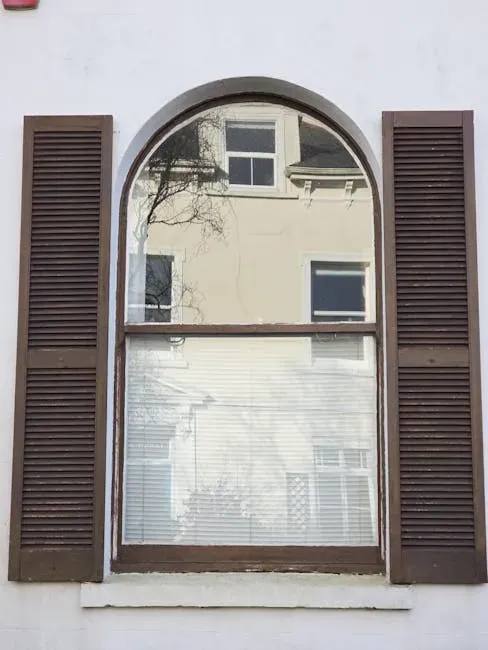
This one catches people off guard more than almost anything else. Replacing a window sounds completely harmless, like choosing new curtains. In some areas, replacing windows or doors may require a permit, especially if the size or configuration of the opening is changing. The moment you start enlarging or repositioning an opening, you’re touching the structural envelope of the building.
In some cases, a homeowner might not have known that they needed a permit to complete the work. What seems like a simple DIY project that could be completed in a weekend may require a permit in some municipalities. Take window replacements as an example – it may seem like an easy project, but area zoning and building codes may consider it a structural change.
The downstream consequences of any unpermitted work tend to pile up fast. If you want to refinance your home mortgage, you need an appraiser to check your house. Any room additions not up to code will be excluded from the square footage stated in your home listings, which also means potential buyers down the line may think your home is smaller than it is. And in extreme scenarios, unpermitted changes to your property increase the risk of forced removal, as any illegal renovations might demand expensive and inconvenient deconstruction efforts.