7 Home Features That Can Make a Property Hard to Sell
Selling a home is rarely as simple as putting up a sign and waiting for offers to roll in. The current market in 2026 is competitive, interest rates remain a pressure point for buyers, and the bar for what a property needs to look like has never been higher. Whether you’re selling your primary residence, listing a relative’s old home, or cashing out an investment property, you may find that certain qualities in your property make it difficult to offload – even causing your home to languish in a seller’s market, waiting for offers that never seem to come.
So what exactly kills a deal before it even gets started? Some of these features might surprise you. Others are the usual suspects that real estate agents quietly dread when they walk through a listing for the first time. Let’s dive in.
1. Foundation Problems: The Silent Deal-Killer

If there is one thing that sends buyers running for the door faster than anything else, it’s foundation trouble. It’s not dramatic or obvious like a crumbling wall – sometimes it’s just a crack above a doorframe or a floor that tilts slightly in one corner. More than half of all home buyers consider foundation issues a “deal-breaker” because foundation problems can make the home-buying process more complicated and risky.
Realtors know that a home with foundation issues can lose as much as 25% of its value, primarily due to the cost and potential risks associated with repairing the issue. Think about that for a second – a quarter of your home’s worth gone, simply because of what’s happening underground. The financial hit is real and it’s steep.
Groundworks’ 2025 survey found that homes with unrepaired foundations stay on the market 2 to 3 times longer than comparable homes without issues. Longer time on market usually means price reductions, stressed sellers, and a stigma that’s hard to shake even after repairs are made. In most states, you’re legally required to disclose known foundation problems to buyers – if you don’t, you risk lawsuits later.
To get final mortgage approval, a home appraisal must show that the roof and foundation are in good condition. Finding that the foundation needs repairs may delay, if not stop, the purchase of that home entirely. That means even a willing buyer can be stopped in their tracks by their own lender. It is arguably the most legally and financially complex feature on this list.
2. An Outdated Kitchen: The Room That Decides Everything
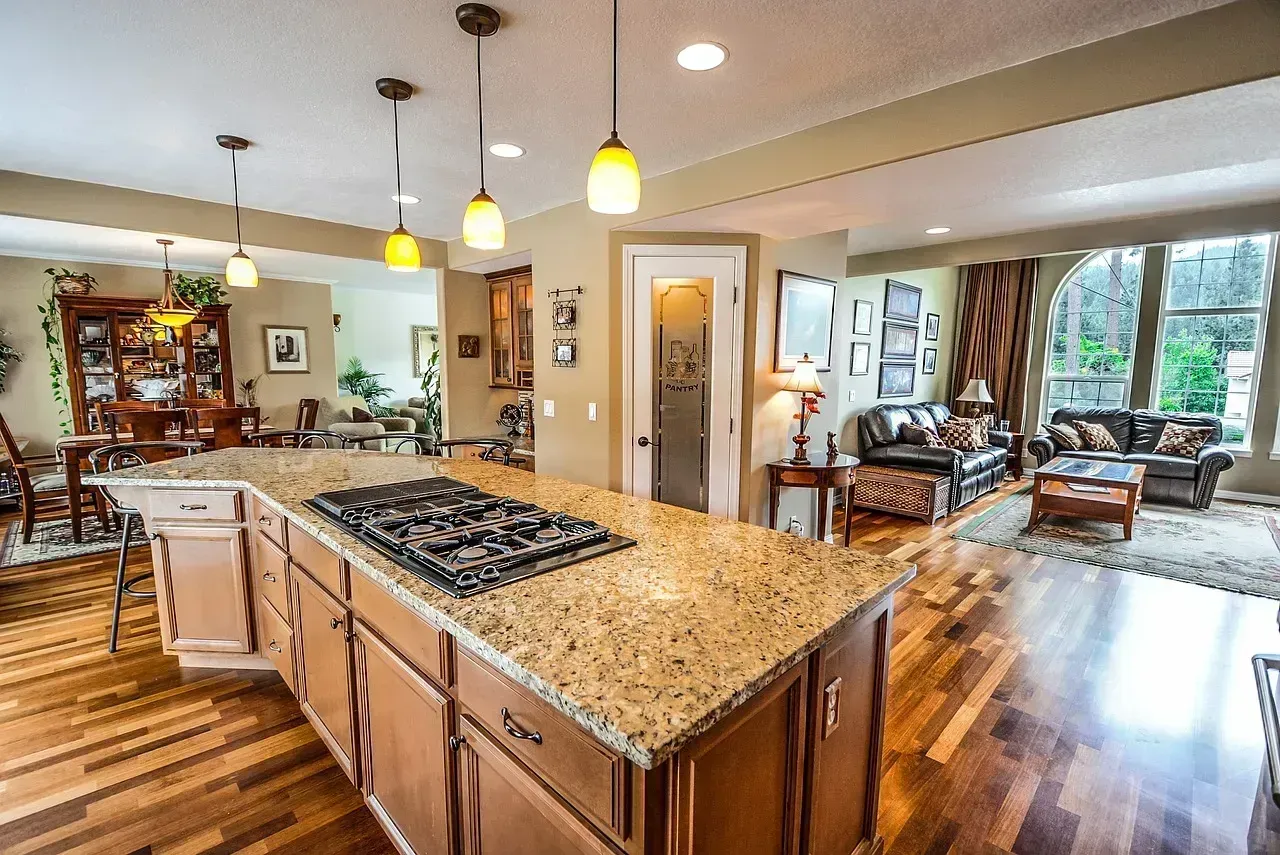
Here’s the thing about kitchens: buyers practically live in them during a showing. They open the cabinets, run the faucet, look at the countertops, and immediately start calculating how much it would cost to undo your 1994 remodel. An overly outdated kitchen that is clearly stuck in decades past is a huge red flag – outdated cabinets, appliances from 30 years ago, and tile countertops are all huge dealbreakers for a majority of homebuyers.
A minor kitchen remodel jumped from a 96.1% return on investment in 2024 to 113% in 2025, a significant increase that reflects how important the kitchen is on the radar of home buyers. That’s essentially saying that a smart, targeted kitchen refresh pays for itself and then some when you sell. It’s one of the best arguments in real estate for spending money before listing.
A $5,000 kitchen refresh with new cabinet hardware, better lighting, and a fresh coat of paint often outperforms a $50,000 custom remodel that only fits your personal taste. The lesson there is actually comforting – you don’t need to gut the whole room. You just need to make it look like someone cared. HomeLight’s Top Agent Insights for End of Year 2024 reports that 94% of agents believe modernized bathrooms or kitchens make the home more appealing to buyers.
3. Worn-Out or Outdated Flooring: The First Thing Buyers Notice

Walk into any home showing and watch where buyers look first. Spoiler: it’s the floor. Buyers often notice the flooring before anything else – whether it’s worn-out carpet, scratched hardwood, or outdated tiles, the state of your floors can make or break a deal. It’s a visceral reaction, almost like stepping onto the floor tells the buyer the whole story of how the home was cared for.
Wall-to-wall carpet is officially out. Today’s buyers overwhelmingly prefer hardwood, vinyl plank, or tile for easier cleaning and a more modern look. Carpeting is often associated with allergens, stains, and dated design – even if the carpet is new, many buyers see it as something they’ll have to replace. That assumption alone can knock thousands off an offer.
If your carpet is dated or worn out throughout the house, buyers consider that a huge expense – they will typically negotiate a lower offer price in order to afford installing new carpet before they move in. It’s a negotiating chip that works against you every single time. Musty smells from carpets or other materials suggest underlying issues like mold or pet damage, and warped or discolored floors are major red flags signaling potential water problems that could lead to costly repairs. That’s where flooring stops being about aesthetics and starts being about fear.
4. An Outdated or Run-Down Bathroom: Buyers Set a Hard Minimum
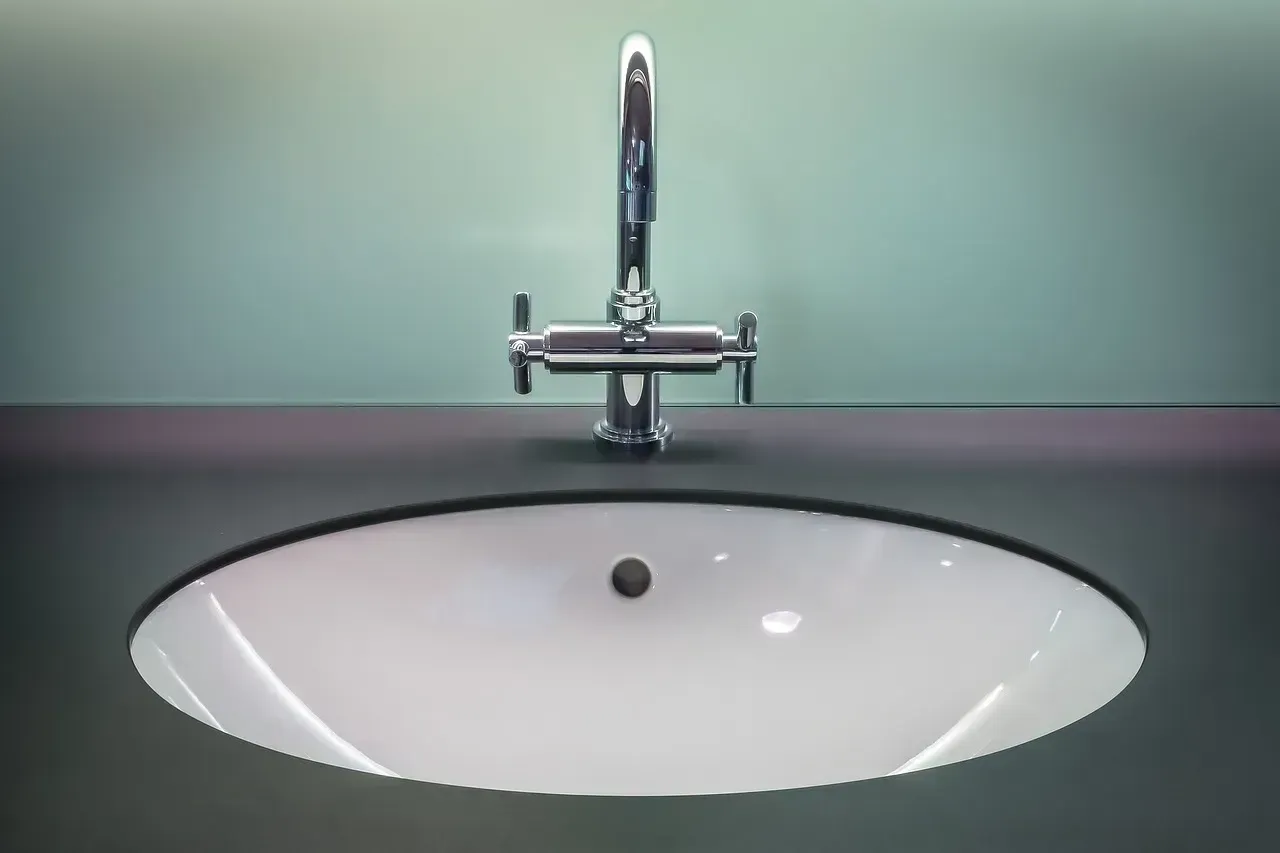
Bathrooms aren’t just functional spaces. They’re emotional ones. Bathrooms are deal-breakers or deal-makers in a home sale, and buyers will place a hard minimum on their number of desired baths. Walk a buyer into a bathroom with a harvest-gold tub, cracked grout, and a light fixture from the 1980s, and watch the enthusiasm drain out of the room instantly.
One analysis found homes with recently renovated bathrooms sold about 23% faster than those with outdated baths, potentially shaving days or weeks off time on market. That’s a meaningful competitive edge in a market where buyers have more options than they did two years ago. Speed of sale matters – the longer a home sits, the more buyers wonder what’s wrong with it.
A dated bathroom can turn buyers away before they even see the rest of the house. Think of it like a restaurant menu – if the appetizers are unappealing, most diners won’t bother ordering the main course. According to the 2024 Cost vs. Value Report, a midrange bathroom remodel recoups approximately 73.7% of its cost upon resale, making it one of the best-value home improvements. That means you don’t recover everything, but the alternative – losing buyers entirely – costs a whole lot more.
5. An In-Ground Swimming Pool (In the Wrong Location)

I know this one sounds counterintuitive. Who wouldn’t want a pool, right? But honestly, pools are one of the most polarizing features in residential real estate. A swimming pool can actually make your home harder to sell – many buyers consider it a liability rather than a luxury. That’s not a fringe opinion. It’s a common reaction, especially in cooler climates where a pool sits under a cover for most of the year.
If you live where the pool can’t be used year-round, the level of maintenance and space the pool occupies on the property may deter buyers. The math gets unflattering quickly when buyers realize they’re inheriting monthly upkeep costs, elevated insurance premiums, and a backyard that’s dominated by a concrete pit. In states that experience harsh winters, pools are, for a vast segment of home types, a deal-breaker for a buyer – most shun away from pools because of maintenance costs, safety concerns, or because the pool takes away from the space of the backyard.
Buyers looking at starter homes are more likely to be deterred by a high-maintenance asset like a pool. The story is very different at the luxury end of the market or in warm-weather states. In Phoenix, AZ, homes with pools sell for over 15% more than those without, and in Jacksonville, FL, homes with pools sell for over 24% more than those without. Location, as always, decides everything.
6. Poor Curb Appeal and Neglected Exteriors
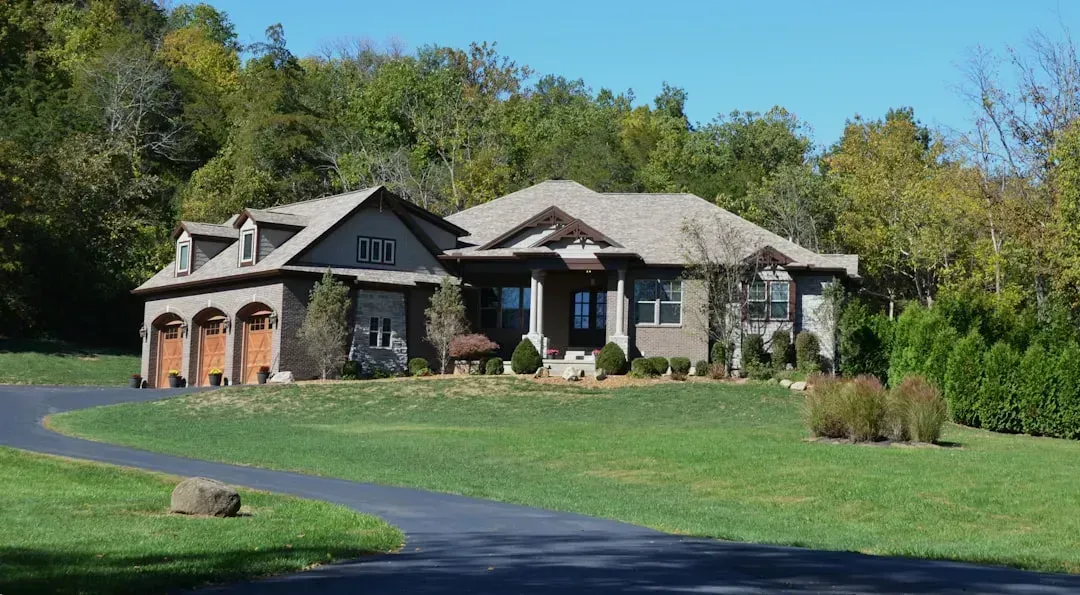
First impressions in real estate work exactly like first impressions in life – fast, visceral, and almost impossible to undo. If your home’s exterior lacks curb appeal, buyers can often decide on your house before even entering. The decision is made at the curb, sometimes before the car door even opens. It’s that quick.
According to a 2025 visual behavior study by the National Association of Realtors, more than 67% of buyers say they’re influenced by the condition and style of neighboring homes, not just the property they’re viewing. That means a listing isn’t being evaluated in isolation – it’s being judged within the context of its surroundings. A beautifully updated interior can’t fully compensate for a crumbling facade, a dead lawn, or peeling paint on the front door.
The good news is that curb appeal is often one of the most affordable fixes a seller can make. Based on the 2024 Cost vs. Value Report data, garage door replacement offers a return on investment of 194%, while steel entry door replacement delivers 188% – exterior improvements that are relatively affordable while providing dramatic curb appeal. Seriously, a new garage door might be the best single investment you make before listing. In 2025, garage door replacements continued to lead the pack in ROI, returning an impressive 268%, which is up significantly compared to the previous year.
7. Problematic Location Factors You Cannot Change
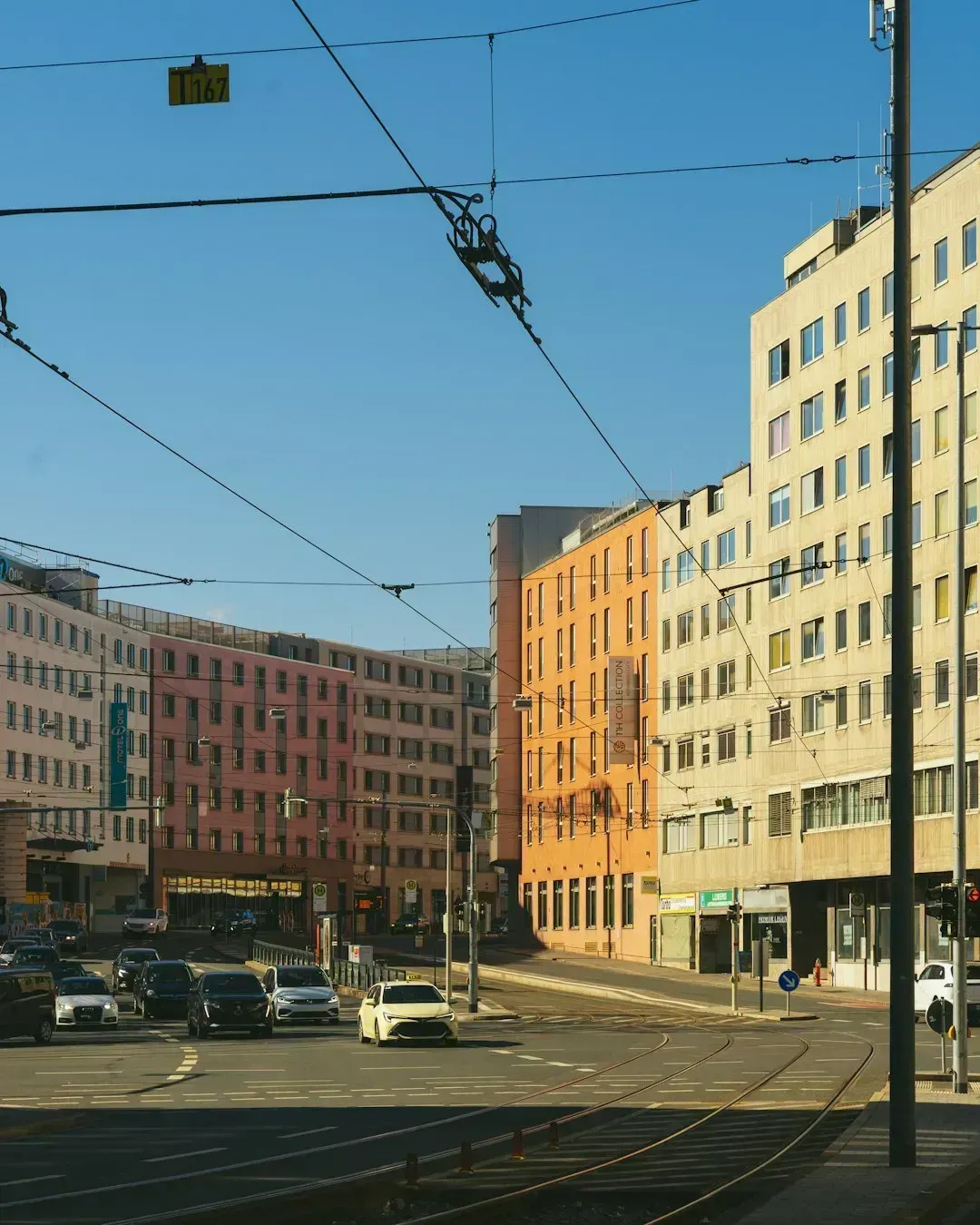
This is the hardest one to swallow because there’s no renovation checklist that fixes it. A busy road, proximity to industrial facilities, flight paths, power lines – these are features baked into the property’s DNA. Location can be both a blessing and a curse. Being five minutes from the closest gym or shopping center can be a huge selling point, but it may come with the compromise of being located on a busy thoroughfare – issues like noise pollution or a lack of property privacy won’t just magically disappear.
Real estate professionals confirm that an undesirable location is going to deter a lot of buyers – if a home is on a busy road, it’s simply not going to command the same price as a comparable home on a quiet dead-end street in the same neighborhood. The gap in pricing can be substantial. Think of two identical houses built side by side – one facing a park, the other facing a highway. Same square footage, wildly different outcomes at the closing table.
Homes located near high-voltage power lines often face stigma over health concerns, whether justified or not – even if studies are inconclusive, the mere perception of risk can drive buyers away. Perception in real estate is reality. Despite custom French doors, a chef’s kitchen, or other coveted features, you can’t change the fact that your property backs onto a busy highway or is close to a landfill – however, with the right strategy, even a house next to a high-voltage power line can attract a buyer and fetch a fair price. The right agent, the right price, and the right buyer do exist, even for the trickiest locations.