6 Details Flight Attendants Spot Before You Reach Your Seat
Most passengers board a plane thinking the crew is simply being polite. Smile, check your ticket, point you left. That’s the whole show, right? Honestly, not even close. What’s actually happening in those few seconds at the cabin door is far more calculated, and far more fascinating, than most travelers ever realize.
Flight attendants are trained to pick up on everything about passengers in the blink of an eye, in around three to four seconds. That’s less time than it takes to find your boarding pass. Air travel feels routine to most of us, but for flight attendants, every boarding process is a fast-moving study of human behavior. Before the overhead bins slam shut and the safety demo begins, the crew has already clocked dozens of details about who’s onboard. Some of those details affect safety, others shape service, and a few quietly predict how smooth or bumpy the flight might feel.
So the next time you walk down that jet bridge, know this: you’re already being assessed. Let’s get into it.
1. Your Body Language and Eye Contact the Moment You Step On Board
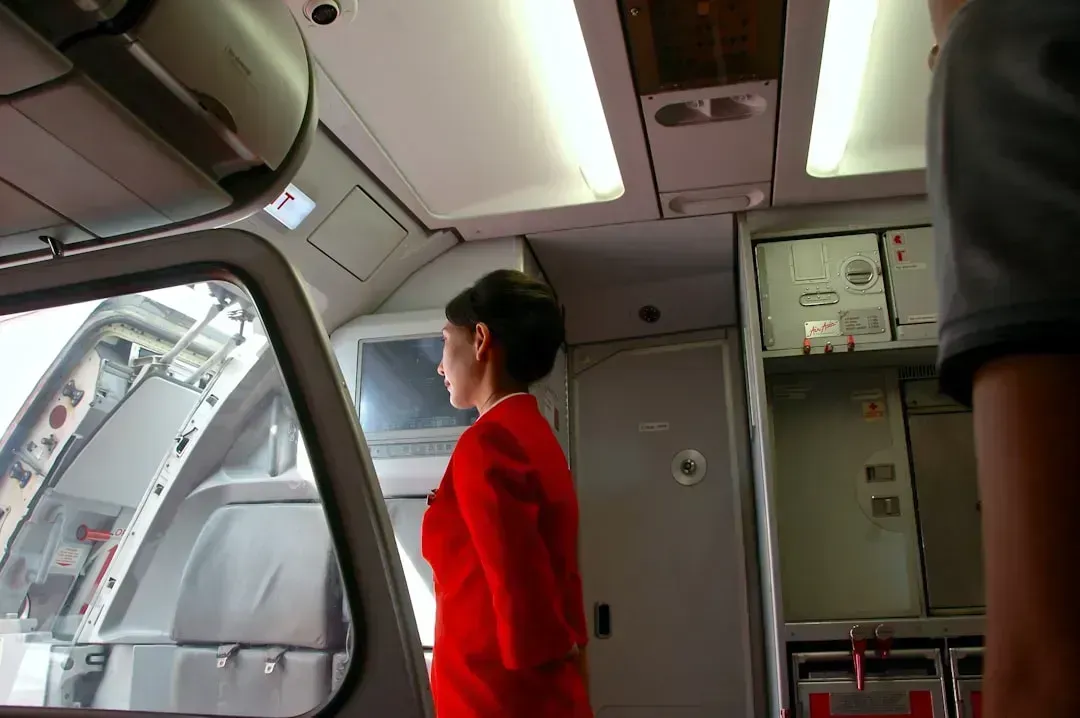
As you walk down the jet bridge, your first few seconds on the aircraft reveal a lot more than you realize. Flight attendants quickly size up your body language, tone, and eye contact when greeting them. A warm smile and simple hello can create an instant sense of trust, while avoiding eye contact or seeming irritated can raise concern. They’re trained to spot tension, fear, or aggression early.
Within three seconds, they’ve categorized you: helper, neutral, or potential problem. The passenger who makes eye contact, returns the greeting, and shows basic courtesy gets mentally filed as “safe.” The one who barges past without acknowledgment while barking into their phone gets watched more carefully.
Flight attendants certainly appreciate a kind greeting or friendly smile. If they are greeting at the door, they notice if they are acknowledged by a smile or a returned hello. If you do return their greeting, you’re automatically going to make a better impression. Good airplane etiquette may even get you treated to a free drink or extra snack.
At airports like New York JFK or London Heathrow, crews interact with hundreds of passengers during boarding, which gives them only seconds to identify behavioral cues. The assessment begins immediately, and the information gathered helps crews prepare for in-flight operations, manage possible disruptions, and ensure the aircraft is ready for all phases of flight.
2. Signs of Intoxication or Unusual Behavior
The primary function of observing passengers during boarding is to look for disruptive passengers. Signs of intoxication, anger issues, or entitlement can all have the potential to lead to a disruptive passenger during the flight. It is important for flight attendants to assess passengers who may cause issues later and try to stop the problem before it starts.
Flight attendants will immediately be concerned if they think you are intoxicated or can smell alcohol on your breath. Every flight attendant will have experience with a drunk passenger becoming aggressive and disruptive, and they won’t hesitate to remove such passengers from the plane before takeoff. Furthermore, flight attendants have to take alcohol from passengers who try to bring it onto the plane for their own consumption.
In 2024, there were over 2,100 cases of disruptive or unruly passengers reported by US airlines, and the Irish Aviation Authority recorded 1,432 such events compared to 426 in 2023. In the same year, Switzerland’s Federal Office of Civil Aviation reported some 1,730 cases.
Authorities like the FAA are responding to this by fining passengers and having them pay diversion costs of anywhere between $15,000 and $100,000. Bans from flying with the airline again are also likely.
3. What You’re Wearing, Especially Your Shoes
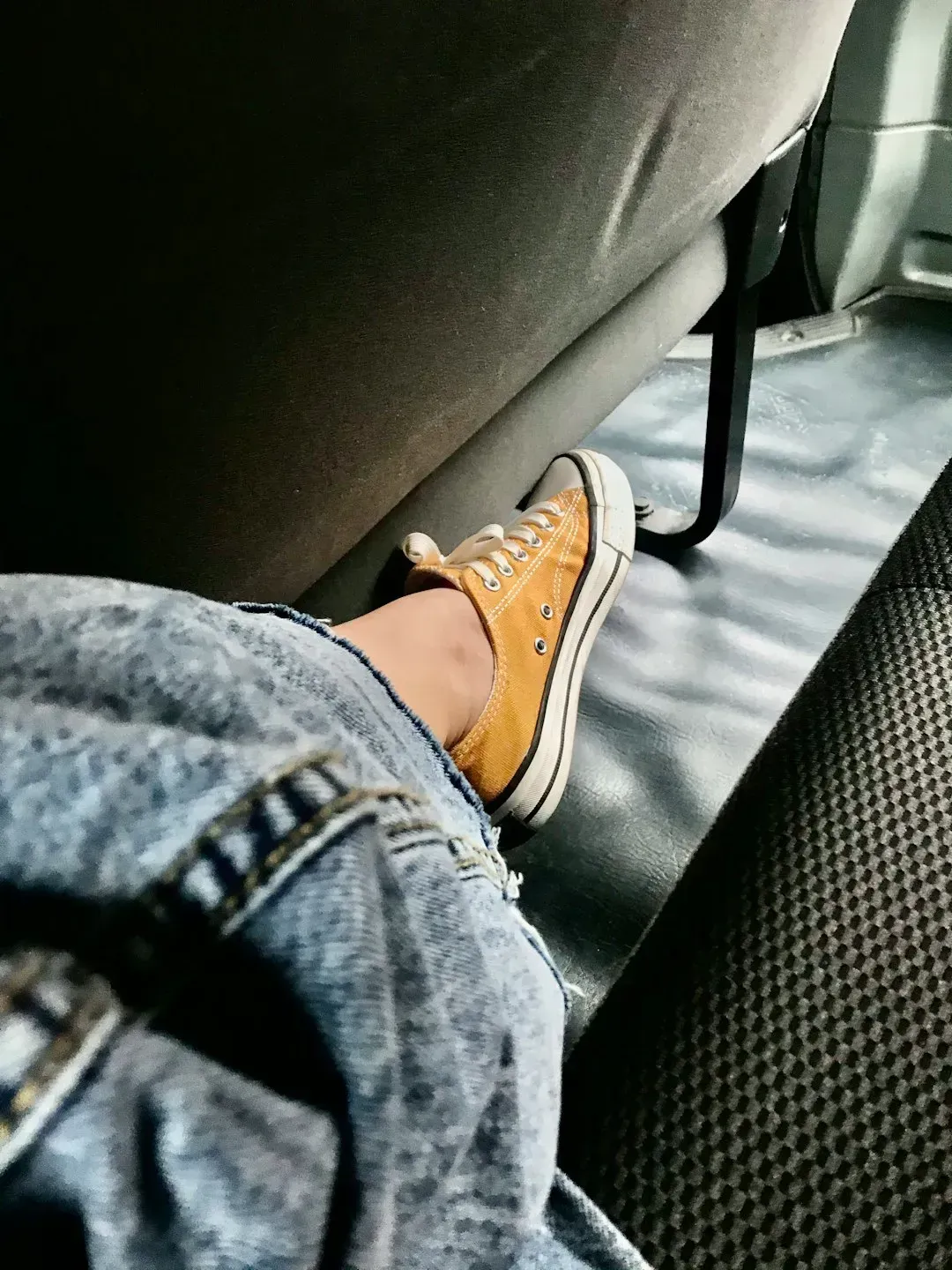
What you wear sends subtle messages about your readiness for flight. Flight attendants quietly assess if your outfit would be practical in an emergency. Comfortable, closed-toe shoes and flexible clothing earn approval, while high heels or tight outfits could hinder quick movement. Passengers dressed sensibly project alertness and confidence, qualities that make assistance easier if turbulence strikes.
Flight attendant Amy Caris, director of in-flight for JSX, always looks at what kind of shoes a customer is wearing to determine whether they can run quickly and easily in them. If she sees someone wearing high heels during boarding, she makes a note to add in an emergency command about removing them if the need arises.
Flight attendants are looking for any item of clothing or jewelry that might become a hazard, especially in an emergency. Think something that’s loose or hanging awkwardly, as well as passengers wearing items that are just plain uncomfortable. High heel shoes, big hoop earrings, and jumpsuits or tight-fitting clothing are just some of the things to think twice about wearing on a flight.
Flight attendants will look for sharp items and high-heeled shoes in their part of the cabin that may need to be removed in the event of a planned or unplanned emergency. Sharp items may actually puncture the evacuation slide. They will also note if shoes are taken off and if clothes are suitable during an emergency evacuation.
4. Your Carry-On Luggage and How You Handle It
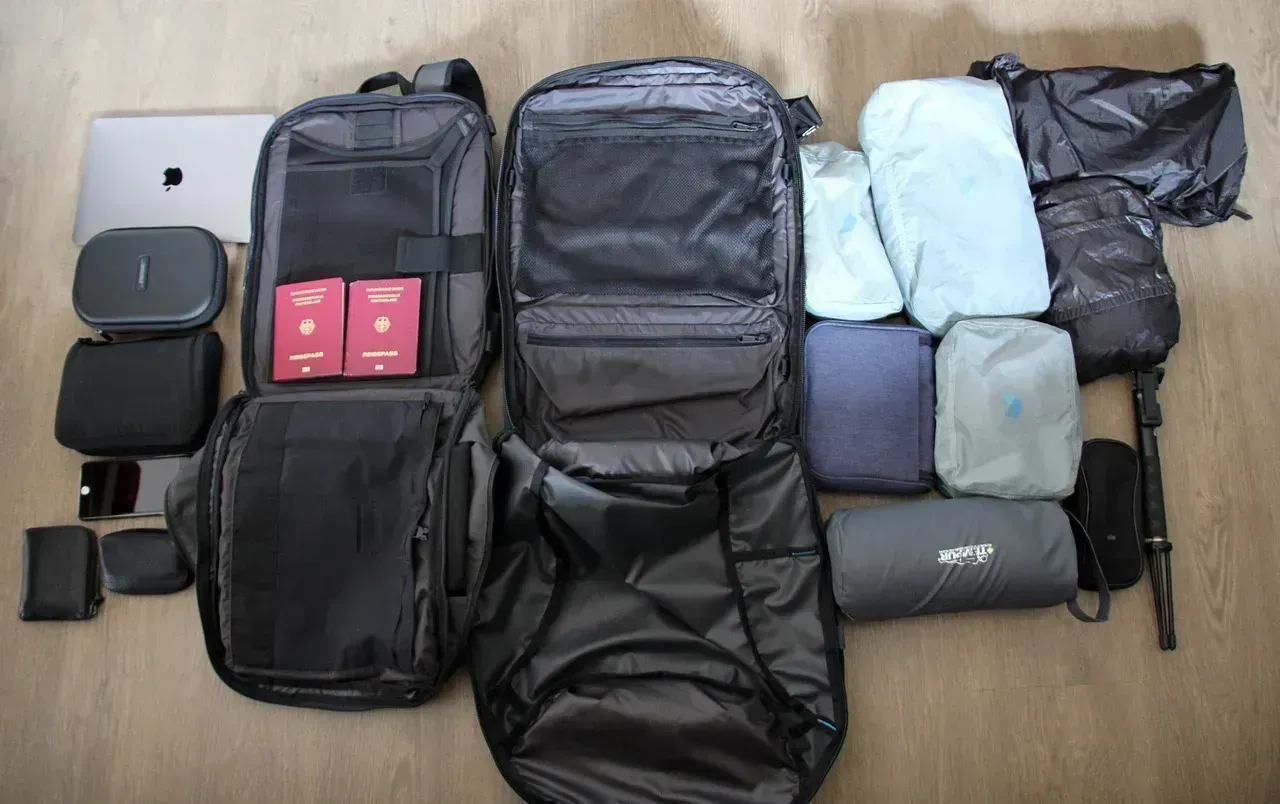
When it comes to carry-on luggage, flight attendants zero in on your bags, paying close attention to how many bags you have and how large they are. One of the reasons for this attention to detail is to ensure that you’re sticking to the rules of the plane. Flight attendants are the last line of defense against passengers who might try to board a plane with too many bags or luggage that’s too big to be a carry-on.
How you handle your luggage says plenty about your travel experience. Struggling with an oversized bag, blocking the aisle, or overstuffing bins can instantly catch an attendant’s eye. They observe whether you respect boarding procedures and remain patient while others settle in. Passengers who stay organized and move efficiently are appreciated for keeping the process smooth.
Flight attendants verify that carry-on items comply with airline policy and that no passenger boards in a confrontational state. Monitoring luggage size and behaviour reduces aisle congestion and prevents delays.
Flight attendants notice right away if you’re the type who will keep it contained or slowly expand like a gas. They’re watching for the passenger who instantly blocks the aisle while rearranging their entire backpack. They notice the person who needs three overhead bin attempts and a dramatic sigh, and the person who’s already elbowing into someone else’s space before takeoff.
5. Visible Signs of Illness or Physical Condition
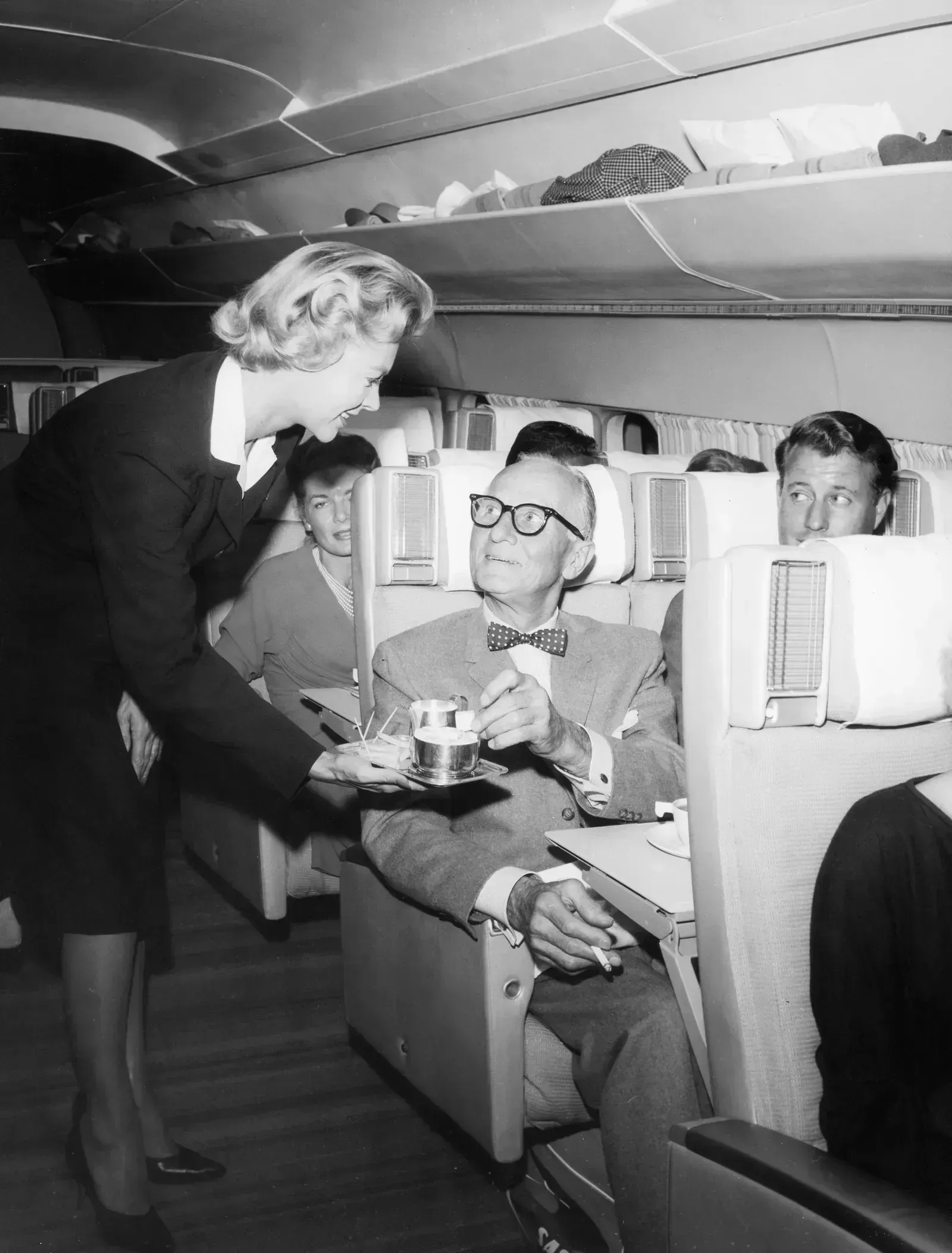
Flight attendants are searching for signs of illness during the boarding process. They’re about to share a confined space with hundreds of people, where germs can spread very easily. If the cabin crew knows you’re feeling under the weather, they can make arrangements to make you more comfortable, perhaps moving you closer to the toilets or giving you an aisle seat. If the illness or symptoms seem serious enough, flight attendants will need to make a call about whether or not you’re fit to fly. If not, you might have to leave the plane before takeoff.
In an enclosed environment, diseases that can be easily transmitted are not ideal, including measles and norovirus. If a passenger is suspected of carrying a communicable disease and passing it on during a flight, they can be offloaded as a threat to others.
The numbers behind in-flight medical events are genuinely sobering. Among nearly 78,000 analyzed in-flight medical events, the overall incidence was one event per 212 flights. Aircraft diversion occurred in roughly one in every sixty of those cases, most frequently due to neurological and cardiovascular conditions.
Flight attendants actually check for able-bodied passengers, known as ABPs, during boarding and note their seating placements. These individuals could be potentially helpful in an emergency. That’s why looking healthy and alert at the boarding door is genuinely more important than you might think.
6. Passengers Who May Need Extra Assistance, and Those Who Could Help
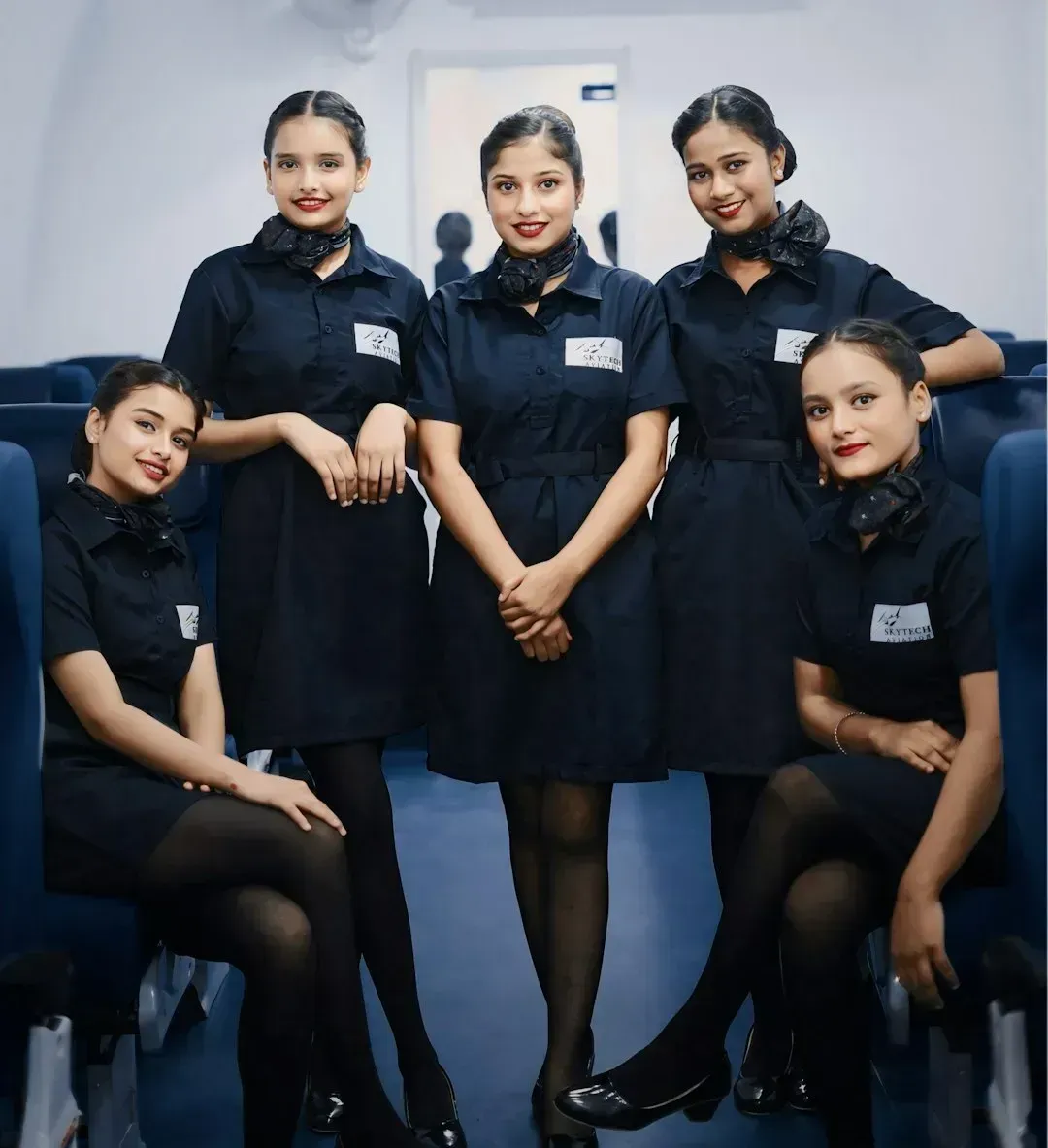
Flight attendants note passengers who may require additional assistance. Elderly travelers, parents with infants, or people with limited mobility often need tailored support during boarding and potential evacuation scenarios.
Flight attendants also look for individuals who could be helpful during an emergency. Able-bodied adults, medical professionals, and travelers who seem confident and alert may become valuable resources during rare but critical situations. Their presence is mentally logged and can support evacuation procedures or in-flight incidents.
Safety is the most important part of any flight, so flight attendants are always keeping their eyes peeled for able-bodied assistants. They look for passengers in military uniform and those of physical strength who may be willing to assist in cases of an evacuation or helping with an unruly passenger.
Cabin crew are trained to use these observations to create a mental map of the cabin. This awareness helps them respond quickly during turbulence, medical events, or abnormal situations while airborne.