Realtors Say Buyers Are Now Saying No to These 6 Once-Trendy Home Features
The real estate market can feel like a moving target. What seemed like the ultimate luxury five years ago might suddenly become the reason a property sits unsold for months. Buyers are no longer chasing the temporary high of a viral trend; instead, they are prioritizing long-term livability, wellness, and ease of maintenance. In November, Zillow predicted 4.3 million home sales in 2025, up from 4.1 million in 2023 and a projected 4 million in 2024. So if you’re thinking about selling, you need to understand what’s actually turning buyers away right now.
Bold Statement Wallpaper That Screams “Project”
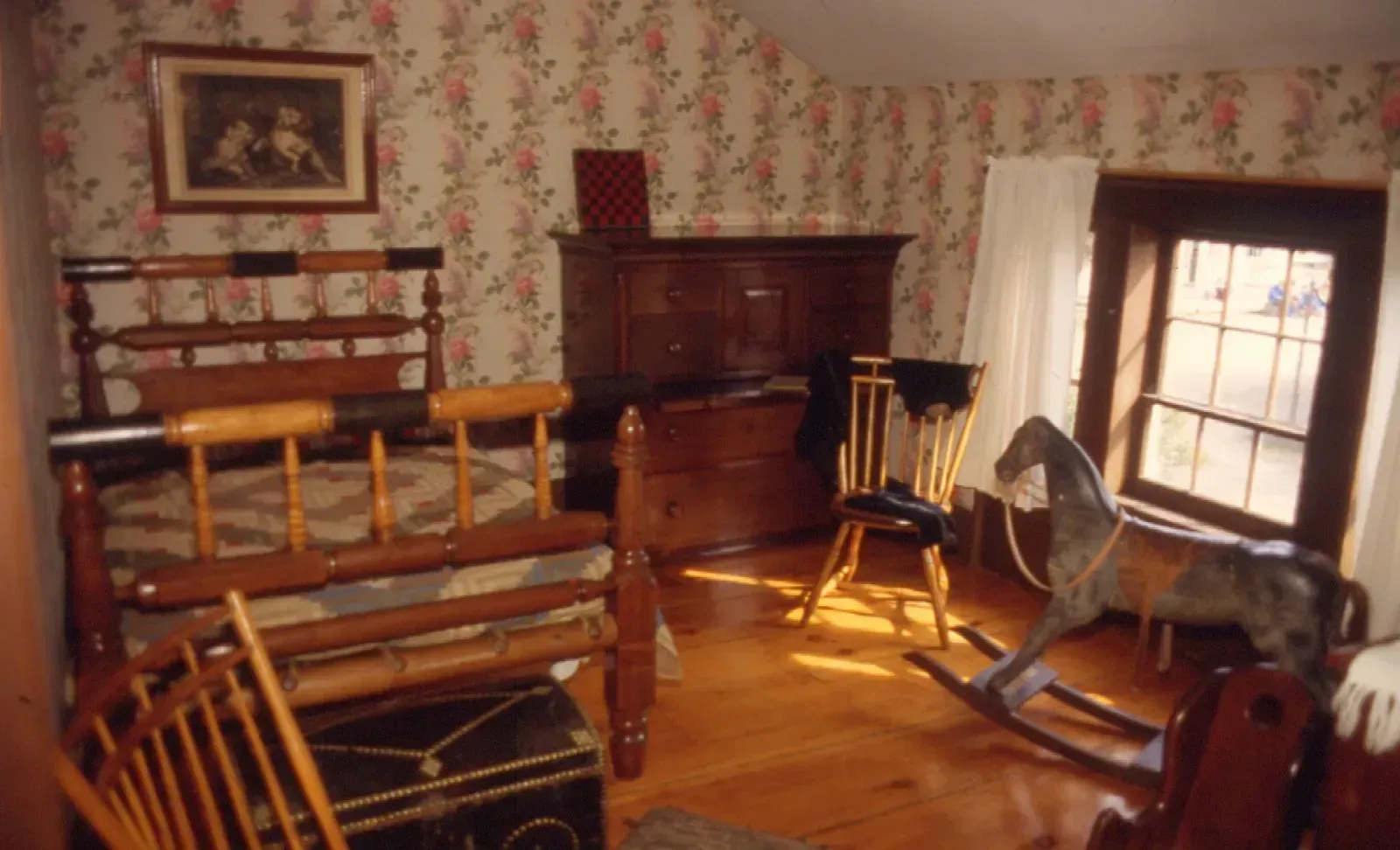
While the “grandmillennial” and “maximalist” trends brought wallpaper back into fashion, permanent, high-impact wallpaper is a major turn-off for move-in-ready shoppers. Real estate agents note that while bold patterns look great in photos, they dictate a very specific style that rarely matches a buyer’s personal furniture. Think about walking into a house where every wall is covered in dramatic botanical prints or busy geometric patterns. Most buyers immediately start calculating how many weekends they’ll spend scraping and steaming that paper off. The labor-intensive process of steaming and scraping old paper is a project that many buyers simply do not want to inherit. According to a 2025 market analysis from Vancouver Home Hub, homes with outdated or damaged wallpaper can deter buyers, while removing it and applying fresh paint significantly improves buyer perception and offers a strong return on investment.
Heavy Dark Wood Cabinets Making Kitchens Feel Smaller
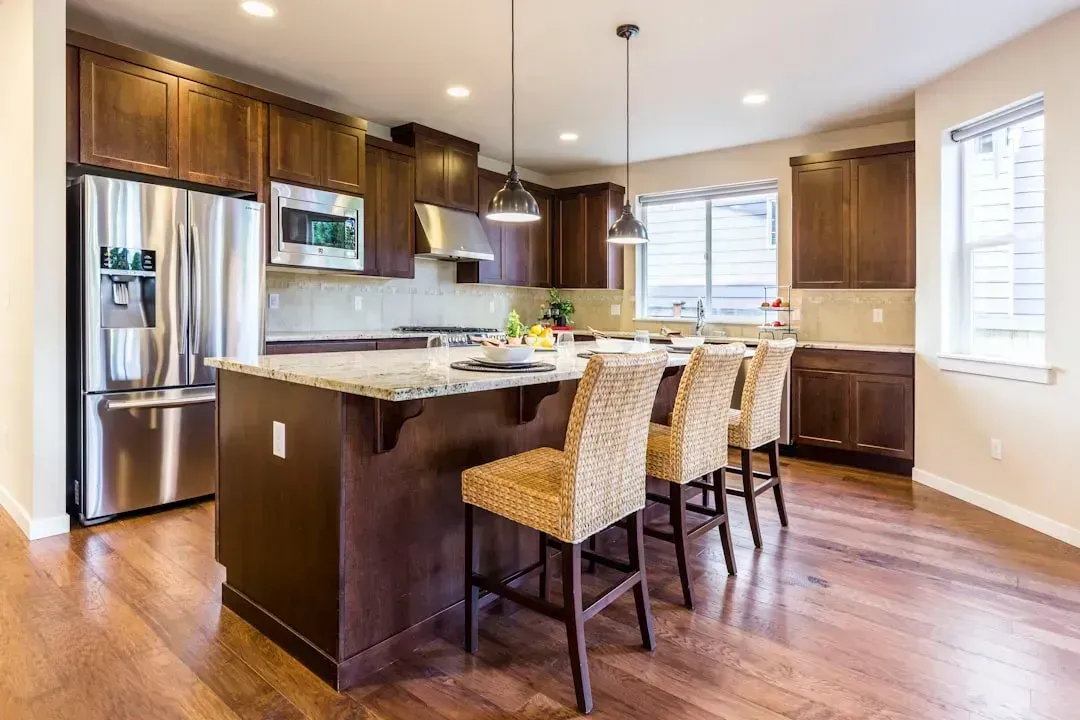
The heavy, dark cherry and espresso wood finishes that dominated kitchens and bathrooms for years are now being rejected in favor of lighter, natural tones. Dark cabinetry tends to absorb light, making even large kitchens feel cramped, dull, and less welcoming to prospective buyers. It’s honestly surprising how much difference cabinet color makes to a room’s entire atmosphere. In 2026, the trend has shifted toward “blonde” woods, rift-sawn oak, and painted cabinetry in soft, earthy hues. Buyers want spaces that feel airy and expansive, and heavy dark wood is increasingly seen as a visual weight that makes a home feel decades older than its actual age. As home buyers increasingly prefer bright, open spaces, dark wood finishes may lead to a 3-5% reduction in property value.
Formal Dining Rooms Nobody Actually Uses
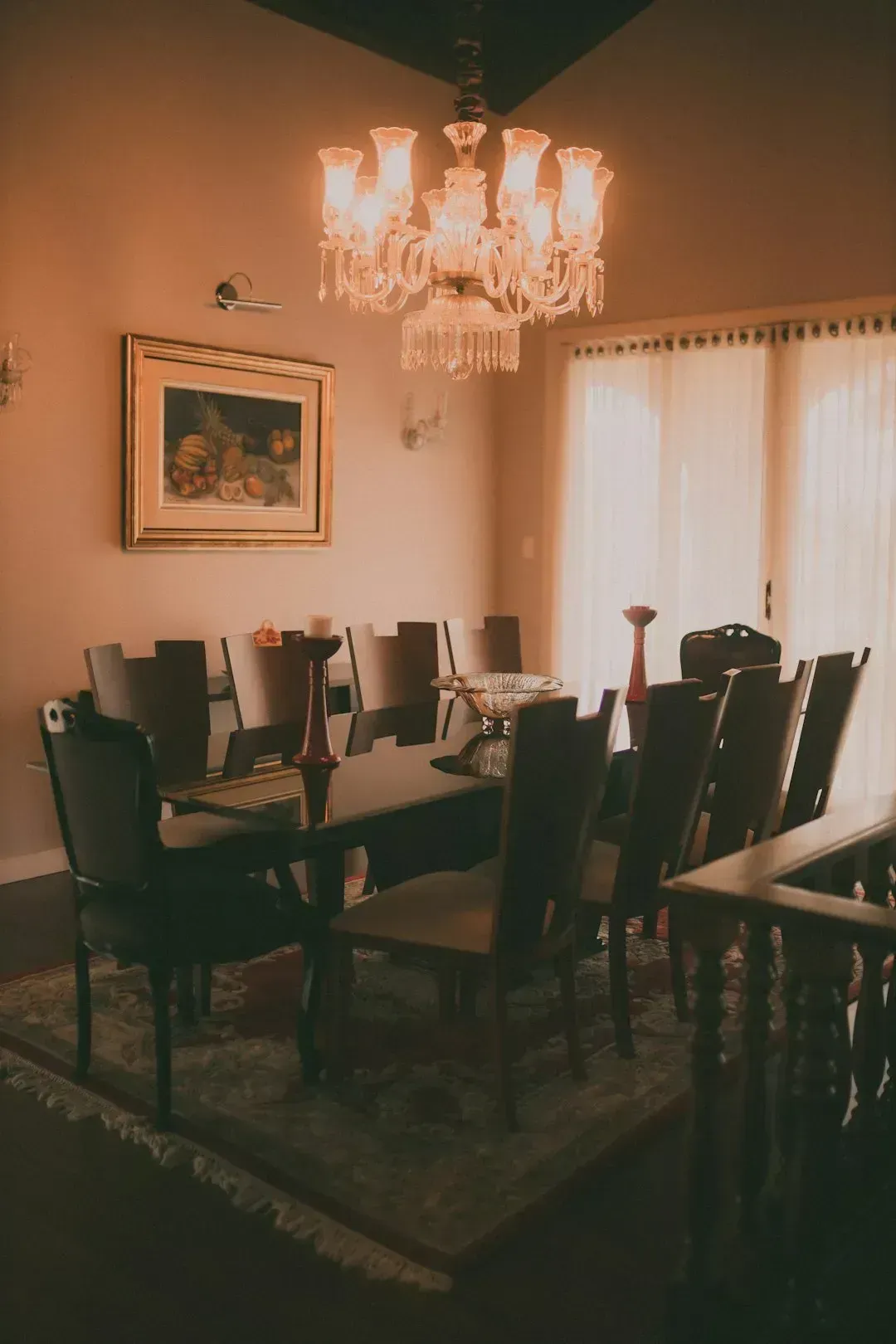
Formal dining rooms were long considered a standard feature in single-family homes, representing status and tradition. Today, however, many buyers see these spaces as underutilized or impractical. The post-pandemic era has emphasized flexible living, with homeowners needing areas that accommodate work, casual dining, and family activities. Let’s be real, most families use their formal dining room maybe three times a year. A trend report released by Realtor.com in late 2025 revealed that listings featuring formal dining rooms with built-ins saw a 25.3 percent year-over-year decline, signaling a massive drop in buyer interest. Many buyers see it as wasted square footage, especially when open-concept kitchens with eat-in islands are more practical. With more families eating on the go or gathering casually, a closed-off dining room feels outdated. Buyers now prefer multipurpose spaces that can serve as offices, playrooms, or flex rooms.
Oversized Soaking Tubs Taking Up Valuable Bathroom Space
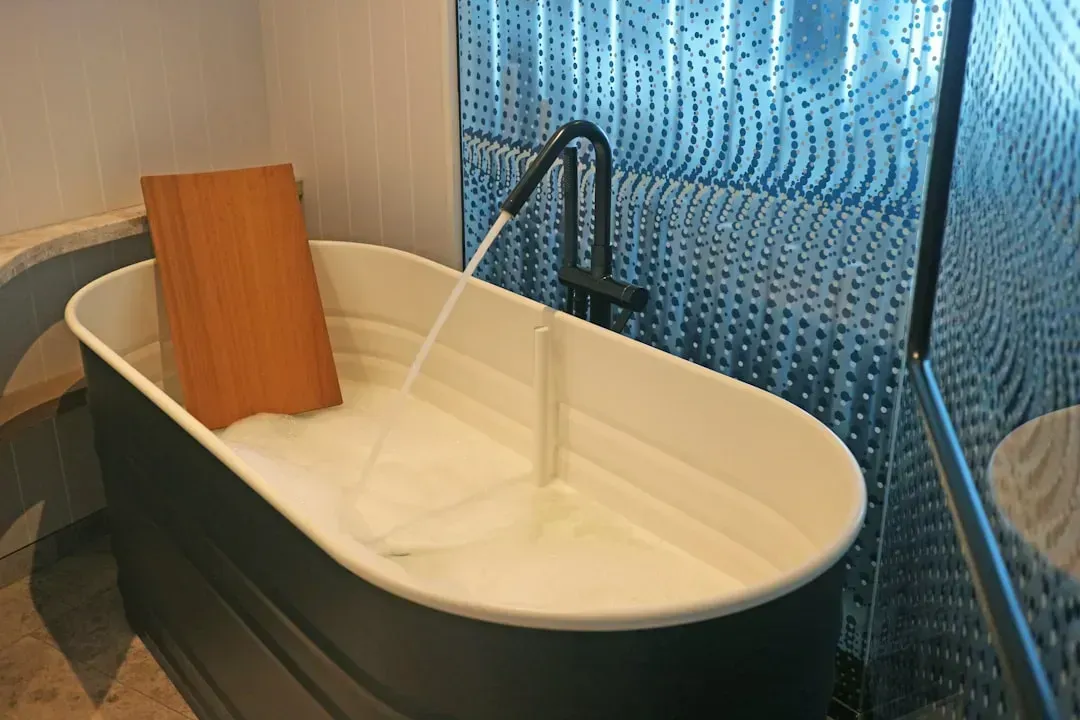
Large garden-style or freestanding tubs were traditionally considered a luxury feature in primary bathrooms. However, many buyers now prioritize functionality, storage, and accessibility over indulgence. Realtors report that oversized tubs can consume valuable floor space, leaving less room for walk-in showers, cabinets, or flexible layouts that better accommodate daily routines. Here’s the thing: most people shower, not bathe. A 2025 report from Houghton Contracting highlights that bathroom remodels focusing on walk-in showers and water efficiency are generating an ROI of 60 to 70 percent, outperforming the installation of large soaking tubs. That massive tub might look incredible on Instagram, but in real life it’s often just collecting dust and stealing square footage from practical storage solutions.
Double Wall Ovens Nobody Needs
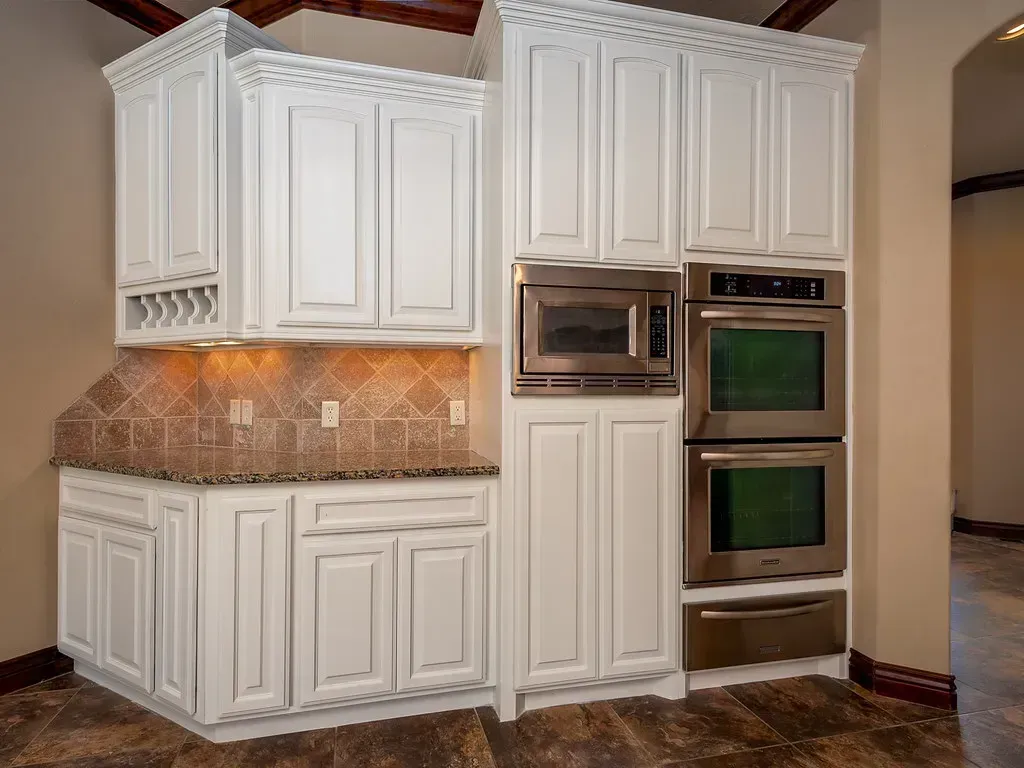
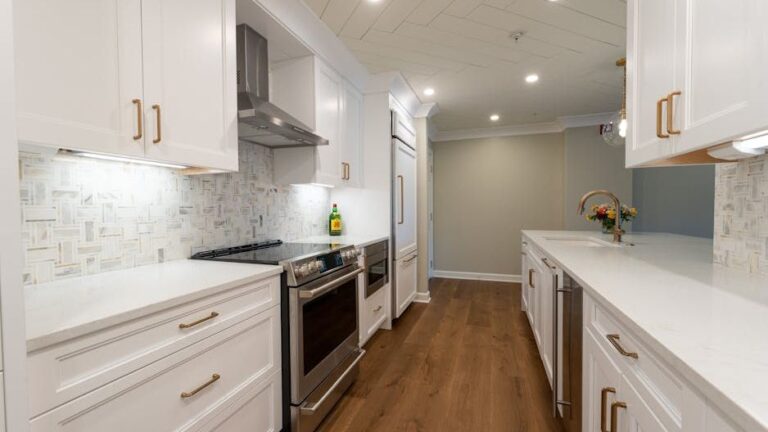
The prestige of the double oven is fading as kitchen technology advances and cooking habits change. Unless a buyer frequently hosts massive holiday dinners, sacrificing cabinet space for a second oven used only twice a year no longer makes sense. Countertop air fryers and multifunctional smart appliances have rendered the second wall oven largely obsolete for the average American family. Countertop air fryers, combination steam ovens, and induction cooktops now provide more flexibility for the average household. These multifunctional appliances satisfy most cooking needs without occupying large, permanent space in the kitchen. Kitchen real estate is precious, and buyers in 2026 are prioritizing pantry space and coffee bars over redundant cooking capacity.
Open Shelving That Creates More Work Than Wonder
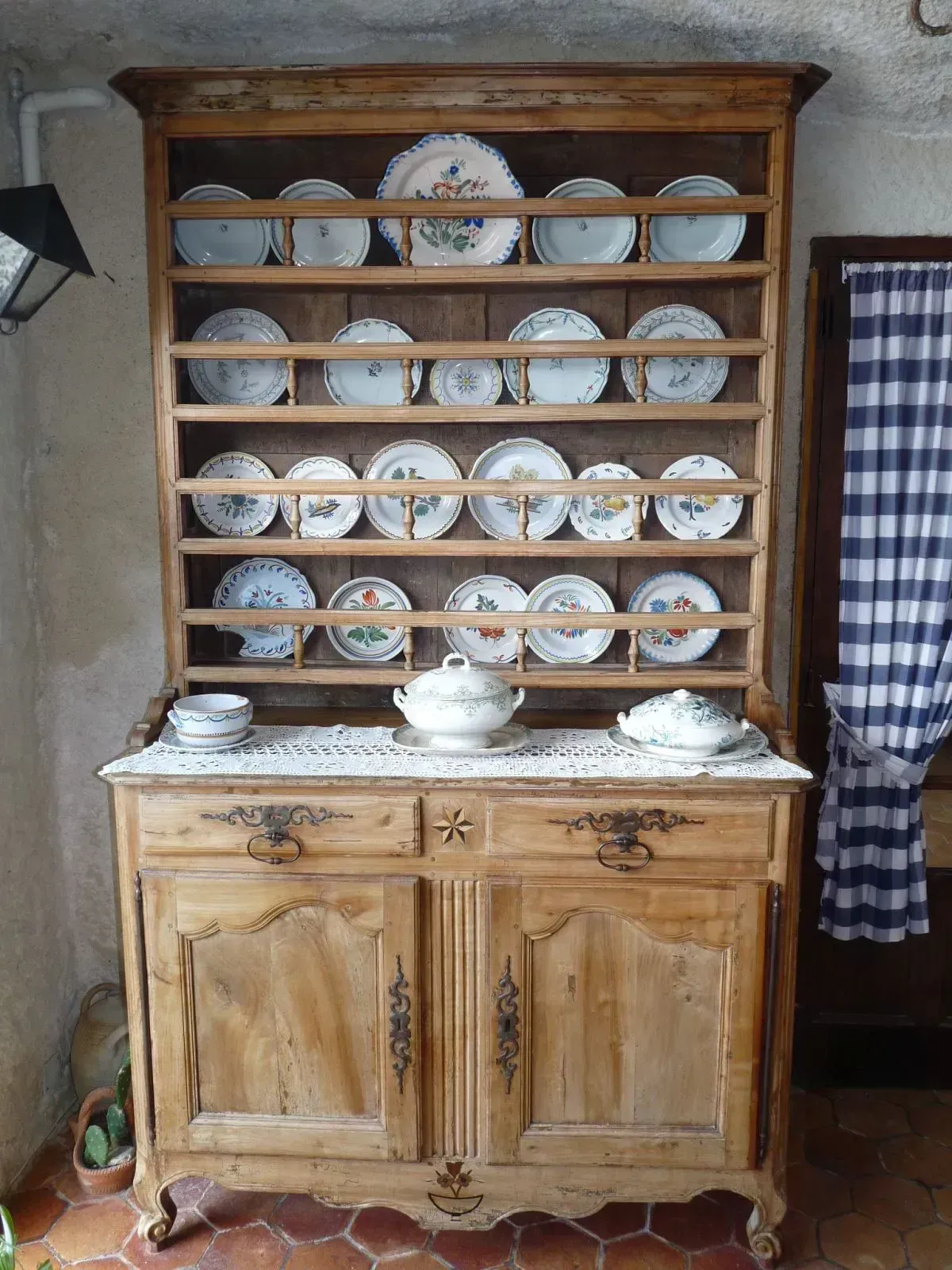
Open shelving once promised an airy, magazine-ready kitchen, but many buyers now see it as more trouble than it is worth. As you picture daily life, you quickly realize that open shelves demand constant tidying because every dish, glass, and appliance stays on display. Unless you’re genuinely committed to keeping your dishware Instagram-perfect at all times, those open shelves become a source of stress rather than style. Realtors say buyers worry about dust, grease buildup, and reduced storage, especially in busy households with kids or frequent cooking. In real life, you want cabinets that hide clutter, protect items, and offer flexibility. What once looked charming in photos now feels like extra maintenance, pushing buyers toward closed cabinetry with a cleaner, more forgiving appearance.