10 Things You Should Avoid Doing Right After Cutting the Lawn
Most people finish mowing, step back to admire their work, and think the hard part is over. Honestly, that moment right after putting the mower away is where a surprising number of lawn care mistakes happen. What you do – or don’t do – in the hours following a mow can mean the difference between a thriving, dense lawn and one that slowly struggles under invisible stress. Let’s dive in.
1. Watering Immediately Right After Mowing
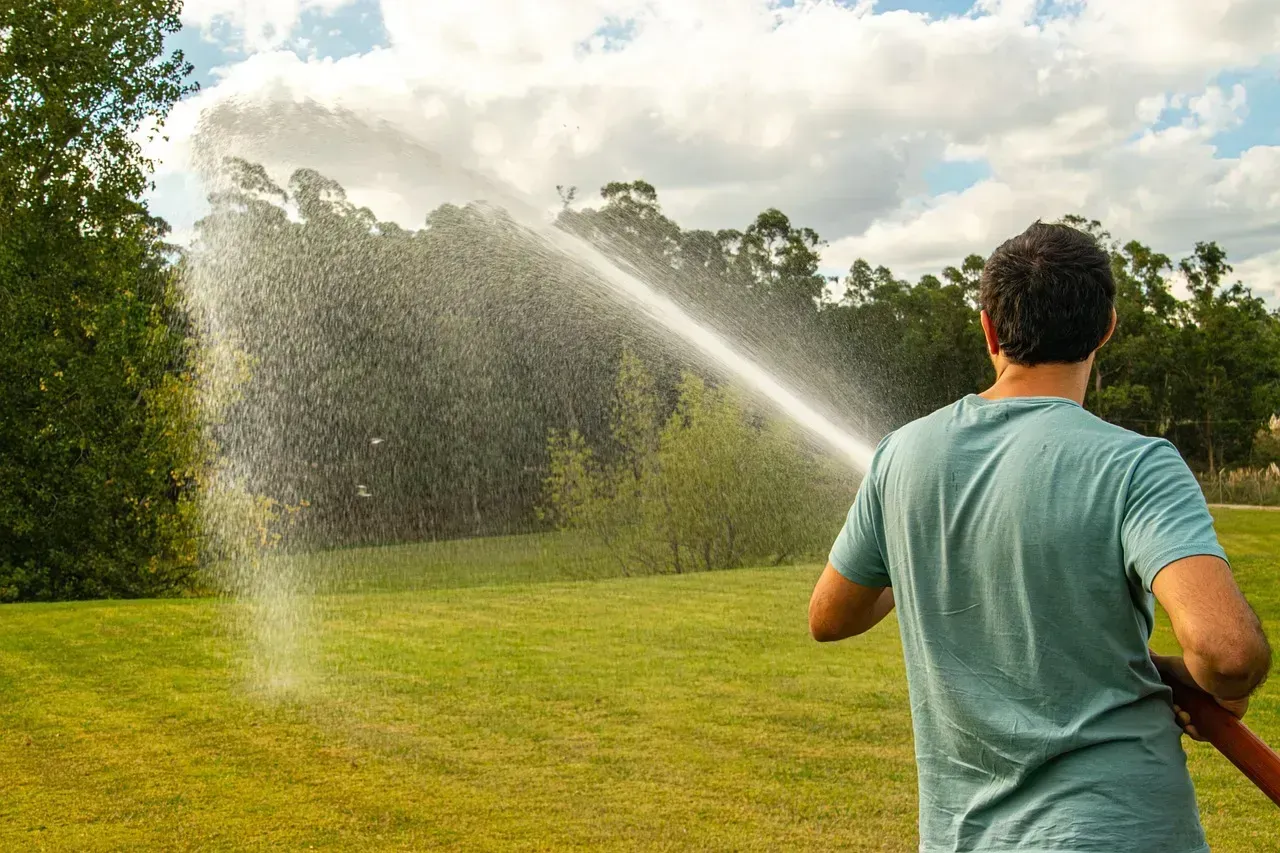
Here’s the thing – your instinct to water the lawn right after cutting it is not entirely wrong, but the timing matters enormously. Most lawn care experts recommend waiting about 30 to 60 minutes before turning on the sprinkler after mowing. That short window is more important than it might seem.
About half an hour to an hour gives grass the chance to seal microscopic cuts created by mower blades, and that protection lowers the risk of diseases, especially in warm, humid conditions. Think of it like a small wound on your skin – you wouldn’t immediately plunge it into water before it starts to close.
Watering your lawn after mowing is usually fine, but be cautious not to overwater or water during the hottest part of the day, as these practices can result in pest problems, scorching, or disease. Timing, as always, is everything.
2. Applying Fertilizer Immediately After Mowing
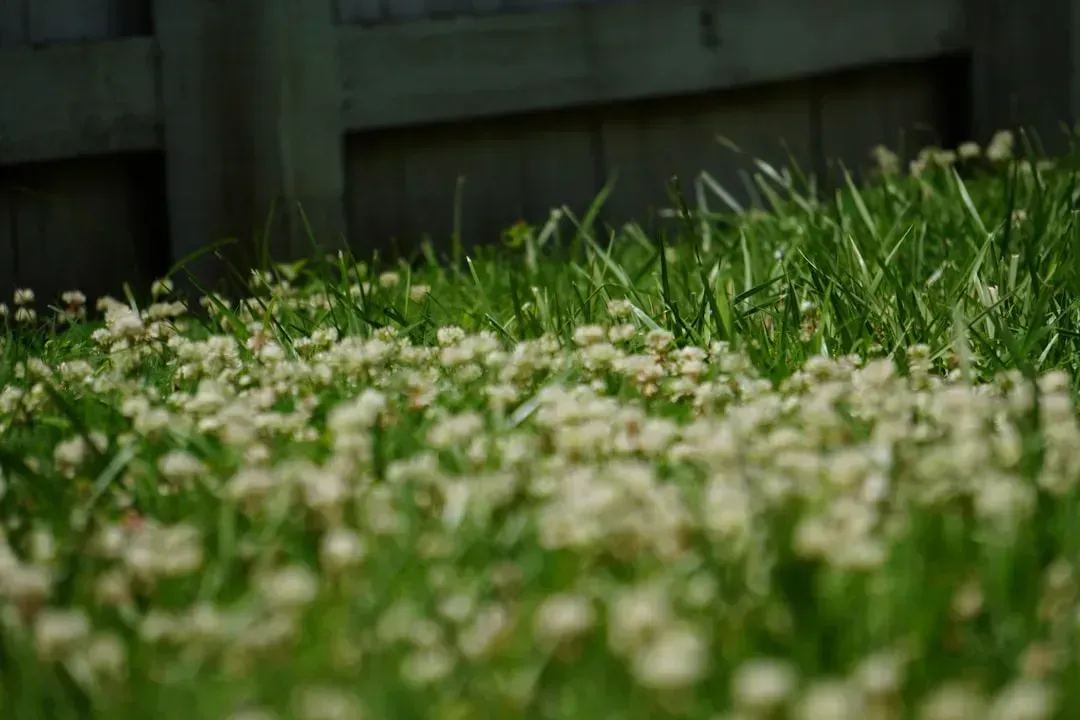
A freshly mowed lawn might look like the perfect canvas for fertilizer, but jumping in too fast is a mistake many homeowners make without even realizing it. Ideally, wait 24 hours after mowing before applying fertilizer, as this gives the grass time to recover from cutting and ensures nutrients penetrate the soil evenly without stressing freshly cut blades.
Excess nitrogen can scorch grass blades, leaving unsightly brown patches that take weeks to recover, and other issues caused by over-fertilization include increased susceptibility to pests and fungal diseases, as well as nutrient runoff into storm drains. That’s a lot of damage from rushing a single step.
If fertilizer sits too long without being watered in, it can also burn the grass. So the sequence matters: mow, wait, fertilize, then water correctly based on the fertilizer type you’re using.
3. Spraying Herbicides Too Soon After Mowing
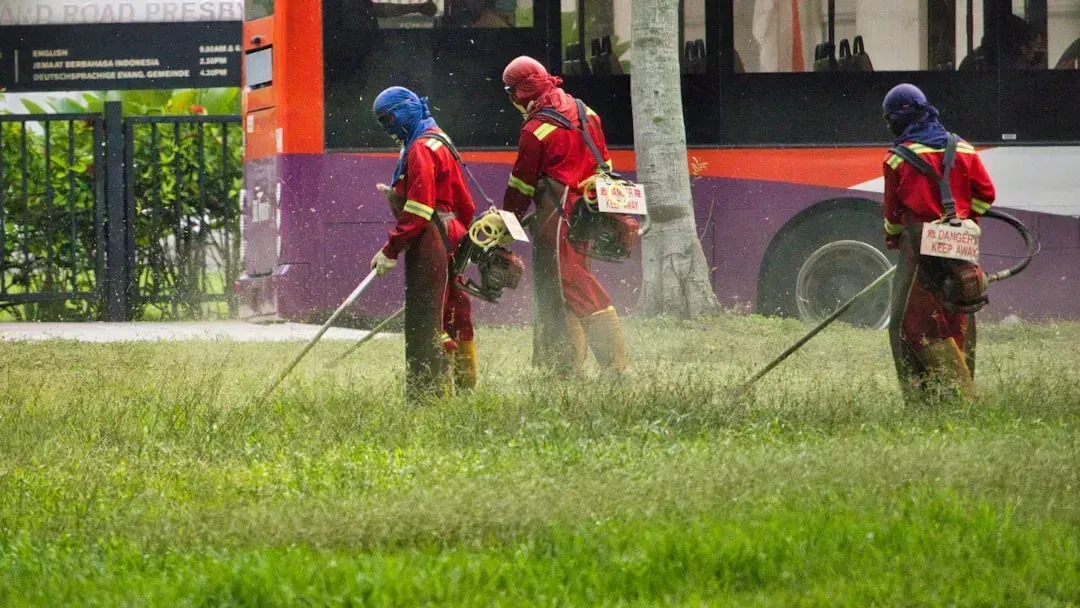
It seems logical to spray weeds right after cutting – you can clearly see what needs to go. But this is one of those cases where logic and reality don’t quite line up. You should wait 24 to 48 hours post any weed control treatment to mow, because it takes at least 24 hours for broadleaf weed control to translocate throughout the vascular system of the plant.
For the best results, wait 2 to 3 days after mowing before you spray post-emergent herbicides, as this gives the weeds enough time to regrow some leaf surface for the product to stick to, and then hold off on mowing for 2 to 3 days after spraying so the herbicide has time to work its way into the root system.
Mowing can stress your grass, especially turfgrass varieties sensitive to heat or over-trimming, and applying herbicides right after mowing adds extra stress, which may damage your grass blades. Patience here pays off in a much cleaner, weed-free result.
4. Heavy Foot Traffic on a Freshly Cut Lawn
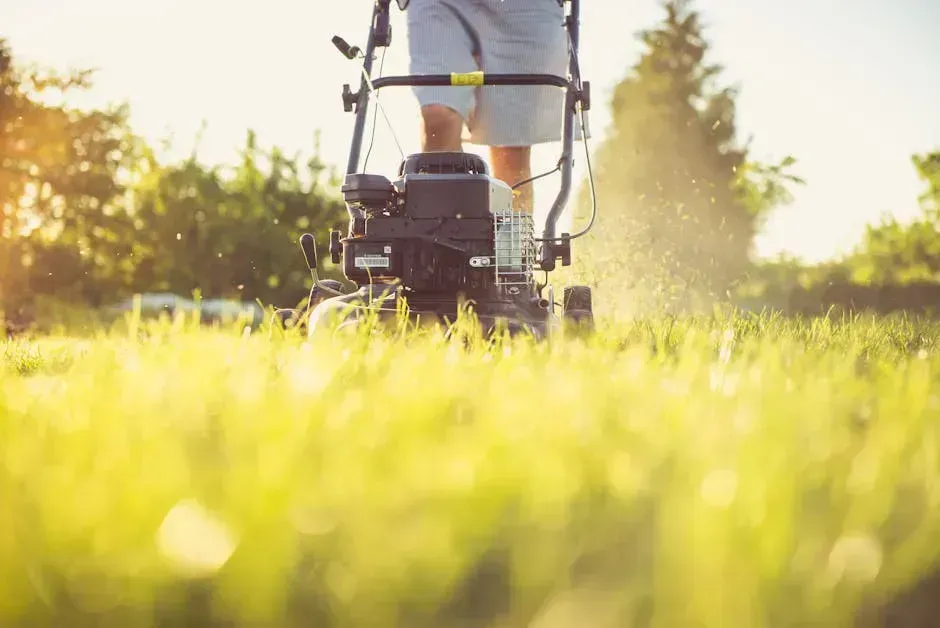
Right after mowing, many people treat the lawn like it’s ready for a garden party. But the grass is actually in a stressed, vulnerable state at that moment. Proper mowing technique, equipment, frequency, and height of cut will improve the quality of a lawn – but mowing is fundamentally a destructive practice because it reduces the amount of leaf tissue available for the production of energy.
Soil compaction impacts lawn health by reducing air space in the soil, making it tough for roots to grow properly, and regular mowing combined with foot traffic compound this issue, leading to stressed grass. Walking on it repeatedly right after cutting makes a tough situation worse.
Generally, staying off the lawn for at least 24 to 72 hours after fertilizer or treatment application is recommended, as this allows the treatment to absorb into the soil properly without interference from foot traffic. Even without a treatment applied, giving freshly mowed grass time to recover is just good practice.
5. Leaving Thick Clumps of Clippings on the Lawn
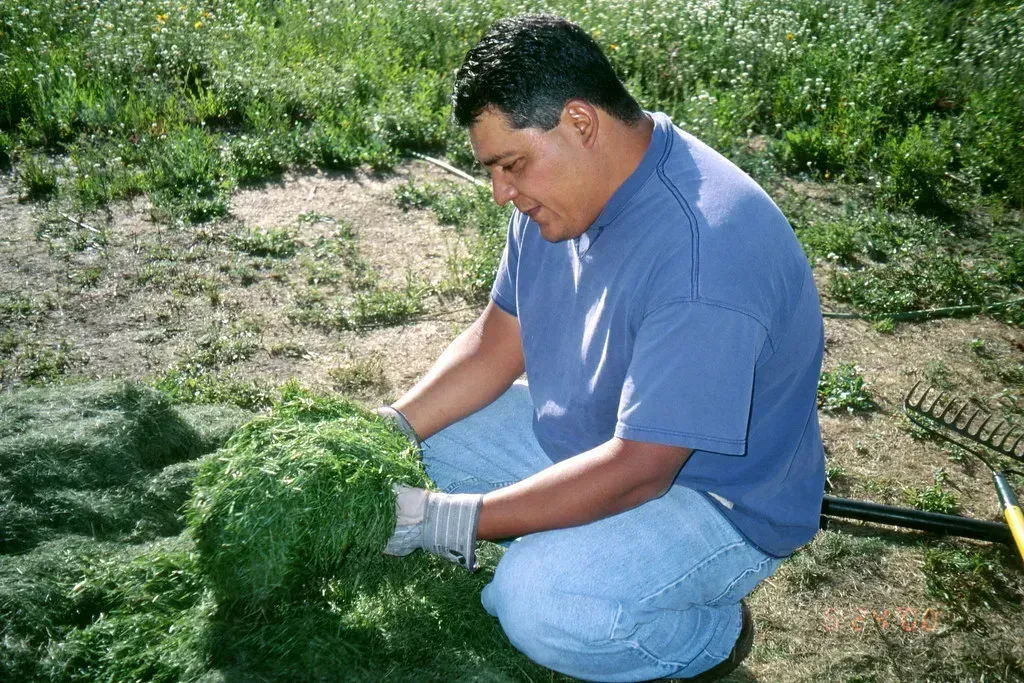
There’s a widespread belief that all grass clippings are bad for your lawn, and an equally widespread misconception that all clippings are fine to leave everywhere. Reality sits somewhere in between. While grass clippings can benefit your lawn, they can also be too much of a good thing, and bagging clippings when grass is long helps avoid leaving clumps that can damage grass.
Instead of spreading the mowed grass across the lawn in an even layer, you’ll end up with big, thick clumps of wet grass that smother everything underneath, and when grass is buried like this with airflow essentially stopped, the lawn becomes more susceptible to pests and diseases.
Grass clippings typically contain about 4 percent nitrogen, 1 percent phosphorus, and 2 percent potassium – and leaving clippings on the lawn reduces the need for fertilizer inputs, with research at the University of Missouri showing that not removing grass clippings can reduce a lawn’s overall fertilizer needs by roughly a quarter. So, spread thin clippings, remove thick clumps.
6. Watering Late in the Evening After Mowing
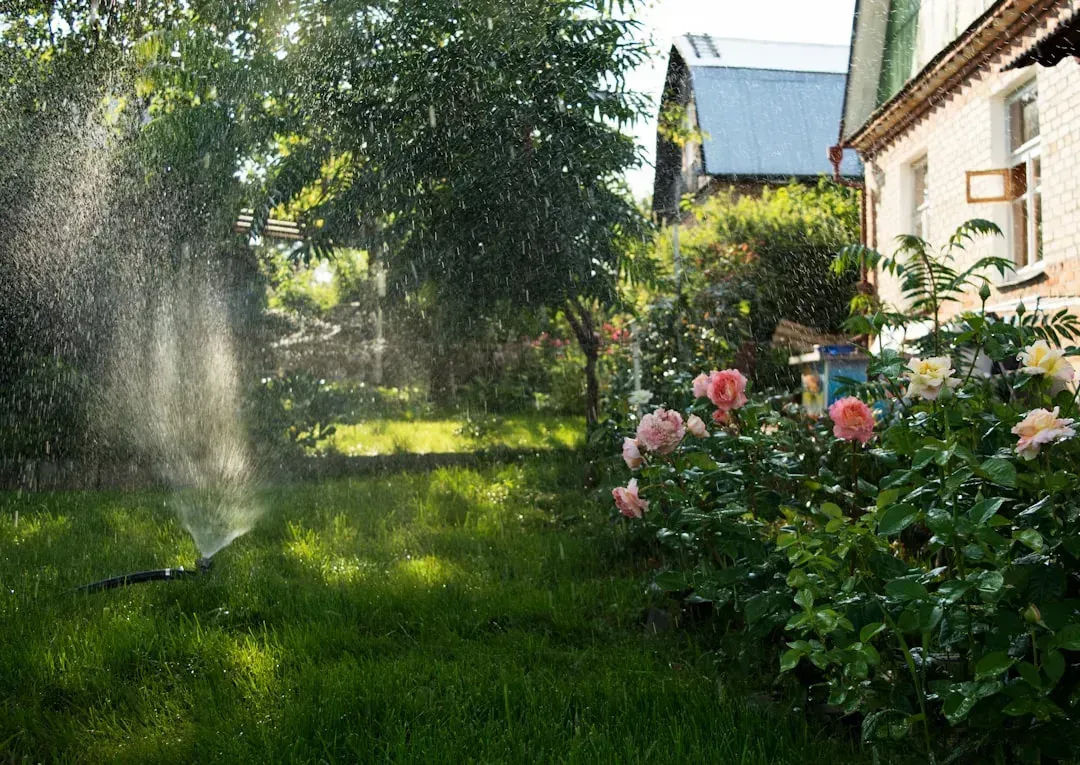
A lot of homeowners water after a late-afternoon or evening mow without thinking twice. It feels efficient – two chores done in one go. But the combination of freshly cut, open grass blades and overnight moisture creates a real problem. Your lawn needs time to recover and heal before the sun sets and dew develops, and if it doesn’t have time to heal, you risk exposing your freshly cut grass to disease.
Watering in the early morning is ideal to reduce evaporation and allow grass blades to dry during the day, and watering at night can promote disease and fungal growth. The combination of cuts and moisture staying on the blades overnight is essentially a welcome mat for fungal infections.
Early morning is the best time to water – it’s still cool, so all that valuable water won’t evaporate in the hot sun, and wrapping up watering as close to sunrise as possible is the ideal approach. Keep that in mind whenever your mowing schedule runs into the evening.
7. Mowing Again Too Soon or Cutting Too Short
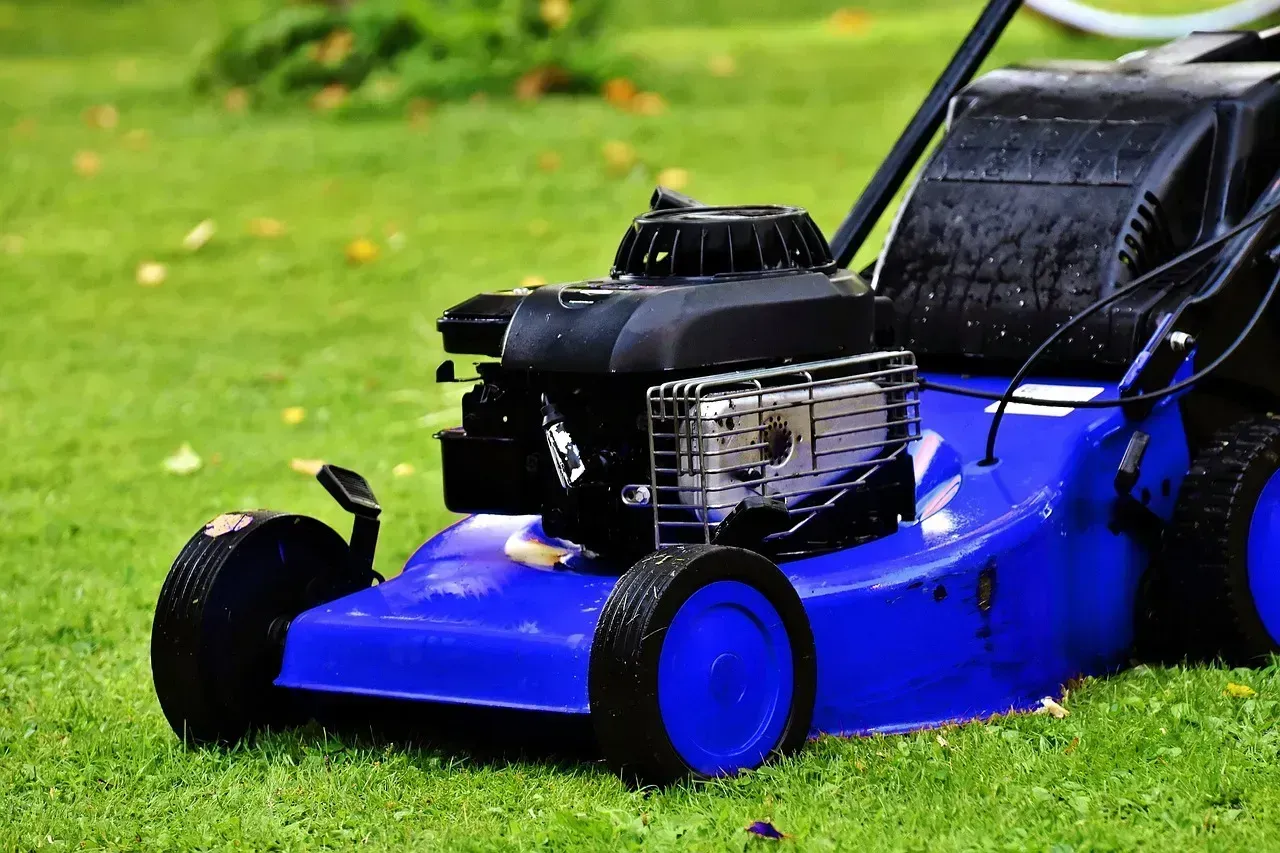
Right after cutting, some homeowners notice a spot they missed and immediately go back over the lawn, or they cut it extra short thinking it’ll save them work later. Both are bad ideas. You should remove no more than one third of the leaf tissue when you mow, because mowing too short or scalping results in stress to the grass plant, and weak grass plants will take longer to recover.
Cutting your lawn too short stresses it out and could cause yellowing, browning, or let weeds in – and it will still grow just as fast, so you’re not saving yourself any time. I know it sounds counterintuitive, but shorter is genuinely not better here.
Scalped lawns develop shallow root systems and are more apt to die out during the heat of summer, and they are also more prone to weed infestation and tend to grow poorly under drought stress. The lawn’s health is almost always improved by restraint rather than aggression.
8. Ignoring the Mower Blades After Use
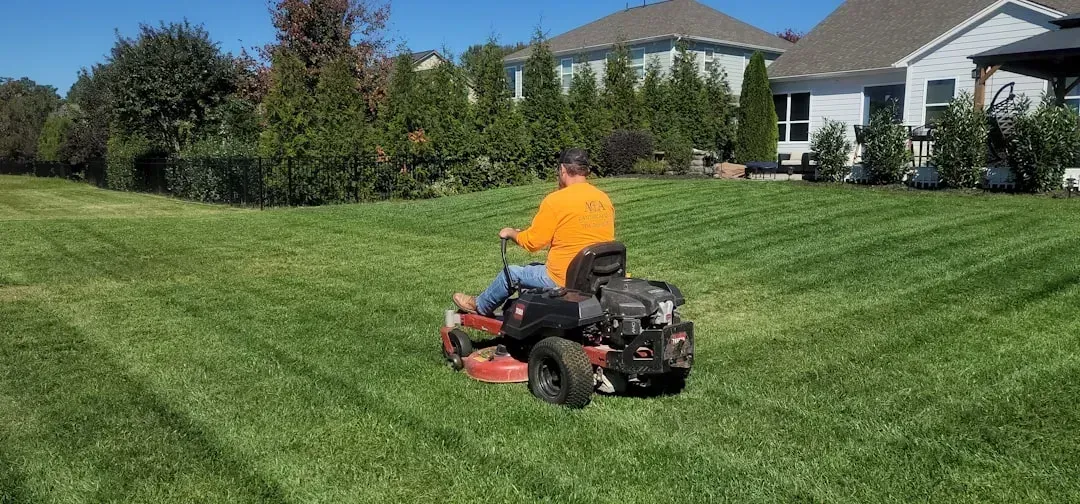
Once the mowing is done, most people just roll the mower into the garage and walk away. Few think about the state of the blades – but this directly impacts the next mow, and ultimately the health of the grass over time. A dull blade can increase fuel consumption by as much as roughly one fifth, and a dull mower blade tears the leaf instead of making a clean, sharp cut, which makes the torn leaf blade more susceptible to invasion by disease.
The shredded leaves develop brownish tips in two or three days after mowing, but by using a sharp blade, the lawn looks better and is healthier. That browning you sometimes see a few days after mowing? Often it’s not a disease issue at all – it’s a blade issue.
If you mow your own lawn, you should sharpen the blade 2 to 3 times each year. It’s a quick maintenance task that pays dividends every single time you mow. After finishing a mow session is the perfect mental checkpoint to assess whether the blades need attention before the next use.
9. Not Checking for Clippings Blocking Drainage or Pathways
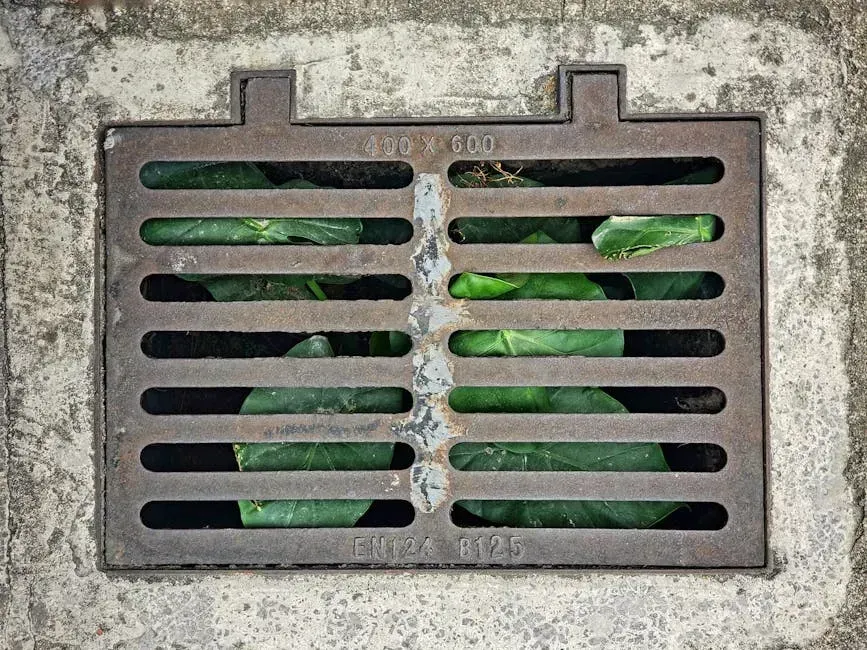
This one flies under the radar completely. Right after mowing, it’s easy to admire the clean lawn while piles of clippings have accumulated on paved paths, driveways, or near drainage areas. Leaving them there causes more problems than people expect. It’s best to do any final mow when your lawn is dry to prevent grass from clumping – otherwise, it may encourage mold growth.
When you cut, you should rake back grass cuttings, as leaving them on the lawn can stop the regrowth of wildflowers, which prefer less fertile soil. Beyond wildflowers, clippings left blocking drainage can create compacted, soggy patches that invite moss and disease.
Leaving your cuttings in certain areas of your lawn is fine if you like the lush grass look, or you can use the cuttings as mulch on your vegetable beds to stop weeds growing and retain moisture. It’s all about being intentional with where those clippings end up, rather than just ignoring them entirely.
10. Forgetting to Check for Wildlife After Long or Warm-Season Growth
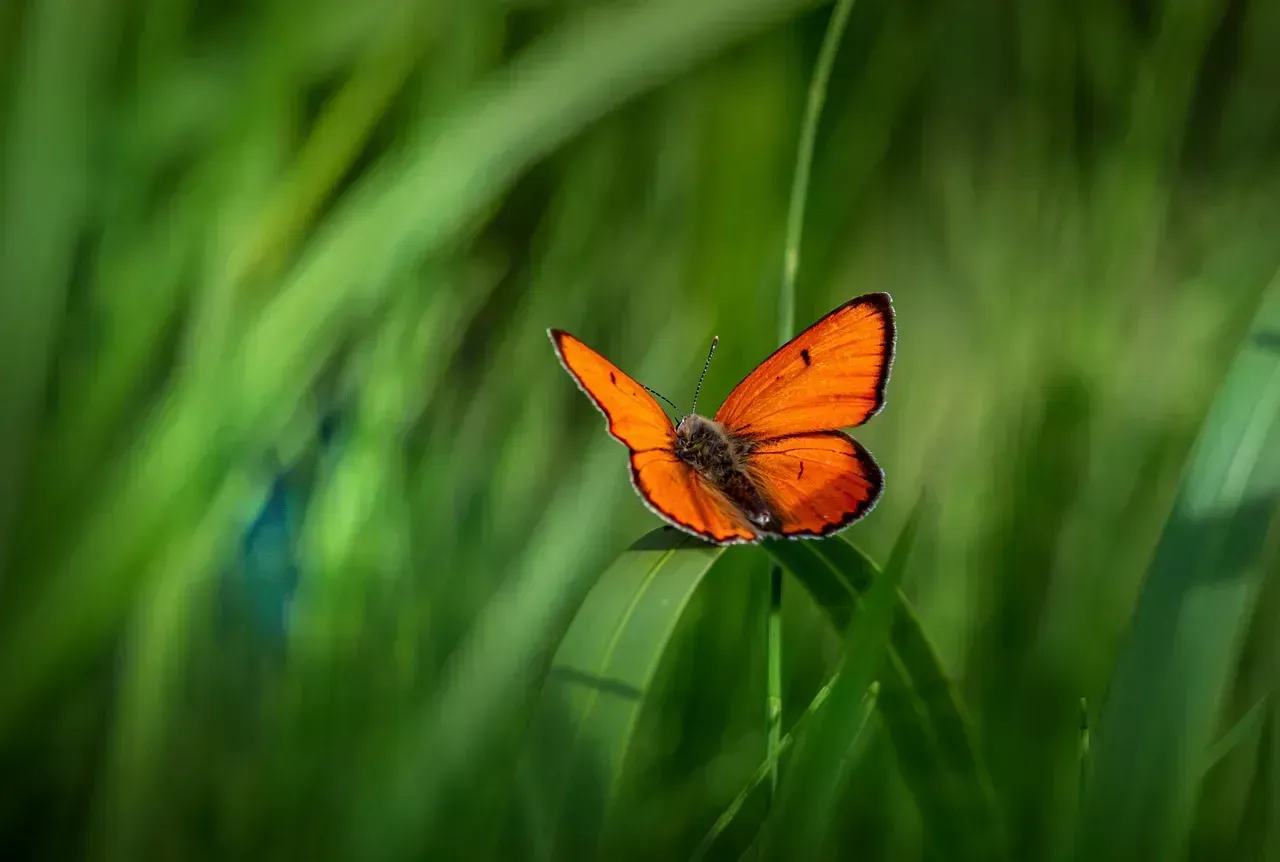
This last one might surprise you. Most lawn care guides focus entirely on the grass itself, but right after cutting – especially after a longer growth period – there’s a hidden concern that’s easy to overlook entirely. The first cut back after a period of long grass can be horribly hazardous for wildlife that has grown used to living freely in the grass, and there have been reports of people mowing over frogs and slow worms.
Research results from Plantlife’s No Mow May experiment are clear: changing the way we mow can result in a tenfold increase in the amount of nectar available to bees and other pollinators. After mowing, checking the cut area for displaced or injured small animals takes only a minute and makes a real difference to local wildlife.
Before you mow a patch, try to disturb the grass a little by batting it or wandering through it so any animals have a fighting chance to escape. After mowing, take a moment to scan the area. A freshly cut lawn can look pristine while a hedgehog, toad, or beetle is sitting shocked somewhere in the clippings. It costs nothing to look.