The Great Great Lakes Migration: Why Millions Are Quietly Buying Homes in the Rust Belt
Something is shifting in America’s housing map, and it’s happening quietly. Buyers who once scrambled for homes in the Sun Belt or along the coasts are turning their eyes toward cities they might have dismissed a decade ago – Cleveland, Buffalo, Pittsburgh, Columbus, and Grand Rapids. Nationally, households must earn over $106,000 annually to afford a median-priced home at today’s mortgage rates, well above the U.S. median household income, and that gap is pricing enormous numbers of would-be buyers out of most major markets. The Rust Belt, long written off as a relic of a faded industrial age, is quietly rewriting its own story – and buyers are paying attention.
The Affordability Gap That’s Driving People North and West
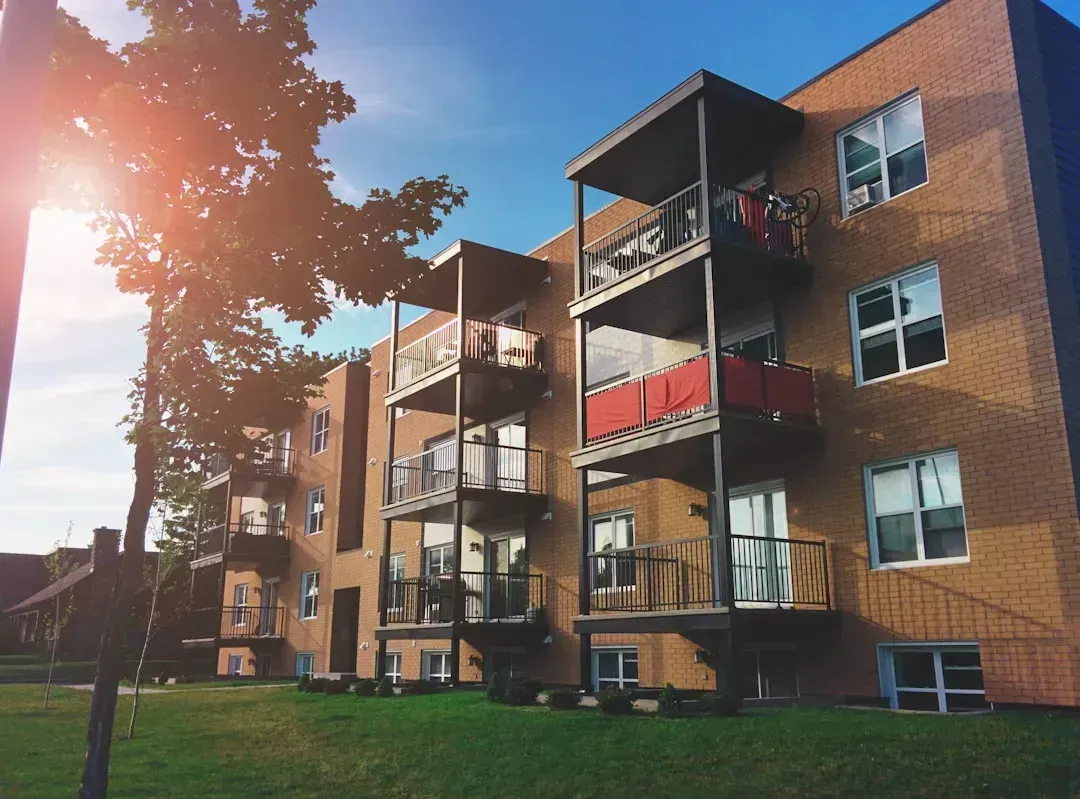
The median cost of a home in the U.S. was around $447,435 as of mid-2025, per Redfin, so when you see that Pittsburgh’s median home price is just about $270,000, it’s easy to see why the “affordable” label sticks. That price gap isn’t trivial – it represents the difference between a life of financial strain and genuine home ownership for millions of Americans. According to Redfin economist Daryl Fairweather, it’s still possible to buy a home for less than $400,000 in Rust Belt, Midwestern, and Northeastern cities – while in other parts of the country, buying a starter home has become nearly impossible.
A recent Zillow analysis found that the typical starter home costs at least $1 million in 233 U.S. cities, with roughly half of them located in California and many others clustered around major metros in New York, New Jersey, and Massachusetts. That stark reality is pushing a whole generation of younger buyers to reconsider where they want to plant roots. The highest price-to-income ratios can be found in California, the Pacific Northwest, and the Northeastern megalopolis extending from Washington D.C. to Boston, while the lowest price-to-income ratios are found in the lower Great Lakes region extending from central Illinois to central New York state.
The Cities Leading the Pack – and the Data Behind Them
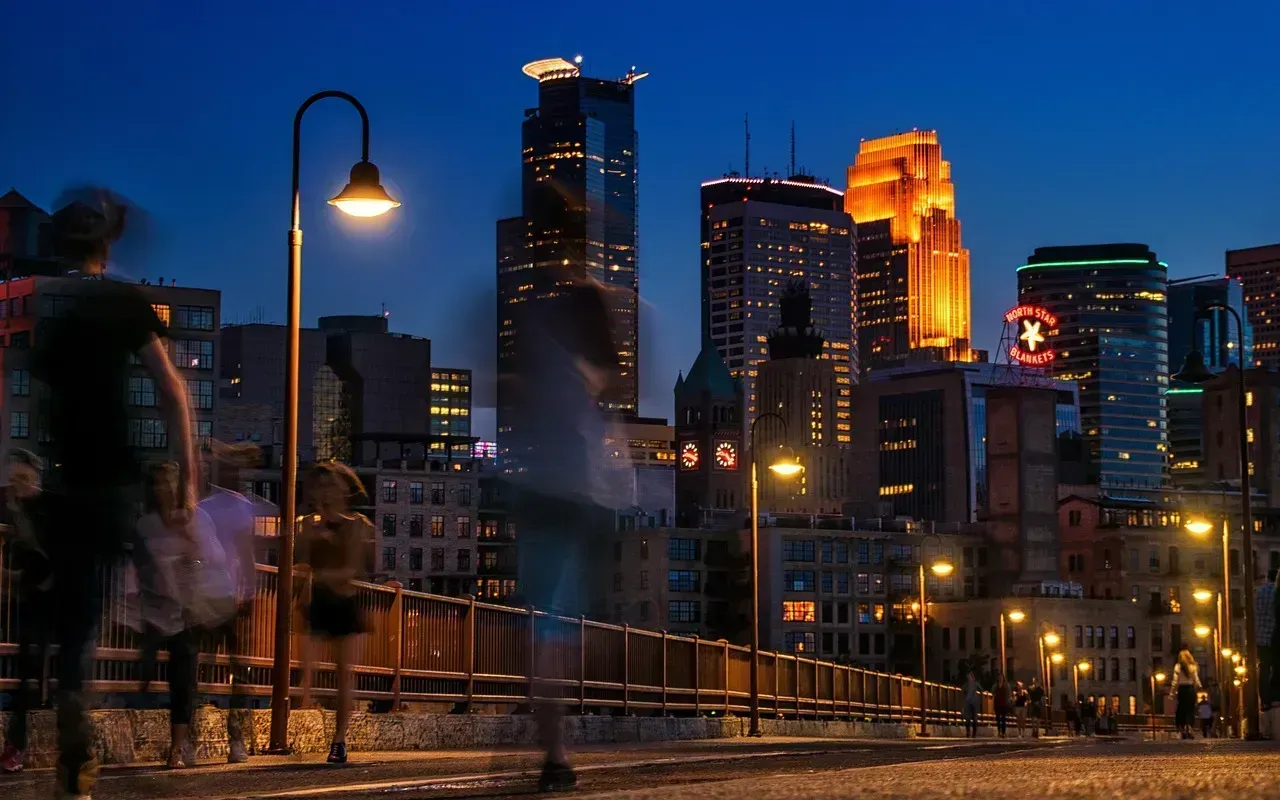
Columbus, Ohio, ranks first in housing and is in the top five for all four major revival categories, with a growing economy that includes “new collar” high-tech manufacturing. It’s the kind of city that surprised skeptics by becoming a genuine magnet for young professionals. In Rust Belt cities with over 200,000 residents, Madison, Wisconsin, and Buffalo, New York, led the way – Madison saw a seven percent population increase adding 18,000 new residents and had the highest median household income, while Buffalo, long associated with population decline, matched Madison’s growth and boasted a 40 percent increase in median household income.
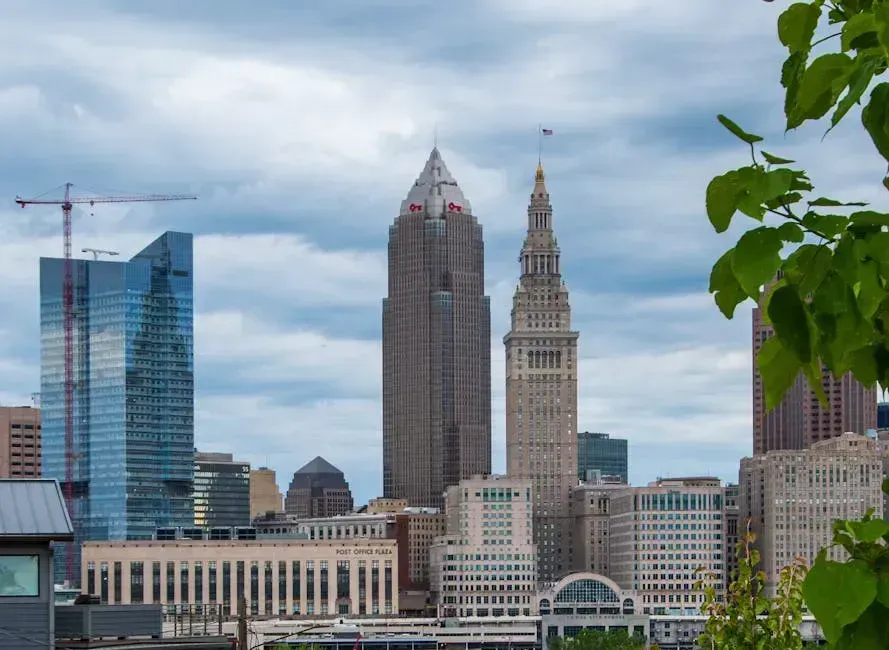
Buffalo, Cincinnati, and Cleveland were expected to be among 2024’s hottest housing markets, according to a Zillow forecast – a prediction that would have sounded like a punchline just a decade earlier. The numbers are backing that prediction up. Cleveland led all major markets with a 4.5 percent annual increase in home values, followed by Hartford at 4.4 percent, Milwaukee at 4 percent, Buffalo at 3.7 percent, and Chicago at 3.7 percent, according to a January 2026 analysis. Meanwhile, home values fell year over year in twenty-five markets, most of them situated in the South or West, creating a sharp and increasingly visible contrast between the coasts and the heartland.
The Tech and Jobs Revolution Remaking Rust Belt Cities
Unused factories in metropolitan areas like Pittsburgh, Cleveland, and Buffalo are being converted by tech firms like Google’s Alphabet, Uber Technologies, and Amazon, and unlike costlier tech-heavy hotbeds like Silicon Valley, investors find cities across the Rust Belt to be more attractive investments that are easier to grow and scale. This isn’t just a real estate story – it’s an economic transformation that’s creating the jobs that make buying a home in these cities a rational long-term bet. Pittsburgh is now home to over a hundred startups in AI and robotics alone.
Some former industrial cities are now seeing an economic revival as they attract white-collar jobs – Baltimore has one of the largest clusters of healthcare jobs in the U.S., and both Baltimore and Pittsburgh have started to lure businesses and talent in tech and finance. University cities are playing a central role here too. Grand Rapids, Michigan, is home to Western Michigan University, showing that university towns are today’s hot regional economic hubs, while Madison, Wisconsin, leads in both economy and workforce with the top overall GDP growth over the past five years and the second-lowest unemployment rate.
Climate Migration and the Fresh Water Advantage

There is an increasing chance that future waves of migrants from Florida, Arizona, California, and beyond could move to Great Lakes cities as extreme weather events prompt people to rethink where they want to live – hurricanes in Florida are leading to insurance companies fleeing the Sunshine State, wildfires in California are resulting in urban devastation on a major scale, and Phoenix, Arizona, experienced 21 consecutive days of record-breaking high temperatures last year, while the highest temperature ever recorded in Detroit was 105°F, back in 1934. That contrast is not lost on people making long-term decisions about where to live. Researcher Jesse Keenan, an associate professor of sustainable real estate at Tulane University, predicts as many as 50 million Americans may relocate to climate havens within the U.S. in the coming decades.
The Great Lakes are home to 20 percent of the world’s freshwater, making the region highly desirable from a longevity standpoint, according to Ashley Soltysiak, climate and environment program director for the Traverse City-based nonprofit Groundwork Center for Resilient Communities. Research supports this instinct. The Rhodium Group prepared a study for the New York Times and ProPublica which generally showed that by the end of the century, Great Lakes states are expected to be among the safest regions of the country, with access to fresh water and moderate temperatures as key ingredients.
Migration Patterns Are Already Shifting – What the Data Shows

Several states that had been struggling with outflow, including Michigan, Minnesota, Virginia, and Ohio, began showing minor positive inflow during the 12-month window ending January 2025, and as home affordability erodes in pandemic-era hot spots like the Mountain states and Sun Belt, these areas may emerge as new destinations for Americans seeking lower costs of living. The Sun Belt’s dominance as a destination for relocators appears to be plateauing. California, New York, and Illinois saw population outflows slow dramatically during the 12 months ending January 2025, while domestic migration magnets such as Georgia, Texas, and Florida saw inflow flatten to zero.
According to American Enterprise Institute data, eight of the nine cities achieving the highest appreciation in housing prices for a twelve-month period hailed from the Midwest – that kind of dominance is hard to ignore and reflects something structural rather than a blip. moveBuddha predicted that in 2024, Rust Belt cities would see an uptick in migrations, and the evidence since has validated that call. A growing trend is the migration of people from expensive metropolitan areas to more affordable regions, as home prices in places like New York City and Los Angeles continue to climb, making Buffalo and other parts of Western New York increasingly attractive – and that pattern has accelerated steadily heading into 2025 and 2026.
The Uneven Revival – Not Every Rust Belt City Is Winning
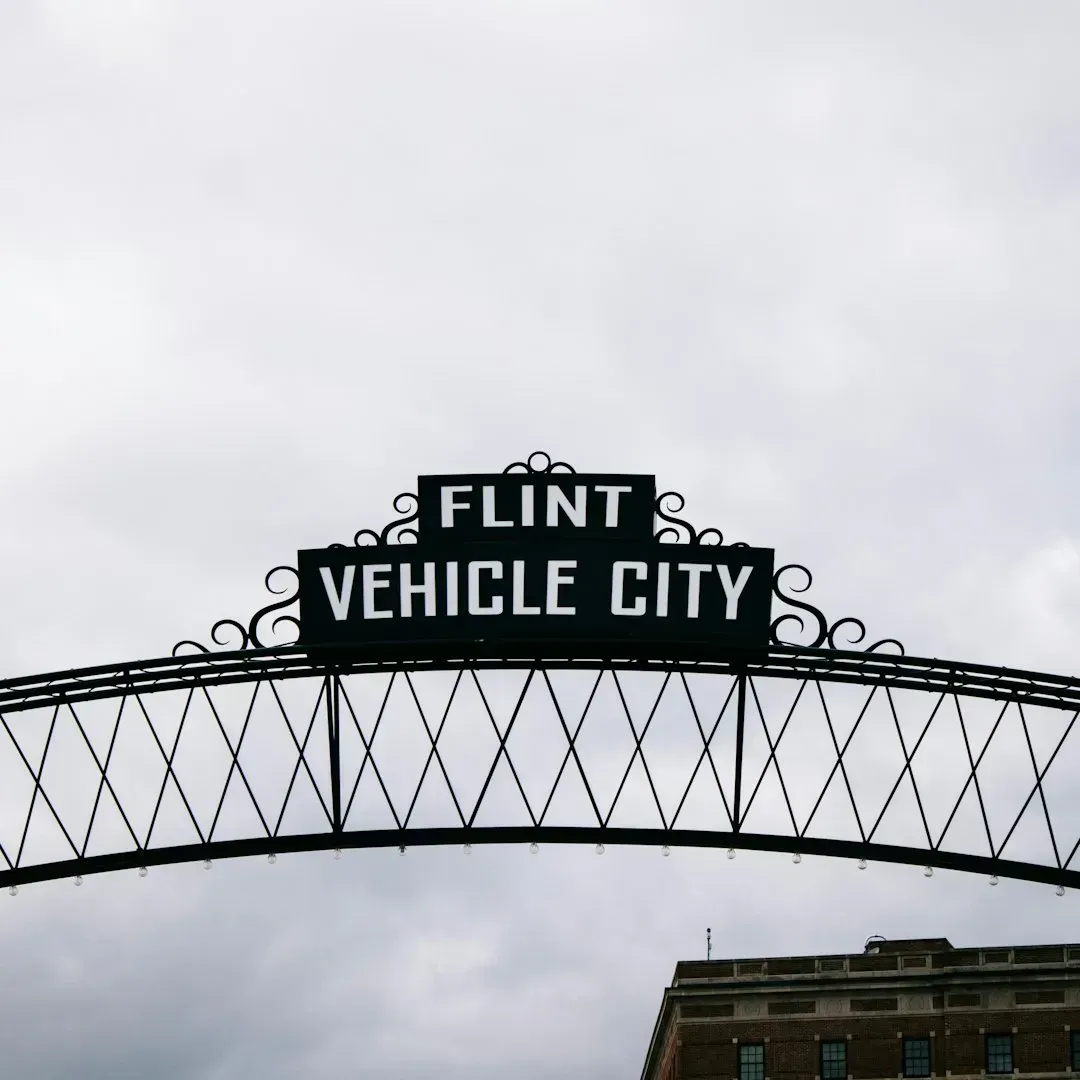
Despite positive trends, challenges persist – Detroit continues to lose residents, with a decline of over 52,000 since 2017, and Flint, Michigan, still grapples with poverty despite an increase in median home values, while Gary, Indiana, and Akron, Ohio, are still struggling with population and economic losses. The revival is real, but it isn’t uniform. Cities that haven’t successfully converted their manufacturing history into higher-tech manufacturing jobs the way Columbus and Pittsburgh have are still struggling, and while the Rust Belt is one of the few regions in the U.S. where middle-class families can more easily afford to buy a home, that affordability benefit only fully translates into opportunity when local job markets support it.
Out-of-town property owners, including corporations, are already being criticized in cities such as Toledo and Cleveland for buying up homes in working-class neighborhoods en masse, and according to Outlier Media, property speculators have controlled approximately 20 percent of properties in Detroit since the early 2010s. Local officials are watching this closely. A 2023 case study by the Cleveland Urban Design Collaborative highlighted that the city of Cleveland has existing roads, sewers, and water lines designed to support a population of over one million residents – yet its current population is approximately 370,000 people. The infrastructure headroom exists. Whether the growth that fills it is equitable remains an open and urgent question.