The $184,500 Limit: What the New Social Security Tax Cap Means for 2026 Pay
If you’re pulling in a high salary this year, your paycheck might look a little different than you expected. The government just raised the ceiling on how much income gets hit with Social Security tax, and it’s not a small bump. In 2026, the maximum amount of earnings on which you must pay Social Security tax is $184,500. That’s a notable jump from where things stood just months ago. Last year, in 2025, the tax limit was $176,100.
This shift affects a relatively small slice of workers, but the impact on those who earn above the old threshold is real. Only 6% of workers earn more than the taxable maximum, according to 2024 data from SSA. Still, understanding what this change means for your take-home pay, your tax planning, and even your future Social Security benefits is worth your time.
The Jump From $176,100 to $184,500

The Social Security Administration announced on October 24 that the 2026 social security wage base will be $184,500, an increase of $8,400 from $176,100 in 2025. This represents roughly a 4.8 percent bump, which is larger than some recent years but still below the record spike we saw a few years back. These recent hikes are only surpassed by the record-breaking $13,200 increase seen from 2022 to 2023. The wage base adjusts annually based on the National Average Wage Index, which has been climbing faster than some conservative projections anticipated.
People making more than $184,500 in 2026 will pay $520.80 more in Social Security taxes this year than they would have paid if the tax limit had remained at the 2025 level of $176,100. That’s not pocket change. For context, if you’re earning at or above the new cap, you’ll pay a maximum of $11,439 in Social Security tax this year as an employee. The maximum social security tax employees and employers will each pay in 2026 is $11,439, an increase of $520.80 from $10,918.20 in 2025. Your employer matches that amount, bringing the total contribution to $22,878.
Who Actually Feels the Pinch

Let’s be real: if you’re earning well into six figures, you’re already doing pretty well. However, the extra tax bite still matters when you’re planning budgets or evaluating a raise. Every dollar between $176,100 and $184,500 is going to be subject to Social Security tax in 2026 for the first time ever. That means income that was previously off the hook now gets taxed at 6.2 percent. The Social Security payroll tax includes a 6.2% tax paid by both employees and employers.
This $8,400 increase in the taxable wage base translates to an additional $520.80 in Social Security tax paid by both the employee and the employer (or the full $1,041.60 for self-employed individuals). If you’re self-employed, the hit is double because you’re covering both sides of the payroll tax. Individuals who are self-employed pay a 12.4% rate. The silver lining? Self-employed folks can deduct half of that amount, which reduces adjusted gross income and can help with other tax thresholds.
Medicare Tax Keeps Going No Matter What
Here’s something that catches a lot of people off guard: while Social Security tax stops once you hit that $184,500 ceiling, Medicare tax never quits. There is no maximum earnings amount for Medicare tax. You keep paying that 1.45 percent on every dollar you earn, whether you’re making $50,000 or $5 million. However, there is no limit to the earnings that can be subject to those levies.
For high earners, there’s another kicker: the Additional Medicare Tax. Higher earners – individuals earning more than $200,000 and married couples with more than $250,0000 – may separately pay an additional 0.9% Medicare tax. That means once you cross certain income thresholds, you’re paying a total of 2.35 percent in Medicare taxes on those top dollars. It’s one more reason why understanding your total payroll tax burden matters, especially if you’re nearing those cutoffs or negotiating compensation packages.
The Bigger Picture Behind the Cap
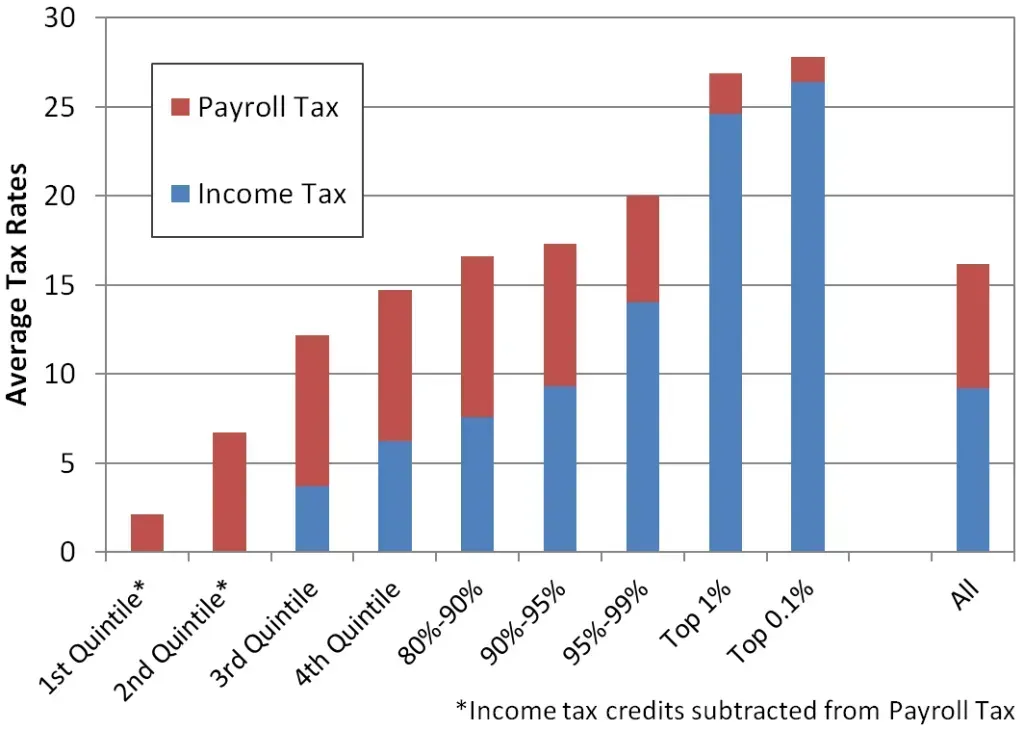
Why does this limit even exist? It goes back to how Social Security is designed. There is a wage base limit for Social Security because benefits are earned based on wages you’re taxed on. To avoid that outcome, there’s a cap on the wages that count in the benefits formula and that are subject to payroll tax. The system wasn’t built to tax millionaires on every dollar and then pay them tens of thousands monthly in retirement. The cap keeps things somewhat proportional.
Still, this setup creates controversy. For instance, someone earning $2 million a year would surpass the 2025 wage base of $176,100 in less than five traditional work days. After that point, they no longer pay Social Security tax for the rest of the year, while middle-income workers continue contributing on every paycheck. Critics argue this undermines fairness and starves the Social Security trust fund of revenue it desperately needs. The adjustments come amid continued worries about Social Security’s trust fund shortfall, and raising the taxable maximum is one of many options that have been floated to close the funding gap.
What to Do About It

If you’re earning above the old limit, the first step is simple: adjust your budget for that extra $520 bite. It’s not catastrophic, but it’s real money. If you have two jobs and both employers are withholding Social Security tax, you might end up overpaying. No, each employer must continue to withhold Social Security tax until your wages with that employer exceed the wage base. Fortunately, when you file your income tax return, you’ll get a credit for any excess withheld. So keep good records and claim that credit when tax season rolls around.
For those approaching retirement or thinking about claiming strategies, remember that higher earnings now can mean bigger benefits later. The maximum Social Security benefit for a worker retiring at FRA is projected to be around $4,152 per month in 2026. However, DRCs increase the benefit by 8% per year (compounded monthly) up to age 70. The more you earn – and pay into the system – the better your future monthly checks could be. It’s hard to say for sure how much that extra few hundred dollars in taxes today will boost your retirement income, but it’s part of the calculation.
Think strategically about timing if you’re self-employed or have flexibility with bonuses or income deferrals. Shifting income between years won’t eliminate the tax, but it can help smooth cash flow and manage other thresholds like Medicare premium surcharges. Speaking of which, keep an eye on your modified adjusted gross income. Higher MAGI can trigger those pesky IRMAA surcharges on Medicare premiums once you hit retirement age, and those are based on tax returns from two years prior.
What do you think about the new cap? Does it feel fair, or should high earners pay Social Security tax on every dollar they make? The debate isn’t going away anytime soon.